Monthly Archives: July 2014

Rabbit from Santorini (Κουνέλι τυραύγουλο)

recipe%205_cyclades%2001

Santorini rabbit.

You can use any hard cheese for this dish, but many stick to kefalotiri

Ingredients:
1/4 cup butter
1 rabbit about 1 and 1/4 kilos cut in pieces
salt and freshly ground pepper
1 large onion, cut finely
1 tablespoon of plain flour
2 cloves of garlic, finely chopped
1 cup of dry red wine
2 bay leaves
2 eggs, lightly beaten
3/4 cup of grated kefalotiri or any other hard cheese

Method:
1. In a saucepan on high heat add 3 tablespoons of the butter.
2. Roll the rabbit in salt and pepper and sauté in the butter, turning on all sides.
3. Remove from pan and set aside.
4. Add the remaining butter to the saucepan and sauté the onion.
5. Add the flour and stir till brown.
6. Put the rabbit back in the saucepan, add the garlic and stir for one minute.
7. Add the wine and enough water to cover the rabbit.
8. Add the bay leaves and the salt and pepper, put the lid on the saucepan and on a low heat simmer for about 1 hour.
9. Beat the eggs, add the cheese to the eggs and add a ladle of the rabbit juice into the egg mixture, stirring quickly.
10. Add the egg/cheese mixture to the rabbit, stir lightly and allow it to cook for 1 minute.
11. Serve hot.

You can use any hard cheese for this dish, but many stick to kefalotiri.

source: Neos Kosmos


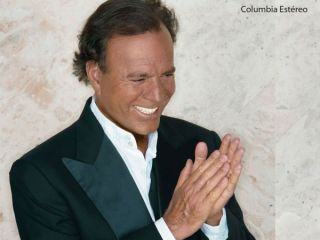
Julio Iglesias sings in Mykonos

julio_iglesias%2001

Julio Inglesias will be in the Greek Islands.

Latin singer Julio Iglesias will be performing at a famous beach bar-restaurant, Nammos, on 30 July, joined by Greek singer Antonis Remos.

Despite the big concert arenas and huge stadiums he has been used to for his whole career, famous Latino artist Julio Iglesias the same rules didn’t apply when signing a contract to perform on a ten metre iron pontoon on the Cycladic island of Mykonos.

The Latino singer with the most record sales worldwide – over 300 million – Iglesias will be performing at a famous beach bar-restaurant, Nammos, on 30 July.
It has been reported that the owners of the bar at Psarou Beach have cashed out a whopping 335,000 euros to bring the Latino legend to Nammos.

Nammos’ reputation has spread worldwide in recent years, mostly due to the fact that its owners are able to book internationally renowned artists each year.
Julio Iglesias will be arriving at the small airport of Mykonos in late July in order to perform at Nammos. The total amount of a whopping 335,000 euros will include payment for Iglesias himself and his associates, as well as their flight, accommodation, and transportation expenses.

In addition, it was announced that popular Greek singer Antonis Remos will also be performing along with Iglesias, and he is planning on singing four duets with the internationally acclaimed singer.

source: Neos Kosmos

Kyrgios catapults up the rankings

kyrgios%20rankings

Australian Nick Kyrgios now ranked 66th in the world. PHOTO: THE YOMIURI SHIMBUN VIA AP

Nick Kyrgios jumped into the top 100 for the first time and Novak Djokovic returned to the top when the post-Wimbledon ATP rankings were released post the Wimbledon Grand Slam.

Kyrgios was ranked 144th in the world heading into the tournament, but his surprising run to the quarter-finals saw him jump 78 spots to 66th – the biggest move by anyone in the top 100.

The 19-year-old is now Australia’s third-highest-ranked male behind Lleyton Hewitt, whose second-round exit boosted him five places to 43rd, and Marinko Matosevic, who climbed three spots to 55th.

Matt Ebden (78) is the only other Australian in the top 100 after Bernard Tomic fell 38 spots to 124, one behind Sam Groth.

There was movement at the pointy end of the rankings as well, with two-time Wimbledon champion Djokovic reclaiming the number-one ranking after losing it to Rafael Nadal last September.

After being ousted by Kyrgios in the third round, Nadal slipped back to second, but still sits over 6,000 championship points ahead of Roger Federer, who returned to the top three after falling agonisingly short of an eighth Wimbledon crown.

Last year’s champion, Andy Murray, fell five places to 10th, as semi-finalists Milos Raonic and Grigor Dimitrov reached career highs of sixth and ninth respectively.

On the WTA singles rankings, mixed doubles champion Samantha Stosur slid one place to 18th as Serena Williams maintained her stranglehold atop the list despite a sub-par campaign.

Casey Dellacqua held firm in her career-high ranking of 36th to remain Australia’s second-best female and Jarmila Gajdosova (150) jumped 27 spots after falling in the second round at SW19.

Source: ABC

Greek Australian teen jumps 78 spots to 66th.


251 languages spoken in Melbourne alone

social-lonsdale13

Melbourne has the biggest Greek speaking population outside Greece. Photo: Kostas Deves.

Melbourne has more spoken languages than countries in the world, with Greek topping the list.

Melbourne is one of the most linguistically diverse cities in the world, with 251 individual languages spoken at home.

Greek is once again one of the largest spoken languages in metropolitan Melbourne, with Italian, Mandarin, Vietnamese and Cantonese behind according to Fairfax Media data.

The biggest concentration of Greek speakers was in the South East and continued down into the Peninsula area.

Greek was fairly widespread in the state, with pockets in the North (Preston, Thornbury and Northcote) and North East (Templestowe and North Warrandyte) and the West (Williamstown and Newport) housing a large share of Greek speakers.

One of the biggest jumps in the city was with Mandarin, with more than 100,000 people speaking the language at home compared to 60,000 in 2001.
Mandarin is now the second-most spoken language in inner city areas thanks to the jump in new migrant arrivals to the city.

Three in 10 people speak a language other than English in the city while 200,000 more Melburnians are speaking a language other than English than a decade ago.

In some suburbs, more than half the population speaks a language other than English, showing that many people settle in suburbs that have strong cultural connections to their motherland.

Source: Fairfax Media

14m child brides in Indo-Pacific region: report

imagesCA984N72

As many as 14 million child brides – some as young as 10 – are forced to marry in Australia and the Indo-Pacific region every year, a new report has claimed.

According to the Plan International Australia report, up to 39,000 girls under the age of 18 are married off every day and it’s happening right under our noses.

“It’s definitely happening here. Often the girls are taken overseas for the marriage; they may or may not return immediately. They may return many years later,” Plan chief executive Ian Wishart told News Corp.

“Teachers will often report that a young girl simply doesn’t return to school after semester break and it’s very difficult to establish why, but she’s just disappeared.”

Mr Wishart said the Children’s and Youth L aw Centre had identified 250 cases of children being forced to marry with the Immigrant Women’s Health Service reporting 60 child brides in NSW alone.

Elia, 14, whose surname is withheld, is said in the report to have been married in Australia to an older man.

When she tried to return to study after the marriage her husband burnt her homework and forced her to drop out of school.

“There are parents who still have very strong stereotypes for their girls and there are parents who still think their children are owned, more or less, like property. And those two beliefs will drive those parents to take those decisions,” Mr Wishart said, adding that a common misunderstanding is that religious practice is to blame.

“They often believe they are acting in the best interests of their young girl.”

Mr Wishart called on the federal government to commit to ending child marriage and the United Nations to include the issue in its post-2015 development goals.

source: ninemsn.com.au

World Cup 2014: Germany beats Argentina 1-0 to win Cup thanks to Mario Goetze extra-time volley

5593772-3x2-700x467

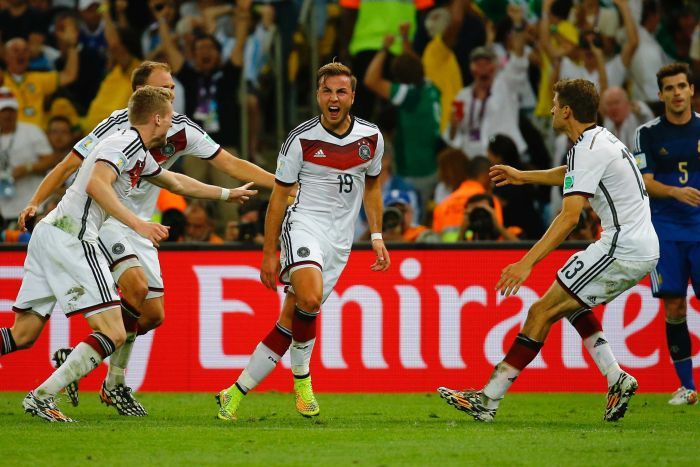
Photo: That winning moment … Germany’s Mario Goetze (C) celebrates scoring the winner against Argentina. (Reuters: Kai Pfaffenbach)

Germany has won the 2014 World Cup after Mario Goetze hit the final’s only goal in a 1-0 extra-time win over Argentina at the Maracana on Monday morning.

A combination of substitutes provided Germany’s golden moment as Andre Schuerrle danced past his marker on the left wing before hitting a sumptuous cross to Goetze, who chested the ball down and volleyed past Sergio Romero in one spectacular movement.

The goal punctuated a tense, tight affair which saw neither team able to find the breakthrough in 90 minutes of regular time despite a host of chances for both sides.

It is the fourth World Cup triumph for Germany after 18 years without an international title, to go alongside its 1954, 1974 and 1990 Cup wins.

Germany also became the first European nation to win the World Cup in the Americas, in a match which saw Argentina go behind for the first time in the tournament.

“We’re going to celebrate for at least five weeks now,” said Germany’s Manuel Neuer, who was awarded the tournament’s Golden Glove award for best goalkeeper.

“At some point we’ll stop celebrating but we’ll always keep waking up with a smile.

“We did it and it’s unbelievable. In the preparation we had some setbacks. We have to think of the guys not here. They are world champions now too.”

Argentina coach Alejandro Sabella said: “I feel sadness not to have been able to win the tournament but pride in the team that played a great game.

“I congratulate the players. They are a pride to the nation for the efforts they made and the tournament they played.”

There was a small consolation for Argentina as Lionel Messi picked up the tournament’s Golden Ball award for most outstanding player.

Both sides looked a potential winner heading into extra time as Germany’s Mesut Ozil cut the ball back for Schuerrle who fired straight at Romero, before Rodrigo Palacio chested down a cross into the box, only to watch his chipped effort sail wide of the German goal.

Goetze’s goal in the 113th minute prompted a mad scramble for one last goal from Argentina as Marcos Rojo volleyed a wild cross into the box which found the head of Messi, but the nodded shot only landed on the roof of the net.

Messi, on whom so many of Argentina’s tournament hopes rested, then had the chance to fire in a free-kick deep into added time of extra time’s second half, but shot over the bar as Germany prepared to celebrate.

German players celebrate winning the World Cup after defeating Argentina 1-0 in extra time. Photo: Time to celebrate … German players rejoice after the final whistle. (Getty Images: Matthias Hangst)

Germany gradually ascended in the second half of normal time, but only after an early breakaway saw Messi hold off two defenders before unleasing a left-footed shot, missing the far post by inches.

Gonzalo Higuain then came off second best after a forceful bump from keeper Manuel Neuer, who had raced out to punch a Pablo Zabaleta long ball clear, leaving his knee in the Argentine’s collarbone. Somehow, a foul was called against Higuain.

But Germany then came into the match with a string of attacks on Argentina’s goal. Klose headed a cross straight to Romero, before a German turnover saw Ozil fluff his lines as he poked a Schuerrle cross wide.

Thomas Mueller then played Schuerrle into the box only for the move to break down thanks to the midfielder’s poor touch.

Messi sought to respond for Argentina, cutting in from the right and bringing three defenders with him across the edge of the box, but his left-foot effort curled well wide of goal.

Germany attacked again as Benedikt Hoewedes got into the box but could not pull the ball back for a team-mate, before Ozil ballooned a cross over Schuerrle’s head.

Ozil then set the ball up for Toni Kroos on the edge of the area, but his shot trickled wide as extra time beckoned.

Higuain goal chalked off for offside against Germany Photo: Goal chalked off … Gonzalo Higuain saw his first-half strike ruled out  for offside. (Getty Images: Robert Cianflone)

The first half may have finished goal-less but saw a number of chances for both teams.

Higuain was put clean through by a wayward Kroos header, but contrived to skew his right-foot shot well wide with just Neuer to beat.

A good ball released Ezequiel Lavezzi on the right flank, allowing him to hit an inviting cross which Higuain turned in, but the goal was chalked off after the striker strayed a metre offside.

Christoph Kramer – on as a late call-up after Sami Khedira pulled up with a calf injury in the warm-up – was then forced to come off due to a head knock, forcing Germany into a midfield reshuffle as Schuerrle came on.

Schuerrle was immediately involved soon after as Mueller broke down the right wing before cutting back for the substitute, who forced Romero into a good save with a first-time side-footed effort.

Germany was forced to madly scramble the ball clear after Lavezzi muscled his way to the right byline before cutting the ball back into the box.

Mueller responded with an intercept before transferring the ball to Ozil, who set up a Kroos shot from distance as Romero got down low to save.

Mueller again found space on the right to hit an outswinging cross in Miroslav Klose’s direction, but it was just too wide for the forward to get his head on it.

There was late first-half drama in added time as Hoewedes smacked a header firmly against the post from a German corner as the stanza ended with honours even.

source: abc.net.au


Aussie boots maker Rossi bypassed for defence deal, Nick Xenophon says

5594094-3x2-340x227

Photo: Boots maker Neville Hayward and Senator Nick Xenophon think procurement rules are stacked against Australian firms. (Supplied)

Independent Senator Nick Xenophon has taken aim at the Federal Government for bypassing local firms to award contracts to overseas companies.

He says that under “value for money” criteria, the Defence Materiel Organisation (DMO) has gone with a foreign company rather than Adelaide company Rossi to make 100,000 pairs of boots for the Australian military.

The five-year deal is worth about $15 million.

Senator Xenophon says current rules preclude the DMO from considering the wider benefits for the local economy of awarding a deal to an Australian business.

“What rankles me is that with the $40 billion that the Commonwealth spends on procurement each year they don’t take into account local employment factors, the local multiplier effect of having something made here in Australia,” he said.

“Even if there is a small price differential, in terms of value for money you’re getting value for money in terms of jobs being kept here.”

Rossi ‘not told’ why it failed

Rossi Boots CEO Neville Hayward is upset the company was not given enough detail of why it failed with its tender.

“We don’t know what the price differential was as we were told that was commercial in-confidence,” he said.

“We do know our boots’ quality is world-class and, unlike imported boots, we employ Australians who pay their taxes, like our company, and spend their wages in the local community.”

Mr Hayward has gone to Canberra to urge the tender process be reopened and procurement rules reviewed.

An inquiry into government procurement rules, established by Senator Xenophon and Senator John Madigan of the Democratic Labour Party, is due to report later in the week.

source:abc.net.au

Αποχαιρέτησαν το Μουντιάλ

image

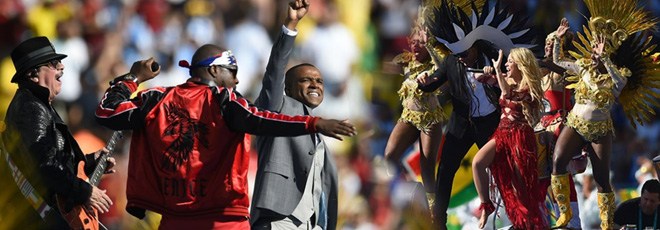
Σε μία σύντομη τελετή λήξης, η Σακίρα και ο Κάρλος Σαντάνα αποχαιρέτησαν τους φιλάθλους ανά τον κόσμο που έδωσαν το «παρών» στα γήπεδα της Βραζιλίας για το Μουντιάλ.

Με τέσσερις μεγάλες μαριονέτες που έκαναν την εμφάνισή τους στις τέσσερις γωνίες του αγωνιστικού χώρου του Μαρακανά συμβολίζοντας τις τέσσερις αξίες (Ελευθερία, Αλληλεγγύη, Πάθος και Διαφορετικότητα) ξεκίνησε η τελετή.

Εν συνεχεία, παρουσιάστηκαν οι σημαίες και των 32 χωρών που έλαβαν μέρος στη φετινή διοργάνωση.

Το αποκορύφωμα της φιέστας στο Μαρακανά ήταν η εμφάνιση της… ξυπόλητης Σακίρα στη σκηνή, η οποία φόρεσε κόκκινο φόρεμα και τραγούδησε το «La La La». Κοντά της και ο γιος της Μίλαν που απέκτησε με τον ποδοσφαιριστή Ζεράρ Πικέ…

Η τελετή λήξης μέσα από εικόνες…

Ραντεβού σε τέσσερα χρόνια…

Πηγή: zougla.gr

World Cup 2014 final: Germany v Argentina preview

5593088-3x2-700x467

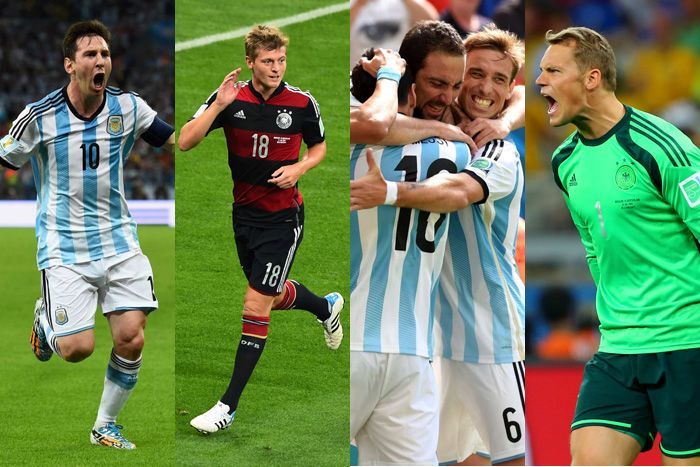
Germany will play Argentina in the World Cup final seeking a fourth Cup triumph, while Lionel Messi will be looking to seal his place in the top echelons of football history.

The Germans enter the final as the tournament’s form team, having thrashed the host Brazil 7-1 in the semi-finals in a seismic result that shook the tournament and international football.

Germany also comes into the game with the benefit of an extra day’s rest after spending the majority of its semi-final in second gear after sealing the win over Brazil inside the first 30 minutes.

Argentina, seeking a third World Cup title, will have to battle against any tiredness after battling out a penalty shoot-out win over the Netherlands in 120 minutes, and with one day less to recover.

But Argentina does have the best player in the world in Messi, who will hope to inspire his side past a ferocious German team featuring arguably the world’s best midfield unit, as well as a legion of travelling fans numbering over 100,000.

Key players

Lionel Messi

Lionel Messi celebrates his late goal for Argentina against Iran

Not much more can be said about the world’s best player, who has come back from a frustrating club season dogged by injury to propel Argentina into the World Cup decider.

A player of mesmeric finishing ability, ball control and flair, Messi is the creative force behind everything Argentina produces on the pitch and is capable of creating other-worldly match-winning moments out of nothing.

Roared on by an enormous travelling contingent of Argentine fans, Messi will be hoping to conjure up one more sparkling performance for his team after picking up four consecutive man-of-the-match gongs at the start of the tournament.

But Argentina’s greatest strength may also prove to be a key weakness, with Germany well versed on which player it would need to mark out of the game.

Mueller celebrates winner against USA

Thomas Mueller

The face of German footballing efficiency, Thomas Mueller adds a genuine mean streak to his national team.

Mueller can play as either a winger, attacking midfielder or lone forward, and has an uncanny knack for finding the exact space in which to score.

A great goalscorer rather than a scorer of great goals, Mueller specialises in the scrappy finish, tapping in knock-downs and fighting his way past defenders to poke home from close-range.

That ability to scrap with his opponent has seen him net five goals this tournament – 10 World Cup goals in total – which could see him challenging Miroslav Klose’s all-time goal record in future.

Javier Mascherano

Mascherano shepherds Huntelaar in semi-final

Played a crucial role against the Netherlands in shackling the attacking intentions of Arjen Robben, and will be crucial in performing a similar role against Germany.

Which player he chooses to man-mark is up for debate, but Mascherano’s ability to screen his back four from midfield will go a long way to determining if Argentina can come out victorious.

Mascherano’s agility may be hampered by an injury picked up in the semi-final after making a crucial sliding block on Robben in the dying stages of regulation time.

His ability to play a secondary role at centre-back, as showcased with club Barcelona, could also add versatility to Argentina’s line-up if it decides to switch in more attacking players and chase the game.

Philipp Lahm

Philipp Lahm

One of the most adaptable players on the planet, Germany captain Philipp Lahm has been reinstated at right-back after a spell as defensive pivot in midfield.

Wherever he does play, expect Lahm to be an authoritative influence as he shuts down Argentine forays and springs German attacks going forward.

Lahm personifies Germany’s cool under pressure, and is unflappable even when faced up against the speediest wingers.

A player who has won everything at club level with Bayern Munich, Lahm will be desperate to lead a formidable German side to a long-awaited World Cup title.

The path to the final:

Argentina beat World Cup newcomers Bosnia and Herzegovina 2-1 thanks to a Sead Kolasinac own goal and Lionel Messi stunner in their opening match, before Messi popped up again with an excellent goal to help down Iran 1-0.

La Albiceleste then edged Nigeria 3-2 in an exciting clash which saw Messi bag two goals, while defender Marcos Rojo also got on the scoresheet to overcome Ahmed Musa’s brace.

Argentina required a last-gasp Angel Di Maria goal near the end of extra-time to beat the stubborn Swiss 1-0 in Sao Paulo, before Gonzalo Higuain’s eighth-minute strike put paid to Belgium’s hopes in a 1-0 triumph.

The semi-finals saw Argentina battle out a turgid 0-0 draw with a defensive Netherlands side, but progressed to the finals after a perfect penalty shoot-out display.

Germany’s World Cup got off to a ripping start as it thrashed fellow Group G heavyweights Portugal 4-0 in its opening game.

But the first speed bump came in a scratchy 2-2 draw with Ghana, before the Germans edged a valiant USA side 1-0.

The team looked to have lost its rhythm as Algeria held it to a 0-0 in 90 minutes in the round of 16, but Andre Schuerrle and Mesut Ozil’s goals in extra-time sealed a 2-1 win.

Germany then put in a professional performance to beat France 1-0 in the quarter-finals, before exploding in the final four clash with host Brazil, triumphing 7-1 in a historic thrashing.

Head to head: teams ready for third final face-off

This will be the seventh World Cup clash between the two teams, and the third time they have met in the World Cup final.

The first final meeting between the two came in 1986 when Diego Maradona’s Argentina triumphed 3-2 at the Azteca in Mexico City.

West Germany avenged that result in a tetchy 1990 decider, which saw the first two players ever sent off in a World Cup final.

The Germans ultimately triumphed 1-0 thanks to an 85th-minute penalty kick from Andreas Brehme, following Pedro Monzon and Gustavo Dezotti’s red cards.

Head-to-head in World Cup matches:

GERMANY

v

ARGENTINA

Six games played
1 Wins 3
2 Draws 2
11 Goals (16 in total) 5
Previous matches:

1958: West Germany 3-1 Argentina (first round)
1966: Argentina 0-0 West Germany (first round)
1986: Argentina 3-2 West Germany (final)
1990: West Germany 1-0 Argentina (final)
2006: Germany 1-1 Argentina (GER won 4-2 on pens, quarter-final)

source:abc.net.au

Παγκόσμιο Κύπελλο 2014 – Τελικός: Γερμανία – Αργεντινή

telikos_mountial_madata_379570347

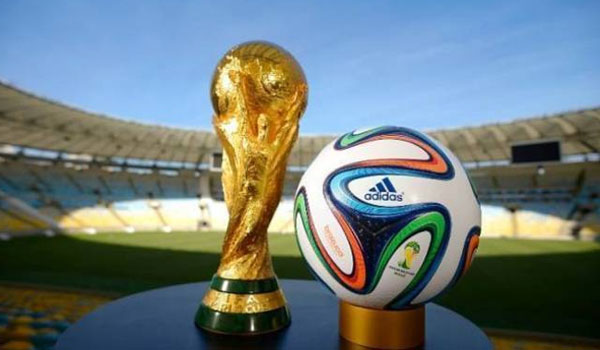
Σήμερα το βράδυ στις 22:00, στο γήπεδο «Μαρακανά», Γερμανία και Αργεντινή αναμετρούνται με φόντο το τρόπαιο του Μουντιάλ, σε έναν τελικό που πλέον είναι από τους «κλασικούς» Παγκοσμίων Κυπέλλων, καθώς είναι η τρίτη φορά που οι δύο αντίπαλοι θα μονομαχήσουν για την πρώτη θέση της κορυφαίας ποδοσφαιρικής διοργάνωσης.

Η επιβλητική Γερμανία, μετά τα επτά γκολ με τα οποία «φιλοδώρησε» τη διοργανώτρια Βραζιλία, θέλει μια ακόμα καλή εμφάνιση –αυτή τη φορά κόντρα στην Αργεντινή- προκειμένου να στεφθεί πρωταθλήτρια.

Το ηθικό των παικτών του Λεβ είναι ανεβασμένο (και πώς να μην είναι άλλωστε όταν έχεις ρίξει εφτάρα στους Βραζιλιάνους) και όλοι ζουν και αναπνέουν για αυτό το παιχνίδι. Τηντελευταία φορά που τα «πάντσερ» βρήκαν στο δρόμο τους την Αργεντινή, την κέρδισαν με σκορ 4-0 στο Μουντιάλ της Νοτίου Αφρικής το 2010. Το ίδιο θα προσπαθήσουν να κάνουν και σήμερα, ξέροντας φυσικά πως πλέον δεν αντιμετωπίζουν τους Αργεντίνους σε αγώνα προημιτελικών, αλλά στον μεγάλο τελικό, όπου το πράμα «ζορίζει» λιγάκι παραπάνω.

Από την πλευρά τους οι Αργεντίνοι βρίσκονται ήδη σε έκσταση, μόνο και μόνο επειδή θα βρεθούν σε τελικό Μουντιάλ. Τελευταία φορά που το κατάφεραν ήταν το 1990 στο Παγκόσμιο Κύπελλο της Ιταλίας, όταν έχασαν τον αγώνα με σκορ 1-0 από την Γερμανία, χάρη σε ένα πέναλτι που είχε δοθεί σε «βουτιά» του Ρούντι Φέλερ. Από τότε, όλοι ζητάνε εκδίκηση, ωστόσο το 2010 η συνάντησή τους με την Γερμανία, είχε πονέσει…

Το πάθος των Αργεντινών αποτυπώνεται με τον καλύτερο τρόπο στο πρόσωπο του Μαστσεράνο. Ο αμυντικός μέσος της Μπαρτσελόνα από το ξεκίνημα της διοργάνωσης ονειρευόταν τον τελικό και δεν ντρεπόταν καθόλου να το πει. Αυτός ήταν που έβγαλε «πύρινο» λόγο πριν την έναρξη των ημιτελικών στους συμπαίκτες του, αυτός εμψύχωσε τον Ρομέρο όταν ο αγώνας με τους Ολλανδούς έφτασε στα πέναλτι, αυτός έβαζε συνεχώς «στοπ» στον Ρόμπεν, όποτε ο Ολλανδός μεσοεπιθετικός βρισκόταν σε θέση βολής. Ωστόσο, ολόκληρη η χώρα έχει εναποθέσει τις ελπίδες της στον Μέσι, ο οποίος κουβαλάει το «βάρος» πως πρέπει να γίνει ο νέος Μαραντόνα.

Οι δύο τελικοί Αργεντινής – Γερμανίας

Το 1986 στο Μουντιάλ του Μεξικό, η Αργεντινή είχε βρεθεί στον τελικό με την –τότε- Δυτική Γερμανία. Οι λατινοαμερικάνοι είχαν ξεκινήσει καλύτερα τον αγώνα και είχαν καταφέρει να προηγούνται στο 56ο λεπτό με 2-0, όμως οι Γερμανοί έκαναν δυναμικό comeback και με γκολ των Ρουμενίγκε και Ρούντι Φέλερ έφεραν το παιχνίδι στα ίσια. Όλοι ετοιμάζονταν για παράταση, όμως ο Μαραντόνα είχε διαφορετική άποψη και αφού ταλαιπώρησε την άμυνα των «πάντσερ» πάσαρε στον Μπουρουσάγκα κι αυτός χάρισε στους Αργεντίνους το δεύτερο τρόπαιο της ιστορίας τους!

Το 1990 στο Ολίμπικο της Ρώμης, ήρθε η ώρα της ρεβάνς για τη Δυτική Γερμανία. Ο τελικός ήταν από αυτά τα παιχνίδια που όλοι θα είχαν ξεχάσει, αν ο διαιτητής Μέντες δεν έδειχνε άσπρη βούλα σε βουτιά του Φέλερ. Το πέναλτι με το οποίο η Γερμανία κατέκτησε το τρίτο της τρόπαιο εκτέλεσε ο Μπρέμε. Οι φήμες λένε πως ο Μαραντόνα ακόμα δεν έχει ξεπεράσει την απώλεια αυτού του κυπέλλου…

Οι δύο ομάδες έχουν αναμετρηθεί άλλες τέσσερις φορές σε αγώνες Παγκοσμίου Κυπέλλου. Το 1958 στη φάση των ομίλων η Γερμανία κέρδισε με 3-1, το 1966 πάλι στην πρώτη φάση της διοργάνωσης ο αγώνας έληξε ισόπαλος με σκορ 0-0, το 2006 στα προημιτελικά η Γερμανία επικράτησε στα πέναλτι στην προημιτελική φάση, ενώ το 2010 πάλι για τα προημιτελικά, τα πάντσερ είχαν διαλύσει τους λατίνους με 4-0.


Οι 8 παράγοντες που θα κρίνουν τον θριαμβευτή

Οκτώ στοιχεία που θα μπορούσαν να γείρουν την πλάστιγγα του αγώνα υπέρ της μιας ή της άλλης ομάδας είναι τα ακόλουθα:

1. Ο περιορισµός του Μέσι: Ο τρόπος με τον οποίο η Ολλανδία (μαν του μαν ο Ντε Γιονγκ στον περισσότερο χώρο του γηπέδου και πολλές βοήθειες στα άκρα) αντιμετώπισε τον σουπερστάρ της Μπαρτσελόνα κατέδειξε ότι η εξουδετέρωσή του δεν είναι πλέον (όπως παλαιότερα) μια υπόθεση ακατόρθωτη. Αντιθέτως, με συγκεκριμένη αμυντική τακτική, ο Μέσι μπορεί να απομονωθεί από τους υπόλοιπους και να βγει εκτός αγώνα. Είναι μία από τις προτεραιότητες για τη Γερμανία.

2. Η απόδοση των τριών χαφ της γερµανικής µηχανής: Με αντίπαλο ίσως τη χειρότερη μεσαία γραμμή που παρουσίασε ποτέ σε Μουντιάλ η Βραζιλία, οι Σβαϊνστάιγκερ, Κεντίρα και Κρος έκαναν ό,τι ήθελαν. Απέναντι στη σαφώς πιο πειθαρχημένη και σκληρή Αργεντινή εξυπακούεται ότι θα πρέπει να μοχθήσουν περισσότερο, να είναι πιο προσεκτικοί ανασταλτικά αλλά και να δράσουν αποτελεσματικά στις σαφώς λιγότερες ευκαιρίες που θα τους παρουσιαστούν για την προώθησή τους και την απειλή της αντίπαλης εστίας, εν συγκρίσει με την ευκολία που το έκαναν στον ημιτελικό.

3. Υπεροψία εναντίον αυτογνωσίας: Στη Γερμανία ήδη πανηγυρίζουν θεωρώντας βέβαιη την κατάκτηση του Μουντιάλ. Το κλίμα ευφορίας μετά το 7-1 επί της Βραζιλίας, σίγουρα σε έναν βαθμό θα έχει συνεπάρει και τους ίδιους τους ποδοσφαιριστές της ομάδας. Η σκληρή και πειθαρχημένη Αργεντινή θα επιχειρήσει από το πρώτο λεπτό να καταστήσει σαφές στους Γερμανούς πως «αυτή δεν είναι η αλάνα σας να κάνετε ό,τι θέλετε». Και ασφαλώς ποντάρει στη δημιουργία άγχους και νευρικότητας στα Πάντσερ.

4. Το γρήγορο γερµανικό γκολ: Σε συνδυασμό με το παραπάνω, για την Αργεντινή σημαντικό ρόλο για να αποκτήσει περισσότερες πιθανότητες απέναντι στη Γερμανία θα παίξει η αποφυγή ενός εις βάρος της γκολ στα πρώτα 15 λεπτά του αγώνα. Τα Πάντσερ σκόραραν πολύ νωρίς απέναντι στην Πορτογαλία, στη Γαλλία και στη Βραζιλία, και δεν έκαναν πολύ εύκολα τα πράγματα για εκείνους.

5. Η συµπεριφορά του κοινού: Είναι μεγάλο το δίλημμα για τους πολυπληθείς Βραζιλιάνους που θα βρεθούν στο «Μαρακανά» για το αν πρέπει να συνταχθούν με μία πλευρά και ποια θα είναι αυτή. Με την Αργεντινή η έχθρα είναι διαχρονική, όμως το 7-1 από  τη Γερμανία είναι πολύ νωπό για να ξεχαστεί. Παρουσία δεκάδων χιλιάδων Αργεντινών, η Γερμανία θα ήθελε πολύ τη στήριξη του ντόπιου στοιχείου.

6. Η κατάσταση του Μαστσεράνο: Κατά τη διάρκεια του ημιτελικού, έχοντας δεχθεί χτύπημα στο κεφάλι το οποίο θα οδηγούσε οποιονδήποτε άλλον ποδοσφαιριστή εκτός αγώνα, ο εξελιχθείς σε εμβληματική μορφή για την Αλμπισελέστε Χαβιέρ Μαστσεράνο δεν ήταν σε θέση μέσα στη ζάλη του να ξεχωρίσει αν βρισκόταν στο Σάο Πάολο ή στο… Μπουένος Αιρες. Αγωνίστηκε για μεγάλο διάστημα του αγώνα με διάσειση και ακόμη υπάρχουν αμφιβολίες για το αν θα παρουσιαστεί απόλυτα έτοιμος στο ματς της Κυριακής.

7. Ο χρόνος αποκατάστασης: Η Αργεντινή έπρεπε να «φτύσει» αίμα για να κατακτήσει την πρόκριση στα πέναλτι, την ώρα που η Γερμανία περνούσε (μία ημέρα πριν μάλιστα) το πιο εύκολο βράδυ της στη διοργάνωση απέναντι στη Βραζιλία, δίνοντας την ευκαιρία στους Κλόζε, Κεντίρα και Χούμελς να πάρουν λεπτά ξεκούρασης εξερχόμενοι από τον αγωνιστικό χώρο σχετικά νωρίς. Η λογική λέει ότι η Γερμανία θα παρουσιαστεί πιο φρέσκια και ξεκούραστη.

8. Η συµµετοχή του Ντι Μαρία: Με τον Αγουέρο έξω από τα νερά του (εξαιτίας και ενός τραυματισμού στη διάρκεια της διοργάνωσης), ο Μέσι είχε βρει το βασικό στήριγμά του στο πρόσωπο του άσου της Ρεάλ Μαδρίτης. Αν ο Ανχελ ντι Μαρία δώσει το παρών στον τελικό ευρισκόμενος σε καλή κατάσταση και όχι αισθανόμενος φόβο υποτροπής, αναμφίβολα οι πιθανότητες της Αλμπισελέστε να πάρει το τρόπαιο θα αυξηθούν σημαντικά. Ο Μέσι θα βρει περισσότερους χώρους και η Αργεντινή θα έχει περισσότερους τρόπους να απειλήσει. Δίχως τον Ντι Μαρία θα προσδοκά στην αφύπνιση του Αγουέρο ή στο να ξεπεράσει τον εαυτό του κάποιος εκ των Ιγουαΐν, Παλάσιο ή Μάξι Ροντρίγκες.

Όλα αυτά φυσικά, είναι ποδοσφαιροκουβέντες που όλοι μας κάνουμε πριν την έναρξη ενός τέτοιου αγώνα. Τα ξημερώματα της Δευτέρας, θα μάθουμε και ποιος θα ανέβει στην κορυφή του κόσμου…

Πηγή: madata.gr