
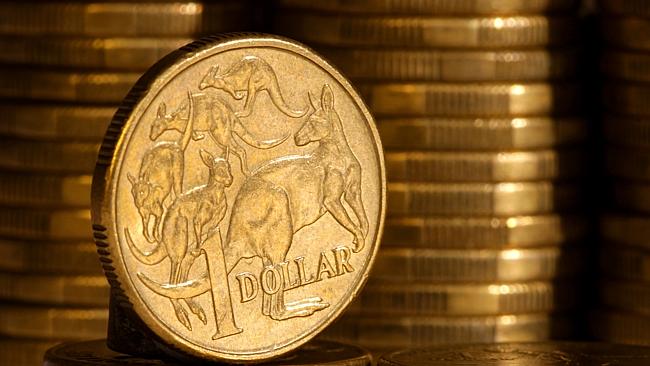
AUSTRALIA’S march to a Budget surplus could take longer than expected but the nation has retained its prized triple-A credit rating for the journey.
Standard & Poor’s has reaffirmed its top sovereign credit rating and stable outlook for Australia, saying the nation’s economic reform agenda has made it resilient to international shocks such as the financial crisis.
In a report published on Tuesday, S&P analyst Craig Michaels said Australia benefited from “strong public policy settings, economic resilience, and significant fiscal and monetary policy flexibility”.
But S&P predicted the combined government deficit would now narrow more slowly than it expected a year ago.
Net debt across the three tiers of government was expected to peak at about 21 per cent of gross domestic product next year before gradually easing, S&P said.
In an unprecedented move, the agency also said it would consider stripping the nation of its triple-A rating if combined government debt crept above 30 per cent of GDP.
“We could lower the ratings if external imbalances were to grow significantly more than we currently expect, either because the terms of trade deteriorates quickly and markedly, or the banking sector’s cost of external funding increases sharply,” Mr Michaels said.
“Such an external shock could lead to a protracted deterioration in the fiscal balance and the public debt burden.”
HSBC Australia chief economist Paul Bloxham said Australia’s debt levels were not expected to go anywhere near S&P’s debt ceiling and the nation “certainly doesn’t have a budget emergency”.
The ratings agency said Australia’s GDP growth would average 2.9 per cent over the next four years — slightly below its expectations a year ago — with its terms of trade to decline further, in line with falling commodity prices.
Much of the nation’s growth prospects hinged on its dependence on China, its biggest trading partner.
Mr Bloxham said that while commodity prices had slipped this year, they were still very high historically and the ramp-up in liquefied natural gas exports was just beginning.
“We also expect the share of Australia’s exports to China to rise from about 32 per cent now to 40 per cent by 2020,” he said.
source: heraldsun.com.au







 STUDIO 3 NEWCASTLE AUSTRALIA