Monthly Archives: July 2014

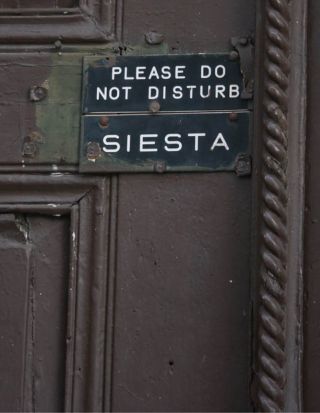
Asleep on the job

Asleep

A nap during the day lowers blood pressure, helps with memory retention and improves alertness. Photo: Giselle Boxer

In Australia some large companies are jumping on the bandwagon and giving their workers nap time to keep them working productively

The afternoon siesta has a pretty bad rap outside of its stronghold in the Mediterranean – shops closing after midday, effectively making temporary ghost towns and leaving tourists scratching their heads for what to do between 2.00 and 5.00 pm.

It’s been characterised by many in the western world as the height of laziness, but for those used to the hours the benefits of the siesta outweigh the criticism.

In Greece, the siesta is in fact mandatory for government departments and banks.

The idea is that during the hottest hours of the day, a person is able to go home, have their lunch and retire for an hour to fight afternoon sleepiness; then return to work re-energised.

In fact, the strange working hours aren’t just a convenience, they are in fact medically proven to be beneficial for our health.

A nap during the day can reduce stress, help cardiovascular functions, and improve alertness and memory.

Australian businesses have caught on, and for some large scale companies, giving their staff areas to unwind and in some cases sleep has been a calculated but fruitful exercise.

Employees at Google, KPMG, iSelect Insurance and Kavanagh Industries are all encouraged to take a power nap during the day to keep their minds fresh and relieve stress.

Google has specially designed ‘sleep pods’ scattered around its offices that harness ‘NASA technology’ to make sure the user gets a refreshing nap. They can be programmed to vibrate people awake at a designated time.

The afternoon nap at work is something chair of the Sleep Health Foundation, Professor David Hillman, says is very beneficial to supplement lost sleep overnight.

“It’s quite an enlightened thing to do, what these companies are saying is, you being properly rested is really important to your productivity and safety, and we’re going to do something to help that so we’re going to give you an opportunity to supplement that and get your overnight sleep right and catch up a bit,” he tells Neos Kosmos.

At iSelect Insurance, the pods have been a good way to keep their call centre staff happy.

“It’s played an important role in keeping our call centre turnover rates to a very low five per cent,” Paul Cross, the iSelect executive general manager, investor and corporate relations said.

The University of Manchester uncovered neurons that keep us alert turn off after we eat, pinpointing the reason why the afternoon slug is always the hardest for workers.

Sleeping for a short period of time is one of the most beneficial ways of getting back into a productive mindset, but for how long is still hotly debated.

Research by the University of California says short naps up to 30 minutes work to enhance muscle memory and help in learning sequential movements.

Thirty-to-60 minute naps improve verbal memory, meaning we can remember what is said to us for longer, while naps for more than an hour improve problem solving.

But for people supplementing the loss of sleep during the day, Professor Hillman believes simple maths can help them determine how long they should nap.

“It’s a mathematical thing, if you get six hours overnight, you need two hours’ nap in the afternoon,” he says.

“But grabbing a quick nap before doing something else, like when you’re on the road, the idea of a power nap is that you don’t slip into what’s called a slow wave sleep, and if you wake up from that and try and do something you don’t feel quite right.”

Professor Leon Lack of Flinders University has found that a 10 minute nap caused an immediate increase in alertness (the same as a half-hour nap) and did so without causing any grogginess.

The effects lasted for two and a half hours, therefore giving workers the extra boost they needed to finish the day without interfering with their night’s sleep.

Many say that getting into a deep sleep during the day can be detrimental to health, especially if it’s done irregularly, causing excessive grogginess and sleeplessness at night.

But the act of resting at any part of the day has shown to reduce blood pressure and stress.

A study conducted in Greece of more than 23,000 Greek adults found that those who regularly took a midday siesta were more than 30 per cent less likely to die of heart disease.

Men were the most protected, and those who took a siesta for 30 minutes or more at least three times a week had a 37 per cent lower risk.

Some of our most prominent leaders were avid nappers, with Winston Churchill actually first coining the term ‘power nap’. He believed the daily afternoon sleep brought him the clarity he needed during wartime.

Margaret Thatcher famously ordered her aides not to disturb her between 2.30 and 3.30 pm so she could nap, and Bill Clinton did the same each day at 3.00 pm.

Albert Einstein, Eleanor Roosevelt and Johannes Brahms also enjoyed a bit of a kip during the day.

source: Neos Kosmos
Rhodes absent of Greek tourism

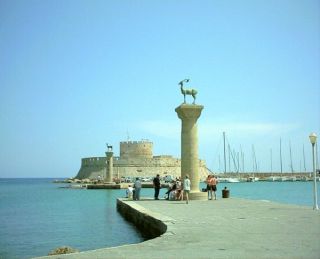
Rhodes_harbour

In June, 350,000 tourists arrived at Rhodes.

Only 5 per cent of tourists in Rhodes are from Greece.

Despite a definite increase in tourism on the Greek island of Rhodes, the number of Greek local tourists has dramatically decreased.

Only 5 per cent of tourists on the island are from Greece, dropping from the 10 per cent of tourists recorded last year.

In June, 350,000 tourists arrived at Rhodes Airport, an increase of 8.4% compared to the same period in 2013.

The situation in the Greek island of Naxos is also indicative of the crisis that has hit households in Greece. In June, 20% of people who visited the island were Greeks, while last year their number was almost 30%.

Source: Greekreporter Greece.

Liverpool Manchester City 2-2 (Reds win 3-1 on penalties)

https://www.youtube.com/watch?v=8OwzOwSaYzg

It’s over at Yankee Stadium. Liverpool wins the penalty-kick shootout after the teams played an entertaining 2-2 draw.

The first half had the lions’ share of entertainment and quality, but the second half had the all-important goals. Henderson and Sturridge showed that they remain in good form with expert finishes inside the Manchester City area.

This was no vintage performance from Liverpool. Manchester City controlled large parts of the game and finished two of the many scoring chances it created. While Liverpool demonstrated its attacking character and quality by scoring two goals from losing positions, it will be concerned about the way it defended for much of the game.

Liverpool moves to the top of their International Champions Cup group by winning the penalty-kick shootout. The Reds now have five points after picking up two against Manchester City, which now has four points. If Liverpool defeats AC Milan on Saturday in Charlotte, N.C., it will advance to the tournament final, which will take place on Monday in Miami.

liverpoolcity-149172213

source: nesn.com

Israeli strikes intensify, killing 16 at U.N. school-shelter in Gaza

la-fg-israel-gaza-pictures-144

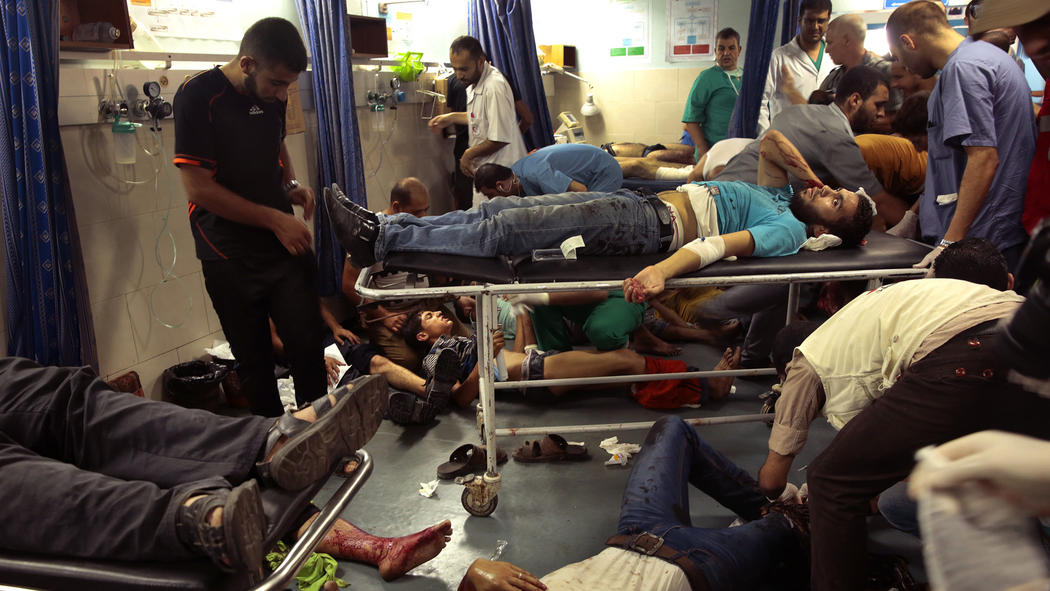
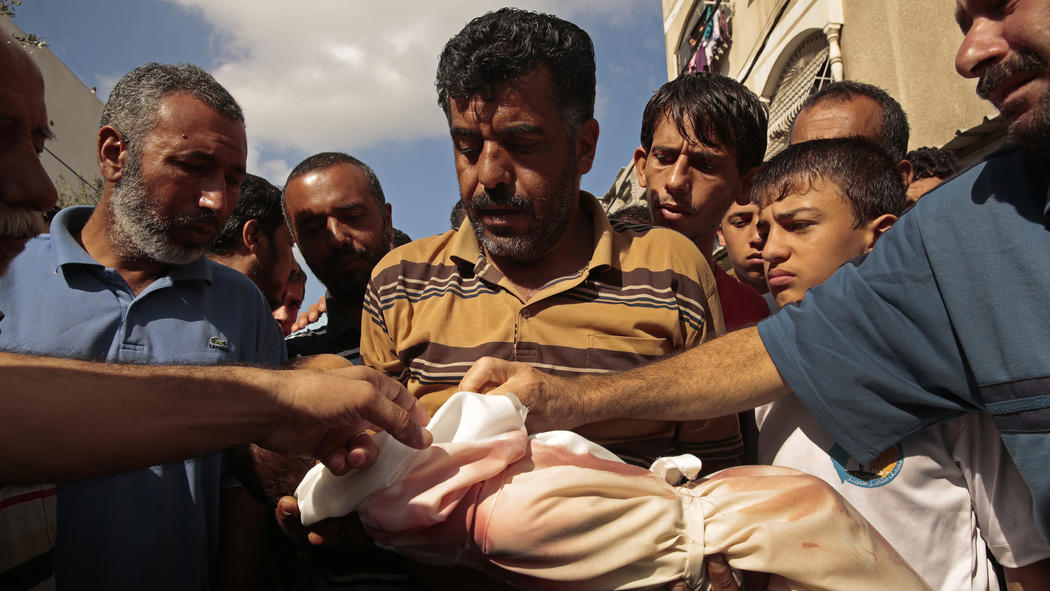
Most residents were asleep when the strikes started Wednesday at a United Nations school sheltering 3,300 Palestinians displaced by the war between Israel and the militant group Hamas.

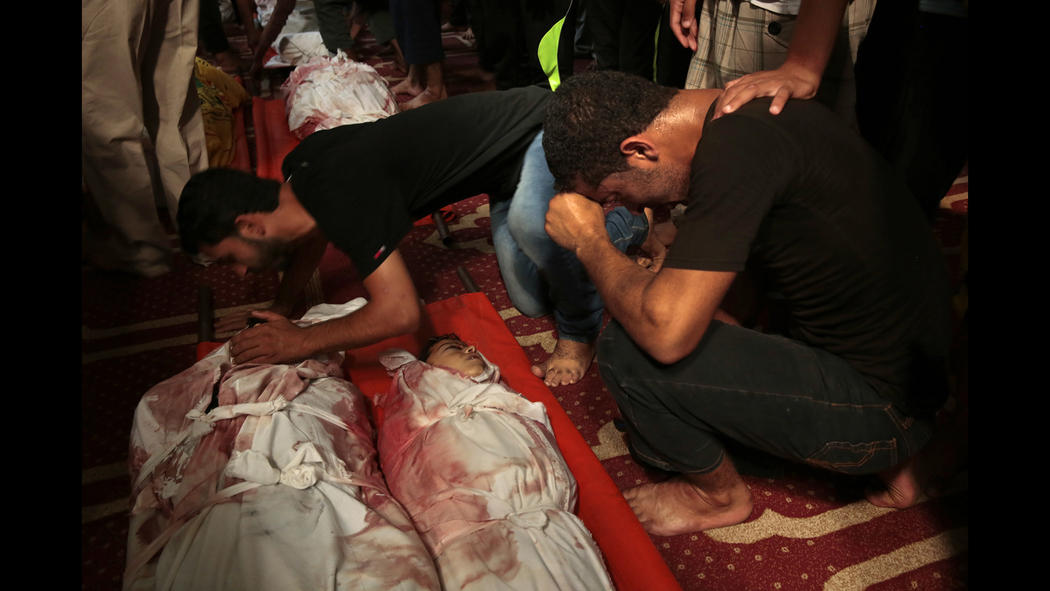
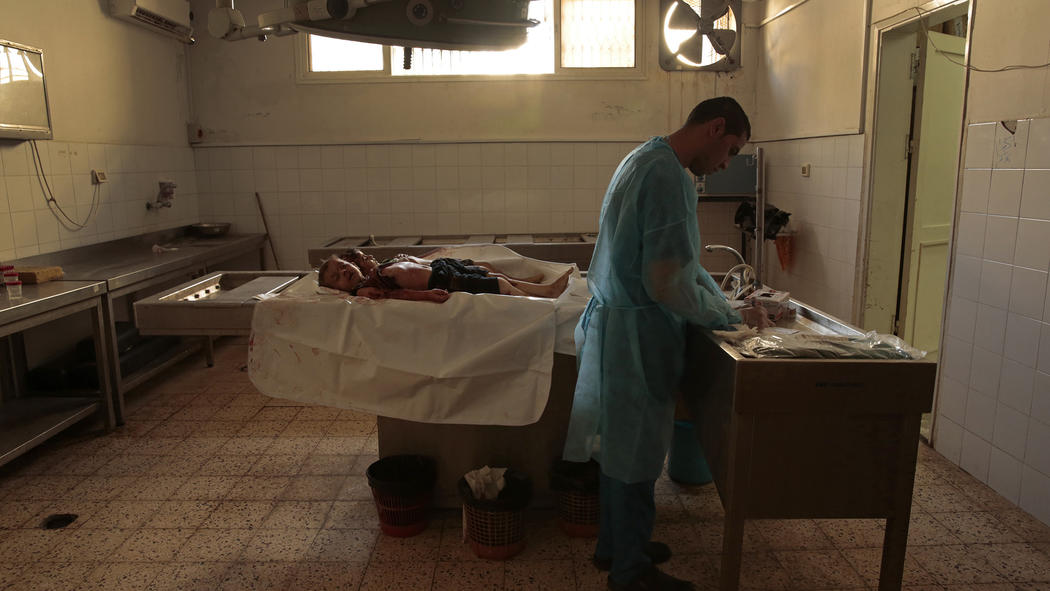
Two shells slammed into classrooms packed with women and children, survivors said. Another hit a bathroom where men were performing their ablutions before dawn prayers. At least 16 people were killed and 90 injured, hospital officials said.

la-fg-israel-gaza-pictures-127

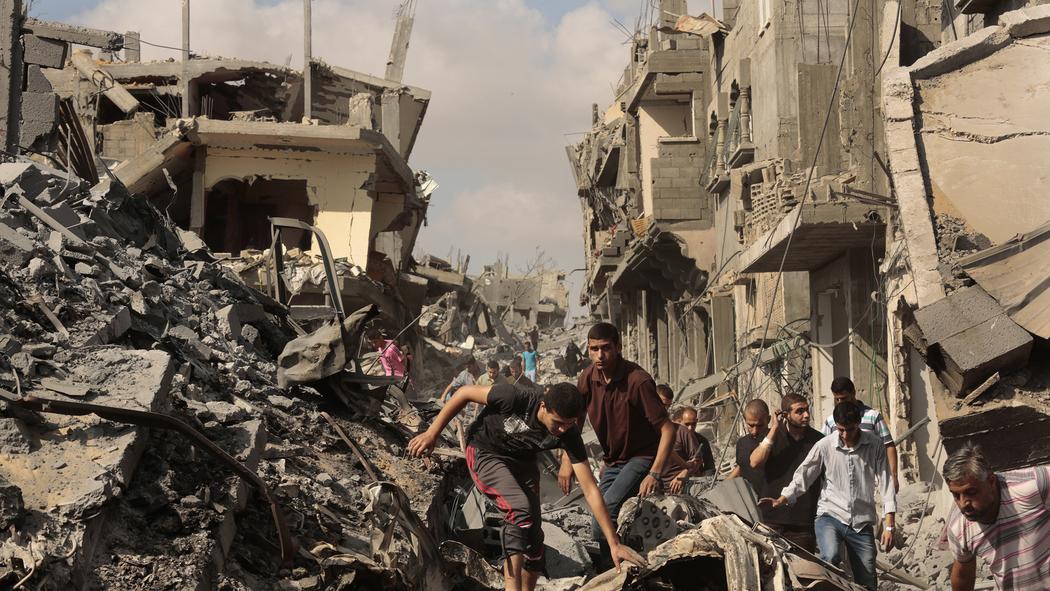
It was one of numerous deadly strikes Wednesday as Israel carried out some of the most intense bombardments of its 23-day-old offensive in the Gaza Strip. More than 130 people were killed in Israeli shelling throughout the narrow coastal enclave, raising the Palestinian death toll in the campaign to more than 1,340, said Ashraf Kidra, a Gaza health official.

The Israeli military also announced that three of its soldiers were killed while uncovering a tunnel in a home in southern Gaza. The house and tunnel were booby-trapped with explosives that detonated during the operation, it said in a statement.

la-fg-israel-gaza-pictures-125

At least 56 soldiers have been killed on the Israeli side, along with three civilians who died in mortar shelling and rocket fire from Gaza.

The heavy bombardments began late Tuesday, destroying the home of a top Hamas political leader and knocking out the enclave’s only electricity plant.

la-fg-israel-gaza-pictures-087

Most areas of Gaza were without power Wednesday. Worried residents lined up to buy fuel for generators and stock up on bread before bakery ovens lost power. Then another round of airstrikes sent them racing for cover.

The Israeli military said it targeted about 110 sites in Gaza on Wednesday, including at least five mosques it said were used by militants to conceal weapons, house tunnel shafts and serve as lookout posts.

la-fg-israel-gaza-pictures-103

With violence spiraling in Gaza, the Israel Defense Forces announced a four-hour cessation of hostilities beginning at 3 p.m. Wednesday to give rescue workers time to remove the dead and evacuate the injured, and to give civilians trapped in combat zones time to escape. But they said the “humanitarian window” would not apply to areas where troops were “active.”

Hamas spokesman Sami abu Zuhri dismissed the announcement as a “a media stunt,” saying the truce had no value because it excluded zones along the border with Israel, where wounded awaited evacuation.

la-fg-israel-gaza-pictures-135

In the hours after the unilateral truce took effect, 26 rockets were launched from Gaza toward Israel, two of which were intercepted by the country’s missile defense system over the cities of Ashkelon and Netivot, the Israeli military said

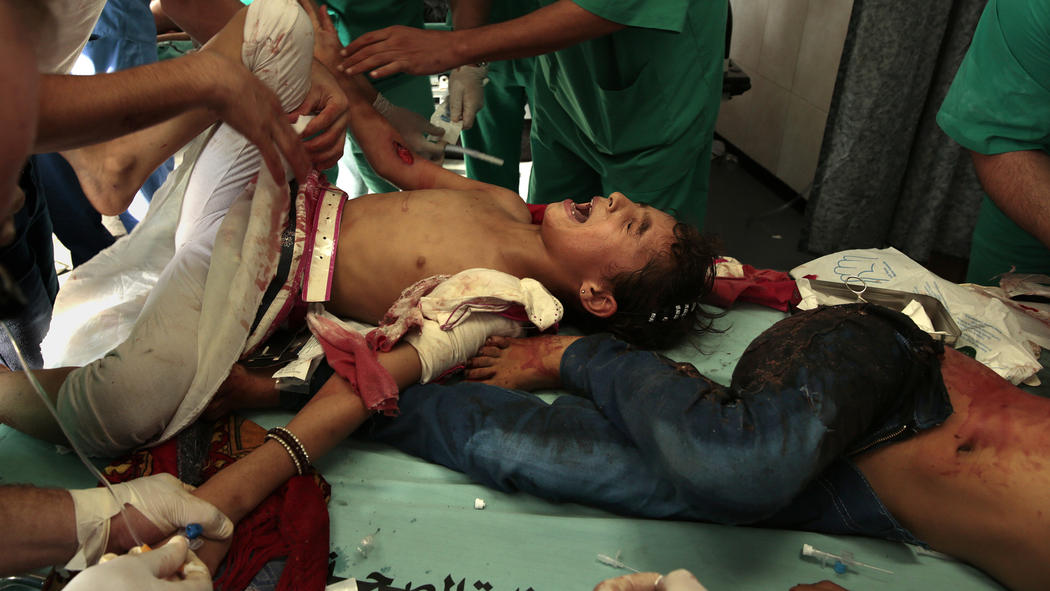
In Gaza City, explosions thundered into the evening. Before Israel’s cease-fire ended, word came of shelling in a crowded shopping area on the east side of the city. Gaza health officials said at least 17 people had been killed and more than 200 injured in the strike on the edge of Shajaiya, which has been one of the most heavily bombarded neighborhoods in Gaza.

la-fg-israel-gaza-pictures-106

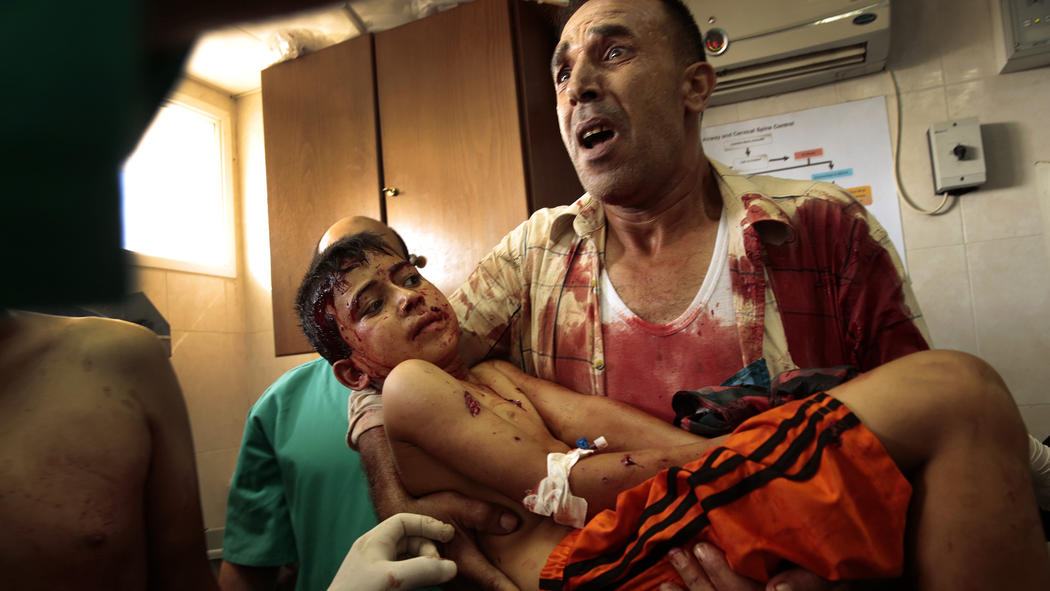
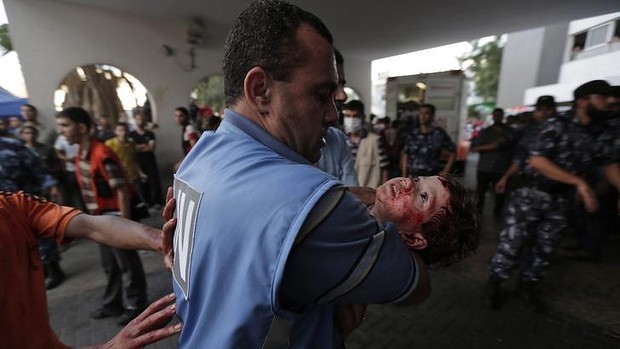
Ambulances streamed into the city’s main Shifa hospital, sirens wailing. Kamal Sawaf, 20, arrived with two injured cousins. One went into surgery, and the other was pronounced dead. He said the family was sitting in front of their house, watching the crowds mill about in the street, when the shelling started.

“Bombs were flying all over,” he said. “All I could see were feet and other body parts all over the place…. Everything was shaking, and I thought I was about to die.”

wounded child

Israel Defense Forces spokesman Brig. Gen. Motti Almoz said the military was investigating the incidents at the market and school. He told Israel’s Channel 2 television that the country had warned international organizations that Hamas had been firing at Israeli forces from such locations and that “the IDF will not endanger its troops” by not responding.

He and other Israeli officials accuse Palestinian militants of putting civilians at risk by operating among them.

Pierre Kraehenbuehl, commissioner-general of the United Nations aid agency for Palestinian refugees, said evidence collected at the school site indicated that it had been hit by Israeli artillery. Among the dead was a U.N. guard who was trying to protect the site.

“This is an affront to all of us,” Kraehenbuehl said in a statement. “The precise location of the Jabalia Elementary Girls School and the fact that it was housing thousands of internally displaced people was communicated to the Israeli army 17 times.”

He called on the international community to take action to bring the carnage to an end.

“This is the sixth time that one of our schools has been struck,” Kraehenbuehl said. “Our staff, the very people leading the humanitarian response, are being killed. Our shelters are overflowing. Tens of thousands may soon be stranded in the streets of Gaza, without food, water and shelter if attacks on these areas continue.”

More than 204,000 people have crammed into 85 schools operated by the U.N. Relief and Works Agency. The school hit Wednesday is in the Jabaliya refugee camp, a warren of narrow winding streets north of Gaza City and one of the most densely populated parts of the enclave.

Israel said it had dropped leaflets and sent recorded phone messages to residents Tuesday, urging them to evacuate. But many of those sheltering at the school said they did not receive the warnings, and in any case had nowhere to go.

Najwa abu Oda, 46, said shells destroyed her house in the northern town of Beit Hanoun, a focus of Israel’s campaign to dismantle rocket installations and destroy the cross-border tunnels.

She said she had hoped her family would be safe at a nearby U.N. school. But the facility was hit by a series of explosions last week, killing at least 16 people sheltered there. So they moved south, to the school in Jabaliya, she said.

Her 16-year-old son and a son-in-law were sleeping in the courtyard when shells crashed into the school early Wednesday, she said. Both were rushed to a hospital with shrapnel wounds.

Hours later, the rest of the family remained huddled at the edge of the courtyard, as journalists and dazed survivors surveyed the damage. They had no plans to leave, Abu Oda said.

“Where do they want us to go?” she asked. “We have no other place.”

Near the entrance of the school, Atif Warshargha, 40, rummaged through blood-soaked clothes and upended furniture to salvage what he could from a ruined classroom.

He said he had left his wife and two children at the school overnight while he worked at a city government office. They were sleeping on the classroom floor when a shell tore through the wall. He had just returned from visiting them at a hospital.

“I still don’t know where we’re going to go now,” he said as he hurried out the gate, carrying a battered cardboard box with a few items of children’s clothing.

Around him, people started pointing at the sky. White fliers fluttered toward them. They hurried to pick them up.

“The IDF is moving to the next stage of the operation,” they warned. “Residents of these areas must be aware because this is where we will operate.”

Special correspondents Batsheva Sobelman in Jerusalem, Ahmed Rezeq in Gaza City and Maher Abukhater in Ramallah, West Bank, contributed to this report.

Source: latimes.com

UEFA Champions League 2015:Standard Liege vs Panathinaikos 0-0

Panathinaikos held their Belgian opponents to a goalless draw to ensure the tie remains in the balance ahead of next week’s return.

Standard dominated the early exchanges but failed to make a breakthrough as the Greek side frustrated their hosts. Marcus Berg shot wide and Igor De Camargo had his effort saved in the first half as Standard looked to take a lead to Athens for the second leg.

Zeca then saw his shot saved by Eiji Kawashima as the away side pushed forward in the second half. Gordon Schildenfeld’s shot hit the woodwork after a cross by Croatian international Mladen Petrić, before Standard regained control in the final 20 minutes.

De Camargo failed to hit the target with an overhead kick and Imoh Ezekiel was dispossed by Schildenfeld when clear on goal as the hosts looked for a late winner to no avail. Standard travel to Greece for the return on 5 August.

source: uefa.com

After a reported 17 warnings on shelter location, Israeli artillery hits Gaza school, killing 19

wounded child

Palestinian carries a wounded girl injured from an Israeli strike in Shijaiyah neighbourhood, into the emergency room at Gaza City’s Shifa hospital. Photo: AP

Jabalia, Gaza: Four donkeys lay dead at the gate of the Jabalia Elementary Girls School in Gaza, the first indication of the bloody human toll inside.

Three heavy artillery shells hit the United Nations school in the early hours of Wednesday, killing 19 and wounding at least 100. The shelling came despite 17 warnings about the position of the shelter to the Israel Defence Force, according to officials in United Nations Relief and Works Agency.

More than 3300 Palestinian families were sheltering in the school after fleeing from Israel’s military operations in Gaza.

Bloodied pillows and blankets – shredded to pieces – were scattered over the school’s courtyard as shocked and traumatised families displaced from their homes and living in overcrowded conditions, waited to hear the fate of those injured.

“We came here because we thought it was safe,” said Amna Zantit, cradling her eight-month-old son in her arms, as the boom of shells echoed in the distance and drones and F16s growled overhead.

“For one-and-a-half hours there was shelling all around the school … it was the most terrifying night, death came very close to us.

“When they struck the classrooms we lost electricity – we couldn’t see anything and it was hard to breathe from the dust and the fear.”

One shell blew out the front wall of a classroom, another tore a large hole in the ceiling of a second-floor classroom across the courtyard, a third hit a small building near the school gates.

The families sleeping inside did not stand a chance.

“I was sleeping when the first shell landed,” said 15-year-old Rezeq al-Adham as he lay in Kamal Adwan Hospital awaiting surgery to save his badly injured right leg.

“I escaped into the school yard and that is when the second shell landed,” Rezeq said. His father saw him fall to the ground bleeding as chaos broke out all around them.

“These are people who were instructed to leave their homes by the Israeli army,” the United Nations Relief and Works Commissioner Pierre Krahenbuhl said.

He condemned the attack as “a serious violation of international law by Israeli forces”.

Reuters reported that UN Secretary-General Ban Ki-moon condemned the attack as outrageous and unjustifiable. “It demands accountability and justice,” he said. “Nothing is more shameful than attacking sleeping children.”

It was the second mass casualty attack, and the sixth strike, on a UN school since Israel’s military offensive in Gaza began on July 8.

“The precise location of the Jabalia Elementary Girls School and the fact that it was housing thousands of internally displaced people was communicated to the Israeli army 17 times to ensure its protection; the last … just hours before the fatal shelling,” Mr Krahenbulh said.

UN shelters are overflowing, he said, and UN staff – “the very people leading the humanitarian response” – are being killed.

“Tens of thousands may soon be stranded in the streets of Gaza, without food, water and shelter if attacks on these areas continue.”

He called on the international community to take political action to put an end to the carnage, which continued on Wednesday when three airstrikes on the outskirts of the town Shajaiyah killed 15 and injured 150.

As thick black smoke billowed from the initial airstrike witnesses said emergency services and civilians rushed to help the dead and injured, only to be hit with a further two airstrikes minutes later.

The attack was carried during a four-hour “humanitarian lull” announced by the Israeli Defence Force – it had warned “the humanitarian window will not apply to the areas in which IDF soldiers are currently operating”, including Shajaiyah.

Amid scenes of panic and carnage, with bodies torn apart and severely injured being carried by hand waiting ambulances, the people of Gaza prepared for another terrifying night of bombardment.

“This atrocity is barbarity personified,” the director general of the Ministry of Health in Gaza, Dr Medhat Abbas said, amid scenes of chaos at hospitals in the centre and north of the coastal strip.

More than 108 Palestinians were killed in Israeli airstrikes and shelling on Wednesday alone, bringing the toll to at least 1318 dead and 7100 wounded. Human rights groups say 80 per cent of the casualties are civilian and of them, 31 per cent are children.

The Obama administration, without naming Israel, condemned the shelling of the UNRWA school and urged a prompt investigation into the incident.

In response to media inquires, an IDF spokeswoman told Fairfax Media: “The inquiry the IDF conducted revealed militants fired mortars at IDF soldiers from the vicinity of the UNRWA school in Jabalia. In response, the soldiers fired towards the origins of fire and this incident is still being reviewed.”

source:smh.com.au

Ο Μιχάλης Χατζηγιάννης στο Φεστιβάλ Μελβούρνης

mih

O δημοφιλής Έληνας καλλιτέχνης

Θα τον συνοδεύσει η Συμφωνική Ορχήστρα της Μελβούρνης

Το Φεστιβάλ Μελβούρνης, το μεγαλύτερο φεστιβάλ της Αυστραλίας σε συνεργασία με το Ελληνικό Πολιτιστικό Κέντρο της Ελληνικής Κοινότητας Μελβούρνης θα φιλοξενήσουν έναν από τους δημοφιλέστερους Έλληνες σύγχρονους καλλιτέχνες, τον Μιχάλη Χατζηγιάννη.
Ο Έλληνας καλλιτέχνης θα δώσει μία και μόνο συναυλία στις 18 Οκτωβρίου στο Sidney Myer Music Bowl συνοδευόμενος από την Συμφωνική ορχήστρα της Μελβούρνης και η προπώληση των εισιτηρίων έχει ήδη αρχίσει.

Αυτή δεν είναι η πρώτη εμφάνιση του δημοφιλή καλλιτέχνη στην Μελβούρνη. Την τελευταία φορά που επισκέφθηκε την Αυστραλία ήταν στα πλαίσια του ελληνικού φεστιβάλ Αντίποδες και στα πλαίσια του Ελληνικού Φεστιβάλ του Σίδνεϊ.

Ο Μιχάλης Χατζηγιάννης γεννήθηκε στην Λευκωσία όπου και έζησε τα νεανικά του χρόνια.
Το ενδιαφέρον του για τη μουσική ήταν εμφανές από τα πρώτα του παιδικά χρόνια. Εμφανές επίσης και το ταλέντο του. Αποφοίτησε από την Μουσική Ακαδημία του Λονδίνου (Royal College of London) και έχει πτυχίο ανώτατων θεωρητικών μαθημάτων, πτυχίο κιθάρας και πιάνου.

Τα πρώτα του δισκογραφικά βήματα τα έκανε στην Κύπρο, και ήταν αξιοσημείωτα καθώς κατάφερε μέσα σε τρία χρόνια να κυκλοφορήσει τρεις πλατινένιους δίσκους: το «Σενάριο», «Ο Μιχάλης Χατζηγιάννης τραγουδά Δώρο Γεωργιάδη» και το «Επαφή».

Το 1998 ο Μιχάλης Χατζηγιάννης εκπροσώπησε την Κύπρο την χώρα στον μουσικό διαγωνισμό της Eurovisionμε το κομμάτι «Γέννεσις». Λίγο καιρό αργότερα αποφάσισε να αφήσει την  Κύπρο για να κυνηγήσει το όνειρό του στην Αθήνα.

Συνεργασία σταθμός για τον νεαρό καλλιτέχνη ήταν εκείνη με τον Γιώργο Χατζηνάσιο και τον σπουδαίο ποιητή και στιχουργό Μιχάλη Μπουρμπούλη. Μαζί κυκλοφόρησαν τον μοναδικό δίσκο «Άγγιγμα ψυχής» αποσπώντας πολύ θετικές κριτικές.

Το 2000 μπορεί να χαρακτηριστεί η χρονιά του Μιχάλη Χατζηγιάννη! Γίνεται ευρέως γνωστός με τον δίσκο του «Παράξενη γιορτή». Το άλμπουμ πολύ σύντομα γίνεται δύο φορές πλατινένιο.

Στις αρχές το 2001 κυκλοφορεί ο ολοκαίνουριος δίσκος του Μιχάλη Χατζηγιάννη με τίτλο «Δεν έχω χρόνο». Το άλμπουμ γίνεται αμέσως πλατινένιο. Το 2002 κυκλοφορεί νέο δίσκο με τίτλο «Κρυφό φιλί».
Το 2003 ο νέος δίσκος «Μόνος μου»  βρίσκεται στην κορυφή και οι θαυμαστές του Μιχάλη Χατζηγιάννη αυξάνονται συνεχώς εντός και εκτός Ελλάδας. Το CD γίνεται τριπλά πλατινένιο και σε κάθε ζωντανή εμφάνιση του καλλιτέχνη επικρατεί το αδιαχώρητο.

Την άνοιξη του 2004 κυκλοφορεί το άλμπουμ, το «Ακατάλληλη σκηνή» και
την άνοιξη του 2006 κυκλοφορεί το CD single με τίτλο «Όλα ή τίποτα» το οποίο πολύ  γρήγορα γίνεται δύο φορές πλατινένιο.
Λίγο πριν τα Χριστούγεννα του 2006 κυκλοφόρησε η νέα δισκογραφική δουλειά του Μιχάλη Χατζηγιάννη που είχε τον τίτλο «Φίλοι κι εχθροί», ο οποίος δεν χρειάστηκε παρά μόνο δυο εβδομάδες για να γίνει δύο φορές πλατινένιος.

Το 2007 ο Μιχάλης Χατζηγιάννης πραγματοποιεί μια μοναδική συνεργασία με τους Reamonn στο τραγούδι Tonight – Σήμερα και κυκλοφορεί στην Ελλάδα αλλά και στο εξωτερικό σε άλμπουμ των Reamonn ενώ αυτή είναι και η χρονιά που σαρώνει στα Μουσικά Βραβεία Αρίων κερδίζοντας οκτώ βραβεία.

Το 2008 κυκλοφορεί το ολοκαίνουριο άλμπουμ του Μιχάλη Χατζηγιάννη που έχει διαφορετικό ύφος από τις μέχρι τότε δισκογραφικές δουλειές του. Η δισκογραφική του δουλειά «7», πωλείται σε πάνω από 65.000 αντίτυπα και γίνεται δύο φορές πλατινένιο!
Το 2009 ο Μιχάλης Χατζηγιάννης πειραματίζεται με έναν εντελώς διαφορετικό δίσκο, ο οποίος περιέχει διασκευές τραγουδιών που έχουν αφήσει εποχή και τα οποία υπογράφουν κορυφαίοι δημιουργοί, όπως ο Μάριος Τόκας, ο Γιώργος Χατζηνάσιος, ο Μίμης Πλέσας κ. ά. Η δουλειά του αυτή φέρει τον τίτλο «Κολάζ» και περιέχει και ένα νέο κομμάτι του Μιχάλη Χατζηγιάννη, το «Κρύψε με».

Το 2010 κερδίζει το βραβείο του τραγουδιστή με τις περισσότερες πωλήσεις της δεκαετίας Best Selling Artist Of The Decade, καθώς οι πωλήσεις των δίσκων του είχαν ξεπεράσει τα 3.500.000!

Το 2010 κυκλοφόρησε και ο δίσκος του «Το καλύτερο ψέμα» που έγινε πλατινένιος και το 2011 ο δίσκος «Θάρρος ή αλήθεια» από τον οποίο προέκυψαν μεγάλες επιτυχίες, όπως το τραγούδι «Τρεις ζωές» και «Πλάι πλάι».
Αξίζει να σημειωθεί ότι ο Μιχάλης Χατζηγιάννης δεν έχει μεγάλη απήχηση μόνο στο ελληνικό κοινό αλλά και στο κοινό της Αυστραλίας και ιδιαίτερα στους ομογενείς της β’ και γ’ γενιάς.

Πηγή: Νέος Κόσμος

Στα… “πάνω” του ο Άμποτ

images2H5TFN3N

O Αυστραλός πρωθυπουργός Tony Abbott

Η αεροπορική τραγωδία στην Ουκρανία βοήθησε στη δημοτικότητά του.

Ο δυναμικός τρόπος με τον οποίο ο πρωθυπουργός Τόνι Άμποτ αντιμετώπισε την αεροπορική τραγωδία που έλαβε χώρα στην Ανατολική Ουκρανία μετά την κατάρριψη του αεροσκάφους των Μαλαισιανών Αερογραμμών συνέβαλε στο να αυξηθεί η δημοτικότητά του.

Αυτή είναι η πρώτη φορά μετά τις ομοσπονδιακές εκλογές που η δημοτικότητα του πρωθυπουργού παρουσιάζει άνοδο.
Σύμφωνα με τη σφυγμομέτρηση που διεξήγαγε το τελευταίο Σαββατοκύριακο ο οργανισμός Newspoll για λογαριασμό της εφημερίδας «The Australia» ο αριθμός των ψηφοφόρων που είναι ικανοποιημένοι από την πρωθυπουργία Άμποτ αυξήθηκε κατά 5 ποσοστιαίες μονάδες, από 31% που ήταν προ δεκαπενθημέρου σε 36%, ενώ κατά 7 ποσοστιαίες μαμάδες (από 60 σε 53%) μειώθηκε ο αριθμός των δυσαρεστημένων.

Αυτό σημαίνει ότι οι ψηφοφόροι επικροτούν τη στάση που κράτησε μετά την αεροπορική τραγωδία, που σκοτώθηκαν 36 Αυστραλοί πολίτες, τόσο ο πρωθυπουργός Τόνι Άμποτ, όσο και ο αρχηγός της αντιπολίτευσης Μπιλ Σόρτεν το ποσοστό του οποίου αυξήθηκε κατά 4 ποσοστιαίες μονάδες από το 34% στο 38%.
Τον ίδιο καιρό κατά δύο ποσοστιαίες μονάδες, από 36% σε 38%, αυξήθηκε ο αριθμός των ψηφοφόρων που θεωρούν τον Τόνι Άμποτ καταλληλότερο για την πρωθυπουργία, ενώ κατά τρεις ποσοστιαίες μονάδες μειώθηκε ο αριθμός των ψηφοφόρων που θεωρούν το Μπιλ Σόρτεν για την ίδια θέση. Από το 41% που είχε πάρει πριν δύο εβδομάδες μειώθηκε σε 38%.

Εδώ αξίζει να σημειώσουμε ότι το ίδιο χρονικό διάστημα δεν άλλαξε η εκλογική δύναμη των κομμάτων σε σταυρούς πρώτης προτίμησης.
Τόσο ο συντηρητικός κυβερνητικός Συνασπισμός, όσο και το εργατικό κόμμα έλαβαν από 36 τοις εκατό των προτιμήσεων, ενώ κατά μία ποσοστιαία μονάδα, από το 11 στο 12 τοις εκατό, αυξήθηκε η δύναμη των πράσινων.

Μετά την καταμέτρηση και των σταυρών δεύτερης προτίμησης το Εργατικό Κόμμα λαμβάνει το 54 τοις εκατό τον ψήφων και ο Συνασπισμός το 46%.
Σταθερό στο 16% παρέμεινε το ποσοστό που έλαβαν τα υπόλοιπα μικρά κόμματα.

Πηγή: Νέος Κόσμος

Στην κορυφή η Αυστραλία, έξι μετάλλια η Κύπρος

track

H αυστραλή Annette Edmondson κερδίζει το χρυσό μετάλλιο στα 10 χιλιόμετρα ποδηλατοδρομίας

Στους Κοινοπολιτειακούς Aγώνες.

Συνεχίζονται στην Γλασκόβη οι αγώνες της Βρετανικής Κοινοπολιτείας, με τον πίνακα των μεταλλίων να έχει ως εξής:
Από αριστερά, χρυσά, ασημένια, χάλκινα, σύνολο)

1. Αυστραλία    34    31    36  Σύνολο: 101

2. Αγγλία    33    33    27  Σύνολο: 93

3. Καναδάς   16    5    17  Σύνολο: 38

4. Σκοτία     13    11    13  Σύνολο: 37

5. Νέα Ζηλανδία    11    9  11  Σύνολο: 31

6. Ινδία    10    15    11  Σύνολο: 36

7. Νότια Αφρική    9    7 10   Σύνολο: 26

8.Τζαμάικα    5    3    4  Σύνολο: 12

9. Ουαλία    4    10    13  Σύνολο: 27
10. Κένυα    4    4    1  Σύνολο: 9

11. Σιγκαπούρη    4    1    1 Σύνολο: 6

12. Νιγηρία    3    5    6  Σύνολο: 14

13. Μαλαισία    3    5    4 Σύνολο: 12

14.Κύπρος    2    2    2  Σύνολο: 6

Πηγή: Νέος Κόσμος

Cyprus saturation


diatribe_26_9

Models straddling Greek gravestones in Turkish occupied Cyprus.

All about the models are strewn pieces of crosses and broken stones, for the models are ‘posing’ in an abandoned Greek cemetery in Turkish occupied Cyprus.

The photographs accompanying this diatribe were taken last year by Turkish photographer Bastermur Bilal. They depict a couple of semi-nude stick figures attempting to assume languid attitudes of sensuous nonchalance. As such, they could be dismissed as yet another accretion to the derivative drivel that poses as art, if it were not for the context in which these were taken. For a closer inspection of the photographs reveals that the models are straddling Greek gravestones. The inscription of one broken cross, held erect by the expressionless female Turkish model, as she sits upon the head of the deceased’s tombstone, states that it belongs to Giorgos Dimitriou who died in 1953. The male model, in turn, sets his foot upon a broken cross, which marks the grave of a person unknown.

All about the models are strewn pieces of crosses and broken stones, for the models are ‘posing’ in an abandoned Greek cemetery in Turkish occupied Cyprus. The cemetery displays clear signs of desecration and vandalism, a phenomenon which is well documented, for since the invasion of Cyprus in 1974, occupying forces have perpetrated a systematic program of looting and vandalism against the Greek cultural heritage of Cyprus. This has not only been restricted to churches and art, but also the remains of departed Cypriots.

Earlier this year, Bastermur Bilal, talking about his photographs, stated that “it’s clear that a lot of mistakes have been done, but we will have to use every possible chance to apologise”. Asked why he chose to photograph models in a cemetery, Bilal said it was just a location that had struck a chord with him as he passed by. I do not see how anyone can accept such an apology. Throughout the world, but especially in the Middle East, special reverence is paid towards the dead and the funerary rites of all religions, this being common knowledge to all inhabitants of the region. Bastermur Bilal knew that he was taking photographs in a desecrated Greek cemetery. He also knew that he was asking his models to use religious symbols and the identities of dead people as playthings. He did not baulk from doing so. His conscience did not prick him, neither did he seek to take similar photographs in a Muslim, Turkish cemetery. Instead, he proceeded to perform his own act of desecration, presumably thinking that it was of no consequence, for the Greeks had gone, they were Christians instead of Muslims and thus unimportant, and most importantly, his target Turkish audience would not care.

Forty years is ample time to desensitise people as to the enormity of the crime of the Turkish invasion of Cyprus. The world moves on, other crises unfold, the world powers cynically downgrade the issue from a violent violation of sovereignty to an inter-communal dispute, the victims give up hope of return or restitution, while arm-chair patriots, who, for the past forty years have dutifully attended the various rallies held on the abandoned streets of the city centre on Sunday afternoons, despairing of a political solution, throw their hands up in the air, bewail the impotence and friendlessness of the Greek race, simultaneously reaching for their frappe, and stay at home. “Δεν βαριέσαι,” they exclaim. “Every year we do the same thing and every year fewer and fewer people come to the Cyprus rally. We aren’t achieving anything.”

Originally, the Justice for Cyprus rally, organised every year by the Co-ordinating Committee for the Cypriot Campaign, (SEKA), was a conduit for community outrage and indignation at the brazen brutality of the Turkish invasion. It was believed, and is still officially claimed that by attending the rally, which members of the Greek community used to do in their tens of thousands, we could a) galvanise public opinion, b) send a message to the Australian government that it is in its interests to support our stance on the issue (which they always have, at least publicly) and c) send a message to Turkey and the world, that the occupation of the island is unacceptable.

This year, with the fortieth anniversary of the invasion, members of the Greek community are vociferously disputing the efficacy of such a rally, which is poorly attended, not taken seriously by the state or federal political sphere and appears to address only ourselves and our own fears of forgetting, which are inextricably linked to our own fears of assimilation. In our subconscious, the rally assumes a Poseidonian Cavafiesque function: one of the many poorly understood and yet necessarily performed litanies that underlie our identity and must therefore be perpetuated in exactly the same form, year after year.
It is true that the rally is no longer the rallying point it once was. It is true that as the first generation enters old age, its passion and fervour has cooled, a passion and fervour that is not shared by the latter generations. It is also true that there seems to be no solution to the Cyprus issue on the horizon. This does not, however, mean that we should abstain from supporting or participating in events that have as their aim to spread awareness of, or commemorate, a crime against humanity.

The Armenians, for one whole century, have campaigned for the recognition of another Turkish crime, that of the Armenian genocide. They have done so, as a refugee minority, largely without a country of their own. Their ardour has not cooled, nor have their efforts flagged in the face of vested interest and world indifference. Slowly but surely, they have continued to campaign, wherever they may be situated so that now, one hundred years on, majority world public opinion supports the view that Turkey did in fact perpetrate genocide against the Armenians.

This, then, is an example from which we have much to learn. The slogan of SEKA is ‘Δεν Ξεχνώ’ (I do not forget). We cannot, single-handedly from Melbourne, dislodge the occupying forces from Cyprus. Yet we can, through unceasing Armenian-style efforts, ensure that the perpetrators of this heinous crime, their supporters and apologists, do not let their consciences rest easy at night. We can point to banal instances of desecration, such as those committed by Batermur Bilal, to show that the Cyprus problem is not one of inter-communal strife, but rather, where one militarised community refuses to acknowledge or respect the existence of the other.

If we stay away from the commemorative activities of SEKA, if we do not engage with SEKA in order to suggest alternative or additional methods of activism, we run the risk of participating in the legitimisation of the occupation and the continued persecution of Christians throughout the Middle East. After all, the ethnic cleansing of the Greeks and other Christian minorities from Turkish occupied Cyprus was the precedent for a whole stream of similar persecutions against other Christians of the Middle East, culminating last week in the expulsion of every single Christian in the city of Mosul by the ISIS forces. They left, just as the Greeks and other Christian minorities of Cyprus did, with only the clothes on their back. Their homes have been taken away and their churches destroyed. By our silence or indifference, we assist in the perpetuation of a regional culture that sees nothing wrong in treating a religious and ethnic group as mere playthings of broader fundamentalism, or other designs.

We cannot always alter the policies of the mighty, stay the hand of the murderer, the hammer of the grave-destroyer, or the flash of the insensitive photographer. With our continued activism however, we can ensure that their crimes are never forgotten or forgiven, in the hope that in the future, persecution of the vulnerable will be rendered more difficult. Hence the wisdom of that cliché: ‘ΔΕΝ ΞΕΧΝΩ’

*Dean Kalimniou is a Melbourne solicitor and freelance journalist

source: Neos Kosmos