Monthly Archives: April 2016

Ρεκόρ 120ετίας οι μη Αυστραλογεννημένοι

pabirths

6,7 εκατ. κάτοικοι της χώρας δεν έχουν γεννηθεί εδώ

Ο αριθμός των παιδιών που έχουν γεννηθεί στο εξωτερικό και ζουν στην Αυστραλία είναι ο μεγαλύτερος εδώ και 120 χρόνια. Μόνο την τελευταία δεκαετία, τριπλασιάστηκε ο αριθμός των ατόμων που ζουν στη χώρα και γεννήθηκαν στην Ινδία.

Το ποσοστό των κατοίκων Αυστραλίας που γεννήθηκαν στο εξωτερικό αυξάνεται κάθε χρόνο τα τελευταία 15 χρόνια. Έτσι, τον Ιούνιο του 2015, το 28,2% ή 6.7 εκατ. κάτοικοι της χώρας, ήταν μη αυστραλογεννημένοι. Την τελευταία φορά που συνέβη κάτι παρόμοιο ήταν τον 19ο αιώνα.

Το 5,1% (ή 1.2 εκατ.) των κατοίκων Αυστραλίας γεννήθηκαν στη Μεγάλη Βρετανία. Εκείνοι που γεννήθηκαν στη γειτονική Νέα Ζηλανδία αποτελούν το 2,6% του πληθυσμού της χώρας. Και ακολουθούν κάτοικοι γεννημένοι στην Κίνα (2%), την Ινδία (1,8%) και τις Φιλιππίνες (1%) και το Βιετνάμ (1%).

Τα στοιχεία που δημοσίευσε πρόσφατα η Στατιστική Υπηρεσία, δείχνουν ότι όλο και περισσότεροι κάτοικοι άλλων Πολιτειών μεταναστεύουν στη Βικτώρια. Την τελευταία χρονιά (2014-2015), ο πληθυσμός της Πολιτείας αυξήθηκε κατά 10.200 άτομα που κυρίως προήλθαν από άλλες Πολιτείες.

Πηγή:Νέος Κόσμος

Lagarde to Tsipras: the IMF is not pushing Greece to default

lagarde

In a dry letter to the Greek Prime minister, the director of the International Monetary Fund dismisses the content of the WikiLeaks transcript as “nonsense”.

Relationships between Greece and the International Monetary Fund are strained, casting a shadow on the talks currently taking place in Athens between the Greek Finance Ministry and the EU/IMF lenders regardeng Greece’s fiscal and reform progress,  aiming to conclude a bailout review that will unlock further loans and pave the way for negotiations on long-desired debt restructuring. The review has been stalling since January due to disagreement among the lenders over the estimated size of Greece’s fiscal gap by 2018; another cause of delay is the Greek stance on pension reforms and the management of bad loans.

Negotiations resumed on Monday at the Hilton hotel, just two days after a WikiLeaks publication of key IMF officials discussing the stalled talks. In the document, Poul Thomsen, head of the IMF’s European Department and Delia Velculescu, the IMF Mission Chief for Greece discuss a potential Greek default in June, co-inciding with the United Kingdom’s referendum on leaving the European Union, that could be used as leverage not only to persuade Greece to proceed with the long-overdue reforms and further implement austerity measures, but also to persuade Germany and the European Union to concede to a debt relief for Greece.

The revelation was met with a combination of fury and incredulity in Greece. The Greek government reacted swiftly, with the Greek PM, Alexis Tsipras, sending a letter to the IMF head, expressing his concerns and asking “whether [Thomsen and Velculescu’s] position reflects the official IMF view”, as well as wether “Greece can trust, and continue negotiating in good faith with, IMF officials who express views such as those expressed in these publications”.

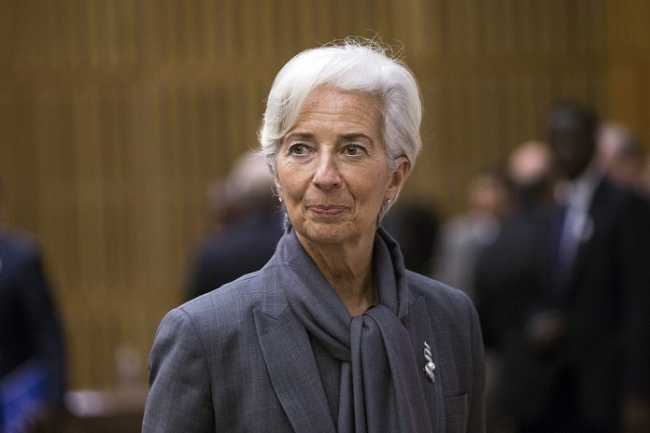
Christine Lagarde responded with a carefully worded letter, in which she dismisses “any speculation that IMF staff would consider using a credit event as a negotiating tactic” as ” simply nonsense”, although she does not deny the authenticity of the leaked discussion. The Fund’s Managing director went on to offer her support to the IMF officials handling the Greek bailout program, stating that “For them to be able to do their work, […] it is critical that your authorities ensure an environment that respects the privacy of their internal discussions and take all necessary steps to guarantee their personal safety”. This phrase is believed to be a thinly veiled accusation towards the Greek goverment as being the source of the leak. Furthermore, in a symbolic gesture, Christine Lagarde released the letter on the IMF website, as a means to underline that ” the IMF conducts its negotiations in good faith, not by way of threats, and we do not communicate through leaks”.

As for the current state of negociations Christine Lagarde, in her letter, wrote: “we are still a good distance away from having a coherent program that I can present to our Executive Board. I have on many occasions stressed that we can only support a program that is credible and based on realistic assumptions, and that delivers on its objective of setting Greece on a path of robust growth while gradually restoring debt sustainability”. In this aspect,  she repeated her view that “if it were necessary to lower the fiscal targets to have a realistic chance of them being fully met, there would be an attendant need for more debt relief”.

The European institutions that are taking part in the bailout have been reluctant to discuss debt relief, mainly due to Germany, which is very eager to keep the IMF in the Greek program, mainly for internal political reasons, but it is adamant that a debt haircut is out of the question. Asked to comment on the leaked discussion between the IMF officials. concerning the progress of the evaluation of third Greek bailout deal, a spokesperson of the German Finance Minister, Wolfgang Schäuble, stated: “For us, these talks don΄t exist”. German Chancellor Angela Merkel is due to meet Lagarde in Berlin today, and the leaked discussion is expected to overshadow any other issue in their agenda.

Meanwhile, in Athens, the Greek goverment is trying to press for the lenders to wrap up the review by the time of the next Eurogroup on April 22. The next set of talks are due to take place on Wednesday but in the meantime the Greek side is expected to provide its proposals for the 1% of GDP in measures that it believes can close the fiscal gap by 2018, as well as pension reform, the sale of nonperforming loans and the creation of a new fund for the privatisations of Greek assets. The Troika representatives are due to leave Greece on April 12 for the IMF’s Spring Meetings in Washington.

“The strategy of stalling negotiations, in order to create the circumstances of a credit event in Greece, just before the UK referendum is, indeed, nonsense”, stated Alexis Tsipras, after a meeting on the process of negotiations, responding to Christine Lagarde’s letter. “It is the kind of nonsense that we all have a duty to avert”, he added.

source:neos kosmos

The IMF plot to usher Greece towards bankruptcy

poul-delia

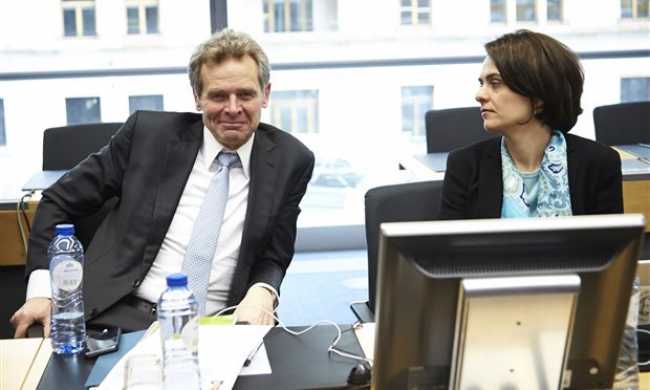
Poul Thomsen, the head of the IMF’s European Department, and Delia Velkouleskou, the IMF Mission Chief for Greece, were intercepted while plotting to create a credit event for Greece to happen in June.

Wikileaks publishes a transcript of private discussions between senior IMF officials, in which default is presented as leverage in debt relief talks

A plan to further destabilise the already frail Greek economy, paving the country’s way to default, was revealed on Saturday, when WikiLeaks published the transcript of an intercepted teleconference between the top two International Monetary Fund officials in charge of managing the Greek debt crisis.

In what reads as a page torn from the script of “House of Cards”, Poul Thomsen, head of the IMF’s European Department and Delia Velculescu, the IMF Mission Chief for Greece discuss a potential Greek default in June, co-inciding with the United Kingdom’s referendum on leaving the European Union, that could be used as leverage not only to persuade Greece to proceed with the long-overdue reforms and further implement austerity measures, but also to persuade Germany and the European Union to concede to a debt relief for Greece.

Debt relief has been a cause of strife among the members of the Troika (composed of the IMF, European Commission and the European Central Bank). Last August, the IMF had threatened to withdraw from participating in the €86 billion Greek bailout, which was covered by EU member states. IMF Chief Christine Lagarde stated at the time that the IMF’s future participation was contingent on Greece receiving “significant debt relief” from creditors, not only to help the economy, but also because the Greek government is politically constrained in carrying out all the austerity needed to begin improving its tattered finances. On their part, the uropean members of the Troika – specifically Germany – refused to discuss this option.

In his presentation of the leaked discussion, Julian Assange, the founder of WikiLeaks, who is stranded in the Embassy of Ecuador in London, states that for the IMF to remain in the Troika “seems an increasingly hard sell internally for the IMF, because non-European IMF creditor countries view the IMF’s position on Greece as a violation of its policies elsewhere of not making loans to countries with unsustainable debts”. An I.M.F. exit would put the bailout in jeopardy and raise the risk of a Greek default in July, when Athens must repay a large loan. The I.M.F. has leverage in pressing Germany to agree, given that the German Parliament might not agree to release funds to Greece unless the I.M.F. participates in the program. But Wolfgang Schäuble, Germany’s finance minister, sees “no argument” for acceding to the I.M.F.’s demands.

The intercepted discussion highlights the way the IMF is trying to surpass this dead end; in the transcripts, the two officials argue that the threat of an imminent financial catastrophe is needed to force the other players into a “decision point”. For Germany, on debt relief, and In the case of Greece, to accept the IMF’s austerity “measures,” — including raising taxes and cutting Greek pensions and working conditions. “However, the UK “Brexit” referendum on 23 June will
paralyse European decision making at the critical moment”, estimates Assange. One of the tactics used by the IMF is stalling; Thomsen and Velculescu are heard strategising whether to suppress the IMF’s next report on whether Greek debt is sustainable, thus delaying the next stage of the bailout.

“In the past there has been only one time when the decision has been made and then that was when [the Greeks] were about to run out of money seriously and to default”, says Thomsen in the leaked document, continuing: “And possibly this is what is going to happen again. In that case, it drags on until July, and clearly the
Europeans are not going to have any discussions for a month before the Brexits…” That could pose problems for whether Greece receives financial aid from the bailout in time to meet its July debt repayments.

The IMF official is also stating a hypothetic approach towards German Chancellor, Angela Merkel, presenting her with an arm-twisting dilemma: “you have to think about what is more costly, to go ahead without the IMF […], or [to] pick the debt relief that we think that Greece needs in order to keep us on board?”

Apart from the question of debt relief, another point of frustration, between the IMF and the uropean creditors, is in regard to the Greek Primary Government Budget Surplus target. The European Comission has set a goal of a surplus of 3.5% of GDP, while the IMF has been campaigning for a – more viable – goal of 1,5%. As Thomsen puts it, “if [Greece] come around to give us 2.5% [of GDP in tax hikes and pension-wage-benefits cuts]… we should be fully behind them.” — meaning that the IMF would, in exchange for this fresh austerity package, support the reduction of the Primary Surplus Target imposed upon them from the 3.5% that the European Commission insists on to 1.5%.

The discussion also implies that the IMF has found itsefl in a weakend position; Velculescu argues that “if [the Greek government] get pressured enough, they would… But they don’t have any incentive and they know that the Commission is willing to compromise, so that is the problem. […] We went into this negotiation with the wrong strategy, because we negotiated with the Commission a minimal position and we cannot go further [whereas] the Commission is just starting from this one and is willing to go much further. So, that is the problem. We didn’t negotiate with the Commission and then put to the Greeks something much worse, we put to the Greeks the minimum that we were willing to consider and now the Greeks are saying [that] we are not negotiating.”

The WikiLeaks revelation was met with outrage by the Greek government; after an emergency session on Saturday to discuss the mplications, the government spokesperson issued a statement, asking the IMF for  explenations “whether pursuing the creation of bankruptcy conditions in Greece, just before the British referendum, is the fund’s official position”. Alexis Tsipras himself addressed a letter to Christine Lagarde, expressing his concerns. The I.M.F. declined to comment on the WikiLeaks transcript and the accusations that it is trying to “politically destabilize Europe.”

The publication of the discussion has stirred debate in Greece; Critics of the Tsipras administration claim that the government itself leaked the transcript and is trying to gain momentum, in order to justify delays on reforms. Tsipras supporters see it as a vindication of last year’s negotiations. Most analysts and observers, both inside Greece and outside, are shocked with the cynicism. “It is the whole of Europe that the IMF is conspiring to hit with the shock doctrine”, writes Paul Mason, a journalist who covered last year’s negotiations for British media outlets, stating that it is the European Commission and the European Central Bank that are holding the €300bn of Greek debt. According to the New York Times, the leak “exposed the fraught behind-the-scenes political machinations that have led to a deadlock on how to deal with a country still regarded as Europe’s weakest link”.

The overall feeling is one of fury and incredulity. The idea that the IMF is planning to inflict  a “credit event” that will force Greece to the edge of bankruptcy, is troubling, especially given that Greece is a nation holding tens of thousands of refugees and tasked with a highly complex international border policing mission. Poul Thomsen said in the intercepted discussion that he had expected the refugee crisis in Greece to have pushed creditors to reach an agreement on debt relief quickly. After all, the country has become Europe’s holding pen for more than 50,000 migrants since European countries shut their borders, preventing asylum seekers from reaching their preferred destination of Germany. Greece has been struggling to cope with a deteriorating situation, including riots in refugee camps and the beginning of a European Union program requiring the mass deportation of refugees from Greek islands starting on Monday.

source:neos kosmos

Transport Minister wants people out of cars and onto public transport in Newcastle CBD

untitled

AS I stood facing Transport Minister Andrew Constance on Tuesday morning, my attention was repeatedly drawn to the view of Hunter Street, a couple of floors below, behind him.

It was about 11.30am, and every so often, a car or two would go past. The Newcastle CBD has a lot of problems, but aside from a short peak each morning and afternoon, traffic congestion is not one of them: which is odd, because traffic snarls are one of the main reasons for installing light rail in any city.

I want Newcastle’s light rail to succeed. I really do. But when I look out the window and see an easy flow of traffic up and down the street, I do wonder why we want to take half of that space and give it to a dual set of rail lines.

For starters, those lines will be 100mm – or four inches in the old measure – higher than the rest of the street, as confirmed by bureaucrats after Mr Constance had left. We’ll get seasick driving over all the rises and falls at every corner along Hunter Street.

Or maybe we won’t, because the minister wants us out of our cars, and onto the light rail, when coming into the city.

In a region that loves its motor vehicles as much as the Hunter, we’ll see how well that flies.

Mr Constance also used his visit to Newcastle to formally tell Newcastle’s government bus and ferry workers that their service was being privatised. Unions were upset, saying their members were being “forcibly transferred” to the private sector. They won’t be the only ones being forced. Presently, government buses are free in Hunter Street, but most routes will end at The Store once the new system is in, pushing bus passengers onto the light rail. After more than a decade, it will spell an end to the free trips around town.

source:theherald.com

Messi, Neymar and Suárez are not machines, says Barcelona’s Luis Enrique

untitled

Lionel Messi, Neymar and Luis Suárez have scored 107 goals between them this season but after Barcelona’s celebrated trio failed to find the net in the defeat by Real Madrid, Luis Enrique defended them by declaring “they aren’t machines”.

The Barcelona manager said he was not concerned about the physical state of his all-star attacking line despite their below-par display in the 2-1 home defeat on Saturday.

Although Real halted their 39-game unbeaten run, Luis Enrique said he retained full confidence in his side as they prepared to host Atlético Madrid in the first leg of an all-Spanish Champions League quarter-final on Tuesday.

Messi (37), Suárez (43) and Neymar (27) have been scoring for fun but Barcelona’s only goal against Real came from the defender Gerard Piqué.

“They aren’t machines, they are the best players in their position but they aren’t unbeatable or unsurpassable,” Luis Enrique said on Monday. “I think all my players are in perfect condition. We had forgotten what it was like to lose but when you do you remember how difficult it is to win and we all hope the defeat serves as a stimulus to win again. Looking at how we have done in the last few months, I’m optimistic.”

Piqué reaffirmed his coach’s belief in his forwards. “Our three attackers are on another level, from another world. I’m not worried about them at all, it’s impossible for us to have more faith in them, they have brutal qualities and we’re so lucky to have them at Barça,” he said.

He was also adamant Barça would bounce back but said Atlético would pose even more problems than Zinedine Zidane’s men did. “We’re not scared of them but they are having a spectacular season, they are the second best team [in La Liga] and it’s going to be even harder for us than Saturday,” Piqué said.

Diego Simeone’s side have conceded only three goals in eight Champions League games this season, the joint best record in the competition alongside Real. They also have the meanest defence in La Liga, letting in 15 goals in 31 games – 11 fewer than Barcelona.

Atlético pipped Barcelona to the La Liga title in 2014 and knocked them out of the Champions League in the same season en route to the final. They are six points behind Luis Enrique’s side in La Liga and warmed up for their trip to Barcelona by thrashing Real Betis 5-1 on Saturday.

However, Barça have beaten Atlético in all six matches under Luis Enrique. Piqué said: “We’ll see how they approach the game but it’s all down to us, we need to move the ball around quickly and for the fans to put pressure on them. If that happens we’re practically unstoppable.”

Atlético are set for the return of Diego Godin after the defender’s absence of nearly three weeks because of a muscle injury. Stefan Savic, Yannick Carrasco and José María Giménez, who had been doubtful, also made the trip to Barcelona and will be available to play.

“We are feeling strong,” the Atlético defender Juanfran Torres said. “We know that our chances rely on staying alive after the game at the Camp Nou. Then we can try to seal the deal at the Vicente Calderón.”

source:theguardian.com

‘Alien fish’ captured off Mexico identified as rare albino shark

http___prod_static9_net_au___media_2016_04_05_15_34_0505_albinoshark3

A bizarre-looking “alien” creature captured in waters off Mexico has been identified as a rare albino shark.

The white and pink shark was captured by a fisherman aboard Jamie Rendon’s ship near Cabo last week.

Mr Rendon said the shark had raspy skin, three rows of tiny teeth and three gill slits on each side of the head.

“I was really surprised by what caused the most impact … the eyes [were] so strange,” he told Pisces Sportfishing Fleet.

The shark had tiny teeth and three gill slits on each side of the head. (Facebook/Pisces Sportfishing Fleet)

The creature has since been identified by experts as an albino swell shark.

Thinking the “alien fish” was endangered, the fishermen went on to release the shark back into the water.

Swell sharks are harmless to humans and are known for filling their stomachs with water to enlarge their size to deter predators.

source:9news.com.au

Western Sydney Wanderers beat Central Coast Mariners 4-1 to return to top of A-League ladder

7293906-3x2-700x467

Western Sydney striker Brendon Santalab has tormented Central Coast Mariners again as the Wanderers moved to the top of the A-League ladder with a 4-1 home win.

In the final regular-season game at Parramatta Stadium before it is knocked down and rebuilt, Santalab bagged a goal in each half to give himself four goals in three matches against the Mariners this season.

Santalab, Romeo Castelen, Mitch Nichols and Mark Bridge caused plenty of headaches for debutant Mariners goalkeeper Adam Pearce and his side, which still has not kept a clean sheet this season.

The Wanderers might yet play another game at their home fortress if they finish high enough to host a finals match, but if not, they gave their fans in the 14,855-strong crowd plenty to remember.

Dutch international Castelen blasted a 20-metre right foot drive into the roof of the net after eight minutes and went close on a number of other occasions.

The Mariners briefly enjoyed parity after Spanish international Luis Garcia’s diving header from a Mitch Austin cross hit the back of the net in the 21st minute.

Santalab restored the home side’s lead 15 minutes later when he fired home from close range after Pearce pushed out a Castelen shot.

The Mariners created the odd chance after the break but the Wanderers continued to dominate, racking up a 20-8 advantage in the shot count.

An unmarked Santalab made it 3-1 when he headed a Scott Neville cross past Pearce in the 52nd minute and Nichols netted from close range near the end to complete the scoring.

The loss means the Mariners are now certain to record their lowest tally of wins in a season, boasting just three with one round to go.

The Wanderers, meanwhile, now sit atop the table on 45 competition points, but with Melbourne City (2nd on 44 pts), Brisbane (3rd on 44 pts), Adelaide (4th on 43 pts), and Perth (5th on 40 pts) still to play this weekend.

source:abc.net.au

Επίθεση Λιβέρη στον Τραμπ από το Πέρθ

liveris

Και Πάσχα στο σπίτι του Τέρνμπουλ στο Σίδνεϊ.

Σκληρή επίθεση εναντίον του υποψήφιου για το χρίσμα των Ρεπουμπλικάνων για την προεδρία των ΗΠΑ, Ντόναλντ Τραμπ, εξαπέλυσε από το Περθ ο ομογενής Ελληνοαυστραλός Κροίσος, Ανδρέας Λιβέρης.

Ο κ. Λιβέρης, που υπήρξε σύμβουλος των προέδρων Κλίντον και Ομπάμα, χαρακτήρισε «επικίνδυνο τον Τραμπ για τις ΗΠΑ και τον κόσμο».

Αξίζει να σημειωθεί, ότι το Πάσχα των Καθολικών ο κ. Λιβέρης (ο οποίος είναι και επικεφαλής του Hellenic Initiative) το πέρασε στο σπίτι του Αυστραλού πρωθυπουργού Μάλκολμ Τέρνμπουλ στο Σίδνεϊ, δηλώνοντας, πάντως, ότι ο ίδιος, ως ορθόδοξος, θα κάνει Πάσχα τον Μάιο «με τον παραδοσιακό ελληνικό τρόπο».

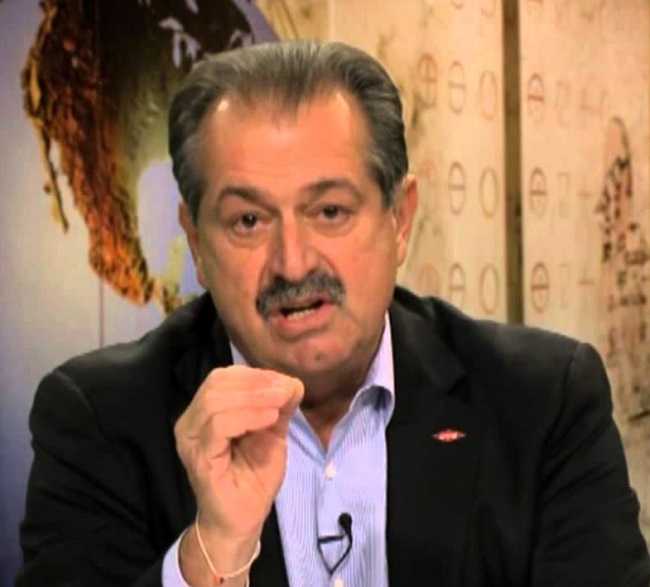
Ο Ανδρέας Λιβέρης από το 2004 ηγείται ενός παγκόσμιου βιομηχανικού κολοσσού. Είναι ένας δισεκατομμυριούχος, είναι σύμβουλος του προέδρου των ΗΠΑ Μπαράκ Ομπάμα σε θέματα Εξωτερικού Εμπορίου. Είναι Έλληνας τρίτης γενιάς, αλλά δηλώνει πρώτα απ’ όλα Έλληνας.

Η διαδρομή Καστελόριζο-Ντάργουιν-Μίσιγκαν ήταν πολυετής και δύσκολη. Ο παππούς του έφυγε το 1910 από την εσχατιά της Ελλάδας, το Καστελόριζο μαζί με τη γυναίκα του και τον μικρό του γιο και εγκαταστάθηκε στο Ντάργουιν της Αυστραλίας που, μάλιστα, τότε είχε μόλις 300 κατοίκους.

Ο Ανδρέας Λιβέρης, είναι επικεφαλής του πολυεθνικού αμερικανικού κολοσσού Dow Chemical με τους 45.000 εργαζόμενους. Η εταιρία του συγχωνεύθηκε πρόσφατα με την DuPon, δημιουργώντας έναν μεγαλύτερο κολοσσό, αλλά ο ίδιος δηλώνει ότι του χρόνου θα αποσυρθεί.

Ο Λιβέρης ήρθε στην Αυστραλία με το ιδιωτικό αεροσκάφος της Dow Chemical, αξίας 85 εκατομμυρίων δολαρίων (ένα Gulfstream 650 jet), ενώ υποχρεώθηκε να πληρώσει στην εταιρία του $399 τα οποία είχε πληρώσει για να αγοράσει λουλούδια στη Χίλαρι Κλίντον.

Πηγή:Νέος Κόσμος

Κυνηγοί κροκοδείλων και μαργαριταριών οι πρώτοι Έλληνες του Ντάργουιν

shcrocs

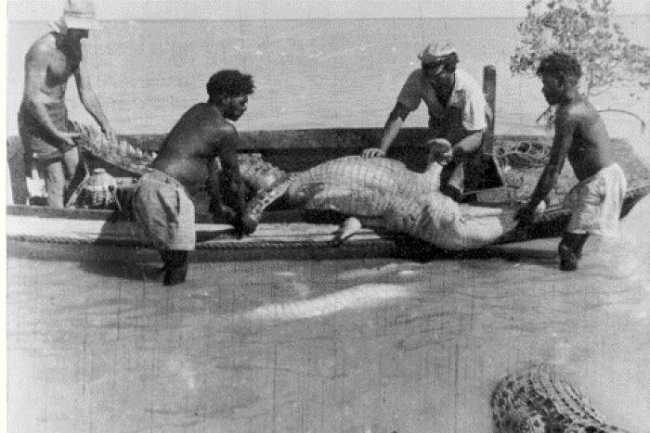
Στη φωτογραφία ο ομογενής Γιώργος Χαρίτος μαζί με Αβορίγινες έχει πιάσει έναν κροκόδειλο κοντά στο Ντάργουιν στην δεκαετία του ’50

Η ιστορία των Ελλήνων της Northern Territory παρουσιάζει ξέχωρο ενδιαφέρον.

Ιδιαίτερο ενδιαφέρον παρουσιάζει η έρευνα με αντικείμενο την ιστορία των πρώτων Ελλήνων της Northern Territory, που διεξάγει ο καθηγητής, Γιώργος Φραντζής, από το Ελληνικό Τμήμα του Πανεπιστημίου Charles Darwin (CDU) και η οποία θα χρησιμοποιηθεί από το Τμήμα για την επόμενη πενταετία.

Η ιστορία των Ελλήνων της Northern Territory παρουσιάζει ξέχωρο ενδιαφέρον και είναι σε πολλά σημεία διαφορετική απ’ αυτή των Ελλήνων των νότιων Πολιτειών της Αυστραλίας. Εκεί οι πρώτοι Έλληνες, εκτός των άλλων, ασχολήθηκαν με κυνήγι κροκοδείλων καθώς και αλιεία μαργαριταριών και σφουγγαριών!

Πηγή:Νέος Κόσμος

Hunter speed cameras generating $4 million a year, concerns over mobile camera activity


UP TO SPEED: Veteran Newcastle driving instructor Phil Burns at the Tudor Street red light speed camera in Hamilton, which generated $408,000 last financial year. Picture: Jonathan Carroll

MOTORISTS on Hunter roads are forking out a whopping $10,000 a day in speeding fines issued by speed cameras, generating a hefty $4 million a year for the state government.

UP TO SPEED: Veteran Newcastle driving instructor Phil Burns at the Tudor Street red light speed camera in Hamilton, which generated $408,000 last financial year. Picture: Jonathan Carroll

Herald analysis of the latest Office of State Revenue data reveals that this financial year, motorists have already paid more than $300,000 in speeding tickets per month.

With four months still to go before the end of the financial year, the figure puts it on track to come close to the $4.38 million sum paid by motorists in 2014/15.

The sting has ignited a fresh round of the revenue-raising versus safety debate, with a veteran Newcastle driving instructor claiming the speed cameras are counter-productive and “do more harm than good”.

“It’s outrageous,” Newcastle Driving School owner Phil Burns said of the windfall.

“In many cases, these cameras are actually causing accidents – they force people to slow down suddenly and you get rear-end collisions.

“Often it’s non-locals who don’t know where the cameras are that panic and hit the brake.”

The biggest cash cow on Hunter roads is the Gateshead camera on the Pacific Highway, situated in a school zone.

source:theherald.com.au