Monthly Archives: October 2014

Eating habits of our ancient Greek selves

Eating habits of our ancient selves

Dinner parties were an ancient Greek staple

In the ancient world, Greeks may have been famous for their symposia – ancient drinking parties – and feasts which lasted for days. But their set table consisted of healthy food we want to mimic today.

Though having often written about ancient Greeks and their food culture, I felt it was time to visit the subject again, with the spotlight on our spiritual forefathers and the dig in Amphipolis that we are all holding our breath over, and the renewed interest in the Parthenon Marbles now that Amal Clooney (nee Alamuddin) is lobbying for their return to their ancestral home.

There is a lot that can be written about the ancient Greeks and their diet and it helps to give a background on the way they lived and their philosophies on life, in order to be able to understand the impact this had on the way they ate.

The key ‘ingredient’ of their lifestyle was simplicity, even amongst the rich, from the way they dressed, the way they ate to the way they amused themselves. Their homes were simple, the poor had white-washed walls and the rich’s only decorations were wall murals. The furniture was simple even in rich homes.

Water was collected daily and stored in the water tanks next to their homes. Soap was olive oil and sand. Cleanliness was ingrained in the culture for home and body. They did not have forks, they used knives and spoons and bread to mop up food and also to clean their hands.

They had ample produce but back then Europe still did not have eggplants, peppers, okra, corn, tomatoes, potatoes, nor coffee or sugar. They also did not have rice, as we know it today – although there are records of luxurious bread made from rice flour. And Greece did not have ouzo, as they still had not discovered distillation.

The set table consisted of healthy food that we would do well to mimic today. They had wine in abundance but it was drunk watered down – sometimes with sea water and it often had added ingredients such as honey.

The stand-out event of eating in the ancient Greek world was the symposia (symposium in Latin). What we might call today ‘dinner parties’, symposia were well organised and nothing was left to chance. The food was carefully chosen, with the most famous being Plato’s symposia which he later wrote about.

These symposia of ancient Greece were drinking parties strictly for men. The symposia did not consist of many men and Plato’s – known to reach the number of thirty – was considered to be a crowd. These gatherings were not just about food and drink; they were a venue for philosophical dialogue.

I have in my possession a Greek cookbook, Ancient Dining by Maria Loi, that I bought in Greece, with spectacular recipes from the ancient world. I can only give you a few in this space but there is not one in the thirty-odd recipes that we could not salivate over today – they are all within our reach. They are healthy and, judging them, I know if we ate like this we would never have a weight problem.

source: Neos Kosmos
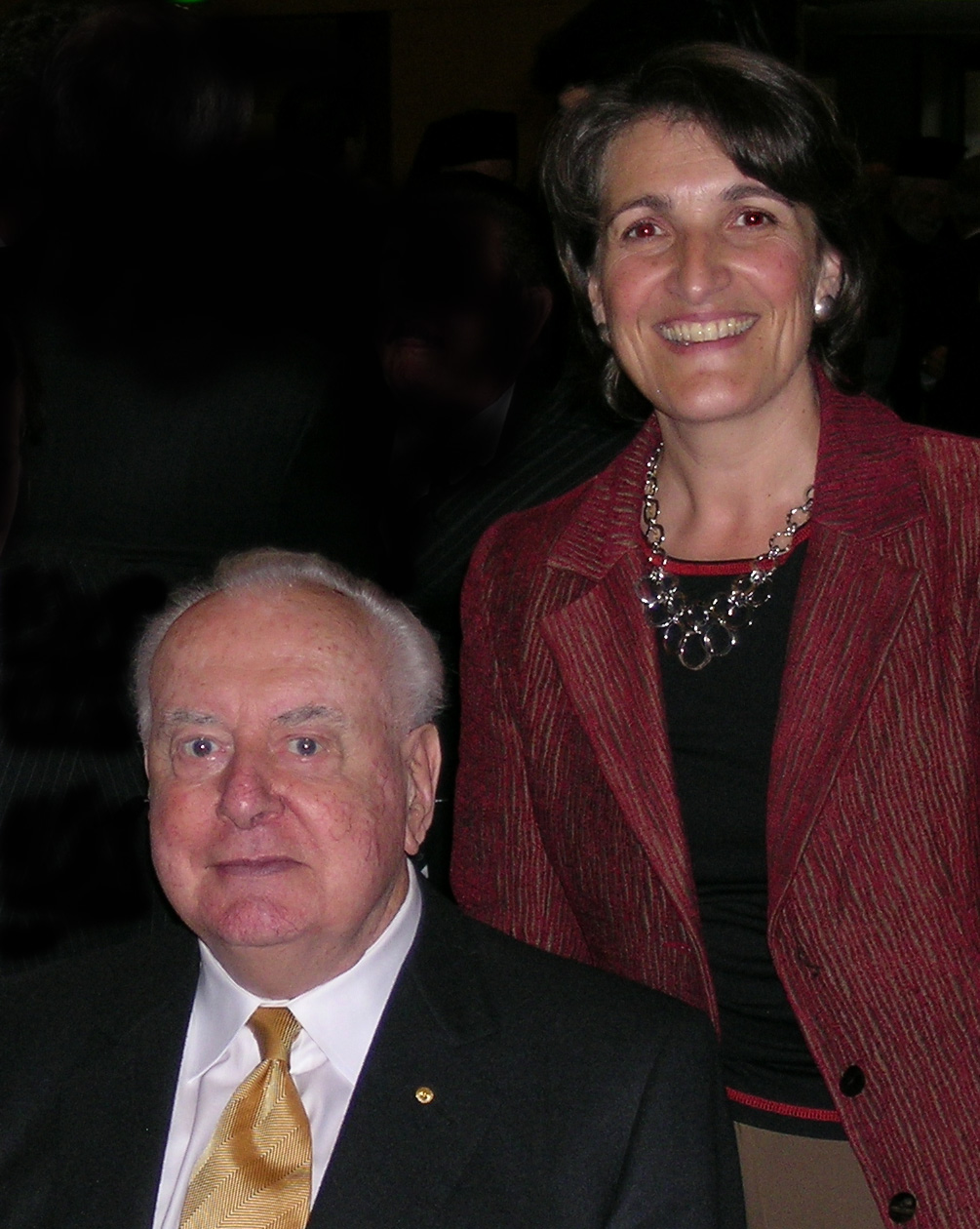
Maria Vamvakinou’s tribute to Gough Whitlam and his contribution to Greek Australians‏

Vamvakinou  Whitlam 23_05_2007

I begin by associating myself with the contributions made by many of my colleagues on the passing of Gough Whitlam.

I offer my condolences firstly to the Whitlam family—they have lost a father and grandfather—and of course the Australian Labor Party and indeed the broader community have lost a significant and indeed iconic figure. One cannot reflect on the life and times of Gough Whitlam without making reference to the other half of the Whitlam whole—his life’s partner, Margaret Whitlam, who passed away a couple of years ago. This was Australia’s power couple akin to the Roosevelt’s, Eleanor and Franklin Delano, and I thought that when I met the Whitlams for the first time as a 16-year-old schoolgirl during that dramatic period after 11 November 1975. The passage of time has only reaffirmed my belief that Gough and Margaret Whitlam were truly a marriage of true minds.

It is often said that everyone remembers where they were on the day that the Whitlam government was dismissed by the Governor-General, Sir John Kerr. I remember where I was. I was in class, year 11 at Princes Hill High School, and I remember the uproar in our entire school community; students and teachers alike were absolutely outraged and took to the school quadrangle, as opposed to the streets. This marked the beginning, I believe, of my own political activism. Like everyone else around me at the time I felt—such was the feeling at the time—that I had to do something. I very much wanted to be a part of the dramatic events that were unfolding. The public wrath was palpable as Australians faced what many consider to be the closest we are yet to come to a coup d’etat. So I joined the Migrant Workers Committee at the Victorian Trades Hall Council and I ended up working as a volunteer on the election campaign to re-elect the Whitlam government in the 1975 federal election. Of course, I could say that the rest is history.

When I became the candidate for the federal seat of Calwell in 2001, I wrote to Gough inviting him to launch my campaign. Quite to my surprise, and as a colleague said previously, he rang me and he actually greeted me in the Greek language. This voice on the other end of the phone said ‘Tia sou ti kaneis’, and I immediately recognised it as Gough Whitlam’s voice. I was very surprised that he would greet me in the Greek language at the time—but not really surprised, as I will mention later.

I invited Gough because I had discovered that the last function he had officiated at as Prime Minister of Australia was the opening of the Broadmeadows Sporting Club, in my electorate. We thought at the time it was a great idea to invite him to make a return visit to Broadmeadows—unfortunately he was unable to do so because he could not travel at that time. But he was very gracious with his time and, as always, with advice. He had a propensity to give a lot of advice and to correct a lot of records. I know the people of Broadmeadows remain very chuffed that they are a small footnote in a very important historical event. He informed me that after Broadmeadows Sporting Club he went to the Melbourne Town Hall, and of course the next day he came to Canberra, where he was dismissed.

If Arthur Calwell laid the foundations for modern Australia, Gough Whitlam, as Australia’s 21st Prime Minister, was the architect of the contemporary Australian identity. To this end I want to reflect on his very special relationship with migrant Australia, or the New Australians as he often referred to them. Gough Whitlam envisaged an Australia that was reconciled with its first people, our Indigenous Australians—and of course there is that memorable photograph of Gough with Vincent Lingiari. He gave hope for reconciliation and paved the way for native title. Gough Whitlam embraced the new Australians that came here, my family and I included, in a way that gave us a sense of ownership and belonging, a gesture that would become the driving principles of access and equity which underlined multiculturalism—a policy that the Whitlam government not only championed but also implemented during that period of great reform.

It is indeed a privilege for me to be given the opportunity to speak in this condolence motion as the member for Calwell. The sense of fate and history does not escape me at this moment, because the 16-year-old schoolgirl of 1975 would never have imagined that she would be here today in the House of Representatives. It is a very important moment, when you look back in time.

Universal health, free education, land rights, the Racial Discrimination Act, ending conscription, legal aid, no-fault divorce, pension reform, multiculturalism and a new national anthem are some of the most iconic policies that characterised the Whitlam government, but it is Gough’s relationship with new Australians that I want to reflect on here today and in particular his relationship with the Australian Greek community. It was a very special relationship. Gough Whitlam was a philhellene in every sense of the word. Gough once said:

… there can be no doubt that the Greek language is important in Australia, and that Greek civilization is important to Australia.

Gough became very involved in the Greek Australian community. From advocating for the return of democracy to its original birthplace during the seven-year dictatorship of the 1960s and early 1970s to supporting Australian peacekeeping forces in Cyprus and advocating for the return of the Parthenon marbles he was indeed a true friend of Greece and the Australian Greek community.

He was patron of the Antipodes Festival in Melbourne for many years. He was an honorary member of the Greek Orthodox Community of Sydney and NSW. He was a recipient of the Hellenic republic’s highest honour—the Order of the Phoenix—for services to Hellenism. As my constituent Kostandinos Tsourdalakis, the cantor of our local Greek orthodox church, said in the 18-stanza Homeric prose he wrote on the occasion of Gough’s passing last week, Gough was ‘the Greek community’s second father’. I am absolutely certain that Gough would love Mr Tsourdalakis’s 18-stanza Homeric epic tribute to him. I wish I could read it out in the chamber today, but I think I would be trying the patience of Hansard considerably.

The affection new Australians held for Gough is captured by what my late father always used to say to me. During the 1975 campaign at a rally in Melbourne, Gough walked by my father, stopped and shook his hand. My father always described this as the moment an Australian Prime Minister had embraced him as a fellow Australian. There is no denying that Australia is a better place today because of Gough Whitlam.

source: studio3newcastle.com.au

Greek Film Festival in Perth

Greek Film Festival in Perth

Opening Night will feature Μικρά Αγγλία, Greece’s nomination for Best Foreign Film at the Oscars, which tells the story of the maritime community of Andros during the 1930s and 1940s and the fates of two sisters whose loves and arranged marriages lead to disaster. Also screening will be Οικόπεδο 12, a comedy in which a Greek Cypriot family battles plans by the government to resume their land, and to keep secret the discovery they have made there. The third film is Committed, a romantic comedy in which a young man trying to escape in his sports car from pressure to marry his girlfriend picks up a bride running away from her wedding.

When: From 20 to 24 November
For more information, visit http://www.hcwa.org/ or contact (08) 9328 5141

source:  Neos Kosmos

Australia: “The road to Riyadh” for Western Sydney Wanderers

1414504756630

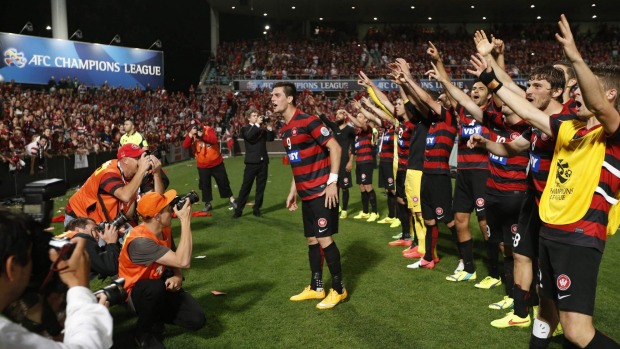
The Socceroos’ 2014 World Cup journey was dubbed the ‘Road to Rio’. Now Western Sydney Wanderers FC are just one game away from the greatest achievement by an Australian club side. As they fly off tonight (Tuesday) we look back at the red and black’s ‘Road to Riyadh’ and the ACL final second leg.

It’s been an epic journey for the Wanderers to get this far, starting way back in February and seeing them rack up thousands of air miles around Asia and knocking off some powerful clubs – many on the road too – through 13 difficult matches so far.

We take a look back at the Wanderers’ amazing ride on the ‘Road to Riyadh’.

Group Stage

Results – Feb 26 v Ulsan Hyundai (lost 3-1 at home), March 12 v Guizhou Renhe (won 1-0 away), March 19 v Kawasaki Frontale (won 1-0 at home), April 1 v Kawasaki Frontale (lost 2-1 away), April 15 v Ulsan Hyundai (won 2-0 away), April 22 v Guizhou Renhe (won 5-0 at home)

The Wanderers were given an early indication of just how tough life in the ACL would be, beaten 3-1 at home on Matchday One by Ulsan Hyundai despite scoring inside the first minute

through Brendon Santalab. But it proved a minor hiccup as they won their next two matches by solitary goals to Mark Bridge and Labinot Haliti before conceding two goals in the last 15

minutes on Matchday Four to go down 2-1 to Kawasaki Frontale. It set-up a huge penultimate group stage clash against their opening day conquerors Ulsan in Korea. The Wanderers

produced their most complete performance of the competition to win 2-0 thanks to goals from Bridge and Santalab. A 5-0 drubbing of Guizhou Renhe in the last game saw the Wanderers top t

he group and advance to the knockout stage.

Round of Sixteen

Results – May 7 v Sanfrecce Hiroshima (lost 3-1 away), May 14 v Sanfrecce Hiroshima (won 2-0 at home) – Progressed on the away goals rule

The first leg saw the Wanderers have to travel away to Japan and play just a day after their heart-breaking Hyundai A-League grand final defeat to Brisbane Roar. After going behind 2-0 the Wanderers got a vital away goal through Tomi Juric’s second half penalty before conceding a third in stoppage time to give them plenty of work to do a week later at Parramatta Stadium.

Willed on by a raucous home crowd and needing a 2-0 win to progress, the Wanderers didn’t panic despite failing to score in the first half. But Shannon Cole’s brilliant strike 10 minutes after the break gave them hope and after a sustained period of pressure, Brendon Santalab got the vital second five minutes from time to keep their fairytale run alive.

Quarter Final

Results – August 20 v Guangzhou Evergrande (won 1-0 at home), August 27 v Guangzhou Evergrande (lost 2-1 away) – Progressed on the away goals rule

After a three-month hiatus the Wanderers resumed in the last eight against the multi-millionaires and defending ACL champions from China.

Marcelo Lippi’s legion of big-money imports and Chinese internationals were hot favourites, especially as the Wanderers were still in pre-season. In a pulsating first leg the Wanderers more than matched their more highly-fancied opponents before grabbing a winner from an unlikely source, with defender Antony Golec’s cross-shot handing them a 1-0 win (though there was a hint Juric may’ve got a touch).

The Wanderers had to deal with a host of dirty tricks from the locals ahead of the return encounter a week later, which included prank phone calls in the middle of the night and having the team bus rammed by another vehicle on route to the stadium.

Ante Covic pulled off a sensational penalty save in the first half to keep their noses in front before Juric converted from the spot to give the visitors an unlikely away goal. Despite conceding twice in the last 30 minutes, the Wanderers held on to advance on away goals.

Semi Final

Results – September 17 v FC Seoul (drew 0-0 away), October 1 v FC Seoul (won 2-0 at home) – Won 2-0 on aggregate

After knocking out the champions it was last season’s beaten finalists next up for Popovic’s troops.

This time it was the away leg first and for the first time in the competition the Wanderers failed to score on their opposition’s home turf. It meant the Koreans could head to Parramatta in the knowledge that a score draw would be enough to send them through.

Mateo Poljak eased any nerves with an early goal – his first in the competition – before Cole booked the Wanderers spot in the decider with a brilliant second-half header.

Final

Results – October 25 v Al Hilal (won 1-0 at home), November 1 (Nov 2 AEDT) v Al-Hilal

The Wanderers produced a superb defensive display to repel the Saudi giants, who dominated possession for long periods. The introduction of Tomi Juric 13 minutes into the second half

proved the turning point with the striker scoring just six minutes later to secure a crucial1-0 first leg win.

Will it be enough to secure the Wanderers the continental title? We’ll get the answer on Sunday morning in what should be an incredible match with fans across the nation and Asia tuning in.

Dare we say… “Go the Wanderers!”

source: a-league.com.au


Greek-Italian Australian represents Australia in Cyprus

Greek-Italian Australian represents Australia in Cyprus

Daniel Tsakmakis (L) with friends Raphael and Sakis Papaspyropoulos in Neos Kosmos, Athens.

Daniel Tsakmakis praises opportunity at the University of Cyprus for his accelerated knowledge of Greek.

Melburnian Daniel Tsakmakis won a scholarship to study Greek at the University of Cyprus in July.

Born to an Australian-born-Greek father and an Italian-born mother, Tsakmakis has experienced two very rich cultural heritages.

Raised in the Greek and Italian influenced suburb of Northcote, he told Neos Kosmos growing up with Greek and Italian as his first languages meant he wasn’t exposed to English until he started school.

“I started school and had to learn English so I lost my Greek language skills, because I had to focus on English. I went to Italy as a boy and went to school there, so I kept Italian and then it wasn’t until year 11 and 12 when I was completing VCE Italian that I wanted to pick up VCE Greek again but it wasn’t possible.”

He lived in Italy as a child for close to three years and won a scholarship to study at the University of Milan, which spurred him to go to Cyprus because he wanted to fairly “balance” his ethnicities.

“I wanted to better my Greek and show that I was mutual between my languages and cultures. My father’s fully Greek, my yiayia and pappou are from Thessaloniki, and my Italian grandparents don’t really speak English that much, so I wanted to show myself that I was between both and not leaning towards one or the other.”

He first went to Greece at the start of 2014, with his Italian speaking cousin, and said going to Athens for the first time was a novel cultural experience.

“Three months later I got back and I was told that I won that university scholarship at the University of Cyprus. My first experience there [Athens], for not even a week, triggered me to want to go back and refine everything that I knew and visit family and re-establish connections growing up.”

Tsakmakis says NEPOMAK (World Organisation for Young Overseas Cypriots), which runs the scholarship, offers a youth program that connects people from the Greek diaspora, from places like Australia, New Zealand, the US and Canada and it was an opportunity for students to represent their respective countries.

“Essentially we had to represent our own countries. For example, we went to parliament and we spoke about where we were coming from and what we thought about specific European issues.”

“As well as the study experience I found it really rewarding. At first it was a bit challenging obviously because even the teachers didn’t really speak English that much and all the essays and the exams we did were in Greek, so after a while I kind of forgot what reading in English was like, because we were so immersed.”

He hopes that much like his experience, second, third and fourth generation Greeks can explore their culture and language through similar programs.

source: Neos Kosmos

Turkish violations of Greek air space fuels concern

Turkish violations of Greek air space fuels concern

Greek fighter jets above the Rio-Antirio bridge. Photo: AP/Dimitris Manakanatas.

Defence Minister Dimitris Avramopoulos issues a terse message to Turkey.

A day after Turkish fighter jets violated Greece’s national air space in the Aegean in a show of force, outgoing Defence Minister Dimitris Avramopoulos underlined that the Greek armed forces would protect the country’s interests.

In comments made on the anniversary of Greece joining the allied forces in World War II, Avramopoulos, who later this week assumes the post of European commissioner for immigration, issued a terse message to the neighbouring country.

“Wherever the country’s interests are at stake, the Greek armed forces are always present,” he said.

The statement came just a few hours after Turkish fighter jets entered the Athens Flight Information region on two occasions, in one case over Lesvos and Chios and in another over the islets of Fournoi.

The transgressions came amid indications that Turkey is boosting its presence off the southern coast of Cyprus, where Cypriot authorities have a license to prospect for underwater energy reserves. Sources at the Greek Foreign Ministry said the move was being interpreted as an attempt by Ankara to raise tensions amid reports that Turkish authorities have approached major international energy firms in a bid to begin drilling in the area.

Greece’s Foreign Minister Evangelos Venizelos is due in Nicosia this week to discuss the situation with his Cypriot counterparts ahead of a scheduled visit to the Cyprus capital on November 7 by Prime Minister Antonis Samaras.

Source: Kathimerini

On the up: international arrivals in Greece

On the up: international arrivals in Greece

Tourists flocking to Greece. Photo: Anthony McPhee.

International arrivals up 15 per cent, with Britons some of the most common tourists.

International travellers coming to Greece were up by 15.6 per cent compared to 2013, according to a report released by the Hellenic Statistical Authority, ELSTAT. The report referred to a Frontier Statistical Survey conducted by The Bank of Greece in the January – June 2014 period.

According to the survey, arrivals from Europe, which account for the majority of arrivals of non-residents (85.4 per cent) showed an increase of 14.6 per cent in the January – June 2014 period compared to the same time the previous year. At the same time, arrivals from European Union member states pointed to an increase of 17.7 per cent.

The report showed there was a significant increase in arrivals, in absolute values, from the UK (33.8 per cent), France (15.1 per cent), Netherlands (32.2 per cent), Romania (58 per cent), Russia (13.5 per cent), Cyprus (29 per cent) and Bulgaria (12.8 per cent). A considerable decrease in arrivals was reported in the case of Italy (-10.2 per cent), Albania (-8 per cent) and Denmark (-26.2 per cent).

Meanwhile, percentage increases in arrivals from Asia, Africa, America and Oceania were greater than those observed in Europe.

With regard to the contribution of arrivals by country of origin, the largest number of arrivals came from Germany (11.4 per cent), UK (11.1 percent), France (6.6 per cent), Russia (6.1 per cent) and Bulgaria (6 per cent).

Arrivals from Turkey were up 5.5 per cent and from the United States by 3.2 per cent.

Source: Kathimerini

Wanderers fans struggle to follow team in Middle East

Wanderers fans struggle to follow team in Middle East

A strict and complex process for obtaining Saudi Arabia visas, along with the travel cost, had reduced the touring party. Photo: AAP.

Only 10 Australian fans will make the trip to watch the Western Sydney Wanderers in their ACL final second leg match in the Middle East.

Only 14 Western Sydney Wanderers fans will travel to Saudi Arabia to support their team in their historic second leg of the Asian Champions League final.

And of that mini-travelling party, only one female from arguably the A-League’s most passionately supported club will be in attendance.

The Wanderers were hoping for a contingent of around 200 of their supporters to spur them on against Al-Hilal at King Fahd Stadium in Riyadh on Sunday morning (AEDT).

However, a club spokesperson said a strict and complex process for obtaining Saudi Arabia visas, along with the travel cost, had reduced the touring party leaving from Sydney to 13 men and one woman.

Under conservative Saudi law, single women must be in the company of their husband or a male family member to be able to obtain a visa, and a Western Sydney spokesperson confirmed the solitary female Wanderers supporter will make the journey with her father.

Another challenge facing supporters, members of the media and Wanderers management has been the Saudi stipulation that people of the Jewish faith, and even people with Israeli stamps on their passport, are not allowed entry to the country.

Western Sydney declined to comment on whether its chairman Paul Lederer, who is Jewish, will travel to Riyadh.

Fairfax media reported earlier this month that the Asian Football Confederation may look to arrange a way for Lederer to attend under conditions usually reserved for diplomats.

Asian Champions League regulations say that: “Hosting club and its National Association must guarantee and ensure that access to the stadium will be granted to the AFC delegation, officials and players of the visiting club, sponsors, travelling fans and media without any discrimination of gender, race or nationality.”

Amid the excitement of the Wanderers being on the verge of becoming the first Australian football team to win an Asian trophy, the visa issue in Saudi Arabia is a disappointing undercurrent to the story.

At Parramatta Stadium for the first leg of the final, the “Blue Wave” of Al-Hilal fans filled up the entire southern end of the ground, behind the goals.

However in the 65,000-capacity cauldron of King Fahd Stadium, the Wanderers fans will be barely a drop in the ocean as they watch their team attempt to press home their 1-0 advantage.

Veteran goalkeeper Ante Covic explained on Monday how important the Wanderers supporters were to the team’s success.

“They’re a big part of this club right now,” he said. “When you come to a club like this and you look out at the stands … it lifts us on the field.”

When the Wanderers began organising travel packages a month ago, there were initial concerns that female supporters may be segregated in a separate part of the ground.

However, the one female Wanderers fan will be allowed to sit with the 13 other Western Sydney supporters.

Source: AAP

Bentleigh cranks up training ahead of FFA Cup

Bentleigh cranks up training ahead of FFA Cup

John Anastasiadis says his team has taken the FFA Cup very seriously. Photo: Kostas Deves.

Bentleigh Greens are making sure they have the best chance at getting to the FFA Cup finals and have scheduled four training sessions in a week.

Stuck in off season, Bentleigh Greens coach John Anastasiadis has made sure his team doesn’t lose sight of what’s at stake.

Taking on fellow NPL team Adelaide City on Wednesday for the FFA Cup semi finals, Anastasidis’ boys have been calling Kingston Heath reserve their second home, honing their tactics ahead of the all important match.

Only one grassroots club will remain in the Cup after this match, and Anastasidis is making sure it’ll be the Greens.

Since the fixture announcement, Anastasiadis has been working hard to make sure his boys don’t slack off. The team has played three friendly matches in between structured training sessions to keep their legs ticking over.

“We played Box Hill which we won 1-0, we played Melbourne Victory Youth Team we lost 2-1 and we played Melbourne City’s youth team, and we won 2-0,” Anastasiadis tells Neos Kosmos of the team’s track record.

Two out of three is impressive, but with the knowledge that their opponents managed to knock out A-League club Western Sydney Wanderers, there’s a lot more that needs to be done to get the Greens ready.

Anastasiadis believes the two clubs are equally matched, but that hasn’t stopped him trying to find Adelaide City’s Achilles heel.

“They’re a very good team, they’re quite fast, sharp and they’re pretty much the same as us,” he says about Adelaide City.

“We’ve watched a video of them play and it’s going to be a very even game.”

Former NSL great, Adelaide City does have the pedigree and prestige to make it to the finals, but hasn’t had the same results of late.

City played Adelaide United FC with a 1-1 result and the Adelaide United Youth League team with a 2-0 win in preparation for the Cup match.

About 100 Adelaide fans are also making the trip down to Melbourne to make sure the team feels supported.

Bentleigh Greens’ Anastasiadis feels the home and away factor doesn’t feed much into the result, but does agree the fan atmosphere does make it slightly more special.

“I don’t think home or away is a big advantage, teams now are better prepared, a lot of teams actually do better away, and that was our case a lot this year,” he says.

“The only good thing about that (home advantage) we’re playing in front of our own, our families who wouldn’t see us if we were playing interstate. It’ll be good for them to see what the FFA Cup is all about.”

In their last training session last Monday, Anastasiadis will turn his focus on making sure his team is up for the challenge mentally. Working extremely hard in training, it’s all that’s left to make Bentleigh Greens an impenetrable unit.

“They’ve taken it obviously very seriously, they know what’s at stake,” he says.

“They haven’t given up at all, they’ve really worked hard, this week we’ve had four sessions, they’ve really cranked it up.

“The boys know that they want to get to the next step and hopefully that will come to fruition.”

A bit of extra support from the Melbourne Greek community is also needed, with the coach putting a special call out for fans to come down and cheer on the team.

The quarter final match between Benteligh Greens and Adelaide City will be broadcast live on Foxtel.

Bentleigh Greens vs Adelaide City
Kick-off: 7.30 pm, Wednesday October 29
Kingston Heath Reserve, Farm Road, Cheltenham VIC

source: Neos Kosmos

«Τριάρα» η ΑΕΚ, νίκες για Ηρακλή, Παναχαϊκή, Τύρναβο, «Χ» στα Χανιά

«Τριάρα» η ΑΕΚ, νίκες για Ηρακλή, Παναχαϊκή, Τύρναβο, «Χ» στα Χανιά  (Φωτογραφία:  Icon )

Χωρίς να αντιμετωπίσει ιδαίτερη δυσκολία, η ΑΕΚ επικράτησε με 3-0 του Ηρακλή Ψαχνών στο πλαίσιο της 2ης αγωνιστικής για την φάση των ομίλων, στο κύπελλο Ελλάδας.

Ο Τύρναβος επικράτησε 2-1 του Αιγινιακού στο Στάδιο Αλκαζάρ, ενώ παράλληλα ο Ολυμπιακός Βόλου απέσπασε ισοπαλία 0-0 από τα Χανιά στα Περιβόλια.

Σημαντικό βήμα πρόκρισης στους «16» του κυπέλλου Ελλάδας έκανε ο Ηρακλής, επικρατώντας στις Σέρρες 2-1 του Εθνικού Γαζώρου. Η Παναχαϊκή πέρασε νικηφόρα από τον Ταύρο, επικρατώντας 2-0 του Φωστήρα.

ΑΕΚ – Ηρακλής Ψαχνών 3-0

Η ΑΕΚ κέρδισε με 3-0, εντός έδρας, τον Ηρακλή Ψαχνών και πήρε το πρώτο της τρίποντο στη φάση των ομίλων του Κυπέλλου Ελλάδας.

Στο 42′ o Κορδέρο με εξαιρετικό σουτ έξω από την περιοχή άνοιξε το σκορ για τους γηπεδούχους, ο Μάνταλος στο 66′ με κεφαλιά έκανε δυο τα τέρματα της Ένωσης, ενώ το τελικό 3-0 έγραψε ο Μπακάκης στο 79′.

Η ΑΕΚ είχε δύο δοκάρια στο ματς και ένα χαμένο πέναλτι το οποίο έστειλε άουτ ο Μπαρμπόσα. Στο 61′ αποβλήθηκε για τα Ψαχνά ο Γουόρντεν.

ΑΕΚ: Ανέστης, Μπακάκης, Γροντής, Κολοβέτσιος (69′ Φαγέ), Σαρρής, Κορδέρο (56′ Μάνταλος), Ρόβας, Πλατέλλας, Μπαρμπόζα (76′ Αραβίδης), Ζόριτς, Ντακόλ

ΗΡΑΚΛΗΣ ΨΑΧΝΩΝ: Μανιάτης, Παλαιολόγος, Μπακομήτρος (61′ Κοτίτσας), Παπαδόπουλος, Παληγεώργος, Γκεμίσης, Ντιέγκο Λόμπα (67′ Δηλαβέρης) Φλίγγος (72′ Σικαλιάς), Γουόρντεν, Ποσίνκοβιτς, Ραπτάκης

Φωστήρας – Παναχαϊκή 0-2

Η Παναχαϊκή πέρασε νικηφόρα από τον Ταύρο, επικρατώντας 2-0 του Φωστήρα για τη 2η αγωνιστική του 1ου ομίλου του κυπέλλου Ελλάδας, και πλέον θα παίξει την πρόκριση στους «16» της διοργάνωσης στο ματς της τελευταίας αγωνιστικής με τον Πανιώνιο στη Νέα Σμύρνη.

Ο Μαρουκάκης στο 36΄ και ο Πατηνιώτης στο 64΄ πέτυχαν τα γκολ των Αχαιών, οι οποίοι αγωνίστηκαν σε όλο το β΄ ημίχρονο με δέκα παίκτες, λόγω αποβολής του Αναστασόπουλου στις καθυστερήσεις του πρώτου μέρους.

ΦΩΣΤΗΡΑΣ (Κριστόφ Βαζέχα): Γκέκας, Μπίρης, Γρομητσάρης, Αχείμαστος, Μήτκας, Μπελέρης (67΄ Κανελλόπουλος), Ποτουρίδης, Κακαράς (18΄ Μεντί), Ράμα, Ματσούκας (29΄ Σιώπης), Μουστογιάννης.

ΠΑΝΑΧΑΪΚΗ (Δημήτρης Σπανός): Μπαλασάκης, Κάργας, Άλα, Ασίγκμπα, Πατηνιώτης, Μπαλού, Αναστασόπουλος, Στεργίδης (68΄ Χούσα), Ζλατκόφσκι (46΄ Χαρτσιάς), Ντα Κόστα (75΄ Πλέγας), Μαρουκάκης.

Εθνικός Γαζώρου – Ηρακλής 1-2

Σημαντικό βήμα πρόκρισης στους «16» του κυπέλλου Ελλάδας έκανε ο Ηρακλής, επικρατώντας στις Σέρρες 2-1 του Εθνικού Γαζώρου, στο πλαίσιο της 2ης αγωνιστικής του 4ου ομίλου.

Ο «Γηραιός» πήρε σημαντικό προβάδισμα από το πρώτο ημίχρονο, χάρη στα τέρματα των Κυριακίδη (6΄) και Πασά (22΄) και οι γηπεδούχοι το μόνο που κατάφεραν ήταν να μειώσουν στο 55΄ με τον Τσουβαλτσίδη.

Και οι δύο ομάδες τελείωσαν τον αγώνα με δέκα παίκτες, καθώς αποβλήθηκαν ο Μπαρτολίνι από το Ηρακλή (69΄) και ο Κουκολής από τον Εθνικό Γαζώρου (80΄). Οι Θεσσαλονικείς έφτασαν στους τέσσερις βαθμούς, ενώ η ομάδα των Σερρών γνώρισε τη δεύτερη ήττα της και αποκλείστηκε από τη συνέχεια της διοργάνωσης.

ΕΘΝΙΚΟΣ ΓΑΖΩΡΟΥ (Μάκης Κατσαβάκης): Κραβαρίτης, Τσουβαλτσίδης, Πλαβούκος (83΄ Δ. Παπαδόπουλος), Κουκολής, Κωφοκότσιος (46΄ Πολύζος), Πάλλας, Μερεσιώτης, Χατζηδημητρίου, Σαββίδης (46΄ Τσιλούλης), Παναγιωτίδης, Δέντσας.

ΗΡΑΚΛΗΣ (Νίκος Παπαδόπουλος): Λαδάς, Πουρτουλίδης (62΄ Ρομάνο), Μπαρτολίνι, Πασάς, Μπουκουβάλας (46΄ Στεφανίδης), Βαλεριάνος, Σμίλτος, Κυριακίδης, Τόσκας, Αγγελούδης (71΄ Στάμου), Κασσός.

Τύρναβος – Αιγινιακός 2-1

Ο Τύρναβος επικράτησε 2-1 του Αιγινιακού στο Στάδιο Αλκαζάρ, σε αναμέτρηση για τη 2η αγωνιστική του 7ου ομίλου του κυπέλλου Ελλάδας, και διατήρησε ολοζώντανες τις ελπίδες του για πρόκριση στους «16» της διοργάνωσης.

Τα γκολ της θεσσαλικής ομάδας, η οποία στην πρεμιέρα είχε αποσπάσει ισοπαλία στη Μυτιλήνη από την Καλλονή, πέτυχε ο Οτα στο 45΄ και στο 72΄, ενώ ενδιάμεσα οι φιλοξενούμενοι είχαν ισοφαρίσει με τον Δεμηρτζόγλου στο 58΄.

Οι γππεδούχοι τελείωσαν τον αγώνα με δέκα παίκτες, λόγω αποβολής του Σολφερίνο στο 75΄. Ο Αιγινιακός, μετά τη δεύτερη ήττα σε ισάριθμους αγώνες, αποκλείστηκε οριστικά από τη συνέχεια του κυπέλλου.

ΤΥΡΝΑΒΟΣ (Άγγελος Διγκόζης): Πρίφτης, Σιάτρας, Καραμανλής, Χαλούλος, Μπράνκοβιτς, Παληγεώργος (61΄ Στεργιανός), Ντατίδης, Γεωργίου, Σκαθαρούδης (66΄ Μιλουτίνοβιτς), Οτα (78΄ Σαμαράς), Σολφερίνο.

ΑΙΓΙΝΙΑΚΟΣ (Αλέκος Θεοδωρίδης): Μένκα, Αραμπατζής, Μπάρος, Τέλλος, Γεωργίου, Ζούρκος, Φαμπίνιο (89΄ Καζάκης), Δεμηρτζόγλου (71΄ K. Aχαλινόπουλος), Πέντα, Πόποβιτς (71΄ Ναουμτσέφσκι), Μπλάζεκ.

Χανιά-Ολυμπιακός Βόλου 0-0

Ο Ολυμπιακός Βόλου απέσπασε ισοπαλία 0-0 από τα Χανιά στα Περιβόλια, σε αναμέτρηση για τη 2η αγωνιστική του 8ου ομίλου του κυπέλλου Ελλάδας. Πρωταγωνιστής του αγώνα ήταν ο τερματοφύλακας των Θεσσαλών Κασμερίδης, ο οποίος πραγματοποίησε σωτήριες επεμβάσεις, με αποκορύφωμα το πέναλτι του Πάγκαλου στο 60ο λεπτό. Παρά τη σημερινή απώλεια, η κρητική ομάδα παραμένει σε τροχιά πρόκρισης, χάρη στην εκτός έδρας νίκη της πρεμιέρας επί του Παναιτωλικού, αλλά και οι «ερυθρόλευκοι» του Βόλου διατηρούν ελπίδες να πάρουν το εισιτήριο για τους «16».

ΧΑΝΙΑ (Σούλης Παπαδόπουλος): Σικαλιάς, Παγώνης, Παπατζίκος, Γκότοβος, Εσόνο, Σιλιγαρδάκης, Καμινιώτης, Γουέλκαμ, Οικονομόπουλος (79΄ Καραλής), Μαρτσάκης (46΄ Πάγκαλος), Νύκταρης (46΄ Κρητικός).

ΟΛΥΜΠΙΑΚΟΣ ΒΟΛΟΥ (Νίκος Παντελής): Κασμερίδης, Μακρυδημήτρης, Γιαλούσης (65΄ Σκοπελίτης), Ζέρης, Μαργαρίτης, Κεσίδης, Μαρτίνες, Μέζα (55΄ Πινάρες), Θέος, Νικολιάς (46΄ Ντινόπουλος), Διαμαντόπουλος.

Σε αναμετρήσεις για τη 2η αγωνιστική της φάσης των ομίλων του κυπέλλου Ελλάδας σημειώθηκαν τα εξής αποτελέσματα:

1ος ΟΜΙΛΟΣ
Φωστήρας-Παναχαϊκή 0-2
Ολυμπιακός-Πανιώνιος 29/10

2ος ΟΜΙΛΟΣ
ΠΑΟΚ-ΠΑΣ Γιάννινα 29/10
Κέρκυρα-Απόλλων Καλαμαριάς 30/10

3ος ΟΜΙΛΟΣ
Νίκη Βόλου-Ζάκυνθος 30/10
ΟΦΗ-Ξάνθη 30/10

4ος ΟΜΙΛΟΣ
Εθνικός Γαζώρου-Ηρακλής 1-2
Λεβαδειακός-Πλατανιάς 29/10

5ος ΟΜΙΛΟΣ
ΑΕΚ-Ηρακλής Ψαχνών 3-0
Ατρόμητος-Πανθρακικός 29/10

6ος ΟΜΙΛΟΣ
Εργοτέλης-Βέροια 29/10
Ερμιονίδα-Απόλλων Σμύρνης 30/10

7ος ΟΜΙΛΟΣ
Τύρναβος-Αιγινιακός 2-1
Αστέρας Τρίπολης-Καλλονή 29/10

8ος ΟΜΙΛΟΣ
Χανιά-Ολυμπιακός Βόλου 0-0
Παναθηναϊκός-Παναιτωλικός 30/10

Πηγή:in.gr