Monthly Archives: October 2014

Should diaspora Greeks be allowed to vote in Greece?

Should diaspora Greeks be allowed to vote in Greece?

Should Greek citizens living in the diaspora be allowed to vote? Photo: AAP/NEWZULU/MENELAOS MICHA.

Greek American Alexander Billinis looks at the pros and cons if the Greek diaspora get the vote in Greece.

My vote is “No”.

I am not making light of this desire of many diaspora Greeks to vote and to participate politically in the affairs of the homeland. Unlike many of the several million Greek diaspora, I am likely to be in an eligible category to vote. I am a Greek citizen, with passport and national identification card. I have lived in Greece, worked there, paid taxes there, and served in her army.

But I do not live there anymore, and I believe that those who live with the consequences of their vote – should vote.

I might be accused of hypocrisy, because as American citizens abroad for over seven years, we voted in US elections. It is my understanding that Australians abroad can also vote, but the differences between Americans (or Australians) abroad and Greeks abroad are many and fundamental.

Americans abroad are generally expatriates, whereas Greeks abroad are a diaspora. Let’s consider the difference. Roughly six million US citizens live abroad, approximately two per cent of the US population. Often enough Americans abroad work for large US multinationals, or their stay abroad is finite. I would imagine the case for Australians abroad is rather similar. Usually Americans do not integrate into their host societies, unless they are already dual nationals. Consider the large Greek American and Greek Australian pensioner population in Greece.

The Greek case is decidedly different. Greeks from time immemorial have been leaving their homeland, alternately integrating, assimilating, and sometimes repatriating. There are at least four million clearly identifiable Greeks in the diaspora. That number is almost forty per cent of the total population of Greece, and even a portion of those voting can seriously distort an election process.

While passionate about being Greek, the gap between the homeland and the diaspora can be vast. How much does a third-generation Greek American from, say, my Salt Lake City, Utah hometown, know about issues in Greece to make an informed voting choice? Why, too, with nothing at stake in terms of day- to-day life, should she choose for those who will live with the consequences of her vote?

Who is, further, a Greek? How far back to you go, what percentage Greek do you have to be? What are the criteria? Even if we use the criterion of Greek passport holders, I would suggest that this is problematic as well. We might argue that Greeks born and raised in Greece, or Greek passport holders, are well informed enough to exercise voter rights. Consider, however, this: my son and daughter are both Greek citizens, though my daughter has never as yet visited Greece, and my son lived in Greece for two years as a toddler. Absent their highly unlikely return to Greece to live, mere citizenship hardly qualifies them to make voting decisions.

Proper voting requires being informed. I like to think that I have a good understanding of Greece from being well-read and from living there. However, my living experience there was nine years ago, and already things have changed to the point of being unrecognisable. If just a few years’ separation is an issue, imagine decades.

Of course, there are many who would counter that “Greece needs us”, that the diaspora will infuse civic spirit into the motherland. Perhaps, but it is a dangerous generalisation to make, and one easily countered by another, that the diaspora is often more nationalistic. There is a useful parallel to draw with our northern neighbour, FYROM. Their government allowed the diaspora to vote, and their votes generally went to the most extreme nationalists. Often, people in-country are more tolerant of their neighbouring countries, because they must live with them, trade with them, and suffer consequences if the neighbourhood goes bad. We do not have the right to make that decision for them.

Greece is a land inspiring true devotion across distances of oceans and generations, and I do not doubt the love the diaspora has for her, but for the reasons I wrote about, my vote to vote is no. Those who live with the consequences should vote, and we can only hope they vote wisely. If we really must vote in Greece, we ought to vote with our feet first, by moving there!

Alexander Billinis is a Greek American with a lifelong interest in Byzantine history. He has worked at global banks in the US, Athens and London and has written books and articles for various diaspora Greek and Serbian publications in the US, Canada, Greece and Australia. He currently lives in the USA.

source: Neos Kosmos
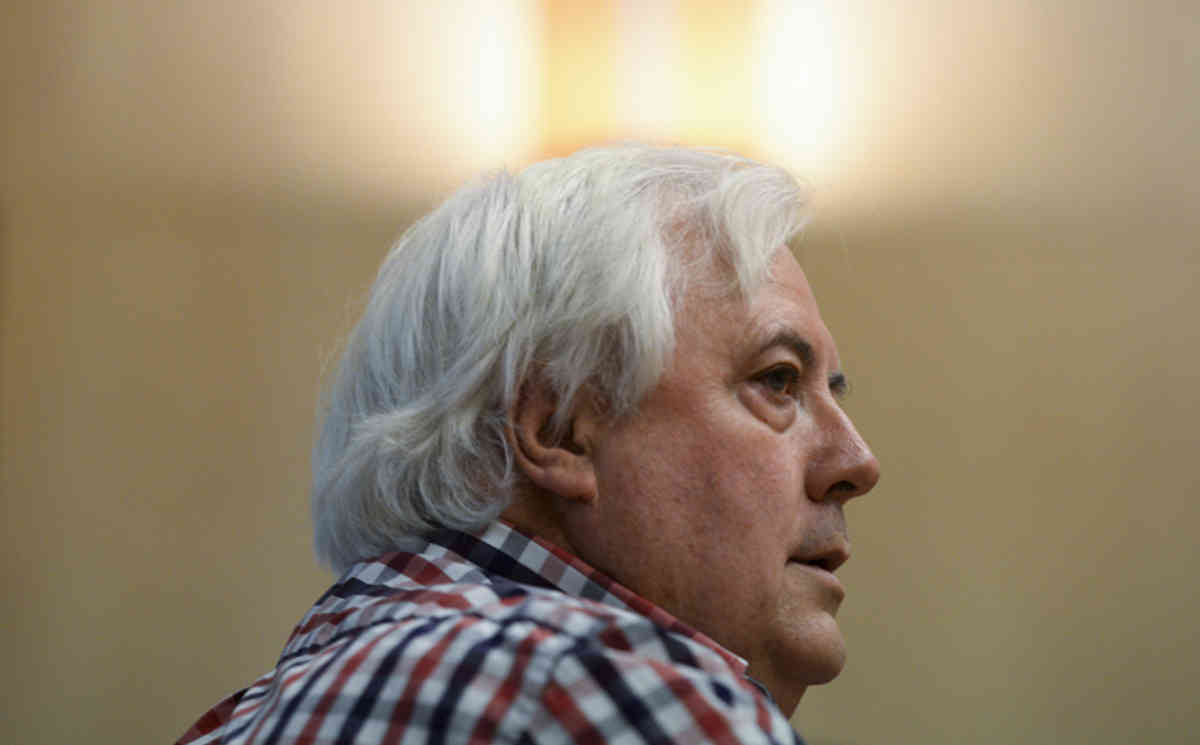
Direct Action: Clive Palmer and crossbenchers reach deal with Greg Hunt

CLIVE PALMER CLEAN ENERGY PRESS CONFERENCE

Tony Abbott has left open the possibility of a return to emissions trading in a trade-off for the Palmer United Party’s support for his controversial Direct Action climate policy.

A deal was struck late on Wednesday afternoon after protracted negotiations and represents a major symbolic concession by the Prime Minister, who once swore a blood oath to repeal the carbon tax and never again have a price on carbon.

Under the agreement, the government has backflipped on a promise to abolish the Climate Change Authority and will instead fund the body to undertake an 18 month inquiry into the effectiveness of emissions trading programs around the world.

Direct Action, the key plank of which is a $2.55 billion fund that pays major polluters to reduce their emissions, is now set to become law, assuming independents Nick Xenophon and John Madigan also back the legislation.

The breakthrough represents a major win for Mr Hunt and a step forward for the government, which has been without a carbon abatement policy since dumping Labor’s carbon price in July.

But to achieve it, it has had to embrace the possibility of a return to emissions trading scheme at some point in the future.

At a media conference late on Wednesday with Mr Palmer and CCA chair Bernie Fraser, Environment Minister Greg Hunt said the government would restore funding to the authority, which would be “appropriately resourced” to conduct an 18 month inquiry.

While Mr Hunt maintained that the government opposition to carbon pricing remained absolute, the government is now in the strange position of funding independent advice which may well recommend it does just that before the next election.

A draft terms of reference, seen by Fairfax Media, shows the authority will be charged with investigating if and when Australia should implement an ETS, and what Australia’s emissions reduction targets should be after 2020.

A delighted Mr Hunt said the deal was necessary, but appeared to acknowledge it was just a gesture which was unlikely to result in any policy change by the government.

He said Direct Action was unable to pass the Senate without it.

“If the Senate was not going to accept that proposal, and if it’s an important gesture as part of the process, then we are achieving the outcome here of the emissions reduction fund, of strengthening the Carbon Farming Initiative, of reducing emissions and doing it without a carbon tax,” Mr Hunt said.

Wednesday’s deal also represents a concession by Mr Palmer because he has secured no commitment to adopt an ETS even if the review finds one is required to meet Australia’s international obligations.

Fairfax Media first revealed on Sunday that an agreement was imminent after Mr Palmer appeared to soften his position by calling for a review of an ETS, rather than a straight commitment.

It is a substantial backdown from Mr Palmer’s declarations earlier this year that Direct Action was “hopeless” and “dead” because it would be too expensive with little environmental outcome.

Labor’s environment spokesman Mark Butler welcomed the retention of the CCA, branding it a minor broken promise in the scheme of things, but said there was absolutely no need for further study on an ETS as that work had already been done.

“We’ve supported the Climate Change Authority and we look at all of its work with great interest because it’s made up of very significant people who do their work robustly and independently but they’ve done work on this before,” Mr Butler said.

Greens leader Christine Milne said the deal would amount to nothing when it came to action on climate change.

“Clive Palmer has achieved nothing in terms of his agenda except tear down emissions trading,” she said.

Mr Palmer’s deal contains several other amendments, including a plan to direct more funds under the existing carbon farming initiative to indigenous to landholders for so-called savanna burn-off.

Mr Hunt said the government had also adopted four out five amendments put forward by Senator Xenophon, but it had rejected his proposal for a $500 million fund to purchase international carbon credits as this was not government policy.

source: smh.com.au

Taxpayers to pay billions to cut carbon emissions and the government to investigate a policy it’s promised to never implement.

Clive Palmer and Environment Minister Greg Hunt.

Clive Palmer and Environment Minister Greg Hunt. Photo: Andrew Meares

Direct Action: Clive Palmer and crossbenchers reach deal with Greg Hunt

CHRIS UHLMANN: Taxpayers will pay polluters billions to cut carbon emissions and the Abbott Government will investigate a policy it’s promised to never implement.

They’re the key outcomes of yesterday’s climate agreement between the Coalition and the Palmer United Party.

The Government has hailed the deal as a breakthrough.

Labor, the Greens and environment groups say the “Direct Action” plan is a complete disgrace and some analysts are sceptical Australia will meet its climate change targets.

This report from James Glenday in Canberra:

JAMES GLENDAY: The Palmer United Party is predictably unpredictable and Environment Minister Greg Hunt couldn’t hide his delight when the deal was done.

GREG HUNT: This is a tremendous outcome for the Government. One of our signature policies is being achieved.

JAMES GLENDAY: It does seem a good agreement for the Government.

The controversial centrepiece of its climate policy – the $2.5 billion Emissions Reduction Fund – will pass the Senate.

In return, Clive Palmer will get an investigation into an Emissions Trading Scheme (ETS). He scrapped one just a few months ago.

REPORTER: Wasn’t your position for an ETS and haven’t you just capitulated today?

CLIVE PALMER: No, we haven’t. You know, ETS hope is still alive. We’ve saved four things in the environment, you know it’s true.

JAMES GLENDAY: But both parties have done some relatively big back flips. The Government has reversed its decision to scrap the Climate Change Authority. The organisation’s chair Bernie Fraser will carry out the 18 month ETS investigation.

BERNIE FRASER: What you’ve heard today is perhaps the beginning, the beginnings of an emerging broader political consensus on climate change and the need to take effective action.

JAMES GLENDAY: That’s an optimistic view. No matter what the investigation finds, the Government won’t implement an ETS.

The major parties remain divided.

MARK BUTLER: Well, I don’t know what Jedi mind trick Greg Hunt just played on Clive Palmer but we don’t need another inquiry; we need action.

JAMES GLENDAY: Labor’s Mark Butler says Australia will be an international pariah.

Greens leader Christine Milne claims it’s a dirty deal between a climate-denying Government and a coal miner.

CHRISTINE MILNE: Malcolm Turnbull described direct action as fiscal recklessness on a grand scale and that’s what it is.

JAMES GLENDAY: Direct Action has two key components.

The first bit, the Emissions Reduction Fund, allows polluters to bid for money to reduce their emissions. They can do that in a variety of ways; for example, by planting trees or becoming more energy efficient.

But because the scheme is voluntary, it only works nationally if other companies don’t start polluting more.

HUGH GROSSMAN: I mean certainly on its own the Emissions Reduction Fund will fall short of Australia’s 5 per cent commitment by 2020.

JAMES GLENDAY: Hugh Grossman from market analysis group RepuTex says the success or failure of Direct Action depends on the second part of the scheme, the so-called safeguard mechanism.

It’s designed to stop pollution going up.

HUGH GROSSMAN: I think at this point we need to give the benefit of the doubt to the Government because we’re yet to really see the structure of the second part of the scheme.

JAMES GLENDAY: Independent Senator Nick Xenophon will vote in favour of Direct Action and wants the safeguard mechanism set up quickly.

The Government is promising to do that but the technical details still haven’t been released.

CHRIS UHLMANN: James Glenday.

source: abc.net.au

Greek cinema celebrates centennial at Thessaloniki film fest

A scene from Hungarian filmmaker Kornel Mundruczo’s ‘White God.’ The film opens the festival on Friday.

In 1914 Costas Bachatoris adapted a novel by Spyros Peresiadis to produce “Golfo,” a bucolic drama that became Greece’s first-ever feature-length fictional film. During the coming days, the 55th Thessaloniki International Film Festival – opening Friday and running through November 9 – will be celebrating the centennial of Greek cinema with a retrospective made up of fan selections from a list of 200 films representing the highs and lows of domestic film production.

With the exception of a few selections, the fans seem to have got it right too: the retrospective includes some of the most exciting, cutting-edge and thought-provoking works that the country’s filmmakers have produced in the past 100 years. “Golfo” did not make the cut, but Greek cinema lovers will have the opportunity to trace the different trends that marked domestic production, from Alekos Alexandrakis’s “Synoikia to Oneiro” (1961), Alexis Damianos’s “Evdokia” (1971) and Theo Angelopoulos’s landmark “Traveling Players” (1975) to works that address modern societal issues, such as Constantinos Giannaris’s “From the Edge of the City” (1998), and on to the new generation of filmmakers (Panos Koutras’s “Strella”) and those who heralded what has been dubbed “weird Greek cinema” (Yorgos Lanthimos “Dogtooth”). The Greek greats are on the list – Nikos Koundouros (“The Dragon”), Pantelis Voulgaris (“It’s a Long Road,” “Little England”), Michael Cacoyannis (“Stella”) and Tonia Marketaki (“The Price of Love”) – along with filmmakers who pushed the boundaries to explore the surreal and the avant-garde, such as Nikos Nikolaidis (“Sweet Gang”), and those who stuck to more conventional routes to produce films inspired by Greek history and aimed at a wider audience (Tassos Boulmetis “A Touch of Spice”). The omission of Costa-Gavras comes as something of a surprise, though he is considered a French rather than Greek filmmaker.

The 55th TIFF has also put together a tribute in its Balkan Survey section – a staple at the event showcasing production in the region – to Serbian filmmaker Zelimir Zilnik, the only surviving proponent of the critical Yugoslav Black Wave movement of the 1960s and early 70s. The tribute includes films that marked his career – either by earning him international acclaim or by prompting the ire of the censors, sometimes both – as well as more recent work which since the start of 2000 has focused on issues pertaining to immigration.

In other tributes to prominent artists, the film festival will honor Hanna Schygulla with a special ceremony at the Olympion Theater, starting at 8.30 p.m. on Friday, November 7, during which the German chanteuse and muse of Rainer Werner Fassbinder will be presented with a Lifetime Achievement Award. She will also perform live before a screening of short films she either directed herself or starred in. Hungarian filmmaker Kornel Mundruczo, winner of the Grand Prix in the “Un Certain Regard” section at this year’s Cannes Film Festival, will also be present at this year’s festival with “White God,” which has been selected as the event’s curtain-raiser on Friday. The tribute to his work will further include four more of his feature films. Another exciting tribute is to Ramin Bahrani, an influential director of American independent cinema hailed by the late Roger Ebert as “the director of the decade” for his 2007 drama “Chop Shop.” Absurdist Swedish filmmaker Roy Andersson is also the subject of a tribute with screenings of “A Pigeon Sat on a Branch Reflecting on Existence,” “Giliap,” “Songs from the Second Floor,” “Swedish Love Story” and “You, The Living.”

Fun facts

* Costas Bachatoris’s 1914 romantic drama “Golfo,” Greece’s first domestic, feature-length fictional film, cost 100,000 drachmas to produce but failed to make an impact at the box office, leading to the closure of Bachatoris’s production company.
* Prime Minister Eleftherios Venizelos was so delighted by Dimitris Gaziadis’s “Astero,” first screened in 1929, that he decided to reduce the tax on Greek films from 30 to 10 percent.
* In 1939, Filopimin Finos, the prolific producer and founder of Finos Films, which backed 175 films during the so-called Golden Era of Greek cinema, shot his first and only feature, “The Parting Song,” in 1939. It was the first Greek talkie to be recorded exclusively in a Greek studio.
* In 1948, Giorgos Tzavellas’s comedy “Marinos Kontaros” became the first Greek film to travel to an international festival, while in 1954, Grigoris Thalassinos (aka Gregg Tallas) became the first Greek filmmaker to win an international award, taking first prize at the Edinburgh Film Festival for “Barefoot Battalion.”
* When Michael Cacoyannis’s “Electra” was screened at Cannes in 1962, Hollywood heavyweight Metro-Goldwyn-Mayer invited its producer, Filopimin Finos, to join the company after being impressed by the film’s technical qualities. He declined.
* Theo Angelopoulos’s 1975 screening of “The Traveling Players” at Cannes earned him a standing ovation. German filmmaker Werner Herzog was in the audience and kneeled in front of Angelopoulos to kiss his feet.

source: ekathimerini.com

Amphipolis tomb may lie deeper, says Greek official

In the wake of revelations that a huge burial mound being excavated at Ancient Amphipolis, northern Greece, has no fourth chamber, the Culture Ministry’s general secretary Lina Mendoni indicated that the central tomb could be located beneath the level on which the dig is currently taking place and did not rule out the possibility that the tomb had been raided.

“If the the tomb has been looted, then this would mean that it was someone very great buried there, a very important personality,” Mendoni said of the site which is believed to date to the time of the death of ancient Greek warrior Alexander the Great.

source: ekathimerini.com

Greece, Egypt, Cyprus urge Turkey to quit gas search off island

Cyprus’ Foreign Minister Ioannis Kasoulides (c) shakes hands with his counterparts of Egypt Sameh Shoukry (r) and Greek Evangelos Venizelos after their meeting at the foreign ministry in capital Nicosia, Cyprus, Wednesday.

The governments of Egypt, Greece and Cyprus urged Turkey on Wednesday to stop trying to chart gas deposits in areas of the east Mediterranean claimed by Cyprus, saying the work was illegal.

Cyprus, a member of the European Union, is anxious to develop the gas reserves in its so-called exclusive economic zone — an offshore region lying south of the island.

Turkey does not recognize Cyprus, ethnically split between its Greek and Turkish Cypriot populations, and the government in Nicosia has accused it of dispatching a research vessel to collect seismic data in the disputed area.

The foreign ministers of Egypt, Greece and Cyprus met in Nicosia on Wednesday to prepare for a summit between the three nations next month, and condemned Turkey’s actions.

“The ministers deplored the recent illegal actions perpetrated within Cyprus’s EEZ, as well as the unauthorized seismic operations being conducted therein,” they said in a statement.

Cyprus discovered an estimated 5 trillion cubic feet (tcf) of gas in one offshore field in late 2011 and has licensed US energy firm Noble, Italy’s ENI and France’s Total to search for gas.

“We are hopeful all activity in the eastern Mediterranean will conform with international regulations … understandings which are based on good neighborly relations,” Egyptian Foreign Minister Sameh Shukri told reporters, flanked by his Cypriot and Greek counterparts.

The gas row has already triggered a suspension of peace talks between Greek and Turkish Cypriots on the island partitioned by a 1974 Turkish invasion that followed a brief coup engineered by the military junta then ruling Greece.

Egypt, which lies south of Cyprus, has penned a deal with the Nicosia government recognizing sea boundaries between the two countries for the purpose of commercial exploitation. Cyprus has also signed a similar deal with Israel.

Egypt is facing its worst energy crisis in decades, with declining gas production and high consumption that has turned the country from an energy exporter to a net importer in the past three years.

Last week BG Egypt, a subsidiary of global energy company BG, said it had held talks with Cypriot officials on the potential of Cyprus supplying Egypt with gas.

Cyprus has become particularly keen to develop offshore gas reserves as a potential source of revenue since it was compelled to seek an international financial bailout in early 2013.

source: ekathimerini.com

Η Λίβερπουλ γλίτωσε το “έμφραγμα” στο “Άνφιλντ” και πέρασε στους “8” του Λιγκ Καπ με τον Μπαλοτέλι να ισοφαρίζει στο 86′ την Σουόνσι και τον Λόβρεν να ολοκληρώνει την ανατροπή στο 95′

Περιπετειώδης πρόκριση για την Λίβερπουλ στους “8” του αγγλικού λιγκ καπ, καθώς νίκησε με 2-1 στο “Άνφιλντ” την Σουόνσι, έχοντας ήρωες στα τελευταία λεπτά δύο νέους παίκτες της, τους Μάριο Μπαλοτέλι και Ντέγιαν Λόβρεν.

Οι Ουαλοί άνοιξαν το σκορ στο 65′ με τον Έμνες και η απάντηση από τον Ιταλό ήρθε στο 86′, ενώ την σπουδαία ανατροπή ολοκλήρωσε ο Κροάτης στο 95′, με τους φιλοξενούμενους από το 92′ να παίζουν με 10 παίκτες λόγω αποβολής του Φεντερίκο Φερνάντες.

Ο Μπαλοτέλι πάντως καλό παιδί δεν ήταν ξανά, καθώς είχε επεισόδιο με τον Τζόντζο Σέλβεϊ, ενώ μετά το ματς έγραψε στο twitter… “Επιτέλους!”.

Δύσκολα και η Τσέλσι

Η Τσέλσι προηγήθηκε στην έδρα της Σριούσμπερι με τον Ντρογκμπά στο 48′ (γκολ για 3ο σερί ματς ο Ιβοριανός και μάλιστα σε 3η διαφορετική διοργάνωση), αλλά χρειάστηκε το αυτογκόλ του Γκράντισον στο 81′ για να περάσει (1-2), καθώς είχε ισοφαρίσει ο Μάνγκαν στο 77′.

Κάτι σαν… γκολ ο Σαμαράς

Ο Γιώργος Σαμαράς μπήκε στο ματς για την Γουέστ Μπρομ στο 55′, με την ομάδα του να μένει εκτός συνέχειας, καθώς έχασε με 1-2 στην έδρα της Μπόρνμουθ.

Από προσπάθεια του Έλληνα άσου στο 85′ προήλθε το αυτογκόλ που ισοφάρισε η Γουέστ Μπρομ, αλλά στο 86′ προηγήθηκε ξανά η Μπόρνμουθ και προκρίθηκε.

Ο Κώστας Σταφυλίδης έμεινε στον πάγκο για την Φούλαμ που προηγήθηκε 2-0, ηττήθηκε όμως στην έδρα της από την Ντέρμπι με 2-5!

Η σύνθεση της Τσέλσι…

Τσεχ, Κρίστενσεν, Ζουμά, Κέιχιλ, Φιλίπε Λουίς, Νατάν Ακέ, Όμπι Μικέλ (80′ Μάτιτς), Οσκάρ (93′ Αζάρ), Σαλάχ (80′ Ουίλιαν), Σέρλε, Ντρογκμπά.


Η σύνθεση της Λίβερπουλ…

Μπράντλεϊ Τζόουνς, Μανκίγιο, Κολό Τουρέ, Λόβρεν, Γκλεν Τζόνσον, Χέντερσον, Λούκας Λέιβα, Κοουτίνιο, Μάρκοβιτς (70′ Λαλάνα), Μπορίνι, Λάμπερτ (79′ Μπαλοτέλι).

Τα αποτελέσματα της φάσης των “16”:

Τρίτη

Μπόρνμουθ – Γουέστ Μπρομ 2-1

Σριούσμπερι – Τσέλσι 1-2

Μίλτον Κέινς Ντονς – Σέφιλντ Γιουνάιτεντ 1-2

Λίβερπουλ – Σουόνσι 2-1

Φούλαμ – Ντέρμπι 2-5

Τετάρτη

Τότεναμ – Μπράιτον (21:45)

Στόουκ – Σαουθάμπτον

Μάντσεστερ Σίτι – Νιούκαστλ


Πηγή:sport24.gr

Dorothy King: Το μονόγραμμα του Μεγάλου Αλεξάνδρου βρέθηκε στον Τάφο της Αμφίπολης

mono

Η Αμερικανίδα αρχαιολόγος υποστηρίζει ότι στην Αμφίπολη έχει βρεθεί το μονόγραμμα του Μ. Αλεξάνδρου, κάτι που επιβεβαιώνει και η Λίνα Μενδώνη.

H Αμερικανίδα αρχαιολόγος Dorothy King αναφερόμενη στην Αμφίπολη και τις ανασκαφές στο λόφο Καστά επανέφερε στην επικαιρότητα το θέμα της εύρεσης επιγραφών στον τάφο, επισημαίνοντας ότι βρέθηκαν στον περίβολο του μεγάλου Τύμβου.

Η αρχαιολόγος τονίζει ότι η Κα Μενδώνη επιβεβαίωσε όσα ισχυρίζεται σε συνέντευξη τύπου: “Το 2013 , όταν αποκαλύφθηκε το μαρμάρινο μέρος του περιβόλου, φωτογραφίες του οποίου έδωσε στη δημοσιότητα η ανασκαφέας, εντοπίστηκαν τεκτονικά σύμβολα,δηλαδή σημάδια των μαστόρων της εποχής. Πρόκειται για μεμονωμένα γράμματα του ελληνικού αλφαβήτου, τα οποία συνηγορούν στη χρονολόγηση του μνημείου.”

Αυτές οι επιγραφές είναι εύκολα να εντοπιστούν όταν κάποιος είναι αρχαιολόγος. Η King, όπως αναφέρει και το xronometro.com, σε ανάρτηση της στο προσωπικό της μπλογκ στις 13 Οκτωβρίου είχε αναφερθεί σε μικρές επιγραφές όσο ένα μονόγραμμα και συγκεκριμένα υποστηρίζει πως στον τάφο της Αμφίπολης έχει εντοστεί το μονόγραμμα του Μεγάλου Αλεξάνδρου.

Το μονόγραμμα του Μ. Αλεξάνδρου

Συγκεκριμένα η Dorothy King σημειώνει ότι μην περιμένετε να βρεθούν μεγάλες επιγραφές αλλά μικρές, τόσο μικρές όσο ένα μονόγραμμα, που ωστόσο στο παρελθόν αποδείχθηκε χρήσιμο για την εξαγωγή συμπερασμάτων σε άλλα μνημεία.

Για την περίπτωση του μεγάλου μνημειακού τάφου στην Αμφίπολη η κ. King τονίζει ότι όταν έγινε θέμα η εύρεση των επιγραφών δεν αφορούσε ο θόρυβος κάτι που εντοπίστηκε την συγκεκριμένη ημέρα αλλά πολύ νωρίτερα, αφορά εύρημα που ήταν γνωστό όταν επισκέφτηκε το χώρο της ανασκαφής, στις 12 Αυγούστου, ο πρωθυπουργός της χώρας Αντώνης Σαμαράς.

Επ’ αυτού η αμερικανίδα αρχαιολόγος γράφει ότι βρέθηκαν δύο επιγραφές αλλά περιορίζεται να σχολιάσει μόνο την μία, αυτή που είναι έξω από τον τάφο και όχι την δεύτερη αυτή που σήμερα φυλάσσεται στο μουσείο της Αμφίπολης… Αναλυτικότερα ξεκινάει το σκεπτικό της με μια ερώτηση, την οποία στην συνέχεια φροντίζει να απαντήσει με αποκαλυπτικό τρόπο: “Ήταν επιγραφές που βρέθηκαν έξω από τον τάφο άλλες ημέρες; Ναι.

Πιστεύω ότι βρέθηκαν και η μια είναι στο μουσείο και η άλλη είναι στο μνημείο, και μπορεί να τη δει κανείς σε φωτογραφίες που κυκλοφόρησαν όταν επισκέφθηκε ο Πρωθυπουργός την ανασκαφή». Για του λόγου το αληθές δημοσιεύει φωτογραφία στην οποία υποστηρίζει ότι εμφανίζεται στο μονόγραμμα του Μεγάλου Αλεξάνδρου και μάλιστα προσθέτει ότι στην φωτογραφία είναι σαν να το έχουν καλύψει με στόκο (!), για να μη φαίνεται, προφανώς.

Μάλιστα για να στηρίξει τον ισχυρισμό της παραθέτει φωτογραφία του περιβόλου με το επίμαχο σημείο αλλά και εικόνες από νομίσματα του Μ. Αλεξάνδρου στα οποία εμφανίζεται το ίδιο μονόγραμμα, για να γίνει η αναγκαία σύγκριση.

• Αυτό είναι ένα νόμισμα του Μεγάλου Αλεξάνδρου που δείχνει ένα από τα μονογράμματα που χρησιμοποιείται

• Αυτό είναι ένα νόμισμα του Φιλίππου Γ “με το μονόγραμμα AT που εμφανίζεται, επίσης, σε πολλά νομίσματα με τον Αλέξανδρο

• Αυτό είναι ένα νόμισμα του Αντιγόνου του Μονόφθαλμου με το μονόγραμμα AT που εμφανίζεται, επίσης, σε πολλά νομίσματα με τον Αλέξανδρο.

Τέλος επισημαίνει η κ. King ότι  δεν πρέπει να περιμένουμε την ανακάλυψη μιας τόσο συναρπαστικής επιγραφής, όσο αυτή που θα έλεγε: «Αλέξανδρος, εδώ είναι δεμένο το άλογό του και θάφτηκε στην Αμφίπολη» και προσθέτει ότι αυτού τους είδους το μονόγραμμα ήταν σημαντικό για τη χρονολόγηση του ναού της Αθηνάς στο Ίλιον, που ο Αλέξανδρος είχε υποσχεθεί στη διαθήκη του.

Φυσικά όλα τα παραπάνω μένει να επιβεβαιωθούν ή να διαψευσθούν από την ανασκαφική ομάδα που έχει και την ευθύνη της ανασκαφής, ωστόσο είναι μια προσέγγιση ενδιαφέρουσα που έρχεται να ρίξει λίγο «φως» στα τόσα μυστήρια έχουν προκύψει από αυτή την τόσο ενδιαφέρουσα και συγκλονιστική ανασκαφή.

Ποιος είναι θαμμένος;

Στην συνέχεια η κ. Dorothy King  αναφέρεται μεταξύ άλλων και στο Λιοντάρι της Αμφίπολης επισημαίνοντας ότι συμφωνεί με την άποψη ότι πολλά από τα μάρμαρα που βρέθηκαν πλησίον του ανήκουν στον περίβολο του μνημείου και καταλήγει σε σχέση με τα σενάρια που υπάρχουν για το ποιος είναι θαμμένος στον τάφο ότι «η αίσθησή μου είναι ότι ένα μνημείο αυτού του μεγέθους θα μπορούσε να έχει κατασκευαστεί μόνο για τον Αλέξανδρο, πιθανόν ως ένα οικογενειακό μαυσωλείο, αλλά δεν χρησιμοποιήθηκε για την ταφή του»!

Η αρχαιολόγος κ. King δεν παραλείπει να σχολιάσει και το περίφημο πλέον ψηφιδωτό που βρέθηκε μέσα στον τάφο, σημειώνοντας για το κενό που υπάρχει στο κέντρο του ψηφιδωτού, την άποψη ότι φιλοξενούσε κάποιο βωμό και δεν είναι φυσική φθορά. «Ίσως να υπήρχε ένα μικρό δοχείο / βωμός που φιλοξενούσε μια φωτιά που φώτιζε το δωμάτιο και το μωσαϊκό, λίγο πριν από τις μαρμάρινες πύλες του 3ο δωματίου» προσθέτει αλλά στην συνέχεια παρατηρεί ότι «Ο βωμός είναι μια ενδιαφέρουσα ιδέα, αλλά αν είχε προγραμματιστεί, το σχέδιο του μωσαϊκού θα μπορούσε πιθανότατα να το έχουν περάσει γύρω από αυτόν. Αν αυτό προστέθηκε αργότερα, το μάρμαρο θα στεκόταν από μόνο του και δεν θα χρειάζονταν να το βλάψει»!

Πηγή: phdiva.blogspot, xronometro.com

Βενιζέλος: Η Ελλάδα στέλνει φρεγάτα και υποβρύχιο στην Ανατολική Μεσόγειο

Βενιζέλος: Η Ελλάδα στέλνει φρεγάτα και υποβρύχιο στην Ανατολική Μεσόγειο  (Φωτογραφία:  Icon )

Φρεγάτα και υποβρύχιο του Πολεμικού Ναυτικού της Ελλάδας θα πλέουν στην περιοχή της Ανατολικής Μεσογείου, δήλωσε ο αντιπρόεδρος της κυβέρνησης και υπουργός Εξωτερικών Ευάγγελος Βενιζέλος.

Ο κ. Βενιζέλος, μιλώντας μετά τη συνάντηση με τον Πρόεδρο της Κυπριακής Δημοκρατίας Ν.Αναστασιάδη και παρουσία του Κύρπιου υπουργού Εξωτερικών, Ιωάννη Κασουλίδη, σημείωσε ότι αυτό θα γίνει στο πλαίσιο διεθνών υποχρεώσεων της Ελλάδας.

Η φρεγάτα, προσέθεσε, αποστέλλεται στην περιοχή στο πλαίσιο της αποστολής του ΟΗΕ στην περιοχή, UNIFIL, και το υποβρύχιο στο πλαίσιο της επιχείρησης του ΝΑΤΟ, Active Endeavour.

«Υπάρχει πολύ σημαντική συμμετοχή της Ελλάδας στην αποστολή του ΟΗΕ στο Λίβανο και μας ζητήθηκε από πλευράς ΟΗΕ, λόγω και της κρίσης στην περιοχή, να έχουμε αναβαθμισμένη παρουσία σε επίπεδο ενδεχομένως φρεγάτας και μετέχουμε στην επιχείρηση του ΝΑΤΟ με υποβρύχιο» ανέφερε ο κ. Βενιζέλος.

Ο αντιπρόεδρος της κυβέρνησης είπε ακόμη ότι «δεν υπάρχει κάποια διαφορά μεταξύ Κύπρου και Τουρκίας για την οριοθέτηση της ΑΟΖ και της υφαλοκρηπίδας στην κρίσιμη περιοχή. Δεν υπάρχει καμιά αμφιβολία ότι αυτή είναι ΑΟΖ και υφαλοκρηπίδα της Κυπριακής Δημοκρατίας».

Ο Ευάγγελος Βενιζέλος υπενθύμισε τη συμφωνία που υπεγράφη για έρευνα και διάσωση στο θαλάσσιο χώρο που αντιστοιχούν και μέσω των οποίων ενώνονται τα FIR Κύπρου και Ελλάδας.

Στις δηλώσεις του ο κ. Βενιζέλος τόνισε πως «υπάρχει πλήρης συντονισμός και ανάλυση και σχεδιασμός σε βάθος, με απόλυτη ψυχραιμία, με βάση αναφοράς το Διεθνές Δίκαιο και ειδικότερα το Δίκαιο της Θαλάσσης».

Όπως είπε, «για μας, η ύπαρξη, η διεθνής νομική προσωπικότητα, η εθνική κυριαρχία και τα κυριαρχικά δικαιώματα της Κυπριακής Δημοκρατίαςείναι η βάση για μια βιώσιμη και δίκαιη λύση του Κυπριακού προς όφελος και των δύο κοινοτήτων, όχι μόνο της ελληνοκυπριακής αλλά και της τουρκοκυπριακής κοινότητας και αυτό πρέπει να γίνει απολύτως αντιληπτό από τουρκικής πλευράς».

Ο υπουργός Εξωτερικών συζήτησε με τον Πρόεδρο Αναστασιάδη, μεταξύ άλλων, την οργάνωση της επίσκεψης του πρωθυπουργού Αντώνη Σαμαρά, την ερχόμενη εβδομάδα και τη συμμετοχή του ιδίου και του πρωθυπουγού στη συνάντηση των αρχηγών των κυπριακών κομμάτων.

Τέλος, συζητήθηκε και ο σχεδιασμός της τριμερούς Συνόδου Κορυφής Ελλάδας-Κύπρου-Αιγύπτου στο Κάιρο, στις 8 Νοεμβρίου, που είναι η πρώτη παρομοίου επιπέδου συνάντηση.

Πηγή:in.gr

Αμφίπολη: Κρυμμένο στο υπόσκαφο του τρίτου θαλάμου το μεγάλο μυστικό;

19836184_amfipoli2_limghandler

Και τώρα τι; Το ερώτημα αυτό κυριαρχεί από το απόγευμα της Τρίτης αναφορικά με τις ανασκαφές στην Αμφίπολη, αφού η ύπαρξη τέταρτου θαλάμου δεν επιβεβαιώθηκε. Η έρευνα βρίσκεται τώρα στο πιο κρίσιμο σημείο της και τις επόμενες ημέρες, με τη συστηματική αφαίρεση του αμμώδους χώματος, θα φανεί εάν το μυστικό του αρχαίου τάφου είναι θαμμένο κάτω από το δάπεδο του τρίτου θαλάμου. Επιπλέον, μπαίνει σταδιακά σε εφαρμογή το πλάνο ώστε ο χώρος να γίνει επισκέψιμος για το κοινό.

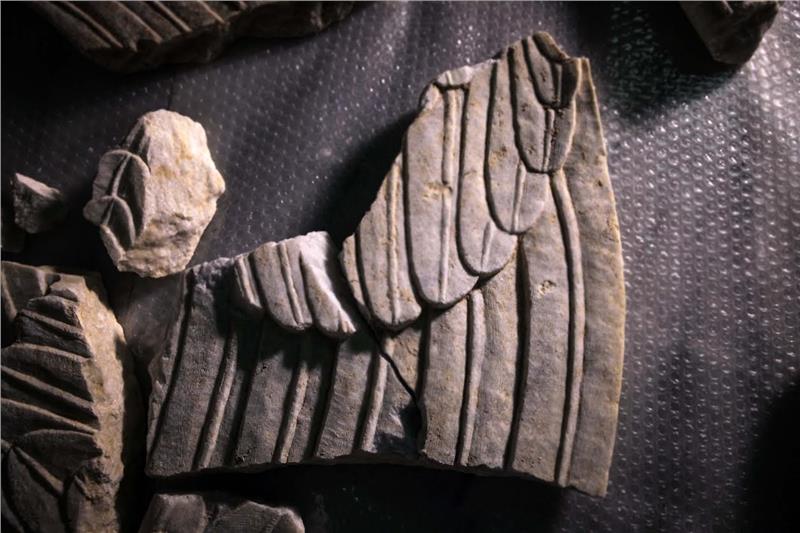
Η γεωλογική τομή έχει δείξει ότι το βάθος του τρίτου θαλάμου είναι 7,53 μ., δηλαδή διαπιστώθηκε πως το βάθος του είναι κατά 1,50 μ. μεγαλύτερο από τους προηγούμενους θαλάμους. Ήδη η έρευνα κάτω από το δάπεδο, μέσα στην αφαιρούμενη επίχωση, έφερε στο φως θραύσματα από τα φτερά των Σφιγγών, ένα μέρος από τον λαιμό της δεύτερης Σφίγγας -ίδιας ποιότητας μαρμάρου και εφάμιλλης γλυπτικής αξίας- καθώς και τμήματα από το ψηφιδωτό του δεύτερου θαλάμου.

Τοίχος σφράγισης;

Κατά την ενημέρωση των δημοσιογράφων την Τρίτη, όπου δόθηκε στη δημοσιότητα και το πρώτο βίντεο (διάρκειας 2′:10”) από την ανασκαφή στον Τύμβο Καστά, η γγ του υπουργείου Πολιτισμού Λίνα Μενδώνη δήλωσε πως και για την επιστημονική ομάδα αποτελεί υπόθεση εργασίας το ενδεχόμενο το δάπεδο του τρίτου θαλάμου να είναι ένας τοίχος σφράγισης.

«Δεν μπορούμε να το αποκλείσουμε, αλλά ούτε και να το επιβεβαιώσουμε με τα σημερινά δεδομένα» δήλωσε η κ. Μενδώνη, με αφορμή το γεγονός ότι η κατασκευή του δαπέδου από πωρόλιθο δεν συμβαδίζει με την πολυτέλεια που ανέδειξαν οι προηγούμενοι χώροι: τα εντυπωσιακά γλυπτά των Σφιγγών και των Καρυάτιδων και το περίτεχνο ψηφιδωτό με την αρπαγή της Περσεφόνης.

Διαφορετικές φάσεις

Από τα μέχρι τώρα στοιχεία της έρευνας της διεπιστημονικής ομάδας δημιουργείται άλλη μία υπόθεση εργασίας, που αφορά στις φάσεις εξέλιξης του μνημείου. Σύμφωνα με τους επιστήμονες, η εύρεση της κεφαλής της ανατολικής Σφίγγας στον τρίτο θάλαμο δείχνει ότι πιθανότατα η κατάχωση και η κατασκευή των τοίχων σφράγισης έγιναν σε υστερότερο χρόνο.

Συλημένο το μνημείο

Σαφές είναι πλέον ότι το μνημείο έχει συληθεί. Η απάντηση άλλωστε της κ. Μενδώνη στο ερώτημα δεν αφήνει περιθώρια παρερμηνειών. «Ο τάφος έχει δεχθεί σαφέστατα ανθρώπινη παρέμβαση, μέχρι εδώ που βρισκόμαστε. Από την αρχή της ενημέρωσης είχαμε πει, κι έχουμε πολλές φορές επαναλάβει, ότι έχουμε ισχυρότατες ενδείξεις δράσης τυμβωρύχων».

Ποιος είναι ο νεκρός;

Στο ερώτημα εάν είναι θαμμένος κάποιος βασιλιάς, η κ. Μενδώνη ήταν σαφής: «Το ποιος είναι θαμένος, δεν μπορούμε να το πούμε πριν ολοκληρωθεί η ανασκαφή και πολύ πιθανόν πριν να ολοκληρωθεί και η μελέτη του μνημείου η οποία μπορεί να κρατήσει κάποια χρόνια».

Σε κάθε περίπτωση, όμως, «τις προσδοκίες όλων μας το μνημείο τις έχει ήδη ικανοποιήσει, εξαιτίας της μοναδικότητας του».

«Είναι εξαιρετικά σημαντικό ως αναπτυξιακός πόρος για τον τόπο. Είναι ένα μοναδικό εύρημα για την επιστήμη της Ιστορίας και της Αρχαιολογίας, το οποίο θα απασχολήσει, για πολλά χρόνια, τους ειδικούς επιστήμονες» τόνισε.

Οι πρώτοι επισκέπτες

Αυτό που πολλοί βιάζονται να μάθουν είναι πότε θα δεχθεί το μνημείο του πρώτους του επισκέπτες. Το πότε θα γίνει επισκέψιμο το μνημείο, θα εξαρτηθεί από την πορεία των τεχνικών παρεμβάσεων που είναι απαραίτητες να γίνουν. Ο χρόνος εντός του οποίου θα υλοποιηθούν οι δράσεις, που μπορεί να επιτρέψουν την ελεγχόμενη και ασφαλή επισκεψιμότητα στον χώρο, θα ανακοινωθεί τις επόμενες ημέρες.

Ήδη εκπονείται το σχέδιο για τη σύνταξη του μεσοπρόθεσμου προγράμματος των απαραίτητων εργασιών και μελετών, ώστε το ταφικό συγκρότημα να μπορεί να παραμείνει ως έχει για διάστημα ενός έως και τριών ετών, λαμβάνοντας υπόψη όλες τις επιπλέον φορτίσεις που μπορεί να δεχθεί από φυσικά φαινόμενα (σεισμοί, χιονοπτώσεις κλπ).

Επίσης, θα πραγματοποιηθούν αλλαγές στις διατάξεις των μεταλλικών στερεωτικών υποστυλωμάτων, ώστε να επιτευχθεί η καλύτερη και αποτελεσματικότερη πρόσβαση των συνεργείων συντήρησης.