Daily Archives: October 29, 2014

Για “φυλακή” η μισή Ελλάδα… 6.000 κατασχέσεις κάθε μέρα για χρέη

katasxesi6001_329291538

Διαστάσεις χιονοστιβάδας παίρνουν οι κατασχέσεις, οι διώξεις και τα άλλα μέτρα αναγκαστικής είσπραξης σε βάρος οφειλετών. Σε ρυθμούς πολυβόλου η Γενική Γραμματεία Δημοσίων Εσόδων έχει εξαπολύσει από τις αρχές του χρόνου πάνω από 780.000 «επιθέσεις» σε νοικοκυριά και επιχειρήσεις που χρωστούν στην εφορία.

Θεωρητικά εφόσον οι οφειλέτες ενταχθούν στη νέα ρύθμιση χρεών, τα μέτρα αναγκαστικής είσπραξης αναστέλλονται. Ωστόσο το γράμμα του νόμου απαιτεί να πληρώσουν το 50% των οφειλών τους αν θέλουν να γλιτώσουν από τις κατασχέσεις στις τράπεζες.

Στην πραγματικότητα, σύμφωνα με τα στοιχεία της Γενικής Γραμματείς Δημοσίων Εσόδων τουλάχιστον 2,5 εκατομμύρια φορολογούμενοι παίρνουν σειρά, αφού βρίσκονται ήδη στον προθάλαμο των κατασχέσεων και της φυλάκισης,  είτε έχουν κάνει ρύθμιση είτε όχι για τα «φέσια» που έχουν αφήσει απλήρωτα στο δημόσιο.

Όπως αναφέρει το protothema.gr, ακόμα και αν όλοι αυτοί μπορούσαν να μπουν στη ρύθμιση με τις 100 δόσεις, τα άλλα μέτρα αναγκαστικής είσπραξης που ξεκίνησαν ήδη σε βάρος τους σταματούν να τρέχουν, εκτός από τις κατασχέσεις εις  χείρας τρίτων (στις τράπεζες κυρίως) για τα οποία απαιτείται να βρουν να πληρώσουν μαζεμένα τα μισά από όσα χρωστάνε στο δημόσιο.

«Για φυλακή» η μισή Ελλάδα

Η νέα ρύθμιση αποτελούσε την «τελευταία ευκαιρία» για όσους νοιώθουν την καυτή ανάσα του δικαστικού κλητήρα, των κατασχέσεων και των ποινικών διώξεων. Και αυτοί αυξάνονται αλματωδώς μήνα με το μήνα! Ξεπερνούν ήδη τους 2.250.000 οι φορολογούμενοι που έχουν «παλαιά χρέη» στην εφορία προ του 2013, ενώ 1,1 εκατ. φορολογούμενοι μπήκαν στη «μαύρη λίστα» επειδή άφησαν νέα χρέη επειδή άφησαν απλήρωτους τους τρέχοντες φόρους της χρονιάς. Όλοι μαζί χρωστούν 70,1 δισεκατομμύρια ευρώ αλλά μόνον οι 175.000 από αυτούς είχαν ως τώρα κάνει κάποια ρύθμιση για να αποφύγουν τα χειρότερα.

Από τον Ιανουάριο μέχρι τον Σεπτέμβριο φέτος, η εφορία έβαλε στο στόχαστρο 781.000 φορολογούμενους, στους οποίους επέβαλε κατάσχεση ή τους κάθισε «στο σκαμνί» για τα χρέη τους στο κράτος.

Τα στοιχεία της Γενικής Γραμματείας Δημοσίων Εσόδων είναι αποκαλυπτικά:

– Μόνο τον μήνα Σεπτέμβριο έγιναν 149.170 κατασχέσεις εις χείρας τρίτων.  Δηλαδή αναλογούν 5.967 κατασχέσεις μισθών, ενοικίων, σε τράπεζες κλπ για κάθε εργάσιμη ημέρα του μήνα! Οι 131.326 έγιναν ηλεκτρονικά χωρίς δικαστικό κλητήρα. Συνολικά μέσα στο 2014 (εννεάμηνο) έγιναν 687.427 κατασχέσεις!

– Τον Σεπτέμβριο διενεργήθηκαν 909 προγράμματα πλειστηριασμού. Συνολικά φέτος έχουν γίνει 11.226 πλειστηριασμοί ακινήτων ή άλλων περιουσιακών στοιχείων οφειλετών.

– Στον προθάλαμο του πλειστηριασμού (παραγγελία κατάσχεσης) μπήκαν τον μήνα Σεπτέμβριο άλλοι 3.731 φορολογούμενοι. Συνολικά από την αρχή του χρόνου έγιναν 25.718 παραγγελίες κατάσχεσης.

– Τον μήνα Σεπτέμβριο η εφορία ενέγραψε 290 υποθήκες σε ακίνητα οφειλετών. Έφτασαν έτσι συνολικά τις 2.329.

«Για φυλακή» οδεύει πλέον όμως …η μισή Ελλάδα. Μόνο τον Σεπτέμβριο ασκήθηκαν 4.122 ποινικές διώξεις σε φορολογουμένους για χρέη στο δημόσιο. Κάθε εργάσιμη μέρα δηλαδή η εφορία στέλνει άλλους 165 φορολογούμενους «στο σκαμνί». Στο εννεάμηνο ασκήθηκαν συνολικά 54.586 ποινικές διώξεις –όσους έχει δηλαδή πληθυσμό μια πόλη όπως πχ η Καλαμάτα, τα Χανιά ή η Καβάλα!

Τα ίδια στοιχεία δείχνουν και ότι οι ρυθμοί που «κτυπά» η εφορία είναι επιταχυνόμενοι και μήνα με τον μήνα αυξάνονται (πλην του Αυγούστου που ήταν  κλειστά τα δικαστήρια).

Μόνη «ασπίδα» για τους οφειλέτες φάνταζε η υπαγωγή τους στη ρύθμιση των 100 δόσεων, χωρίς την απαίτηση καταβολής του 50% των οφειλών τους, ώστε να μπορούσαν να εξοφλούν πληρώνοντας τουλάχιστον 50 ευρώ το μήνα για να γλιτώσουν κατασχέσεις και διώξεις. Αλλά και αν μπουν στη ρύθμιση και πετύχουν και αναστολή των κατασχέσεων,  όσοι «λυγίσουν» και στην πορεία φανούν ασυνεπείς στις δόσεις ή μελλοντικούς φόρους και χαράτσια που θα τους επιβληθούν, τότε κινδυνεύουν και πάλι να χάσουν τη ρύθμιση -και τότε ίσως χάσουν τα πάντα…

Πηγή:madata.gr

Αυστραλία: Νοσοκόμα πιάστηκε να κλέβει μέσω Skype από την Ελλάδα!

nosokomeio65_528975069

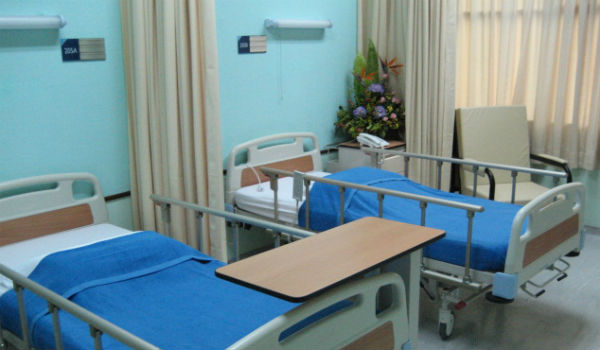
Νοσοκόμα εντοπίστηκε, μέσω Skype, να κλέβει το πορτοφόλι ενός Έλληνα, με αποτέλεσμα το μεγάλο ιδιωτικό νοσοκομείο της Μελβούρνης Epworth Hospital, να την απολήσει. Τελικά… η τεχνολογία… έχει και τα καλά της.

Όλα ξεκίνησαν όταν ένας Έλληνας ομογενής της Μελβούρνης πήγε στο νοσοκομείο για να δει το νεογέννητο γιο του. Εκεί σε ένα ειδικό δωμάτιο, με το laptop του, κάλεσε μέσω Skype τον πατέρα του στην Ελλάδα για να του πει τα ευχάριστα νέα.

Κάποια στιγμή τον φώναξαν να πάει να δει το μωρό, και φεύγοντας άφησε ανοιχτό το Skype, αφήνοντας το σακάκι με το πορτοφόλι του στη ντουλάπα του δωματίου. Όταν ο πατέρας του νεογέννητου επέστρεψε για να συνεχίσει τη συνομιλία με τον πατέρα του στην Ελλάδα, ο τελευταίος που είδε το σκηνικό τον ενημέρωσε ότι η νοσοκόμα τον είχε κλέψει!

Το περιστατικό περιέγραψε στον ραδιοφωνικό σταθμό της Μελβούρνης 3AW η μητέρα του νεογέννητου, Χρύσα (το επώνυμο δεν έγινε γνωστό) και το επιβεβαίωσε το νοσοκομείο Epworth Hospital που είπε ότι η νοσοκόμα απολύθηκε.

Η Χρύσα είπε ότι η κλοπή έγινε σε μια περίοδο δύσκολη για την οικογένεια μιας και ο γιός της γεννήθηκε πρόωρα και «υπήρχε ανησυχία».

Πηγή:madata.gr

Church of Archangels Michael and Gabriel Feast Day

Church of Archangels Michael and Gabriel Feast Day

The Hellenic Society of Geraldton will host a luncheon as part of their annual feast day celebrations.

The Hellenic Society of Geraldton invites you and your family to the annual feast day celebration of the Church of the Archangels Michael and Gabriel in Geraldton.

An evening service will be conducted on Saturday 1 November and a liturgy service on Sunday 2 November, with a luncheon at Fitzgerald Hall, Chapman Road commencing immediately after. The Hellenic Society has organised a bus to Geraldton, as well as hotel accommodation for the event.

When: Sunday 2 November
Where: Fitzgerald Hall, Chapman Road, Geraldton
For more information contact Lambis Bakaimis on 08 9448 0546 or Afroditi Ponga on 08 9446 3011

source: Neos Kosmos

A difficult decision: undergoing a double mastectomy

A difficult decision: undergoing a double mastectomy

Maria Kyriacou, with her son.

Maria Kyriacou, mother of two and breast cancer survivor, takes us through her life-changing experience.

Cancer. It seems almost impossible to either hear or read this six-letter word without a pause. The interpretation itself might result in quite a few renderings. Such a small word can be found in an abundance of shapes and sizes. It can trigger implacable emotions, rising from the darkest places of one’s heart. A shadow even, tiny as a grain, is not to be taken with a grain of salt. There is barely a dry eye in its presence. Don’t we all have a story to share?

Sometimes, the ending is abrupt. Without a ‘pause’. Just a full-stop. Cancer can strike anyone at any age, even a young, healthy woman, and strip her of her breasts. But this is a small price to pay compared to survival.

Maria Kyriacou, had a double mastectomy, followed by an ordeal of reconstructive surgeries and massive complications. Instead of losing her faith, she reinvented herself, put on a smile and carried on even stronger. Neos Kosmos contacted Maria, hoping her story will inspire and encourage other women who might be in these very painful shoes, as well as their families.

“I often joke I got cancer for Christmas,” says Maria. “It was during the holiday season in 2009 when I was 35. I’d been feeling fatigued for about 8 months, but kept thinking it was because I had two kids under two years of age. I had gone to my GP, but none of the tests proved conclusive. Eventually I found a lump. The expression on the mammogram technician’s face and the doctor coming in and out of the scanning room several times gave it away.” Her first thoughts and deepest concerns following the diagnosis were if she was going to be here to raise her children.

“I’d lived a very full life, even though I was relatively young. I’d travelled and worked in many different countries, and so didn’t feel I had missed out on those kinds of experiences, but I had a one and two-year-old. I couldn’t bear the thought that they’d grow up motherless,” she explains.

Maria was initially told only one breast had to be removed, but she took the curt decision to undergo a double mastectomy. “It’s important to note that a bilateral mastectomy is not necessarily the right choice for all women with breast cancer, even if it was – eventually – the right choice for me. It’s a very personal decision where you have to weigh up many factors.” Her next line might come somewhat as a surprise to many but she makes sure we get her drift.

“I wasn’t precious about removing my breasts. I felt very grateful for being able to breastfeed my children, having been diagnosed very soon after my son stopped breastfeeding. Now I felt I needed to do everything I could to give myself the best chance of survival, to be around. To see them grow. After researching the facts, discussing it with my doctors and family, I was adamant that I wanted a double mastectomy.”

Maria admits she was also influenced by the recent death of a beautiful aunt whose cancer had returned in her remaining breast, years after having a singular mastectomy. She had also read it was easier to have symmetry in terms of reconstruction.

“I don’t think an immediate reconstruction is a good idea,” Maria quickly goes on to add. “All women should consult their surgeons, as I am not qualified, but your cancer treatment is guided by the pathology from your removed breast/s, so how can you make such an important decision before knowing your stage of cancer? It was a disaster for me.” Her surgeon, right after her decision to undergo a double mastectomy, hit her with what seems to be a rather inconsiderate line – to put it nicely: “You don’t want to wake up flat.”

Maria is not the only woman who has been referred to a plastic surgeon right after the diagnosis. “My feeling is, you’ve just been told you have cancer. Are you really in the best position to make such a serious and expensive decision? After my pathology from the removed breasts came back, it was clear I would also require radiotherapy. This affected the implants inserted during the immediate reconstruction, which needed to be removed. It was unnecessarily stressful on top of dealing with the anxiety of cancer. In hindsight, I should have waited.”

Complications with reconstruction meant her chemotherapy was delayed. “I considered that much more important than new breasts. My cosmetic result hasn’t been good either due to the issues that arose from the first attempt at reconstruction. It was a huge waste of energy and money. I eventually found a micro-surgeon and had a DIEP flap, where they take your baby belly and create new breasts – that was one of the positives,” she says, grinning, which makes one wonder what it must take for a person to have both strength and courage, not to mention a strong sense of humour, in spite of the load.
“This is a very precarious question, as I personally feel cancer patients can feel suffocated by the ‘courageous and strong’ label. You hear it so often when you’re sick, but I always felt there was no other choice but to keep going.” This has always been her father’s simplest and most useful advice through life. To keep going. ‘If I can get through one more chemo, I’ll be closer to the end. If I ignore my radiotherapy burns, they’ll heal soon enough and I’ll be able to pick my baby up again for a cuddle,’ she kept thinking.

“During treatment, cancer narrows your focus to the present. It’s afterwards that you need your bravery,” Maria tells Neos Kosmos. Moreover, she feels women lack appropriate and sufficient awareness regarding the matter and what comes afterwards. Emotionally that is. “I was very strong during my year of treatment, for example I didn’t cry when I was diagnosed and rarely through my treatment but it hits you afterwards, like PTSD. After the initial shock of finding a handful of hair on my pillow, losing my hair didn’t bother me so much. There are things you are told about, but don’t quite grasp until after you’ve had treatment. Going into early menopause is very difficult, as it makes you feel fatigued and hot, which is a pain when wrangling two young children. I also developed osteoporosis due to the drugs I need to take. I sometimes say that in my mind I feel 21, but my body feels like a granny’s,” she confesses while laughing.

A cancer patient needs support. Going through such an experience alone shouldn’t be an option, regardless of the extent of one’s strength. Her family and friends, especially her mother, were there for every procedure, actually nursing her through recovery, motivating her to push through the pain and the emotional roller-coaster of cancer treatment. Adopting a very healthy diet helped too – not to mention being treated by an incredible oncology breast surgeon. If anything, she feels her bravery and strength is evident in her post-cancer life.

“As I get further away from it, and get used to my new body, I sometimes forget I even had it.”

However, she still has very regular check-ups, which can throw her back into the cancer patient mentality. “I’ve had many scares of a recurrence this year and until your scans all come back clear it’s terrifying. People think you should be over it, but they don’t understand that your body and psyche still has regular reminders of your experience. You’re forever changed, not only in negative ways. I don’t want to waste a minute of my life and I’ve become much more assertive. I won’t put up with unnecessary stress or nonsense anymore. I love and respect my life so much more.”

As dealing with breast cancer becomes part of a family’s daily routine, we asked her to share a word of advice for our male readers.

“Just be kind and patient with her. Don’t take her reaction to what she is going through personally. It’s very important for these men to be offered counselling as it can be more difficult for them in a way. You’re focused on getting through treatment but they feel helpless. And we know men like to fix things.”

A lot of women in their 30s or even at an earlier age are diagnosed with breast cancer, aggressive most of the time, resulting in undergoing a mastectomy. Some of these women, unlike Maria, are childless, others are single. Maria derived strength from her family. Not every story is similar though. There is a considerable number of women, on the other hand, who dive into depression, even if their chances of survival are high, for fear that they will lose their female identity and be unable to experience motherhood. No better choice but to conclude this piece with Maria’s honest and inspiring words toward them.

“This is a very difficult reality and I empathise wholeheartedly, although I won’t pretend I have the answers for women struggling with fertility. I think cancer-specific counselling is very important and women can get a referral from their oncologist if they feel they’re struggling with these issues. I still feel very feminine despite having had a mastectomy and being in menopause. As women, we are defined by so much more than just the sum of our body parts. As women who’ve experienced cancer, and have an insight into how precious life is, we have so much to offer.”

source: Neos Kosmos

Eating habits of our ancient Greek selves

Eating habits of our ancient selves

Dinner parties were an ancient Greek staple

In the ancient world, Greeks may have been famous for their symposia – ancient drinking parties – and feasts which lasted for days. But their set table consisted of healthy food we want to mimic today.

Though having often written about ancient Greeks and their food culture, I felt it was time to visit the subject again, with the spotlight on our spiritual forefathers and the dig in Amphipolis that we are all holding our breath over, and the renewed interest in the Parthenon Marbles now that Amal Clooney (nee Alamuddin) is lobbying for their return to their ancestral home.

There is a lot that can be written about the ancient Greeks and their diet and it helps to give a background on the way they lived and their philosophies on life, in order to be able to understand the impact this had on the way they ate.

The key ‘ingredient’ of their lifestyle was simplicity, even amongst the rich, from the way they dressed, the way they ate to the way they amused themselves. Their homes were simple, the poor had white-washed walls and the rich’s only decorations were wall murals. The furniture was simple even in rich homes.

Water was collected daily and stored in the water tanks next to their homes. Soap was olive oil and sand. Cleanliness was ingrained in the culture for home and body. They did not have forks, they used knives and spoons and bread to mop up food and also to clean their hands.

They had ample produce but back then Europe still did not have eggplants, peppers, okra, corn, tomatoes, potatoes, nor coffee or sugar. They also did not have rice, as we know it today – although there are records of luxurious bread made from rice flour. And Greece did not have ouzo, as they still had not discovered distillation.

The set table consisted of healthy food that we would do well to mimic today. They had wine in abundance but it was drunk watered down – sometimes with sea water and it often had added ingredients such as honey.

The stand-out event of eating in the ancient Greek world was the symposia (symposium in Latin). What we might call today ‘dinner parties’, symposia were well organised and nothing was left to chance. The food was carefully chosen, with the most famous being Plato’s symposia which he later wrote about.

These symposia of ancient Greece were drinking parties strictly for men. The symposia did not consist of many men and Plato’s – known to reach the number of thirty – was considered to be a crowd. These gatherings were not just about food and drink; they were a venue for philosophical dialogue.

I have in my possession a Greek cookbook, Ancient Dining by Maria Loi, that I bought in Greece, with spectacular recipes from the ancient world. I can only give you a few in this space but there is not one in the thirty-odd recipes that we could not salivate over today – they are all within our reach. They are healthy and, judging them, I know if we ate like this we would never have a weight problem.

source: Neos Kosmos

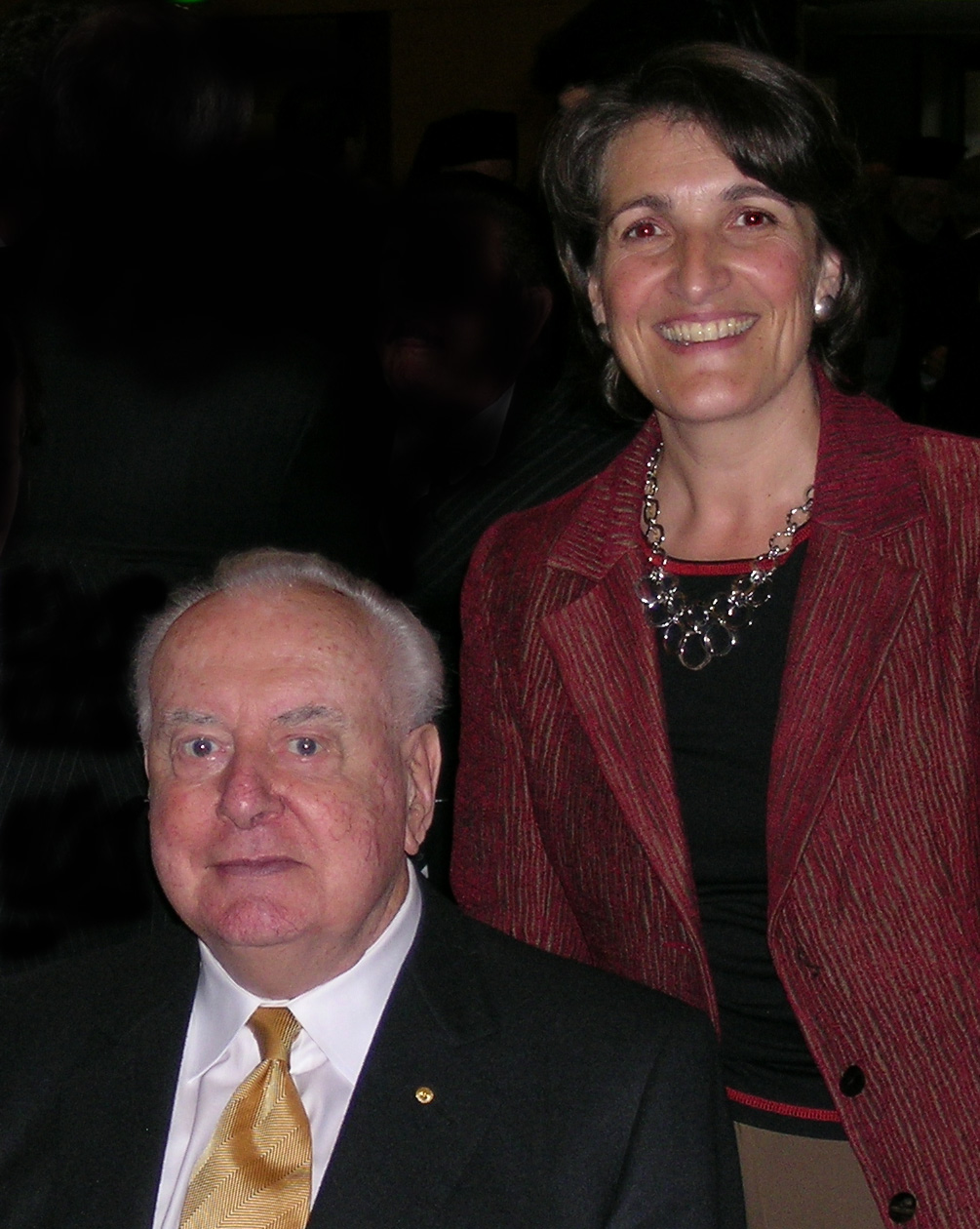
Maria Vamvakinou’s tribute to Gough Whitlam and his contribution to Greek Australians‏

Vamvakinou  Whitlam 23_05_2007

I begin by associating myself with the contributions made by many of my colleagues on the passing of Gough Whitlam.

I offer my condolences firstly to the Whitlam family—they have lost a father and grandfather—and of course the Australian Labor Party and indeed the broader community have lost a significant and indeed iconic figure. One cannot reflect on the life and times of Gough Whitlam without making reference to the other half of the Whitlam whole—his life’s partner, Margaret Whitlam, who passed away a couple of years ago. This was Australia’s power couple akin to the Roosevelt’s, Eleanor and Franklin Delano, and I thought that when I met the Whitlams for the first time as a 16-year-old schoolgirl during that dramatic period after 11 November 1975. The passage of time has only reaffirmed my belief that Gough and Margaret Whitlam were truly a marriage of true minds.

It is often said that everyone remembers where they were on the day that the Whitlam government was dismissed by the Governor-General, Sir John Kerr. I remember where I was. I was in class, year 11 at Princes Hill High School, and I remember the uproar in our entire school community; students and teachers alike were absolutely outraged and took to the school quadrangle, as opposed to the streets. This marked the beginning, I believe, of my own political activism. Like everyone else around me at the time I felt—such was the feeling at the time—that I had to do something. I very much wanted to be a part of the dramatic events that were unfolding. The public wrath was palpable as Australians faced what many consider to be the closest we are yet to come to a coup d’etat. So I joined the Migrant Workers Committee at the Victorian Trades Hall Council and I ended up working as a volunteer on the election campaign to re-elect the Whitlam government in the 1975 federal election. Of course, I could say that the rest is history.

When I became the candidate for the federal seat of Calwell in 2001, I wrote to Gough inviting him to launch my campaign. Quite to my surprise, and as a colleague said previously, he rang me and he actually greeted me in the Greek language. This voice on the other end of the phone said ‘Tia sou ti kaneis’, and I immediately recognised it as Gough Whitlam’s voice. I was very surprised that he would greet me in the Greek language at the time—but not really surprised, as I will mention later.

I invited Gough because I had discovered that the last function he had officiated at as Prime Minister of Australia was the opening of the Broadmeadows Sporting Club, in my electorate. We thought at the time it was a great idea to invite him to make a return visit to Broadmeadows—unfortunately he was unable to do so because he could not travel at that time. But he was very gracious with his time and, as always, with advice. He had a propensity to give a lot of advice and to correct a lot of records. I know the people of Broadmeadows remain very chuffed that they are a small footnote in a very important historical event. He informed me that after Broadmeadows Sporting Club he went to the Melbourne Town Hall, and of course the next day he came to Canberra, where he was dismissed.

If Arthur Calwell laid the foundations for modern Australia, Gough Whitlam, as Australia’s 21st Prime Minister, was the architect of the contemporary Australian identity. To this end I want to reflect on his very special relationship with migrant Australia, or the New Australians as he often referred to them. Gough Whitlam envisaged an Australia that was reconciled with its first people, our Indigenous Australians—and of course there is that memorable photograph of Gough with Vincent Lingiari. He gave hope for reconciliation and paved the way for native title. Gough Whitlam embraced the new Australians that came here, my family and I included, in a way that gave us a sense of ownership and belonging, a gesture that would become the driving principles of access and equity which underlined multiculturalism—a policy that the Whitlam government not only championed but also implemented during that period of great reform.

It is indeed a privilege for me to be given the opportunity to speak in this condolence motion as the member for Calwell. The sense of fate and history does not escape me at this moment, because the 16-year-old schoolgirl of 1975 would never have imagined that she would be here today in the House of Representatives. It is a very important moment, when you look back in time.

Universal health, free education, land rights, the Racial Discrimination Act, ending conscription, legal aid, no-fault divorce, pension reform, multiculturalism and a new national anthem are some of the most iconic policies that characterised the Whitlam government, but it is Gough’s relationship with new Australians that I want to reflect on here today and in particular his relationship with the Australian Greek community. It was a very special relationship. Gough Whitlam was a philhellene in every sense of the word. Gough once said:

… there can be no doubt that the Greek language is important in Australia, and that Greek civilization is important to Australia.

Gough became very involved in the Greek Australian community. From advocating for the return of democracy to its original birthplace during the seven-year dictatorship of the 1960s and early 1970s to supporting Australian peacekeeping forces in Cyprus and advocating for the return of the Parthenon marbles he was indeed a true friend of Greece and the Australian Greek community.

He was patron of the Antipodes Festival in Melbourne for many years. He was an honorary member of the Greek Orthodox Community of Sydney and NSW. He was a recipient of the Hellenic republic’s highest honour—the Order of the Phoenix—for services to Hellenism. As my constituent Kostandinos Tsourdalakis, the cantor of our local Greek orthodox church, said in the 18-stanza Homeric prose he wrote on the occasion of Gough’s passing last week, Gough was ‘the Greek community’s second father’. I am absolutely certain that Gough would love Mr Tsourdalakis’s 18-stanza Homeric epic tribute to him. I wish I could read it out in the chamber today, but I think I would be trying the patience of Hansard considerably.

The affection new Australians held for Gough is captured by what my late father always used to say to me. During the 1975 campaign at a rally in Melbourne, Gough walked by my father, stopped and shook his hand. My father always described this as the moment an Australian Prime Minister had embraced him as a fellow Australian. There is no denying that Australia is a better place today because of Gough Whitlam.

source: studio3newcastle.com.au

Greek Film Festival in Perth

Greek Film Festival in Perth

Opening Night will feature Μικρά Αγγλία, Greece’s nomination for Best Foreign Film at the Oscars, which tells the story of the maritime community of Andros during the 1930s and 1940s and the fates of two sisters whose loves and arranged marriages lead to disaster. Also screening will be Οικόπεδο 12, a comedy in which a Greek Cypriot family battles plans by the government to resume their land, and to keep secret the discovery they have made there. The third film is Committed, a romantic comedy in which a young man trying to escape in his sports car from pressure to marry his girlfriend picks up a bride running away from her wedding.

When: From 20 to 24 November
For more information, visit http://www.hcwa.org/ or contact (08) 9328 5141

source:  Neos Kosmos

Australia: “The road to Riyadh” for Western Sydney Wanderers

1414504756630

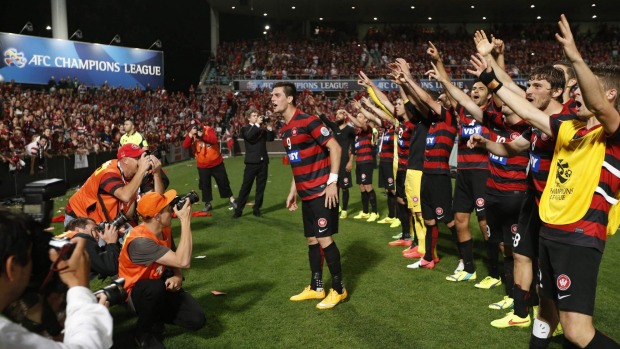
The Socceroos’ 2014 World Cup journey was dubbed the ‘Road to Rio’. Now Western Sydney Wanderers FC are just one game away from the greatest achievement by an Australian club side. As they fly off tonight (Tuesday) we look back at the red and black’s ‘Road to Riyadh’ and the ACL final second leg.

It’s been an epic journey for the Wanderers to get this far, starting way back in February and seeing them rack up thousands of air miles around Asia and knocking off some powerful clubs – many on the road too – through 13 difficult matches so far.

We take a look back at the Wanderers’ amazing ride on the ‘Road to Riyadh’.

Group Stage

Results – Feb 26 v Ulsan Hyundai (lost 3-1 at home), March 12 v Guizhou Renhe (won 1-0 away), March 19 v Kawasaki Frontale (won 1-0 at home), April 1 v Kawasaki Frontale (lost 2-1 away), April 15 v Ulsan Hyundai (won 2-0 away), April 22 v Guizhou Renhe (won 5-0 at home)

The Wanderers were given an early indication of just how tough life in the ACL would be, beaten 3-1 at home on Matchday One by Ulsan Hyundai despite scoring inside the first minute

through Brendon Santalab. But it proved a minor hiccup as they won their next two matches by solitary goals to Mark Bridge and Labinot Haliti before conceding two goals in the last 15

minutes on Matchday Four to go down 2-1 to Kawasaki Frontale. It set-up a huge penultimate group stage clash against their opening day conquerors Ulsan in Korea. The Wanderers

produced their most complete performance of the competition to win 2-0 thanks to goals from Bridge and Santalab. A 5-0 drubbing of Guizhou Renhe in the last game saw the Wanderers top t

he group and advance to the knockout stage.

Round of Sixteen

Results – May 7 v Sanfrecce Hiroshima (lost 3-1 away), May 14 v Sanfrecce Hiroshima (won 2-0 at home) – Progressed on the away goals rule

The first leg saw the Wanderers have to travel away to Japan and play just a day after their heart-breaking Hyundai A-League grand final defeat to Brisbane Roar. After going behind 2-0 the Wanderers got a vital away goal through Tomi Juric’s second half penalty before conceding a third in stoppage time to give them plenty of work to do a week later at Parramatta Stadium.

Willed on by a raucous home crowd and needing a 2-0 win to progress, the Wanderers didn’t panic despite failing to score in the first half. But Shannon Cole’s brilliant strike 10 minutes after the break gave them hope and after a sustained period of pressure, Brendon Santalab got the vital second five minutes from time to keep their fairytale run alive.

Quarter Final

Results – August 20 v Guangzhou Evergrande (won 1-0 at home), August 27 v Guangzhou Evergrande (lost 2-1 away) – Progressed on the away goals rule

After a three-month hiatus the Wanderers resumed in the last eight against the multi-millionaires and defending ACL champions from China.

Marcelo Lippi’s legion of big-money imports and Chinese internationals were hot favourites, especially as the Wanderers were still in pre-season. In a pulsating first leg the Wanderers more than matched their more highly-fancied opponents before grabbing a winner from an unlikely source, with defender Antony Golec’s cross-shot handing them a 1-0 win (though there was a hint Juric may’ve got a touch).

The Wanderers had to deal with a host of dirty tricks from the locals ahead of the return encounter a week later, which included prank phone calls in the middle of the night and having the team bus rammed by another vehicle on route to the stadium.

Ante Covic pulled off a sensational penalty save in the first half to keep their noses in front before Juric converted from the spot to give the visitors an unlikely away goal. Despite conceding twice in the last 30 minutes, the Wanderers held on to advance on away goals.

Semi Final

Results – September 17 v FC Seoul (drew 0-0 away), October 1 v FC Seoul (won 2-0 at home) – Won 2-0 on aggregate

After knocking out the champions it was last season’s beaten finalists next up for Popovic’s troops.

This time it was the away leg first and for the first time in the competition the Wanderers failed to score on their opposition’s home turf. It meant the Koreans could head to Parramatta in the knowledge that a score draw would be enough to send them through.

Mateo Poljak eased any nerves with an early goal – his first in the competition – before Cole booked the Wanderers spot in the decider with a brilliant second-half header.

Final

Results – October 25 v Al Hilal (won 1-0 at home), November 1 (Nov 2 AEDT) v Al-Hilal

The Wanderers produced a superb defensive display to repel the Saudi giants, who dominated possession for long periods. The introduction of Tomi Juric 13 minutes into the second half

proved the turning point with the striker scoring just six minutes later to secure a crucial1-0 first leg win.

Will it be enough to secure the Wanderers the continental title? We’ll get the answer on Sunday morning in what should be an incredible match with fans across the nation and Asia tuning in.

Dare we say… “Go the Wanderers!”

source: a-league.com.au


Greek-Italian Australian represents Australia in Cyprus

Greek-Italian Australian represents Australia in Cyprus

Daniel Tsakmakis (L) with friends Raphael and Sakis Papaspyropoulos in Neos Kosmos, Athens.

Daniel Tsakmakis praises opportunity at the University of Cyprus for his accelerated knowledge of Greek.

Melburnian Daniel Tsakmakis won a scholarship to study Greek at the University of Cyprus in July.

Born to an Australian-born-Greek father and an Italian-born mother, Tsakmakis has experienced two very rich cultural heritages.

Raised in the Greek and Italian influenced suburb of Northcote, he told Neos Kosmos growing up with Greek and Italian as his first languages meant he wasn’t exposed to English until he started school.

“I started school and had to learn English so I lost my Greek language skills, because I had to focus on English. I went to Italy as a boy and went to school there, so I kept Italian and then it wasn’t until year 11 and 12 when I was completing VCE Italian that I wanted to pick up VCE Greek again but it wasn’t possible.”

He lived in Italy as a child for close to three years and won a scholarship to study at the University of Milan, which spurred him to go to Cyprus because he wanted to fairly “balance” his ethnicities.

“I wanted to better my Greek and show that I was mutual between my languages and cultures. My father’s fully Greek, my yiayia and pappou are from Thessaloniki, and my Italian grandparents don’t really speak English that much, so I wanted to show myself that I was between both and not leaning towards one or the other.”

He first went to Greece at the start of 2014, with his Italian speaking cousin, and said going to Athens for the first time was a novel cultural experience.

“Three months later I got back and I was told that I won that university scholarship at the University of Cyprus. My first experience there [Athens], for not even a week, triggered me to want to go back and refine everything that I knew and visit family and re-establish connections growing up.”

Tsakmakis says NEPOMAK (World Organisation for Young Overseas Cypriots), which runs the scholarship, offers a youth program that connects people from the Greek diaspora, from places like Australia, New Zealand, the US and Canada and it was an opportunity for students to represent their respective countries.

“Essentially we had to represent our own countries. For example, we went to parliament and we spoke about where we were coming from and what we thought about specific European issues.”

“As well as the study experience I found it really rewarding. At first it was a bit challenging obviously because even the teachers didn’t really speak English that much and all the essays and the exams we did were in Greek, so after a while I kind of forgot what reading in English was like, because we were so immersed.”

He hopes that much like his experience, second, third and fourth generation Greeks can explore their culture and language through similar programs.

source: Neos Kosmos

Turkish violations of Greek air space fuels concern

Turkish violations of Greek air space fuels concern

Greek fighter jets above the Rio-Antirio bridge. Photo: AP/Dimitris Manakanatas.

Defence Minister Dimitris Avramopoulos issues a terse message to Turkey.

A day after Turkish fighter jets violated Greece’s national air space in the Aegean in a show of force, outgoing Defence Minister Dimitris Avramopoulos underlined that the Greek armed forces would protect the country’s interests.

In comments made on the anniversary of Greece joining the allied forces in World War II, Avramopoulos, who later this week assumes the post of European commissioner for immigration, issued a terse message to the neighbouring country.

“Wherever the country’s interests are at stake, the Greek armed forces are always present,” he said.

The statement came just a few hours after Turkish fighter jets entered the Athens Flight Information region on two occasions, in one case over Lesvos and Chios and in another over the islets of Fournoi.

The transgressions came amid indications that Turkey is boosting its presence off the southern coast of Cyprus, where Cypriot authorities have a license to prospect for underwater energy reserves. Sources at the Greek Foreign Ministry said the move was being interpreted as an attempt by Ankara to raise tensions amid reports that Turkish authorities have approached major international energy firms in a bid to begin drilling in the area.

Greece’s Foreign Minister Evangelos Venizelos is due in Nicosia this week to discuss the situation with his Cypriot counterparts ahead of a scheduled visit to the Cyprus capital on November 7 by Prime Minister Antonis Samaras.

Source: Kathimerini