Daily Archives: October 10, 2014

Desperate Greece enters into more qualifiers

Desperate Greece enters into more qualifiers

No mistakes. Greece coach Claudio Ranieri is expecting six points from the two qualifying matches. Photo: AP /Thanassis Stavrakis.

Injuries cloud three key players, but coach Ranieri is expecting six points from the two qualifying matches against Finland and Northern Ireland.

After an embarrassing loss its group opener against Romania (0-1), Greece is desperate to get back in form to make sure it contests another European Cup.

It takes on two qualifying matches in the space of three days: today it’ll take on Finland and Tuesday it takes on Northern Ireland.

New Greece coach Claudio Ranieri knows his fortunes must change to prove his worth, and to keep Greece stable in its rankings after a phenomenal World Cup campaign.

Already his dream team is getting depleted, with defender Jose Holebas ruled out of both qualifying games after picking up a groin injury in a weekend Serie A match.

The 30-year-old left winger, a World Cup standout for Greece this year, has been replaced by Kostas Giannoulis of Olympiakos.

It is the second injury substitution since Greece announced its squad.

Defender Avraam Papadopoulos is out because of a cheekbone injury, while Udinese midfileder Panagiotis Kone is doubtful.

Despite leading the scorers’ chart in the Turkish league, Fanis Gekas has once again been benched, as Ranieri opted instead for Panathinaikos’s Nikos Karelis.

At least Greece has history on its side for their upcoming match. Finland has never made it past the qualifying stage, and Northern Ireland haven’t in 28 years.

Ranieri still maintains that Greece is Group F’s favourite, and expect these two matches to show once again, how deserving Greece is of its top 20 ranking.

“We made a lot of mistakes in the defeat, but I’m not angry,” Ranieri said of the Romania match.

“It was the first match and nothing has really changed. Greece and Romania remain the favourites in the group.”

The full squad:
Goalkeepers: Orestis Karnezis, Panayiotis Glykos, Stefanos Kapino and Sokratis Dioudis.
Defenders: Vassilis Torosidis, Loukas Vintra, Jose Holebas (out), Costas Manolas, Sokratis Papastathopoulos, Vangelis Moras, Costas Stafylidis and Yiannis Skondras (a last-minute replacement for injured Avraam Papadopoulos).
Midfielders: Yiannis Maniatis, Costas Fortounis, Panayiotis Tachtsidis, Andreas Samaris, Alexandros Tziolis, Panayiotis Kone, Charis Mavrias, and Lazaros Christodoulopoulos (injury doubt)
Forwards: Dimitris Salpingidis, Costas Mitroglou, Nikos Karelis, Stefanos Athanasiadis and Giorgos Samaras.

source:Neos Kosmos

Townsville embraces its Greekness

Townsville embraces its Greekness

Greek dancing group set to perform this weekend at Townsville’s 15th Annual Greek Festival.

For the 15th year in a row, the Townsville Greek community will host it’s annual festival.

Townsville might seem a world away from Greece, but this coming weekend will see the city hosting its 15th Annual Greek Festival at Riverway Park.

The schedule that embraces all things Greek is brimming with entertainment for all ages including traditional folk dance performances, music by Adelaide band Oneiro, along with the festival’s popular grape stomping competition, fireworks and an array of other activities.

Those attending on Saturday night will be treated to a performance of “The Legend of Medusa”, an interpretation of mythology into dance.

And it wouldn’t be a true Greek gathering without an abundance of food and drink available, as well as cooking demonstrations by Brisbane chef Litsa Stilianos.

“It has evolved in 15 years,” Bill Malandris, the festival co-ordinator tells Neos Kosmos.

“We started off as a humble street festival similar to Londsdale Street, then we outgrew the street,” he says.

“Then we shifted to the Strand Park, which was near the water front and we outgrew that and then in 2006 we shifted out here where we are at Riverway. Lagoons, rain trees and plenty of shade – all that for free.”

Festival’s crowd controllers estimate approximately 25,000 people attended last year’s festival – an impressive figure considering Townsville has a Greek migrant population of only 3,000.

“The majority of our clientele comes from our non-Greek speaking friends,” says Mr Malandris.

“They embrace the festival purely for the cultural aspect, the cultural experience, the food. They’re made to feel welcome and they’re the ones that have really made it a success.”

And if the festival is to follow the trend of previous years, an even bigger crowd is expected this weekend.

A free event run by generous volunteers, Greeks and non-Greeks alike are welcomed to go along this weekend to peruse the agora, buy some food, sit under the rain trees and enjoy the festivities on offer.

Glencore Greek Festival will be hosted on Saturday 11 October, 10 am – 10 pm & Sunday 12 October, 9 am – 6 pm, at Riverway Park, Kirwan, Townsville (carpark through Weir School). The entry is free. For more information visit www.greekfest.com.au

source: Neos Kosmos

The Greek Civil War and child refugees to Australia


The Greek Civil War and child refugees to Australia

28,000 children crossed the borders in Eastern European countries during the course of the Civil War.

The Greek Civil War created conditions that saw children removed from their homes out of war zones and into neighbouring Eastern European countries. Professor Joy Damousi explores the history of child removal to Australia.

A lecture by University of Melbourne history professor Joy Damousi, entitled The Greek civil war and child refugees in Australia: Cold War and Australian Internationalism will be given as part of the GOCMV History and Culture Seminars on Friday.

Professor Damousi was recently awarded with the highest academic accolade available in Australia for all disciplines – that of an Australian Laureate Fellowship, for which she will be exploring the history of child refugees in Australia from 1920 to the present.

The lecture at the Ithacan Philanthropic Society was from her forthcoming book, Greek War Stories, to be published by Cambridge University Press, in which she explores the memories of war by immigrants from Greece to Australia in post-war Australia.

The Greek Civil War (1946-1949) created conditions whereby children were removed from their homes out of war zones and into neighbouring Eastern European countries.

The result was that approximately 28,000 children crossed the borders in Eastern European countries during the course of the Civil War. Children travelled to a number of countries which included Romania, Yugoslavia, Czechoslovakia, Poland and Hungry.

How did these families come to be so fragmented and dispersed across three countries with children as young as 8 and 14 years of age living away from their parents? Why had it become so difficult to reunite them with their families?

While this incident of the separation of children from their families during the Civil War has attracted substantial scholarship by historians engaged in examining the wider politics and impact of the Civil War, there have been very few studies which examine the fate of the children who were sent to specific geographic locations.

Australia was a key participant in the United Nations at this time and actively engaged with this issue in order to reunite children with their parents, many of whom had migrated to Australia after the war.

Professor Damousi’s lecture explores the history of child removal to Australia during the Greek Civil War by developing two distinctive perspectives. It focuses the discussion beyond the debates and disputes between nations at forums such as the United Nations, and concentrated on efforts at the national level to arrange for children to be reunited with their parents.

It also analysed the migration of children to Australia for the first time, which is an important but under-researched aspect of the history of the paidomazoma. Australia was the first country to arrange for children to be reunited with their parents.

Professor Damousi argues that there is a need to recognise the efforts and tactics of the Australian Council of International Social Service and its director, Aileen Fitzpatrick, who played a pivotal role in moving debates about the fate of these children beyond Cold War politics. Her crusade to unite children with their families is positioned within an alternative history of the 1950s, which privileges transnational organisations that upheld international co-operation rather than those that promoted Cold War tensions.

“Through the history Australian government was sometimes very supportive and very open to refugees – in other periods it was very restrictive and very ungenerous in its approach. The reason I looked at children is because no one has really looked at them as a separate category of refugees. People have different views about children – when you start talking about children their views change. That’s when it gets to the heart of people – even if you don’t have political position about refugees, people often move ground because there is innocence involved,” professor Damousi told Neos Kosmos recently.

If there was one, the most important lesson to learn from the Australian approach to child migration in the past, she is adamant that Australia needs to be more flexible in how it deals with child migrants and refuges today.

source: Neos Kosmos

Greek exports to Australia rise 20 per cent

imagesCADP059S

Around 50 per cent of Greek exports were food and beverage products.

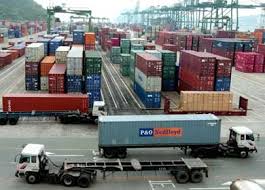
Greek exports to Australia rose 27 per cent in the first half of 2014, compared with the corresponding period last year, totalling 100 million Australian dollars, from 80 million in 2013.

According to figures released by the Australian statistics office, around 50 per cent of Greek exports were food and beverage products, while 85 per cent of exported products to Australia were made by family-owned businesses.

Australia is ranked 39th on Greece’s principal export destination, with Turkey, Italy and Germany taking the top three spots.

Alternatively, Australian products aren’t as popular in Greece, with the country ranking only 96th in Greece’s primary export countries.

source: Neos Kosmos

Προκριματικά Euro 2016: Ο Στοχ «ξέρανε» την Ισπανία

1520316

Θύμα έκπληξης έπεσε την Πέμπτη η Εθνική ομάδα ποδοσφαίρου της Ισπανίας, στο πλαίσιο της 2ης αγωνιστικής των προκριματικών του Εuro 2016, καθώς υπέστη ήττα-σοκ με 2-1 σκορ από τη Σλοβακία.

Το νικητήριο γκολ για τους Σλοβάκους το πέτυχε ο πρώην άσος του ΠΑΟΚ, Μίροσλαβ Στοχ, ο οποίος βρήκε… δίχτυα στο 87ο λεπτό, χαρίζοντας στην ομάδα του το πολύτιμο «τρίποντο».

Πέμπτη (09/10)
Λευκορωσία – Ουκρανία 0-2 (82′ αυτ. Μαρτινόβιτς, 93′ Σιντόρτσουκ)
Σκόπια – Λουξεμβούργο 3-2 (20′ και 66′ πέν. Τραϊκόβσκι, 92′ Αμπντουραχίμι / 39′ Μπένσι, 44′ Τουρπέλ)
Σλοβακία – Ισπανία 2-1 (17′ Κούτσκα, 87′ Στοχ / 82′ Πάκο Αλκάθερ)
Αγγλία – Σαν Μαρίνο 5-0 (25′ Τζαγκιέλκα, 43′ πέν. Ρούνεϊ, 49′ Γουέλμπεκ, 72′ Τάουνσεντ, 78′ αυτ. Άλεξ Ντέλα Βάλε)
Λιθουανία – Εσθονία 1-0 (76′ Μικολιούνας)
Σλοβενία – Ελβετία 1-0 (79′ πέν. Νοβάκοβιτς)
Λίχτενσταϊν – Μαυροβούνιο 0-0
Μολδαβία – Αυστρία 1-2 (27′ πέν. Ντέντοβ / 11′ πέν. Αλάμπα, 51′ Γιάνκο)
Σουηδία – Ρωσία 1-1 (49′ Τόιβονεν / 10′ Κοκόριν)

Παρασκευή (10/10)
Λετονία – Ισλανδία (21:45)
Ολλανδία – Καζαχστάν
Τουρκία – Τσεχία
Βέλγιο – Ανδόρα
Κύπρος – Ισραήλ
Ουαλία – Βοσνία
Βουλγαρία – Κροατία
Ιταλία – Αζερμπαϊτζάν
Μάλτα – Νορβηγία

Σάββατο (11/10)
Ιρλανδία – Γιβραλτάρ (19:00)
Σκωτία – Γεωργία
Αρμενία – Σερβία
Ρουμανία – Ουγγαρία
Φινλανδία – Ελλάδα (21:45)
Β. Ιρλανδία – Νησιά Φαρόε
Αλβανία – Δανία
Πολωνία – Γερμανία

Πηγή:zougla.gr

IMF chief says Greece should keep credit line

lagardewashin390

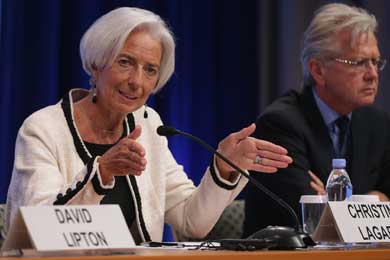
The second phase of talks between Greece and the troika is likely to be tougher than expected after the managing director of the International Monetary Fund, Christine Lagarde, indicated on Thursday that Greece should maintain a lifeline with the Fund even as Prime Minister Antonis Samaras claimed the country can cover its financing needs alone.

Speaking at an annual Fund event in Washington, Lagarde acknowledged the desire of Greek officials for an early exit from its loan program with the European Commission, European Central Bank and IMF, but said the country would still need help. “In order to deliver a country would be, in our view, in a better position if it had precautionary support,” she said. “So we are talking about evolution in the relationship. But we believe that the relationship can still be extremely helpful for the country to move on.”

Her comments came a week after ECB President Mario Draghi said Greece must stay in some form of program if its banks’ asset-backed securities are to be eligible for the ECB’s ABS program.

Lagarde’s comments also came as Samaras claimed, in an interview with Bloomberg, that Greece can cover its funding needs by tapping bond markets. “We feel fully comfortable,” Samaras said when asked if the country could cope alone, adding that halting payouts would not be “a divorce” with creditors. “We want to do it properly,” he said, noting that Athens is willing to discuss some form of monitoring.

The European arm of Greece’s loan program ends in December but the IMF’s part is set to continue until the spring of 2016, with some 15 billion euros still to be disbursed. Samaras has proposed however that the IMF program end early with Greece forgoing the pending funding and seeking it instead from bond markets.

A Greek delegation, comprising Finance Minister Gikas Hardouvelis, Bank of Greece Governor Yannis Stournaras and Samaras’s adviser Stavros Papastavrou, is due to hold talks with Lagarde on Sunday in Washington, where the government’s plan for exiting the bailout early is expected to be presented.

source: ekathimerini.com

Athens, Ankara at odds over Cyprus impasse

Cyprus Psyche

Greek Foreign Ministry rebuffs Turkish calls to exert pressure on Anastasiades.

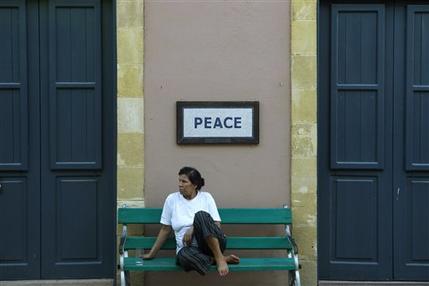
Greece rejected on Thursday an attempt by Turkey to embroil it in the latest dispute that has broken out on Cyprus in the wake of Nicosia deciding to put reunification talks on hold after Ankara issued a maritime directive for an area within the island’s exclusive economic zone (EEZ).

Athens described Turkey’s actions as “sad and paradoxical” after it failed to cancel the directive and then called on the Greek government to “make efforts without further delay” to encourage Cypriot President Nicos Anastasiades to return to the negotiating table.

“It is sad and paradoxical that Turkey has decided to provoke new tension that undermines the negotiation process for the resolution of the Cyprus issue at a time when, first, the international community’s attention is focused on the struggle against the Islamic state and confronting the many crisis hotspots in the Middle East and North Africa, and, second, the negotiations are under way in Cyprus,” the Greek Foreign Ministry said in a statement.

Athens added that Turkey “should not judge others based on its own conduct” as Greece was not in a position to exert influence over Anastasiades’s government, as Ankara is over the Turkish Cypriots.

“It is also paradoxical for Turkey to turn, with regard to the Cyprus issue, in the direction of Greece,” said the Foreign Ministry. “Greece does not not stand accused internationally of military invasion and illegal occupation and settlement, and respects the institutions and processes of the Republic of Cyprus and the Greek Cypriot Community, which is expressed democratically through its leadership.”

It is expected that Cypriot Foreign Minister Ioannis Kasoulides will soon make a visit to Athens, possibly as early as next week.

source: ekathimerini.com


Church of Greece supports IVF but not abortions

A Greek Orthodox priest waits for the Eastern Orthodox Christmas procession outside the Church of the Nativity in Bethlehem

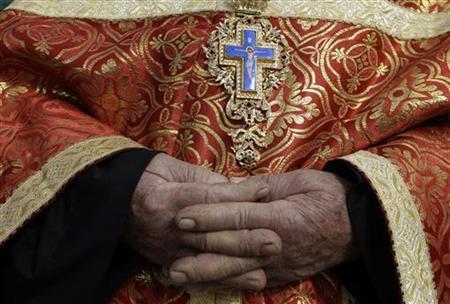
The Church of Greece’s Holy Synod said Thursday that it supports couples having IVF treatment but is against mothers aborting their babies, regardless of whether the children have been diagnosed as having physical or mental problems.

Bishop Nikolaos of Mesogeia and Lavreotiki said that the Church does not oppose legally married couples seeking fertility treatment. “For us, the red line is the destruction of embryos, the termination of the pregnancy and the upsetting in the balance of the couple’s relationship.”

Nikolaos went on to stress that the Holy Synod would not give its blessing for abortions of children with health issues. “These cases are difficult to deal with but we must not bow to the earthly logic that seeks to cure the embryos by denying them life violently and prematurely,” he said.

source:ekathimerini.com

Prosecutors: MH17 passenger had oxygen mask on

Wreckage from Malaysia Airlines Flight MH17 lies beside a road in eastern Ukraine.

Wreckage from Malaysia Airlines Flight MH17 lies beside a road in eastern Ukraine. Photo: AFP

THE HAGUE, Netherlands (AP) — The body of one passenger on Malaysia Airlines Flight 17 was found wearing an oxygen mask, Dutch prosecutors said Thursday, raising questions about how much those on board knew about their fate as their plane went down above eastern Ukraine in July.

The passenger, an Australian, did not have the mask on his face but its elastic strap was around his neck, said Wim de Bruin, a spokesman for the Dutch National Prosecutor’s Office, which is carrying out a criminal investigation into the disaster.

De Bruin said Dutch forensic experts investigated the mask “for fingerprints, saliva and DNA and that did not produce any results. So it is not known how or when that mask got around the neck of the victim.”

De Bruin said no other bodies from the wreckage were found wearing masks. He said he did not know where the Australian victim had been sitting in the plane.

All 298 passengers and crew died when the jet flying from Amsterdam to Kuala Lumpur ended up in pieces July 17. Dutch air crash investigators said it was likely struck by multiple “high-energy objects” which some aviation experts say is consistent with a missile strike.

The head of the criminal investigation said the most likely scenario being investigated is that the Boeing 777 was shot down from the ground.

The Australian passenger’s relatives were told about the mask as soon as it was discovered but other victims’ relatives only heard about it for the first time Wednesday when Dutch Foreign Minister Frans Timmermans mentioned it on a talk show.

After those relatives began calling, the Foreign Ministry issued a statement Thursday saying Timmermans regretted his comments.

“I have an enormous amount of sympathy for the next-of-kin,” he said. “The last thing I want to do is compound their suffering.”

source:usatoday.com

Βραχογραφίες στην Ινδονησία «η αρχαιότερη γνωστή τέχνη»

772864-cavepaintings-1412870776-272-640x480

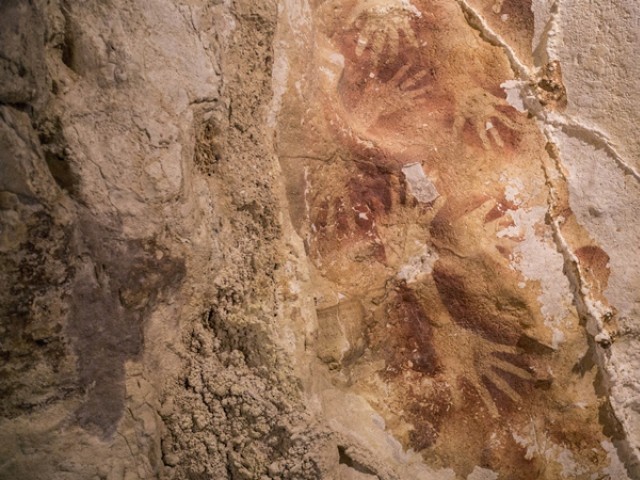
Η Ασία διεκδικεί πλέον με αξιώσεις από την Ευρώπη τον επίζηλο τίτλο της κοιτίδας της ανθρώπινης τέχνης, καθώς σε σπήλαια στην Ινδονησία ανακαλύφθηκαν βραχογραφίες ηλικίας τουλάχιστον 40.000 ετών, οι οποίες μπορεί να είναι οι αρχαιότερες που έχουν βρεθεί μέχρι σήμερα.

Σε κάθε περίπτωση, η ανακάλυψη αναγκάζει τους επιστήμονες να ξαναγράψουν το αρχικό κεφάλαιο στην ιστορία της τέχνης, καθώς αποδεικνύεται ότι, πέρα από τα σπήλαια της Γαλλίας και της Ισπανίας με τις διάσημες βραχογραφίες, μια αντίστοιχη καλλιτεχνική δραστηριότητα αναπτυσσόταν παράλληλα και στην άλλη πλευρά του πλανήτη, κάτι άγνωστο έως τώρα.

Εξαιρετική τεχνική

Οι ινδονησιακές βραχογραφίες, οι οποίες απεικονίζουν ζώα και ανθρώπινες παλάμες (που θυμίζουν την τεχνική του «στένσιλ»), έχουν ζωγραφιστεί στο εσωτερικό επτά ασβεστολιθικών σπηλαίων του μεγάλου νησιού Σουλαβέζι. Για τη δημιουργία των περισσότερων βραχογραφιών χρησιμοποιήθηκε μια χρωστική ουσία, που λέγεται ερυθρά ώχρα.

Έως τώρα πιστευόταν ότι η Δυτική Ευρώπη αποτελεί το λίκνο της τέχνης, πριν περίπου 35.000 έως 40.000 χρόνια. Το γεγονός ότι οι προϊστορικοί κάτοικοι της Ινδονησίας, την ίδια περίπου εποχή, έκαναν παραπλήσια πράγματα, δείχνει, σύμφωνα με τους επιστήμονες, ότι η τέχνη των σπηλαίων πιθανώς αναπτύχθηκε ανεξάρτητα σε όλο τον κόσμο, από την Ευρώπη έως τη νοτιοανατολική Ασία. Ένα εναλλακτικό σενάριο είναι ότι η τέχνη μεταφέρθηκε στην Ασία από τους πρώτους μετανάστες (Homo sapiens), οι οποίοι έφθασαν από την Αφρική αρχικά στην Ευρώπη και μετά εξαπλώθηκαν προς τα ανατολικά. H «απρόσμενη» -όπως χαρακτηρίστηκε- ανακάλυψη παρουσιάστηκε στην επιθεώρηση «Nature» από αυστραλούς και ινδονήσιους επιστήμονες με επικεφαλής τον Μαξίμ Ομπέρ του Πανεπιστημίου Γκρίφιθ.

Γνωστά αλλά… άγνωστα

Τα προϊστορικά έργα τέχνης της Ινδονησίας ήσαν γνωστά από τη δεκαετία του ’50, όμως ποτέ ως τώρα δεν είχε προσδιοριστεί η χρονολόγησή τους. Μερικοί ειδικοί νόμιζαν ότι είναι περίπου 10.000 ετών, αλλά η νέα ανάλυσή τους με τις πιο σύγχρονες μεθόδους (μέτρηση ραδιενεργών ισοτόπων ουρανίου – θορίου) δείχνει πως ορισμένα είναι πολύ πιο παλιά, τουλάχιστον 39.900 ετών.

Υπάρχουν επίσης έργα πιο πρόσφατα, ηλικίας περίπου 27.000 ετών, πράγμα που σημαίνει ότι οι άνθρωποι των σπηλαίων ζωγράφιζαν στο ίδιο μέρος επί 13.000 χρόνια. Σε ένα άλλο ινδονησιακό σπήλαιο, 100 χιλιόμετρα βορειότερα, βρέθηκαν επίσης βραχογραφίες που δεν έχουν χρονολογηθεί ακόμη, αλλά φαίνονται εξίσου παλιές.

Πανάρχαια τέχνη

Η αρχαιότερη γνωστή απεικόνιση σε βράχους μέχρι σήμερα στον κόσμο -μία ερυθρά κηλίδα ηλικίας περίπου 40.800 ετών- έχει ανακαλυφθεί στο ισπανικό σπήλαιο Ελ Καστίγιο. Οι βραχογραφίες ζώων στα γνωστά γαλλικά σπήλαια Λασκό και Σοβέ είναι πιο πρόσφατες, περίπου 26.000 έως 18.000 ετών, αν και μία απεικόνιση ρινόκερου στο Σοβέ έχει χρονολογηθεί πριν από 35.000 χρόνια (κάτι που αμφισβητείται).

Οι απεικονίσεις της παλάμης στην Ινδονησία είναι οι αρχαιότερες στον κόσμο (τουλάχιστον 2.000 χρόνια παλαιότερες από τις αντίστοιχες ευρωπαϊκές) και γίνονταν με τον ίδιο τρόπο όπως στην Ευρώπη και όπως κάνουν ακόμη σήμερα τα παιδιά και μερικοί καλλιτέχνες. Οι άνθρωποι πίεζαν τα χέρια τους πάνω στον βράχο και φυσούσαν (με το στόμα ή άλλο τρόπο) μια χρωστική ουσία ανάμεσα στα ανοιγμένα δάχτυλά τους, έτσι ώστε να μείνει τελικά το αποτύπωμα του περιγράμματος της παλάμης τους.

«Η ανακάλυψη είναι πραγματικά σημαντική, επειδή μας επιτρέπει να ξεφύγουμε από την ευρωκεντρική άποψη ότι η έκρηξη της δημιουργικότητας ήταν κάτι που αφορούσε μόνο την Ευρώπη και ότι δεν εμφανίστηκε σε άλλα μέρη του κόσμου παρά πολύ αργότερα», δήλωσε ο καθηγητής Κρις Σίνγκερ του Μουσείου Φυσικής Ιστορίας του Λονδίνου.

Οι επιστήμονες θεωρούν πλέον πιθανό ότι αρκετές γνωστές τοποθεσίες στην Ασία περιέχουν εξίσου αρχαία έργα τέχνης, απλώς δεν έχουν ακόμη χρονολογηθεί με ακρίβεια. Πολλά, όμως, από αυτά τα έργα φαίνεται να έχουν υποστεί ανεπανόρθωτες ζημιές από τη βιομηχανική ρύπανση της ατμόσφαιρας και την εξορυκτική δραστηριότητα.

Πηγή:in.gr