Daily Archives: December 11, 2014

Hellenic Museum summer cinema

Hellenic Museum summer cinema

The outdoor cinema will be open from January.

Greek cinema returns to the Hellenic Museum

The Hellenic Museum is bringing back its popular summer cinema series on January 31.

Next year’s lineup brings Greek films from the ’50s, ’60s and ’70s to the big screen at the museum Pavilion.

The event, running until March, will also see the return of Con Christopoulos’ Greek-inspired gelato flavours in a pop-up stall.

When: January 31, running every Saturday until March.

Where: Hellenic Museum, 280 William St, Melbourne VIC

source:  Neos  Kosmos

Not the usual postcard from Athens

Not the usual postcard from Athens

The controversial narrative, The Demons of Athens.

Launching his book The Demons of Athens, Professor Vrasidas Karalis talks about why he considers the situation in Greece to be worse six years on.

For most, Greece is the perfect travel destination, a place rich in history, the breathtaking and tranquil scenery a dream.

But not for Athenian turned Sydneysider academic Vrasidas Karalis.

“When you go to Greece you have an idea that you’re going to go to a place where everything is quiet, that everything’s tranquil and these kinds of things, right?” Professor Karalis tells Neos Kosmos.

“I describe it as violent, violent Greece, a society in constant implosion,” he says.

While walking through the centre of Athens in 2011, he became a witness to the burning down of one of Athens’ oldest and most beautiful buildings, the cinema Attikon.

“Think about it: you’re in Sydney and you see the Opera House on fire. It’s a monumental event, especially for us who grew up in there. We used to go to the cinema three times a week.

“One of the most beautiful buildings on fire and you’re having people dancing around it, being happy for doing that. How would you feel?”

That moment marked the end of Greek civil society as the professor knew it, and put the wheels in motion for him to start writing The Demons of Athens.

Launched last month by Mary Kostakidis at Gleebooks in Sydney, the book follows a documentary fiction style narrative, written in the first person and divided into 31 days centred in the Greek capital.

The narrator embarks on a journey from Australia to Athens during the current economic crisis, which he refers to as the ‘great devastation’ of Greece.

At its heart, the book is about conversations. Conversations the narrator has with locals, politicians and old friends; all which lead him to come to a broad conclusion on the state of Greece and its future prospects.

“The book is about Athens, about the landscape, the cityscape of Athens and the impact that the crisis has on the city,” says Professor Karalis.

The narrator is captivated by lifelike snapshots from various real-life events that explore the poverty of ordinary people and the blunt and confronting views of politicians.

According to Professor Karalis this is a book for “people who want to know the truth”.

“Not illusion. Not fantasy. Somebody has to tell you the truth. People don’t have an idea about Greece, they have a fantasy about Greece. Most of them go there for thirty days as tourists and they think they know the truth about the country, but I know the country inside out,” he says.

For the professor this was a significant project, one which he needed to complete for people to truly understand the impact of the crisis on the daily life of ordinary people on all levels. He wanted to convey the emotional impact on the mentality and self-perception of contemporary Greeks.

Known to be spontaneous, expressive and extroverted, according to the professor the Greeks are now the opposite of that, lacking in their creative imagination.

“Imagination means an opening to the future as you understand. So the urgency of the situation created this fear and insecurity, people became introverted, very sort of unable to communicate, unable to express their innermost feelings,” he says.

And this is where the title is derived. The Demons of Athens finds its inspiration in political novel The Demons by Fyodor Dostoyevsky.

So three years after embarking on the novel, how does the professor see the situation in Greece?

“Worse,” he says bluntly.

“Six years after the crisis, have they done anything to redress the problem? No, everybody knows that. Don’t pay any attention to statistics. The reality is that people have less money and the quality of life has fallen by 30 to 40 per cent.”

As a transnational and transcultural individual, Professor Karalis has the ability to view and address the issue with the knowledge and experience of an insider but the objectivity of an outsider.

The Demons of Athens is unique in the opinions it expresses and does not isolate the economic crisis of Greece as solely a Greek issue; rather, it is addressed to the wider community, namely Australia.

But finally, how will things in Greece improve?

“The people are traumatised, deeply traumatised and it’s a trauma that’s not going to go away easily or any time soon. These people are suffering. I’m not against them.

“The people who created the crisis are still governing the country, so I have every reason to be pessimistic. As long as you hear the same names defining the parameters of conversation that we have in the country, has anything changed?”

The Demons of Athens is now available for purchase online at www.gleebooks.com.au for $26.95

*Professor Vrasidas Karalis is the Sir Nicholas Laurantus Professor and Chair of the Modern Greek Department at the University of Sydney.

source:  Neos  Kosmos

Greek community turns 90

Greek community turns 90

The new committee elected in April with Fr Achillios Karamanidis and president Emanuel Skorpos (R).

Small South Australian community rallies behind birthday celebrations.

Australia’s second oldest Greek Orthodox community will celebrate its 90th anniversary midway next year.

The St George Greek Orthodox Church & Community of Port Pirie, founded in 1924 and incorporated in 1925, will hold a glendi on July 4, with a dinner dance and a ball at the local Northern Festival Centre, followed by a church procession the next day to commemorate the community.

The South Australian town, approximately two hours north of Adelaide, is native to roughly 100 Greek families that are rallying together, under a new committee elected in April, to maintain the town’s Hellenic roots beyond its already strong 90 year existence.

Community president Emanuel Skorpos told Neos Kosmos the community’s influence in the area, with its church at the forefront, needs to remain open, functional and inclusive if it is to continue.

“The community itself, although it’s small, has come to realise, with a young committee coming on board, that for it to have a strong and positive influence it needs to come together and support all the facets of the church’s and the community’s interests and the functions that surround that.”

“Despite the community being small and the ties being Australia-wide, members of our community have family in Darwin, in Queensland, in Sydney, Melbourne, Tasmania and Perth, so we need to rally together to be able to ensure that we can maintain our traditions, within the community.”

Port Pirie was an early destination for many migrant Greeks because of its then thriving agricultural sector, and its smelter which employed just over 360 Greeks in 1925, the same year the Kastellorizon Brotherhood was formed in the town.

The community is now actively working with the younger generation, in the hope that the “responsibility for the church and the community’s future”, will continue to prosper by uniting its former residents around the country.

source: Neos  Kosmos

Greek Cypriot fights for mesothelioma landmark case

Greek Cypriot fights for mesothelioma landmark case

Chris Georgiou contracted mesothelioma after living in a house with asbestos for 14 years. Photo: ABC.

Chris Georgiou is taking the federal government to court for not doing enough to stop the use of asbestos building materials.

The day Chris Georgiou was diagnosed with mesothelioma, he was both shocked and confused.

For one, he had no idea what the word meant.

“I got the shock of my life. Mesothelioma? Never heard of it,” Mr Georgiou tells Neos Kosmos.

“I even asked the doctor to write it down for me, I never knew it was about asbestos.”

For 14 years, Mr Georgiou was in direct contact with asbestos and the synonymous product Mr Fluffy.

As a jeweller, he would store some of his precious materials in the roof cavity of his house, touching the asbestos with his bare hands.

“The ceiling was asbestos, and I was putting pink bats up there, aluminium foil to warm up the house, touching the asbestos,” he says.

Now at 80 years old, his recent diagnosis is a testament to how dormant and deadly mesothelioma can be.

“I was pretty healthy, mind you, but only now it’s come up in my body.”

Mr Georgiou is suing the federal government in the New South Wales Dust Diseases Tribunal for negligence after it failed to stop the installation of Mr Fluffy in homes when it knew full well of the dangers of asbestos.

His lawyer Theodora Ahilas, a seasoned asbestos litigator, says documents show that the government was aware of the harm coming into contact with asbestos could cause.

“We believe he’s got an arguable case because the Commonwealth knew about the dangers,” she says.

“There was a document in 1968, commissioned by the then federal government through an agency to identify whether there were any dangers associated with Mr Fluffy, the document indicated there was a danger to employees [installing the insulation] and also to people in the homes.

“So knowledge was around about the dangers of asbestos.”

In the document, the government was even briefed that it should consider stopping the operator of Mr Fluffy, Dirk Jansen, from operating.

When Mr Fluffy was installed in Mr Georgiou’s house in the mid 1970s, even more knowledge was known about the dangers of asbestos.

For Mr Georgiou, mesothelioma has caused him a number of problems, including fluid in the lungs, severe chest pain, nausea and weight loss.

While his condition is stable for now, he lives in fear that the preventable disease will resurface.

“It takes a long time to surface in your body,” he says.

“It’s a secretive disease, that’s always there.”

He fears that his son, who helped him install pink bats in the roof years ago, will end up developing the disease.

If successful, this case will open the door for other people affected by asbestos in their homes to come forward.

With the nature of mesothelioma lying dormant for years, the threat of developing the disease is always apparent.

More than 1,000 homes in the ACT were fitted with Mr Fluffy asbestos in the ’60s and ’70s. Homeowners living in the affected houses were recently sent a letter by the ACT government outlining the threat.

The federal government has agreed to help the ACT government fund a buyback and demolish program for affected homeowners, a clean-up program that could cost upwards of $1 billion.

For Mr Georgiou, bringing the issue of the ‘silent disease’ to the fore and ‘exposing’ the government’s inaction is enough to give him the strength to keep the fight alive.

Ms Ahilas says sufferers need to see action.

“I’ve been doing this work for 23 years and I can tell you about what I’ve seen, about families that have been destroyed by this disease,” she says.

“They absolutely deserve to be compensated for the pain and suffering caused by a preventable disease.”

Australia has the highest incident rate of asbestos-related disease in the world.

source: Neos Kosmos

Η τραγωδία του πρώτου μαύρου προέδρου της Αμερικής

Ο Μπαράκ Ομπάμα

Ο Μπαράκ Ομπάμα

Πένθος, αγανάκτηση και ματαιωμένες προσδοκίες.

Πένθος, αγανάκτηση, ματαιωμένες προσδοκίες. Οι δολοφονίες νεαρών μαύρων από αστυνομικούς στο Φέργκιουσον και στο Κλίβελαντ έχουν εξοργίσει πολλούς στις ΗΠΑ. Τα τραγικά γεγονότα δείχνουν πόσο βαθύ παραμένει το κοινωνικό χάσμα μεταξύ μαύρων και λευκών, και πολλοί έχουν εγκαταλείψει την ελπίδα ότι ο Μπαράκ Ομπάμα, ο πρώτος μαύρος πρόεδρος της χώρας, μπορεί να αλλάξει κάτι προς το καλύτερο.

Οι μαύροι πολίτες της Αμερικής, το 12,6% του πληθυσμού, είχαν μεγάλες ελπίδες για τον πρόεδρό «τους». Πήγαν μαζικά στις κάλπες το 2008 και το 2012, για να γράψουν Ιστορία, εκλέγοντας τον πρώτο μαύρο πρόεδρο στις ΗΠΑ. Ποτέ προηγουμένως δεν είχαν ψηφίσει τόσο πολλοί μαύροι, όσο σε αυτές τις δύο εκλογές.
Τον Μάρτιο του 2008, όταν ο υποψήφιος τότε Ομπάμα εξεφώνησε την μεγάλη ομιλία του για το ρατσισμό, ακουγόταν σαν κάποιος που θα μπορούσε να ενώσει τη χώρα. Αλλά, αντίθετα από τις προθέσεις του, ο Ομπάμα είναι τώρα πρόεδρος μιας χώρας πιο διχασμένης από ποτέ.

Και ο βαθύτερος διχασμός είναι μεταξύ μαύρων και λευκών. Αυτή είναι η πραγματική τραγωδία του πρώτου Αφροαμερικανού προέδρου των ΗΠΑ.
«Το Φέργκιουσον σηματοδοτεί το τέλος της εποχής του Ομπάμα», λέει ο Κόρνελ Γουέστ, καθηγητής στο Πανεπιστήμιο του Πρίνστον, και κορυφαίος μαύρος διανοούμενος. «Είναι μια πολύ θλιβερή κατάληξη. Ξεκινήσαμε με τεράστιες ελπίδες και τελειώνουμε με βαθιά απογοήτευση».

Ο Ομπάμα, λέει ο Γουέστ, δεν έκανε τίποτα για να αναμορφώσει ένα δικαστικό σύστημα που αρνείται κάθε μορφή δικαιοσύνης για νέους με μαύρο ή καφέ δέρμα. Προσθέτει ότι ο πρόεδρος έχει μέρος της ευθύνης για τον «φυλετικό και ταξικό πόλεμο» με θύματα τους μαύρους.

Οι πυροβολισμοί στο Φέργκιουσον είναι κίνδυνος για την κοινωνική ειρήνη σε μια χώρα που κάποτε περηφανευόταν ότι ήταν το μεγάλο χωνευτήρι των πολιτισμών.
Αντ’ αυτού, οι ΗΠΑ είναι μια διαιρεμένη χώρα με μια κυρίως λευκή ελίτ και έναν αφροαμερικανικό πληθυσμό που έχει όλο και λιγότερα χρήματα, λιγότερη εκπαίδευση και μικρότερη επιρροή. Σε πολλές περιοχές, οι μαύροι είναι πλέον λιγότεροι από τον αυξανόμενο ισπανόφωνο πληθυσμό.

Οι ΗΠΑ έχουν βεβαίως πολλούς μαύρους σταρ της ποπ, διάσημους μαύρους αθλητές και, από το 2009, έναν μαύρο πρόεδρο. Παρ’ όλα αυτά, οι περισσότεροι άνθρωποι με σκούρο δέρμα είναι ακόμα πολύ μακριά από την πραγματική ισότητα, και το κοινωνικό χάσμα παραμένει κραυγαλέο.

Οι αριθμοί είναι αποκαλυπτικοί: έξι χρόνια μετά την ομιλία του Ομπάμα, περισσότεροι από το 25% των μαύρων στην Αμερική ζουν κάτω από το όριο της φτώχειας. Μεταξύ των λευκών, το ποσοστό είναι 12,8%. Σύμφωνα με το Pew Research Center, το ετήσιο εισόδημα ενός λευκού νοικοκυριού ήταν κατά περίπου 27.000 δολάρια υψηλότερο από εκείνο ενός μαύρου νοικοκυριού το 2011.

Το μαύρο «νησί της φτώχειας στη μέση ενός τεράστιου ωκεανού υλικής ευημερίας», για το οποίο μιλούσε ο Μάρτιν Λούθερ Κινγκ πριν από 50 χρόνια, εξακολουθεί να υπάρχει το 2014.

Κάνοντας τα πράγματα χειρότερα, κρατικά όργανα, όπως οι δυνάμεις του νόμου και της τάξης κάνουν κατάφωρες διακρίσεις. Οι πιθανότητες να πυροβολήσει και να σκοτώσει η αστυνομία έναν νεαρό μαύρο άνδρα είναι 21 φορές μεγαλύτερες από ό, τι για τους νέους λευκούς νεαρούς.

Ο θάνατος του 18χρονου Μάικλ Μπράουν δεν είναι μεμονωμένο περιστατικό, ούτε εξαίρεση στον κανόνα. Μόλις πριν από 10 μέρες, αστυνομικός στο Κλίβελαντ πυροβόλησε και σκότωσε ένα 12χρονο αγόρι, επειδή έπαιζε με ένα ψεύτικο πιστόλι σε μια παιδική χαρά.

Πολλοί λευκοί αστυνομικοί βλέπουν τους νεαρούς μαύρους σαν κίνδυνο για την δημόσια ασφάλεια που πρέπει να τον σταματήσουν, ακόμα και με τα όπλα. Και στα μάτια πολλών μαύρων, λευκοί αστυνομικοί όπως ο 28χρονος Ντάρεν Γουίλσον που σκότωσε στο Φέργκιουσον δεν είναι τίποτα άλλο παρά ρατσιστές δολοφόνοι.

Πηγή: Νέος  Κόσμος


Ελληνικό Πρόγραμμα Καρδιακής Αποκατάστασης

heart

Από την Αυστραλο-Ελληνική Κοινωνική Πρόνοια.

Η Τίνα Δούβου, υποδιευθύντρια και υπεύθυνη Οικογενειακών και Κοινωνικών Υπηρεσιών της Αυστρο-Ελληνικής Κοινωνικής Πρόνοιας, ανέφερε στη 42η Γενική Συνέλευση της Πρόνοιας ότι το Ελληνικό Πρόγραμμα Καρδιακής Αποκατάστασης της Πρόνοιας συμπλήρωσε δέκα χρόνια λειτουργίας.
Το 2004 η Πρόνοια, σε συνεργασία με το Royal Melbourne Hospital, τον οργανισμό Καρδιακής Υγείας και το Κέντρο Έρευνας Καρδιακών Παθήσεων, εισήγε το παραπάνω πρόγραμμα το οποίο λειτουργεί σε εβδομαδιαία βάση σε ειδικά διαμορφωμένη αίθουσα στα κεντρικά γραφεία του οργανισμού στο Brunswick. Από το 2008 ένα ανάλογο πρόγραμμα εξελίσσεται στο Oakleigh Rehabilitation Centre.

Το πρόγραμμα δημιουργήθηκε προκειμένου να ενταθεί η παρακολούθηση προγραμμάτων Καρδιακής Αποκατάστασης εκ μέρους των Ελλήνων της Μελβούρνης. Εξάλλου, τα πραγματικά οφέλη ενός προγράμματος Καρδιακής Αποκατάστασης δεν είχαν αναγνωρισθεί αλλά και ούτε κατανοηθεί από τους συμπάροικους παθούντες.
Το Πρόγραμμα Καρδιακής Αποκατάστασης ανταποκρίθηκε στις παραπάνω προκλήσεις καθώς:
-Δημιούργησε και ανέπτυξε Προγράμματα επί δέκα χρόνια σε δύο περιοχές σε κοινοτική βάση.

-Η Αυστραλο-Ελληνική Κοινωνική Πρόνοια τροποποίησε και προσάρμοσε την εκπαιδευτική ύλη των υπαρχόντων Προγραμμάτων Καρδιακής Αποκατάστασης στα μέτρα των αναγκών των παθούντων της παροικίας.
-Συνεργάστηκε επιτυχώς με ειδικούς ελληνικής καταγωγής οι οποίοι με τη σειρά τους παρέδιδαν το ενημερωτικό υλικό στα μέλη του προγράμματος και έτσι δημιούργησε εκτενές πρόγραμμα συνεργασίας με το γυμναστήριο Back In Motion του Brunswick ώστε να καλυφθεί ο τομέας της σωματικής εξάσκησης.
Σημαντικό ρόλο συνεχίζει να παίζει ο δίγλωσσος συντονιστής του προγράμματος, ο οποίος είναι υπεύθυνος για την επικοινωνία με τους παθούντες και τους φροντιστές τους, την κοινοτική επιμόρφωση όσον αφορά τα οφέλη του προγράμματος για την ανάρρωση του παθούντα, αλλά την συνεχή παρότρυνση και υποστήριξη των παθούντων να ολοκληρώσουν τον ελάχιστο κύκλο αποθεραπείας των 6 εβδομάδων.
Πιο συγκεκριμένα, από το 2004, 520 άτομα έχουν παρακολουθήσει το πρόγραμμα, εκ των οποίων τα 423 ολοκλήρωσαν επιτυχώς τον βασικό κύκλο των 6 εβδομάδων της αποθεραπείας (ποσοστό 81%). Από τους συμμετέχοντες οι 281 ήταν άντρες και οι 239 γυναίκες.

Τα οφέλη του προγράμματος για τους συμμετέχοντες και τους φροντιστές τους είναι πολλαπλά καθώς:
– Eμπλουτίζονται οι γνώσεις για την καρδιακή υγεία και τις ανάλογες θεραπείες.
– Βελτιώνεται η κινητικότητα, η φυσική κατάσταση, αλλά και η προθυμία για σωματική εξάσκηση του συμμετέχοντα.
– Βελτιώνεται η ψυχολογική και η συναισθηματική κατάσταση.
– Βελτιώνεται η ικανότητα ελέγχου της ασθένειας π.χ .διαχείριση φαρμάκων και ποιοτικότερη επαφή με ιατρικό προσωπικό.
– Οι ψυχολογικές και πρακτικές ανάγκες των φροντιστών βρίσκουν ανταπόκριση.
– Βελτιώνεται η κοινωνική ζωή και συμμετοχή.
– Υπάρχει συνεχής υποστήριξη και καθοδήγηση των παλαιοτέρων συμμετεχόντων προς τους καινούργιους.

Η κ. Δούβου, αναγνώρισε τη προσφορά των παρακάτω συναδέλφων και συνεργατών για τη προσφορά τους στο πρόγραμμα Καρδιακής Αποκατάστασης:
-Kath Kelly, νοσοκόμας του Καρδιολογικού τμήματος του Royal Melbourne Hospital, η οποία κατά τα δέκα τελευταία χρόνια εργάστηκε ακατάπαυστα και με τον ίδιο ζήλο προκειμένου να διασφαλιστεί η συνεχής λειτουργία του προγράμματος αλλά και η ανάπτυξή του. Η κ. Kelly έχει δημιουργήσει ισχυρούς δεσμούς με την ελληνική κοινότητα διαμέσου του πολύ σημαντικού ρόλου της και έχει συνδράμει τα μέγιστα ώστε να βελτιωθεί η ποιότητα ζωής εκατοντάδων συμπαροίκων που ζουν με καρδιακές ασθένειες.
-Γυμναστήριο Back in Motion Brunswick για τη διεξαγωγή του προγράμματος σωματικής εξάσκησης. Του Κέντρου Αποκατάστασης Uniting Age Well, της Glenda Plavin, διευθύντριας του κέντρου όπως και το προσωπικό του.

Ευχαρίστησε θερμά τους ελληνόφωνους συνεργάτες του προγράμματος, κ. Γιώργο Αλιμονάκη και τις κ. Μαρία Νίτσου και Μαρία Ρεράκη, για την πολύχρονη προσφορά τους. Αναγνώρισε το έργο του συντονιστή του προγράμματος Δημήτρη Μπούρα, ο οποίος τα τελευταία πέντε χρόνια συνεργάστηκε αποτελεσματικά με τους παθόντες-συμμετάσχοντες, τους φροντιστές τους, αλλά και τους άλλους συνδρομητές του προγράμματος.

Επίσης, ευχαρίστησε τη Μάχη Ξεπαπαδάκου για την προσφορά της στο ρόλο της ως συντονίστριας του προγράμματος Oakleigh.

Τέλος, αναγνώρισε τη συνεισφορά του και για τη συνεχή του υποστήριξη τον καθηγητή χειρούργο Καρδιολογίας του Royal Melbourne Hospital, κ.Δημήτρη Τατούλη, ο οποίος υπήρξε ιδρυτικό στέλεχος του Προγράμματος Καρδιακής Αποκατάστασης της Αυστραλο-Ελληνικής Κοινωνικής Πρόνοιας.

Πηγή: Νέος Κόσμος

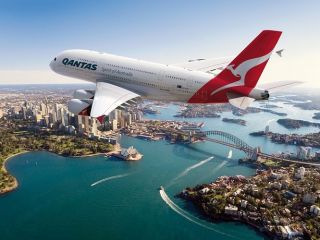
Τέσσερα αεροσκάφη της Qantas υποχρεώθηκαν σε αναγκαστική προσγείωση

qa

Μέσα σε ένα 24ωρο και εντελώς διαφορετικούς λόγους.

Τέσσερα αεροσκάφη της αεροπορικής εταιρίας Qantas υποχρεώθηκαν να κάνουν αναγκαστικές προσγειώσεις μέσα σε ένα 24ωρο για εντελώς διαφορετικούς λόγους.

Τα προβλήματα ξεκίνησαν τη Δευτέρα όταν ένα αεροσκάφος τύπου Α380 που θα έκανε την πτήση Σίδνεϊ-Ντάλας προσγειώθηκε λόγω προβλήματος στο air condition.

Ένα άλλο αεροσκάφος Α380 που το αντικατέστησε υποχρεώθηκε να επιστρέψει στη βάση του «για την άνεση των επιβατών» μετά από πτήση τεσσάρων ωρών όταν παρουσιάστηκε σειρά προβλημάτων στις τουαλέτες, τα καθίσματα και στο σύστημα ψυχαγωγίας.

Στην τρίτη περίπτωση ένα άλλο αεροσκάφος που έκανε την πτήση Πέρθ-Καράρας υποχρεώθηκε να επιστρέψει στη βάση του λόγω έντονης δυσοσμίας.

Την Τρίτη σημειώθηκε και τέταρτη αναγκαστική προσγείωση.

«Αυτά συμβαίνουν συνεχώς. Δεν είναι κάτι το ασυνήθιστο» σχολίασε ο γενικός διευθυντής της Qantas, Άλαν Τζόις.

Ορισμένοι συνδικαλιστές αποδίδουν τα προβλήματα, όμως, στη μείωση του προσωπικού της εταιρίας και στο γεγονός ότι η συντήρηση των αεροσκαφών γίνεται σε μεγάλο βαθμό στο εξωτερικό.

Πάντως, οι μετοχές της Qantas παρουσίασαν αύξηση κατά 14% τη Δευτέρα.

Η εταιρία ανακοίνωσε ότι φέτος αναμένει να παρουσιάσει κέρδη 300 έως 350 εκατομμυρίων δολαρίων κατά τους τελευταίους δώδεκα μήνες έναντι παθητικού 252 εκατομμυρίων δολαρίων που παρουσίασε πέρσι.

Ο κ. Τζόις είπε ότι η εταιρία θα διαθέσει τα κέρδη για την αποπληρωμή των χρεών της αντί να πληρώσει μέρισμα ή να παραγγείλει νέα αεροσκάφη.

Πηγή: Νέος Κόσμος

Nέα δεδομένα για τις αυστραλιανές τράπεζες

untitled

Πρέπει να ενισχύσουν την κεφαλαιακή τους επάρκεια.

Μετάδοση των προβλημάτων του παγκόσμιου χρηματοπιστωτικού συστήματος στην Αυστραλία προδίδουν τα αποτελέσματα των τεστ κοπώσεως που διεξήγαγε επιτροπή για λογαριασμό της κυβέρνηση Άμποτ καθώς προκύπτει πως οι τέσσερις μεγαλύτερες τράπεζες της χώρας χρειάζονται κεφαλαιακή ενίσχυση συνολικού ύψους 25 δισ. δολαρίων. Πρόκειται για τον πρώτο έλεγχο της κυβέρνησης στο χρηματοπιστωτικό σύστημα της χώρας από το 1997, τα πορίσματα του οποίου παρουσίασε ο Θησαυροφύλακας, Τζο Χόκι.

Η έρευνα που έγινε με επικεφαλής τον Ντέιβιντ Μάρι, προτείνει στην κυβέρνηση 44 σημαντικές μεταρρυθμίσεις, ανάμεσα στις οποίες είναι και αλλαγές στο σύστημα του εφάπαξ.

Σύμφωνα με την έκθεση της επιτροπής Μάρι οι τέσσερις μεγαλύτερες τράπεζες της Αυστραλίας διατηρούν δείκτη κεφαλαιακής επάρκειας (κεφάλαια πρώτης διαβάθμισης) Tier 1 από 10% ώς 11,6%, όταν το αντίστοιχο ποσοστό στις θεωρούμενες ασφαλείς τράπεζες ανά τον κόσμο φθάνει τουλάχιστον στο 12,2%.

Έτσι η αρμόδια Αρχή καλεί τις συστημικές τράπεζες της Αυστραλίας να ενισχύσουν την κεφαλαιακή τους επάρκεια ώστε να μπορούν να αντέξουν ζημίες δεδομένου ότι έχουν μεγάλη εξάρτηση για τη χρηματοδότησή τους από ξένους επενδυτές. Οι εν λόγω τέσσερις τράπεζες έχουν αυξήσει τα κεφάλαιά τους κατά 34,6 δισ. δολάρια Αυστραλίας σε διάστημα τεσσάρων ετών από τον Οκτώβριο του 2010 μέχρι τον Σεπτέμβριο του τρέχοντος έτους καθώς σημείωναν κερδοφορία ρεκόρ επί πέντε συναπτά έτη. Επιπλέον άντλησαν 17,7 δισ. δολάρια Αυστραλίας από πωλήσεις μετοχών τη διετία 2008-2009.

Ο κ. Χόκι κάλεσε και το Εργατικό κόμμα να στηρίξει τις αλλαγές που προτείνει η επιτροπή Μάρι.

Πηγή: Νέος Κόσμος

Προβάδισμα 5,3% για τον ΣΥΡΙΖΑ σε νέα δημοσκόπηση

Προβάδισμα 5,3% για τον ΣΥΡΙΖΑ σε νέα δημοσκόπηση

Προβάδισμα 4,8 ποσοστιαίων μονάδων στην πρόθεση ψήφου και 5,3 ποσοστιαίων μονάδων στην πρόθεση ψήφου με αναγωγή στα έγκυρα, δίνει στον ΣΥΡΙΖΑ δημοσκόπηση της εταιρείας ALCO, η οποία δημοσιεύεται την Πέμπτη στο «Ποντίκι».

Αναλυτικά, στην πρόθεση ψήφου η ΝΔ συγκεντρώνει 23,2%, ο ΣΥΡΙΖΑ 28%, το ΠΑΣΟΚ 4,7%, οι ΑΝΕΛ 3,3%, η Χρυσή Αυγή 5,4%, το ΚΚΕ 4,3% και το Ποτάμι 4,3%. Αλλο κόμμα προτιμά το 5,3%, στο 3,4% το λευκό, στο 6,2% η αποχή και στο 11,9% οι αναποφάσιστοι.

Στην η πρόθεση ψήφου με αναγωγή στα έγκυρα η ΝΔ συγκεντρώνει 25,7%, ο ΣΥΡΙΖΑ 31%, το ΠΑΣΟΚ 5,2%, οι ΑΝΕΛ 3,6%, η Χρυσή Αυγή 6%, το ΚΚΕ 4,8% και το Ποτάμι 4,8%. Αλλο κόμμα προτιμά το 5,9% και στο 13% είναι οι αναποφάσιστοι.

Η δημοσκόπηση πραγματοποιήθηκε το χρονικό διάστημα 8-9 Δεκεμβρίου.

Πηγή:in.gr

Greek god turning heads in Russia


British Museum’s loan of Parthenon sculpture to Hermitage rouses political, cultural passions.

ST PETERSBURG – The white flowers in the vase placed in front of the headless reclining sculpture were a sign of honor and respect, I learnt during a recent visit to the formerly imperial, later revolutionary and currently federal Russian city. Nevertheless, in its present form, cut off from the western pediment of the Parthenon centuries ago, the statue appeared particularly lonesome in the middle of lilac marble Hall No 108, known as the Roman Yard, in the New Hermitage last Saturday. News of the sculpture’s arrival as a “gift” commemorating the Russian museum’s foundation by voracious art lover Catherine the Great in 1764 had already made headlines across the world the day before.

Visitors’ faces seemed to light up as they entered the hall. How much did they know about what stood in front of them? “A masterpiece is being loaned by the British Museum on the occasion of the State Hermitage’s 250th anniversary” was all the information available online. Not a word on the work’s true identity: the river god Ilissos, sculpted under the supervision of master artist Phidias about 2,500 years ago, a piece extracted from its original position, from where Ilissos observed the power struggle between the goddess Athena and god Poseidon over control of the city which eventually earned the former’s name.

While some spoke of international political games and others mentioned the diplomacy of art played out by the two museums’ directors, no doubt the issue of the Greek god’s journey from the British Museum – the first Parthenon sculpture to obtain this sort of tourist visa – to the banks of the River Neva sparked heated discussion, causing national annoyance across Greece, a country which continues its fight for the return of the Marbles and their final placement in a designated area at the Acropolis Museum in Athens.

Back in Russia’s cultural capital, an explanatory plaque in English in Hall 108 noted the work had been one of the “sculptures rescued by Lord Elgin at the beginning of the 19th century.” In comments made last week, British Museum director Neil MacGregor noted that the cultural organization’s “trustees have always believed that such loans must continue between museums in spite of political disagreements between governments.”

Some wondered whether Greece could and should seek the masterpiece’s repatriation through legal means, while others called on Russian President Vladimir Putin – the globe’s most powerful man according to Time magazine – not to allow Ilissos to travel back to London but for the statue to be returned to its homeland.

Seeking a comment from the Russian museum’s press office earlier on Saturday, I was told to forward a written request. I did so and in a quick e-mail asked Hermitage officials why the museum was hosting a Parthenon sculpture, as opposed to any other artifact that might have traveled from London. No answer had come through by late last night.

Meanwhile, dozens of schoolchildren were roaming the corridors of the Hermitage’s antiquities halls that morning, while music from Tchaikovsky’s “Swan Lake” could be heard at the museum’s entrance on Palace Square, where preparations for celebrations taking place that same evening were being finalized.

Ilissos is set to remain on display until January 18, his presence already turning into a global cultural reality show as well as a platform for plenty of emotional talk, such as comments made by Mayor of London Boris Johnson, who in a recent article in the Telegraph noted, “It is the British Museum’s freedom to loan Ilissus to Russia – even in this wretched period – that shows exactly why the Elgin Marbles belong and shall remain in London.”

Hermitage director Mikhail Piotrovsky, meanwhile, has commented that he hoped the British “gift” would not hurt the institution’s relations with Greece’s museums in view of the Greek-Russian friendship year coming up in 2016.

Last Saturday, Olga and Lyubov, both from St Petersburg, came to the Hermitage to admire the Greek god. “It’s wonderful to have the opportunity to see this masterpiece in our city for the museum’s birthday,” they told me. Had they ever visited Greece? “No but of course we would like to come and see the Acropolis,” they almost said in unison.

source: ekathimerini.com