Daily Archives: April 11, 2015

Ο δρόμος του Ολυμπιακού για τη Μαδρίτη περνάει από Βαρκελώνη

Ο δρόμος του Ολυμπιακού για τη Μαδρίτη περνάει από Βαρκελώνη


Με νίκη ολοκλήρωσε ο Ολυμπιακός την παρουσία του στην φάση των «16» της Ευρωλίγκα, καθώς την 14η και τελευταία αγωνιστική νίκησε στο ΣΕΦ 77-70 την Νίζνι Νόβγκοροντ, σ’ ένα ματς βαθμολογικά αδιάφορο, αφού η ελληνική ομάδα είχε εξασφαλίσει την 3η θέση στον 6ο όμιλο της διοργάνωσης και είχε ήδη προκριθεί στα «πλέι οφ» για 10η συνεχόμενη χρονιά. Εκεί, με μειονέκτημα έδρας θα αντιμετωπίσει την Μπαρτσελόνα με σκοπό να βρεθεί στο φάιναλ φορ της Μαδρίτης.

Κορυφαίο ρεκόρ του Ολυμπιακού στη φάση των «16» της Ευρωλίγκας αποτελούν οι 10 νίκες (4 ήττες). Ο Ματ Λοτζέσκι με 17 πόντους ήταν μία ακόμη φορά εκπληκτικός. Ο Πρίντεζης πρόσθεσε 12 πόντους και μάζεψε 7 ριμπάουντ, ενώ ο Μάντζαρης μοίρασε 6 ασίστ.

Εκτός έμεινε και σήμερα ο αρχηγός του Ολυμπιακού, Βασίλης Σπανούλης, για να είναι πανέτοιμος στα πλέι οφ, όπως και ο τραυματίας Οθέλο Χάντερ. Αντίθετα, για πρώτη φορά από τα τέλη Φεβρουαρίου αγωνίστηκε ο Μπρεντ Πέτγουεϊ.

Ο πρώτος σκόρερ της Ευρωλίγκας φέτος Τέιλορ Ροντσέστι δεν αγωνίστηκε, ούτε και ο Κίνσεϊ για τη ρωσική ομάδα που είχε πρώτο σκόρερ τον Κούκσικς με 17 πόντους και συμβιβάστηκε με την τελευταία θέση του ομίλου (3 νίκες-11 ήττες) στην παρθενική παρουσία της στη διοργάνωση.

Εχοντας πρώτο σκόρερ τον Ματ Λοτζέσκι με 9 πόντους στην 1η περίοδο ο Ολυμπιακός προηγήθηκε 17-15. Παρακούσκι και Τόμπκινς προκαλούσαν προβλήματα στην «ερυθρόλευκη» άμυνα με 7 και 6 πόντους αντίστοιχα, αλλά μέχρι το 10΄ η ομάδα του Πειραιά ξέφυγε με +7, 25-18, με ώθηση από Λαφαγιέτ.

Ο ίδιος διαμόρφωσε το 32-21 (+11) έξω από τη γραμμή του τριπόντου, το μοναδικό εύστοχο των γηπεδούχων στο α΄ μέρος (1/7 έναντι 1/6 της Νίζνι).

Ο Γιάννης Σφαιρόπουλος έδωσε χρόνο συμμετοχής σε όλους τους παίκτες πλην του Κατσίβελη στο πρώτο 20αλεπτο, αφού χωρίς να πατήσουν γκάζι και με 9 λάθη ήδη οι παίκτες του διατηρούσαν διαφορά 10 πόντων (40-30) στο ημίχρονο.

Στις αρχές της 3ης περιόδου ο Ντάνστον έδωσε λύσεις στη ρακέτα μαζί με τον σταθερά καλό Λοτζέσκι, ενώ με τους πρώτους 3 πόντους του Πέτγουεϊ ο Ολυμπιακός προσπέρασε 50-41.

Οι Ρώσοι απάντησαν με 2 διαδοχικά τρίποντα από Κούκσικς και Τόμπκινς, όμως μειώνοντας απειλητικά, 50-47. Μάντζαρης και Ντάρντεν πέτυχαν τους επόμενους 4 πόντους, 54-47, αλλά οι φιλοξενούμενοι απάντησαν με σερί 8-0 για να προσπεράσουν, 54-55.

Το 56-56 ήταν το σκορ της 3ης περιόδου, μετά από δίποντο του Παπαπέτρου και μία βολή του Κριβόσεφ με την Νίζνι να έχει πραγματοποιήσει επιμέρους σκορ 26-16.

Εστω κι αν ο Μπαμπούριν έβαλε και πάλι σε πλεονεκτική θέση τη ρωσική ομάδα, 56-58, η άμυνα του Ολυμπιακού και τα δύο τρίποντα από Πρίντεζη και Λοτζέσκι είχαν ως αποτέλεσμα ένα σερί 9-0, 65-58, 5 λεπτά πριν τη λήξη για τους «ερυθρόλευκους».

Εύστοχος λίγο αργότερα έξω από τα 6.75 ο Μάντζαρης, με το 69-62, έγειρε ουσιαστικά την πλάστιγγα υπέρ των Πειραιωτών, 2 λεπτά πριν το τέλος.

Τα δεκάλεπτα:
25-18, 40-30, 56-56, 77-70

Διαιτητές: Ταουρίνο (Ιταλία), Κόντε (Ισπανία), Κόλιενσιτς (Μαυροβούνιο)

ΟΛΥΜΠΙΑΚΟΣ (Γιάννης Σφαιρόπουλος): Πέτγουεϊ 3 (1), Ντάνστον 10, Παπαπέτρου 4, Σλούκας 2, Πρίντεζης 12 (2), Αγραβάνης 4, Μάντζαρης 7 (1), Καββαδάς 2, Κατσίβελης, Λαφαγιέτ 10 (2), Ντάρντεν 6, Λοτζέσκι 17 (2)

ΝΙΖΝΙ ΝΟΒΓΚΟΡΟΝΤ (Αντρέι Μπαγκάτσκις): Μπαμπούριν 4, Βικτόροφ 1, Μέκελ 5, Παρακούσκι 14, Ιβλεφ 2, Αντόνοφ 4, Κβοστόφ 2, Σαβέλιεφ, Κούκσικς 17 (3), Κριβοσέεφ 5, Τόμπκινς 16 (2)

Τα ζευγάρια στους «8»
ΤΣΣΚΑ-Παναθηναϊκός
Φενερμπαχτσέ-Μακάμπι
Ρεάλ Μαδρίτης – Εφές
Μπαρτσελόνα – Ολυμπιακός

Το πρόγραμμα και τα αποτελέσματα της 14ης αγωνιστικής στη φάση των «16» της Ευρωλίγκα έχει ως εξής:

5ος ΟΜΙΛΟΣ

Πέμπτη, 9 Απριλίου
Ερυθρός Αστέρας (Σερβία)-Παναθηναϊκός 69-68
Άλμπα Βερολίνου (Γερμανία)-Μακάμπι Τελ Αβίβ (Ισραήλ) 73-64

Παρασκευή, 10 Απριλίου

Γαλατασαράι (Τουρκία)-Μπαρτσελόνα (Ισπανία) 88-65
Ρεάλ Μαδρίτης (Ισπανία)-Ζαλγκίρις Κάουνας (Λιθουανία) 99-83

ΒΑΘΜΟΛΟΓΙΑ
Ν-Η Β.
Ρεάλ Μαδρίτης 11-3 25
Μπαρτσελόνα 11-3 25
Μακάμπι Τελ Αβίβ 9-5 23
Παναθηναϊκός 7-7 21
———————————–
Άλμπα Βερολίνου 7-7 21
Ζαλγκίρις Κάουνας 5-9 20
Ερυθρός Αστέρας 4-10 18
Γαλατασαράι 2-12 16

6ος ΟΜΙΛΟΣ

Πέμπτη, 9 Απριλίου
Φενερμπαχτσέ/Ούλκερ (Τουρκία)-Αναντολού Εφές (Τουρκία) 83-72
Ουνικάχα Μάλαγα (Ισπανία)-Λαμποράλ Κούτσα (Ισπανία) 93-84
Αρμάνι Μιλάνο (Ιταλία)-ΤΣΣΚΑ Μόσχας (Ρωσία) 79-88

Παρασκευή, 10 Απριλίου

Ολυμπιακός-Νίζνι Νόβγκοροντ (Ρωσία) 77-70

ΒΑΘΜΟΛΟΓΙΑ
Ν-Η Β.

ΤΣΣΚΑ Μόσχας 12-2 26
Φενερμπαχτσέ Ούλκερ 11-3 25
Ολυμπιακός 10-4 24
Αναντολού Εφές 6-8 20
—————————————-
Λαμποράλ Κούτσα 6-8 20
Αρμάνι Μιλάνο 4-10 18
Μάλαγα 4-10 18
Νίζνι Νόβγκοροντ 3-11 17

Πηγή:in.gr

Olympiakos gears up for Euroleague play-offs with Nizhny win

olympiakos_nizhny_390_1004

Olympiakos completed its campaign in the top-16 of the Euroleague with a 77-70 home win over Russia’s Nizhny and is preparing for the all-important play-offs that begin next week. Its opponent will probably be Barcelona.

Despite playing without captain Vassilis Spanoulis once again, and knowing that the game had no bearing on its place in the group as its third place was sealed last week, the Reds managed to find an incentive to beat the Russians and please the few thousands of fans who attended the game at the Peace and Friendship Stadium on Good Friday.

Olympiakos led from the start with a 25-18 lead after the first quarter and a 40-30 advantage at half-time, but a poor third period allowed Nizhny to edge ahead (55-54) just before the 30th minute.

A solid fourth period was enough for the Greeks to clinch victory by seven points, with Matt Lojesky being the top scorer notching up 17 points.

The game was marked by the return to action of Brent Petway and the significant contribution of Vassilis Kavvadas.

source:ekathimerini.com

Buffett sows the seed of Greek woe

U.S. Investor Warren Buffett listens to a question during a news conference in Madrid

The most dangerous comment regarding the future of Greece’s economy was uttered by legendary American investor Warren Buffett 10 days ago. “If it turns out the Greeks leave, that may not be a bad thing for the euro,” he said. “If everybody learns that the rules mean something and if they come to general agreement about fiscal policy among members or something of the sort, they mean business, that could be a good thing,” he added, speaking to television network CNBC. Despite the “ifs,” the message is clear and important on several levels.

For the first time, a serious American voice has raised the possibility of our country’s expulsion benefiting the euro. Until now, only various euroskeptics had urged an end to Greece’s membership, whereas US officials and analysts voiced fear of anything that could shake the global economy. The ace in the Greeks’ negotiating tactics was the Americans’ fear of the unexpected and the Europeans’ concern that a Greek exit could suggest that the common currency (and thereby the whole European project) was vulnerable and reversible. Another important issue was the danger of US fund managers seeing Greece’s exit as the start of the euro’s unraveling, leading them to pull out of the European south or even the eurozone as a whole.

Buffett’s oracular declaration could change everything. While the Greek government still claims that other European leaders and the creditor institutions are bluffing and will accept Athens’s arguments by April 24 (as State Minister Alekos Flabouraris told Mega TV Thursday), our partners have begun to look at the possibility of the euro actually being strengthened by Greece’s exit. From fearing the unpredictable consequences of our exit, we may soon see our partners encouraging us to slip as we dance on the window ledge.

Prime Minister Alexis Tsipras declared in Moscow on Wednesday that the Greeks are “co-owners” of the ship called Europe, and equal to the other passengers, implying that there is no danger of Greece finding itself overboard. In our partners’ eyes, though, there are no “passengers” – everyone has to grab an oar and pull their weight. Also on Wednesday, at the meeting of finance ministry officials in Brussels, when the Greeks declared that their country was running out of money, their partners replied that Greece had six working days to persuade them that Athens is serious about reform. Yesterday, Jamie Dimon, CEO of JPMorgan Chase, America’s largest bank by assets, was quoted as writing to shareholders that the bank needs to prepare for the possibility of Greece leaving the euro. After a period of “initial turmoil” this might even benefit the euro, he noted, because it would “prompt greater structural reform efforts by countries that remain.”

Buffett’s message has been received. Now it is up to Greece to show why it has to stay in the eurozone.

source: ekathimerini.com

Germany welcomes Greece’s IMF loan payment

eurobanknotes_390_1512

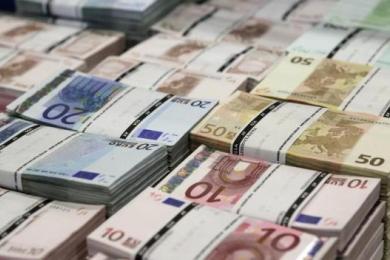
Germany on Friday welcomed a 459-million-euro loan payment by Greece to the IMF as a good sign and noted progress in talks between Athens and its creditors.

“Of course it’s an important sign that Greece is willing and in the position to comply with its commitments,» the deputy spokeswoman for the German government told reporters.

Cash-strapped Greece made the scheduled loan payment to the International Monetary Fund on Thursday after days of uncertainty.

It is racing to try to persuade the EU and IMF to continue lending it money while easing austerity requirements in order to boost economic growth.

A German finance ministry spokeswoman said there had been «progress» in the negotiations between Athens and its creditors, the IMF, European Commission and European Central Bank.

But she added that there was also still no agreed «reform list» of undertakings by Greece and there remained «considerable negotiating work» to be done.

source:ekathimerini.com

Greeks awaiting justice in Nazi massacre village, 70 years on

A quarter of Distomo’s population died in a massacre by Nazi troops on June 10 1944.


Loukas Sehremelis was just 12 years old when Nazi troops burst into his house in the Greek village of Distomo, shooting and killing indiscriminately.

“A burly German soldier launched himself through the window and fired a shot in the air from his pistol,” said Sehremelis, now 83, sitting in the tiny living room where his family was massacred on June 10, 1944.

“He then emptied the clip of his automatic rifle, killing my little brother and two women,” he told AFP, his eyes gleaming with tears.

A small town in central Greece still inhabited today, Distomo has become the symbol of atrocities committed by Nazi troops as they pulled back to Germany in the wake of the Allied Normandy landings in the summer of 1944.

On the same day, 650 people including women and children were killed in Ouradour-sur-Glane, a French town that is today twinned with Distomo.

A quarter of Distomo’s population died — 218 people including infants and pregnant women who were disemboweled, says the town’s deputy mayor Loukas Zissis, who lost his grandfather and uncle in the massacre. “This is a crime against humanity,” Zissis said.

Legal dead end

Germany’s occupying forces used the pretext that they had come under attack by Greek guerrillas.

The atrocity was committed by troops of the Edelweiss division of the Waffen SS under the command of Fritz Lautenbach and Hans Zampel.

Lautenbach was never arrested and Zampel was acquitted after being extradited by Greece to Germany.

Like other Nazi atrocities in Greece, the massacre of Distomo is considered a legal dead end.

Many experts say the dispute has effectively reached a judicial stalemate after a related adjudication between Germany and Italy by the International Court of Justice in 2012.

At the time, the UN’s highest court ruled that Italy had broken international law by allowing its courts to hear civil compensation claims against Germany.

Berlin argues that the issue of reparations to Greece has already been settled, and points to payments made in 1960 as part of an agreement with several European governments.

And Berlin maintains that a treaty signed by the two former Germanys with the Allies in 1990 to formally end World War II effectively drew a line under possible future claims for war reparations.

In 2014, German President Joachim Gauck asked Greece to forgive Germany, but insisted that “the legal path is closed.”

A question of politics

But the issue has been revived under the Greek radical left government headed by the Syriza party that came to power in January.

Greece’s parliament has reactivated a special committee to look into war reparations, reimbursement of a forced war loan and the return of archaeological relics seized by German occupation forces.

This week, junior finance minister Dimitris Mardas said the state accounting office had calculated the amount owed to Greece and Greek atrocity victims at nearly €280 billion. “According to our calculations, the debt linked to German reparations is €278.7 billion, including €10.3 billion for the so-called forced loan,” he told parliament.

A German Bundestag lower house of parliament report in 2012 put the value of the loan at US$8.25 billion.

The Greek radicals are already on a collision course with Germany which opposes efforts by cash-strapped Athens to end five years of gruelling austerity cuts.

“This is a political issue and up to the government to demand it,” said Distomo deputy mayor Zissis. “Whoever has committed a crime must pay.”

In March, amid an ongoing war of words between Athens and Berlin, the new justice minister said he was “ready to approve” a 15-year-old Greek Supreme Court ruling that authorized the seizure of German property as compensation for the Distomo massacre.

Several members of the German Green Party have sided with Greece and called for the creation of a fund for Greek victims of Nazi crimes.

But German Economy Minister Sigmar Gabriel said the reparation references were a tactic by the new government to gain “wiggle room” in talks with its European creditors over loan relief. “Honestly, I find it dumb,” he said this week.

‘A moral obligation’

“The Germans must pay. It’s a moral obligation… the present generation in Germany must learn what their grand-parents did,” insisted 80-year-old Angelos Kastritis, whose own grandparents and mother were gunned down that day.

Another resident, 54-year-old Yorgos Balagouras, said the German chancellor should visit the mausoleum above the town that houses the skulls of the victims.

Many still bear the holes of German bullets.

Merkel “should give an apology in the mausoleum,” said Balagouras, accusing Germany of “hypocrisy.”

He said that successive Greek governments have used the Distomo massacre as a political tool to little avail. “We feel let down,” Balagouras said. “After all these years, what can they give us?” added Sehremelis. “What’s important is to never have such barbarism again.”

source:ekathimerini.com

EU chair denounces Greek criticism of Russia sanctions

straujuma_390_1004

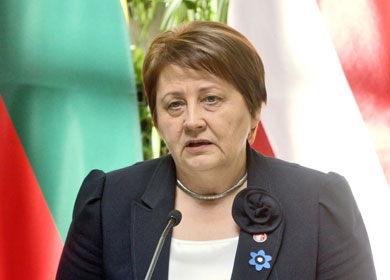
Latvia, current holder of the EU presidency, said on Friday it was surprised by Greek Prime Minister Alexis Tsipras’s criticism of European Union sanctions against Russia.

The Latvian prime minister’s comments came after left-wing Tsipras met with Russian President Vladimir Putin on Wednesday, and lashed out against what he termed the EUs «vicious cycle of sanctions».

But Latvia’s Prime Minister Laimdota Straujuma said Athens had approved an extension of EU sanctions just last month.

“At that meeting in March Greece’s prime minister accepted a common position,» she told reporters during a visit to neighboring Lithuania.

“Therefore it was a surprise for me what he said in Moscow,» she added, in a joint press conference with her Lithuanian and Estonian counterparts.

EU leaders say they will only drop sanctions against Russia if a Ukraine ceasefire signed in February holds.

Lithuanian Prime Minister Algirdas Butkevicius said the objectives of his Greek counterpart’s visit to Moscow were «totally incomprehensible», and that the meeting with Putin «caused concern for many EU countries».

Dominated by Moscow until 1990-91, the Baltic states have repeatedly called for tougher sanctions against Moscow over its annexation of Crimea from Ukraine last year.

Tsipras’ sit-down with Putin has fuelled EU fears that cash-strapped Athens could be cosying up to Moscow, but despite warm words and a vague cooperation plan, there were no concrete results from the encounter.

source:ekathimerini.com