Daily Archives: January 5, 2015

Καμμένος: Η θεωρία του τρόμου δεν βρίσκει ανταπόκριση στους Έλληνες

Καμμένος: Η θεωρία του τρόμου δεν βρίσκει ανταπόκριση στους Έλληνες

«Από την Κρήτη και τα Χανιά ξεκινά η προεκλογική περίοδος για την απελευθέρωση της χώρας την αποκατάσταση της δημοκρατίας της εθνικής κυριαρχίας και της αξιοπρέπειας των Ελλήνων», δήλωσε στην προεκλογική του ομιλία στα Χανιά ο πρόεδρος των ΑΝΕΛ Πάνος Καμμένος.

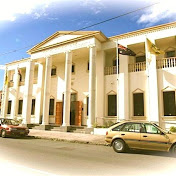
Μιλώντας στο Ωδείο της πόλης ο κ Καμμένος είπε ότι «η θεωρία του τρόμου που έχει αναπτύξει η σημερινή κυβέρνηση είναι μια θεωρία η οποία δεν βρίσκει ανταπόκριση στους Έλληνες και τις Ελληνίδες».

Ο κ Καμμένος εξαπέλυσε επίθεση στην κυβέρνηση λέγοντας ότι η «η αλήθεια είναι ότι αν συνεχιζόταν η ζωή αυτής της κυβέρνησης θα ερχόντουσαν δύο νέα μνημόνια». Επίσης ζήτησε για μια ακόμα φορά διαγραφή του χρέους και επανέλαβε την πρότασή του για την σύσταση επιτροπής λογιστικού ελέγχου για να δούμε, όπως είπε, πιο είναι το πραγματικό χρέος.

Τέλος, αναφέρθηκε στην γενναία -όπως την χαρακτήρισε- στάση των βουλευτών του κόμματος του που δεν υπέκυψαν, όπως είπε, στις πιέσεις και δεν ψήφισαν για Πρόεδρο της Δημοκρατίας.

Πηγή:in.gr

NYTimes: Η Ελλάδα κουράστηκε από τη λιτότητα, οι ψηφοφόροι ζητούν αλλαγή

NYTimes: Η Ελλάδα κουράστηκε από τη λιτότητα, οι ψηφοφόροι ζητούν αλλαγή

«Μία κουρασμένη Ελλάδα εξετάζει της επιλογές της». Με αυτόν τον τίτλο, οι New York Times επιτίθενται στις πολιτικές της λιτότητας, αναφέρονται στο ανθρώπινο κόστος της οικονομικής κρίσης και τονίζουν ότι οι ψηφοφόροι φωνάζουν για αλλαγή.

«Το ανθρώπινο κόστος της οικονομικής κρίσης στην Ελλάδα υπήρξε σημαντικό: Η πείνα, οι αυτοκτονίες και η ανεργία αυξήθηκαν απότομα, χάρη στις πολυετείς, άστοχες πολιτικές λιτότητας» αναφέρει η εφημερίδα, τονίζοντας ότι υπό αυτό το πρίσμα δεν είναι σοκαριστικό το γεγονός ότι οι ψηφοφόροι αναμένεται να δώσουν τον έλεγχο του Κοινοβουλίου στον ΣΥΡΙΖΑ.

Η εφημερίδα αναφέρει ότι «εάν ο ΣΥΡΙΖΑ μπορεί να κάνει τη ζωή των Ελλήνων καλύτερη είναι ένα αναπάντητο ερώτημα».

Τονίζει ότι το κόμμα και ο Αλέξης Τσίπρας έχουν υποσχεθεί να επαναδιαπραγματευτούν το δημόσιο χρέος, προσθέτοντας ότι κάτι τέτοιο δεν θα είναι εύκολο, καθώς ήδη ο υπουργός Οικονομικών της Γερμανίας έχει δηλώσει ότι δεν θα αλλάξει τίποτα στις συμφωνίες της Ελλάδας με την τρόικα.

«Η επιμονή για τον σφοδρό βομβαρδισμό της Ελλάδας δεν κάνει τίποτα για να βοηθήσει ώστε η χώρα να πραγματοποιήσει πιο γρήγορα τις μεταρρυθμίσεις. Οι ηγέτες της τρόικας πρέπει να λάβουν μια πιο πραγματιστική προσέγγιση – για παράδειγμα με την αναβολή αποπληρωμής των δόσεων του χρέους που λήγουν τον επόμενο χρόνο» τονίζει η εφημερίδα.

Οι New York Times αναφέρουν ότι είναι θετικό το γεγονός ότι η ηγεσία του ΣΥΡΙΖΑ έχει δηλώσει ότι θέλει να κρατήσει την Ελλάδα στην Ευρωζώνη και τονίζει ότι μία έξοδος από τη νομισματική ένωση θα ήταν καταστροφική για την αδύναμη οικονομία της χώρας.

«Αυτό είναι ξεκάθαρο: περισσότερη δυστυχία δεν θα σταθεροποιήσει την Ελλάδα και δεν θα της επιτρέψει να εξοφλήσει τα χρέη της» προσθέτει η εφημερίδα, αναφερόμενη σε μία σειρά αρνητικούς δείκτες -όπως για παράδειγμα στα ποσοστά ανεργίας.

«Δεν υπάρχει καμία αμφιβολία ότι οι πολιτικές λιτότητας, όπως η μείωση των δαπανών και η αύξηση των φόρων, που ζήτησε η τρόικα σε αντάλλαγμα για την βοήθεια προς την Ελλάδα και άλλες προβληματικές χώρες της Ευρωζώνης έχουν παρατείνει και έχουν εμβαθύνει την οικονομική της κατάρρευση» γράφουν οι New York Times.

Το άρθρο αναφέρει ότι «ο πόνος που προκαλείται από τις πολιτικές αυτές ευθύνεται σε μεγάλο βαθμό για την απογοήτευση που αισθάνονται οι ψηφοφόροι στην Ελλάδα, την Ισπανία, την Ιταλία και αλλού στην Ευρώπη για τα κυρίαρχα πολιτικά κόμματα» και αναφέρεται στην άνοδο εναλλακτικών κομμάτων σε αυτές της χώρες της Ευρώπης.

Η εφημερίδα καταλήγει: «Είτε ο ΣΥΡΙΖΑ κερδίσει την πλειοψηφία των εδρών στη Βουλή των Ελλήνων, είτε όχι, είναι σαφές ότι οι ψηφοφόροι, που έχουν περιοριστεί από την ευρωπαϊκή οικονομική πολιτική, φωνάζουν για αλλαγή».

Πηγή: in.gr

PM Tony Abbott arrives in Iraq for talks

Tony Abbott and  Iraqi Prime Minister Haider al-Abadi speaking on Sunday.

Tony Abbott and Iraqi Prime Minister Haider al-Abadi speaking on Sunday. Photo: Iraqi Prime Minister’s Office


Prime Minister Tony Abbott has arrived in Baghdad for talks on aiding Iraq in its fight against the Islamic State jihadist group.

Australia is part of the US-led coalition carrying out air strikes against ISIL in Iraq and has deployed special forces troops to assist in training the army.

Mr Abbott pledged an additional $5 million in aid as he held talks with his Iraqi counterpart, Haider al-Abadi.

They discussed military co-operation between the two countries, including the training and equipping of Iraqi soldiers.

“This is an important struggle. It’s a struggle not just for the people of Iraq, and not just for the people of this region, but for the whole world because the Daesh death cult, the ISIL death cult, has declared war against the world,” Mr Abbot said.

Mr Abbott said Mr Abadi had “called on the Australian side to increase the arming and speed up the training and distribution of what is needed by the Iraqi forces to decide the battle and eliminate the (IS) organisation”.

“We have also seen exhortations from the death cult to people right around the world to engage in acts of terrorism, and even Australia has had its brush with terrorism in recent weeks,” Mr Abbott said, referring to the recent Sydney cafe siege.

“We are determined to deepen our co-operation with the government and the people of Iraq in the weeks and months to come.

“Not because we are a country which goes forward seeking foreign fights, but because where our vital national interests are threatened, where universal values are at stake, Australia should be a strong partner.”

Mr Abbott also attended a lunch barbecue with members of the Australian Defence Force who are part of the US-led coalition carrying out air strikes against IS.

He indicated that he had intended to visit at Christmas time but had been unable to as a result of the Sydney siege.

Mr Abbott was accompanied on the trip by new Defence Minister Kevin Andrews and Chief of the Defence Force Air Chief Marshal Mark Binskin.

The $5 million pledge will enable the World Food Program in Iraq to provide food for approximately 350,000 people for the next month.

It brings Australia’s humanitarian assistance to Iraq to $22 million since June last year.

ISIL spearheaded an offensive that swept through much of Iraq’s Sunni Arab heartland in June.

The group’s rapid expansion and brutality in areas it controls in Iraq and neighbouring Syria eventually sparked an international campaign against it.

Dozens of Australians are fighting for Islamic militant groups overseas, raising fears that they could return home and carry out attacks.

Opinions divided on success of Australia’s contribution

There are about 600 Australian Defence Force personnel involved in the Iraq mission.

About 400 are assigned to the Air Task Group, which is charged with using six RAAF F/A-18F Super Hornets to bomb ISIL vehicles, buildings, check-points and fighting positions, as well as providing air support for Coalition and Peshmerga forces. A further 200 Australians are acting as “military advisers” to the Iraqi security forces fighting ISIL on the ground.

The deployment will cost nearly $260 million in the 2014/15 financial year.

The US-led Coalition has launched 500 air strike missions on ISIL forces, including more than 180 sorties by Royal Australian Air Force F/A-18F Super Hornets, according to the Department of Defence.

Australian Super Hornets have deployed 113 munitions resulting in the destruction of 36 targets and are largely operating across northern and western Iraq, including the cities of Bayji, Mosul, Kirkuk, Ramadi and Sinjar.

Last week, Fairfax Media reported divided opinions on the success of the mission.

Former Chief of Army Peter Leahy said Coalition forces did not have a strategy and that the campaign had only slowed the ISIL advance.

John Blaxland, a Senior Fellow at the Australian National University’s Strategic and Defence Studies Centre, said western nationals had “set a low bar”.

“We said we wanted to degrade ISIL’s capacity, we said it would take a couple of years and we are on track to meet that low expectation,” he said.

However, Retired Major General Jim Molan, who commanded Australian troops in Iraq in 2004, was more positive.

“You can’t say this is a failed strategy because it has not yet achieved ultimate victory – it has been remarkably successful,” Mr Molan claimed, identifying the recapture of Mosul Dam and advances in the strategically important Syrian town of Kobane as two examples of recent success. “The aim of the air strikes was not to roll back ISIL, it was to stabilise the situation.”

Mr Abbott visited the Al Minhad Air Base in the Middle East on his way home from London in October, as Australian forces began air dropping aid to stranded refugees in northern Iraq.

source:smh.com.au

Tsipras says ECB cannot shut Greece out of stimulus

Greek leftwing opposition leader Alexis Tsipras said the European Central Bank (ECB) could not exclude Greece if it decides to move to a full «quantitative easing» programme to stimulate the euro zone’s faltering economy.

Speaking at a party congress on Saturday, three weeks before a Jan. 25 general election, Tsipras also said his Syriza party would ensure much of Greece’s debt was written off as part of a renegotiation of its international bailout deal.

The election takes place three days after a Jan. 22 policy meeting at which the ECB may decide to proceed with a quantitative easing (QE) programme to pump billions of euros into the euro zone economy by buying government bonds.

Tsipras said he hoped ECB President Mario Draghi would decide to go ahead with the programme and said Greece could not be shut out, as some economists and politicians from countries including Germany have suggested.

“Quantitative easing by the ECB with direct purchases of government bonds must include Greece,» Tsipras said.

The comments underline the pressures facing Draghi ahead of the decision, with many in Germany opposed to full-scale QE which they fear will create asset bubbles and remove incentives for reform-shy governments to act.

Syriza, which holds a slim opinion poll lead over Prime Minister Antonis Samaras’ centre-right New Democracy party, has moderated its tone in recent months, pledging to keep Greece in the euro and not to unilaterally repudiate the bailout deal.

But the prospect of a Syriza-led government has set financial markets on edge and caused alarm in Germany, where a succession of politicians and economists have argued the euro zone could cope with Greece’s exit.

In a speech laced with barbs against German Chancellor Angela Merkel and finance minister Wolfgang Schaeuble, Tsipras said his party would roll back many of the austerity policies imposed by the bailout «troika».

“Austerity is both irrational and destructive. To pay back debt, a bold restructuring is needed,» he said.

Repeating many policy pledges first laid out last year, he promised to do away with a real estate tax, freeze house foreclosures, raise the minimum wage and reinstate a 12,000 euro ($14,400) tax-free threshold to help low earners.

He said he would abandon the goal of achieving primary budget surpluses, aimed at cutting Greece’s debt burden equivalent to more than 175 percent of gross domestic product.

But he pledged to protect bank deposits and ensure public finances remain on a sound footing.

source: ekathimerini.com

Captured fugitive terrorist was planning major prison hit, police says

Captured fugitive Christodoulos Xeros, convicted to six life sentences over as many murders committed by terrorist group November 17, had been planning a major attack against Koydallos Prison, the police said on Sunday.

Xeros had been at large for a year after failing to return from furlough in January 2014 and until his arrest on Saturday in Anavyssos, southeast of Athens.

A search of the home where he was staying, rented under a false identity, revealed a large cache of weapons including eight Kalashnikov assault rifles, a grenade launcher and three missiles, three handguns and bomb-making equipment. Counter-terrorism officers believe he was stockpiling the weapons for an attack on Korydallos Prison, near the Greek capital, to free jailed members of the urban guerrilla group Conspiracy of the Cells of Fire before they were transferred to a new maximum-security wing at Domokos Prison in central Greece.

After Xeros’s arrest in Anavyssos following a 10-day surveillance operation, police over the weekend were looking for two women in Aegio, in the northern Peloponnese, and Loutraki, near Corinth, who had been seen meeting with Xeros.

Investigators believe the Anavyssos property was being used as a terrorist hideout and may also be linked to a group calling itself Popular Fighters Group, which claimed responsibility for an attack on the Israeli Embassy in Athens in December. Ballistics tests on the weapons found on the property are expected to confirm whether they were used to shoot dozens of bullets at the facade of the embassy.

source: ekathimerini.com