Monthly Archives: August 2014

Love you to Death


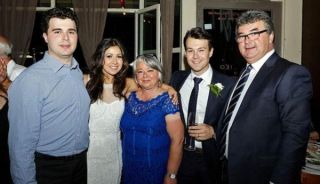
soteriou

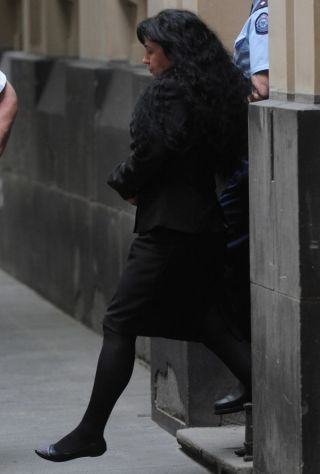
Vicky Soteriou, 44, was found guilty of plotting with her lover to kill her husband, Chris Soteriou. Photo: AAP/Michelle Draper.

Helen Kapalos introduces Megan Norris’ book with the testimony of Chris Soteriou, a husband who escaped a brutal attack from his wife’s lover.

It’s a murder plot that’s barely conceivable as a work of fiction, only that this crime-thriller is a real-life story and every bit as intriguing.

It is a story that many in the Greek community will be familiar with already, and possibly fixated by. It is told through the eyes of the central character Chris Soteriou, a well-to-do Greek Cypriot, who incredibly survived a brutal stabbing at the hand of his wife’s lover.

Love you to Death takes us back to the night where events unfolded, at the popular Greek eatery Alpha Ouzeri on cosmopolitan Brunswick Street. It’s a Greek party with all the trimmings. Chris is celebrating his 44th birthday, a surprise gathering organised by his loving and seemingly attentive wife Vicky, who continually promises her unsuspecting husband this is the night he will get lucky. He is expecting a perfect end to his night, unaware he is stepping towards his planned murder.

He describes the moment he was confronted by his attacker, grabbed from behind by his jacket collar and brutally stabbed seven times, the attack beginning with a cold blade drawn across his throat, then several deep stab wounds to his chest and abdomen. The events are recounted as a surreal horror movie, only that Chris never expects to wake up. He then takes us through the moment where he was convinced he was about to slip away from consciousness forever and the warm voice of a stranger, a passing doctor, calling him back. And this is where his nightmare begins.

The book is a gripping read, and startling in detail, as chilling incidents of this morbid crime are revealed. It is literally a page-turner. Author Megan Norris does a remarkable job of navigating through the landscape of friends, family and neighbours all caught up in this tangled modern Greek tragedy and gives us an inside account of the once tightly held street community where Chris and Vicky and their twins lived in Watsonia North. It traverses through neighbourly BBQs, family arguments and the troubled relationship between Chris and his in-laws.

The neighbours also feature heavily as almost de-facto family members and some even become quite crucial to the police case, as one watchful neighbour in particular is able to provide police with photos, exact dates and times that Vicky’s lover Ari Dimitrakis was in the area, and his apparently strange stalking behaviour.

We are told that Vicky was obsessed with the psychological thriller Perfect Stranger the narrative which is centred on an extra-marital affair and murder plot, and she is depicted as a ruthless, avaricious professional housewife obsessed with her body and looks. Her parental skills are also questioned.

But it’s the courtroom melodrama which really brings the sordid details of this crime to life, and Megan Norris walks us through each scenario as the defence teams for Vicky Soteriou and Ari Dimitrakis run a compelling case that captured the attention of national media. The only thing missing from the storyline is hearing from Vicky herself. The only time we hear her side of the story is in the police interview and it appears there are few friends on the ground willing to speak on her behalf in the book.

The only friend mentioned in any detail is Katina Heaslip, who Vicky appears to have convinced at one point that Ari carried out the stabbing against Chris as an act of revenge. Needless to say, that friendship, like Vicky’s marriage, unravelled permanently once the truth was revealed about Vicky’s double life.

If you want the nitty-gritty details about this case, this book won’t disappoint you. I’ll be amazed if it doesn’t enrage you in parts. It’s sad and tragic and unfortunately it’s all too real.

source: Neos Kosmos

Little to change in Greek national team

claudio%20ranieri

Claudio Ranieri ready to take the reins. Photo: AP/Massimo Pinca.

Former Monaco manager and new Greece coach Claudio Ranieri says he likes the spirit of the team.

The Hellenic Football Federation (EPO) presented Claudio Ranieri as the new Greece coach for the next couple of years, after the Italian manager signed his contract in Athens on Friday.

“I liked the spirit of the team and there is not that much I wish to change in it for now,” said Ranieri, who starts his first coaching stint at a national team.

“Although I also had some other proposals, as soon as I met with the [EPO] president [Giorgos Sarris] I got a good feeling. I had already known the Greek national team and I decided this would be a very good move, to come here and undertake the team following the invitation by the president,” added 63-year-old Ranieri, who takes over from Fernando Santos.

The former Monaco manager said that his target obviously is qualification to the Euro 2016 finals, and that he is not planning to have any Greeks in his coaching staff.

Sarris stated that “this is an opportunity for us to go to a higher level and I am adamant he will make it. EPO will do everything possible to support him.”

Greece has been drawn in the same Euro 2016 qualifying group as Romania, Finland, Hungary, Northern Ireland and the Faroe Islands. In its opening game Greece hosts Romania on September 7.

source: Neos Kosmos

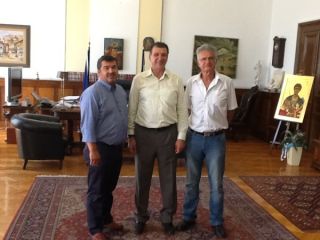
Minister of Macedonia-Thrace, George Orfanos welcomes White Tower’s Paul Mavroudis and WHIA’s John Pandazopoulos

Mavroudis_Panda%20p_c_

L-R: John Pandazopoulos, George Orfanos and Pavlos Mavroudis. Photo Supplied.

Thessaloniki Association of Melbourne ‘The White Tower’ president Paul Mavroudis, and World Hellenic Interparliamentary Association president, Victorian MP John Pandazopoulos, visited the Minister of Macedonia-Thrace, George Orfanos in Thessaloniki, and discussed the preparations for the celebrations of the 30th anniversary of the sister city relationship of Melbourne with Thessaloniki.

The expected visit of the Mayor of Thessaloniki Yannis Boutaris in Melbourne in November is also part of this anniversary.

source: Neos Kosmos


Greek and Aussie unions collaborate

protests

Private sector employees march in Athens condemning Sunday trading. Photo: AAP/NEWZULU/NICOLAS KOUTSOKOSTAS.

The ACTU has passed a resolution to express solidarity with the Greek labour movement.

The Greek labour movement has a friend in the Australian Council of Trade Unions.

This week, the ACTU passed a resolution to show solidarity with the Greek union movement, after the union’s board spoke with Greece’s left wing main opposition party Syriza senior spokesperson, Kostas Isychos.

The conversation led to the ACTU extending a hand to Greece’s labour movement, encouraging affiliates to make contact with them to seek advice over problems Australians have faced before, including the privatisation of public assets.

ACTU president Ged Kearney says Greeks are finding hope under the labour movement.

“The labour movement in Greece is playing a critical role in resisting attacks on jobs, services and the Greek people’s way of life,” she tells Neos Kosmos.

“It is the role of unions to speak up on these issues and passing the resolution on Greece at the ACTU Executive is a way Australian unions can support our colleagues in Greece.”

Mr Isyhos gave the union a first hand view of the crisis in Greece, detailing the rapid rise of the neo-Nazi party and the effect austerity measures are having on everyday Greeks.

The Australian Council of Trade Unions says Greeks need to be backed by a strong labour movement to prevent harsh and unfair measures coming into effect.

“The ACTU is deeply concerned about the impact austerity measures are having on the lives of Greek people, as well as the rise of extreme political parties.”

The ACTU says it is committed to supporting countries in crisis and aims to pass on its knowledge and experience to those facing changes in labour law and conditions.

Greece is in the process of cutting 15,000 civil service jobs, while military personnel have seen a 10 per cent cut to their wages since 2012.

Recently, Greek parliament passed a bill that allowed store owners to operate on Sunday, especially in tourist areas. Public and private sector workers took to the streets campaigning for a 40 hour week.

Since June this year, Greece sits at an unemployment rate of 27.6 per cent, while for the young, unemployment is at 56.3 per cent.

source: Neos Kosmos

Young Greek Australians reluctant to leave home

greeks%20at%20home%2005

Moving out as a married man – 27 year-old Jonathan Angelopoulos (second from right) with his family on his engagement day.

Young Greek Australians in their late 20s the least likely to fly from the home nest, study finds.

Results of a new Australian Institute of Family Studies (AIFS) research report, presented at this week’s AIFS conference in Melbourne, showed family background and gender are key factors in determining when young people leave home.

The study of 146,000 young people shows just over 40 per cent of those in their late 20s from Greek, Chinese and Italian backgrounds have left home, compared to more than 60 per cent of those from Australian, British and Irish backgrounds. Greek Australian males, followed by females are the most reluctant young adults of all to leave home, according to this study.

Deputy Director of AIFS, Dr Daryl Higgins told Neos Kosmos that, in terms of ethnicity, men of Greek background and then Greek women tend to stay at home longer. The ones who were most likely to have left were those of Anglo-Saxon background.

Apart from family background and gender, other key factors that help explain differences in why people stay at home or leave, are the type of family, ethnicity and weather they live in the country or the city, Dr Higgins said.

“The study was part of an Australian Census Longitudinal Data set, so rather than just looking at a snapshot, we are actually looking at the same people in 2006 and than again in 2011. From previous studies, we know that cultures such as Greek, Chinese, Italian are all those where family is a big priority, where there is a sense of obligation for looking after family, a sense of reciprocal expectations and they are what’s often called collectivistic cultures; whereas Anglo-Saxon cultures are more likely to be seen as individualistic, with less emphasis on family obligations.”

The results also showed a gender gap in the age people are leaving home. One in five young men – compared with one in 10 young women – are still at home in their late 20s.

“We can make jokes about home cooking and having your washing done, but we also know there is a lot of realities that press in on the lives of young Australians – they may be trying to study, they may be struggling to find work, trying to save up for mortgage – and there can be cultural differences around these expectations,” Dr Higgins said.

In what was the first time the Australian Bureau of Statistics released Australian census longitudinal data set, another important finding showed that gender plays a role in some young adults that see their home as a revolving residence.

“Boys are less likely to leave home, they leave later but they are also more likely to return at some point,” Dr Higgins said.

Alex Marcou, final year student of Science and Law at Monash University, is 24 and still living with his parents.

Having studied for six years, Alex says he is planning to move out from his parental home once he has a job.

“It suits me to stay at home. It’s an attractive idea to share place with roommates – some of my mates live on campus and I’m pretty jealous of them. They say that once you get your independence life is very different, so I’m looking forward to moving out but at the moment I can’t afford it.”

Another interesting finding of the study highlighted the role that metropolitan versus rural and regional areas have in decision making.

“Those who are in metropolitan areas are more likely to be the ones staying at home. Part of the explanation may be the high prices of housing in inner city areas. If you have grown up in middle class family in areas with well established infrastructure and close to university or work, that’s a very strong motivation to stay living with your parents,” Dr Higgins told Neos Kosmos.

Alex Marcou is an example of this.

“I live close to university so it’s very convenient to stay at home.”

“Of course, I see – especially with Greeks – why they don’t want to leave. The family is very tight. Then, there is mum’s cooking and cleaning, everything,” he says.

“Though I wouldn’t stay home because of that – I can always come over for a dinner.”

Neos Kosmos facebook page was buzzing this week with numerous comments of our readers who saw the study findings.

Many comments supported that staying at home is the best way for young people to prosper and afford a home, while others mentioned ‘too good fasolada’ and the luxury of living rent free and with Greek mothers doing everything for them as a second important reason.

“Living at home is rent free, we don’t have to pay board. Easier to save while being at home. The cooked meals are a bonus as well,” Thomas Arvan wrote.

Several comments also outlined the guilt trip that Greek parents put them on once they decide to leave.

“Massive guilt trip from family when you want to move out, especially before marriage,” Adam Alembakis wrote.

And there were Greek mothers who made it clear their boys are welcome for as long as they want to stay.

Toni Dimas said: “It doesn’t matter if they are 20 or 30 or whatever age, our job as parents is to make sure our kids have a roof over their heads and it doesn’t matter if it’s my roof for as long as they need rent free!”

At the age of 27 and employed, Jonathan Angelopoulos fits perfectly in the findings of the AIFS study.

Senior estimator at constructions company and engaged, he tells Neos Kosmos several reasons played a role in him staying at parental home.

“Before I got engaged I was saving for a house that my fiancé and I have together. Secondly, I wasn’t earning the funds I am earning now – if you move out earlier whatever you earn literally goes to your amenities, your rent. But most importantly – I actually enjoy my parent’s company,” Jonathan says.

“We had a pretty traditional upbringing and are quite conservative in our customs and traditions – I aspire to do that with my children as well – but I actually enjoy the company of my parents. I’m also involved in some of their business, so it’s convenient being at home.”

For Jonathan, who will be moving out after his wedding day in January, it’s a tight Greek family connection he will miss most once he is out.

“With my grandmother living next door to us, our house was always like a coffee shop. One thing I will miss is having that sort of busyness in the house.”

With opinions that living with parents delays adulthood and lacks responsibilities, Jonathan doesn’t agree.

“Through time, you should be able to pick up a couple of things. Rubbish bins go out on Sunday. When the clothes is out on the line and dry, bring it in.

“It doesn’t come down to – ‘oh, you have to be independent’. You learn independence automatically when you have to.”

And when his Anglo-Saxon friends question him about why is he still at parental nest, Jonathan simply says:

“You are renting because you moved out; I own a house because I stayed at home.”

source: Neos Kosmos


Dr DIAMADIS TALKS TO SYMBAN RADIO AUSTRALIA ABOUT THE ANZAC HERITAGE PROGRAMME

Δρ. Παναγιώτης Διαμάντης, υφηγητής του Πανεπιστημίου Τεχνολογίας του Σίδνευ. Ο κ. Διαμάντης μας ενημερώνει για το πρόγραμμα περιήγησης ιστορικών τοπίων στην Ελλάδα που θα δίνει την δυνατότητα στους επισκέπτες να εξαιρευνούν την κληρονομιά των Αυστραλών ‘Ανζακς – ANZAC Heritage programme.

Πηγή:studio3newcastle.com

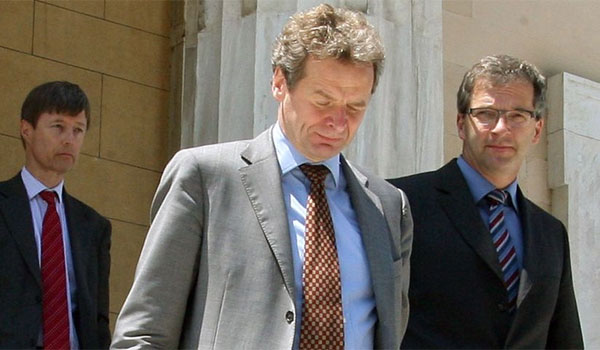
Reuters: Τέλος η Τρόικα για την Ελλάδα

troika_242692715

Οι Βρυξέλλες μελετούν την κατάργηση της «τρόικα» που εποπτεύει την εφαρμογή των μεταρρυθμίσεων στην Ελλάδα ώστε να επιτρέψουν στην Αθήνα να προωθήσει το δικό της σχέδιο για να τονώσει την οικονομία, σε αντάλλαγμα με μια «σταδιακή ανακούφιση» από τα χρέη, σύμφωνα με δηλώσεις Ευρωπαίων αξιωματούχων που μεταφέρει αποκλειστικά το Reuters.

Η συζήτηση βρίσκεται στα πρώτα στάδια και θα επιταχυνθεί καθώς η Ελλάδα και οι εταίροι της χαράζουν την νέα πορεία που θα ακολουθήσει η χώρα όταν λήξει το δεύτερο πρόγραμμα διάσωσης, προς τα τέλη του 2014.

Η διάλυση της «τρόικα», που απαρτίζεται από εκπροσώπους της Κομισιόν της ΕΚΤ και του ΔΝΤ και ορισμένοι την παρομοιάζουν με την ναζιστική κατοχή στην Ελλάδα, πιθανότατα θα αποτελέσει το κεντρικό κομμάτι στο νέο σχέδιο για την Αθήνα.

Η μεταστροφή σε ένα πρόγραμμα «μεταρρυθμίσεις με αντάλλαγμα την ανακούφιση χρεών» με πιο ελαφρά επόπτευση, θα καθησυχάσει την δημόσια δυσαρέσκεια και θα υποστηρίξει την κυβέρνηση συνασπισμού εις βάρος της αντιπολίτευσης που ηγείται στις δημοσκοπήσεις και υπόσχεται να «σκίσει» την συμφωνία με τους διεθνείς πιστωτές.

Με το νέο σκεπτικό, την “αστυνόμευση” της τρόικα θα αντικαταστήσει μια ειδική ομάδα δράσης από την Κομισιόν η οποία θα διενεργεί εξαμηνιαίους ελέγχους και όχι τριμηνιαίους όπως σήμερα, εφόσον δεν χρειαστεί η χώρα φρέσκα κεφάλαια.

Σε αντάλλαγμα, η Αθήνα θα δεσμευθεί σε 6ετές πρόγραμμα μεταρρυθμίσεων, στο οποίο τα επιτεύγματα θα αμείβονται με ανακούφιση από δανειακά βάρη, όπως με παράταση της διάρκειας αποπληρωμής, αντί για την προσφορά νέων δανείων.

«Δεν θα υπάρχει τρόικα» δήλωσε αξιωματούχος που θέλει να κρατήσει την ανωνυμία του. «Η ιδιοκτησία των μεταρρυθμίσεων πρέπει να είναι ελληνική. Οι Έλληνες θα πρέπει να καταλήξουν σε ένα πρόγραμμα ως τον Οκτώβριο, το οποίο θα εγκριθεί ως τον Δεκέμβριο και θα ισχύσει από τις αρχές 2015».

Θα δοθεί στην Ελλάδα, ως δίχτυ ασφαλείας, μια προαιρετική γραμμή πίστωσης από την ευρωζώνη, σύμφωνα με άλλο αξιωματούχο. Εάν χρησιμοποιηθεί θα ξαναρχίσει η αυστηρή επόπτευση της Ελλάδας.

Το ΔΝΤ θα κρατήσει το δικό του πρόγραμμα διάσωσης έως το 2016, συνεχίζοντας να παρακολουθεί την Αθήνα.

«Ήταν λάθος να μην δοθεί στην Πορτογαλία προαιρετική πιστωτική γραμμή» σχολίασε ο αξιωματούχος, αναφερόμενος στην έξοδο της Λισαβόνας από το πρόγραμμα διάσωσης χωρίς αυτό το εργαλείο.

Η κατάργηση της τρόικα θα σηματοδοτήσει την λήξη ενός μοντέλου επιβολής οικονομικών μεταρρυθμίσεων στην Αθήνα, που έχει υποστεί βαριές επικρίσεις στην Ελλάδα αλλά και το Ευρωπαϊκό Κοινοβούλιο. Εχει μεγάλη σημασία ότι το νέο πρόγραμμα θα έχει στόχο την «ανάπτυξη και την απασχόληση» αντί για το ισχύον επίκεντρο στις δημοσιονομικές περικοπές. Θα σχεδιαστεί κατ’αρχήν από την Αθήνα και όχι από τις Βρυξέλλες ή άλλους αξιωματούχους.

Ένα δυνητικό πλεονέκτημα του να έχουν οι Ελληνες την ευθύνη του προγράμματός τους, θα είναι η εθελοντική αποδοχή των οικονομικών μεταρρυθμίσεων, που πλέον δεν θα επιβάλλονται από έξω. Η εισαγωγή του νέου εξαετούς προγράμματος θα επιτρέψει στην ΕΚΤ, που οι νέοι της ρόλοι ως τραπεζικού επόπτη δεν συνάδουν με τον ρόλο της στην τρόικα, να αποσυρθεί.

Για να είναι όμως λειτουργικό το νέο πρόγραμμα, θα πρέπει να ξεπεράσει τα εμπόδια. Ένα από αυτά είναι το ενδεχόμενο η χώρα να χρειαστεί φρέσκα κεφάλαια, κάτι που θα μπορούσε να συμβεί αν προκύψει επιπλέον κόστος για τη χρηματοδότηση των τραπεζών. Σε ένα τέτοιο ενδεχόμενο, σημειώνει το Reuters θα απαιτηθεί μια «κανονική διάσωση».

«Αν επιπλέον χρηματοδότηση απαιτηθεί δεν υπάρχει ούτε ένα κοινοβούλιο που θα το δεχτεί», δηλώνει ο πρώτος αξιωματούχος.

Στην Αθήνα όμως υπάρχει αισιοδοξία ότι δεν θα απαιτηθεί νέο πακέτο διάσωσης. «Δεν θέλουμε άλλο πρόγραμμα λιτότητας. Δεν θέλουμε νέα χρηματοδότηση», δηλώνει αξιωματούχος στην Αθήνα. «Θέλουμε η όποια εναλλακτική να είναι προσανατολισμένη στην ανάπτυξη και την απασχόληση».

«Εχουμε δεσμευτεί για μεταρρυθμίσεις… αλλά δεν θέλουμε ένα μαχαίρι στο λαιμό γιατί αυτό πληγώνει την ‘ιδιοκτησία’ του προγράμματος αυτών των μεταρρυθμίσεων», υποστηρίζει. Προσθέτει ότι η ιδέα της μείωσης του χρέους με «αντίτιμο» μεταρρυθμίσεις μπορεί να «δουλέψει» υπό την προϋπόθεση ότι η παρακολούθηση δεν έχει ομοιότητες με την τρόικα.

Σύμφωνα με το Reuters, ένα τέτοιο σχέδιο που θα στηρίζεται στη λογική «μείωση χρέους με αντίτιμο μεταρρυθμίσεις» είναι σαγηνευτικό για τον Αντώνη Σαμαρά και πιθανότατα το ακούει με συμπάθεια ο Ζ. Κλ. Γιούνκερ.

Ένα τέτοιο σχέδιο, εκτιμά το Reuters θα βοηθήσει τον πρωθυπουργό στην αντιπαράθεσή του με την αξιωματική αντιπολίτευση. Όπως σημειώνεται η χώρα αντιμετωπίζει το ενδεχόμενο πρόωρων εκλογών με φόντο την προεδρία της Δημοκρατίας.

Η τελική ερώτηση, πάντως, είναι πώς θα γίνει το χρέος της χώρας καλύτερα διαχειρίσιμο. Οι βασικές επιλογές αφορούν τη μείωση των επιτοκίων και την επιμήκυνση των λήξεων. Αυτές πιθανότατα μπορούν να εφαρμοστούν μόνο στα δάνεια που πήρε η χώρα από άλλα κράτη και όχι τη βοήθεια που έλαβε από ΕΚΤ και ΔΝΤ.

«Υπάρχει διαφορά αν έχει 30 χρόνια για να ξεπληρώσεις και αν έχεις 50 χρόνια, υποστηρίζει ένας αξιωματούχος προσθέτοντας ότι η επέκταση των λήξεων θα γίνεται σε διαφορετικές λήξεις χρέους αμέσως μόλις εκπληρώνονται κρίσιμες μεταρρυθμίσεις. Η μετατροπή των επιτοκίων σε σταθερά θα μπορούσε να είναι ένα ακόμα κίνητρο, δεδομένου ότι σήμερα το κόστος χρήματος βρίσκεται σε ιστορικά χαμηλά επίπεδα.

Η κρίσιμη στιγμή για τις αποφάσεις αναμένεται αργότερα φέτος, καταλήγει το Reuters. «Το φθινόπωρο θα είναι καυτό».

Πηγή: madata.gr

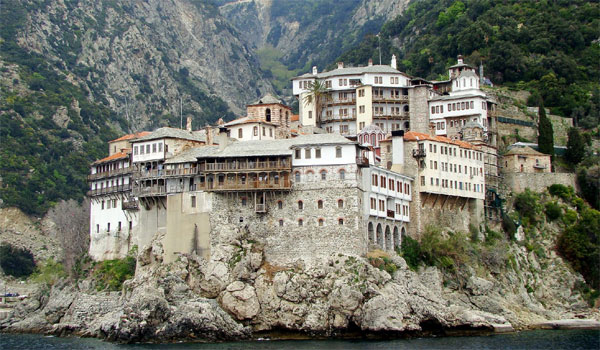
Η Πόντια που παραβίασε το άβατο στο Άγιο Όρος και τα κίνητρά της

agio_oros_madata_313614378

Το είχε παραβιάσει μία Πόντια το 1953, αναγκάζοντας το Κράτος να εκδώσει νόμο με προβλεπόμενες ποινές.

Το Παγκόσμιο Συμβούλιο Εκκλησιών που συνεδρίασε στο Μπουσάν της Νοτίου Κορέας αποφάσισε να καταργήσει το Άβατο το Αγίου Όρους, μια απαγόρευση 15 αιώνων… Φαίνεται πως εξάντλησαν όλα τα καυτά θέματα, όπως είναι οι διωγμοί των χριστιανών στις αραβικές χώρες, οι δολοφονίες πιστών, το κλείσιμο μονών και το κάψιμο εκκλησιών…

Πριν από τέσσερα χρόνια, δυο κουλτουριάρες κοινοτικές κυρίες, εκεί στις Βρυξέλλες, αντί να ασχολούνται με τα σοβαρά κοινοτικά προβλήματα, τους πόνεσε που στο Άγιον Όρος υφίσταται το άβατο για τις γυναίκες και ζητούν «χάριν της ισότητος» να καταργηθεί! Με κάτι πρέπει να ασχολούνται οι αργόσχολες αυτές κυρίες, που δεν έσπευσαν να μάθουν για ποιο λόγο υπάρχει και σε τι αποσκοπεί το Άβατο…

Η Μοναστική Πολιτεία του Αγίου Όρους, το αυτοδιοίκητο και αυτόνομο τμήμα του ελληνικού κράτους, ανήκει πολιτικά στο υπουργείο Εξωτερικών και θρησκευτικά στο Οικουμενικό Πατριαρχείο Κωνσταντινουπόλεως. Σε αυτό το τμήμα υπάρχει το «άβατο», δηλαδή η απαγόρευση εισόδου γυναικών, από την εποχή του Ιουστινιανού και καθιερώθηκε με Νεαρά (νόμο) το 539: «… ουκ εισελεύσεται δε γυνή παντελώς εις ανδρικόν μοναστήριον, ούτε ανήρ εις γυναικείον».

Σεβασμός του αβάτου

Την απαγόρευση εσέβοντο ακόμα και οι Τούρκοι αγάδες που άφηναν κατά τις επισκέψεις το χαρέμι τους στις Καρυές… «Άβατον, αδιόδευτον, ακατόπτευτον εις θήλεα πρόσωπα». Και βεβαίως αυτό δεν είχε σχέση με την υποτίμηση της γυναίκας, αλλά την προστασία και τον σεβασμό του μοναχισμού στους πειρασμούς.

Τη συνταγματική κατοχύρωση του «αβάτου» σεβάστηκαν με κοινή τους δήλωση οι ΥπΕξ της Ευρωπαϊκής Κοινότητας με μοναδικές παραφωνίες τις γυναίκες υπουργούς εξωτερικών Σουηδίας και Φινλανδίας, αλλά και κάποιες ημέτερες ευρωβουλευτίνες, για να γίνουν γνωστές από το θόρυβο που προκαλούσαν… Ακόμα και το Ευρωκοινοβούλιο υιοθέτησε το «άβατο» με ψήφους 277 υπέρ, 255 κατά και 15 λευκές.

files

Σύμφωνα με τα θρυλούμενα, η πρώτη παραβίαση του αβάτου έγινε το 1346 από τη σύζυγο του ηγεμόνα των Σέρβων Στεφάνου Δουσάν, Ελένη, χωρίς όμως να μπει στη σερβική μονή Χιλανδαρίου. Επίσης, η σύζυγος του Άγγλου πρεσβευτή στην Κωνσταντινούπολη Στράτφορντ Κάνινγκ επισκέφθηκε κατ’ εξαίρεση το 1850 το Άγιον Όρος, την υποδέχτηκαν οι μοναχοί, αλλά μετά ο πατριάρχης Άνθιμος με επιστολή του στις 18-12-1854, κατανοούσε τους λόγους εξαίρεσης, αλλά συνιστούσε αυστηρά να μην επαναληφθεί.

Αναφέρεται, ακόμα, παραβίαση από την εκλεγείσα το 1930 Μις Ευρώπη Αλίκη Διπλαράκου, η οποία επιβαίνουσα φιλοξενούμενη σε θαλαμηγό εφοπλιστή, έπιασε σε αγιορείτικο λιμάνι με τη βοήθεια μοναχού. Δύο άλλες περιπτώσεις που παρουσιάζουν ιδιαίτερο ενδιαφέρον, είναι μιας Γαλλίδας δημοσιογράφου και μιας Ποντίας από τη Θεσσαλονίκη.

Η ζωηρή Γαλλίδα δημοσιογράφος Μαρίζ Σουαζί ισχυρίστηκε ότι το 1929 μπήκε ντυμένη ανδρικά στο Άγιο Όρος, έμεινε ένα μήνα και όταν γύρισε στην πατρίδα της έγραψε όλες τις εμπειρίες που αποκόμισε στο βιβλίο της Un mois avec les hommes (Ένας μήνα με τους άνδρες στο Άγιον Όρος), γράφοντας για κάποιον «βιτσιόζο» καλόγερο που επιθυμούσε πάντα έρωτα, για πειρασμούς και για ένοχες συνειδήσεις…

Ρεπόρτερ της εφημερίδας Μακεδονία πήγε αργότερα στη Μοναστική Πολιτεία και συνομιλώντας με καλόγερους πήρε την εξής απάντηση: «Είναι φαντασιόπληκτη, θα είδε το Άγιον Όρος μόνο από το βαπόρι. Έπειτα, πώς είναι δυνατόν μια νεαρά και νοστιμούλα, επιρρεπής εις περιπετείας, να παραμείνει έστω και μίαν ημέρα άγνωστη υπό οιανδήποτε μετεμφίεσιν, εν μέσω πεντακισχιλίων ζωηρών γεροδεμένων καλογήρων, ίνα μη εμβάλη αυτούς … εις πειρασμόν; Και θα έμενεν αλώβητος επί ένα μήνα;».

Το εγχείρημα της Μαρίας Ποιμενίδου και το κίνητρό της

Μαρία Ποιμενίδου – Η Πόντια που παραβίασε το άβατο στο Άγιο Όρος

Η δεύτερη περίπτωση αναφέρεται σε θαρραλέα Πόντια από τη Θεσσαλονίκη το 1953. Ιδού τι αναφέρει σχετικό ρεπορτάζ της εφημερίδας Εμπρός.

«Παρά τας επισήμους διαψεύσεις του υπουργού Βορείου Ελλάδος κ. Στράτου, αποκαλύπτομεν σήμερον ότι πράγματι παρεβιάσθη το άβατον του Αγίου Όρους. Τούτο όμως δεν συνέβη ως ανεγράφη υπό γυναικών-συνέδρων του Βυζαντινολογικού Συνεδρίου, αλλά υπό της νεαράς Μαρίας Ποιμενίδου 22 ετών, ήτις εισήλθεν μετά των συνέδρων, ντυμένη ανδρικά, παρέμεινεν επί τριήμερον, από την Παρασκευή 17-4-1953 έως και την Κυριακή 19 Απριλίου, επισκεφθείσα τας περισσοτέρας μονάς. Ως εδήλωσεν, από πολλού χρόνου είχεν σχεδιάσει την “καταπάτησιν του Αγίου Όρους” φλεγομένη υπό της επιθυμίας να ίδη αυτοπροσώπως κατά ποίον τρόπον διάγουν τον βίον οι μοναχοί».

Το εγχείρημα της Μαρίας Ποιμενίδου στάθηκε αιτία να ψηφιστεί δυο μήνες μετά, στις 12 Ιουλίου της ίδιας χρονιάς, το Ν.Δ. 2623/1953 που προέβλεπε για τους παραβάτες φυλάκιση έως ενός έτους.

Του Τάσου Κ. Κοντογιαννίδη

Ο Τάσος Κοντογιαννίδης είναι δημοσιογράφος και ερευνητής ιστορικών θεμάτων.

Πηγή: madata.gr


«Οι καλύτεροι Έλληνες επιστήμονες έχουν εξοριστεί από την Ελλάδα»

scien

Η Ελλάδα αποτελεί χώρα-φαινόμενο, διαθέτει κορυφαία «μυαλά» σε πολύ υψηλό ποσοστό, ωστόσο, οι περισσότεροι Έλληνες επιστήμονες με ισχυρή επιρροή βρίσκονται σε εργαστήρια του εξωτερικού και όχι στην πατρίδα τους

Η Ελλάδα αποτελεί χώρα-φαινόμενο, διαθέτει κορυφαία «μυαλά» σε πολύ υψηλό ποσοστό, περίπου 30 φορές πάνω από την πληθυσμιακή αναλογία.

Η Ελλάδα αποτελεί χώρα-φαινόμενο, διαθέτει κορυφαία «μυαλά» σε πολύ υψηλό ποσοστό, περίπου 30 φορές πάνω από την πληθυσμιακή αναλογία. Ωστόσο, οι περισσότεροι Έλληνες επιστήμονες με ισχυρή επιρροή βρίσκονται σε εργαστήρια του εξωτερικού και όχι στην πατρίδα τους, επισημαίνει ο κ. Ιωάννης Π. Α. Ιωαννίδης, καθηγητής στο Στάνφορντ των ΗΠΑ. Στο τελευταίο του βιβλίο, τιμά τους Έλληνες επιστήμονες και ερευνητές, ενώ παράλληλα αναδεικνύει τα προβλήματα του ελληνικού κράτους και των ελληνικών πανεπιστημίων.

Ο ελληνισμός διαθέτει περίπου το 3% των επιστημόνων κορυφαίας εμβέλειας παγκοσμίως, αν και ο πληθυσμός της Ελλάδας ή των Ελλήνων διεθνώς αντιστοιχεί μόνο στο 0,15% ή 0,20% από τα 6,92 δισεκατομμύρια κατοίκους του πλανήτη. Κι όμως, παρά τη σημαντική παραγωγή Ελλήνων επιστημόνων, το 85% εκείνων με ισχυρή επιρροή δεν βρίσκεται στην Ελλάδα.

Ειδικότερα, ο Ιωάννης Π. Α. Ιωαννίδης -τακτικός καθηγητής Πρόληψης Νοσημάτων, Παθολογίας, Έρευνας και Πολιτικής Υγείας, όπως και Στατιστικής στο Πανεπιστήμιο Stanford των ΗΠΑ- στο τελευταίο βιβλίο του «Παραλλαγή πάνω στην τέχνη της φυγής και ένα απονενοημένο Ριτσερκάρ» (Κέδρος 2014) περιλαμβάνει δεδομένα που περιγράφουν μία πραγματικότητα με δύο όψεις: Τιμά τους Έλληνες επιστήμονες και ερευνητές, αλλά αναδεικνύει και τα προβλήματα του ελληνικού κράτους και του συστήματος οργάνωσης των ελληνικών πανεπιστημίων. Συγκεκριμένα, σύμφωνα με τον κ. Ιωαννίδη:
– Για την καταγραφή των δεδομένων που παρουσιάζονται στο βιβλίο χρησιμοποιήθηκε η βάση Google Scholar που έχει το πλεονέκτημα να καλύπτει το ευρύτερο δυνατό φάσμα των επιστημών (θετικών, βιοϊατρικών, οικονομικών και κοινωνικών επιστημών, επιστημών πληροφορικής κ.λπ.) και αμβλύνει τις ανισότητες μεταξύ διαφορετικών πεδίων. Η διαδικασία αναζήτησης χρησιμοποίησε επίσης τις βάσεις Web of Science, Scopus και Microsoft Academic Search, ώστε να μεγιστοποιηθεί η πληρότητα της εντόπισης επιστημόνων υψηλής απήχησης.

– Με βάση τις αναφορές που κάνουν άλλοι επιστήμονες στο έργο ενός τρίτου επιστήμονα, συνολικά 336 επιστήμονες με ελληνικά ονόματα περιλαμβάνονται στους πλέον κορυφαίους επιστήμονες, ως προς την επιρροή τους στη διεθνή βιβλιογραφία. Κριτήριο είναι ένας επιστήμονας να έχει πάνω από 10.000 αναφορές και τουλάχιστον μια δημοσίευση ή βιβλίο (ως πρώτος/τελευταίος/μόνος συγγραφέας), να έχει πάνω από 500 αναφορές ή 4.000 έως 10.000 αναφορές, αλλά τουλάχιστον μια δημοσίευση ή βιβλίο (ως πρώτος/τελευταίος/μόνος συγγραφέας) με πάνω από 1.000 αναφορές. Τα κριτήρια διασφαλίζουν το μεγάλο συνολικό όγκο αναφορών, δίνοντας και έμφαση στο να υπάρχουν και συγκεκριμένες δημοσιεύσεις ή βιβλία εξαιρετικά υψηλής εμβέλειας.

– Όμως το 85% από τους κορυφαίους 336 επιστήμονες με ελληνικά ονόματα βρίσκεται σήμερα στο εξωτερικό. Ακόμη και οι λίγοι που βρίσκονται στην Ελλάδα έχουν κάνει τις περισσότερες φορές το μεγαλύτερο μέρος του σημαντικού τους έργου εκτός Ελλάδας και πολλοί από αυτούς φεύγουν πάλι τα τελευταία χρόνια στο εξωτερικό. Ενδεικτικά, περίπου το 95% του δημοσιευμένου έργου των 336 έχει γίνει εκτός Ελλάδος.

«Οι καλύτεροι Έλληνες επιστήμονες έχουν μαζικά εξοριστεί από την Ελλάδα. Μια φθίνουσα μειονότητα εξακολουθεί να ζει στην Ελλάδα, συχνά σε συνθήκες σκληρής εσωτερικής εξορίας. Η έλλειψη χρηματικών πόρων, υποδομών και υποστήριξης για την επιστήμη και την έρευνα είναι βέβαια πασιφανής, αλλά δεν είναι ο μόνος λόγος γι’ αυτήν τη φυγή του καλύτερου δυναμικού που διαθέτει η χώρα. Θεωρώ ότι ακόμη χειρότερος λόγος είναι η έλλειψη συλλογικού κοινωνικού οράματος για την ανάδειξη της αριστείας και η εκτεταμένη επικράτηση των μέτριων στον ακαδημαϊκό, πολιτικό, και ευρύτερο κοινωνικό βίο που οδηγεί σε απαξίωση και μιζέρια. Αν και οι 336 αυτοί επιστήμονες είναι παγκοσμίως γνωστοί και διάσημοι, στον ελλαδικό χώρο, οι περισσότεροι είναι άγνωστοι, ενώ ακούγονται και επικρατούν κατά κόρον τα ονόματα μόνο διαφόρων ασήμαντων, φιλόδοξων και πολιτικά/συνδικαλιστικά/παραθρησκευτικά/ποδοσφαιρικά κ.λπ. δικτυωμένων» δήλωσε ο κ. Ιωαννίδης. Και πρόσθεσε: «Εξίσου ασήμαντοι σε παγκόσμιο επίπεδο είναι και οι περισσότεροι που δρουν στο εξωτερικό, αλλά αναγνωρίζονται κατά καιρούς ως διακεκριμένοι από ελλαδικούς θεσμούς. Το ελλαδικό σύστημα έχει κατασκευάσει μια ανυπόστατη τεχνητή πραγματικότητα ακόμη και για τους Έλληνες του εξωτερικού. Η δεξαμενή μετριοτήτων ανατροφοδοτεί εσαεί τη μετριότητα σε θέσεις ισχύος».

Πηγή: Νέος Κόσμος

Greek league recruits referee Dallas to fight match-fixing

hughdalls595

Hugh Dallas employed to fight growing match fixing concerns. Photo: SNS.

The move comes after pleas from Greek clubs for a foreigner to take on the administrative role following several match-fixing scandals.

Former referee Hugh Dallas has been appointed as the head referee of the Greek Super League, the Hellenic Football Federation (EPO) said this week.

The 56-year-old Scot earned the position by a majority vote of the EPO’s executive committee members.

Dallas will oversee the selection and assessment of referees as well as their appointments for matches.

The move comes after continued pleas from Greek clubs for a foreigner to take on the administrative role following several match-fixing scandals in recent seasons.

Dallas retired from refereeing in 2005 having officiated at two World Cups (1998 and 2002), the 1996 Olympic Games, the 1999 UEFA Cup final and several Champions League matches.

From June 2009 to November 2010 he was head of referee development at the Scottish FA.

Source: Reuters