Daily Archives: March 1, 2014

ΛΟΓΟΣ: Αυστραλιανό Κέντρο Ελληνικής Γλώσσας και Πολιτισμού

flinders

To 2014 αναμένεται να είναι η χρονιά που ο «ΛΟΓΟΣ» θα αναδείξει το πιο σημαντικό του έργο.

To 2014 αναμένεται να είναι η χρονιά που το Αυστραλιανό Κέντρο Ελληνικής Γλώσσας και Πολιτισμού «ΛΟΓΟΣ» θα αναδείξει το πιο σημαντικό του έργο. Όπως είναι γνωστό, ο ΛΟΓΟΣ δημιουργήθηκε στις αρχές του 2012, μετά από οικονομική ενίσχυση που δέχτηκε από την Κυβέρνηση της Νότιας Αυστραλίας για τέσσερα χρόνια, ύψους 600.000 δολαρίων.

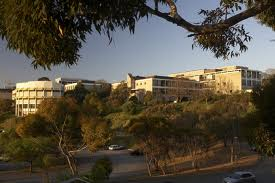
Καμία άλλη κυβέρνηση, εκτός της ελληνικής, δεν επένδυσε τέτοια ποσά για τα Ελληνικά, στα χρονικά της ελληνόγλωσσης εκπαίδευσης στο εξωτερικό. Ο ΛΟΓΟΣ αισθάνεται ιδιαίτερα υπερήφανος γι’ αυτό ως αναγνώριση της σοβαρής εργασίας που γίνεται στο Τμήμα Νεοελληνικών Σπουδών του Πανεπιστημίου Flinders εδώ και είκοσι τουλάχιστον χρόνια.

Ο κατάλογος των επιτυχιών εδώ θα μπορούσε να είναι ατέλειωτος. Ας αναφέρουμε μόνο το μεγάλο Διεθνές Συνέδριο που οργανώνεται κάθε δύο χρόνια στο Πανεπιστήμιο Flinders τα τελευταία 15 χρόνια.

Παρουσιάστηκαν πάνω από 1.200 επιστημονικές εργασίες, εκ των οποίων περίπου 500 δημοσιεύτηκαν στον επιστημονικό τόμο που δημοσιεύει ο ΛΟΓΟΣ. Όλες αυτές οι εργασίες είναι προσβάσιμες στο διαδίκτυο σε χιλιάδες αναγνώστες ανά τον κόσμο.

Το άλλο μεγάλο μέτωπο που άνοιξε ο ΛΟΓΟΣ είναι δημιουργία πλήρων προγραμμάτων ελληνικής γλώσσας και πολιτισμού on line (e-learning) για τα πανεπιστήμια. Αυτό είναι ένα πρόγραμμα που επιτρέπει σε κάθε φοιτητή από όπου και να βρίσκεται στην Αυστραλία ή και διεθνώς, να σπουδάσει Ελληνικά. Είναι το μόνο πραγματικά διαδραστικό on line πρόγραμμα στην Αυστραλία και θέτει τα Ελληνικά στην πρωτοπορία διδασκαλίας γλωσσών στην Αυστραλία. Το πρόγραμμα αυτό αρχίζει να γίνεται ευρύτερα γνωστό στους ακαδημαϊκούς, πολιτικούς και άλλους κύκλους. Με τον τρόπο αυτό και ενώ σε όλο τον κόσμο προγράμματα της Ελληνικής καταρρέουν, ο ΛΟΓΟΣ είναι σε θέση, όχι μόνο να διατηρήσει το πρόγραμμά του, αλλά και να εγκαινιάσει δύο άλλα πανεπιστημιακά προγράμματα: στο Πανεπιστήμιο Darwin και στο Πανεπιστήμιο Griffith του Κουίνσλαντ.

Ο ΛΟΓΟΣ ελπίζει ότι στο μέλλον θα προκύψουν και άλλες παρόμοιες συνεργασίες, αρκεί να περάσει παντού το μήνυμα: «Ναι, τώρα μπορείς να σπουδάσεις Ελληνικά, ασχέτως πού βρίσκεσαι στην Αυστραλία».

Μόνο με τέτοιες πρωτοβουλίες θα αναβαθμίσουμε τη δημιουργική παρουσία μας στην Αυστραλία και όχι περιμένοντας μόνο από τις πολιτικές ηγεσίες, οι οποίες πρέπει να διαχειριστούν το πρόβλημα του πώς να στηρίξουν τη διδασκαλία άνω των 200 γλωσσών στην Αυστραλία.

Το επόμενο βήμα του ΛΟΓΟΥ είναι να ασχοληθεί με τη διδασκαλία της Ελληνικής στην πρωτοβάθμια και δευτεροβάθμια εκπαίδευση της Νότιας Αυστραλίας για τη δημιουργία δυνατοτήτων διδασκαλίας της Ελληνικής on line. Ήδη από τον περασμένο χρόνο άρχισαν συζητήσεις με το Υπουργείο Παιδείας Νότιας Αυστραλίας για το θέμα αυτό. Μια παρόμοια κίνηση απαιτεί χρόνο, αρκετή ενέργεια και, φυσικά, χρηματοδότηση. Για το λόγο αυτό ο ΛΟΓΟΣ έχει προβεί σε σειρά κινήσεων από όπου μπορεί να προκύψουν ευχάριστα νέα.

Στο δρόμο αυτό για τα σχολεία ο ΛΟΓΟΣ θα συμπορευθεί χέρι-χέρι με το πρόγραμμα Ε.ΔΙΑ.Μ.ΜΜΕ (Εργαστήριο Διαπολιτισμικών και Μεταναστευτικών Μελετών) του Πανεπιστημίου Κρήτης, το οποίο ως γνωστόν, αναπτύσσει on line υλικό για τα σχολεία της Διασποράς. Τέλος, ο ΛΟΓΟς στηρίζεται από ένα ευρύ πλέγμα φίλων και υποστηρικτών, όπως το Foundation for Hellenic Studies, αρκετούς συλλόγους, φίλους και επιχειρηματίες, το οποίο διερύνεται σταθερά και υποσχετικά.

Πηγή:Νέος Κόσμος
Στο όνομα της δικαιοσύνης και των ονείρων

epmagda

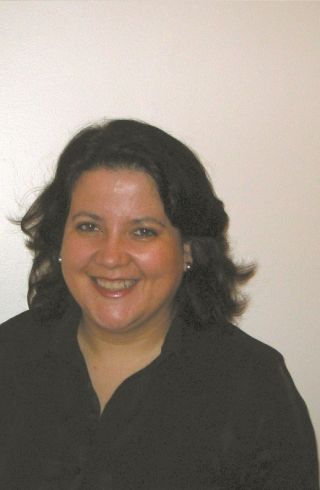
Η ομογενής ποινικολόγος και καθηγήτρια Διεθνούς Δικαίου στο πανεπιστήμιο La Trobe της Μελβούρνης Μάγδα Καραγιαννάκη

Μάγδα Καραγιαννάκη: Η συμπάροικος νομικός που κάθισε στο εδώλιο του Διεθνούς Ποινικού Δικαστηρίου Χάγης τους «χασάπηδες» του πολέμου στην πρώην Γιουγκοσλαβία

Στους διαδρόμους και τις αίθουσες του Πανεπιστημίου La Trobe της Μελβούρνης γυρίζει αυτές τις μέρες η Μάγδα Καραγιαννάκη. «Θέλω να μάθω στους νεώτερους όλα όσα έμαθα εγώ στα 16 χρόνια της νομικής μου καριέρας» μου λέει η νομικός που κατάφερε πριν από 10 χρόνια και σε ηλικία μόλις 29 χρόνων (τότε), να στείλει στο Διεθνές Δικαστήριο Χάγης έναν από τους «χασάπηδες» του πολέμου της πρώην Γιουγκοσλαβίας στη φυλακή. Η καταδίκη του Radislav Krstic ήταν η πρώτη καταδίκη Σέρβου αξιωματούχου για τα εγκλήματα πολέμου που διαπράχθηκαν στην πρώην Γιουγκοσλαβία. Και η ομογενής ποινικολόγος, μαζί με άλλους τρεις δημόσιους κατηγόρους, ήταν οι άνθρωποι που άνοιξαν την πόρτα στο Διεθνές Δικαστήριο Χάγης για να προχωρήσει στην παραπομπή των υπολοίπων εγκληματιών πολέμου στη Δικαιοσύνη.

Την βρίσκω στο Πανεπιστήμιο όπου σήμερα διδάσκει Διεθνές Ποινικό Δίκαιο, αλλά και άλλα μαθήματα που σχετίζονται με αυτό. «Είδαν πολλά τα μάτια σου» της λέω, καθώς μοιραζόμαστε έναν καφέ στα ακαδημαϊκά της λημέρια. Απαντά με ένα εμφατικό επιφώνημα στο τέλος της πρότασης της «Αν είδαν λέει!»…

«ΔΕΝ ΥΠΟΒΙΒΑΖΩ ΤΟΝ ΠΑΡΑΓΟΝΤΑ ΤΥΧΗ»

Η Μάγδα Καραγιαννάκη σπούδασε Νομικά και Οικονομικά στο Πανεπιστήμιο Monash της Μελβούρνης. «Από τότε με ενδιέφερε το Διεθνές Δίκαιο και άρχισα να το ψάχνω για να κάνω μεταπτυχιακά σ’ αυτόν τον τομέα» λέει, καθώς θυμάται τα πρώτα της επαγγελματικά βήματα. Εργαζόταν τότε στην Slater & Gordon και σε άλλες δικηγορικές εταιρίες, αλλά το βλέμμα της ήταν στραμμένο εκτός συνόρων.

Η ευκαιρία ήρθε, επειδή το επιδίωξε η ίδια και με υποτροφία. «Με δέχθηκαν στο Πανεπιστήμιο Leiden της Ολλανδίας για να κάνω μάστερ στο Διεθνές Δίκαιο. Άρπαξα την ευκαιρία, φόρτωσα βαλίτσες και απ’ εκεί άρχισαν όλα». Η πόλη Leiden βρίσκεται σε απόσταση αναπνοής από τη Χάγη, πόλεις και οι δύο της περιοχής της Νότιας Ολλανδίας και η ομογενής νομικός βρέθηκε εκεί την κατάλληλη στιγμή. Ήταν η εποχή που ο Οργανισμός Ηνωμένων Εθνών άρχισε να παραπέμπει στη Δικαιοσύνη τους «χασάπηδες» του πολέμου της πρώην Γιουγκοσλαβίας, κατηγορώντας τους για γενοκτονία.

«Πιστεύω ότι ήμουν τυχερή. Δεν υποβιβάζω τον παράγοντα τύχη. Βρέθηκα στο σωστό μέρος, την κατάλληλη στιγμή». Ενώ σπούδαζε εργαζόταν ως βοηθός δικαστών του Διεθνούς Δικαστηρίου, αλλά η μεγάλη στιγμή της καριέρας της ήταν όταν τής προτάθηκε να αναλάβει, μαζί με άλλους τρεις δικηγόρους, την δίωξη του Krstic, του υποστράτηγου των ταγμάτων εκκαθάρισης του σερβοβοσνιακού στρατού, γνωστών και ως Drina Corps. Ο Krstic ήταν αυτός που εκτέλεσε τη διαταγή της σφαγής 8.000 αιχμαλώτων πολέμου και αθώων πολιτών στην Σρεμπενίτσα το 1995. Ήταν η χειρότερη πολεμική θηριωδία που διεπράχθη στην Ευρώπη μετά τον Δεύτερο Παγκόσμιο Πόλεμο.

«Ήταν μία εμπειρία που με άλλαξε. Άκουσα μαρτυρίες θυμάτων, είδα ομαδικούς τάφους, μάνες να μιλούν για τα χαμένα τους παιδιά, οικογένειες ολόκληρες να ξεκληρίζονται. Και μέσα σ’ όλα αυτά ήρθα αντιμέτωπη με το απόλυτο σκότος της ανθρώπινης φύσης, με στυγνούς εγκληματίες, με την ασχήμια του πολέμου. Πιστεύω στη δύναμη της Δικαιοσύνης και αυτό ήταν που με ώθησε στο να συνεχίσω».

Την ίδια στιγμή, η Μάγδα -υποσυνείδητα, γιατί συνειδητά ήταν αφοσιωμένη στην επιτυχή δίωξη του Krstic-, κυνηγούσε τα όνειρά της.

Ο Krstic καταδικάστηκε για γενοκτονία σε 46 χρόνια φυλάκισης και η Μάγδα σε μία δεκαετία μακριά από το σπίτι της, καθώς σε λίγο καιρό και μετά το τέλος της υπόθεσης αυτής, ανέλαβε μία άλλη, την εκπροσώπηση της Βοσνίας στη δίωξη της πρώην Γιουγκοσλαβίας για γενοκτονία και πάλι στο Διεθνές Δικαστήριο Χάγης, και μετά άλλη, την υπεράσπιση του πρώην προέδρου της Σιέρα Λεόνε, Charles Taylor, που κατηγορείτο για γενοκτονία. Και αυτή η υπόθεση ήταν που αποδεικνύει το υψηλό επαγγελματικό ήθος της.

«Από τη μία στιγμή στην άλλη περνάς στην αντίπερα όχθη και υπερασπίζεσαι έναν εγκληματία. Γιατί;» τη ρωτάω. «Στο όνομα της Δικαιοσύνης. Δεν έχει σημασία για μένα αν κάποιος άνθρωπος είναι εγκληματίας ή όχι. Όλοι έχουν το αναφαίρετο δικαίωμα να υπερασπιστούν τον εαυτό τους. Όλοι έχουν δικαίωμα στη Δικαιοσύνη. Δεν είναι δική μου δουλειά να κρίνω. Δική μου δουλειά είναι να κάνω ό,τι μπορώ για να μπορεί ο δικαστής να πάρει τη σωστή απόφαση, είτε αυτό σημαίνει να υπερασπιστώ έναν άνθρωπο είτε αυτό σημαίνει να βοηθήσω στη δίωξή του. Αυτή είναι η δική μου δουλειά».

Ο Charles Taylor δεν κατάφερε να κερδίσει την έφεση, τον Μάιο του 2013 καταδικάστηκε τελεσίδικα σε 50 χρόνια φυλάκισης, για μαζικές δολοφονίες, βιασμούς και άλλα εγκλήματα. Όπως λέει η ίδια, αυτή την υπόθεση την έχασε αλλά, εν τω μεταξύ, επιτρέψτε μου να προσθέσω ότι η Μάγδα είχε κερδίσει πολύ περισσότερα. Τόσα πολλά που ο ΟΗΕ τη στέλνει στον Λίβανο για να ερευνήσει τις συνθήκες κάτω από τις οποίες δολοφονήθηκε ο πρωθυπουργός του Λιβάνου, Rafiq Hariri. Το «κέρδος της» από αυτή την υπόθεση συνοδευόταν όμως και από έναν εφιάλτη. «Δεν υπήρχε στιγμή που να μην νοιώθω ότι απειλείται η ζωή μου. Φρουρούμασταν 24 ώρες το 24ωρο και πάλι νοιώθαμε ότι απειλούμαστε» αναφέρει.

Πηγή: Νέος Κόσμος

Ανοίγει το Φιλοσοφικό Φιλοσοφικό Καφενείο Μελβούρνης

untitled

«Φιλοκαλούμεν και Φιλοσοφούμεν»

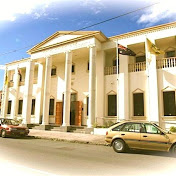
Ανακοινώνεται ότι και φέτος ανοίγει κανονικά το Φιλοσοφικό Καφενείο Μελβούρνης και θα κάνει τις μηνιαίες συναντήσεις του και πάλι στην πόλη, στο κτίριο του Παναρκαδικού Συλλόγου «Ο Κολοκοτρώνης», στο 570 Victoria Street, North Melbourne, λίγο πιο πάνω από το Victoria Market στο Σίτι. Θερμές ευχαριστίες εκ των προτέρων στους Αρκάδες για τη δωρεάν διάθεση της αίθουσας.

Η αλλαγή έγινε λόγω του ότι στο κτίριο της Κεντρικής Ελληνικής Κοινότητας όπου γίνονταν για χρόνια οι συναντήσεις αυτές, χτίζεται σήμερα το νέο «Ελληνικό Κέντρο Μελβούρνης» και όταν θα είναι έτοιμο, το Φιλοσοφικό Καφενείο θα βρίσκεται και πάλι στην έδρα του, ίσως στον 16ο όροφο!

Η εναρκτήρια φιλοσοφική συνάντηση για φέτος θα γίνει την Τρίτη, 4 Μαρτίου 2014 και ώρα 6.30 με 8.30μμ., για όλους όσους ενδιαφέρονται για την ελληνική Παιδεία και την ελληνική Φιλοσοφία.

Πηγή: Νέος Κόσμος

Gospel according to Psarantonis

gospel

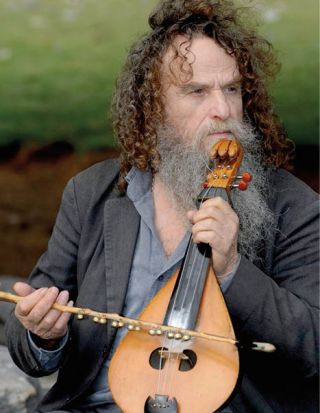
In a tavern in Heraklion, Psarantonis opens up about his life, his loves, and his unwaning passion for the Cretan lyra.

The interview was held in a tavern in Heraklion. We spoke for two hours. Initially Psarantonis was withdrawn, but later he opened up – we were also drinking raki. A friend who admires him had advised me: “Direct the conversation to the archetypes: life, love, death. Psarantonis is primitive, innocent.”

Why are you called Psarantonis? It’s a nickname. At Anogeia [a mountainous region within the prefecture of Rethymno, Crete] we all have nicknames. My grandfather was called this [‘Psarantonis’]. He was part of a group of 5-6 people who would go and steal from the Turks. He was the quickest. If they came across any Turks, he would move like a bullet and would catch them all, from the first to the last, ‘like fish’ [ψάρια]. So he got the name ‘Psarotourkos’ [Ψαρότουρκος] and from that came ‘Psarantonis’ [Ψαραντώνης]. It then stuck to the whole family: Psaronikos, Psarogiorgis…

How old are you? Tell them I’m 100! (laughs)

Did you go to school? Yes, I went to primary school. I learned to read and count.

When did you start playing music? From very young. At 10 I was playing the lyra and at 12-13 I was performing my own music.

At that age? How is that possible? It comes on its own. As you are walking it comes to your head and you take up the instrument. Is it something you produce immediately or slowly? It’s produced better slowly… Listen, I never play a piece the same way twice. Even if I were to play it immediately again it will not be the same. You dress it up one way the first time, a different way the next. You embroider it, you push it forward, you take it far. Music, my child, is miles long. Don’t listen to those who put dots on paper or those who read them.

Isn’t that music also? No, it’s not! The feelings of the artist can’t be put on paper. They can’t be sold, and they can’t be bought. Music is character. Can all the sheets of paper and all the pen markings go to make up a Nikos? [meaning his brother, Nikos Xylouris] Let these scholars take Nikos’ songs and learn them and sing them… These songs that are manly will be turned by them into…songs fit for a pansy! (laughs)

Do you know how to read music? Yes, I do. And so what? I don’t need them. Notes are what Karagiozis speaks of when he says, “Do re mi fasolada!” (bursts out in laughter) [φασολάδα: beans, a play on the solmization system of do re mi fa sol la ti]. I saw this as a little kid and I’ve never laughed as much.

What do you think of musicologists? They are full of hangups. Words, theories, slavishness to foreign trends, that which is good they don’t want.

Why don’t they want it? Because they can’t handle it. They are jealous of it because they can’t create it themselves. Before you go up on stage to play, do you do any preparations? I only tune the instruments. We then come out all together and we go wherever the stream leads us. I never say: “Lads, we will now play this piece.” They look to me to see what I’ve begun playing and then they come on board.

Have you ever done rehearsals? (laughs) No, they know what to do.

Wait on now, Psarantoni! How do they know? Well, we’ve been playing so long together. Sometimes I play a new piece and they don’t know it at all.

During a concert? Yes. I play the piece and they follow the rhythm.

Do you take notice of the audience below? Yes, I do take notice of the audience, because they play along with me. The way they listen, the way they applaud changes my performance.

Do you think of anything as you are playing? Of course I do! I notice that you close your eyes. Yes, I have my landscapes. I go to landscapes I like so that the music might turn out well. How can I explain it? We human beings have nothing, nature has it all. She is God. She gives birth to you, devours you, punishes you. She also gives us music. I stand opposite Psiloriti [Mount Ida, the highest mountain in Crete] for hours. And I come out with the lines: “On Psiloriti’s peak / the snow never ends / as soon as the old melts / it is buried with new.” I look at him and he would impart the music to me.

Where were you looking at him from? I was opposite, in Idaio Antro [a cavern, known as the Cave of Zeus, on Mount Ida], near my village. And you were sitting with your lyra and playing? Is it possible now to behold Psiloritis and play some trashy song? [Psarantonis uses the term ‘σκυλάδικο’, which refers to a genre of Greek folk music sometimes associated with disreputable nightclubs, and popularized by such artists as Vasilis Karras and Lefteris Pantazis.] He rebukes! He wants rizitika [ριζίτικα]: a type of song with a long history in Crete], he wants tragedy, he wants… …passion! Passion! You got it, lad!

In your sleep, in your dreams, do you ever hear music? Yes, of course. A melody once came to me in a dream and I got up and I put it together. And it’s a nice piece, called Air [Αιθέρας]… Does music ever frighten you? It certainly does. There are times when I wake up in a sweat. Music is a wild beast which cannot be tamed. Tell me 2 or 3 songs by others which you like. I like many songs by my brother, Nikos: Weaver [Ανυφαντού], Augusta [Αυγούστα], The Brave Man in Sfakia [Παλικάρι στα Σφακιά]…

source: Neos Kosmos

Greece:Asylum processing improved


GR-Asylum%20seekers%20in%20Greece

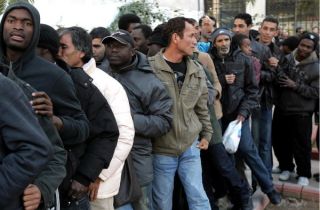
Asylum seekers queuing up in Greece.

A backload of 27,000 claims is estimated to be cleared by the end of this year.

The head of the Public Order and Citizen Protection Ministry’s recently established Asylum Service Maria Stavropoulou, is confident that things are getting better on this thorny front.

“The situation is clearly more manageable. We still have a large number of claimants, but there is a sense of calm, while the rackets are no longer around,” she tol Kathimerini recently, referring to organized groups that offer asylum papers to applicants through the back door in exchange for often exorbitant fees. The Asylum Service is relatively new, taking over the process from the police in June in a bid to improve the country’s immigration policy record.

The differences between then and now are striking, especially in the Greek capital, where the previous regime was a source of national shame. The Attica Aliens Bureau on Petrou Ralli Street accepted applicants just once a week, on Saturdays. Hundreds of foreigners would gather at the gates – sometimes days in advance – hoping to be among the lucky few – usually around 20 – who would manage to make it inside and submit their applications. Rackets that would sell a good spot in the queue were allowed to run rampant, while violent altercations between applicants were frequently reported even though police were supposed to be supervising the crowds.

Another huge problem was the absence of local aliens bureaus at popular points of entry for migrants around the country, meaning that all asylum applicants had to make their way to Athens, compounding an already difficult situation. The delay in processing claims stretched to years, while the backlog had grown to 45,000 cases when the Athens bureau was shut down.

Stavropoulou’s resume spoke for itself when she applied for the job of revamping the asylum system. A graduate of the University of Athens, University College London and Harvard, with some 20 years’ experience at the United Nations High Commissioner for Refugees and fluent in four languages, the 48-year-old lawyer has the know-how and the drive to get things done.

For Stavropoulou it is all about management. Experienced staff, recruited with no small amount of effort because of bureaucratic obstacles and hiring restrictions, as well as longer operating hours, have made a difference, she says.

The new Attica service alone takes in some 40 claims a day, while another 10-20 are accepted by the service’s branches around Greece.

One high-ranking police officer told Kathimerini on condition of anonymity that there is nothing but relief in the force that this task has been taken off its hands, though the Petrou Ralli bureau continues to process the applications that were submitted to it before the new service opened.

The backlog at Petrou Ralli, according to Stavropoulou, is now down to 27,000 claims and she estimates that it will be cleared by the end of the year. The change has not come without its critics, however. In a joint announcement published in December, groups involved in immigration issues mentioned “long queues” at the Asylum Service’s Athens headquarters on Katehaki Avenue and said that the new system lacks mechanisms to identify the most vulnerable applicants and has insufficient translation services. They also argued that the new service is doing nothing to ensure that asylum seekers are not kept at migrant detention centers by the police for extended periods of time. “Our priority is to process the applications of detainees as fast as possible,” Stavropoulou responded. She says the criticism is unfounded and notes that decisions for such applications are processed within 43 days in the first phase, significantly faster than the target of 90 days. She says that improvements have been made in the system for dealing with vulnerable claimants such as minors or torture victims, as well as on the interpretation front, where nongovernmental organizations such as Metadrasi have played a crucial role.

The biggest problem, Stavropoulou says, is the time it takes for the NGOs that play such an important role to receive European Union funding through the Labor Ministry so they can continue their work.

“The departments that manage European funds are the oil in the machine. They should not be allowed to act like the rust,” said Stavropoulou. “We can’t blame everything on the crisis and the memorandum. At the end of the day we will all be judged by the results we bring.”

Since the start of operation on June 7, 2013, to the end of January, the Asylum Service took in 5,577 applications from migrants coming from 77 different countries. More than three-quarters were from men.

The asylum approval rate ranges from zero (for applicants from Albania and Georgia) to 99.1 per cent for Syrians and 100 per cent for Somalis. The average time it takes to get a preliminary decision on a claim is 63 days.

According to Stavropoulou, improvements in the service have also led to the “rationalization of demand,” as people fleeing war zones know they have better chances of being accepted and those who have come to Greece for financial reasons only become less optimistic. Another big difference between then and now is that a lot more applications are being approved. On a preliminary basis, from June 2013 to January this year, 11.6 per cent of applicants were granted asylum and 5.2 per cent were granted subsidiary protection. In total, one in six applicants – from Afghanistan, Syria, Iran, Eritrea and Sudan – received the protection they were deprived of in their country and are entitled to under international law. In 2012, just 0.9 percent of claimants were granted asylum.

source: Neos Kosmos