Daily Archives: May 18, 2015

Ελ Νίνιο: Επιστρέφει στην Αυστραλία το καταστροφικό μετεωρολογικό φαινόμενο

nawinter

Μη μας ξεγελά η απότομη πτώση της θερμοκρασίας και οι βροχές των τελευταίων ημερών.

Μπορεί η θερμοκρασία να έπεσε αισθητά χθες στη Μελβούρνη, μπορεί να έπεσαν τα πρώτα χιόνια γύρω από την πόλη και να σημειώθηκαν σημαντικές βροχοπτώσεις αλλά το μετεωρολογικό φαινόμενο Ελ Νίνιο, το οποίο το 2009 προκάλεσε την χειρότερη ξηρασία των τελευταίων 40 ετών στην Ινδία, ισοπέδωσε καλλιέργειες σιταριού στην Αυστραλία και κατέστρεψε σοδειές σε ολόκληρη την Ασία στέλνοντας στα ύψη τις τιμές των τροφίμων, επιστρέφει φέτος, όπως επιβεβαίωσε ιαπωνική πρόβλεψη, κι αναμένεται να πλήξει την Αυστραλία εντός του έτους.

Φέτος, το Ελ Νίνιο έφθασε την άνοιξη κι είναι πιθανόν να συνεχιστεί μέχρι το φθινόπωρο, ανακοίνωσε η Ιαπωνική Μετεωρολογική Υπηρεσία -η πρώτη υπηρεσία η οποία προέβλεψε την έλευση Ελ Νίνιο για το 2015.

Πρώιμες ενδείξεις του Ελ Νίνιο έχουν ήδη εμφανιστεί στην ανατολική ακτή της Αυστραλίας, ενώ άλλες χώρες που προετοιμάζονται για την έλευσή του είναι η Κίνα, η Ινδονησία και η Μαλαισία.

Το φαινόμενο αναμένεται να προκαλέσει συνθήκες ξηρασίας στην Παπούα Νέα Γουινέα, την Ινδονησία και σε άλλα τμήματα της νοτιοανατολικής Ασίας και σφοδρότερες βροχοπτώσεις στις χώρες του ανατολικού Ειρηνικού και της Νότιας Αμερικής, αυξάνοντας τις πιθανότητες για πλημμύρες και κατολισθήσεις.

Οι καλλιέργειες σιταριού στην Αυστραλία κινδυνεύουν να πληγούν, καθώς ο Ελ Νίνιο αναμένεται να συνοδεύεται από βροχοπτώσεις στην ανατολική ακτή, στο τέλος του χειμώνα και την άνοιξη.

Η Μετεωρολογική Υπηρεσία της Αυστραλίας, η οποία τον Απρίλιο προέβλεψε τουλάχιστον 70% πιθανότητες εμφάνισης του Ελ Νίνιο από τον Ιούλιο, ανακοίνωσε ότι ο Ελ Νίνιο έχει ήδη σχηματιστεί και ότι τα μετεωρολογικά μοντέλα μιλούν για “σημαντικής ισχύος” φαινόμενο.

Το Ελ Νίνιο είναι το μετεωρολογικό φαινόμενο κατά το οποίο τα κεντρικά και ανατολικά νερά του Ειρηνικού Ωκεανού κοντά στον Ισημερινό (ακτές του Περού) είναι θερμότερα σε σχέση με άλλες περιοχές.

Συμβαίνει κάθε δύο με οκτώ χρόνια και διαρκεί για ένα χρόνο, ενώ εμφανίζεται εδώ και αιώνες κατά την περίοδο των Χριστουγέννων. Στο φαινόμενο αποδίδονται ως συνέπειες ακραία καιρικά φαινόμενα σε όλον τον κόσμο, αλλά κυρίως στις περιοχές γύρω από τον Ειρηνικό, όπως ξηρασίες, βροχοπτώσεις, πυρκαγιές, τροπικοί κυκλώνες.

“Ελ Νίνιο” σημαίνει στα ισπανικά “αγόρι” (αναφορά στο θείο βρέφος) και η ονομασία δόθηκε στο φαινόμενο από Νοτιοαμερικανούς αλιείς, επειδή έβλεπαν περιοδικά τον ωκεανό να θερμαίνεται γύρω στα Χριστούγεννα. Αντίθετο είναι το φαινόμενο “Λα Νίνια” (κορίτσι), όταν τα νερά του Ειρηνικού στο ύψος του Ισημερινού γίνονται ασυνήθιστα κρύα.

Αιτία του φαινομένου είναι η διαταραχή των αληγών δυτικών ανέμων. Το Ελ Νίνιο έχει τα αντίθετα χαρακτηριστικά από την “Λα Νίνια”, ενώ και τα δύο μαζί θεωρούνται ως μέρος της νότιας ταλάντωσης, μιας ταλάντωσης του Ειρηνικού Ωκεανού.

Η Κίνα, η οποία συνήθως γλιτώνει από την μήνιν του Ελ Νίνιο, βρίσκεται παρ’ όλα αυτά σε επιφυλακή για τις καλλιέργειες καλαμποκιού της, που απαιτούν μεγάλες ποσότητες νερού, δήλωσε ο ειδικός αναλυτής Μα Ουενφένγκ.

Παρ’ ότι οι επιπτώσεις της ξηρασίας στους φοίνικες θα γίνουν αισθητές αργότερα, η αύξηση της ζήτησης και η μείωση των αποθεμάτων φοινικέλαιου αναμένεται να οδηγήσουν σε άνοδο τις τιμές του στην Ινδία. Οι τιμές είχαν αυξηθεί κατά 57% το 2009, εν μέρει εξαιτίας του Ελ Νίνιο.

Και οι φυτείες ρυζιού της Ινδίας αναμένεται να πληγούν.

Πηγή:Νέος Κόσμος

Struggle to keep Greece breathing

Yanisgetty3

Yanis Varoufakis.

Varoufakis refuses any bailout plan that would send Greece into ‘death spiral’.

Greece’s embattled finance minister Yanis Varoufakis stepped up his war of words with eurozone policymakers, saying he wished his country still had the drachma, and would not sign up to any bailout plan that would send his country into a “death spiral”.

With Greece facing a severe cash crisis as it struggles to secure a rescue deal from its creditors, Varoufakis – who has been officially sidelined from the debt negotiations – told a conference in Athens that he would reject any agreement in which “the numbers do not add up”.

“I wish we had the drachma, I wish we had never entered this monetary union,” Varoufakis said. “And I think that deep down all member states with the eurozone would agree with that now. Because it was very badly constructed. But once you are in, you don’t get out without a catastrophe.”

He also warned that a mooted proposal for a bond swap, to ease Athens’ cash-crunch, was likely to be rejected, because it struck “fear into the soul” of European Central Bank president Mario Draghi.

Despite his comments, Greece offered a concession to its international lenders by pushing ahead with the sale of its biggest port, Piraeus.

Greece has asked three firms to submit bids for a majority stake in the port, a senior privatisation official told Reuters, unblocking a major sale of a public asset as creditors demand economic reforms from Athens.

Draghi, who was in Washington to deliver a lecture on monetary policy, pointedly failed to mention the ongoing Greek crisis.

He received a rapturous welcome from Christine Lagarde, the managing director of the International Monetary Fund, who introduced him as “maestro” – the nickname once given to Federal Reserve chairman Alan Greenspan.

“Those who know you understand that you are a man of outstanding insight, fierce determination, and above all, courage. You can call a spade a spade without putting any of your cards on the table,” she said.

source:Neos Kosmos

Greece rules out suing British Museum over Parthenon Marbles

marbles

Suing the British government would offer the best chance of retrieving the sculptures if every other formal request fails.

Greece is stepping back from a fight with Britain over ownership of the Parthenon Marbles.

The Greek culture minister has declared that Athens will not pursue legal action to settle the bitter, decades-old dispute, despite the advice of international lawyers.

The move comes after a team of human rights lawyers in London, including Amal Clooney, told Greece in a 150-page report this week that suing the British government would offer the best chance of retrieving the sculptures if Britain rejected additional formal Greek requests to return them.

But the culture minister, Nikos Xydakis, suggested that the path of litigation was fraught with peril.

“You cannot go to court over every issue,” he said in an interview on Greek television.

“Besides, in international courts, the outcome is uncertain.”

Instead, Mr Xydakis said, he viewed the best means of securing the marbles as being through diplomacy.

“The road to reclaiming the return of the sculptures is diplomatic and political,” he said.

For decades, the Greek and British authorities have fought over the collection of sculptures and artefacts obtained in Athens by Lord Elgin, a British ambassador to the Ottoman Empire, in the early 19th century.

The collection includes many pieces from the Parthenon, some of which Lord Elgin is said to have asked to be sawed off so that he could decorate his mansion in Scotland.

He later sold the pieces to pay off debts.

source:Neos Kosmos

Turkish Red Crescent a part-Greek creation

marko-pasha (1)

“His name is even used today in Turkey as a saying ‘tell your sorrows to Marko Pasha’.

Pasas’ great-grandaughter Despina Anata admits

Did you know that the founder of the Turkish Red Crescent was in fact Greek?

While it is commonly excluded from modern day knowledge, Greek doctor Marko Pasa (Markos Apostolidis Pitsipios) founded the largest humanitarian organisation in Turkey and his name is still mentioned in Turkey today.

Born on the island of Syros in 1824, Pitsipios moved to Istanbul with his family where he studied at the Medical Military Faculty.

In 1861, the Sultan Abdulaziz dubbed him the palace’s chief doctor and director of the medical school.

In light of World Red Cross and Red Crescent day on 8 May, Pitsipios’ great-grandaughter Despina Anata spoke with Greek news agency ANA-MPA, where she disclosed that he was “a great man and a doctor who founded the Red Crescent”.

Anata went further to disclose the fact that Pitsipios’ name is still spoke in Turkey today.

“His name is even used today in Turkey as a saying ‘tell your sorrows to Marko Pasha’.

This is because Pitsipios was a patient doctor who would listen to his patient’s problems for hours with great patience, and would always endeavour to find a cure for their condition, but to also reassure and calm them.”

source:Neos Kosmos

Cyprus pins hopes on Australian solar technology

solar1

The solar thermal field in Pentakomo, on the southern coast of Cyprus. [Photos:CSIRO]

To reform its oil-dependent economy and meet a European Union target.

Australian scientists have designed and installed solar energy technology in Cyprus to help the island nation shift away from fossil fuels and also to tackle its chronic water shortages.

A team from the CSIRO, Australia’s national science agency, took five weeks to construct a ‘solar thermal field’ containing 50 heliostats – large mirrors that reflect the power of the sun. The solar thermal field lies in Pentakomo, on the southern coast of Cyprus and places the country at the frontier of solar energy research in Europe.

The CSIRO won an international tender to provide its technology to Cyprus for a trial that could lead to broad solar take-up in the country and elsewhere. It is understood that several other countries in Europe and the Middle East are interested in adopting CSIRO solar technology.

Cyprus hopes to take on the technology so it can reform its oil-dependent economy and meet a European Union target of 13 per cent of energy coming from renewable sources by 2020. The Mediterranean country is also plagued by water shortages and may use solar energy to power desalination plants.

The CSIRO technology uses mirrors to track the sun and reflect it towards a single receiving point on top of a tower. This heat then warms a fluid, in this case molten salt.

The molten salt, heated to 250°C, is stored in a hot tank and the steam produced powers a turbine for electricity. Crucially, this storage method allows for energy to be produced long after the sun has disappeared.

“The question about solar is always about storage at night-time,” said Wes Stein, solar research leader at CSIRO.

“This liquid is cheaper and more efficient than batteries, such as those made by Elon Musk. We can generate steam for electricity on a cloudy day.

“This is Cyprus’ first foray into real solar infrastructure and hopefully it’s replicated across the country. They are close to countries such as the UAE and Saudi Arabia who could translate this technology as well.”

The Cyprus project provided $500,000 for the CSIRO but Stein said the returns could be in the “tens of millions” if other countries licensed the technology for larger scale developments.

Stein added that Australia could theoretically provide all of its electricity via solar energy in this way, requiring a site measuring 50km by 50km, a third of it taken up by mirrors.

CSIRO built the first version of the heliostats in 2006 and hopes to license its technology to manufacturers around the world.

The science agency believes its heliostats are superior to those used elsewhere because their smaller mirrors provide a higher control over the reflected sunlight, while the infrastructure requires just two people to install it.

An experimental heliostat facility in Newcastle, New South Wales, has 450 mirrors. But opportunities for deployment across Australia have been stymied over the past 12 months amid a quest by the federal government to slash Australia’s renewable energy target.

Investment in large-scale renewable energy in Australia has slumped 90 per cent in the past year, according to Bloomberg New Energy Finance.

Just one large-scale renewables project, worth $6.6 million, has been financed this year, due to uncertainty caused by political negotiations over the RET’s future. More than 2,300 jobs in the renewable energy sector have been lost in the past two years, Australian Bureau of Statistics figures show.

“Hopefully there will be an opportunity to use heliostats in Australian projects,” said Stein.

“Australia has the best solar radiation of any continent in the world and we are looking for opportunities to deploy this technology here as well as overseas.”

According to the Australian Energy Market Operator, building a 100 per cent renewable energy system would cost the nation between $219 billion to $332 billion, depending upon the scenario.

Proponents of a complete switch to renewable energy argue that this level of investment, over a 35-year period as coal is phased out, is reasonable and similar to current levels of spending upon fossil fuel development.

Source: The Guardian

The Water Diviner slammed at US release

diviner

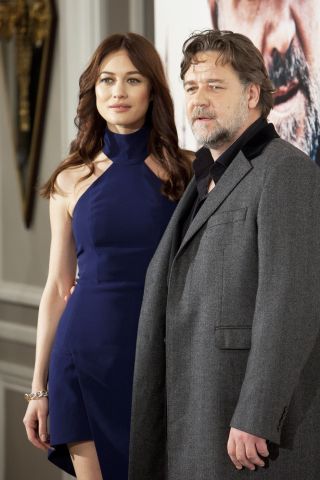
The Water Diviner slammed at US release Ukrainian actress Olga Kurylenko (who plays a Turkish war widow in The Water Diviner) with Russell Crowe at the Spanish premier of the film. Photo AP /Abraham Caro Marin

Warner Brothers’ insensitivity over timing felt worldwide.

Russell Crowe’s The Water Diviner opened in US cinemas to a wave of criticism last month – its appallingly mistimed launch coinciding with the centenary of the Armenian Genocide.

Its inappropriate release date in the US has added insult to injury for the film’s growing number of critics – mostly Armenian and Greeks united in their anger at what Greek Australian academic Panayiotis Diamadis described as the film’s “genocide denial by omission”.

In a letter to Warner Brothers, American Armenian film producers Garin Hovannisian and Alec Mouhibian said the American release of The Water Diviner in April could only be viewed “as complicity in the denial of the worst crime ever imagined” and that it should be “met with the offense and outrage it deserves”.

Hovannisian and Mouhibian’s film commemorating the Armenian Genocide of 1915 was also released last month.

Beyond the outrage over the timing of The Water Diviner’s American release, the film’s dewy-eyed interpretation of Turkey’s actions during WWI – along with inferences such that the Ottoman Empire was a blameless victim of western aggression – has incensed many.

The script’s ‘editing out’ of any mention of Turkish atrocities committed against Armenians, Assyrians and Greeks during and after WWI has caused most offence.

In the film, Russell Crowe – who also directs – plays Joshua Connor, a Victorian farmer who travels to Turkey after the war to find the bodies of his three Anzac sons, all believed to have fallen at Gallipoli.

The story – co-written by Andrew Anastasios and Andrew Knight – goes on to reflect a Turkish version of WWI and its immediate aftermath, including conflict with Greece during the Greco-Turkish War of 1919-1922.

Made on budget of $22.5 million, The Water Diviner was the top-grossing home-grown movie of 2014 in Australia.

In a letter-writing campaign soon after the film was released, many in the Greek and Armenian diaspora writing from Australia, the US, Israel, Germany and elsewhere expressed outrage at the film’s depiction of events – particularly a scene in which what appear to be Greek bandits attack a Turkish military train, as well as omitting any reference to atrocities carried out by Turkey in 1919, when Crowe’s character is in Anatolia.

Historian Professor Peter Stanley believes that rather than a conscious distortion of history, the film’s problem lies in the fact that Russell Crowe “entered a highly contested historical arena … without any idea of what he was getting into”.

“His response was to simply roll over and accept the Turkish version.”

The UNSW Canberra professor told Neos Kosmos that Crowe had “blundered” into the depiction of the situation in Anatolia “like a bull in a china shop”.

“I think he could have done a much better job of depicting the history faithfully and fairly … but like a lot of Australians, he was captivated by the Turkish national epic and basically came down on that side of telling the story.”

source:Neos Kosmos

Μετά από 42 χρόνια σε κώμα, Ινδή θύμα βιασμού άφησε την τελευταία της πνοή

Μετά από 42 χρόνια σε κώμα, Ινδή θύμα βιασμού άφησε την τελευταία της πνοή

Η Αρούνα είχε πάθει ανήκεστο εγκεφαλική βλάβη όταν είχε πέσει βιασμού το 1973 στο νοσοκομείο που δούλευε


Η ινδή νοσοκόμα Αρούνα Σανμπάγκ, η υπόθεση της οποίας είχε ανοίξει στη χώρα τη συζήτηση για την ευθανασία, άφησε την τελευταία πνοή μετά από 42 χρόνια σε κωματώδη κατάσταση εξαιτίας του βαρύτατου τραυματισμού της όταν έπεσε θύμα βιασμού.

Η Αρούνα είχε πάθει τις τελευταίες ημέρες πνευμονία και βρισκόταν σε μηχανική υποστήριξη στο νοσοκομείο Κινγκ Έντουαρντ Μεμόριαλ στο Μουμπάι, όπου βρισκόταν όλα αυτά τα χρόνια.

Το νοσοκομείο ανακοίνωσε το θάνατό της τη Δευτέρα.

Η Αρούνα έκανε το 1973 την πρακτική της ως νοσοκόμα στο Κινγκ Έντουαρντ Μεμόριαλ. Νεαρός εργαζόμενος στο νοσοκομείο τη βίασε και την στραγγάλισε, προκαλώντας της ανήκεστο εγκεφαλική βλάβη.

Η υπόθεσή της έφερε στο προσκήνιο τη συζήτηση για το ινδικό νομικό πλαίσιο σχετικά με την ευθανασία μετά από αγώνα φίλου της που είχε διεκδικήσει να σταματήσει να της χορηγείται τροφή. Το Ανώτατο Δικαστήριο της Ινδίας δεν δέχθηκε μεν το αίτημα, αλλά η υπόθεση άνοιξε την πόρτα για να ψηφιστεί νομοθεσία για την παθητική ευθανασία.

Αντίθετες στη διακοπή της ζωής της Αρούνα ήταν οι νοσοκόμες του νοσοκομείου Κινγκ Έντουαρντ Μεμόριαλ, οι οποίοι φρόντιζαν με βάρδιες όλα αυτά τα χρόνια την πρώην συνάδελφό τους.

Πηγή:in.gr

Με σκηνές στο κέντρο των Σκοπίων ζητούν την παραίτηση της κυβέρνησης

Με σκηνές στο κέντρο των Σκοπίων ζητούν την παραίτηση της κυβέρνησης

Η κατασκήνωση στήθηκε το βράδυ μετά τη μεγάλη συγκέντρωση της Κυριακής: Η πολιτική κρίση κορυφώνεται


Μετά την τεράστια συγκέντρωση υπό την «σημαία» της αντιπολίτευσης στην ΠΓΔΜ, οι διαδηλωτές στα Σκόπια έστησαν κατασκήνωση στο κέντρο της πόλης με πανό και συνθήματα που ζητούν την παραίτηση της κυβέρνησης Γκρούεφκσι.

Η χώρα βρίσκεται εν μέσω σφοδρής πολιτικής κρίσης με φόντο τις κατηγορίες για υποκλοπές και διαφθορά σε βάρος του κόμματος του πρωθυπουργού, στην οποία είχαν προστεθεί τα πρόσφατα αιματηρά περιστατικά στο Κουμάνοβο.

Ο μεγαλύτερος όγκος των διαδηλωτών που είχαν έρθει την Κυριακή στην πρωτεύουσα για τη μεγάλη διαδήλωση της αντιπολίτευσης έχει αναχωρήσει, όμως εκατοντάδες έμειναν στο σημείο της κεντρικής συγκέντρωσης στήνοντας σκηνές και διαμηνύοντας πως δεν θα αποχωρήσουν μέχρι να παραιτηθεί η κυβέρνηση.

Την περασμένη εβδομάδα δύο υπουργοί και ο επικεφαλής της υπηρεσίας πληροφοριών της χώρας παραιτήθηκαν.

Ηγέτες της αντιπολίτευσης καταγγέλλουν ότι ο επικεφαλής της υπηρεσίας πληροφοριών, Σάσο Μιχάλκοφ και ο υπουργός Εσωτερικών Τζορντάνα Γιανκουλόβσκα, ήταν πίσω από απόπειρες ελέγχου του Τύπου, των δικαστικών αρχών και εκλεγμένων αξιωματούχων μέσω της παρακολούθησης των τηλεφωνικών τους συνομιλιών.

Η κυβέρνηση αρνείται τις κατηγορίες και επιμένει ότι η αντιπολίτευση προσπαθεί να αποσταθεροποιήσει τη χώρα.

Πηγή:in.gr

Ευφάνταστες προτάσεις για τη νέα σημαία της Νέας Ζηλανδίας

Ευφάνταστες προτάσεις για τη νέα σημαία της Νέας Ζηλανδίας

«Ευτυχισμένο κίβι» , η πρόταση του Ντέιβιντ Λι από το Όκλαντ. «Επειδή μας παρουσιάζει σαν έθνος ευτυχισμένων, άκακων κίβι» λέει, αναφερόμενος στο εθνικό πτηνό της Νέας Ζηλανδίας.

Η Νέα Ζηλανδία δεν έχει λάβει ακόμα την τελική απόφαση, σκέφτεται όμως να αλλάξει τη σημαία της και ζητά τις προτάσεις του κοινού. Και όπως φαίνεται, αυτοί οι Νεοζηλανδοί έχουν πραγματικά μεγάλη φαντασία.

Η σημερινή σημαία της Νέας Ζηλανδίας μοιάζει απελπιστικά με τη σημαία της Αυστραλίας, και πολλοί κάτοικοι της νησιωτικής χώρας θα ήθελαν να ξεχωρίζουν περισσότερο στον παγκόσμιο χάρτη.


To Νότιο Κίβι, μια πρόταση του Άκου Α από το Γουάικατο


Γαλάζιος Ουρανός, Γαλάζια Θάλασσα. «Ας το κρατήσουμε απλό» λέει ο δημιουργός της πρότασης Φίλιπ Πλάνκετ


Οφέλη, από τον Λόγκαν Γου στο Ουέλινγκτον. «Η Νέα Ζηλανδία έχει προοδεύσει σημαντικά μετά την αποικιοκρατία».


Te Pepe, το θλιμμένο κίβι της Βρετανικής Κοινοπολιτείας από τον Ντέιβιντ Άστιλ στο Γουάικατο


Η Καλή Σημαία, από τον Τζέιμς Άιρλαντ στο Ουέλινγκτον. «Ζώα, φύση, μπλα μπλα μπλα»


Πυρ στο Λέιζερ! από τον Τζέιμς Γκρέι στο Όκλαντ. «Η εικόνα του λέιζερ προβάλλει μια ισχυρή εικόνα για τη Νέα Ζηλανδία».


Μπλε Πράσινο Μπλε. Ακόμα μια πρόταση από τον Φίλιπ Πλάνκετ στο Όκλαντ. «Μπορεί να φορεθεί το πάνω κάτω, το μέσα έξω, το μπρος πίσω».

Η πλήρης λίστα των προτάσεων για τη νέα σημαία είναι διαθέσιμη στο δικτυακό τόπο της κυβέρνησης της Νέας Ζηλανδίας.

Πηγή:in.gr

The Greek-German breakthrough that never came

The third and final part of our look back at Chancellor Angela Merkel’s relationship with Athens explores the Samaras years and SYRIZA’s win

Even after the formation of the pro-bailout government under Antonis Samaras following the June 2012 elections, eurozone hawks continued to press for a clean break from Greece. The same pressure was also being applied within the German government: The “infected limb” camp, led by Finance Minister Wolfgang Schaeuble, tried to convince Chancellor Angela Merkel that a Greek exit from the eurozone was not only manageable but also in Europe’s long-term interest.

This was the time the so-called Plan Z (leaked to the Financial Times last year) was also put forward. The circle of officials who knew about this contingency plan for handling a Greek eurozone exit was tiny. Joerg Asmussen, Germany’s former state secretary at the Finance Ministry and a member of the European Central Bank’s executive board since the start of 2012, was one of its main overseers. Asmussen had briefed Merkel on the plan, but the Chancellery had played no role in designing it.

In the opposing camp were those who feared a domino effect, arguing that a Greek exit would lead to the collapse of the eurozone.

Asmussen and Merkel’s former adviser, Bundesbank chief Jens Weidmann, told the chancellor that they could not know which of the two camps was right. They questioned whether it was possible to shield Portugal from possible Grexit. Merkel became convinced that the risks of a rupture were unpredictably high. By the time she returned from her summer hiking holiday in northern Italy in mid-August, the chancellor had decided to put an end to all discussion of a Greek exit. However, she still needed a partner in Athens she could count on. A few days later she was due to meet with Samaras in Berlin, to ascertain whether he was someone she could do business with.

Rebuilding trust

The Samaras-Merkel relationship had gotten off to a bad start. Merkel was deeply frustrated by the Greek premier’s insistent opposition to Greece’s original bailout agreement, as well as to the mid-term agreement signed in June 2011. In a meeting of the European People’s Party (EPP) on June 23, 2011, the chancellor had been among those who hammered Samaras for his anti-memorandum stance.

The first cracks in the ice appeared in early March 2012, following the approval of the final terms for the writedown of privately held Greek debt. In a rather formal meeting between the two on the sidelines of the EPP meeting, Merkel and Samaras agreed on the need for a channel of communication between their respective staffs. Over the next few months, the two sides developed a better understanding of one other’s positions, setting the foundations for future cooperation. At the top level, relations improved when Merkel called Samaras personally to inquire after his health after he underwent surgery in June for a detached retina. Merkel told her Greek counterpart that her father had suffered from the same problem.

The Berlin meeting was scheduled for August 24. The Greek side, knowing that Athens’s credibility was seriously damaged, mainly because of delays in the implementation of agreed-upon measures, was determined to convince the Germans that it was ready for action. However, in a press conference ahead of the meeting, which was attended by Schaeuble, the Germans could not hide their skepticism. Samaras vowed to push ahead with the pending reforms and arranged a meeting between Schaeuble and Greek Finance Minister Yannis Stournaras for an initial detailed discussion. At the same time, he also stressed to Merkel the need for a stop to all speculation regarding Greece’s future in the eurozone. Members of the Greek negotiating team were surprised to see Merkel dash off to adjust her makeup ahead of appearing with Samaras before the press.

In the dinner that followed their meeting, Samaras’s anti-memorandum rhetoric before his election became a topic of discussion. According to one report of the conversation, the Greek leader said that things had “changed” and pointed to the appointment of Stournaras as finance minister as proof of the new government’s determination to pull Greece out of the crisis.

“This man is a socialist; the right hand of Simitis,” Samaras apparently said, referring to the former PASOK prime minister. Stournaras corrected him: “A social democrat, Mr President.” Even the usually dour Schaeuble is said to have smiled.

After the dinner, Merkel and Samaras spent about half an hour together, without their staff. In her office, Merkel showed the Greek prime minister graphs pertaining to the eurozone’s competitiveness and noted Greece’s low position in all the indices. She also stressed the absence of a warning mechanism in the Greek public administration to prevent overexpenditure by government agencies. Elaborating on how she saw Germany’s role in Europe, Merkel said that she did not want to become known as the chancellor who lost Greece, but she also made it clear that Athens needed to convince its partners that it would implement the necessary reforms.

Over the next few months that Greece was locked in tough talks with the troika of the International Monetary Fund, European Central Bank and European Commission, Samaras took it upon himself to ensure that the prior actions were implemented. The initial list contained 89 measures, 17 of which proved impossible to implement (Greece’s partners were also convinced of this). The other 72, however, were all passed by November, giving Athens a strong argument for the release of the next installment of bailout funding. Given the weaknesses in the country’s public administration, many obstacles to the implementation of the measures had to be dealt with by the prime minister himself, often in direct communication with mid-ranking ministry officials who knew the issues at hand.

In mid-October, in an active show of support for the Greek prime minister, Merkel made her first visit to Athens since the start of the crisis. Widespread protest marches against her and Germany did not dampen the mood of the visit. Other than public declarations of support, the chancellor also brought the Greek prime minister a gift that he very much appreciated: an album on the history of the university hospital in East Berlin, where Samaras’s father had received his degree as a cardiologist. As a young MP, Samaras had visited Berlin and tried to take pictures of the hospital, only to be arrested by the East German authorities – a story he had shared with the chancellor in a previous conversation.

An agreement was eventually reached by Athens and the troika in November, paving the way for the disbursement of some 44 billion euros, further public debt relief (at the insistence of the IMF) through a buyback, a relaxation of the terms of repayment and, most importantly, a commitment from Greece’s eurozone partners to take additional measures to lighten the country’s debt load. To achieve the latter, the Greek government had to commit to achieving a primary surplus and to stay on the reform path. Concerns of a Greek eurozone exit seemed to be finally evaporating.

A year later, negotiations hit another snag after the IMF, skeptical of Greece’s ability to achieve a primary surplus, demanded new austerity measures for 2014. In a press conference after another bilateral meeting in Berlin, Merkel expressed her confidence in Samaras over the surplus issue and said that the reform drive was gaining momentum. However, when she was asked whether steps would be taken for further debt relief, she said this was an issue that needed to be discussed at a later date.

2014, a tough year

Greece posted a primary surplus ahead of schedule in 2013, strengthening the government’s bargaining position. Meanwhile, as the new year came in, several predictions for 2014 forecast a return to growth after six years in recession.
In April, one day before Merkel’s second visit to Athens, Greece returned to the markets for the first time in five years, borrowing 3 billion euros in five-year bonds at an interest rate below 5 percent.

Greece’s positive image, however, was still overshadowed by the skepticism of the creditors – and particularly the IMF – toward Athens. This translated into hundreds of prior actions and constantly growing demands for further austerity. For the prime minister, this level of surveillance and fiscal maximalism constituted a major political problem.

Yet despite her support for the government, Merkel was not inclined to convince the troika to relax the pressure on Athens. After all, it was she who had insisted back in 2010 on the IMF’s involvement in the Greek bailout, so that there would be a strict and experienced supervisor of the program, not susceptible to political pressure. Furthermore, during her visit to Athens in April, the German chancellor once more avoided making any promises in regard to debt relief.

In their last meeting in Berlin in September last year, in the wake of the “resignation” from the Greek government of general secretary for public revenues Haris Theoharis, a cabinet reshuffle and growing signs in Athens of reform fatigue, the chancellor expressed reservations to a plan presented by Samaras for an early exit from the memorandum and particularly for the IMF’s departure from Greece. Berlin was concerned about Greece’s ability to maintain market access without official support. With snap elections appearing all the more likely in Greece, another crucial factor was the reluctance of Schaeuble (who was not present at that meeting in Berlin) to wrap up the fifth review of Greece’s progress, allowing the disbursement of 7.2 billion euros, which would have considerably strengthened the hand of the next Greek government.

Samara’s argument that his government should be allowed to complete its term in order to avoid more political uncertainty boomeranged on him.

First time with a leftist

What happened next is well known: The review was never completed, elections were triggered and Merkel found herself trying to talk with a new Greek premier who was elected mainly on the basis of his aggressive rhetoric against not only Germany but the chancellor as well. Berlin was surprised by how unprepared SYRIZA was to govern, while the question still hangs in the air in the halls of the German government as to how committed Prime Minister Alexis Tsipras is to Europe.

Nevertheless, the personal chemistry between Merkel and Tsipras has been better than anticipated, and their two meetings in March – the first in Brussels along with other key European leaders, and the second bilaterally in Berlin – proved a turning point in negotiations. Merkel accepted the political nature of the two sides’ disagreement on certain issues and Tsipras came to understand that a political discussion at the top level requires exhaustive technical preparation beforehand.

In one of his first conversations with Merkel, Tsipras invoked the Greek adage that “good accounts make good friends.” The chancellor liked the saying and has repeated it to others. Now, Greece’s future in the eurozone will depend to a significant degree on these bilateral accounts, and the level of pragmatism the two leaders show in the quest for a mutually acceptable solution. Otherwise, Plan Z may be dusted off and put back on the table.