Category Archives: Uncategorized

Larger / SmallerNight Mode Voluntary administration hits Hunter businesses of iron and steel company Arrium

imagesIB2L8JUL

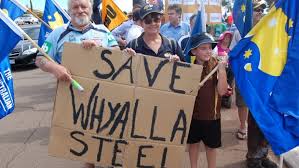
RALLY CRY: About 500 people hit the streets of Whyalla on Tuesday in support of the town’s embattled steelworks, which in turn feeds the OneSteel rolling mills in Newcastle. Picture: Louis Mayfield, Whyalla News.

WHYALLA steelworks might the public face of embattled iron and steel company Arrium but it has at least 1200 Hunter employees facing an uncertain future after the company and more than 70 of its subsidiaries went into voluntary administration on Thursday morning.

Financial administrators Grant Thornton took control of the company after its board and its bankers could not agree on a solution for the $4 billion in debts that the company accumulated – much of it in building up an iron ore business that became a big loss-maker in the wake of plummeting commodity prices.

As well as its South Australian businesses, Arrium owns and operates a range of steel assets in and around Newcastle, which between them still employ more than 1200 people, even after years of steady workforce reductions.

Arrium assets include the OneSteel still mills at Mayfield, employing an estimated 700 people, and the Comsteel and Moly-Cop businesses at Waratah, with a workforce of about 500.

The administrators said the Moly-Cop business had not been put into administration “and should be largely unaffected”.

But it was unclear how this would play out in Newcastle, given the shared work site with Comsteel, which is one of the companies in administration. Arrium also owns a metal recycling plant at Hexham, a steel reinforcing business at Bennetts Green and a Metalcentre retail outlet at Cardiff. The administrators said it would be “business as usual” for the time being at the affected businesses.

Arrium’s financial woes have been well-known for a long time, but the situation escalated this week when the company’s 35-bank lending syndicate rejected a $1.2 billion rescue package proposed by the company and a US “vulture fund” specialising in lending to distressed companies.

On Thursday morning, Arrium said four representatives of international insolvency specialist firm Grant Thornton had been appointed to act as voluntary administrators for each of the “relevant companies” in the Arrium group.

“As previously announced, Arrium has been in discussions with its lenders (banks and noteholders) following the lenders’ rejection of the recapitalisation plan . . . involving GSO Capital Partners LP (on behalf of funds managed by it and its affiliates) that was announced on 22 February 2016,” Arrium said.
“These discussions have now ceased. After considering the available alternatives, in the current circumstances it has become clear to the board of Arrium that it has, unfortunately, been left with no option other than to place the relevant companies into voluntary administration in order to protect the interests of stakeholders.”

The statement included a list of the 74 companies affected, including various OneSteel entities and Comsteel Pty Limited.

Arrium made no mention of Moly-Cop – which makes grinding balls for the mining industry – in its stock exchange announcement but Grant Thornton said “the Australian and global Moly-Cop business is not affected by the appointment”.

Arrium had tried unsuccessfully to sell Moly-Cop late last year, and Grant Thornton was working on “an appropriate strategy” for that business globally.

As well as the $2.8 billion owed to banks, Arrium reportedly owes $1 billion to its trade creditors and has obligations to its employees totalling $500 million, as well as responsibility for various environmental clean-ups, led by the Whyalla steel plant.

Arrium began life as OneSteel in 2000 as part of BHP’s push to get out of the steel industry. Its push into iron ore was originally applauded by analysts and investors, but when the commodities boom ended, the cost of the company’s rapid expansion was apparent.

Analysts say Arrium has a number of good businesses and while the Newcastle rolling mills are fed entirely from Whyalla, they could obtain steel from Arrium’s Sydney electric arc steel-making furnace if Whyalla was to shut.

Grant Thornton promised “a thorough and impartial investigation” of Arrium’s problems. A first creditors’ meeting would be held within eight business days. Arrium shares are suspended from trade at 2.2 cents, down from their 2008 peak of $5.91.

RALLY CRY: About 500 people hit the streets of Whyalla on Tuesday in support of the town’s embattled steelworks, which in turn feeds the OneSteel rolling mills in Newcastle. Picture: Louis Mayfield, Whyalla News.

source:theherald.com
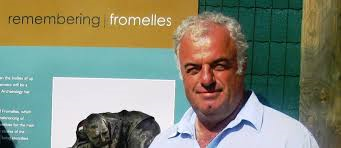
Lambis Englezos attends Newcastle Combined Schools ANZAC Service, commemorating 100 years since Battle of Fromelles

untitled

LAMBIS Englezos, whose research uncovered unmarked war graves in France containing the bodies of 250 soldiers, has been a guest of honour at the Newcastle Combined Schools ANZAC Service.

Retired teacher Mr Englezos joined relatives of Hunter men who fought in Fromelles and 1400 students from 40 Catholic, independent and state schools at the 61st annual service, which was held in the Civic Theatre.

“I have never seen anything like this before,” Mr Englezos said of the service, which focused on the 100th anniversary of the Battle of Fromelles, which took place on the night of July 19, 1916.

The battle was the worst night in the country’s military history and involved 5533 Australian casualties, including 2000 dead and 1336 missing.

“There’s a beautiful creative energy behind all of this. It’s a wonderful initiative to encourage youth to commemorate and remember the service and sacrifice made for this country.”

Artistic director Michelle Gosper said the 60 minute event included elements of a traditional ANZAC service, including laying tributes, a lone piper playing a lament, The Ode of Remembrance, the Last Post, a minute of silence, the Reveille and the national anthem.

But it also included a moving drama performance and musical numbers, The Mothers Song and Fromelles.

“Not many young people have experience with these events and this is a great way for them to learn about the war through stories told in a dramatic and engaging way,” Ms Gosper said.

The service also focused on the story of Mr Englezos, who visited Fromelles in 2002 and realised there was a discrepancy between the lists of the missing and the numbers of unidentified soldiers in surrounding cemeteries. He said his theory the Germans had buried a number of soldiers in unmarked mass graves at Pheasant Wood was met with “active discouragement from official authorities”, but proved to be correct. Of the 250 soldiers found, 144 have been identified, including 11 Hunter men.

Service attendee Reginald Coghlan, 91, praised the event as “marvellous” and “respectful”. He said it brought to life the experience of his late father Edward Joseph Coghlan of Mayfield, who survived Fromelles.

source:theherald.com

Worldwide executions highest since 1989: Amnesty

6721beaaacb547bdb9b7427e0541a771

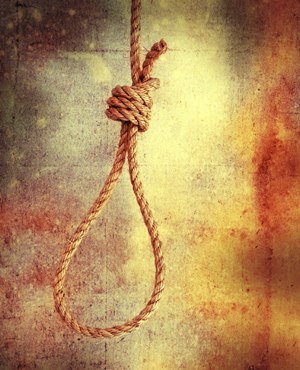
Islamabad – The total number of known executions worldwide rose by more than half last year to 1 634, the highest figure recorded since 1989, Amnesty International said on Wednesday as Pakistan sent three more men to the gallows.

The surge was largely fuelled by Iran, Pakistan and Saudi Arabia, the London-based human rights organisation said in its annual report on death sentences and executions worldwide.

The 1 634 figure does not include China, which is thought to have killed thousands of its own citizens.

Death penalty data is “treated as a state secret” by Beijing, Amnesty said, as it is by Vietnam and Belarus.

//

Recorded executions were up by 54% on 2014’s figure of 1 061.

Just three countries – Iran, Pakistan and Saudi Arabia – were responsible for 89% of the total of 1 634.

“The rise in executions last year is profoundly disturbing,” said Amnesty secretary general Salil Shetty.

“Not for the last 25 years have so many people been put to death by states around the world.

“Iran, Pakistan and Saudi Arabia have all put people to death at unprecedented levels, often after grossly unfair trials. This slaughter must end.”

Pakistan lifted a six-year moratorium on the death penalty following a school massacre by Taliban insurgents in December 2014.

Initially it brought back hanging just for terrorist killings, but later extended it to all capital crimes.

It hanged three convicted murderers including a pair of brothers on Wednesday, a senior prisons official told AFP.

“Over the past year, Pakistan has vaulted to the number three spot for recorded state executions in the world – a shameful position no one should aspire to,” Champa Patel, director of Amnesty’s South Asia office, told AFP, adding the majority were not convicted of terror offences.

Pakistan executed 326 people in 2015 while Saudi Arabia put 158 people to death.

Majority of countries abolitionist

Iran’s execution of at least 977 people is at odds with its opening up to the West after striking a deal with world powers last year on its nuclear ambitions, Amnesty said.

“Western countries are starting to build commercial ties and trade missions,” said James Lynch, Amnesty’s Middle East and North Africa deputy director.

“However, human rights has been absolutely left in the margins,” he told AFP. “That risks undermining all these efforts.”

For the first time ever, the majority of the world’s countries have abolished the death penalty for all crimes.

Fiji, Madagascar, Republic of Congo and Suriname fully abolished the death penalty in 2015, taking the total number of countries to do so to 102.

In China, Amnesty said there were signs that the number of executions had decreased in recent years but it could not verify this.

In August nine crimes were removed from the list of offences punishable by death, bringing the total down to 43.

“Executing several thousand people a year is really very serious and China knows it would be the black sheep of the international community if it was to release the numbers,” Nicholas Bequelin, Amnesty’s East Asia regional director, told AFP.

People were executed in 25 countries in 2015 by beheading, hanging, lethal injection or shooting.

Amnesty said its reports indicated that four people in Iran and at least five in Pakistan were executed for crimes committed when they were aged under 18.

Worldwide, people were sentenced to death or executed for murder, drug-related offences, corruption, armed robbery, adultery, aggravated rape, rape, apostasy, kidnapping and insulting the prophet of Islam.

A total of 28 people were executed in the United States.

Forms of treason, including “acts against national security”, “collaboration” with a foreign entity, “espionage”, “questioning the leader’s policies”, participation in “insurrectional movement” were among those offences worldwide punished with death sentences.

Amnesty recorded a drop in the number of death sentences imposed in 2015 compared to 2014, but said this was partly due to difficulties in corroborating data.

At least 1 998 people were sentenced to death in 61 countries.

At least 20 292 people worldwide were under sentence of death at the end of 2015.

source:news24.com

Ισόπαλες Παρί και Σίτι, η Βόλφσμπουργκ σόκαρε τη Ρεάλ

26A8EEC41B6C0491D8D24883105EA49B

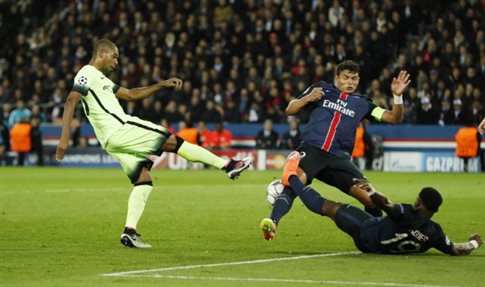
Ένα πολύ όμορφο ματς αντάξιο των ρόστερ που διαθέτουν έδωσαν Παρί Σεν Ζερμέν και Μάντσεστερ Σίτι με τις δύο ομάδες να έρχονται ισόπαλες 2-2 στο «Παρκ Ντε Πρενς» και να αφήνουν ανοιχτούς λογαριασμούς για τον επαναληπτικό του «Ετιχάντ». Από την άλλη πλευρά την έκπληξη της βραδιάς -και όχι μόνο- πραγματοποίησε η Βόλφσμπουργκ κερδίζοντας με 2-0 τη Ρεάλ Μαδρίτης στη Γερμανία. Πλέον η «βασίλισσα» καλείται να βάλει τρία γκολ στο «Σαντιάγκο Μπερναμπέου» για να πάρει την πρόκριση. Ας δούμε αναλυτικά…

Παρί Σεν Ζερμέν – Μάντσετσερ Σίτι 2-2

Σκόρερ των γηπεδούχων οι Ιμπραϊμοβιτς (41΄), Ραμπιό (59΄), ενώ τα γκολ της Σίτι πέτυχαν οι Ντε Μπράιν (38΄), Φερναντίνιο (72΄).

Στο 14ο λεπτό ο Σανιά ανέτρεψε τον Νταβίντ Λουϊς στην περιοχή της Σίτι. Πέναλτι το οποίο ανέλαβε να εκτελέσει ο Ζλάταν Ιμπραϊμοβιτς, όμως ο Χαρτ έπεσε στην δεξιά του γωνία και απέκρουσε. Στο 38΄ οι φιλοξενούμενοι άνοιξαν το σκορ με τον Φερναντίνιο να τροφοδοτεί τον Ντε Μπράιν και τον Βέλγο να πετυχαινει το 0-1.

Η ομάδα του Μάντσεστερ όφειλε να κρατήσει το προβάδισμα μέχρι το ημίχρονο. Ή τουλάχιστον να μην το απωλέσει από μια τόσο μεγάλη ανοησία σαν κι αυτή του Φερνάντο στο 41΄. Ο Βραζιλιάνος πήρε την πάσα του Χαρτ στη γραμμή της περιοχής και προσπάθησε να πασάρει απέναντι με… μεγαλοπρέπεια που δεν ταίριαζε στην περίσταση. Ο Ιμπραϊμοβιτς έβαλε την κόντρα και η μπάλα κατέληξε στα δίχτυα σ΄ένα από τα πιο παράξενα γκολ στην Ιστορία του Champions League.

Η Παρί κυριάρχησε στο β΄ ημίχρονο και έφτασε στο δεύτερο γκολ με τον Ραμπιό στο 59΄. Ο Γάλλος διεθνής απλώς «έσπρωξε» τη μπάλα σε κενή εστία, αφού δεν έγινε αντιληπτό από τους διαιτητές ότι ο Ιμπραϊμοβιτς συμμετείχε στη φάση από θέση οφσάιντ. Μόλις τρία λεπτά μετά, ο Ιμπραϊμοβιτς με κεφαλιά έστειλε τη μπάλα στο δοκάρι.

Στο 72΄ η τύχη χαμογέλασε στη Μάντσεστερ Σίτι, «αποζημιώνοντάς» τη για τη φάση του πρώτου ημιχρόνου. Ο Φερναντίνιο βρέθηκε στην περιοχή και σούταρε χωρίς να τρέφει ιδιαίτερες… φιλοδοξίες, αφού τον δρόμο του έφραζε ο Τιάγκο Σίλβα. Ομως από την κόντρα στον αρχηγό της Παρί, η μπάλα άλλαξε πορεία και κατέληξε… βασανιστικά στα δίχτυα του Τραπ.

Διαιτητής: Μίοντραγκ Μάζιτς (Σερβία)

Κίτρινες: Νταβίντ Λουϊς και Ματουϊντί (χάνουν τη ρεβάνς) – Κλισί, Φερνάντο, Μανγκαλά, Χεσούς Νάβας

ΠΑΡΙ ΣΕΝ ΖΕΡΜΕΝ (Λοράν Μπλαν): Τραπ, Οριέ (78΄ Φαν ντερ Βιλ), Τιάγκο Σίλβα, Νταβίντ Λουίς, Μάξουελ, Τιάγκο Μότα, Ραμπιό (78΄ Λούκας), Ματουϊντί, Ντι Μαρία, Καβάνι, Ιμπραχίμοβιτς.

ΜΑΝΤΣΕΣΤΕΡ ΣΙΤΙ (Μανουέλ Πελεγκρίνι): Χαρτ, Σανιά, Μανγκαλά, Οταμέντι, Κλισί, Φερναρντίνιο, Φερνάντο, Νάβας, Ντε Μπράιν (77΄ Ντελφ), Σίλβα (89΄ Μπονί), Αγουέρο (90+3΄ Κολάροφ).

Βόλφσμπουργκ – Ρεάλ Μαδρίτης 2-0

Στο 18΄ ο Ντανίλο ανέτρεψε τον Σούρλε παραχωρώντας πέναλτι και δίνοντας τη μεγάλη ευκαιρία στους γηπεδούχους να ανοίξουν το σκορ. Οπερ και εγένετο, με τον Ρικάρντο Ροντρίγκεζ να ευστοχεί από τη βούλα, υποχρεώνοντας τον Κέιλορ Νάβας να μαζέψει τη μπάλα από τα δίχτυα του μετά από 738 λεπτά στο Champions League.

Επτά λεπτά αργότερα, στο 25΄, η σέντρα του Ενρίκε βρήκε στην κίνηση τον Αρνολντ ο οποίος έγραψε το 2-0.

Η Ρεάλ είχε έναν Γολγοθά θα ανεβεί, καθώς ποτέ στην ιστορία της στη διοργάνωση, δεν είχε καταφέρει να ανακάμψει όταν βρέθηκε πίσω στο σκορ με διαφορά δύο γκολ. Δεν «βλεπόταν» η «Βασίλισσα» απόψε και η εικόνα της δεν είχε την παραμικρή σχέση με αυτήν που της χάρισε τη νίκη στο «Καμπ Νου» στο «Κλάσικο» του περασμένου Σαββάτου.

Κι όταν στο 73΄ ο Μπενάλιο «έβγαλε» το τετ-α-τετ με τον Κριστιάνο Ρονάλντο, η Βόλφσμπουργκ άρχισε να πιστεύει περισσότερο στην έκπληξη. Μια ομάδα που ποτέ δεν έχει συμμετάσχει ποτέ σε ημιτελικούς Ευρωπαϊκής διοργάνωσης, βρίσκεται ενώπιον της μεγαλύτερης πρόκλησης της Ιστορίας της, μαζί με το Πρωτάθλημα Γερμανίας που κατέκτησε το 2009.

Πρέπει όμως να διαφυλάξει αυτό το σκορ στις 12 Απριλίου στο «Σαντιάγκο Μπερναμπέου» και η αποστολή της δεν είναι καθόλου εύκολη.

Διαιτητής: Τζανλούκα Ρόκι (Ιταλία)

Κίτρινες: Μπενάλιο, Βιεϊρίνια, Λουϊς Γκουστάβο, Αρνολντ – Μπέιλ

ΒΟΛΦΣΜΠΟΥΡΓΚ (Ντίτερ Χέκινγκ): Μπενάλιο, Βιεϊρίνια, Νάλντο, Ντάντε, Ρικάρντο Ροντρίγκεθ, Γκιλαβονγκί, Λουίζ Γκουστάβο, Άρνολντ, Μπρούνο Ενρίκε (80΄ Τρας), Ντράξλερ (90+3΄ Σάφερ), Σέρλε.

ΡΕΑΛ ΜΑΔΡΙΤΗΣ (Ζινεντίν Ζιντάν): Κέιλορ Νάβας, Ντανίλο, Πέπε, Σέρχιο Ράμος, Μαρσέλο, Καζεμίρο, Μόντριτς (64΄ Ισκο), Κρόος (85΄ Χάμες Ροντρίγκες), Μπέιλ, Κριστιάνο Ρονάλντο, Μπενζεμά (41΄ Χεσέ).

Συνοπτικά το πρόγραμμα των προημιτελικών, με ώρα έναρξης στις 21:45:

ΤΡΙΤΗ
Μπάγερν Μονάχου (Γερμανία)-Μπενφίκα (Πορτογαλία) 1-0
Μπαρτσελόνα (Ισπανία)-Ατλέτικο Μαδρίτης (Ισπανία) 2-1

ΤΕΤΑΡΤΗ
Παρί Σεν Ζερμέν (Γαλλία)-Μάντσεστερ Σίτι (Αγγλία) 2-2
Βόλφσμπουργκ (Γερμανία)-Ρεάλ Μαδρίτης (Ισπανία) 2-0

*Οι ρεβάνς θα διεξαχθούν στις 12 και 13 Απριλίου

Πηγή:in.gr

Aυστραλία:Εξηγήσεις για την χρήση του όρου “Μακεδονία”

papanmak

Ζητά η Παμμακεδονική από τους Ελληνοαυστραλούς βουλευτές.

Η Παμμακεδονική Ένωση Μελβούρνης και Βικτωρίας συνεχίζει τον αγώνα της στο θέμα χρήσης του ονόματος «Μακεδονία» στην Αυστραλία, θέμα που άνοιξε με δηλώσεις του στο «Νέο Κόσμο» ο νέος πρόεδρός της, Παναγιώτης Ιασωνίδης.

Ζητά τώρα από τους επτά ομοσπονδιακούς και τους 19 πολιτειακούς βουλευτές ελληνικής καταγωγής να επιδείξουν μεγαλύτερη ευαισθησία στο θέμα του ονόματος.

«Έχουμε κάποιους ενδοιασμούς για ορισμένους ομογενείς βουλευτές που έχουν χρησιμοποιήσει τον όρο ‘Μακεδονία’ παράτυπα και ενάντια στις αποφάσεις του ΟΗΕ αλλά κατά της ευαισθησίας των Ελληνοαυστραλών στο θέμα αυτό» είπε, σε νέες του δηλώσεις στον «Ν.Κ.», ο κ. Ιασωνίδης.

«Μέχρι στιγμής, δύο βουλευτές απάντησαν ότι δεν έχουν χρησιμοποιήσει ποτέ τον όρο, αλλά περιμένουμε και από τους υπόλοιπους να πάρουν θέση μέσα στις επόμενες τέσσερις εβδομάδες».

Η επιστολή στάλθηκε στις 28 Μαρτίου σε μια περίοδο που η Αυστραλία πιθανότατα θα οδηγηθεί σε εκλογές, ίσως και τον Ιούλιο.

Ο πρόεδρος της Παμμακεδονικής προειδοποίησε, ότι ο ελληνισμός της Αυστραλίας χρειάζεται να πληροφορηθεί ποιοι είναι αυτοί οι βουλευτές που ονομάζουν την ΠΓΔΜ ως «Μακεδονία» και ότι θα δημοσιοποιηθούν τα βουλευτικά ονόματα κι αυτών που απάντησαν κι εκείνων που παρέλειψαν να απαντήσουν στην επιστολή της Παμμακεδονικής.

Ξεκαθάρισε, πάντως, ότι δεν θέλει να ξεκινήσει πόλεμο με τους βουλευτές, απλώς ζητά να ξεκαθαρίσουν τα πράγματα μια και καλή. «Υπάρχουν βουλευτές που το παίζουν ‘δίπορτο’: στην ελληνική ομογένεια λένε κάτι και, κατόπιν, στα εκλογικά τους γραφεία και σε διάφορες δημόσιες εμφανίσεις τους, τα λένε αλλιώς».

Η Παμμακεδονική στην επιστολή της αναφέρει ότι οι σημερινές καλές σχέσεις Αυστραλίας και Ελλάδας βασίζονται και στο γεγονός ότι η αυστραλιανή κυβέρνηση έχει αναγνωρίσει την χώρα με την ονομασία «πρώην Γιουγκοσλαβική Δημοκρατία της Μακεδονίας» το 1994, κάτι που ισχύει μέχρι και σήμερα.

ΑΝΤΙΔΡΑΣΕΙΣ ΑΠΟ ΤΑ ΜΜΕ

Στην πρώτη επιστολή στο Συμβούλιο Τύπου (Australian Press Council), στην Αρχή Επικοινωνίας και Μέσων Μαζικής Ενημέρωσης (Australian Communication and Media Authority) και σε όλα τα ΜΜΕ της χώρας ζητούσε από τους δημοσιογράφους να σεβαστούν τα Ψηφίσματα του ΟΗΕ και την επίσημη θέση της αυστραλιανής κυβέρνησης, να σταματήσουν να αποκαλούν την γείτονα προς την Ελλάδα χώρα ως «Μακεδονία».

Στην επιστολή εκείνη έχουν υπάρξει αντιδράσεις, αλλά ο κ. Ιασωνίδης δεν ανέφερε από ποια μέσα. «Μας διαβεβαίωσαν ότι χρησιμοποιούν τον όρο ‘Μακεδονία’ απλά και μόνο ως συντομολογία και όχι επειδή υποστηρίζουν το αίτημα του κρατιδίου για καθολική χρήση του ονόματος όπως υπάρχει στο Σύνταγμά του. Χρέος μας είναι να τους ενημερώσουμε για ποιους λόγους δεν πρέπει να συνεχίσουν να την χρησιμοποιούν».

Ο κ. Ιασωνίδης επισημαίνει ότι τα μέσα αγνοούν ή δεν κατανοούν το πόσο ευαίσθητο παραμένει το θέμα αυτό για την ελληνική κοινότητας της Αυστραλίας.

Η Παμμακεδονική έχει συστήσει επιτροπή συμπαροίκων που έχουν επιφορτιστεί με το να παρακολουθούν τον τρόπο με τον οποίο τα μέσα ενημέρωσης κάθε Πολιτείας αποκαλούν την ΠΓΔΜ.

Πηγή:Νέος Κόσμος

Barcelona 2-1 Atletico Madrid UEFA Champions League RESULT: Luis Suarez double helps hosts come from behind

untitled

Luis Suarez kept Barcelona in the Champions League with his 44th and 45th goals of the season after Fernando Torres scored and then got himself sent off in dramatic quarter-final first leg.

Torres walked after 35 minutes for a second bookable offence having put Atletico Madrid into the lead. Suarez got the goals that turned the tie on its head but could easily have followed Torres down the tunnel after a wild kick out at Juanfran that was missed by referee Felix Brych.

Barcelona lost their first game in 40 matches at the weekend and they were made to work for their win by Diego Simeone’s side who have given themselves a chance to make the semi-finals with Torres’ away goal.

source:dailymail.co.uk

Οι μεγαλύτεροι γορίλες του κόσμου θύματα των εμφυλίων και των κινητών

3A436976060C222A27ED6A859D96D4AF

Κύρια απειλή για το υποείδος είναι σήμερα τα παράνομα ορυχεία κολτανίου

Λόγω των εμφυλίων στη Ρουάντα και το Κογκό, αλλά και της τεράστιας ζήτησης για ένα μετάλλευμα που χρησιμοποιείται στις σύγχρονες ηλεκτρονικές συσκευές, το μεγαλύτερο υποείδος γορίλα βρίσκεται πλέον «υπό καταστροφική κατάρρευση», προειδοποιεί έκθεση των οργανώσεων που παρακολουθούν την κατάσταση.

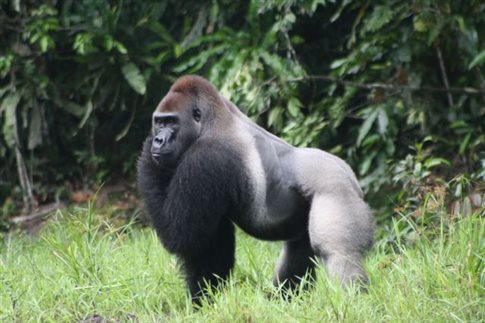
Το 1995, λίγο μετά την έναρξη της γενοκτονίας στη Ρουάντα, εκτιμάται ότι υπήρχαν περίπου 17.000 γορίλες του Γκράουερ (Gorilla beringei graueri), γνωστοί και ως «πεδινοί ανατολικοί γορίλες».

Σήμερα, ο πληθυσμός έχει συρρικνωθεί στα περίπου 3.800 άτομα, εμφανίζοντας «σοκαριστική κατάρρευση» κατά 77%, αναφέρουν στην έκθεσή τους οι οργανώσεις Wildlife Conservation Society και Fauna & Flora International.

Ο γορίλας του Γκράουερ είναι το πιο μεγαλόσωμο από τα τέσσερα υποείδη γορίλα, με τα αρσενικά να φτάνουν μέχρι τα 200 κιλά. Επιζεί σήμερα μόνο σε δάση χαμηλού υψομέτρου στα ανατολικά της Λαϊκής Δημοκρατίας του Κονγκό.

Οι συντάκτες της έκθεσης εκτιμούν ότι η κατάσταση είναι τόσο κρίσιμη ώστε επιβάλλει την ένταξη του γορίλα του Γκράουερ στα είδη της επίσημης Κόκκινης Λίστας που αντιμετωπίζουν «κρίσιμο κίνδυνο» εξαφάνισης.

Η παρακμή του υποείδους ξεκίνησε με τον εμφύλιο της Ρουάντα, ο οποίος οδήγησε εκατοντάδες χιλιάδες πρόσφυγες στη γειτονική Λαϊκή Δημοκρατία του Κογκό (ΛΔΚ). Αυτό οδήγησε με τη σειρά του στον εμφύλιο της ΛΔΚ που ξέσπασε το 1996 και συνεχίστηκε μέχρι το 2005. Πέρα από τους περίπου 5 εκατομμύρια νεκρούς, η σύρραξη είχε καταστροφικές συνέπειες για τα οικοσυστήματα της περιοχής, γνωστά για την μεγάλη βιοποικιλότητά τους.

Ήταν σίγουρα δύσκολο για τους ερευνητές να εξερευνήσουν το επικίνδυνο ανατολικό Κογκό και να καταμετρήσουν τους γορίλες. Οι εκτιμήσεις τους πάντως δείχνουν να επιβεβαιώνουν τους χειρότερους φόβους τους.

Σήμερα, λέει η έκθεση, κύρια αιτία για τη μείωση του πληθυσμού είναι τα παράνομα ορυχεία κολτανίου, ενός μεταλλεύματος που περιέχει τα σπάνια μέταλλα ταντάλιο και νιόβιο, απολύτως απαραίτητα στη βιομηχανία υπολογιστών, κινητών και άλλων συσκευών.

Τα περισσότερα παράνομα ορυχεία, εξηγούν οι ερευνητές, βρίσκονται σε απομονωμένες περιοχές, κάτι που αναγκάζει τους μεταλλωρύχους να κυνηγούν την τροφή τους. Οι γορίλες είναι σχετικά εύκολος στόχος καθώς κινούνται κατά ομάδες και δεν απομακρύνονται πολύ από τις περιοχές τους.

Οι συντάκτες της έκθεσης προτείνουν μέτρα που θα μπορούσαν να ληφθούν για τη βελτίωση της κατάστασης, όπως για παράδειγμα η νομική οριοθέτηση προστατευόμενων περιοχών, ο αφοπλισμός ένοπλων ομάδων που δρουν στην περιοχή, η εξεύρεση εναλλακτικών πηγών εισοδήματος για τους ντόπιους πληθυσμούς αλλά και η άσκηση πίεσης στους κατασκευαστές ηλεκτρονικών συσκευών.

Παρά την κατάρρευση του πληθυσμού του, πάντως, ο γορίλας του Γκράουερ δεν είναι το σπανιότερο υποείδος γορίλα.

Ο συνολικός πληθυσμός του ορεσίβιου γορίλα (Gorilla beringei beringei), ενός από τα σπανιότερα και πλέον απειλούμενα πρωτεύοντα θηλαστικά του κόσμου, δεν ξεπερνά τα 900 άτομα.

Πηγή:in.gr

Ρεκόρ 120ετίας οι μη Αυστραλογεννημένοι

pabirths

6,7 εκατ. κάτοικοι της χώρας δεν έχουν γεννηθεί εδώ

Ο αριθμός των παιδιών που έχουν γεννηθεί στο εξωτερικό και ζουν στην Αυστραλία είναι ο μεγαλύτερος εδώ και 120 χρόνια. Μόνο την τελευταία δεκαετία, τριπλασιάστηκε ο αριθμός των ατόμων που ζουν στη χώρα και γεννήθηκαν στην Ινδία.

Το ποσοστό των κατοίκων Αυστραλίας που γεννήθηκαν στο εξωτερικό αυξάνεται κάθε χρόνο τα τελευταία 15 χρόνια. Έτσι, τον Ιούνιο του 2015, το 28,2% ή 6.7 εκατ. κάτοικοι της χώρας, ήταν μη αυστραλογεννημένοι. Την τελευταία φορά που συνέβη κάτι παρόμοιο ήταν τον 19ο αιώνα.

Το 5,1% (ή 1.2 εκατ.) των κατοίκων Αυστραλίας γεννήθηκαν στη Μεγάλη Βρετανία. Εκείνοι που γεννήθηκαν στη γειτονική Νέα Ζηλανδία αποτελούν το 2,6% του πληθυσμού της χώρας. Και ακολουθούν κάτοικοι γεννημένοι στην Κίνα (2%), την Ινδία (1,8%) και τις Φιλιππίνες (1%) και το Βιετνάμ (1%).

Τα στοιχεία που δημοσίευσε πρόσφατα η Στατιστική Υπηρεσία, δείχνουν ότι όλο και περισσότεροι κάτοικοι άλλων Πολιτειών μεταναστεύουν στη Βικτώρια. Την τελευταία χρονιά (2014-2015), ο πληθυσμός της Πολιτείας αυξήθηκε κατά 10.200 άτομα που κυρίως προήλθαν από άλλες Πολιτείες.

Πηγή:Νέος Κόσμος

Lagarde to Tsipras: the IMF is not pushing Greece to default

lagarde

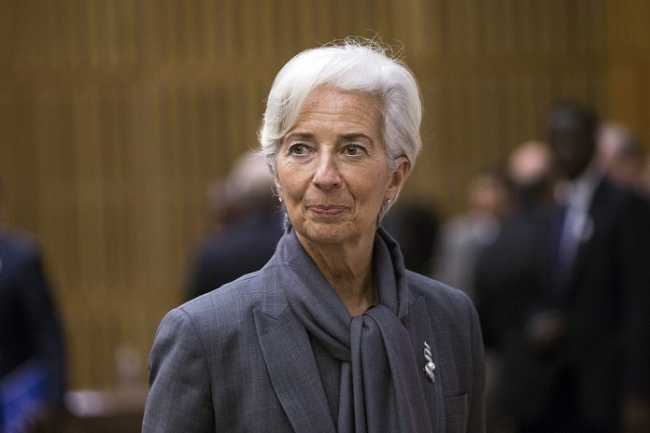
In a dry letter to the Greek Prime minister, the director of the International Monetary Fund dismisses the content of the WikiLeaks transcript as “nonsense”.

Relationships between Greece and the International Monetary Fund are strained, casting a shadow on the talks currently taking place in Athens between the Greek Finance Ministry and the EU/IMF lenders regardeng Greece’s fiscal and reform progress,  aiming to conclude a bailout review that will unlock further loans and pave the way for negotiations on long-desired debt restructuring. The review has been stalling since January due to disagreement among the lenders over the estimated size of Greece’s fiscal gap by 2018; another cause of delay is the Greek stance on pension reforms and the management of bad loans.

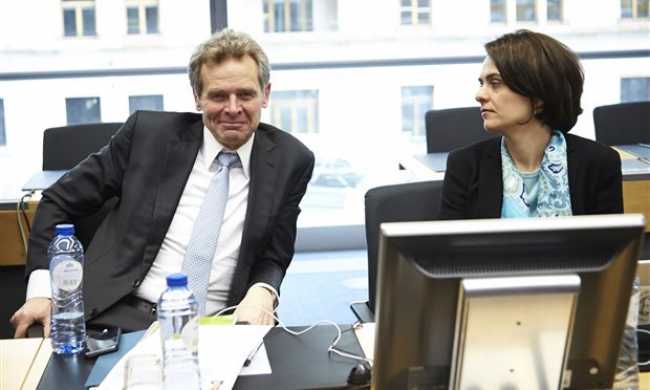
Negotiations resumed on Monday at the Hilton hotel, just two days after a WikiLeaks publication of key IMF officials discussing the stalled talks. In the document, Poul Thomsen, head of the IMF’s European Department and Delia Velculescu, the IMF Mission Chief for Greece discuss a potential Greek default in June, co-inciding with the United Kingdom’s referendum on leaving the European Union, that could be used as leverage not only to persuade Greece to proceed with the long-overdue reforms and further implement austerity measures, but also to persuade Germany and the European Union to concede to a debt relief for Greece.

The revelation was met with a combination of fury and incredulity in Greece. The Greek government reacted swiftly, with the Greek PM, Alexis Tsipras, sending a letter to the IMF head, expressing his concerns and asking “whether [Thomsen and Velculescu’s] position reflects the official IMF view”, as well as wether “Greece can trust, and continue negotiating in good faith with, IMF officials who express views such as those expressed in these publications”.

Christine Lagarde responded with a carefully worded letter, in which she dismisses “any speculation that IMF staff would consider using a credit event as a negotiating tactic” as ” simply nonsense”, although she does not deny the authenticity of the leaked discussion. The Fund’s Managing director went on to offer her support to the IMF officials handling the Greek bailout program, stating that “For them to be able to do their work, […] it is critical that your authorities ensure an environment that respects the privacy of their internal discussions and take all necessary steps to guarantee their personal safety”. This phrase is believed to be a thinly veiled accusation towards the Greek goverment as being the source of the leak. Furthermore, in a symbolic gesture, Christine Lagarde released the letter on the IMF website, as a means to underline that ” the IMF conducts its negotiations in good faith, not by way of threats, and we do not communicate through leaks”.

As for the current state of negociations Christine Lagarde, in her letter, wrote: “we are still a good distance away from having a coherent program that I can present to our Executive Board. I have on many occasions stressed that we can only support a program that is credible and based on realistic assumptions, and that delivers on its objective of setting Greece on a path of robust growth while gradually restoring debt sustainability”. In this aspect,  she repeated her view that “if it were necessary to lower the fiscal targets to have a realistic chance of them being fully met, there would be an attendant need for more debt relief”.

The European institutions that are taking part in the bailout have been reluctant to discuss debt relief, mainly due to Germany, which is very eager to keep the IMF in the Greek program, mainly for internal political reasons, but it is adamant that a debt haircut is out of the question. Asked to comment on the leaked discussion between the IMF officials. concerning the progress of the evaluation of third Greek bailout deal, a spokesperson of the German Finance Minister, Wolfgang Schäuble, stated: “For us, these talks don΄t exist”. German Chancellor Angela Merkel is due to meet Lagarde in Berlin today, and the leaked discussion is expected to overshadow any other issue in their agenda.

Meanwhile, in Athens, the Greek goverment is trying to press for the lenders to wrap up the review by the time of the next Eurogroup on April 22. The next set of talks are due to take place on Wednesday but in the meantime the Greek side is expected to provide its proposals for the 1% of GDP in measures that it believes can close the fiscal gap by 2018, as well as pension reform, the sale of nonperforming loans and the creation of a new fund for the privatisations of Greek assets. The Troika representatives are due to leave Greece on April 12 for the IMF’s Spring Meetings in Washington.

“The strategy of stalling negotiations, in order to create the circumstances of a credit event in Greece, just before the UK referendum is, indeed, nonsense”, stated Alexis Tsipras, after a meeting on the process of negotiations, responding to Christine Lagarde’s letter. “It is the kind of nonsense that we all have a duty to avert”, he added.

source:neos kosmos

The IMF plot to usher Greece towards bankruptcy

poul-delia

Poul Thomsen, the head of the IMF’s European Department, and Delia Velkouleskou, the IMF Mission Chief for Greece, were intercepted while plotting to create a credit event for Greece to happen in June.

Wikileaks publishes a transcript of private discussions between senior IMF officials, in which default is presented as leverage in debt relief talks

A plan to further destabilise the already frail Greek economy, paving the country’s way to default, was revealed on Saturday, when WikiLeaks published the transcript of an intercepted teleconference between the top two International Monetary Fund officials in charge of managing the Greek debt crisis.

In what reads as a page torn from the script of “House of Cards”, Poul Thomsen, head of the IMF’s European Department and Delia Velculescu, the IMF Mission Chief for Greece discuss a potential Greek default in June, co-inciding with the United Kingdom’s referendum on leaving the European Union, that could be used as leverage not only to persuade Greece to proceed with the long-overdue reforms and further implement austerity measures, but also to persuade Germany and the European Union to concede to a debt relief for Greece.

Debt relief has been a cause of strife among the members of the Troika (composed of the IMF, European Commission and the European Central Bank). Last August, the IMF had threatened to withdraw from participating in the €86 billion Greek bailout, which was covered by EU member states. IMF Chief Christine Lagarde stated at the time that the IMF’s future participation was contingent on Greece receiving “significant debt relief” from creditors, not only to help the economy, but also because the Greek government is politically constrained in carrying out all the austerity needed to begin improving its tattered finances. On their part, the uropean members of the Troika – specifically Germany – refused to discuss this option.

In his presentation of the leaked discussion, Julian Assange, the founder of WikiLeaks, who is stranded in the Embassy of Ecuador in London, states that for the IMF to remain in the Troika “seems an increasingly hard sell internally for the IMF, because non-European IMF creditor countries view the IMF’s position on Greece as a violation of its policies elsewhere of not making loans to countries with unsustainable debts”. An I.M.F. exit would put the bailout in jeopardy and raise the risk of a Greek default in July, when Athens must repay a large loan. The I.M.F. has leverage in pressing Germany to agree, given that the German Parliament might not agree to release funds to Greece unless the I.M.F. participates in the program. But Wolfgang Schäuble, Germany’s finance minister, sees “no argument” for acceding to the I.M.F.’s demands.

The intercepted discussion highlights the way the IMF is trying to surpass this dead end; in the transcripts, the two officials argue that the threat of an imminent financial catastrophe is needed to force the other players into a “decision point”. For Germany, on debt relief, and In the case of Greece, to accept the IMF’s austerity “measures,” — including raising taxes and cutting Greek pensions and working conditions. “However, the UK “Brexit” referendum on 23 June will
paralyse European decision making at the critical moment”, estimates Assange. One of the tactics used by the IMF is stalling; Thomsen and Velculescu are heard strategising whether to suppress the IMF’s next report on whether Greek debt is sustainable, thus delaying the next stage of the bailout.

“In the past there has been only one time when the decision has been made and then that was when [the Greeks] were about to run out of money seriously and to default”, says Thomsen in the leaked document, continuing: “And possibly this is what is going to happen again. In that case, it drags on until July, and clearly the
Europeans are not going to have any discussions for a month before the Brexits…” That could pose problems for whether Greece receives financial aid from the bailout in time to meet its July debt repayments.

The IMF official is also stating a hypothetic approach towards German Chancellor, Angela Merkel, presenting her with an arm-twisting dilemma: “you have to think about what is more costly, to go ahead without the IMF […], or [to] pick the debt relief that we think that Greece needs in order to keep us on board?”

Apart from the question of debt relief, another point of frustration, between the IMF and the uropean creditors, is in regard to the Greek Primary Government Budget Surplus target. The European Comission has set a goal of a surplus of 3.5% of GDP, while the IMF has been campaigning for a – more viable – goal of 1,5%. As Thomsen puts it, “if [Greece] come around to give us 2.5% [of GDP in tax hikes and pension-wage-benefits cuts]… we should be fully behind them.” — meaning that the IMF would, in exchange for this fresh austerity package, support the reduction of the Primary Surplus Target imposed upon them from the 3.5% that the European Commission insists on to 1.5%.

The discussion also implies that the IMF has found itsefl in a weakend position; Velculescu argues that “if [the Greek government] get pressured enough, they would… But they don’t have any incentive and they know that the Commission is willing to compromise, so that is the problem. […] We went into this negotiation with the wrong strategy, because we negotiated with the Commission a minimal position and we cannot go further [whereas] the Commission is just starting from this one and is willing to go much further. So, that is the problem. We didn’t negotiate with the Commission and then put to the Greeks something much worse, we put to the Greeks the minimum that we were willing to consider and now the Greeks are saying [that] we are not negotiating.”

The WikiLeaks revelation was met with outrage by the Greek government; after an emergency session on Saturday to discuss the mplications, the government spokesperson issued a statement, asking the IMF for  explenations “whether pursuing the creation of bankruptcy conditions in Greece, just before the British referendum, is the fund’s official position”. Alexis Tsipras himself addressed a letter to Christine Lagarde, expressing his concerns. The I.M.F. declined to comment on the WikiLeaks transcript and the accusations that it is trying to “politically destabilize Europe.”

The publication of the discussion has stirred debate in Greece; Critics of the Tsipras administration claim that the government itself leaked the transcript and is trying to gain momentum, in order to justify delays on reforms. Tsipras supporters see it as a vindication of last year’s negotiations. Most analysts and observers, both inside Greece and outside, are shocked with the cynicism. “It is the whole of Europe that the IMF is conspiring to hit with the shock doctrine”, writes Paul Mason, a journalist who covered last year’s negotiations for British media outlets, stating that it is the European Commission and the European Central Bank that are holding the €300bn of Greek debt. According to the New York Times, the leak “exposed the fraught behind-the-scenes political machinations that have led to a deadlock on how to deal with a country still regarded as Europe’s weakest link”.

The overall feeling is one of fury and incredulity. The idea that the IMF is planning to inflict  a “credit event” that will force Greece to the edge of bankruptcy, is troubling, especially given that Greece is a nation holding tens of thousands of refugees and tasked with a highly complex international border policing mission. Poul Thomsen said in the intercepted discussion that he had expected the refugee crisis in Greece to have pushed creditors to reach an agreement on debt relief quickly. After all, the country has become Europe’s holding pen for more than 50,000 migrants since European countries shut their borders, preventing asylum seekers from reaching their preferred destination of Germany. Greece has been struggling to cope with a deteriorating situation, including riots in refugee camps and the beginning of a European Union program requiring the mass deportation of refugees from Greek islands starting on Monday.

source:neos kosmos