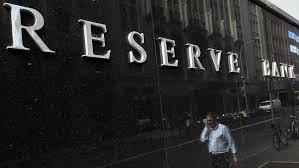
In a move that could usher in mortgage rates below 4 per cent for the first time in generations, the Reserve Bank has cut its official interest rate to a new low of 2 per cent to bolster economic growth and weaken a resurgent Australian dollar.
A week before the government is expected to reveal a blowout in borrowing and spending, the RBA has signalled it believes the economy is weakening and requires further stimulus.
“At today’s meeting, the board judged that the inflation outlook provided the opportunity for monetary policy to be eased further, so as to reinforce recent encouraging trends in household demand,” Reserve Bank of Australia governor Glenn Stevens said in a statement.
The bank said falling commodity prices, weak business investment and subdued government spending were dragging on the economy.
“The economy is therefore likely to be operating with a degree of spare capacity for some time yet,” governor Stevens said.
He added that although the Australian dollar had dropped noticeably against the US dollar it would have to fall further because of the large declines in commodity prices.
The Australian dollar, meanwhile, gained around a third of a US cent after the cut to the cash rate, amid speculation the central bank’s easing bias has ended.
There were no indications in the RBA’s short statement that it was looking to cut the cash rate further.
The currency dropped from US78.54c to US77.95c shortly after the RBA’s decision was announced at 2:30pm (AEST), but quickly rebounded to US78.83c.
The rebound appears to be linked to the lack of any interest rate outlook in the statement accompanying the decision, which economists have taken as a signal that the central bank may be unwilling to cut further.
The sharemarket responded in a similar way, rallying in the immediate aftermath of the decision to be more than 1 per cent higher, before giving back those gains.
As of 2:40pm (AEST), the S&P/ASX 200 was 19.2 points higher at 5846.9 points, around the same level it was prior to the announcement.
While the jobs outlook has improved since the board met a month ago — the unemployment rate fell to 6.1 per cent in March — concerns about a growth slowdown remain.
The central bank is expected to trim its economic growth forecasts when its quarterly update is released on Friday.
Nevertheless, the widely expected decision — almost all economists surveyed by Bloomberg in advance of the decision expected the bank to cut today — risks fuelling further investor demand for housing, pushing prices even higher in the hot Sydney and Melbourne markets.
“Dwelling prices continue to rise strongly in Sydney, though trends have been more varied in a number of other cities. The bank is working with other regulators to assess and contain risks that may arise from the housing market,” the RBA statement said.
In other asset markets, prices for equities and commercial property had been supported by lower long-term interest rates, the statment said.
“The RBA is in a tough position, aiming to drag the Australian dollar lower and stimulate economic growth without adding more fuel to housing market demand,” said Tim Lawless, head of research at RP Data, which monitors house prices.
“Potentially we may start to see stronger housing market conditions in cities like Brisbane and Adelaide where capital gains have been relatively muted over the past two cycles of growth,” he added.
Sydney’s dwelling values are up 14.5 per cent over the past 12 months while prices are almost 7 per cent higher in Melbourne. The other capitals are growing by less than 2.5 per cent a year.
The Australian dollar has increased in value more than US2.5c to around US78.5c since early April, following concerns that a sputtering US economic recovery would dissuade the US Federal Reserve from lifting interest rates there as previously flagged.
Weak annual inflation of 1.3 per cent over the year to March — well below the RBA’s 2 per cent to 3 per cent target range — and ongoing falls in mining investment and key export prices provide the board with the scope to cut rates further. Investors are expecting one further cut before the end of the year, bringing official rates to 1.75 per cent.
source:theaustralian.com











 STUDIO 3 NEWCASTLE AUSTRALIA