Daily Archives: May 4, 2015

Αυστραλία:Nέοι φόροι ακίνητης περιουσίας για τους ξένους επενδυτές

paTaxes2

Ο υπουργός Οικονομίας της Βικτώριας, Tim Pallas, ανακοίνωσε τις προθέσεις της κυβέρνησης το Σάββατο. Φώτο: AAP/Tracey Nearmy

$330 εκατ. στα δημόσια ταμεία τα επόμενα 4 χρόνια – Στα $14 δις έφτασαν οι ξένες επενδύσεις στα ακίνητα της Βικτώριας.

Οι ξένοι επενδυτές ακινήτων θα πληρώσουν, όχι έναν, αλλά δύο φόρους και θα περιλαμβάνονται στον πρώτο προϋπολογισμό της Εργατικής κυβέρνησης του Daniel Andrews που θα κατατεθεί επισήμως προς ψήφιση αύριο Τρίτη στη Βουλή.

Οι δύο φόροι αφορούν τον κλάδο των ακινήτων και είναι πιθανόν να αποτρέψουν τις διεθνείς επενδύσεις στη Βικτώρια, καθώς και την κατασκευή νέων κατοικιών. Η πολιτειακή κυβέρνηση θα βάλει στα ταμεία της $330 εκατ. περίπου σε διάστημα τεσσάρων ετών.

Σύμφωνα με τα τελευταία επίσημα στοιχεία (Foreign Investment Review Board), οι ξένες επενδύσεις στα ακίνητα της Βικτώριας έφτασαν τα $14 δις το τελευταίο οικονομικό έτος, από μόλις $5.8 δις του προηγούμενου.

Μάλιστα, ο αριθμός των ξένων επενδυτικών εγκρίσεων υπερδιπλασιάστηκε την περίοδο 2014-15.Η Κίνα παραμένει ο μεγαλύτερος αγοραστής ακινήτων της Αυστραλία, με αγορές αξίας $12.4 δις την περίοδο 2013-14 από μόλις $ 5.9 δις το 2012-13.

ΟΙ ΦΟΡΟΙ ΑΝΑΛΥΤΙΚΑ

Ο πρώτος φόρος θα αφορά ξένους υπηκόους που αγοράζουν κατοικίες, διαμερίσματα και οικόπεδα στη Βικτώρια. Θα είναι 3% επί της αξίας της αγοράς και θα εφαρμοστεί από την 1η Ιουλίου. Ο άλλος φόρος ακίνητης περιουσίας αφορά και πάλι αλλοδαπούς επενδυτές που έχουν ήδη αγοράσει νέες και υφιστάμενες κατοικίες, θα εφαρμοστεί από το 2016 και θα είναι 0.5% επί της αξίας της γης όπου είναι χτισμένη η κατοικία.

Ο φόρος αυτός σχετίζεται με την εκστρατεία καταστολής των παράνομων επενδύσεων στη χώρα μας που ξεκίνησε η κυβέρνηση Abbott.

Σύμφωνα με το υπάρχον νομοθετικό καθεστώς δεν επιτρέπεται στους ξένους επενδυτές να αγοράσουν υπάρχουσες κατοικίες. Οι κυρώσεις θα φτάνουν έως και τα τρία χρόνια φυλάκιση και το πρόστιμο θα ανέβει στα $127.500 για μεμονωμένες επενδυτές και τα $637.500 για τις επιχειρήσεις.

Η κυβέρνηση θα εφαρμόσει το νέο καθεστώς την 1η Δεκεμβρίου. Νωρίτερα φέτος η ομοσπονδιακή κυβέρνηση ανακοίνωσε ότι οι ξένοι επενδυτές ακινήτων θα πληρώνουν $5000 για ακίνητα αξίας κάτω από $1 εκατ. και $10,000 για κάθε επιπλέον $ 1 εκατ. Οι μόνιμοι κάτοικοι Αυστραλίας και οι Νεοζηλανδοί υπήκοοι εξαιρούνται των ρυθμίσεων. Ο κ. Abbott δήλωσε ότι θα πρέπει να υπάρξει μεγαλύτερος έλεγχος γύρω από τις ξένες επενδύσεις.

«ΕΙΝΑΙ ΔΙΚΑΙΟΙ»

Ο υπουργός Οικονομίας της Βικτώριας, Tim Pallas, δήλωσε ότι οι νέοι αυτοί φόροι στα ακίνητα είναι δίκαιοι, αφού ακόμα και το Ινστιτούτο Ακινήτων της Βικτώριας υποστήριξε την κυβερνητική πρωτοβουλία αναφέροντας ότι δεν θα επηρεάσουν την αγορά, ότι είναι «λογικοί» και «κατάλληλοι».
Ωστόσο, εμπειρογνώμονες της αγοράς υποστηρίζουν ότι οι φόροι θα μπορούσαν να είναι αποτρεπτικοί παράγοντες περαιτέρω ξένων επενδύσεων στη χώρα, αλλά τους χαρακτηρίζουν λογικούς.

Ο αρχηγός της αντιπολίτευσης, Matthew Guy, είπε ότι η εφαρμογή των νέων φόρων θα είναι δύσκολη υπόθεση και ότι τελικά δεν πρόκειται να αποδώσουν.

Πηγή:Νέος Κόσμος

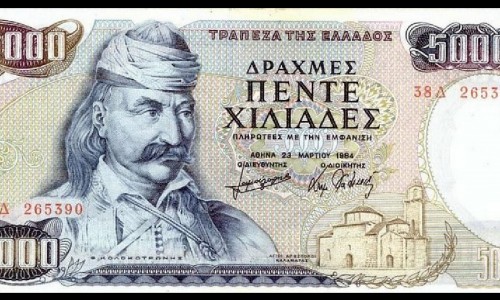
Ναι ρε, ΔΡΑΧΜΗ! Διαβάστε και κοινοποιήστε το να ξυπνήσει κόσμος

5000-500x300

Στο δίλημμα “ευρώ ή δραχμή” θα μπορούσα να απαντήσω μονολεκτικά λέγοντας: ΔΡΑΧΜΗ. Βέβαια, αμέσως μετά θα έγραφα σελίδες επί σελίδων για τα πλεονεκτήματα του εθνικού νομίσματος, επικαλούμενος βιβλιογραφία, οικονομικά στοιχεία και παραδείγματα…

Αλλά θα μου επιτρέψετε να θέσω μια σειρά από άλλα ερωτήματα, που θεωρώ ότι αναδεικνύουν το μέγεθος της πολιτικής απάτης που έχει στηθεί πίσω από αυτό το δίλημμα.

Ποιος είπε ότι το ευρώ δημιουργήθηκε για να υπάρχει για πάντα?

Ποιος είπε ότι το ίδιο το ευρώ δεν έχει ημερομηνία λήξης?

Ποιος είπε ότι το εφεύρημα του ευρώ δεν επιτέλεσε ήδη το καθήκον του και είναι η ώρα σιγά-σιγά να αποσυρθεί στο χρονοντούλαπο της ιστορίας?

Ποιος είπε ότι μπήκαμε στο ευρώ για να ..
μείνουμε κιόλας?

Ποιος είπε ότι δεν πέτυχε η είσοδός μας στο ευρώ?

Εξηγούμαι:

1. Το ευρώ από τη φύση του ….
….και από τη λειτουργία του είναι ένα χρεωστικό νόμισμα.

Παράγεται σε ειδικό χαρτί και μελάνια της ΕΚΤ, δηλαδή με ελάχιστο κόστος.
Είναι αποσυνδεδεμένο πλήρως από τον λεγόμενο “χρυσό κανόνα” και επομένως, η αξία του είναι ΑΠΟΚΛΕΙΣΤΙΚΑ λογιστική. Η αξία του νομίσματος δεν αντιστοιχεί σε χρυσό.

Δηλαδή είναι …αέρας. Δεν πρόκειται περί πραγματικής αξίας αλλά περί λογιστικών συμψηφισμών αξιών στις συναλλαγές.

2. Περαιτέρω, το ευρώ είναι νόμισμα που παράγει από την στιγμή της παραγωγής του, χρέος. Πώς γίνεται αυτό;

Να η απάντηση: Το ευρώ “κόβεται” από την ΕΚΤ.
Αλλά η ΕΚΤ (από τις ιδρυτικές συμβάσεις της ΟΝΕ) δεν μπορεί να είναι απευθείας δανειστής κρατών.

Η ΕΚΤ υποχρεούται να δανείζει με το βασικό παρεμβατικό επιτόκιο (αυτή τη στιγμή 0,75%) τις εμπορικές τράπεζες κάθε κράτους.

Στη συνέχεια, οι τράπεζες δανειοδοτούν τα κράτη, είτε με τη σύναψη δανειακών συμβάσεων (οπότε το επιτόκιο δανεισμού κυμαίνεται μεταξύ 3 και 6% και καθορίζεται με διμερείς διαπραγματεύσεις) είτε με την αγορά ομολόγων χρέους (οπότε το επιτόκιο δανεισμού προσδιορίζεται από τις χρηματαγορές κατ΄ αρχή επάνω στο δίπολο “προσφορά-ζήτηση” και ανάλογα με την επικινδυνότητα της τοποθέτησης , αυτά είναι τα διαβόητα spreads).

Άρα, τελικά, ο αέρας που παράγει η ΕΚΤ καταλήγει να αποτελεί προϊόν δανεισμού, ο οποίος επιβαρύνει επιτοκιακά ένα κράτους περί το 4%-5%.
Παράδειγμα: Έστω ότι η ΕΚΤ έκοψε 100€. Αυτά τα δανείζει στην τράπεζα Τ με επιτόκιο 0,75%. Η Τράπεζα Τ τα δανείζει με τη σειρά της στο κράτος Κ με επιτόκιο 5%. Άρα το κράτος, όταν θα έρθει η ώρα της αποπληρωμής, θα πρέπει να αποπληρώσει 105€. Από αυτά τα 105€, τα 4,25 θα τα κρατήσει η τράπεζα Τ, ως απόδοση του επιτοκίου της. Και τα υπόλοιπα 100,75€ θα πρέπει να τα αποδώσει στην ΕΚΤ.
Ας το δούμε με ερωταπαντήσεις για να γίνει σαφές τι σημαίνουν όλα τα παραπάνω:
Ερώτηση: Άρα, ποιος κερδίζει με τον τρόπο λειτουργίας του ευρώ?

Απάντηση: Οι τράπεζες και η ΕΚΤ.

Ερώτηση: Επομένως, το ευρώ παράγει χρέος?

Απάντηση: Ασφαλώς ναι! Άλλωστε, για να αποδοθεί 5% τόκος σημαίνει ότι απαιτείται ανάπτυξη περίπου 8%-10% στο ΑΕΠ της χώρας, ώστε αφαιρουμένων των λειτουργικών εξόδων, να απομένει κέρδος από την ανάπτυξη της τάξης του 5% που μπορεί να αποπληρώσει τους δανειστές.

Αλλά τέτοιας έντασης αναπτύξεις ΠΟΤΕ δεν παρουσιάστηκαν στα κράτη της ΟΝΕ, από την δημιουργία της μέχρι και σήμερα.
Ερώτηση: Επομένως, το ευρώ, δεν ευνοεί κράτη αλλά τράπεζες;

Απάντηση: Όχι, λάθος! Το ευρώ στην λειτουργία του ως δανειακό προϊόν, ευνοεί τις Τράπεζες. Αλλά ως μέσο συναλλαγών ευνοεί την παραγωγική υπερδύναμη της ΟΝΕ, την Γερμανία.

Η Γερμανία με τον ισχυρό εξαγωγικό προσανατολισμό της, συγκεντρώνει τεράστια ποσά από τις εξαγωγές, τα οποία οι χώρες με ισχνή παραγωγική δομή αναγκάζονται να καταβάλλουν για να αποκτούν αυτά που χρειάζονται.

Από την άλλη πλευρά, οι χώρες που δεν έχουν ισχυρή παραγωγική δομή παρουσιάζουν εμπορικά ελλείμματα, τα οποία προσπαθούν να τα καλύψουν από την παροχή υπηρεσιών (πχ από τον τουρισμό ) και από τον δανεισμό.

Επομένως, η Γερμανία κεφαλαιοποιεί το κέρδος που παράγει το ευρώ, πουλώντας τα προϊόντα της, ενώ εμείς χρεωνόμαστε προκειμένου να τα αγοράσουμε, καθώς το έλλειμμα του εμπορικού μας ισοζυγίου δεν μας επιτρέπει την δημιουργία αποθεματικών κεφαλαίου από τον τομέα της παροχής υπηρεσιών.
Ερώτηση: Αυτό όμως είναι φαύλος κύκλος. Όποιος χρεώνεται διαρκώς κάποτε θα καταρρεύσει. Επομένως, το ευρώ, δημιουργώντας συνεχώς χρέη προς όφελος των ισχυρών, είναι τελικά ένα εργαλείο εκπόρθησης κρατών;

Απάντηση: Ασφαλώς. Το ευρώ φτιάχτηκε με τέτοιο τρόπο και λειτουργεί με τέτοιο τρόπο που δεν είναι μόνο οικονομικό μέγεθος. Είναι και πολιτικό όπλο. Δημιουργώντας χρέη, επιβάλλει πολιτικές. Και εν τέλει, αναγκάζει σε απώλεια εκφάνσεων της εθνικής κυριαρχίας των κρατών, προκειμένου για την εξυπηρέτηση των χρεών. Επομένως, όταν το ευρώ θα έχει επιτελέσει τη λειτουργία του, δεν θα υπάρχει και λόγος ύπαρξής του.
Ερώτηση: Άρα η ίδια η Γερμανία μπορεί αν φύγει πρώτη από το ευρώ;

Απάντηση: Ήδη στη Γερμανία η σχετική κουβέντα έχει ξεκινήσει και μάλιστα, ακούγεται πολύ το moto “εμείς ότι είχαμε να κερδίσουμε από την κρίση το κερδίσαμε, τώρα μπορούμε να αποχωρήσουμε από το ευρώ”.

Ερώτηση: Άρα εμείς γιατί κοπτόμεθα για το ευρώ τόσο πολύ;

Απάντηση:
1. Γιατί οι πολιτικοί μας έχουν βγάλει τα λεφτά τους στο εξωτερικό και σε ενδεχόμενο επανόδου σε εθνικό νόμισμα και με την εφαρμογή αυστηρής νομισματικής πολιτικής, δεν θα μπορέσουν ΠΟΤΕ να επαναπατρίσουν αυτά τα κεφάλαια, και
2. Γιατί είμαστε τα ιδανικά θύματα και ψώνια, ευρωλιγούρηδες και ξενομανείς, κομπεξικοί και φραγκογλύφτες…

Σχετικό είναι και το θέμα μιας πρότασης που υποβάλλουμε αρκετοί (μεταξύ αυτών κι εγώ ήδη με την σημείωσή μου αυτή) σχετικά με την δυνατότητα ή ίσως και την αναγκαιότητα έκδοσης χρυσής δραχμής, τουλάχιστον για τις εξωτερικές μας συναλλαγές, ως κράτος.

Το ζήτημα της χρυσής δραχμής και του χρυσού κανόνα είναι περίπου ίδια αλλά και πολύ διαφορετικά.

Ειδικότερα: Ένα νόμισμα που κυκλοφορεί ως αξία αντιστοιχούσα σε χρυσό, σημαίνει ότι, αν το πας στην τράπεζα της Ελλάδας και ζητήσεις την αξία του νομίσματος σε πραγματικό χρυσό, τότε θα πάρεις τον αντίστοιχο χρυσό.
Επομένως, θα πρέπει το ύψος των κυκλοφορούντων νομισμάτων, το σύνολο του χρήματος που κυκλοφορεί σε μια χώρα, να αντιστοιχεί σε αποθεματικά χρυσού. Αυτό είναι ο λεγόμενος “χρυσός κανόνας”.

Πχ αν το ευρώ ήταν νόμισμα σε αξία χρυσού, τότε εσύ θα μπορούσες να μεταβείς στην τράπεζα της Ελλάδας με ένα χαρτονόμισμα των 100€ και να ζητήσεις να λάβεις την αντίστοιχη ποσότητα χρυσού.

Περίπου όμοια είναι η λειτουργία του χρυσού νομίσματος αλλά είναι επίσης και εντελώς διαφορετική ταυτόχρονα. Ο λόγος είναι απλός:
Το χρυσό νόμισμα δεν αποτελεί νόμισμα σε αντικατάσταση αξίας, αλλά αποτελεί το ίδιο το νόμισμα αξία καθ’ εαυτή, αφού είναι χρυσό.

Επομένως, η συναλλακτική συμπεριφορά στις 2 περιπτώσεις είναι εντελώς διαφορετική. Στην πρώτη περίπτωση (του χρυσού κανόνα) συναλλάσσεσαι συμπράττοντας σε ΥΠΟΣΧΕΤΙΚΗ ΔΙΚΑΙΟΠΡΑΞΙΑ, εκτιμώντας ότι η λογιστική αξία του νομίσματος αντιστοιχεί σε αποθεματικό χρυσού.

Στην δεύτερη περίπτωση, όμως συναλλάσσεσαι με ΕΚΠΟΙΗΤΙΚΗ ΔΙΚΑΙΟΠΡΑΞΙΑ, αφού στην πραγματικότητα συναλλάσσεσαι με χρυσό. Δηλαδή στην πρώτη περίπτωση μετατρέπεις την λογιστική αξία σε χρυσό, ενώ στη δεύτερη περίπτωση, μετατρέπεις το χρυσό σε λογιστική αξία.

Έτσι, η πρότασή μου για κυκλοφορία εθνικού χρυσού νομίσματος λαμβάνει υπόψη της μια άκρως αντίθετη παράμετρο σε σχέση με την έκδοση λογιστικής δραχμής.

Η έκδοση λογιστικής δραχμής (που δεν θα αντιστοιχεί σε αποθέματα χρυσού) σημαίνει ότι θα πρέπει να επιβληθούν αυστηροί νομισματικοί κανόνες για την εισροή και εκκροή συναλλάγματος καθώς επίσης και να διασφαλιστεί ότι το νέο νόμισμα δεν θα γίνει αντικείμενο συναλλαγών στις χρηματαγορές, ώστε να μην δεχτεί πιέσεις και αναγκαστεί σε υποτίμηση.

Αλλά η έκδοση χρυσής δραχμής απαιτεί το νόμισμα να γίνει αντικείμενο συναλλαγών στις χρηματαγορές, ώστε λόγω ακριβώς της ενσωματωμένης αξίας του πολύτιμου μετάλλου από το οποίο έχει δημιουργηθεί και λόγω της τεράστιας ζήτησης σε χρυσό, να δεχτεί υπερτιμητικές πιέσεις και τελικά να ανατιμηθεί!

Έτσι η χρυσή δραχμή, αν ξεκινήσει στην ισοτιμία 1 χρυσή δραχμή =1200 ευρώ, τότε με την είσοδο του νομίσματος στις χρηματαγορές, το νόμισμα αυτό, λόγω ζήτησης θα αποκτήσει αυτόματα προστιθέμενη αξία λόγω ζήτησης που τουλάχιστον θα διπλασιάσει την αξία του μέσα σε λίγες ώρες!

Για να το καταστήσω πρακτικό το ζήτημα, ώστε να γίνει αντιληπτό:

Η Ελλάδα εκτιμάται ότι έχει διαθέσιμα κοιτάσματα χρυσού, ύψους περίπου 28 δις ευρώ. Εάν αυτό τον χρυσό τον μετατρέψουμε σε χρυσό νόμισμα, τότε μέσα σε λίγες ώρες και με την τεράστια υπερτιμητική πίεση που θα ασκηθεί στο νόμισμα (λόγω ζήτησης) η Ελλάδα θα μπορεί να διπλασιάσει ή ακόμα και να τριπλασιάσει την λογιστική αξία του νομίσματος και επομένως να κεφαλαιοποιήσει κέρδος, το οποίο θα προέρχεται ουσιαστικά από την εμπορία χρυσού.

Ωστόσο, αυτό το κέρδος είναι διπλό για τον επίσης απλό λόγο:

Στις χρηματαγορές δεν θα ρίξουμε ΟΛΟ το ποσό των χρυσών δραχμών, γιατί αυτό αφενός θα δημιουργούσε πληθωριστικές τάσεις στο νόμισμα και αφετέρου λόγω υπερπροσφοράς δεν θα αποκτούσε την αναμενόμενη προστιθέμενη αξία.

Ρίχνοντας στις αγορές ένα ποσό ικανό να κάνει τους πάντες να ελπίζουν ότι “θα αγοράσουν χρυσό” αλλά ταυτόχρονα πολύ μικρό σε σχέση με το υπόλοιπο του αποθεματικού μας, τότε… θα είχαμε διπλασιάσει ή και τριπλασιάσει την αξία του χρυσού που θα είχαμε στα χέρια μας! Δηλαδή θα είχαμε διπλασιάσει ή και τριπλασιάσει την οικονομική ισχύ της χώρας, χωρίς ποτέ να μεταβιβάσουμε τον χρυσό της!

Πάντως, το σημαντικό ΔΕΝ είναι το πώς θα διαχειριστούμε εμείς μια εθνική, λαϊκή δραχμή αλλά το πώς διαχειρίζονται κάποιοι το ευρώ. Εχθές δεν πρόλαβα να σας γράψω ότι ίσως το ευρώ να είναι ένα -από τη φύση του- θνησιγενές νόμισμα, από το οποίο πρώτη η Γερμανία θα θελήσει να αποχωρήσει για να κεφαλαιοποιήσει τα οφέλη της.

Οπότε τώρα, έχετε ακόμα περισσότερες ενδείξεις για το ποια θα πρέπει να είναι η επιλογή μας στο δίλημμα “ευρώ ή δραχμή” και πόσο άσχημο παιχνίδι παίζεται στην πλάτη του λαού, από λαμόγια, δημοκόπους (όχι δεν έκανα λάθος, δημοκόπους ήθελα να γράψω) και ύαινες που τόσα χρόνια ζουν και δρουν παρασιτικά επάνω στο σώμα αυτής εδώ της χώρας και τώρα κόπτονται να μας πείσουν να μείνουμε στο ευρώ…

Πηγή:deite-to.com

Πρωταθλητής ο Ολυμπιακός

bee84f2521d5fe882417eb004f9c3d8b_L

Ο Ολυμπιακός έκανε… διπλή φιέστα αφού πριν από την απονομή του 42ου πρωταθλήματος της ιστορίας τους, οι Ερυθρόλευκοι το «γιόρτασαν» με μια μεγάλη νίκη επί της Καλλονής (Ολυμπιακός – Καλλονή 5-0)


Για 42η φορά σήκωσε την κούπα

Ένα μεγάλο… πάρτι για την στέψη του 42ου πρωταθλήματος στη ιστορία του Ολυμπιακού στήθηκε το βράδυ της Κυριακής (3/5) στο «Γ. Καραϊσκάκης».

Αμέσως μετά την ολοκλήρωση του αγώνα με την ΑΕΛ Καλλονής, όπου οι «ερυθρόλευκοι» επικρατήσαν 5-0, τα φώτα του φαληρικού γηπέδου έσβησαν και από τα μάτριξ του γηπέδου παρουσιάστηκαν όλα τα τέρματα των Πειραιωτών στην φετινή σεζόν. Παράλληλα, έγιναν και οι ετοιμασίες για την έναρξη της φιέστας. Ήταν η γιορτή των Πειραιωτών για την κατάκτηση και της φετινής κούπας, προσθέτοντας μία ακόμα στην πλούσια τροπαιοθήκη του συλλόγου.

Η φετινή φιέστα του Ολυμπιακού ήταν αφιερωμένη στον μεγάλο Έλληνα μουσικοσυνθέτη, Μίκυ Θεοδωράκη, ο οποίος, μέσω των δύο εγγονών του, παρέλαβε ένα χρυσό στεφάνι και μια μπλούζα των «ερυθρόλευκων» με το όνομά του και τον αριθμό 90, το οποίο αντιπροσωπεύει τα χρόνια από την ίδρυση των Πειραιωτών, αλλά και τα έτη που συμπλήρωσε ο μουσικοσυνθέτης.

Ακολούθησε η βράβευση του Βαγγέλη Μαρινάκη από τον DEPUTY DIRECTOR της UNICEF και τον πρόεδρο της UNICEF Ελλάδας, ενώ έγινε η παρουσίαση της ομάδας Νέων του συλλόγου που τη φετινή σεζόν έφτασε μέχρι τους «16» του UEFA Youth League. Στην τελική… ευθεία της φιέστας, 42 σημαίες, μια για κάθε πρωτάθλημα, έφτιαξαν τον διάδρομο που μπήκαν οι παίκτες του Ολυμπιακού για την παραλαβή των μεταλλίων τους. Μάλιστα, οι 42 σημαίες θα διατεθούν σε δημοπρασία για φιλανθρωπικούς λόγους.

Στην συνέχεια, έγινε η είσοδος των ποδοσφαιριστών, υπό τους ήχους κομματιών που είχαν επιλέξει οι ίδιοι. Τελευταίοι μπήκαν οι αρχηγοί των «ερυθρόλευκων» με τον Γιάννη Μανιάτη να φορά και πάλι την φανέλα. Ο Βαγγέλης Μαρινάκης πήρε από τον Γιώργο Μποροβήλο την κούπα του πρωταθλήματος και μαζί με τους ποδοσφαιριστές σήκωσαν το τρόπαιο στον πειραϊκό… ουρανό.

Πηγή:Νέος Κόσμος

Πρωταθλήτρια Αγγλίας η Τσέλσι

d6354a8d0400bd6b03bd11d655ed9174_L

Την κατάκτηση του αγγλικού πρωταθλήματος για πέμπτη φορά στην ιστορία της πανηγυρίζει η Τσέλσι μετά τη νίκη της επί της Κρύσταλ Πάλας με 1-0 στο «Στάμφορντ Μπριτζ».

Οι «μπλε» τρεις αγώνες πριν την ολοκλήρωση της Πρέμιερ Λιγκ κατέκτησαν και μαθηματικά το πρωτάθλημα μιας κι έκαμψαν την αντίσταση της συμπολίτισσας Κρίσταλ Πάλας με 1-0 εντός έδρας.

Το «χρυσό» γκολ για την ομάδα του Ζοσέ Μουρίνιο πέτυχε ο Εντέν Αζάρ στο 45ο λεπτό του αγώνα. Ο Βέλγος μεσοεπιθετικός «σφράγισε» με αυτόν τον τρόπο μία σεζόν στην οποία διέπρεψε και κέρδισε και ο ίδιος το βραβείο του κορυφαίου ποδοσφαιριστή του αγγλικού πρωταθλήματος. Αξίζει να σημειωθεί ότι στη φάση που έκρινε τον αγώνα, ο Αζάρ νικήθηκε αρχικά από τον τερματοφύλακα των φιλοξενούμενων σε εκτέλεση πέναλτι -για πρώτη φορά στην καριέρα του δεν σκόραρε από τα έντεκα μέτρα- αλλά πήρε το «ριμπάουντ» και σκόραρε με κεφαλιά.

Η Τσέλσι επέστρεψε στον… θρόνο μετά από πέντε ολόκληρα χρόνια, καθώς η τελευταία φορά που είχε στεφθεί πρωταθλήτρια Αγγλίας ήταν την αγωνιστική περίοδο 2009-10.

Από την άλλη, ο «Special One» στην δεύτερή του σεζόν στην ομάδα του Βορείου Λονδίνου μετά την επιστροφή του στο κλαμπ κατόρθωσε να την οδηγήσει εκ νέου στην κορυφή, κάνοντας και τον Ρομάν Αμπράμοβιτς να αισθανθεί δικαιωμένος για την επιλογή του.

ΤΣΕΛΣΙ: Κουρτουά, Ιβάνοβιτς, Κέιχιλ, Τέρι, Αθπιλιουέτα, Μάτιτς, Φάμπρεγας, Ουίλιαν (85′ Ζουμά), Κουαδράδο (46′ Όμπι Μικέλ), Αζάρ (92′ Φιλίπε Λουίς), Ντρογκμπά.

ΚΡΙΣΤΑΛ ΠΑΛΑΣ: Σπερόνι, Μαριάπα (60′ Κέλι), Σκοτ Νταν, Ντιλέινι, Γουόρντ, ΜακΆρθουρ, Λέντλεϊ, Πάντσεον (71′ Σανογκό), Ζαά, Ματς (61′ Μάρεϊ), Μπολασί.

Πηγή: Onsports

Greece struggles to make payments

Greece struggles to make payments

The payments were held up because the state pension funds “were still missing several hundred million euros on Tuesday morning”.

More than 2 million pensioners are on hold.

The Greek government was struggling on Thursday to complete payments to more than 2 million pensioners after claiming that a “technical hitch” had delayed an earlier disbursement.

Elderly Athenians waited at branches of the National Bank of Greece, the state-controlled lender handling the bulk of pension payments, which are staggered over several days.

“Normally I only withdraw half the money at the end of the month, but today I’m taking it all,” said Sotiria Zlatini, 75, a former civil servant.

“There are so many rumours going round because of the government’s problems and what happened two days ago.”

The left wing SYRIZA-led government scrambled to pay pensions and public sector salaries in February and March after failing to reach agreement with international lenders on unlocking €7.2bn of bailout aid.

On Tuesday, the main state social security fund, IKA, delayed pension payments by almost eight hours. The heavily loss-making fund relies on a monthly subsidy from the budget to be able to cover its obligations.

“I went to the ATM in the morning before going to the supermarket but the money wasn’t there… I went back at eight in the evening feeling quite anxious, but it had arrived,” said Socrates Kambitoglou, a retired civil engineer.

Dimitris Stratoulis, deputy minister for social security, said a technical problem with the interbank payment system had caused the delay. Payments were made normally on Wednesday, said a senior Greek banker.

But an official with knowledge of the government’s cash position denied there had been a technical hitch. He said the payments were held up because the state pension funds “were still missing several hundred million euros on Tuesday morning”.

Another official said inflows of €500m on Wednesday had eased the situation and €300m was due to be paid on Thursday. “We’re probably going to make it this month,” he said.

Meanwhile, talks with the EU and International Monetary Fund have resumed in Brussels with a fresh team of Greek negotiators, led by Euclid Tsakalotos, deputy foreign minister for economic affairs, after Yanis Varoufakis, the outspoken finance minister, was sidelined earlier this week. The SYRIZA government is facing resistance to its plans to tackle the country’s massive debt burden.

Greece has relied on its own funding resources since last August due to a prolonged stand-off with creditors over structural reforms, including further cuts in pensions, increases in value added tax and fully liberalising labour markets.

The liquidity squeeze has become especially acute this month because of shrinking cash reserves and a sharp decline in tax revenues, according to a finance ministry official.

Trying to address the cash crunch, the government last week ordered 1,500 state entities, including local authorities, hospitals and universities, to hand over their cash reserves to the central bank to be deposited in short-term ‘repos’ – repurchase agreements.

But foot-dragging by some entities reluctant to lose control of their funds, among them local authorities run by mayors from opposition political parties, has meant that transfers have been delayed.

Funds have so far been transferred by only one of the country’s 13 regional governors, amid concerns over whether the central government would be in a position to return them.

Costas Bakoyannis, governor of central Greece, said more time was needed to clarify the measures and arrange the transfers without endangering payments to contractors and suppliers.

“It’s agreed the money will be handed over, based on the government’s commitment that it’s a temporary measure,” said Mr Bakoyannis.

Meanwhile, the state-controlled electricity utility PPC, which is listed on the Athens stock exchange, denied reports that it had been asked to help make up the shortfall.

One person familiar with the issue said the government wanted to tap €200m of funds earmarked as a downpayment on a new €1.5bn power plant to be constructed in northern Greece.

source:Neos Kosmos

Greece:Hard choices in a desperate country

Hard choices in a desperate country

Greece does not have enough money to survive on its own income.

Greece does not have enough money to survive on its own income

In Greece, these days no street café, train or street corner is immune from beggars, and some areas are much more obviously poverty stricken than others. Greece’s unemployment rate has improved from a year ago from just over 27 per cent to just under 26 per cent, with youth unemployment at around 60 per cent.

Added to wage and pension cuts and generally fixed prices, homelessness is as obvious as the poverty. Hunger can be seen in the faces of too many, and some beg not for money but just for something to eat.

Although Greece’s socialist SYRIZA government is seen on the world stage as playing hard to renegotiate the country’s crippling debt, there is growing cynicism with the government at home. Reform has been limited and compromises many. Promises to support poorer Greeks have been partially or completely abandoned, the rich have yet to begin to pay as planned, and restructuring the tax regime, including sequenced payment of back taxes, has still not yet been implemented.

With national debt at more than 170 per cent of GDP and the country struggling meet debt repayments, the government is trying to stave off a major economic disaster. There are two deeply divergent views on Greece’ economic future. The first, propagated by European financial authorities, is that Greece needs to reduce spending, increase tax revenue and stimulate its economy.

With limited economic activity elsewhere in its economy, reducing government spending would push the country further into economic depression. On taxation, it has been estimated that the country lost 120 billion Euros in tax revenue in the first decade from 2000 as a result of corruption. That is more than a third of the country’s national debt of around 320 billion Euros, or enough to cover debt repayments for the next six years.

The second option is that Greece will eventually exit the Euro zone and revert to its own currency. The immediate advantage of this would be that imports would jump in price and the cost of exports would decline, helping to bring Greece’s economy back towards a balance in trade and reduce private debt.

However, it would also see inflation spike to dangerously high levels. To the extent that it’s new currency was devalued against the Euro, such a move would also proportionately increase the size of the country’s already towering debt.

There would also be a liquidity crisis, with no money available for lending for business – or any other – activity. There would not be enough money to pay public servants – about a third of the workforce – or pensions. The economy would grind to a very quick halt.

Greece is therefore likely to continue to try to find a middle path, in which is does not default on its debt entirely, but in which it may continue to negotiate how it pays back that debt and over what time frame.

In the short term, Greece does not have enough money to survive on its own income, so will have to continue to borrow. To do so it will need to show some commitment to repayment, and to implementing financial reform. Much of this will come at the cost of its political promises.

If there is one lesson, then, to come from this continuing economic crisis, it is that the social contract between wealthier and poorer Greeks will have to be strengthened, where the poor remain poor, or perhaps get poorer, but the wealthier also start to pay according to their ability and their legal obligations.

The alternative is, inevitably, that the system will break. The last time this happened, in 1967, there was a military coup. The alternative to Greece’s loss of democracy is a much more radical leftist revolution, which would make Syriza look like the social democrats they are beginning, in practice, to become.

*Damien Kingsbury is Professor of International Politics at Deakin University, and recently visited Greece.

source: Neos Kosmos

The Victorian farm named ‘Kalamata’

The Victorian farm named 'Kalamata'

A young Catherine Bell with her sister standing next to the farm gate.

Anzac soldier Sydney Grant honoured the Greek people who helped save his life in a very special way.

Driving along the dirt roads of rural Victoria is the last place you’d expect find a slice of the Peloponnese, but that’s exactly what you’ll uncover a little way out from Warrnambool.

A farm gate adorned with a wonky sign saying ‘Kalamata’ marks the old family home and farmland of the Grant family.

Sydney Grant dedicated his soldier settlement property to the Greek people of Messinia who helped save his life in 1941 during WWII.

The soldier in the 2nd/8th Battalion of the 6th Division managed to flee to safety thanks to the generosity of the Greeks who kept him safe and fed him.

As the British and the Anzacs were being evacuated from Greece at Kalamata port after the Germans took over Greece, Syd was one of a number of soldiers left behind.

Escaping from the prisoner of war camp on the Kalamata beachfront, Syd and a few others scrabbled along the shoreline of the city and fled to the small village of Trachila. Tragically, only a small number of these soldiers made it to safety.

“We hid in the ruins of the old stone church on the hillside above the village and amongst the olive groves nearby,” he said, recounting the story on tape years later.

“We were at Trachila for a day or so and being fed bread and water by the very kind local people. Then during the night, some villagers came and told us that they had seen water coming in on the wash that meant there were big ships going close by along the coast.”

Rushing down to the harbour, Syd used a flashlight to signal SOS, hoping desperately to catch the attention of an allied ship. Worst case scenario, he could be signalling to an incoming German vessel.

Thankfully they were picked up by the British Royal Navy onboard the HMS ‘Hero’ destroyer.

“The only way the skipper of the Hero would let us onboard was by asking us ‘who are you?’,” Syd remembers.

“We said ‘we’re Australians!’ and he said, ‘How do I know?’ And we said ‘Of course we bloody well are!’ So he asked ‘can you sing Waltzing Matilda?’. It was quite a funny sight in the pitch dark, soaking wet, dressed in old Greek clothes and bits and pieces and some blokes with almost nothing on at all, and there we were standing up and singing Waltzing Matilda!”

After returning to his reformed 2nd/8th Battalion in the Middle East, he came back to his native Victoria and set up a sheep farm in the Western District.

The decision to name the property Kalamata was a simple yet poignant gesture.

The sentiment was passed on to his four children, who have fond memories growing up on the property.

“The name Kalamata has such an emotional tug on my heart,” Syd’s daughter Catherine Bell tells Neos Kosmos. “It’s a name that I’ve grown up with all my life.”
She remembers helping her father during lambing season, bottle-feeding the little lambs and taking care of the baby ducklings. An idyllic childhood.
Amazingly, the farm’s name brought with it some chance encounters.

“At various times in my life while I was growing up, people would turn up at the farm not knowing us but having been driving past and seen the sign saying ‘Kalamata’ on the front gate, and realising it was a soldier settlement property, would come in and it was a solider who had been there in Kalamata all those years ago,” she says.

Catherine describes her father as a “character”, a friendly and funny man who went out of his way to help his fellow man.
“He had a big personality, he was a very jovial, funny person,” she says.

“What’s interesting, when he used to talk to us children about his war experiences, he didn’t want to frighten us or upset us, so he would tell us the funny side of life during the war.”

The connection to Greece wasn’t far off. Catherine remembers her father’s huge love of Kalamata olives, eating around 30 olives a night with his glass of whiskey.

He returned to Kalamata in 1977, 36 years after leaving the shores in the chaos of war.

“It’s amazing here with the Greek people,” he said. “A couple of old ladies were very intrigued by the photos that I’d taken in 1941. I think I am the only Australian so far who has come back to Trachila. There were only 69 of us who got away from here after a big mob of us had started out from Kalamata.”

Feeling like the story of Kalamata belonged to her father, she avoided travelling to Greece during his lifetime.

Only in 2013 did Catherine visit Kalamata for the first time to retrace her father’s steps. It was an emotional experience.

“I met a couple of people there whose parents were in their 80s, and who remembered the Australian soldiers in Kalamata,” she says.

“One old man said he remembered the kindness of the Australian soldiers, when as a little boy the soldiers had given him sweets.”

She hopes to visit Kalamata again next year at the 75th anniversary of the Battle of Kalamata.

Former MP John Pandazopoulos hopes to organise a special commemorative service in Kalamata to mark the Anzac connection. The Messinia community of Melbourne will also join in the commemorations.

Messinia community member Paul Sougleris says it’s important to mark the occasion to give some recognition to the Battle of Kalamata.

“Of all the campaigns that were fought in WWII, Kalamata is one of the forgotten historical campaigns,” he says. “It was earlier on in the war, it was before the Kokoda Trail, and a lot of the families’ relatives were captured and ended up as prisoners of war in camps.”

Fifty-thousand Allied soldiers were evacuated out of Greece by 1941 at Kalamata. The Germans captured around 8,000 British and Anzac troops who didn’t make it onto the ship.

Sydney Grant died in 1990. The family held onto the farm for another seven years until it was sold to the current owners. The farm still holds the name ‘Kalamata’.

source:Neos Kosmos

Athens hopes for breakthrough

varoufakis_tsipras

Greece is hoping that it will find enough common ground with its lenders to trigger an emergency Eurogroup before May 6, when the European Central Bank’s government board is due to meet next to decide on the provision of liquidity to Greek banks.

Wednesday is seen as a key day by the Greek government not just because it wants to alleviate its cash shortage problems as soon as possible but also because ECB officials could opt to increase the haircut that the central bank applies to the collateral offered by Greek lenders in exchange for liquidity.

Kathimerini understands that the ECB is working on three scenarios: Haircuts of 44 percent, 65 percent and 80 percent. The current discount applied to Greek banks’ collateral is 23 percent. Should the ECB choose the more drastic scenarios, local lenders would find it increasingly difficult to come up with the amount of collateral needed in order to maintain the flow of liquidity from Frankfurt.

The next key date after that is May 12, when Greece has to pay more than 700 million euros to the International Monetary Fund. This payment is due a day after the Eurogroup has its next scheduled meeting. The May 11 gathering of eurozone finance ministers is the latest point at which Greece hopes that its state liquidity problems will be resolved, at least temporarily.

Athens is hoping that over the next few days there will be enough progress during the Brussels Group negotiations, which began on Thursday, to allow the ECB to raise the 15-billion-euro limit on the value of T-Bills Greece can issue, as well as the ceiling on the exposure that Greek banks can have to them.

European officials, however, are skeptical about whether such a deal can be reached soon. They insist that the institutions want a staff-level agreement on the reforms Greece will adopt before there can be any moves to ease liquidity constraints. One European official told Kathimerini that negotiations between Greece and its lenders had only “just started” in earnest.

Athens and its creditors still have differences on some fiscal issues, pension reform, labor market liberalization and the foreclosures of primary residences.

source:ekathimerini.com

Santorini volcano back in dormant state, scientists say

volcano_experts

Three years after a period of increased activity, the world-famous volcano of Santorini, in the southern Aegean, is back in a dormant state, experts have told Kathimerini.

Speaking to the newspaper ahead of their annual inspection on the volcanic islet of Nea Kameni, in the flooded Santorini caldera, experts from the Institute of Geology and Mineral Exploration (IGME) said that seismic activity, as well as physicochemical parameters, are back to normal levels, while changes to the surface of the volcano’s rim have stopped. Experts played down the repercussions of a possible eruption.

“We know that even if there was an eruption in 2011, it would be a perfectly manageable situation, similar to that of 1925-1926,” said Giorgos Vougiouklakis, a scientist at IGME.

“Volcanoes always give you a warning. If the volcano is systematically monitored and the state is well-prepared, an eruption could even work as a magnet for tourists. This is the sort of situation we are talking about, so let’s not engage in scaremongering.”

A massive eruption about 3,600 years ago is believed to have wiped out Minoan settlements in Santorini and Crete. In January 2011, a series of small earthquakes – detected only with sensitive seismometers – were the first indications of volcanic activity in 25 year.

source:ekathimerini.com