Daily Archives: February 2, 2015

Malcolm Turnbull and Julie Bishop actively considering their options as leadership crisis looms

1422821770694

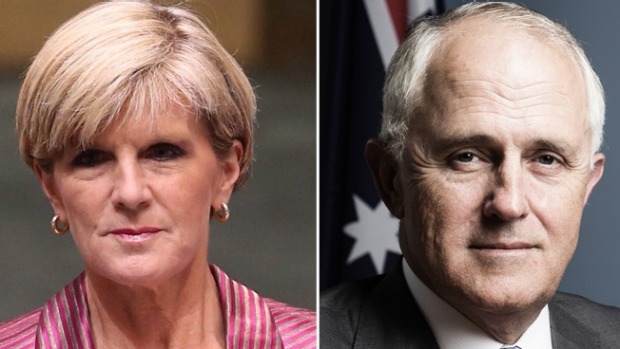
Foreign Affairs Minister Julie Bishop and Communications Minister Malcolm Turnbull are understood privately to be talking to each other about the future leadership. Photo: Andrew Meares, Nic Walker

Malcolm Turnbull and Julie Bishop, under growing pressure from their colleagues to challenge Tony Abbott for the prime ministership, are now actively considering their options, bringing closer the prospect of a strike against Mr Abbott in the weeks ahead.

The two top candidates for the Liberal leadership had been rebuffing their colleagues’ demands, but the shock loss of the Queensland election on Saturday jolted the party.

By Sunday, Mr Turnbull and Ms Bishop had started actively weighing their options for the first time. The two are close political friends. They are understood privately to be talking to each other about the future leadership of the party, raising the prospect of a joint ticket.

Both publicly declared their loyalty to Mr Abbott on the weekend. But a new Fairfax-Ipsos poll will do nothing to calm jangling Coalition nerves, despite Mr Abbott attempting to tie off more unpopular policies.

With his leadership under extreme pressure, Mr Abbott will finally walk away from his signature paid parental leave scheme on Monday after doggedly defending it as a core belief for years.

Itself a widely criticised $5.5 billion “captain’s call” which was announced without reference to the party room, Mr Abbott will finally run up the white flag at the National Press Club, accepting his friendless policy – a high profile election promise – was unaffordable and is henceforth “off the table”.

“I have listened to the feedback from my colleagues and from mums and dads around Australia – and they have said that, with our current budget constraints, the better focus now is on childcare if we want higher participation and a stronger economy. So a bigger, better PPL scheme is off the table,” he will say, according to speech notes provided by his office.

He will instead propose a new childcare assistance deal, and will also use the speech to flag a jobs package, new tighter national security laws, and changes to foreign investment rules.

It comes as voters across the country are abandoning the Coalition in droves.

Just three in 10 expect Mr Abbott to make it to the next election compared to seven out of 10 who say Opposition Leader Bill Shorten is safe in his position. Mr Shorten has also widened his advantage on the question of preferred prime minister, with half of all voters, or 50 per cent, choosing him over the incumbent, on 34.

A Queensland-style electoral rout now looms as a genuine possibility in 2016 with a Fairfax-Ipsos poll, showing the ALP has surged to the lead with a primary vote of 40 per cent, equalling its best performance in the months following the unpopular May budget last year.

The Coalition’s percentage has slipped backwards to 38.

The result puts Labor solidly ahead after preferences with 54 per cent of the vote to the Coalition on just 46 per cent. That represents a 7.5 swing away from the Coalition approaching the halfway mark of its first term and would see around 36 Coalition seats surrendered if the swing were uniform.

The statistically weighted nationwide telephone survey of 1405 adults was conducted from Thursday to Saturday – before the stunning Queensland result which looks to have wiped roughly the same number of state seats off the LNP column in the Sunshine State.

Mr Abbott’s approval rating – those voters who approve of his performance (29 per cent) minus those who disapprove (67 per cent) – has tanked after a disastrous start to 2015 and now stands at minus 38. That represents a precipitous 19-point deterioration in his approval rating since December when it was already in strongly negative territory at minus 19.

It is a lower approval rating than any of the previous three prime ministers at the same point of their first terms in office with John Howard registering an approval of 46 per cent and Kevin Rudd and Julia Gillard registering 74 and 33 respectively.

Mr Shorten’s approval is in positive territory with fewer detractors than supporters giving him an approval rating of plus 10 – up five points since December.

The result is sure to strengthen the arm of a growing number of Coalition MPs who believe Mr Abbott should relinquish the leadership in favour of either Communications Minister Turnbull, Foreign Affairs Minister Bishop, or Social Services Minister Scott Morrison.

The Coalition’s first preference vote has dipped 3 points since December to be just 38. It reached 45 per cent at the September 2013 election while Labor’s was just 33 at that time.

Based on preference flows from that election, Labor enjoys an 8-point buffer with 54 per cent of the two-party-preferred vote to the Coalition on 46. The Coalition achieved an actual share of the vote in 2013 of 53.5 to Labor’s 46.5.

However when voters were asked where their second preference would go now, Labor’s lead grew to a landslide-inducing 12-point advantage with a 56 per cent share of the overall vote to just 44 for the combined Liberal and Nationals parties.

Liberals are now actively discussing the leadership in the wake of a horror start to 2015 capped off by the Prime Minister’s self-inflicted knights and dames controversy, and the spectacular repudiation of the Liberal National Party government in Queensland.

Many worry that the Newman LNP government was of a similar ilk to the Abbott administration in Canberra, suggesting it will go the same way unless radical surgery is undertaken.

Senior ministers continue to rally to the Prime Minister’s cause, claiming he will lead the government to the next election. A two-day planning and policy cabinet meeting is scheduled to begin on Tuesday with ministers preparing to confront Mr Abbott on his performance.

They will be watching nervously on Monday during the Press Club address. The address has now assumed critical significance in his survival with MPs looking for evidence that he has the plans and the communications wherewithal to carry them to voters. But insiders admit a process of questioning and destabilisation is under way which may now be unstoppable.

A senior backbencher, speaking on condition of anonymity, said Mr Abbott’s tenure as Prime Minister was already terminal, with the only questions being how it ends and when.

He said it was in a “death spiral” primarily because Australians had decided on him and they “would not come back” to the Coalition under his leadership.

The government’s woes appear to be particularly focused on the leadership with voters expressing relatively high levels of confidence and satisfaction on some of the key policy issues.

For example, nearly three quarters of voters (72 per cent) say they are confident that the government is doing a good job of responding to the terrorist threat, and comfortably more than half think action needs to be taken to rein in potentially burgeoning Medicare costs – including via a $5 cut in the rebate for non-concessional patients.

A surprisingly high one in four voters even backed the awarding of an Australia Day knighthood for the Queen’s husband, Prince Philip, despite the “captain’s pick” decision of the Prime Minister becoming the flashpoint for what may be an assault on his leadership.

Labor is now bracing for the possibility of a switch to a new prime minister and the potential of an election this year if the new leader gets a poll bounce and seeks to capitalise on it by seeking a fresh mandate.

source:smh.com.au
Σαπέν: Νέο συμβόλαιο Ελλάδας – Ευρώπης

72C7F5B5678ED42543C997A4612EAD29

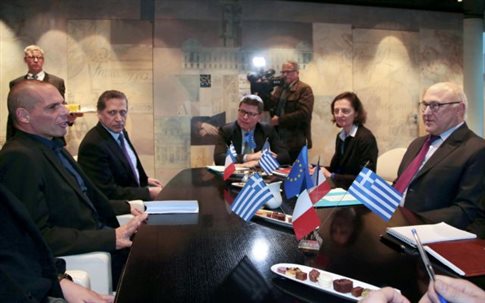
Την ανάγκη να θεσπιστεί ένα «νέο συμβόλαιο μεταξύ Ελλάδας και Ευρώπης» επισήμανε ο γάλλος υπουργός Οικονομικών Μισέλ Σαπέν μετά τη συνάντηση που είχε με τον Γιάνη Βαρουφάκη το απόγευμα της Κυριακής στο Παρίσι.

Ο έλληνας υπουργός Οικονομικών τόνισε ότι μαζί με τον γάλλο ομόλογό του κάθισαν στην ίδια πλευρά του τραπεζιού και έβαλαν απέναντί τους το πρόβλημα, με στόχο να δοθεί λύση που να είναι επωφελής για όλη την Ευρώπη. Το ίδιο θα πράξει η ελληνική κυβέρνηση με ΕΕ, Κομισιόν και ΔΝΤ, δήλωσε ο κ. Βαρουφάκης.

Η συνάντηση του υπουργού Οικονομικών Γιάνη Βαρουφάκη με το γάλλο ομόλογό του Μισέλ Σαπέν διεξήχθη σε εξαιρετικά φιλική ατμόσφαιρα, το απόγευμα της Κυριακής το Παρίσι. Ο υπουργός Οικονομικών εξήγησε ότι αυτό που επιδιώκει η ελληνική κυβέρνηση είναι «ένα νέο συμβόλαιο», που ο ίδιος θα ήθελε να το ονομάσει «κοινωνικό συμβόλαιο».

Στη διάρκεια της συνέντευξης Τύπου που ακολούθησε τη συνάντηση, ο κ. Βαρουφάκης επανέλαβε ότι δεν είναι προτεραιότα η άμεση εξασφάλιση της επόμενης δόσης και παραλλήλισε την Ελλάδα με τοξικομανή που για πέντε χρόνια περίμενε συνεχώς τη δόση του.

Σύμφωνα με το χρονοδιάγραμμα που παρουσίασε, η ελληνική κυβέρνηση σκοπεύει έως το τέλος Φεβρουαρίου να παρουσιάσει τις αναλυτικές προτάσεις της και στη συνέχεια για περίπου έξι εβδομάδες σκοπεύει να έλθει σε επαφές και συζητήσεις με τους θεσμούς και τους εταίρους (Κομισιόν, ΕΚΤ, ΔΝΤ) προκειμένου να καταλήξει σε μια λογική συμφωνία μαζί τους.

Ο Γάλλος υπουργός Οικονομικών δήλωσε την ικανοποίησή του για την ουσιαστική, σχεδόν δίωρη συνάντηση εργασίας που είχε με τον κ. Βαρουφάκη και επανειλλημένα διαβεβαίωσε για τη θέληση της Γαλλίας να «συνοδεύσει» τη νέα ελληνική κυβέρνηση στις προσπάθειές της.

Συζήτησαν εφ’ όλης της ύλης και σύμφωνα με τον κ. Σαπέν οι κοινές τους πεποιθήσεις βασίζονται σε 4 βασικά στοιχεία: Κατ’αρχάς η Ελλάδα είναι και θα παραμείνει στην Ευρωζώνη, κοινός στόχος είναι η ανάπτυξη, ιδιαίτερα για την Ελλάδα που έχει χάσει το 25% του ΑΕΠ, να έλθει μέσα από τις επενδύσεις, και τέλος ένα αποτελεσματικό και δίκαιο φορολογικό σύστημα.

Ειδικότερα, για το θέμα της φορολογικής μεταρρύθμισης, ο Μισέλ Σαπέν ανακοίνωσε ότι πρότεινε την ενίσχυση της συνεργασίας με την ελληνική κυβέρνηση και ότι θέτει στη διάθεσή της τις υπηρεσίες των εμπειρογνωμόνων που διαθέτει.

Ικανοποίηση στην κυβέρνηση

Μήνυμα ότι η διαπραγμάτευση με τους εταίρους θα οδηγήσει σε αμοιβαία επωφελή λύση για την Ελλάδα και την Ευρωπαϊκή Ένωση, χαρακτηρίζει, με δήλωσή του, ο κυβερνητικός εκπρόσωπος Γαβριήλ Σακελλαρίδης, την αποψινή συνάντηση Βαρουφάκη-Σαπέν, στο Παρίσι.

«Η ταύτιση των δύο Υπουργών Οικονομικών σε μία σειρά από κομβικά ζητήματα αποδεικνύει ότι οι θέσεις της ελληνικής κυβέρνησης βρίσκουν πλέον γόνιμο έδαφος στην Ευρώπη» αναφέρει ο κ. Σακελλαρίδης και προσθέτει ότι στο ίδιο πλαίσιο κινήθηκε, με συνέντευξή του στο CNN, ο αμερικανός πρόεδρος Μπάρακ Ομπάμα.

Ο κυβερνητικός εκπρόσωπος υπογραμμίζει ότι ο ελληνικός λαός «μπορεί να είναι βέβαιος ότι η κυβέρνηση θα τιμήσει την εντολή που του έδωσε με αποφασιστικότητα και νηφαλιότητα».

Πηγή:in.gr

Άρσεναλ… 5 αστέρων, διέλυσε την Άστον Βίλα

FADE47624511D9E47819B10206EB7FF7

Ένα εύκολο απόγευμα πέρασε σήμερα η Άρσεναλ στο «Εμιρέιτς Στέιντιουμ», καθώς συνέτριψε 5-0 την Άστον Βίλα, στο πρώτο παιχνίδι της ημέρας για την 23η αγωνιστική της Premier League και «έπιασε» προσωρινά τη Σαουθάμπτον στη βαθμολογία.

Με γκολ του Τζόντζο Σέλβι στο 83′ η Σουόνσι έκανε τη μεγάλη έκπληξη και νίκησε 1-0 τη Σαουθάμπτον στο «Σεντ Μέρις».

Ετσι, οι «Αγιοι» έχασαν μεγάλη ευκαιρία να πλησιάσουν τη Μάντσεστερ Σίτι στη δεύτερη θέση της βαθμολογίας, ενώ πλέον μοιράζονται την τέταρτη με την Αρσεναλ.

Τα αποτελέσματα και οι σκόρερ της 23ης αγωνιστικής:

Χαλ-Νιούκαστλ 0-3
(40΄ Καμπεγιά, 50΄ Αμεόμπι, 78΄ Γκουφράν)

Κρίσταλ Πάλας-Έβερτον 0-1
(2΄ Λουκάκου)

Λίβερπουλ-Γουέστ Χαμ 2-0
(51΄ Στέρλινγκ, 80΄ Στάριτζ)

Μάντσεστερ Γ.-Λέστερ 3-1
(27΄ Φαν Πέρσι, 32′ Φαλκάο, 44΄ αυτ. Μόργκαν – 80΄ Βασιλέφσκι)

Στόουκ Σίτι-ΚΠΡ 3-1
(21΄, 34΄, 90+2΄ Γουόλτερς – 36΄ Κράντσαρ)

Σάντερλαντ-Μπέρνλι 2-0
(20΄ Γουίκαμ, 34΄ Ντεφόου)

Γουέστ Μπρομ-Τότεναμ 0-3
(6΄ Έρικσεν, 15΄, 64΄ πεν. Κέιν)

Τσέλσι-Μάντσεστερ Σίτι 1-1
(41΄ Ρεμί – 45΄ Νταβίντ Σίλβα)

Άρσεναλ-Άστον Βίλα 5-0
(8΄ Ζιρού, 56΄ Οζίλ, 63΄ Γουόλκοτ, 75΄ πεν. Καθόρλα, 90+2΄ Μπεγερίν)

Σαουθάμπτον-Σουόνσι 0-1
(83΄ Σέλβι)

ΒΑΘΜΟΛΟΓΙΑ (σε 23 αγώνες)
Τσέλσι 53
Μάντσεστερ Σίτι 48
Μάντσεστερ Γιουν. 43
Σαουθάμπτον 42
Άρσεναλ 42
Τότεναμ 40
Λίβερπουλ 38
Γουέστ Χαμ 36
Σουόνσι 33
Στόουκ Σίτι 32
Νιούκαστλ 30
Έβερτον 26
Κρίσταλ Πάλας 23
Σάντερλαντ 23
Γουέστ Μπρομ 22
Άστον Βίλα 22
Μπέρνλι 20
Χαλ 19
ΚΠΡ 19
Λέστερ 17

Πηγή:in.gr

Στο +5 μέσω Βέροιας ο ΟΣΦΠ, νίκες για ΠΑΟ, ΠΑΣ και Ξάνθη

39110D76CC239F49A725761B3F93D77F

Ο Ολυμπιακός πέρασε δύσκολα από τη Βέροια (Βέροια – Ολυμπιακός 0-2) που αγωνίστηκε από το 12′ με δέκα παίκτες και από το 76′ με εννέα και εκμεταλλεύτηκε την σαββατιάτικη ήττα του ΠΑΟΚ, ξεφεύγοντας στην κορυφή με πέντε βαθμούς διαφορά.

Νωρίτερα, στον Πλατανιά «ξέσπασε» ο Παναθηναϊκός μετά την ήττα-αποκλεισμό από το Κύπελλο, αφού οι «πράσινοι» κέρδισαν χωρίς καμία δυσκολία την ομάδα των Χανίων (Παναθηναϊκός – Πλατανιάς 3-0) και έδειξαν σημάδια αγωνιστικής ανάκαμψης.

Στη Λιβαδειά, η Ξάνθη κατάφερε να φύγει με τους τρεις βαθμούς απέναντι στον Λεβαδειακό (Λεβαδειακός – Ξάνθη 1-2), ενώ στα Γιάννενα, η Κέρκυρα προηγήθηκε, αλλά ο ΠΑΣ κατάφερε με ολική επαναφορά να φτάσει στη νίκη (ΠΑΣ Γιάννινα – Κέρκυρα 2-1).

Δείτε τι έγινε στους αγώνες του Σαββάτου

Σάββατο 31 Ιανουαρίου
Πανιώνιος – Πανθρακικός 2-1
Καλλονή – Αστέρας Τρίπολης 1-0
ΠΑΟΚ – Παναιτωλικός 1-2

Κυριακή 1η Φεβρουαρίου
Παναθηναϊκός-Πλατανιάς 3-0
Λεβαδειακός-Ξάνθη 1-2
ΠΑΣ Γιάννινα-Κέρκυρα 2-1
Βέροια-Ολυμπιακός 0-2
Ατρόμητος-ΟΦΗ (Δεν ορίστηκε)
Εργοτέλης-Νίκη Βόλου 3-0 (α.α)

ΒΑΘΜΟΛΟΓΙΑ (σε 21 αγώνες)
1. Ολυμπιακός 51
2. ΠΑΟΚ 46
3. Παναθηναϊκός 43
4. Αστέρας Τρίπολης 35
. Παναιτωλικός 35
6. Ατρόμητος 33
7. Ξάνθη 31
. ΠΑΣ Γιάννινα 31
9. Βέροια 30
10. Καλλονή 27
11. Κέρκυρα 25
12. Πλατανιάς Χανίων 22
13. Πανθρακικός 21
. Λεβαδειακός 21
15. Πανιώνιος 19 -20αγ.
16. Εργοτέλης 18 -20αγ.
17. ΟΦΗ 10
18. Νίκη Βόλου 7
* Στον ΟΦΗ έχει επιβληθεί ποινή αφαίρεσης 10 βαθμών.

Το πρόγραμμα της επόμενης (22ης) αγωνιστικής:

ΤΕΤΑΡΤΗ 4/2
Κέρκυρα-Λεβαδειακός 15:00 NS3
Παναιτωλικός-Εργοτέλης 15:00 NS2
Ξάνθη-Πανιώνιος 17:15 NS6
Αστέρας Τρίπολης-Πλατανιάς 17:15 NS7
ΟΦΗ-ΠΑΟΚ 17:15 NS2
ΠΑΣ Γιάννινα-Βέροια 17:15 NS3
Ολυμπιακός-Ατρόμητος 19:30 NS1

ΠΕΜΠΤΗ 5/2
Νίκη Βόλου-Παναθηναϊκός 19:30
Πανθρακικός-Καλλονή 19:30 NS1

Πηγή: in.gr

Eurozone alarm grows over Greek bailout brinkmanship

A Greek and an EU flag wave in front of the ancient temple of Parthenon atop the Acropolis hill in Athens
Eurozone officials are increasingly worried that Greece’s €172bn bailout will expire at the end of the month and potentially plunge it into chaos, after a series of meetings with the new Greek government convinced them Athens is unaware of how perilous its financial situation has become.

Yanis Varoufakis, the new Greek finance minister, embarked on a tour of European capitals, starting with Paris on Sunday, intended to garner support for a renegotiation of its bailout and debt burden.

EU officials were dismayed on Friday when Mr Varoufakis rejected a bailout extension — and refused to co-operate with the “troika” of international creditors. It capped a tumultuous first week in power for the anti-austerity government, whose announcements reversing spending cuts and privatisation roiled markets and wiped 40 per cent off the value of Greek banks.

There was some relief when Alexis Tsipras, Greece’s radical leftwing prime minister, struck a more emollient tone over the weekend, saying he was not “seeking conflict” and hoped to “reach a mutually beneficial agreement”. He also revealed he had called Mario Draghi, president of the European Central Bank, to reassure him of his intention to reach a deal.

But patience in Greece’s creditor countries, particularly Germany, is running thin. Martin Schulz, the president of the European parliament and a German Social Democrat, urged Greece to go easy with its repeated attacks on Berlin. “Bashing the Germans might go down well in some quarters. But it is also short-sighted and gets us nowhere,” he told Welt am Sonntag newspaper. On Saturday, Chancellor Angela Merkel, bluntly warned Athens not to expect “a further haircut”.

German officials are also annoyed that Mr Varoufakis, who visits London on Monday and then Rome, has made no contact with Berlin.

Officials familiar with the conversations between eurozone policy makers and Athens said they were no wiser about what sort of international financial help Greece was seeking or how it intended to negotiate. Eurozone finance ministers want to discuss Greece’s needs at their next meeting on February 16 — if not sooner, by telephone.

The bailout programme is due to expire on February 28. If it is not renewed, Greece will for the first time in five years be left without an EU financial backstop. Because the International Monetary Fund is unlikely to distribute funds without the EU’s participation, Athens could lack access to emergency funding to repay billions of euros in debt due in the coming months.

EU officials believe the country could eke out €4.3bn in payments owed to the IMF next month, but will run into a wall at the beginning of June when the first of two bonds worth more than €3bn must be paid. Without bailout funding, and an ongoing sell-off in the private bond markets, Athens would be forced to default.

Of more concern to many officials is the Greek banking system, which after massive outflows of deposits, is relying on cheap ECB loans to fund day-to-day operations. ECB officials over the weekend made it clear that if the programme expires at the end of February, the central bank would be forced to cut off their liquidity loans.

But they have not clarified whether Greek banks could still access back-up central bank financing, known as emergency liquidity assistance. Although technically loaned by the Greek central bank, it must be approved by the ECB which has been cagey on whether such lending would be allowed.

Since the outbreak of the eurozone crisis, Greece’s banking system has always been seen as the most likely route to an “accidental” Greek exit from the euro. Without ELA lending, Athens would probably have to print its own currency to keep its banking system running.

Mr Draghi has told colleagues he is planning to drive a hard bargain on bank liquidity — a similar strategy used with Cyprus in March 2013, which forced Nicosia to accept onerous bailout terms. But Mr Draghi is also wary of unelected central bankers taking a decision that would force Greece from the euro.

The French government is hoping to act as broker between a defiant Athens and its increasingly exasperated Berlin.

“France is well placed to be the link … between this Europe of budgetary rigour and this Europe of the south and in particular Greece, which is suffering,” Michel Sapin, finance minister, said last week. But Paris, like Berlin, has ruled out the debt cancellation demanded by Athens, underlining how few allies the new Greek government has.

source:ft.com