Daily Archives: December 20, 2013

Οι δικοί μας αριστούχοι στη Μελβούρνη

epvce

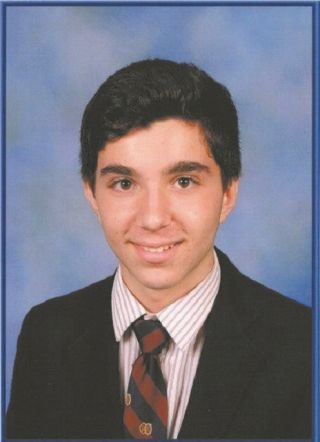
O Στυλιανός Ορφανίδης, μαθητής του Essendon Grammar που κατάφερε να συγκεντρώσει συνολική βαθμολογία 99,4. Καλή σου πρόοδο, Στυλιανέ!

Γύρω στους 100 οι μαθητές ελληνικής καταγωγής που αρίστευσαν στις φετινές εξετάσεις του VCE

Περίπου 100 μαθητές ελληνικής καταγωγής συγκαταλέγονται φέτος ανάμεσα στους σ’ αυτούς που κατάφεραν να «σκοράρουν» υψηλή βαθμολογία στις εξετάσεις του VCE στην Βικτώρια. Οι 100 ελληνικής καταγωγής μαθητές διεκδικούν επάξια και τον τίτλο των καλύτερων μαθητών του επιπέδου τους στην Πολιτεία. Οι βαθμοί που κατάφεραν να επιτύχουν δεκάδες χιλιάδες τελειόφοιτοι της δευτεροβάθμιας εκπαίδευσης στην Βικτώρια, αποτελούν για πολλούς απ’ αυτούς και το εισιτήριό τους για την συνέχιση των σπουδών τους σε πανεπιστημιακό επίπεδο. Σε άλλο άρθρο αναφέρουμε τις επιδόσεις των ελληνικής καταγωγής μαθητών στο μάθημα της Ελληνικής Γλώσσας αλλά εν προκειμένω καταχωρούμε μία συγκεντρωτική λίστα των ελληνόπουλων που έγραψαν άριστα σε διαφορετικά μαθήματα. Και ενώ οι αριστεύσαντες σίγουρα πρέπει να επαινούνται, άξια επαίνων είναι και η προσπάθεια όλων των φετινών αποφοίτων.

ΜΑΘΗΜΑΤΑ, ΤΟ ΣΧΟΛΕΙΟ ΠΟΥ ΦΟΙΤΗΣΑΝ ΚΑΙ ΟΙ ΕΠΙΔΟΣΕΙΣ ΤΩΝ ΕΛΛΗΝΙΚΗΣ ΚΑΤΑΓΩΓΗΣ ΜΑΘΗΤΩΝ

ΛΟΓΙΣΤΙΚΑ Bonzos Matthew – Strathmore Secondary College – 46

TEXNΕΣ Balnionis Catherine – St Catherine’s School – 50 Zavou Lili – Kingswood College – 47

BΙΟΛΟΓΙΑ Nakos Octavia- Camberwell Anglican Girls’ Grammar – 50 Vakkas Anastasia – Korowa Anglican Girls’ – 50 Dendrinos Evangelia – Mentone Girls’ Grammar – 47 Skliros Christopher – St Kevin’s College – 47

ΔΙΟΙΚΗΣΗ ΕΠΙΧΕΙΡΗΣΕΩΝ Christakos Era – McClelland Secondary College – 50 Deliyannis Celeste – John Paul College – 49 Stamboulidis Haralambos – Ivanhoe Grammar – 48 Bonzos Matthew- Strathmore Secondary College – 47 Kamaretsos Chloe- Shelford Girls’ Grammar – 46

XHMEIA Mylonas Zoe – Methodist Ladies College – 47 Stylianou Steven- The Knox School – 47

ΚΛΑΣΣΙΚΕΣ ΣΠΟΥΔΕΣ Petrakis Nikki – Melbourne Girls Grammar – 47

ΚΟΙΝΩΝΙΚΩΝ ΛΕΙΤΟΥΡΓΩΝ Demetriou Vana – Vermont Secondary College – 48

ΘΕΑΤΡΙΚΕΣ ΣΠΟΥΔΕΣ Kokonis Jasmine – Mbcta Youth Theatre – 46

OIKONOMIKA Economides Adrian – Caulfield Grammar – 46

ΑΓΓΛΙΚΑ Balnionis Catherine – St Catherine’s School – 50 Christopoulos Sophie – Penleigh and Essendon Grammar -50 Galanos Irena – Balwyn High – 50 Psomoulis Jeannie – Lighthouse Christian College – 50 Markesinis Gerry – Balwyn High – 49 Malliadis Carissa – Our Lady of Mercy College – 48 Paganis Dean – Xavier College – 48 Beratis Daniel – Trinity Grammar – 47 Kokonis Jasmine – Vermont Secondary College – 47 Kopelis George – St kevin’s College – 47 Lazarides Rose – Lauriston Girls’ – 47 Pandazopoulos Andrea – Loreto Mandeville Hall – 47 Yoannidis Stephen – Trinity Grammar School – 47 Douvos Stephanie – Genazzaro F.C.J. College – 46 Makris Fiona – Mckinnon Secondary College – 46 Sfendourakis Artemis – Loreto Mandeville Hall – 46 Tsinaris Zachary – Haileybury College – 46

ΓΕΩΓΡΑΦΙΑ Papadopoulos James- St Kevin’s College – 50

ΥΓΙΕΙΟΝΟΜΙΚΩΝ ΣΠΟΥΔΩΝ Bellesis Georgina – Firbank Grammar – 47 Kyrou Stephanie – Ivanhoe Girls’ Grammar – 47 Spyrou Vanessa – Penleigh and Essendon Grammar -47

ΑΥΣΤΡΑΛΙΑΝΗ ΙΣΤΟΡΙΑ Damicoucas Christina – Sacre Coeur – 46

IΣΤΟΡΙΑ Ziaras Nicola – MacRobertson Girls’ High- 46

ΠΛΗΡΟΦΟΡΙΚΗ Adamos Peter – St Kevin’s College – 47 Paris Daniel – Alphington Grammar – 47

ΝΟΜΙΚΕΣ ΣΠΟΥΔΕΣ Pandazopoulos Andrea Loreto Mandeville Hall – 47 Economidis Adrian – Caulfield Grammar – 46 Makris Fiona – McKinnon Secondary College – 46

ΛΟΓΟΤΕΧΝΙΑ Beratis Daniel – Ruyton Girl’s – 49 Papadopoulos Pamela – Star of The Sea College- 46

MAΘΗΜΑΤΙΚΑ Giagoudakis Christopher – Huntingtower School – 50 Kazantzidis Nikolas – Alphington Grammar – 50 Tharapos Jonathan Donvale Christian College – 50 Dendrinos Evangelia – Mentone Girls’ Grammar – 48 Dimitriu Vasilios – Oakleigh Grammar – 48 Constantinidis Isaac Thornbury High – 47 Paraskevopoulos Daniel – Salesian College – 47 Liacos Alexandra- MacRobertson Girls’ High – 46 Papamiltiades Nicholas – De la Salle College – 46

ΜΑΘΗΜΑΤΙΚΕΣ ΜΕΘΟΔΟΙ Carasavidis Georgio – Penleigh and Essendon Grammar -47 Sycamnias Lachlan – Ballarat Clarendon College – 46

ΜΕΣΑ ΜΑΖΙΚΗΣ ΕΝΗΜΕΡΩΣΗΣ Beratis Daniel – Ruyton Girls’ – 50 Mavridis Marea – Melbourne Girl’s College – 49

MOΥΣΙΚΗ Vouliotis Anthony – Parade College – 48

ΠΕΡΙΒΑΛΛΟΝΤΙΚΕΣ ΣΠΟΥΔΕΣ Kalpokas Oliver – Wesley College – 46

ΦΙΛΟΣΟΦΙΑ Moutsias James – Scotch College – 46

ΦΥΣΙΚΗ ΑΓΩΓΗ Constantinou Heidi – Methodist Ladies College – 49 Lymbouris Christian – De La Salle College – 48 Ziaras Nicola – MacRobertson Girls’ High – 47 Gunaridis Senjin – McKinnon Secondary College – 46

ΠΟΛΙΤΙΚΕΣ ΕΠΙΣΤΗΜΕΣ Kopelis George – St Kevin’s College – 46 Niklas Miranda – Northcote High – 47 Yoannidis Stephen – Trinity Grammar – 47

ΨΥΧΟΛΟΓΙΑ Anagnostou Lukas, Ivanhoe Grammar – 48 Markesinis Gerry, Balwyn High -48 Anagnostou Oliver – Ivanhoe Grammar – 47 Basdekis Dean- University High – 46 Damicoucas Christina – Sacre Coeur – 46

ΚΟΙΝΩΝΙΟΛΟΓΙΑ Massouras Liana – Haileybury Girls College – 49

Source: Neos Kosmos
Αφγανιστάν τέλος για Αυστραλία

th

Αποχωρούν από την περιοχή οι αυστραλιανές δυνάμεις

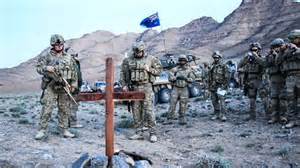
Οι τελευταίοι μάχιμοι Αυστραλοί στρατιώτες άρχισαν να εγκαταλείπουν το Αφγανιστάν και πιστεύεται ότι μέχρι τα Χριστούγεννα θα έχουν επιστρέψει όλοι στην Αυστραλία. Αναφερόμενος στο θέμα, ο υπουργός Άμυνας, David Johnston, δήλωσε ότι οι στρατιώτες άρχισαν να αποχωρούν από την περιοχή του Orusgan που είχαν υπό την εποπτεία τους, από την [περασμένη Κυριακή.

«Ήδη αυτή τι στιγμή περούν προς την Αυστραλία» είπε προχθές ο υπουργός Άμυνας. Η αποχώρηση άρχισε δύο εβδομάδες πριν τη συμφωνία που είχαν κάνει για να παραδώσουν τις εγκαταστάσεις της στρατιωτικής βάσης Tarin Kowt, που είχαν δημιουργήσει στις ένοπλες δυνάμεις του Αφγανιστάν.

Τους τελευταίους μήνες έχουν εγκαταλείψει σταδιακά το Αφγανιστάν πάνω από 1.000 στρατιώτες που υπηρετούσαν εκεί. Σχολιάζοντας την αποχώρηση, ο πρωθυπουργός, Τόνι Άμποτ, είπε ότι «η Αυστραλία πλήρωσε «ακριβό τίμημα» με 40 στρατιώτες νεκρούς και 261 τραυματίες» και πρόσθεσε «ότι η θυσία τους δεν ήταν μάταια».

«Το Oruzgan σήμερα είναι διαφορετικό και πολύ καλύτερο απ’ ό,τι ήταν πριν μια δεκαετία» τόνισε ο Τόνι Άμποτ, καλωσορίζοντας τους στρατιώτες. Η Αυστραλία θα διατηρήσει 400 μη μάχιμους στρατιωτικούς στο Αφγανιστάν, για να βοηθήσουν στην εκπαίδευση των Αφγανών στρατιωτών, ενώ, παράλληλα, θα δίνει και 100 εκατομμύρια δολάρια το χρόνο για ενίσχυση των ενόπλων δυνάμεων του Αφγανιστάν.

Ο υπουργός Άμυνας είπε ακόμα ότι ο αυστραλιανός στρατός αποκόμισε ωφέλιμη πείρα από τη συμμετοχή του στον πόλεμο του Αφγανιστάν. Στο εξής υπεύθυνοι για την ασφάλεια των πολιτών του Oruzgan θα είναι οι ένοπλες δυνάμεις της χώρας που από τη δεκαετία του 1970 βρίσκεται σε εμπόλεμη κατάσταση.

Source: Neos Kosmos

Χριστούγεννα, Πρωτούγεννα

xris

Χριστουγεννιάτικα και πρωτοχρονιάτικα έθιμα απ’ όλη την Ελλάδα!

Tα Χριστούγεννα έφθασαν και ετοιμαζόμαστε να τα γιορτάσουμε. Στην Αυστραλία με καλοκαίρι (τρόπος του λέγειν για τη Μελβούρνη όπου μάλλον θα βρέχει) με πολλά δώρα και πλουσιοπάροχα τραπεζώματα.

Αυτές τις μέρες αν θέλετε να ζήσετε το νόημα των Χριστουγέννων μη ξεχάσετε τους ηλικιωμένους και τους αναξιοπαθούντες της παροικίας. Πάμε όμως να δούμε, μερικά από τα πιο διάσημα έθιμα της Ελλάδας που πραγματοποιούνται αυτές τις γιορτινές μέρες….

Στη Θράκη, οι Σαρακατσάνες εξακολουθούν να ζυμώνουν την “Χριστόκλουρα”. Στρογγυλή κουλούρα με διάφορα σχέδια, που αναπαριστούν συνήθειες από το παρελθόν όπως στάνη, στρούγκα και άλλα. Της βάζουν μέλι και την τρώνε όλοι μαζί περιμένοντας την γέννηση του Χριστού.

Ένα ακόμα έθιμο είναι και οι “Μπαμουσιαραίοι”. Την δεύτερη μέρα των Χριστουγέννων, δύο άντρες μεταμφιέζονται ο ένας σε Μπαμουσιαραίο και ο άλλος στην γυναίκα του. Ο Μπαμπουσιαραίος φορά μία νεροκολοκύθα στο πρόσωπο που της έχει ανοίξει τρύπες για μάτια και στόμα, προβιές προβάτων, και κρεμασμένα κουδούνια στην μέση. Οργανοπαίκτες με νταούλια, ζουρνάδες και γκάιντες τους συνοδεύουν και με την έντονη μουσική τους ξεσηκώνουν το χωριό.

Στη Μακεδονία, ο νοικοκύρης του σπιτιού διαλέγει από το χωράφι του το πιο γερό κλαδί ελιάς ή πεύκου και το τοποθετεί στο τζάκι του σπιτιού. Το ξύλο αυτό που ονομάζεται και “Χριστόξυλο” καίγεται για όλο το Δωδεκαήμερο των Χριστουγέννων (από την μέρα δηλαδή των Χριστουγέννων μέχρι και τα Φώτα). Κατά την παράδοση το κάψιμο του Χριστόξυλου, βοηθά τον Χριστό να ζεσταίνεται στην φάτνη της Βηθλεέμ. Ο κάθε Μακεδόνας προσπαθεί να καίγεται το Χριστόξυλο του σπιτιού του μέχρι και τα Φώτα.

Ακόμα ένα έθιμο των Μακεδόνων, είναι οι “Μωμόγεροι”. Ένα είδος δηλαδή παραδοσιακού λαϊκού θεάτρου που αναβιώνει σε όλα τα χωριά όπου υπάρχουν πρόσφυγες από τον Πόντο. Οι πρωταγωνιστές αυτών των θεατρικών παραστάσεων κάνουν μιμητικές κινήσεις, ενώ τα πρόσωπά τους είναι μακιγιαρισμένα όπως το δέρμα των γερόντων. Οι παραστάσεις πραγματοποιούνται καθ΄ όλη την διάρκεια του δωδεκαημέρου των Χριστουγέννων.

Στην Ήπειρο, έχουν ως χριστουγεννιάτικο έθιμο, το “αναμμένο πουρνάρι”. Στην Άρτα, συνηθίζουν να ανάβουν ένα κλαδί πουρναριού ή οποιουδήποτε άλλου δέντρου που “τρίζει” κατά το κάψιμο και το κρατούν στο χέρι κατά τις επισκέψεις τους σε άλλα σπίτια. Στα Γιάννενα, ακολουθούν το ίδιο έθιμο με μία μικρή παραλλαγή. Αντί για κλαδί, κρατούν στα χέρια τους μία χούφτα δαφνόφυλλα ή πουρναρόφυλλα και τα πετούν στο τζάκι να καούν στο σπίτι που επισκέπτονται. Όταν αρχίσουν τα φύλλα να καίγονται και να “τρίζουν” τότε εύχονται: “Αρνιά, κατσίκια, νύφες και γαμπρούς”.

Στην Πέλλα, αναβιώνει ακόμα και σήμερα το έθιμο της “Κόλιντα Μπάμπω”. Οι κάτοικοι της περιοχής το βράδυ της 23ης Δεκεμβρίου ανάβουν φωτιές, φωνάζοντας “Κόλιντα Μπάμπω” που σημαίνει “σφάζουν, γιαγιά”. Αυτό είναι ένα έθιμο που αναπαριστά την σφαγή των αρσενικών νηπίων από τον Ηρώδη. Έτσι η φωτιά ενημερώνει τους κατοίκους να προφυλαχθούν όχι μόνο από τον βασιλιά Ηρώδη, αλλά και από τα κακά που ίσως επιφυλάσσει η νέα χρονιά.

Στην Θεσσαλία, το σημαντικότερο χριστουγεννιάτικο έθιμο είναι το σφάξιμο του γουρουνιού, η λεγόμενη “γουρουνοχαρά”. Η διαδικασία για την προετοιμασία και το σφάξιμο του γουρουνιού γίνεται με ιδιαίτερη φροντίδα. Για τα μεγαλόσωμα ζώα απαιτούνται 4-5 άνδρες. Μετά το γδάρσιμο, αρχίζει το κόψιμο του λίπους και στην συνέχεια το κόψιμο του κρέατος σε μικρά κομμάτια. Το λίπος λιώνεται και αποθηκεύεται σε μεγάλα δοχεία λαδιού για να χρησιμοποιηθεί αφού παγώσει από τις νοικοκυρές στα φαγητά τους κατά την διάρκεια της χρονιάς. Στις περισσότερες περιοχές της Θεσσαλίας, τα γουρούνια σφάζονται την ημέρα του Αγίου Στεφάνου στις 27 Δεκεμβρίου, γι’ αυτό και η γιορτή αυτή ονομάζεται Γρουνοστέφανος.

Στην Πελοπόννησο, έχουν το σπάσιμο του ροδιού. Το πρωί της Πρωτοχρονιάς ο νοικοκύρης του σπιτιού πηγαίνει στην εκκλησία κρατώντας το ρόδι του για να το “λειτουργήσει”. Μετά πηγαίνοντας στο σπίτι του, χτυπάει την πόρτα της εισόδου και ανοίγοντας του σπάει με δύναμη το ρόδι για να σκορπιστούν οι ρώγες του παντού στο σπίτι. Παράλληλα με το σπάσιμο του ροδιού, δίνουν και την ευχή: “με υγεία, ευτυχία και χαρά το νέο έτος και όσες ρώγες έχει το ρόδι, τόσες λίρες να έχει η τσέπη μας όλη την χρονιά”.

Στα Επτάνησα, την παραμονή της Πρωτοχρονιάς τηρείται το έθιμο της “κολόνιας”. Οι άνθρωποι κατεβαίνουν στους δρόμους κρατώντας μπουκάλια με κολόνια και “ραίνουν” ο ένας τον άλλο. Με τον τρόπο αυτό, γιορτάζουν τον ερχομό του νέου έτους, και τραγουδούν: “ Ήρθαμε με ρόδα και ανθούς να σας ειπούμε Χρόνους Πολλούς”.

Στην Κρήτη, έχουν σαν χριστουγεννιάτικο έθιμο το ζύμωμα του χριστουγεννιάτικου ψωμιού. Θεωρείται ολόκληρη ιεροτελεστία, και χρησιμοποιούνται τα καλύτερα υλικά για την παρασκευή του. Οι νοικοκυρές σχηματίζουν με τη μισή ζύμη, μία μεγάλη κουλούρα ενώ με την υπόλοιπη έναν σταυρό για να τη στολίσουν. Διακοσμητικά γύρω-γύρω στην κουλούρα αυτή του ψωμιού, χαράζουν με μαχαίρι διάφορα σχέδια όπως καρδιές, αστεράκια, λουλούδια κ.α. Συνηθίζεται το χριστουγεννιάτικο αυτό ψωμί να κόβει ο νοικοκύρης του σπιτιού την μέρα των Χριστουγέννων και να το μοιράζει σε όλους όσοι κάθονται στο γιορτινό τραπέζι.

Στη Θάσο, έως σήμερα, οι οικογένειες κρατούν ένα πολύ παλιό έθιμο είναι το σπόρδισμα των φύλλων και γίνεται ως εξής: Κάθονται όλοι γύρω από το αναμμένο τζάκι, τραβούν την ανθρακιά προς τα έξω και ρίχνουν γύρω στ’ αναμμένα κάρβουνα, φύλλα ελιάς, βάζοντας στο νου τους από μια ευχή, χωρίς όμως να την πουν στους άλλους. Όποιου το φύλλο γυρίσει περισσότερο, εκείνου θα πραγματοποιηθεί και η ευχή του.

Στην Χίο, την παραμονή της Πρωτοχρονιάς υπάρχει ένα έθιμο, τα αγιοβασιλιάτικα καραβάκια. Σύμφωνα με αυτό, οι ενορίες κατασκευάζουν πλοία, σε σμίκρυνση. Αυτά συναγωνίζονται μεταξύ τους ως προς την ποιότητα κατασκευής και ως προς την ομοιότητα με τα πραγματικά πλοία, ενώ οι ομάδες, το πλήρωμα, του κάθε πλοίου τραγουδούν κάλαντα.

Source: Neos Kosmos

Future bright for Modern Greek

modern_greek

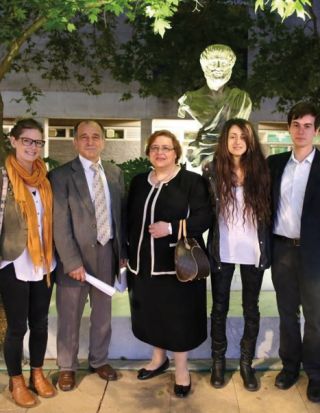
Themis Scanlon (student), Professor Michael Tsianikas, Ms Theadora Karidis (supporter), Simone Karanicholas (student), John Matis (student).

Tireless efforts and lobbying by the LOGOS Centre in Adelaide have seen the resurgence of Modern Greek in tertiary education

2013 has been the most successful year for the LOGOS Australian Centre for Hellenic Language and Culture at Flinders University in Adelaide. The development of online Modern Greek teaching programs for Australia-wide universities, the lobbying and campaigning to give the elderly in our community a voice and a face, and an increase in enrolments have all added to the tireless work of the centre, spearheaded by director Michael Tsianikas.
After 25 years as an educator at South Australia’s Flinders University, and 20 years heading the Modern Greek department at the university, Mr Tsianikas tells Neos Kosmos that “2013 was the best year” for Modern Greek studies.
“We noticed a 21 per cent increase in our enrolments and through the development the online teaching material we have more students engaged with us,” he says.
Last month, the LOGOS Centre – in conjunction with the Dimitria Greek Festival and the Pan Macedonian Association of SA – celebrated its inaugural Annual Aristotelian Celebration. The event marked a year since the unveiling of the Aristotle bust which was generously donated to the LOGOS Centre by the Halkidikeon Society of SA. The achievements of the LOGOS Centre were highlighted during the celebration, specifically the development of Modern Greek online programs, which Mr Tsianikas says will ensure the survival of the Greek language and culture at a tertiary level.
“When someone asks me ‘what is your goal? What do you want to do?’ I say to them I’m just working to help the one student who’s somewhere in Tasmania or Central Australia who wants to study Modern Greek. I want to be able to proudly tell them ‘yes’ when they ask me if they can study Modern Greek – that is my goal in life,” he says with conviction.
“I want to be able to say yes to every student who wants to study Modern Greek in any place in Australia in any university, I want to tell them that they can.”
As a whole, the LOGOS Centre has become a beacon for the Greek community of not just South Australia, but Australia wide, to campaign and lobby for the protection of Modern Greek at a tertiary level.
He uses the example of Queensland’s Greek community, who for more than 20 years were trying to establish a Greek program at a university. They were told repeatedly by all the universities they approached that they were not willing to establish a program because enrolments were not high. In 2012, Mr Tsianikas visited Queensland, had them establish a committee and together they lobbied the Griffith University and they agreed to start a Modern Greek program for language and culture – through the online teaching methods offered at Flinders University. At the same time they offered several scholarships of $3000 for any student wanting to study Modern Greek. Through this success he is hoping other cities will work together with the LOGOS Centre to establish Modern Greek programs through their universities.
“This is one lesson we can learn – working together we can be powerful and we can deliver solutions,” he says, “it’s not too late, there is still time to achieve things in this area of language and culture and to make sure that in 20 years time something will be around in this country.”
Mr Tsianikas says it’s the responsibility of all our community to insist on studying Modern Greek, and to make it part of our lives. He says studying Modern Greek is part of the students personality, their future, and ultimately, makes them happy; adding that this is the right of every student, not just one’s of Greek background.
“For 25 years I’ve been heavily involved in the community, but so far it’s been very difficult to explain, for people to understand how important the university program is,” he says.
“It’s the ownership of everybody for the representation and survival of our language and culture, and to develop the critical thinking of our students so it’s not just sirtaki and souvlaki.”
Greek communities and associations in Australia need to look at the bigger picture and not be solely consumed by their local events and activities. They need to understand the importance of the Greek language and culture as a whole and he feels that with the Aristotelian celebrations, they have created the foundations to see this happen.
“Through the foundations we’ve established in South Australia and the events we are organising, we are slowly getting there. People are becoming more enthusiastic and more supportive and developing trust,” he says.
Politicians and well-known Greek Australians are visiting the LOGOS Centre and becoming more supportive and interested in the programs and events they are developing. Through the LOGOS Centre, Mr Tsianikas says they are “creating a network” and “are developing lobbying possibilities”, at the same time aiming to complete the development of their online program over the next three years.
“The online teaching material we are developing for language and culture are becoming very popular and this is the best possible tool for us to expand nationally, and possibly internationally, and to give a solution for Modern Greek studies, in particular in Australia, because we’ve noticed over the last 15 years more than 10 university programs have disappeared and of the remaining 4-5 some of them are vulnerable with one staff member in some cases, so online for Modern Greek – and other similar community languages – is the solution,” he says matter-of-factly.
“We are trying to persuade the Greek community of not just Adelaide but the whole of Australia to embrace the idea the ownership of Modern Greek at university – and it’s not just about the lectures – it’s something that belongs to everybody as a whole.”
For more information on the LOGOS Centre visit flinders.edu.au/LOGOS

Source: Neos Kosmos

Few Greeks opt for civil partnership

GR-relegious%20ceremony

Lack of awareness, prejudice and the limited scope of the law main reasons for low numbers

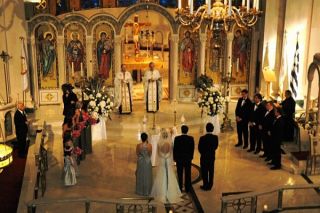
Few in Greece have embraced the institution of civil unions even though legislation allowing couples to have their partnership legally recognized without getting married was first introduced in 2008. The main causes behind this reluctance appear to be a lack of awareness about the institution and how it works, prejudice toward this form of partnership in a country where the Orthodox Church’s authority is still held in high esteem and plays a strong traditional role, as well as the law itself, which presents its own obstacles. In the year after the law was first introduced, the number of couples joined in civil unions came to 161, rising only slightly in 2010 and 2011 to 180 and 185 respectively. The number rose significantly in 2012, reaching 314, while data suggest that 2013 will also see an increase in couples opting for a civil partnership. According to data published recently by the Hellenic Statistical Authority (ELSTAT), a census of people joined by civil union in 2011 came to 880 couples. The same data show that 332 people broke their civil unions and 78 were widowed between 2008 and 2011. To get an idea of how small the percentage of civil unions is compared to marriage, registry office weddings in 2012 came to 25,730 across Greece, church weddings came to 23,980 and civil unions to just 314. Moreover, it appears that urbanites find the idea of a civil partnership more conducive as more than 50 per cent of the 314 unions forged in 2012 were in Athens and 20 per cent in Thessaloniki. Confirming a civil partnership is a relatively easy process that takes an agreement signed by a notary which is then filed with the marriage registry. Individuals entering an agreement for a civil partnership cannot be married to someone else nor can they be related by blood or adoption. The union can be declared null and void if any of these terms are found to have been broken. Civil unions are mainly meant to protect the property and inheritance rights of the individuals entering the agreement. They also cover custody rights over children. Paternity is protected too. Basically, they provide a rather loose set of rules governing the union of two people who do not want to go through the process of marriage. The law, however, is lacking. For example, it does not allow for same-sex unions, an issue that was recently taken up the European Court of Human Rights, which ruled that Greece’s exclusion of same-sex couples from civil unions is in violation of the European Convention of Human Rights. It further does not cover issues of taxation, social security etc for couples in a civil union. Social security funds, for example, will not provide coverage to the civil partner of a member. In a recent case that went before Parliament, the Social Security Foundation (IKA) refused to issue a healthcare booklet to a pregnant woman who had a civil union with her partner, the baby’s father, who was a member of IKA. Similar problems arise at tax offices, where authorities do not allow the two partners of a civil union to make a joint declaration. The issue of same-sex unions, however, promises to pose the biggest challenge when and if authorities decide to hone the law further given that Greece is a relatively conservative society. In its decision in early November 2013 , the Strasbourg-based European Court of Human Rights reiterated that “same-sex couples are just as capable as different-sex couples of entering into stable committed relationships.” It ruled that Law 3719 was therefore in violation of same-sex applicants’ right to equal treatment. It is noted that from the 19 members of the Council of Europe, only Greece and Lithuania prohibit same-sex couples from entering a civil partnership.

Source: ekathimerini