Category Archives: Uncategorized

Ο Άμποτ στην Τουρκία

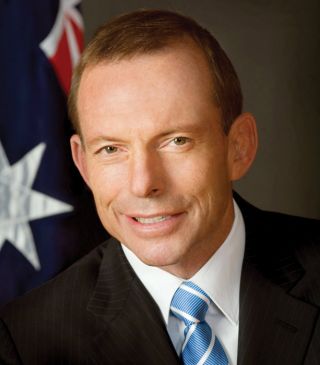
tony-abbott_0

Συνομιλίες με Ερντογάν για τον πόλεμο στη Συρία και το Ιράκ.

Ο πρωθυπουργός της Αυστραλίας, Τόνι Άμποτ, βρίσκεται στην Τουρκία, προκειμένου να συμμετάσχει στις επετειακές εκδηλώσεις για τα εκατό χρόνια από τη Μάχη της Καλλίπολης κατά τον Πρώτο Παγκόσμιο Πόλεμο, όπου έχασαν τη ζωή τους χιλιάδες Αυστραλοί και Νεοζηλανδοί στρατιώτες (Anzacs).

Σύμφωνα με ανακοίνωση στην επίσημη σελίδα του, ο κ. Άμποτ θα έχει συναντήσεις με τον πρωθυπουργό της Τουρκίας, κ. Νταβούτογλου, και τον πρόεδρο κ. Ερντογάν, σχετικά με τον πόλεμο στη Συρία και το Ιράκ, αλλά και το «φλέγον» θέμα της μετάβασης Αυστραλών «μαχητών» διαμέσου της Τουρκίας για να πολεμήσουν στο πλευρό του ‘Ισλαμικού Κράτους’.

Στον επόμενο σταθμό, τη Γαλλία, ο κ. Άμποτ θα συνομιλήσει με τον πρόεδρο και τον πρωθυπουργό της Γαλλίας για την «ενίσχυση της διμερούς συνεργασίας σε θέματα άμυνας και αντιμετώπισης της τρομοκρατίας».

Θα πρέπει, τέλος, να σημειωθεί ότι «ιδιαίτερα αυξημένα» θα είναι τα μέτρα ασφάλειας σε όλους τις μεγάλες πόλεις της Αυστραλίας για τους επικείμενους εορτασμούς για την εκατονταετηρίδα από τη Μάχη της Καλλίπολης, καθώς εκφράζονται φόβοι για ενδεχόμενη τρομοκρατική ενέργεια, ιδίως μετά από επιχείρηση της αντιτρομοκρατικής υπηρεσίας το προηγούμενο Σαββατοκύριακο στην Πολιτεία της Βικτώριας, κατά την οποία συνελήφθησαν τρία άτομα με την κατηγορία ότι σχεδίαζαν τρομοκρατικό χτύπημα με αφορμή τις επετειακές εκδηλώσεις.

Πηγή:Νέος Κόσμος

Abbott makes foreign fighter deal with Turkey

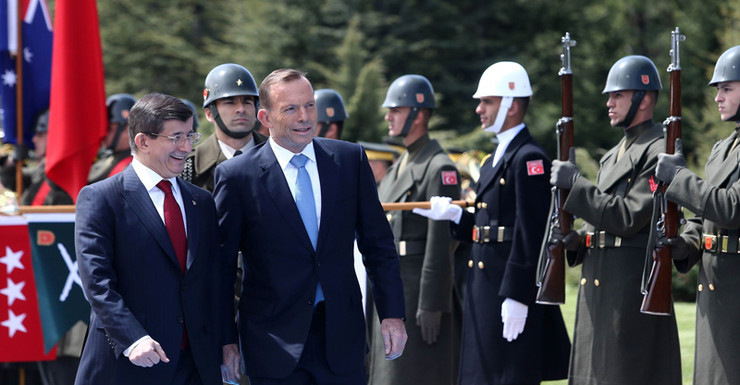
tony-abbott-turkey-Ahmet-Davutoglu

Turkey will apprehend and send back Australian foreign fighters attempting to enter Iraq and Syria under a new agreement between the two countries.

Prime Minister Tony Abbott and Turkish counterpart Ahmet Davatoglu made the announcement at a joint press conference after a marathon meeting on Wednesday.

Mr Abbott is currently in Turkey for the centenary of the Anzac landing at Gallipoli on Saturday.

Under the new arrangement, Australia and Turkey will boost intelligence sharing, enabling Turkish authorities to send Australians attempting to fight overseas home.

More than 150 Australians have travelled to Turkey before entering Syria and Iraq to fight with the Islamic State.

The country shares a 400km-long border with Syria.

Mr Abbott said the meeting with Mr Davatoglu had generated “additional warmth” between Australia and Turkey – two countries that were at war with each other 100 years ago at Gallipoli.

“Our cooperation is deepening,” Mr Abbott said.

“I am confident that as a result of cooperation, as a result of additional warmth this visit has generated, that Australians who are wishing to transit through Turkey to Syria and Iraq will find it much, much more difficult.”

Mr Davatoglu highlighted the fact Australia and Turkey were now working together despite fighting against each other in WWI, saying it could be possible for other countries, too.

source:thenewdaily.com.au

Πέντε νεκροί και ανυπολόγιστες ζημιές στο Νιούκαστλ

Rescuers rush toa car that is stranded in flood waters in Maitland.

Μια από τις χειρότερες κακοκαιρίες των τελευταίων δεκαετιών έπληξε το βόρειο Σίδνεϊ, Nιούκαστλ και την ευρύτερη περιοχή Hunter Valley, το περασμένο διήμερο.

Αποτέλεσμα των πρωτοφανών βροχοπτώσεων και ισχυρών ανέμων ήταν να παρασυρθούν από πλημμύρες αρκετά σπίτια και να χάσουν τη ζωή τους πέντε άτομα.

Στο μάτι του κυκλώνα βρέθηκε, για άλλη μια φορά, η περιοχή Hunter Valley, όπου μια γυναίκα πνίγηκε στο Dungog, στην προσπάθειά της να σώσει τον σκύλο της που είχε παρασυρθεί από τα νερά.

A woman and her baby being brought across the flooded road.

Δύο γυναίκες έχασαν την ζωή τους όταν το αυτοκίνητο στο οποίο απέβαιναν παρασύρθηκε από τα νερά στην περιοχή του Maitland.

Δύο ακόμα άνδρες βρέθηκαν νεκροί την Τρίτη το πρωί, στο προάστιο Illawarra, όπου τα νερά παρέσυραν τέσσερα σπίτια.

Σύμφωνα με την Μετεωρολογική Υπηρεσία, σε λιγότερες από 24 ώρες, το ύψος του νερού από τις βροχοπτώσεις ξεπέρασε τα 300 χιλιοστά, ενώ οι ισχυροί άνεμοι ξερίζωσαν πολλά δέντρα, «πήραν» σκεπές σε αρκετές περιοχές και άφησαν χωρίς ηλεκτρικό ρεύμα για αρκετές ώρες πάνω από 200.000 σπίτια στο βόρειο Σίδνεϊ, Νιούκαστλ και την ευρύτερη περιοχή Hunter Valley και τη βορειοανατολική Νέα Νότια Ουαλία.

Τα σωστικά συνεργεία της Πολιτείας δέχθηκαν πάνω από 8.000 τηλεφωνικές κλήσεις από άτομα τα σπίτια των οποίωβν είχαν πλημμυρίσει, ενώ έσωσαν σχεδόν 100 ανθρώπους που είχαν παρασυρθεί από τα νερά.

Η πολιτειακή κυβέρνηση προειδοποιούσε τους κάτοικους των περιοχών που πλήττονταν να μην απομακρυνθούν από τα σπίτια τους.

Πηγή:Νέος Κόσμος

The Ethnic cleansing of Greeks from Gallipoli in 1915

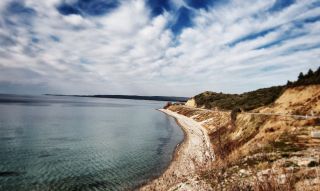
anzac cove_0

Greeks made up about half of the population of the Gallipoli peninsula.

There were 32,000 Greeks living on the Gallipoli peninsula in 1915. By 1919 there were none. Historian John Williams explains how the Turks sanctioned the genocide of thousands.

The facts are that in a period which began after the last of the Balkan Wars and extended throughout the First World War almost half a million Greeks were among the upwards of two million human beings who lost their lives in a state-sponsored campaign of ethnic “purification”.

The Gallipoli peninsula, where Greeks made up about half of the population, was not isolated from this “cleansing”. Quite the reverse. After April 1915, it was the site of a battlefield and this ensured that its “purification” would be total. There were 32,000 Greeks living on the Gallipoli peninsula in 1915. By 1919 there were none, and the vast majority of the former inhabitants were dead. However “genocide” is defined-in particular, however the distinction is drawn with “ethnic cleansing”-what happened on Gallipoli is surely an instance. However, while the Gallipoli genocide was executed by Turkish gendarmes and auxiliaries, it was by no means a purely Turkish affair. It was called an “evacuation” and was just one of a number ordered and organised by Germans. It coincided with the fighting because it was, in fact, ordered for reasons of military necessity. But it went further than such reasons warranted and its excesses were perpetrated under cover of those reasons. That cover has proven effective to this day.

A dispatch on July 7, 1913, reported that Ottoman troops treated Gallipoli’s Greeks “with marked depravity” as they “destroyed, looted, and burned all the Greek villages near Gallipoli”:

Kourtzali was sacked and destroyed completely, as was also Pashakioi. Mavra itself the Turkish soldiers and fugitives burned, killing sixteen Greeks.
The cause of this savagery of the Turks is their fear that if Thrace is declared autonomous the Greek population may be found numerically superior to the Mussulmans.

The 1913 massacres were spontaneous acts of savagery, based on long-standing hatreds inflamed by the recent deportations and massacres of Turkish Muslims from Greece and other Balkan lands. (Arnold Toynbee recorded a total of 413,992 Muslims of former Turkish territory either massacred or expelled during the Balkan Wars of 1912-13.) Suspicion, fuelled by fear, was also part of the mix. With a Greek army expected to invade the peninsula at any moment, Gallipoli’s Greeks were regarded- not without grounds-as a fifth column. Despite this, there was no attempt at that stage to deport or systematically annihilate them, even though just that kind of anti-Greek action had begun in parts of Thrace and Anatolia.

Gallipoli escaped systematic “cleansing” even during the critical months of May and June 1914, when between 100,000 and 150,000 Greeks were forcibly deported to Greece from elsewhere in the Turkish homelands. So “successful” was this operation-that is, both efficient and free from interference from European powers-that it was used as the model for the Armenian genocide. According to Toynbee, “Entire Greek communities were driven from their homes by terrorism, their houses and land and often their moveable property were seized, and individuals were killed in the process.” These persecutions bore all the signs “of being systematic”. The terror attacked one district after another, and was carried on by ‘chette’ bands, enrolled from the Rumeli refugees as well as from the local population, nominally attached as reinforcements to the regular Ottoman gendarmerie”. Persecution of this kind was still to come to Gallipoli. After Fahri’s troops left in July 1913, the Greeks there had been left to rebuild shattered lives as best they could- until April 1915.

On Turkey’s entry into the war, the government policy of persecuting and deporting Greeks was suspended, a fact which has muddied the waters about what happened next. The change in policy arose in early 1915 out of a promise to Germany by Greek Prime Minister Venizelos that Greece would stay neutral provided that the Turks ceased persecuting Ottoman Greeks. The Turkish government attempted to oblige their German ally-or at least to appear to be doing so-though it had, in fact, little success in restraining the murderous activity it had unleashed. And once it became clear that the Allies intended to invade Turkey, deportations of a different kind began, justified by the more acceptable reasons of military necessity. But this rationale concealed an even darker reality. Now it was the Greeks of the coastal regions vulnerable to Allied attack who were deported, not to Greece, but to Turkey’s interior where they were at the mercy of hostile Turks.

A deportee from the island of Marmora described just what deportation to Turkey’s interior involved; how the deportees were forced onto crowded steamers, standing room only; how, on disembarking, men of military age were removed (for forced labour in the labour battalions of the Ottoman army) and how the rest were “scattered … among the farms like ownerless cattle”:

Exposed to the burning rays of the sun and to the darkness and terrors of the night, we were … without any food, the transportation of which had been strictly forbidden us, and even without water until the second day when the station agent saw to it that two carloads of water was brought to us … We had been without bread, too, if some of our number had not been able to procure it from Turkish villages. For twenty-eight days without bread, olives, or cheese, we set eyes on little else that was edible; our hardships could not fail to produce their natural result. Every day, three or four deaths occurred.
After sixteen days, these deportees were forced to walk for another four days to various villages, care being taken “upon entrance, to separate the members of families from one another”. One such village was Kermasti, where the “crowding together and the hardships we endured resulted in 13-15 deaths per day of the 2,000 inhabitants of Marmora alone”. Corpses being “borne to the cemetery were stoned. If a man dared to go from one village to another, it was at the risk of his life.” One man, accompanied by his son, “ventured to go from Mitchlich to Apollionus, and both were found dead two days later, beheaded near a stream”.

Though the entire Greek population of Turkey was not, in those years, targeted for genocide like the Armenians, pockets of Greek genocide not only occurred during the war, but were made possible because of the war. Gallipoli was such a pocket.

With the official moratorium on Greek deportations in place, Liman von Sanders advised the Ottoman government that “he would be unable to take the responsibility for the security of the army” unless potentially disloyal Greeks were removed from the peninsula. The evacuation of Gallipoli now began less than a week before the invasion of April 25. The Greek Patriarchate in Constantinople (legally responsible for the spiritual life of Greek Christians) kept careful records, including eyewitness reports. These reports accord with the foregoing eyewitness account from Marmora.

Gallipoli’s Greeks received two hours notice before they were forced “to embark in steamers”. Their merchandise was seized and “sold to Mussulman societies”, while women were “exposed to the brutal instincts of their Mussulman guards”. Of the final deportation figure of some 22,000 souls, a few managed to reach Greece, though in a pitiful state, and some others were able “to prolong their existence by embracing Islam”. For young Greek men, their fate was not (yet) deportation, but life or death in forced-labour battalions. But most of Gallipoli’s Greeks were among the “490,063 souls wandering in the mountains, the plains and the villages of Anatolia” where they “succumbed for the most part to hunger, cold and privations”. Even as the first invading troops waded ashore, there were still some 10,000 Greeks hiding out on Gallipoli- most of them in the countryside, some given refuge by humane and courageous Turks. As the fighting raged, squads of gendarmes and Arab auxiliaries, at times possibly aided by Turkish regulars, were rounding up Gallipoli’s last Greeks and sending them to their dismal fates. How did the Ottoman empire, which was once, comparatively at least, a model of ethnic diversity and tolerance, come to this?

When the Gallipoli fighting was under way, Enver Pasha and his party were in power and Enver, as Minister for War, was boasting to a German military attache that he would “solve the Greek problem during the war” just as he had “solved” the Armenian problem. By now these “solutions” had nothing to do with the brotherhood of ethnic and religious minorities and everything to do with their elimination.

No longer was the empire’s decline due to a corrupt and retrograde regime which had kept it in a pre-modern condition, rather it was the fault of the its Christian subjects- more specifically, it was the result of “the struggle of the Christian minorities for equal rights and reform”.
While Armenians as well as Assyrians were targeted by special measures which aimed at their annihilation, Greeks were also expelled.
In total, almost one-third of the Anatolian population were either relocated or killed. This ethnic cleansing and homogenization paved the way for today’s Republic of Turkey.

*This is an extract from Deutschland Uber Allah! The Germans and Gallipoli 1915. John Williams is a photographer, historian, and an author of five books.

source:Neos Kosmos

‘False history’ claim over Anzac monument

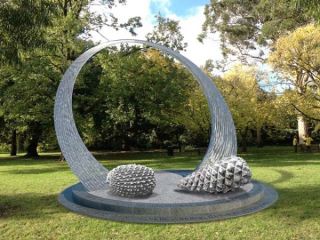
memorial

‘False history’ claim over Anzac monument The Seeds of Hope sculpture that makes up the Turkish-Australian Friendship Memorial in Birdwood Avenue.

Turkish-Australian memorial text attracts criticism

An online petition organised by the ‘Greek Genocide Resource Centre’ to the City of Melbourne and the Victorian RSL is asking for a quotation attributed to Kemal Ataturk to be removed from a new memorial near Melbourne’s Shrine of Remembrance, despite the quote being used on Anzac Parade in Canberra.
The Turkish-Australian Friendship Memorial, that was unveiled this week by Victorian Premier Daniel Andrews, includes a text – often referred to as Ataturk’s ‘Ode to Australian mothers’ – attributed to the Turkish commander at Gallipoli. The text is an extract of the inscription on the Kemal Ataturk memorial in Canberra which reads:

“Those heroes that shed their blood and lost their lives … You are now lying in the soil of a friendly country. Therefore rest in peace. There is no difference between the Johnnies and the Mehmets to us where they lie side by side now here in this country of ours … you, the mothers, who sent their sons from faraway countries wipe away your tears; your sons are now lying in our bosom and are in peace. After having lost their lives on this land they have become our sons as well.”

However, some hardline critics in the Greek Australian community say that while the Seeds of Hope monument is an initiative of reconciliation, the inclusion of the quote “promotes false history” and makes the memorial’s design “antithetical to core Australian values”.

Mr Aris Tsilfidis, who runs the Greek Genocide Resource Centre (a website and Facebook page with 4,000 followers), told Neos Kosmos that studies by Australian historians have revealed that there is scant evidence that Ataturk ever made the statement.

“Since Dr Peter Stanley, one of Australia’s most active military-social historians … seriously doubts its validity, then it really should be removed until credible evidence is found that Ataturk actually said it, and actually addressed it to Australians,” said Mr Tsilifidis.

“Can we have a friendship between two countries based on myth? I have nothing against a Turkish-Australian friendship memorial. It’s just the quote we’re questioning.”

Genocide Studies lecturer Panayiotidis Diamadis told Neos Kosmos that the call to have the text removed from the Kings Domain monument was driven by the need for historical accuracy.

“Memorials of this sort play an important role in shaping public memory. Accuracy in the messages they convey is therefore of the utmost importance. Mustafa Kemal never said nor wrote those words. Therefore, they have no place on any memorial in Australia.”

Mr Diamadis added that a question remained as to whether memorials should be created in Australia “to an individual who established and operated a one-party dictatorship from 1920 to his death in 1923 … and an individual responsible for the deaths of so many Christian – Hellene, Armenian and Assyrian – citizens of the Ottoman Empire and its successor, the Republic of Turkey.”

The 3.8-metre sculpture Seeds Of Friendship is a Turkish Australian community project commemorating the 100th anniversary of the Gallipoli landings in 2015, and honours the close relationship between Australia and Turkey.

Commissioned by the Turkish Sub-Branch of the Victorian RSL, the sculpture includes two hand-carved granite seed cones, a pine from Turkey and a casuarina from Australia, to represent the fallen, the seeds of friendship and the future.

Trentham-based sculptor Matthew Harding – who was awarded $300,000 to create the sculpture – describes the monument as “a symbol of regeneration and vitality and of the living memory and embodiment of hope.”

source:Neos Kosmos

Lemnos:To West Mudros and Beyond

claven%20lemnos%2003%20ship

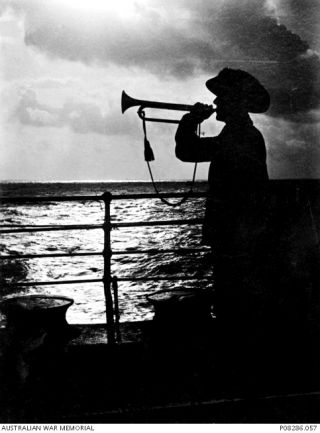
The Last Post at sunset aboard the troopship HMAT Euripides (A14). Photo: Merchant seaman engineer Denver Wood Wansey. AWM.

Lemnos and the Greek Australian odyssey of the Tarlamis family

This month we commemorate the Centenary of Anzac and the role of Greece – and specifically Lemnos – in that story.

As Australia’s diggers arrived on Lemnos from March 1915, they began a connection with Greece that would be enriched through the years. One of the aspects of this is that today there are Australian families who can count both Aussie diggers and Lemnian villagers in their family history. One of those is Lee Tarlamis. A product of a Lemnian father and a mother from Melbourne’s eastern suburbs, Lee’s forebears walked the same shores of Mudros Bay all those years ago in 1915. This is their story.

Blackburn’s Private Tozer goes to Lemnos

On 25 August 1914, Edward Rees Tozer began his journey that would take him to war. A railway employee, Edward was born in Blackburn and was 24 years old when he enlisted in the 4th Battalion at the Kensington enlistment centre in Sydney.

Embarking from Sydney Harbour in October 1914, now Private Tozer arrived in Egypt in December 1914. Photographs taken by diggers at the time show Edward’s battalion training for the struggle ahead, camped beneath the ancient pyramids. The laconic sensibility of these diggers is reflected in the words of one in response to a question of what he thought of these great feats of engineering – “What I sez is, when you’ve seen one you’ve seen the lot!”

Like all diggers who went to Gallipoli, Edward would spend time at the main base for the campaign – Lemnos. The first time he came to the island was when he arrived from Egypt in April 1915. In the few weeks before the landings, Edward would have practiced embarking and landing procedures, taking part in mock attacks and other training for the battle ahead. He may have enjoyed some leave to visit the villages around Mudros Bay. At noon on Saturday 24 April, Edward sailed out of Mudros Bay on the troopship Michigan. After an anchorage in the Bay of Pournia on Lemnos’ north-east coast, they sailed to the Dardanelles – the diggers following in the wake of Odysseus and his warriors on their own voyage to another battlefield at Troy as Homer had recounted.

Edward and the 4th Battalion would be part of the second and third waves of Anzacs landing at Anzac Cove on the 25th April. Over the coming months, Edward took part in some of the bloodiest and key battles of the campaign – securing and defending the beachhead in April and beyond and the great and ultimately futile battle of Lone Pine in August. In the first days alone, the battalion suffered more than 200 casualties, including battalion commander Lieutenant Colonel A.J.O. Thompson, who was killed. The machine gun, sniper and artillery fire suffered by the battalion was like being in “hell”.

Like many others, Edward succumbed to illness after surviving the battle of the beachhead, being diagnosed with the then deadly influenza on 1 May. He boarded the Hospital Ship Gascon for Egypt on 4 May, arriving in Egypt on 7 May. His illnesses would become worse before it improved, his flu developing into pleurisy, then a vein disorder and finally an infection of scabies. It would not be until 18 November that Edward would return to Lemnos and Gallipoli. Finally, Edward and his unit were evacuated on 20 December, leaving at 4.30 am and arriving at Mudros five hours later.

On Lemnos, Edward was camped at the Anzac camp at Sarpi (an ancient settlement pre-dating the Ottoman-era meaning ‘wooden house’, modern day Kalithea). Time was spent on parades, cleaning up the camp and the distribution to the men of sheepskins, puddings and ‘billies’ from the Australian Comforts Depot. The 4th Battalion departed Sarpi Camp at 9.30 am on 24 December, embarking on the HMTS Simla from Sarpi Pier.

Spending Christmas aboard the ship, Edward departed Mudros Bay and Lemnos for Egypt in afternoon of the 26 December, never to see Lemnos again. He would serve in western France with his comrades, surviving a gunshot wound in August 1916.

An Aussie on Lemnos

We don’t have any documentary evidence of what Edward did on Lemnos but he may have enjoyed some of the experiences the other diggers did. During his four days back on Lemnos, he might have enjoyed leave to visit the nearby villages of Agkariones, Portianou, Kontias, Tsimandria and even the hot thermal baths of Therma.

He might have mingled with the Australian and Canadian nurses at the nearby Australian hospitals, across the inlet from Sarpi on the Turks Head Peninsula – a common jaunt for the diggers on Lemnos, or visited the graves of his comrades at Portianou’s cemetery – Sydney’s Private Arthur Anderson, Scotland’s Private Kenneth Cameron and Lance Corporal Frank Rice, born in Derby, England. Frank died as Edward was returning to the peninsula and Kenneth while Edward was in the trenches.

In leaving the rest camp at Sarpi he would almost certainly have met local Lemnians on the roads around the island. Like other diggers he might have hired a donkey, bought food or sat in the kafenia enjoying the wines of the island. And this is how he may well have rubbed shoulders with members of the local Tarlamis-Karamaloudis-Galimitis family.

From Asia Minor to Lemnos and Australia

At the time, the Tarlamis-Karamaloudis family lived in the villages of Tsimandria and Akgariones. In a few years time, they would marry refugees from the catastrophe in Asia Minor, from the island of Koutali in the Propontis (or Sea of Marmara) – an area that in 1915 had been the focus of the Allied campaign.
Koutali (modern day Ekinlik) – shaped like a spoon with its Profitis Ilias rising above the sea – was a prosperous Greek-populated island whose roots dated back to the seventh century BC. Its more than 1,800 residents were famed as fishermen, sponge divers and traders. And Koutali’s wealth had created its many mansions, numerous public buildings, two schools and four churches, including the Church of the Virgin Faneromeni, which sat near the harbour.
One of Koutali’s most famous residents was the legendary Greek wrestler and weightlifter Panagiotis Antoniou Kaliodzis, son of Antonis Kaliodzis, born in Koutali in 1847. He toured throughout Europe and America in the late 19th century with his wrestling exhibitions, defeating wrestling champions and tackling wild animals. There are many posters advertising his appearances, including in Uruguay.

As the fighting came to the Dardanelles in 1915, Koutali would bear witness to the war. Not only are its waters where Australia’s famous submarine – the AE2 – was scuttled to avoid capture but it was near here that another and more successful Allied submarine – the Scottish Captain Naismith’s E11 – would hide after its many raids into the Marmara. The E11 sank many Ottoman vessels and even sailed into Constantinople’s harbour itself in 1915, and as a result earn its captain a Victoria Cross.

But the war would bring the Greek population the first of their forced removals by the Ottoman authorities. And in 1922 they would be forced to flee their homeland again – this time permanently, many of the survivors making their way to Lemnos. Joined by other Greek refugees from Asia Minor – from Reis Dere, Gallipoli, Cesme and beyond – they established the new village of Nea Koutali in 1926.

One of the experienced sponge diving families from Koutali to arrive on Lemnos were the Galimitis. Familiar with the waters of Lemnos, they had dived and fished here before 1922. The museum at Nea Koutali showcases the pride of this village in its seafaring and Asia Minor origins.
Before too long the new arrivals would marry into the other families in the villages nearby. The Galimitis family, whose origins lay in Koutali and Asia Minor, would marry into the Karamaloudis of Tsimandria, linking them with the Tarlamis Akgariones. These families can still be found living in Nea Koutali, Tsimandria and Akgariones today.

A Greek Australian odyssey comes together

In 1953, Kon and Fanoula Tarlamis left Tsimandria with their young baby Sam on a migration journey that would take them to Uruguay (following in the footsteps of the great Koutilianos) and eventually to Australia. It was here that Sam would meet a young woman, Glenda Barber from Burwood. Her great-uncle was the young digger Edward Tozer who had walked on Lemnos in 1915.

Sam and his wife would have a son, Lee, who would go on to become a member of parliament and champion the recognition of Lemnos’ role in Australia’s Anzac story. His name resonates with both the Profitis Ilias on Lemnos and far away Koutali. Reflecting on Edward’s voyage to Lemnos and Gallipoli in 1915, Lee has visited Lemnos many times and walked in the footsteps of his forebears.

The link embodied in Lee’s connections to both the villagers of Lemnos and the diggers of 1915 is one of the inspirations driving him to gain more recognition for Lemnos’ role in Australia’s Anzac story. It has driven his work to mark the centenary with the major new memorial commemorating the role of Lemnos to be unveiled in Albert Park in August and a major commemorative publication in January next year.

The discovery of Lee’s story shows how the Centenary of Anzac can reveal the depths of the links between Australians and Greeks. Of how the tragedy of war can link peoples and give new life in distant shores.

Lest we forget.

In April Lee and other members of Melbourne’s Lemnos Gallipoli Commemorative Committee will be taking part in the major commemorative events taking place on Lemnos. They have assisted in coordinating events on the island, liaising with the Australian and Canadian embassies, the Lemnian authorities and both the Hellenic and Royal Australian Navies. The events include a visit by HMAS Success, services at both Commonwealth Military Cemeteries on Lemnos, a football match recreating that played by the Anzacs in 1915 on Lemnos – amongst other events. The committee hopes that this year’s events on Lemnos are only the beginning of refreshing the links between Greece and Australia through the Anzac story.

* Jim Claven is a freelance writer, historian and secretary of the Melbourne-based Lemnos Gallipoli Commemorative Committee. He is researching the Anzac trail on Lemnos and Greece, and has led commemorative tours throughout Greece. Jim can be contacted by email at jimclaven@yahoo.com.au

source:Neos Kosmos

 

Newcastle:Two elderly women inside car swept away in Hunter flood, police confirm

Rescuers rush toa car that is stranded in flood waters in Maitland.

Rescuers rush toa car that is stranded in flood waters in Maitland. Photo: Peter Stoop

“There are people in there!” a man cried out as bystanders raced to help a woman trapped in a car in floodwaters outside Maitland.

The moment was captured by Fairfax Media photographer Peter Stoop, who was covering the floods in the Hunter region on Wednesday morning.

The woman had driven from Gillieston Heights into Maitland and was returning when the tragedy happened, Inspector Brian Tracey, of Maitland police, said.

Her small silver hatchback had joined a procession of cars trying to cross flooded Wallis Creek on Cessnock Road shortly before 9am when a red Falcon in front of it stalled.

Witnesses say the hatchback tried to go around the stalled
Falcon, but it was quickly caught in the fast flowing waters.

Inspector Brian Tracey, of Maitland police, talks to the media at Cessnock Road.

Inspector Brian Tracey, of Maitland police, talks to the media at Cessnock Road. Photo: Jonathan Carroll

About a dozen people ran into the water, but the car was swept away, sinking nose first, and went bobbing into the main body of water.

Anthony McAndrew, of Gillieston Heights, who had been in the car that stalled, dived in and swam after the floating car. His vehicle was also swept away.

Three men on the opposite bank also dived into the water.

A woman and her baby being brought across the flooded road.A woman and her baby being brought across the flooded road. Photo: Jonathan Carroll

A district fire officer yelled out to the occupants of the car to wind down the windows. She said the passenger door opened and she called out to close it. A rear passenger door then opened and she called on the occupants to close it but the car sank within seconds.

“I yelled at them to swim for it as they started to sink but they didn’t,” the fire officer said. “I had been on shift all night and I had just come across there myself. I rang my captain and told him I had aquaplaned across and I told him to block the road.”

Peter Gray, a deputy captain of Fire and Rescue NSW, said police, ambulance, fire and SES crews, using helicopters and boats, began searching for the submerged cars.

A young mother and her seriously ill four-month old baby are taken across the flooded Cessnock Road in an inflatable boat.A young mother and her seriously ill four-month old baby are taken across the flooded Cessnock Road in an inflatable boat. Photo: Jonathan Carroll

Inspector Tracey said the men who had jumped into the waters in the attempted rescue had been accounted for and did not require hospital treatment.

At the same time as the search mission was being undertaken, rescue workers brought a young mother and her seriously ill four-month-old baby across the water in an inflatable boat. They had come from Cessnock and were taken to Maitland Hospital in an ambulance.

Late on Wednesday, the body of an 86-year-old woman was recovered from the floodwaters. Inspector Tracey said the police divers had told him there was zero visibility in the water and that they had to feel their way to the car.

A young mother and her seriously ill four-month old baby are taken across the water in an inflatable boat.A young mother and her seriously ill four-month old baby are taken across the water in an inflatable boat. Photo: Jonathan Carroll

Divers searched the car and, despite fears there might have been a passenger, they now believe the woman was travelling by herself.

The woman’s 66-year-old son had maintained a vigil by the water throughout the day, but just after 7pm any hopes of his mother’s recovery were dashed when paramedics brought out her body on a stretcher. The woman’s death brings to four the death toll from the storms that have lashed Sydney, Newcastle and the Illawarra.

source:smh.com.au

La Tribune: “H ευρωπαϊκή στρατηγική καταρρέει – Ο Α.Τσίπρας κερδίζει”

La Tribune: "H ευρωπαϊκή στρατηγική καταρρέει - Ο Α.Τσίπρας κερδίζει"
«Πίσω από τις δυνατές λέξεις, η ευρωπαϊκή στρατηγική αναφορικά με την Αθήνα δείχνει να καταρρέει» αναφέρει η γαλλική εφημερίδα La Tribune, δίνοντας δίκιο στην στρατηγική της ελληνικής κυβέρνησης,η οποία επέλεξε έναν διαφορετικό δρόμο από αυτόν της υποταγής που είχε επιλέξει η προηγούμενη κυβέρνηση Α.Σαμαρά-Ε.Βενιζέλου.

Την ίδια στιγμή το Spiegel αναφέρει ότι σήμερα ο Α.Μίλερ το “Αφεντικό” της Gazprom έρχεται για την υπογραφή του Greek Stream.

Ο δημοσιογράφος Ρομαρίκ Γκοντάν σε μακροσκελή ανάλυσή του υποστηρίζει ότι κατά το διάστημα που πέρασε από τις 20 Φεβρουαρίου μέχρι σήμερα μοιάζει να μην έχουν γίνει και πολλά, ωστόσο τονίζει ότι «πίσω από αυτή την πρόσοψη της ακινησίας, η κατάσταση εξελίσσεται» κι ας μη φαίνεται.

Επίσης, επισημαίνει ότι «η ελληνική κυβέρνηση έχει κάνει πολύ πίσω» σε σχέση με τις προεκλογικές της εξαγγελίες.

Η ελληνική κυβέρνηση έκανε πολλούς συμβιβασμούς, δεν θα κάνει άλλους.

Χαρακτηριστικό είναι πως ο Αλέξης Τσίπρας, μέσα στις «πολλές υποχωρήσεις» που έχει κάνει, συγκαταλέγονται και αυτές του «να μην επαναδιαπραγματευτεί άμεσα το δημόσιο χρέος, να δεχθεί ορισμένες ιδιωτικοποιήσεις, ακόμα και να δεχθεί να υποβάλει ως τώρα τέσσερις διαφορετικές λίστες με μεταρρυθμίσεις, έπειτα από απαίτηση των πιστωτών».

Όμως μέχρι εκεί. Ο Έλληνας πρωθυπουργός δεν μπορεί να δώσει κι άλλα στους δανειστές, υποστηρίζει ο Γάλλος αναλυτής και αναφέρει ως ενδεικτική τη στάση της ελληνικής πλευράς μετά το Euro Working Group της 1ης Απριλίου, όπου «η Αθήνα εξακολούθησε να βρίσκεται σε μειονεκτική θέση» έναντι των εταίρων της. Έτσι, «ο Αλέξης Τσίπρας στη συνέχεια διεμήνυσε πως δεν θα παρουσιάσει κι άλλη λίστα και πως θα αρνηθεί να εφαρμόσει μεταρρυθμίσεις λιτότητας».

Έτσι, κατά τον Γκοντάν, το Euro Working Group της 1ης Απριλίου είναι ο σημαντικός σταθμός στη διακοπή κάθε προόδου στις συνομιλίες. Αυτό το Euro Working Group αποτελεί «μια πραγματική ρήξη» μεταξύ Αθήνας και εταίρων.

Το Euro Working Group της 1ης Απριλίου αποτελεί την πραγματική ρήξη Αθήνας-δανειστών.

«Με την a priori άρνησή της να προχωρήσει σε περισσότερες παραχωρήσεις, η Αθήνα αλλάζει σταδιακά το στρατόπεδο όπου υπάρχει πίεση», υποστηρίζει ο δημοσιογράφος της La Tribune, καθώς «μέχρι σήμερα οι δανειστές εφάρμοζαν την τακτική της “θηλιάς” γύρω από το ελληνικό κράτος, μέσω της έλλειψης ρευστότητας, προκειμένου να αναγκάσει την Αθήνα να δεχθεί τα πάντα. Όσο περισσότερο πλησιάζαμε στη χρεοκοπία τόσο πιο πιθανό ήταν η Αθήνα να δεχθεί τα πάντα. Ως εκ τούτου, το Eurogroup υιοθέτησε την τακτική της αναμονής. Αλλά τώρα, αυτή η στρατηγική μοιάζει να πέφτει έξω. Η “θηλιά” όσο περνάει ο καιρός σφίγγει όλο και περισσότερο, αλλά αυτό δεν οδηγεί την ελληνική κυβέρνηση να υποχωρεί και να γίνεται πιο ευέλικτη – το αντίθετο μάλιστα».

Αυτό, κατά τον Γκτοντάν, έχει ως αποτέλεσμα «σταδιακά, οι Ευρωπαίοι να βρίσκονται μπροστά στον κίνδυνο που δημιούργησε η δική τους στρατηγική: αν η θηλιά γίνει τόσο σφιχτή, ώστε να στραγγαλίσει την Ελλάδα, αν δηλαδή η λογική τους είναι να φτάσουν μέχρι το τέλος, τότε θα πρέπει να αντιμετωπίσουν τις συνέπειες μιας ελληνικής χρεοκοπίας ή ακόμη κι ενός Grexit».

Οι Έλληνες είναι έτοιμοι για χρεοκοπία και Grexit, οι Ευρωπαίοι όχι.

Σύμφωνα, δε, με τον οικονομικό αναλυτή, «οι Έλληνες, από την άλλη πλευρά, είναι προετοιμασμένοι για το χειρότερο» κι αυτό φαίνεται από το γεγονός πως «έχουν προχωρήσει σε μια σειρά από ενέργειες που τους κάνει να θεωρούν ότι είναι πρόθυμοι να αναλάβουν τις συνέπειες του κινδύνου της αδυναμίας πληρωμής».

Πρώτο χαρακτηριστικό παράδειγμα είναι η προσέγγιση με τη Ρωσία. Δεύτερο, τα σενάρια για πιθανό δημοψήφισμα ή νέες πρόωρες εκλογές που θα έδινε στον ΣΥΡΙΖΑ μια νέα ακόμη πιο καθαρή εντολή. Τρίτο, οι πληροφορίες των New York Times πως ο υπουργός Οικονομικών, Γιάνης Βαρουφάκης, συναντήθηκε κατά την επίσκεψή του στις ΗΠΑ με το δικηγόρο κι έναν εκ των ειδικών στις αναδιαρθρώσεις δημοσίων χρεών, τον Lee Buchheit, της εταιρείας Cleary Gottlieb Steen & Hamilton LLP.

Ωστόσο, εν αντιθέσει με την Ελλάδα, «είναι προφανές ότι οι Ευρωπαίοι δεν είναι έτοιμοι να αποδεχθούν μια τέτοια ακραία εξέλιξη» υποστηρίζει ο Γάλλος δημοσιογράφος, ο οποίος θεωρεί ότι, «παρά τις καθησυχαστικές διαβεβαιώσεις» που δίνουν Ευρωπαίοι αξιωματούχοι πως πλέον η Ευρωζώνη και η ΕΕ είναι θωρακισμένη και μπορεί να αντιμετωπίσει τις συνέπειες ενός Grexit, θα σημειωθεί ένα ντόμινο «τεράστιων και σοβαρών προβλημάτων στα κράτη, στους θεσμούς και τις τράπεζες της ζώνης του ευρώ».

Σε αυτό το σημείο παραθέτει μια λίστα από επιπτώσεις οι οποίες θα είναι εξαιρετικά δύσκολο να αντιμετωπιστούν, όπως το ότι οι κυβερνήσεις θα πρέπει να βρουν τρόπο να καλύψουν τις ζημιές από τα ελληνικά ομόλογα, ζημιές τις οποίες δεν θα έχουν με ποιον να τις διαπραγματευτούν, αφού το ελληνικό κράτος θα έχει δηλώσει χρεοκοπία.

Εκτός από το πλήθος των επιπτώσεων στο νομισματικό, οικονομικό και τραπεζικό σύστημα, για το Βερολίνο ειδικά, μια ελληνική χρεοκοπία θα έχει και πολιτικό κόστος. «Το Βερολίνο θα πρέπει να εξαργυρώσει πολιτικά τις συνέπειες της ελληνικής χρεοκοπίας» αναφέρεται στο άρθρο της La Tribune.

«Είναι άραγε διατεθειμένο να δώσει περισσότερα για να σωθεί το ευρώ;» αναρωτιέται ο Γκοντάν και προσθέτει: «Ένα είναι βέβαιο: Η Μέρκελ θα προτιμούσε να μην πάρει το ρίσκο (σ.σ.: ενός Grexit)». Κι αυτό γιατί «εν τέλει, θα δημιουργούσε ένα επικίνδυνο προηγούμενο που θα ισοπέδωνε το μύθο του ευρώ: τη μη αναστρεψιμότητά του». Άλλωστε, αν καταρρεύσει το ευρώ, κατά το Γάλλο αναλυτή, κινδυνεύει και η ΕΚΤ η οποία «είναι βασισμένη στο μύθο του ευρώ».

Ωστόσο, «στο μπρα ντε φερ Ελλήνων και Ευρωπαίων αυτός που φοβάται λιγότερο ή προσποιείται ότι φοβάται λιγότερο το Grexit τα παίρνει όλα»

Το γερμανικό περιοδικό Der Spiegel, εκτιμά πως κατά τη σημερινή επίσκεψη του επικεφαλής της Gazprom, Αλεξέι Μίλερ, στην Ελλάδα θα συμφωνηθεί η κατασκευή του αγωγού Greek Stream, ο οποίος θα αποτελεί τη συνέχεια του αγωγού Turkish Stream και θα μεταφέρει ρωσικό αέριο προς την κεντρική Ευρώπη.

Επικαλούμενο υψηλόβαθμες πηγές το Spiegel θεωρεί πιθανή τη σύναψη της συμφωνίας, σήμερα, Τρίτη 21 Απριλίου. Σύμφωνα με δημοσίευμα της Kommersant, επικαλούμενης το Spiegel, θετικά σχολίασε την ενδεχόμενη συμφωνία και ο Γερμανός υπουργός Οικονομικών, Βόλφγκανγκ Σόιμπλε: «Είμαι χαρούμενος για την Ελλάδα» φέρεται να σχολίασε ο Γερμανός υπουργός σχετικά με την πιθανή υπογραφή της συμφωνίας, για την οποία όπως είπε, ευελπιστεί και χαιρετίζει, όπως και κάθε συμφωνία που θα μπορούσε να βοηθήσει την Ελλάδα. .

Ο επικεφαλής της Gazprom συναντάται σήμερα, στις 2 το μεσημέρι στην Αθήνα, με τον υπουργό Παραγωγικής Ανασυγκρότησης και Ενέργειας Παναγιώτη Λαφαζάνη, ενώ στις 4 το απόγευμα θα συναντηθεί με τον Έλληνα πρωθυπουργό Αλέξη Τσίπρα.

Στην επίσημη ανακοίνωση του υπουργείου Παραγωγικής Ανασυγκρότησης και Ενέργειας αναφέρεται ότι κατά τις συναντήσεις θα συζητηθούν επίκαιρα ζητήματα ενεργειακού ενδιαφέροντος, ενώ σύμφωνα με πληροφορίες η επίσκεψη Μίλερ πραγματοποιείται προκειμένου να υπογραφεί το μνημόνιο για την κατασκευή του αγωγού Greek Stream.

Η επένδυση για την κατασκευή του ελληνικού τμήματος του αγωγού Turkish Stream- από τα ελληνοτουρκικά σύνορα έως τα σύνορα με την ΠΓΔΜ- θα είναι ύψους 2 δισ. ευρώ και αναμένεται να δημιουργήσει 2.000 νέες θέσεις εργασίας.

Πηγή:newsnea.gr

Europe’s collision course with Greece

The brinkmanship over Greece and its debts continues. A meeting of finance ministers in Riga on Friday is likely to pass, like many previous make-or-break moments, without resolution. The European Union isn’t deviating, and neither is Athens. Before much longer, though, something really will have to give — and it seems ever more probable that, when it does, the news will be bad.

Confidence has firmed across Europe that a Greek default won’t much harm any other country — indeed, that the rest of the EU might actually be stronger if the Greeks are taught a lesson. This theory is wrong. If it’s pressed into action, Europe will come to repent its biggest miscalculation since the creation of the euro.

EU governments are hardening their insistence on an overt Greek surrender. The terms of the existing bailout program, they say, must be honored in full before talks on a new one can start — and meanwhile, there’ll be no more money. In plain terms, the SYRIZA government led by Prime Minister Alexis Tsipras must not only break its promise to voters but be seen by all to have broken it.

Tsipras, to be sure, commands little sympathy. He has served his country poorly. His government’s initial take-it-or-leave-it posture looked calculated to offend. Having started badly, how to make matters worse? Press for war reparations from Germany — an altogether strange way for a distressed borrower seeking new debt relief to approach its creditors. Athens thought it was negotiating from a position of strength — that Europe wouldn’t dare call its bluff. This now looks like a losing bet.

So, yes, Syriza got every last detail of this negotiation wrong. The only thing it got right was the main point: The Greek economy, crushed by Europe’s economic crisis, cannot recover without relief from the self-defeating fiscal austerity imposed by the European Commission, the European Central Bank and the International Monetary Fund. The tactical incompetence of Tsipras and his ministers is a pitifully lame excuse for the failure of those institutions to achieve this outcome — a remedy, by the way, that’s in the interests of the wider EU.

Unless Athens is granted some of the 7.2 billion euros still pending in the existing bailout program, it can’t make payments falling due in May and June. The IMF has said that it won’t tolerate a delay. Default is staring Greece in the face. Exit from the euro system would likely follow default — if not explicitly, then tacitly, through the creation of a parallel currency that would enable the government to meet its domestic obligations.

If all this comes to pass, Europe will have shown it meant business. That’s fine. Aside from scoring this gallant victory over mighty Greece, what will it have achieved?

If Greece defaults, the IMF and the ECB will lose more than if they agreed right now to forgive much of the debt. That’s to say nothing of the risk of contagion, and a widening crisis of confidence. Governments and the ECB seem to believe that this danger is contained. The U.S. Treasury and the Federal Reserve thought the same about Lehman Brothers.

Grexit would compound the risk. The prevailing view that Greece can be pushed out of the euro system with little collateral damage, together with the moves the ECB has made to partition the underlying system of national central banks, have already weakened the system’s credibility. The euro looks less like a single currency and more like a fixed-exchange-rate system. In the end, fixed-exchange-rate systems collapse. Grexit, if it happens, will emphasize the point.

Europe’s economy shows signs of dragging itself off the floor, thanks to a devalued euro and lower energy costs. But Europe has addressed few of the structural and institutional failings that made its recession so deep and persistent. The EU’s economy is still fragile. The last thing it needs is a shock like Grexit.

Suppose, though, that the recovery strengthens and Europe does take Grexit in stride. Europe’s policymakers should look ahead to the next crash. Post-Grexit, markets will know that countries with unsustainable debts can be ejected from the system. This raises the risk of capital flight and makes self-fulfilling panics more likely.

Tsipras has climbed a long way down from his initial demands. A new bailout program could well strike a workable compromise between, on one side, Greece’s need for debt relief and fiscal moderation, and, on the other, a commitment to monitored and sustainable long-term public finances. Yet to get to that new program, you have to lift the threat of immediate financial breakdown.

Europe and the IMF have chosen not to lift that threat unless Tsipras surrenders unconditionally. It is Europe, not Tsipras, that has set its face against compromise — by enshrining the current bailout program, which its own authors acknowledge to be a failure, as a sacred object. Instead of helping Greece to its feet, Europe is telling Greece to kneel. Instead of helping Tsipras to climb down, the EU demands he abase himself. Instead of expressing solidarity with the Greek people, who have suffered inordinately, Europe says: “Election? What election?”

Tsipras has done a terrible job. Compared with the rest of Europe’s leaders, he looks like a statesman.

source:ekathimerini.com

Talks move slowly as Athens eyes political deal

File photo of the Greek Finance Ministry in central Athens.

 A teleconference of eurozone Finance Ministry officials on Wednesday concluded that much more work needs to be done before a deal can be reached with the country’s creditors while Greece’s envoy in the negotiations currently taking place in Paris said any decision must be reached on a “political level.”

The Euro Working Group teleconference was held to lay the groundwork for Friday’s Eurogroup summit in Riga, Latvia, but eurozone officials said afterward that no statement was expected to be made about the Greek situation in Riga. Sources pointed to some improvement in the pace and quality of the talks, noting that Greece was sending more experts to the discussions. But they added that the two sides remain far apart on key issues while Greece’s growth forecasts are regarded as excessively optimistic.

In comments to Mega TV after talks in Paris on Wednesday, Greek envoy Nikos Theoharakis said talks were progressing though labor and pension reforms remained the key points of contention. Any agreement can only be reached “on the political level,” he said.

Prime Minister Alexis Tsipras plans to take a step in that direction when he meets in Brussels today with German Chancellor Angela Merkel on the sidelines of an emergency summit on immigration. Sources close to the German government, however, suggested that Merkel is likely to do little more than repeat that a deal must be reached at the technical level.

Germany’s Finance Ministry spokesman, Martin Jaeger, said there were “very limited expectations” of the Riga meeting, which would probably yield an interim assessment on the reforms Greece must make for urgently needed rescue loans.

Despite the low expectations, Greek officials sought to appear upbeat on Wednesday. Government spokesman Gavriil Sakellaridis told ANT1 TV Tsipras would express to Merkel his commitment to achieving a mutual compromise quickly. In comments to Parliament, meanwhile, State Minister Nikos Pappas said the government would stick to its red lines. “The creditors have put on the table some demands that have not been accepted to date and will not be accepted,” he said.

source:ekathimerini.com