Category Archives: Uncategorized

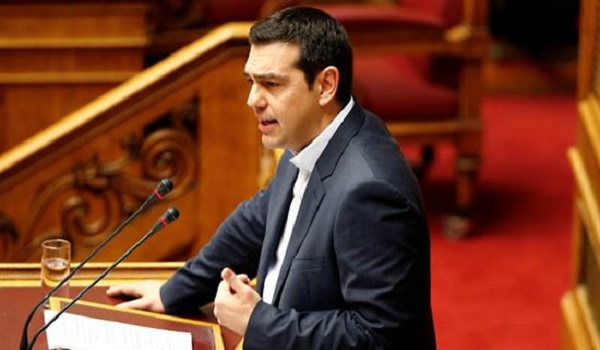
Welt: Ακόμη και σε νέες εκλογές, ο Τσίπρας θα είναι και πάλι νικητής

tsiprasbouli_prog_madata_418685847

Είτε το θέλει η Ευρώπη είτε όχι, σημειώνει η γερμανική εφημερίδα Die Welt, στο άμεσο μέλλον δεν υπάρχει καλύτερος εταίρος για τους Ευρωπαίους στην Ελλάδα από τον πρωθυπουργό Αλέξη Τσίπρα.

Ο Τσίπρας κατάφερε να περάσει το νομοσχέδιο με τα προαπαιτούμενα από την ελληνική Βουλή, παραβιάζοντας τις υποσχέσεις του, επισημαίνει η Welt.

Μπορεί κανείς να απαιτήσει από τον Τσίπρα να χαιρετίσει ικανοποιημένος την υιοθέτηση των μεταρρυθμίσεων στις οποίες συμφώνησε με τους πιστωτές της Αθήνας, όταν πρόκειται για μεταρρυθμίσεις που έρχονται σε αντίθεση με την αριστερή ιδεολογία του, διερωτάται η γερμανική εφημερίδα, σύμφωνα με το Αθηναϊκό Πρακτορείο.

Μπορεί να περιμένει κανείς από τον Έλληνα πρωθυπουργό να τις πουλήσει ως τις καλύτερες ιδέες που είχαν οι πιστωτές και ο ίδιος, την ώρα που μερικές ημέρες νωρίτερα είχε ζητήσει από τους Έλληνες να απορρίψουν ένα παρόμοιο πρόγραμμα μεταρρυθμίσεων; Ποιος θα τον πίστευε;

Όμως, τονίζει η Welt, μπορεί κανείς να περιμένει από τον Τσίπρα να τηρήσει τις υποσχέσεις του. Να τις εφαρμόσει τηρώντας τις διορίες. Να μην σαμποτάρει τις προϋποθέσεις. Και αυτό το έκανε.

Παρά τις διαφωνίες από το εσωτερικό του κόμματός του, ο Έλληνας πρωθυπουργός τάχθηκε υπέρ της υιοθέτησης του νομοσχεδίου με τα προαπαιτούμενα στην ομιλία του στην ελληνική βουλή και τελικά κατάφερε να το περάσει και μάλιστα με μεγάλη πλειοψηφία, υπογραμμίζει η εφημερίδα.

Όπως μάλιστα εκτιμά η Welt ακόμη και σε περίπτωση διεξαγωγής νέων εκλογών στην Ελλάδα, είναι σχεδόν βέβαιο ότι ο Τσίπρας θα είναι και πάλι νικητής.

Αν και είναι ιδιαίτερα δημοφιλής στην Ελλάδα, ο Τσίπρας έχασε απέναντι στους Ευρωπαίους, έτσι τουλάχιστον το βλέπουν πολλοί Έλληνες. Όμως παράλληλα η άποψη πολλών Ελλήνων είναι ότι αντιστάθηκε και πολέμησε σαν άνδρας, σχολιάζει η Welt.

Αυτή τη στιγμή στην Ελλάδα δεν υπάρχει κανένας καλύτερος εταίρος για να συνεργαστεί με τους Ευρωπαίους, εκτιμά η εφημερίδα. Άρα θα πρέπει να ελπίζουν ότι ο Τσίπρας θα είναι σε θέση από πολιτική άποψη να σταθεροποιήσει την εύθραυστη οικονομικά χώρα.

Να μπορέσει να συμπαρασύρει στον δρόμο των μεταρρυθμίσεων το κόμμα του. Να βάλει στην άκρη τους διαφωνούντες.

Πηγή:madata.gr

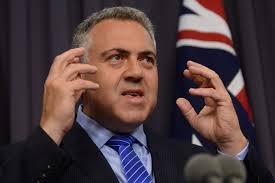
Hockey: «Άθικτη» η οικονομία της Αυστραλίας από την ελληνική κρίση

imagesJQV2DAAQ

Mας προετοιμάζει όμως για αυξήσεις στο GST

Η οικονομία της Αυστραλίας δεν επηρεάστηκε από το κλίμα αβεβαιότητας και τις δραματικές εξελίξεις στην Ευρωζώνη, ούτε από το κατρακύλημα των μετοχών στο κινεζικό χρηματιστήριο και βρίσκεται στην καλύτερη θέση των τελευταίων επτά χρόνων, από τότε δηλαδή που ξέσπασε η παγκόσμια οικονομική κρίση.

Μετά από ειδική σύσκεψη του υπουργικού συμβουλίου, την οποία συγκάλεσε ο Θησαυροφύλακας της χώρας, Joe Hockey, την Τρίτη το βράδυ, προκειμένου να ενημερώσει τα κυβερνητικά στελέχη για το πώς αντέδρασε η αυστραλιανή οικονομία στις αναταραχές που προκλήθηκαν στις χρηματαγορές του κόσμου λόγω της ελληνικής κρίσης, αλλά και του πτωτικού ράλι στο κινεζικό χρηματιστήριο, ο κ. Hockey δήλωσε ότι δεν υπήρξαν προβλήματα και ότι η οικονομία της χώρας για πρώτη φορά τον Ιούνιο έδειξε μία ιδιαίτερη αναπτυξιακή δυναμική.

«Η αυστραλιανή οικονομία δεν επηρεάστηκε απ’ αυτά που συμβαίνουν στην Ελλάδα και την Κίνα. Ο Ιούνιος ήταν πολύ καλός μήνας για την αυστραλιανή οικονομία, και αυτό το αποδεικνύουν και τα στοιχεία για την απασχόληση, που δημοσιεύθηκαν πρόσφατα» είπε ο κ. Hockey.

Ο Θησαυροφύλακας έκανε ειδική αναφορά στην Ελλάδα, λέγοντας ότι είναι πεπεισμένος ότι οι ηγέτες της Ευρωζώνης χειρίζονται το θέμα με τον καλύτερο τρόπο. «Με είχαν διαβεβαιώσει ότι έχουν την κατάσταση υπό έλεγχο και οι εξελίξεις το απέδειξαν» είπε χαρακτηριστικά για τις μέχρι τώρα εξελίξεις όσον αφορά την επίτευξη συμφωνίας μεταξύ των χωρών της Ευρωζώνης και της Ελλάδας.

Τα καλά μαντάτα του Θησαυροφύλακα για την οικονομία επιβεβαιώνονται και από την καθιερωμένη οικονομική επισκόπηση της τράπεζας Νational Australia Bank για το μήνα Ιούνιο. Όπως προκύπτει από τα πορίσματα της επισκόπησης, ο αριθμός των επιχειρήσεων που δήλωσε ότι βρίσκεται σε πολύ καλύτερη θέση απ’ αυτές που δήλωσαν το αντίθετο είναι κατά 11% υψηλότερος κάτι που συμβαίνει για πρώτη φορά μετά το ξέσπασμα της παγκόσμιας οικονομικής κρίσης. Μέχρι σήμερα η διαφορά μεταξύ αυτών των επιχειρήσεων που δήλωναν ότι βρίσκονται σε πολύ καλή κατάσταση και αυτών που δήλωναν το αντίθετο κυμαινόταν γύρω στο 6%.

ΘΑ… «ΠΛΗΡΩΣΟΥΜΕ» ΤΑ ΚΑΛΑ ΜΑΝΤΑΤΑ ΜΕ ΑΥΞΗΣΗ ΤΟΥ ΦΟΡΟΥ GST (;)

Αυτό το, οικονομικά τουλάχιστον κλίμα ευφορίας επέλεξε ο Joe Hockey για να επανέλθει σε ένα θέμα στο οποίο πρωτοαναφέρθηκε πριν από ένα χρόνο περίπου και τότε δεν του είχε βγει σίγουρα «σε καλό».

Πρόκειται για το θέμα της αύξησης του φόρου GST από τις πολιτείες ώστε τα έξτρα έσοδα να χρησιμοποιηθούν για την χρηματοδότηση των αναγκών που προκύπτουν στους τομείς της Υγείας και της Παιδείας.

Η επιστροφή του κ. Hockey στο θέμα της αύξησης του φόρου GST έρχεται μόλις λίγες μέρες πριν την συνάντηση του πρωθυπουργού με τους πολιτειακούς πρωθυπουργούς και επικεφαλείς υπουργούς των πολιτειών όλης της επικράτειας.

Όπως δήλωσε ο Θησαυροφύλακας οι πολιτειακοί ηγέτες θα πρέπει να σκεφτούν σοβαρά την προοπτική αύξησης του φόρου GST αν αυτό που λένε για ουσιαστική φορολογική μεταρρύθμιση το εννοούν. Από τα λεγόμενα του κ. Hockey προκύπτει ότι στην ουσία η ομοσπονδιακή κυβέρνηση θέλει να ξεφορτωθεί όχι μόνο τις οικονομικές απαιτήσεις των πολιτειών για την κάλυψη των αναγκών στους τομείς της υγείας και της παιδείας, αλλά και την ευθύνη για την αύξηση του φόρου GST. Ο Θησαυροφύλακας κάλεσε όλους τους πολιτειακούς ηγέτες αλλά και την Αντιπολίτευση να συμφωνήσουν με την κυβέρνηση ώστε να αυξηθεί ο φόρος, προσθέτοντας ότι οι πολιτείες πρέπει να αναλάβουν την συνολική ευθύνη των προϋπολογισμών τους και των εξόδων τους που αυξάνονται συνεχώς, όπως τα έξοδα του συστήματος υγείας που θα αυξηθούν αισθητά λόγω της γήρανσης του πληθυσμού».

Εν τω μεταξύ ο Θησαυροφύλακας προκειμένου να μην πάθει αυτό που έπαθε την προηγούμενη φορά που αναφέρθηκε στο θέμα του GST και ξεσήκωσε τσουνάμι αντιδράσεων από τους πολιτειακούς ηγέτες, έκανε λόγο για πιο ουσιαστική μεταρρύθμιση του φορολογικού συστήματος και για κατάργηση φόρων που θεωρούνται μη αποδοτικοί.

Αξίζει να αναφερθεί ότι η ευκαιρία στον κ. Hockey να βάλει και πάλι το θέμα GST στο τραπέζι των διαπραγματεύσεων, δόθηκε μέσα από ένα ειδικό φόρουμ που διοργανώνεται από την PricewaterhouseCoopers και το οποίο πραγματεύεται το θέμα της φορολογικής μεταρρύθμισης.

Η Ελλάδα ως παράδειγμα προς αποφυγή αλλά και ως παράδειγμα μίας «αρτηριοσκληρωτικής» οικονομίας που «αρνήθηκε» να αλλάξει σύμφωνα με τα κοινωνικά και οικονομικά «προστάγματα» των καιρών ήταν ένα από τα πρώτα επιχειρήματα που χρησιμοποίησε ο Θησαυροφύλακας στην ομιλία του προκειμένου να αιτιολογήσει το γιατί η φορολογική μεταρρύθμιση είναι απαραίτητη.

«Είναι ένα επίκαιρο μάθημα για όλους μας, η ελληνική τραγωδία που λαμβάνει χώρα τις τελευταίες εβδομάδες, τα τελευταία χρόνια. Οι χώρες που δεν κάνουν τις οικονομικές μεταρρυθμίσεις που οι κοινωνικές αλλαγές επιβάλλουν, είναι καταδικασμένες και δεν θέλουμε να βρεθούμε σ’ αυτή τη θέση. Γιατί εκείνοι που πληρώνουν το υψηλότερο και επώδυνο τίμημα δεν είναι οι εύποροι αλλά οι μη προνομιούχοι, όπως συμβαίνει αυτή τη στιγμή στην Ελλάδα» είπε χαρακτηριστικά ο κ. Hockey.

Πηγή:Νέος Κόσμος

Greece:Deal with lenders approved

3000

Parliament backs austerity package despite strong SYRIZA opposition.

Greek Parliament passed the prior actions demanded by lenders to pave the way for bridge financing and a third bailout in a vote during the early hours of Thursday morning. A total of 229 MPs voted for the measures, 64 voted against, six voted present and one was absent.

Prime Minister Alexis Tsipras saw 32 of his MPs vote against the measures, while another six abstained. All of the deputies from coalition partner Independent Greeks backed the legislation. This means that the number of coalition lawmakers supporting the bill remained above the 120-mark, which is the level below which the government is considered not to have a mandate to continue.

Before the vote, Tsipras said the agreement with lenders was the only viable option open to him and challenged rebels within his party to propose a better one.

In his speech before Parliament, Finance Minister Euclid Tsakalotos sought to defend Greece’s agreement with creditors as a necessary evil. “It’s a difficult agreement, a deal which only time will show if it is economically viable,” he said. “I don’t know if we did the right thing, but I know we felt we had no choice,” he said. “We never said this was a good agreement,” he added, noting that “a lot will depend on how politicians will handle the many changes included in the agreement.”

Economy Minister Giorgos Stathakis, for his part, declared that “these are moments for responsibility,” noting that everyone “must state clearly where they stand on Greece’s dilemma. The government received a half-finished second bailout which was frozen and was confronted by non-viable system,” he said.

SYRIZA’s parliamentary spokesman Nikos Filis accused eurozone officials of executing a “coup” at a summit in Brussels on Monday when the agreement was reached. Their aim, he said, was “to topple the Greek government, to give the message that a leftist administration cannot survive in Europe.”

The opposition delivered harsh criticism against SYRIZA, and against Tsipras for his absence in the early part of the debate but also indicated they would back the bill.

The leader of the centrist Potami, Stavros Theodorakis accused Tsipras of intentionally delaying an agreement with creditors as “he was afraid of his party.” He called on the premier not to keep in his government those MPs who break ranks. As for Potami, he said it would back the government on the deal “even though a much better one could have been reached.”

New Democracy’s rapporteur Kyriakos Mitsotakis told Parliament that Greece “is paying very dearly for the political coming-of-age of SYRIZA.” “We believe in the depoliticization of the public administration. I strived for that as minister,” he added. “We will vote for the measures due to political conscience not due to party-imposed discipline,” he said, specifying that ND will vote for the prior actions this week and next week but that the government cannot rely on an “a la carte governing majority in which MPs can vote for some measures but not others.”

Source: Kathimerini, The Guardian

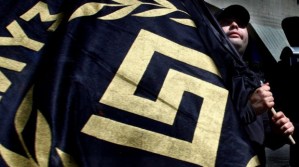
The Greek debt crisis is providing fuel for the country’s neo-Nazi movement Golden Dawn

GetInline.aspx

Despite its various charity fronts, the Greek neo-Nazi movement is a dark and dangerous beast. Photo: Reuters

The latest EU bailout deal for Greece offers so little in the way of economic relief for the average Greek citizen that it risks emboldening a growing neo-Nazi movement that is casting its gangs of thugs as saviours of the poor.

As supporters of the neo-Nazi Golden Dawn party set up “Greeks only” food banks to help feed the unemployed, the leftist coalition government of Prime Minister Alexis Tsipras​ is facing an uphill battle to sell yet another version of austerity to an already traumatised nation.

Tsipras’ Syriza Party and their coalition allies came to power riding a wave of nationalistic revolt over EU-imposed austerity measures, buoyed by heady, if unrealistic, popular expectations for change.

Syriza’s capitulation to EU negotiators this week leaves the deep-seated resentment and frustration that austerity, poverty and widespread unemployment have stoked casting around for alternative avenues of political expression. With a weak political centre that supports the EU bailout, the anti-austerity mantle and all the emotion it carries could swiftly default to the political far right. Golden Dawn, which opposed the EU package, is flexing its muscles in the wings.

Advertisement

The Greek neo-Nazi movement, however, is a dark and dangerous beast despite its various charity fronts. It uses violence to advance its aims and actively promotes racism, anti-Semitism, anti-Islamic sentiment, homophobia and social division, particularly by assaulting and demonising immigrants as scapegoats for the nation’s woes.

Today’s Greek neo-Nazis found their political voice in the form of Golden Dawn as youth unemployment hit 50 per cent, and overall joblessness about 25 per cent, once austerity measures began to bite. The stresses of the economic contraction within Greek communities are palpable; even the rates of stillbirths have increased because many women can no longer afford neo-natal screening or care.

Against this backdrop of declining living standards and acute uncertainty about the future, Greece is also facing relentless waves of immigrant arrivals by sea. In the first four months of this year alone over 21,000 people arrived by boat, mainly fleeing Syria, compared to about 33,000 people for all of 2014. Unfortunately, this confluence of factors adds up to a textbook scenario for the rise of political extremism.

Golden Dawn took to the national political stage in 2012, winning 21 seats to enter the Hellenic Parliament for the first time. In national elections earlier this year it won more than 6 per cent of the primary vote, even though its leadership had been jailed under anti-gang laws.

More ominous than the popular vote, perhaps, is its considerable support within the Greek security forces. About half the Greek police voted for Golden Dawn in 2012. The chief of the Hellenic Police, Nikos Papagiannopoulos, has since been reported as telling his officers to make the lives of immigrants “unbearable” and members of the Greek coastguard unit have been accused of beating migrants and dumping them at sea in Turkish territorial waters and of carrying out “mock” waterboardings.

The neo-Nazi presence in Parliament has given oxygen to overt racism. On the streets, such sentiment is playing out in violent attacks on immigrants and street battles between far left groups and Golden Dawn-aligned gangs. In my own research I uncovered countless incidents in which fascists and neo-Nazis were protected by the riot police during clashes, or even had the use of a riot police van to hide their rocks, bricks and baseball bats.

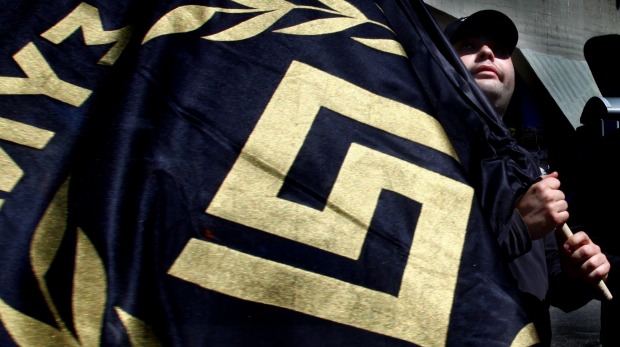
At the same time, the movement is seeking to bolster its popular appeal with food banks, as part of a larger charity effort, albeit one that only assists Greeks. In 2014, Australian Greeks from Melbourne unwittingly contributed to Golden Dawn’s largesse, by donating goods that were handed out from crates stamped with Golden Dawn’s Nazi symbols.

Certainly, Greece’s recent history must limit the popular appeal of the neo-Nazi right. The Greeks suffered under a brutal military junta between 1967 and 1974 and still have pride in the people’s movement that overthrew the colonels. Extreme right-wing movements, however, less interested in popularity than in stoking the kind of civil unrest that might offer the security forces a pretext to step up or step in.

Few would argue that Prime Minister Tsipras had any real choice in negotiations with the EU, despite his brinkmanship. Austerity might be bad, but being cut loose from the EU looked even worse. But, now no matter what his government does, the new EU package will trigger new, incendiary domestic political stresses.

While the world crunches the numbers of the Greek bailout mark III it is critical this delicate, and potentially dangerous, political balancing act isn’t overlooked.

Dr Nick Apoifis is a lecturer in International Relations at UNSW. His book on radical political movements in Greece is due out later this year.

source:smh.com.au

European Central Bank may not restore credit to Greece

image

FRANKFURT, Germany — European Central Bank head Mario Draghi faces a blizzard of questions about Greece at his news conference Thursday.

His appearance follows a meeting at which, analysts say, the bank may hold off on restoring emergency credit to Greek banks despite the dire situation there.

Greece desperately needs the ECB to start letting Greek banks tap emergency central bank credit. They have been closed since June 29, more than two weeks ago, since the ECB’s governing council halted the credit flow due to concerns Greece’s banks would go broke and not pay the money back.

To start the money flowing again and get the banks open, the ECB would need a clear sign that the country has a chance at a rescue package that would keep it government and banks solvent. Greece and other eurozone countries have agreed to hold talks on what would be a bailout worth 82 billion-86 billion euros ($83 billion-$87 billion).

When that line is actually crossed, however, is very much a judgment call.

Analysts say the bank can act now that Greece’s parliament has approved new cutbacks demanded as a condition for starting talks. Or, it could wait until Germany’s parliament and others approve the start of talks.

Greece’s parliament voted 229-64 early Thursday to implement more austerity measures that include pension cuts and sweeping sales tax hikes. But the large majority was provided by pro-European opposition parties and in spite of deepening dissent within Prime Minister Alexis Tsipras’ left-wing Syriza party.

In any case, the issue is pressing. Greece’s banks have been closed for more than two weeks to prevent them from collapsing as fearful depositors withdraw their savings en masse. ATM withdrawals have been limited to 60 euros per person per day. Normal commerce is impossible as suppliers demand businesses pay cash they don’t have.

Every day of delay makes Greece’s recession worse, costs the government lost tax revenue, and increases the amount of money needed to rescue the government from bankruptcy.

The other big Greek issue at the meeting will likely be Draghi re-stating that the bank is willing to use all the stimulus measures at its disposal to prevent turmoil from Greece spreading to government bond markets or the economies of other countries. Greece is less than two per cent of the economy of the 19 countries that share the euro, but earlier phases of the six-year-old Greek crisis created financial pressure for other indebted countries who found their market borrowing costs rising.

“We expect Draghi to state this commitment very clearly,” wrote Marco Valli, chief eurozone economist at UniCredit Research, in an email to investors.

One reason markets have been relatively calm is the ECB’s 1.1 trillion euro ($1.2 trillion) monetary stimulus. The ECB has been buying 60 billion euros a month in government and corporate bonds, a measure known as quantitative easing, or QE. The effect is to push newly created money into the financial system. That steadies bond markets — since market participants know there is a buyer with unlimited purchasing power — and is also intended to raise inflation that is considered too low at 0.2 per cent annually.

Ben May, lead eurozone economist at Oxford Economics, said the news conference “will provide Mario Draghi with the perfect opportunity to once again talk up the ongoing success of its QE program, while signaling that more can be done if conditions warrant.”

The bank won’t cut interest rates. It has already said its benchmark rate, now at a record low 0.05 per cent, is as low as it can go.

source:ctvnews.ca

Benitez: Madrid enjoying ‘spectacular’ Melbourne

madrid-boss-rafa-benitez-has-been-overwhelmed-by-the-clubs-trip-to-melbourne_1msuk224lzlb01dyff408172un

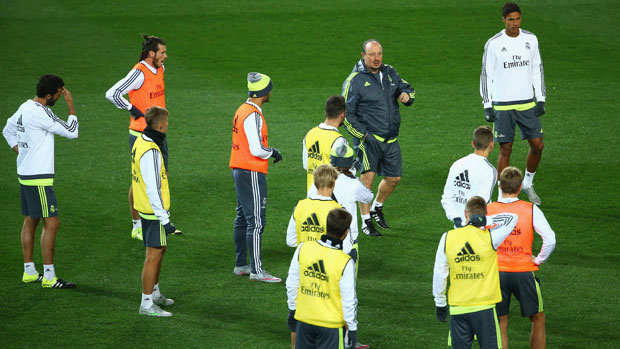
Australia is proving the ideal venue for the start of Real Madrid’s pre-season training programme, according to new head coach Rafael Benitez.

Los Blancos arrived in the Victorian capital this week ahead of International Champions Cup matches against Manchester City and Roma, with the Serie A side their first opponents at the Melbourne Cricket Ground on Saturday night.

The Liga giants have trained at AAMI Park and Melbourne City’s state-of-the-art La Trobe University training ground, with the facilities and surroundings receiving a ringing endorsement from the former Liverpool and Napoli boss.

Asked by Madrid’s club website for his initial impressions of Australia, Benitez said: “They’re really positive.”

“It’s a spectacular place … there’s a culture centered around sport and hard work.

“At this moment in time, it’s good for us to be able to increase the time we’ve spent together and on the pitch. With the intensity and attitude the players are showing in the way they work, right now we’re in a position to bring the best out of ourselves.”

Aloisi hails ‘special’ Ronaldo

Madrid stars Cristiano Ronaldo, Gareth Bale and Luke Modric, despite all having played in England, were wrapped up warm at Tuesday night’s session as Melbourne shivered through its coldest day in two years.

Manchester City’s Yaya Toure has even found the brisk Gold Coast winter something of a surprise, jokingly suggesting the club consider Africa for a future pre-season camp.

Benitez though, a notoriously hard task master, has welcomed the opportunity to push his players to the limit without worrying about heat stroke or exhaustion.

“Pre-seasons are there to work, to get to know each other, and the conditions we have are good,” he said.

“The fact that it isn’t as hot as in other places means that you can really work hard and it’s a great help to us that the pitch is in the right condition to circulate the ball and for the kind of intensity with which we want to do things.”

source:footballaustralia.com.au

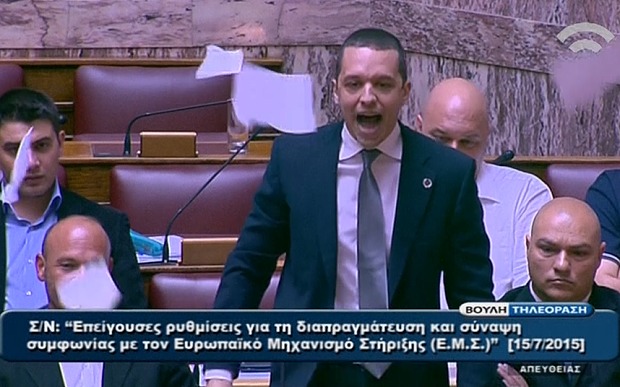
Golden Dawn MP furiously tears up papers in Parliament over bailout deal

Greek_MP_anger_2_3376526b

Far right Golden Dawn MP, Ilias Kasidiaris harshly criticises the deal Prime Minister Alexis Tsipras agreed to during an impassioned speech to Parliament

A lawmaker from the extreme right-wing Golden Dawn party on Wednesday lashed out at the Greek government over new economic measures meant to secure a bailout for the cash-strapped country.

Addressing the Greek Parliament, Golden Dawn MP Ilias Kasidiaris harshly criticised the deal Prime Minister Alexis Tsipras agreed to after a 17-hour eurozone summit.

The Greek government, and many experts, say the bailout deal is needed to avoid the even worse scenario of a complete collapse of Greece’s banks, which would push the country out of the euro.

Economists estimate that if Greece falls out of the currency union, its economy could shrink by another 10 or 20 percent.

The government also notes that the bailout deal will ensure the country’s funding for three years and includes a promise to lighten its debt burden.

In the short-term, it is needed to help the banks reopen, a priority for the economy to start breathing again.

Greece’s parliament is set to vote on the austerity measures later Wednesday.

Source:telegraph.co.uk

Alexis Tsipras prepared to step down as parliament set to pass punishing austerity measures

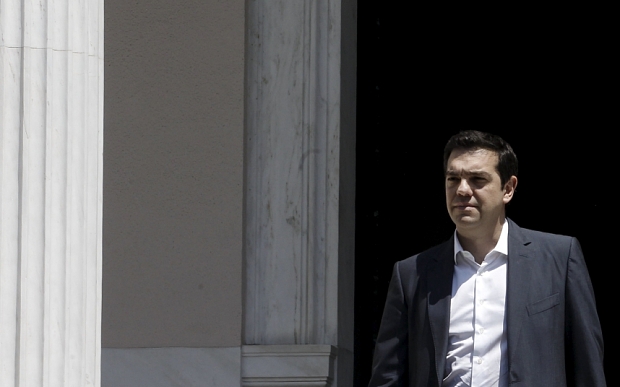
Greek Prime Minister Alexis Tsipras leaves his office at the Maximos Mansion in Athens, Greece July 15, 2015. PM Tsipras battled to win lawmakers' approval on Wednesday for a bailout deal to keep Greece in the euro, while the country's creditors, pressed by the IMF to provide massive debt relief, struggled to agree a financial lifeline.  REUTERS/Yiannis Kourtoglou

Greek prime minister hinted his position will no longer remain tenable if he did not get the majority backing of his Leftist Syriza party over a bail-out deal.

Greek prime minister Alexis Tsipras was ready to stand down from office on Wednesday night, as a Leftist rebellion erupted within his Syriza party over the punishing austerity measures the country needs to stay in the eurozone.

Greece’s lawmakers gathered for a midnight vote on reforms that would raise VAT, cut pensions spending and reform the country’s statistics body. The measures were passed with the support of Greece’s main opposition parties, with 229 voting “yes” and 64 voting “no”. There were six abstentions.

Outside the parliament, troubled flared briefly as groups of anarchists who were part of an anti-austerity protest threw petrol bombs at police, who barricaded the street leading to the entrance to parliament with several riot vans.

A masked protester who gave his name only as “Georgios” told The Daily Telegraph: “We threw some water bombs at the police just to liven things up a bit, then they started trying to destroy us so we threw some petrol bombs in self-defence.

“We are here to protest the fact that this Syriza government is just a continuation of the old right-wing government. We need a completely new system altogether, with our own drachma currency that can allow us to start all over again.

“Our Greek leaders have spent five years fighting austerity measures and in the end, despite a ‘No’ vote in the referendum, they have just rolled over and said ‘Yes’.”

Maria Kolozi, 59, a teacher, added: “We are here to protest at the Syriza government who has led us into yet more painful agreements on austerity. It’s time now to have a break from austerity and the Eurozone.

“The EU is just a Mafia, and now its game of capitalism has gone wild on us. We would rather starve than remain as we are.”

The mutiny in parliament could well force the embattled Mr Tsipras from office. The Leftist prime minister has refused to head up a national unity government, and said he would consider his position if he did not gain the majority backing of his members.

“I am prime minister because I have a parliamentary group that supports me. If I do not have its support, it will be difficult to be prime minister the day after,” the Greek premier reportedly told his party members.

More than half of Syriza’s central committee, not all of whom are MPs, rejected the deal, which would see Greece submit to controversial plans to privatise its assets and “de-politicise” its public administration at the behest of Brussels.

The reforms will also see VAT raised on hotels, funeral services and basic food items. Tax discounts for the country’s popular tourist islands will also be abolished.

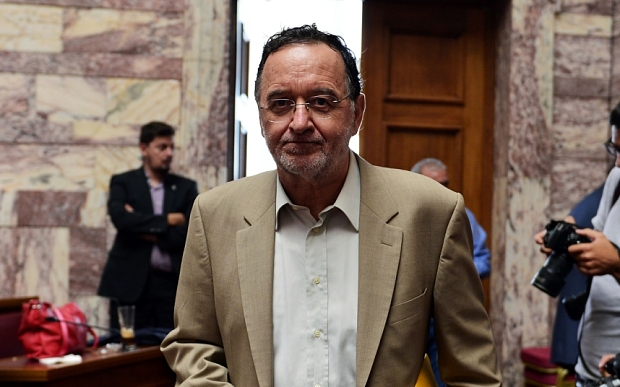
Prominent dissenters include the country’s energy minister, Panagiotis Lafazanis, who heads up the far-left flank of Syriza, which makes up around a third of the party.

“The choice between a bail-out or catastrophe is a choice made in the face of terror,” said the firebrand Mr Lafazanis. He is set to be sacked from office if Mr Tsipras carries out a bold reshuffle of his cabinet after the vote.

Greece's Energy Minister and head of the Syriza party, Panagiotis Lafazanisarrives arrives for the Syriza party's parliamentary group meeting at the Greek Parliament in Athens on July 15, 2015.  Greece gears up for a crucial parliamentary vote on draconian reforms demanded by eurozone creditors in exchange for a huge new bailout, in what could be Prime Minister Alexis Tsipras's toughest political test yet. AFP PHOTO/ LOUISA GOULIAMAKILOUISA GOULIAMAKI/AFP/Getty Images

Syriza’s energy minister has said he will not vote for the deal but support’s the government

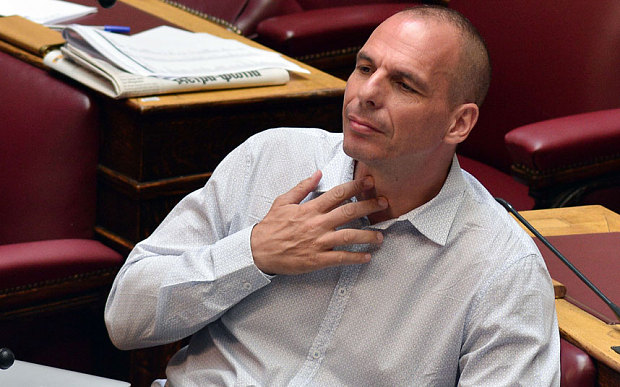
Yanis Varoufakis, who resigned from his position as finance minister, called the settlement “a new Versailles Treaty” for Greece.

“The powerful demanded that the losers accept terms they had no right to demand. The losers accepted commitments they had no right to accept, “said the iconoclastic Mr Varoufakis, channelling the words of John Maynard Keynes in front of the Greek parliament.

Greece’s lawmakers needed to ratify the legislation, known as “prior actions”, in order to formally re-start talks over a new bail-out deal worth €86bn with its creditors.

greece-yianis_3376154b

The European Central Bank can now move to finally lift its freeze on emergency funding for Greek banks (ELA) as early as Thursday.

This liquidity has been capped at €89bn for the past two weeks, placing intense pressure on the country’s creaking banks, which are set to be shut for most of the summer.

“I believe they will leave the cap unchanged until after the vote, and start increasing it afterward, always step-by-step and conditional on programme implementation,” said Frederik Ducrozet, at Credit Agricole.

Eurozone finance ministers will formally announce the start of negotiations on a third-bail deal on Thursday morning.

Ministers will also discuss controversial plans to provide Greece with €7bn in “bridging loans” from an EU-wide rescue fund (EFSM). The plans have been resisted by non-euro members, including Britain.

European Commission vice-president Valdis Dombrovskis said the EFSM was “the best possible avenue” for creditors, as Brussels scrambles to find nearly €12bn needed to stop Greece going bankrupt over the summer.

The Commission was also forced to drastically cut its growth prospects for the Greek economy. They now expect Greece to fall into a recession of between 2pc and 4pc of GDP this year, from a previous calculation of 0.5pc growth.

source:Telegraph.co.uk

EU publishes Greece assessment, sees debt reprofiling

european_commission_web-thumb-large

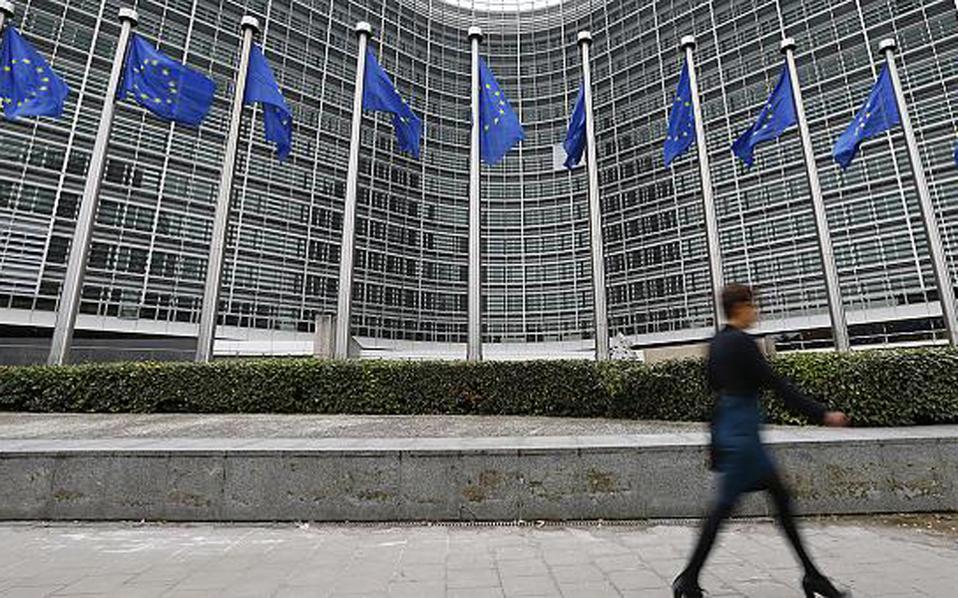
The European Commission published the assessment it made last week of Greece’s request for a bailout, spelling out a different view of Athens’ debt sustainability from that taken by the IMF but also signaling a possibility of debt relief.

A day after the IMF published its latest assessment, saying that Greece would require extensive debt relief from its mostly euro zone sovereign creditors, the EU executive’s note, published on Wednesday, said the Greek debt-to-GDP ratio would be 165 percent in 2020 and 150 percent in 2022 if Greece took action to cut it, but could reach 187 percent and 176 percent.

The IMF, which contributed to the Commission assessment, said the debt-to-GDP ratio in 2022 was projected at 170 percent and called for much greater debt relief than has been proposed.

The Commission’s assessment said reprofiling, but no write-offs, of debt was possible, but only if Greece implemented reform measures demanded by its creditors:

“The concerns could be addressed through a far-reaching and credible reform program, very strong ownership of the Greek authorities for such a program and, after full restoration of the loans agreements, debt-mitigating measures that would be granted only once the commitments to reform from the Greek authorities has been demonstrated.

“A very substantial re-profiling, such as a long extension of maturities of existing and new loans, interest deferral, and financing at AAA rates would allow to cater for these concerns from a gross financing requirements perspective, though they would still leave Greece with very high debt-to-GDP levels for an extended period.”

source:ekathimerini.com

Ανησυχούν οι Αυστραλοί τουρίστες που πάνε Ελλάδα

depar

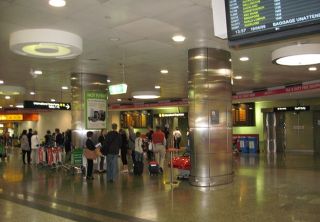
Η αίθουσα αναχωρήσεων των πτήσεων εξωτερικού στο αεροδρόμιο της Μελβούρνης

Για προσωρινή αβεβαιότητα μιλούν οι ταξιδιωτικοί πράκτορες, ελπίζοντας ότι το κλίμα θα αντιστραφεί σύντομα.

Με το βλέμμα στις κρατήσεις εισιτηρίων για τα νησιά του Αιγαίου βρίσκονται οι ταξιδιωτικοί πράκτορες της Αυστραλίας, καθώς εντείνεται το κλίμα αβεβαιότητας για την ελληνική οικονομία. Τα τουριστικά γραφεία που εξυπηρετούν τους ταξιδιώτες από την Αυστραλία και την Μεγάλη Βρετανία, οι οποίοι παραδοσιακά επιλέγουν τα ελληνικά νησιά ως αγαπημένο προορισμό διακοπών, βομβαρδίζονται τον τελευταίο καιρό από ερωτήσεις πελατών τους που αγωνιούν για τις συνθήκες που επικρατούν στην Ελλάδα και ζητούν να μάθουν αν διεξάγονται κανονικά τα ακτοπλοϊκά δρομολόγια, αν υπάρχουν ελλείψεις στα τρόφιμα και αν τα εστιατόρια δέχονται πιστωτικές κάρτες ή αν επιμένουν στην πληρωμή μετρητοίς.

Πολλά ταξιδιωτικά γραφεία είναι αντιμέτωπα με ακυρώσεις της τελευταίας στιγμής, αν και το φαινόμενο φαίνεται να είναι περιορισμένο, καθώς πολλοί πράκτορες δηλώνουν ότι, παρά την αγωνία των πελατών τους, οι κρατήσεις παραμένουν σταθερές, ενώ τονίζουν ότι το σχετικό πάγωμα των κρατήσεων αυτήν την περίοδο οφείλεται στο ότι οι περισσότεροι ταξιδιώτες έχουν ήδη κάνει τον σχεδιασμό τους μήνες πριν και δεν περιμένουν την τελευταία στιγμή. Οι τουρίστες που αποθαρρύνονται από την οικονομική κατάσταση της

Ελλάδας φαίνεται να στρέφονται στην Κροατία και την Τουρκία, ενώ όσοι, παρά την αβεβαιότητα, επιμένουν στην επιλογή τους, αποφασίζουν να επισκεφτούν την χώρα κουβαλώντας μαζί τους μεγαλύτερα ποσά σε μετρητά, προκειμένου να αντιμετωπίσουν τους περιορισμούς αναλήψεων των ΑΤΜ. Κι ενώ ο δρόμος της ανάκαμψης φαίνεται μακρύς, τα τουριστικά γραφεία εμφανίζονται αισιόδοξα, προβλέποντας ότι στο μέλλον οι τιμές θα σημειώσουν πτώση, με αποτέλεσμα η Ελλάδα να γίνει ακόμη πιο ελκυστικός προορισμός διακοπών για τους Αυστραλούς.

Πηγή:Νέος Κόσμος