Category Archives: Uncategorized

EU ‘snubbed’ Greek plan to tackle refugee crisis

boy_ring_web-thumb-large

As Greece fends off criticism for its handling of a burgeoning refugee crisis, sources in the Hellenic Police and Coast Guard have told Kathimerini that a plan was jointly presented to the European Union’s border agency, Frontex, more than two months ago.

Kathimerini understands that a team of Greek officials visited Frontex headquarters on June 18 and presented a plan for strengthening patrols at sea and on land on Greece’s porous Aegean border with Turkey, a major transit point for refugees from the Middle East trying to reach Europe.

The plan called for officers to be transferred from the Greek police and other European forces to help patrol borders and process arrivals. It also requested fingerprinting equipment and vehicles to speed up identification and transportation on the island of Lesvos, one of the islands bearing the brunt of the influx.

The sources told Kathimerini that although Frontex approved the proposal, it was unable to get other European governments to endorse it. The agency is said to have told Greek officials to start implementing the plan, promising to cover the cost of the Greek police officers’ transfer. It was also suggested that Frontex has already disbursed 100,000 euros to this end, though this was refuted by government sources.

An official at the Ministry for Citizens’ Protection on Thursday said that the issue will be addressed during a visit by Frontex chief Fabrice Leggeri to Athens next week.

Meanwhile in a related development, outgoing Alternate Minister for Migration Policy Tasia Christodoulopoulou on Thursday said that she expects Greece to be in a position to receive 30 million euros in European Union funding to deal with the influx within the next few days. She said the agency required by the European Commission to manage the funds is ready but is still waiting for some decisions to be published in the Government Gazette before it can become operational.

source:ekathimerini.com

At least 50 decomposing bodies of migrants found in abandoned truck in Austria

Austria-Migrants_AP

Vienna: As regional leaders met on Thursday to tackle Europe’s refugee crisis, a gruesome discovery unfolded a short drive from the Austrian capital. An abandoned truck was found with at least 20 — and possibly up to 50 — decomposing bodies of migrants piled inside.

It was the latest tragedy in a year that has seen tens of thousands of people risking all to seek a better life or refuge in wealthy European countries. German Chancellor Angela Merkel said at the Vienna conference she was “shaken by the awful news,” and summit participants held a minute of silence.

“This reminds us that we in Europe need to tackle the problem quickly and find solutions in the spirit of solidarity,” Merkel said.

Hassan El Ali, from the Syrian city of Aleppo, said smugglers can easily be contacted “face to face, but also through Facebook and Twitter.” The 31-year-old who was camped on Serbia’s border with Hungary said migrants used word of mouth to find “hidden pages and forums about how to cross the border between Hungary and Serbia.”

Hungary on Thursday deployed more police on its porous border, but refugee activists said the effort appeared futile in a nation whose migrant camps are overloaded and barely delay their journeys into the heart of the EU.

Police reported a single-day record of 3,241 detentions Wednesday, 700 more than the previous day, as they launched a new initiative to channel migrants to one of the country’s five camps using special trains. Under police escort, about 600 asylum- seekers boarded a train to be delivered directly to at least two migrant camps.

Others continued to cross Hungary’s 109-mile (174-kilometer) border with Serbia on foot.

At the Vienna summit, Austrian Chancellor Werner Faymann had just finished telling other European leaders that there was an urgent need to crack down on human traffickers when news came of the grisly discovery on the highway.

Participants fell silent for a minute in tribute, and Faymann invoked the tragedy as showing the need for quick solutions to deal with the torrent of migrants.

“Today, refugees lost the lives they had tried to save by escaping, but lost them in the hand of traffickers,” Faymann said.

Austrian Foreign Minister Sebastian Kurz floated elements of a five-point plan that foresees setting up safe havens in the migrants’ home countries where those seeking asylum in the EU could be processed and — if they qualify — be given safe passage to Europe.

Beyond safe havens, possibly protected by troops acting under a U.N. mandate, the Austrian plan to be submitted to EU decision-makers foresees increased controls on Europe’s outer borders and coordinated action against human smuggling. It also calls for refugee quotas for each of the EU’s 28 members — something that many countries have opposed.

“Never before in history have so many people fled their homes to escape war, violence and persecution,” German Foreign Minister Frank-Walter Steinmeier said. “And given the large number of unresolved conflicts in our neighborhood, the stream of refugees seeking protection in Europe will not abate in the foreseeable future.”

Amnesty International alleged that EU indecisiveness was partly to blame for the latest migrant tragedy.

“People dying in their dozens — whether crammed into a truck or a ship — en route to seek safety or better lives is a tragic indictment of Europe’s failures to provide alternative routes,” the rights group said a statement. “Europe has to step up and provide protection to more, share responsibility better and show solidarity to other countries and to those most in need.”

On Wednesday, the bodies of 51 migrants were found in the hull of a wooden boat off Libya by a Swedish rescue crew. The Swedish ship Poseidon was already rescuing 130 migrants from a raft when it got a call to assist the nearby wooden boat. The Swedes rescued 439 survivors from the boat and then found the bodies below deck.

source:firstpost.com


The barbarian invasions…?

idomeni-thumb-large

When talking of invasions, barbarians and refugees, let us consider who is the true barbarian

“The situation is dire. Waves and waves of illegal immigrants are flooding our shores. We are dealing with an invasion. We are not safe anymore.”

This is the manner in which a cousin from Samos expressed his feelings about the flood of refugees reaching the shores of that island, along with many others, in their thousands recently. Those refugees are fleeing the continuing conflict in Syria and Iraq that has caused thousands of civilian deaths and displaced millions, in what is possibly the largest humanitarian catastrophe of our present age.

In Kos, it is reported that refugees may possibly outnumber residents. As the already beleaguered Greek state struggles and not particularly succeeds in accommodating floods of people fleeing war, this is leading to social disruption, racism and, on the part of some desperate and hungry refugees, crime. One can see why the plight of 2,000 refugees, including women, babies and small children, who were locked in a football stadium without access to food, water or bathroom facilities last week on Kos can exacerbate already present feelings of desperation and frustration on the part of refugees already brutalised by war, leading to the riots and acts of violence on that island.

The Greek state and the largely sympathetic Greek people currently have neither the resources nor the capability to accommodate, even for a short period, the sojourn of these refugees. The refugees (for they are not, as is insensitively claimed, ‘illegal immigrants’) in turn will do whatever they can to secure the resources they need to feed their families. If it was your infant child that was compelled to sleep on a piece of cardboard in the open air, as is depicted in the picture accompanying these words, most plausibly, you would be willing to act in a similar fashion.

As refugees who have fled the region during past conflicts have told me, no one wishes to leave their countries unless they absolutely have to. The refugees who make their way to Greece, after first having lost their homes and having to pay people smugglers a small fortune in order to find a place on overcrowded and unseaworthy vessels, do so, not in the hope of staying in Greece or subjecting Greece to Islam (which is ridiculous since a large percentage of them are Christians fleeing religious persecution), but in search of temporary succour in their quest to reach the more developed, democratic and safe Western world they have heard so much about.

The hysterical claims by many frustrated Greeks, however, to the effect that Greece and more broadly Europe is facing a barbarian invasion that will have untold social and economic ramifications upon the continent, require closer scrutiny.

A millennium and a half ago, much of Europe was ruled by the Roman Empire, a state that had reached an unprecedented level of material wealth, bureaucratic and ideological conformity. Arguably, the longevity and internal cohesion of that empire rested upon a gradually-realised consensus that Roman rule was justified. Such a consensus was the product of a complex conversation between the central government and its far-flung peripheries. It follows logically that those immediately without that periphery would, if not adopt, at least become familiar with the Roman way of life and in times of crisis, when there own customs, institutions and resources failed them, to seek refuge and or to avail themselves of the benefits of Romanity.

The Gothic refugee crisis further illuminates the point. In the summer and autumn of 376, tens of thousands of displaced Goths and other tribes arrived at the border of the Roman Empire on the Danube River, seeking asylum from the Huns who were attacking them. The Gothic leader, Fritigern, appealed to the Roman emperor Valens for asylum across the Danube in Roman territory. Valens agreed, stipulating however that the weak, old, and sickly must be left on the far bank to fend for themselves against the Huns.

Rome was unable to supply the Goths with either the food they were promised or land. Instead, they were herded into a temporary holding area surrounded by an armed Roman garrison. There was only enough grain left for the Roman garrison, and so they simply let the Goths starve. When Fritigern appealed to Valens for help, he was told that his people would find food in the distant city of Marcianopolis. When they arrived there, they were denied entry and assassination attempts were made against their leaders. Consequently, the Goths embarked upon plundering expeditions that led to a war in which they were able to kill Valens, plunder most of the Balkans to an extent that they did not recover for centuries and extort protection money from the Romans.

Similarly 100,000 of the beleaguered Slavic peoples, seeking refuge from the Turkic Avars, who in turn were being persecuted by other nomadic tribes, poured into Thrace in the late sixth century, taking over Roman cities and gradually making their way down to the Peloponnese, where they settled in large numbers.

In the first instance, failure by the Romans to accommodate Gothic refugees adequately, address their needs or find a solution to their humanitarian catastrophe led to the wholesale sack of the Roman Empire and untold misery. A similar set of circumstances took place in the US in the aftermath of Cyclone Katrina, proving that this is not a phenomenon of civilisation but rather, one of the human condition.

In the second instance, which was occasioned by Roman inability to police their borders owing to wars with the Persians, a campaign of gradual assimilation (punctuated, of course, by bouts of violence on both sides) seemed to pay dividends, as these populations gradually assimilated within the Empire, although not without strife or occasional disharmony.

There are lessons that Greece and Europe can learn from the ‘barbarian invasions’. They can and will happen, regardless of how much we attempt to ‘turn back the boats’ and the more inept or indeed callous the treatment of those on the periphery seeking to get in (recently a visiting Polish dignitary advised the Italian mayor of Lampedusa, where the refugee crisis from Libya has reached cataclysmic proportions, to merely let the refugees drown), the more violent in their desperation they will become, with unforeseen consequences for their host societies and for humanity in general as refugees become ‘barbarians’ and are thus dehumanised.
When Rome was the world, the world was Rome, and the rest of the globe was largely isolated from the effects of the refugee crises of late antiquity. Now, when the ‘West’ spans the globe, the after-shocks of the mass movement of population, caused partly by the mismanagement of world affairs by the West itself, is a global responsibility.

The refugees, first and foremost, need our sympathy, not expressions of fear, horror and indignation at their presence. They need to be humanely processed, housed, fed and accommodated fairly and it is in the interests of all developed countries to partake in this endeavour. It goes without saying that effective action to cease the multitude of wars blighting our planet is the one main preventative measure that would nip such crises in the bud.
Finally, when talking of invasions, barbarians and refugees, let us consider who is the true barbarian: he who has everything and denies another who has lost everything his needs, or he who has nothing and must do whatever he can to survive. In this, the finally word goes to the Theanthropos Himself, by way of the Gospel of Matthew:
“For I was hungry, and you gave me to eat; I was thirsty, and you gave me to drink; I was a stranger, and you took me in.”

* Dean Kalymniou is a Melbourne solicitor and freelance writer.

Source: Neos Kosmos

 

Στη Λήμνο 60 νοσοκόμες από την Αυστραλία και τη Νέα Ζηλανδία

246adfa6b5ee191ff0ce8f3559bae9d6_L

Την Πέμπτη 3 Σεπτεμβρίου πρόκειται να πραγματοποιήσουν διήμερη επίσκεψη στη Λήμνο 60 νοσοκόμες από την Αυστραλία και τη Νέα Ζηλανδία και 10 ακόμη επισκέπτες, οι οποίοι θα καταφθάσουν με κρουαζιερόπλοιο, προκειμένου να αποτίσουν φόρο τιμής στις νοσοκόμες που προσέφεραν τις υπηρεσίες τους στη Λήμνο κατά τον 1ο Παγκόσμιο Πόλεμο.

 Μία από τις πιο σημαντικές ημερομηνίες στην ιστορία Anzac-Λήμνου είναι η 8η Αυγούστου 1915, κατά την οποία ένα μεγάλο σώμα αυστραλών νοσοκόμων έφθασε στη Λήμνο για να περιθάλψει έναν τεράστιο αριθμό τραυματιών που μεταφέρθηκαν στο νησί.

Οι νοσοκόμες που πρόκειται να επισκεφθούν τη Λήμνο, με επικεφαλής την κ. ClareAshton, στην οποία ανήκει η πρωτοβουλία του ταξιδιού, φορώντας στολές εκείνης της εποχής, θα περπατήσουν στο δρόμο όπου οι αυστραλές νοσοκόμες περπάτησαν στην Πούντα πριν από 100 χρόνια.

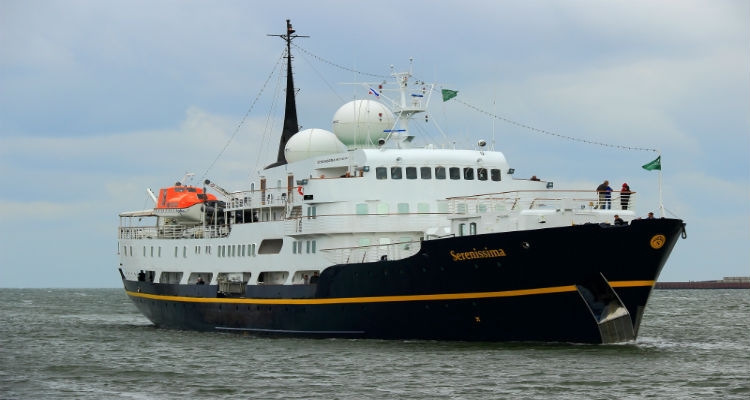
Το κρουαζιερόπλοιο που θα μεταφέρει τις νοσοκόμες ονομάζεται “Serenissima” και προγραμματίζεται να καταπλεύσει στη Λήμνο την Πέμπτη 3 Σεπτεμβρίου και να δέσει στο Μούδρο, ενώ στις 4 Σεπτεμβρίου θα καταπλεύσει στη Μύρινα.

Ακολουθεί το πρόγραμμα:

Πέμπτη 3 Σεπτεμβρίου

7:30 π.μ. – Άφιξη Κρουαζιερόπλοιου

8:30 π.μ. μεταφορά στην Πούντα και παρέλαση με τις στολές των νοσοκόμων του 1ου Παγκοσμίου Πολέμου.

xartis

10:00 π.μ. Ομιλίες από εκπροσώπους τοπικών αρχών και νοσοκόμων. (κίτρινο Χ στο χάρτη)

10:30 π.μ. αναχώρηση για το Πορτιανού, επίσκεψη στο «AnzacCafé», επίσκεψη στο Συμμαχικό Νεκροταφείο του Πορτιανού, όπου θα γίνει μία μικρή τελετή μνήμης με ανάγνωση κειμένων.

12:00 μ.μ.  Επιστροφή στο πλοίο

15:00 Μεταφορά στο Συμμαχικό Νεκροταφείο του Μούδρου

Επίσκεψη στο Συμμαχικό Νεκροταφείο, τη φωτογραφική έκθεση και το μνημείο στο Μούδρο


Παρασκευή 4 Σεπτεμβρίου

07:30 π.μ.  Άφιξη στη Μύρινα

14:00   Επίσκεψη στα Θέρμα και την Ηφαιστία

18:00   Αναχώρηση για το Τσανάκαλε

Πηγή:limnosfm100.gr

Psychosis, HIV: The reality of ice addiction from inside Australian hospital

Horrific … this is the reality of ice addiction as seen in Australian hospitals. Picture: Gary Ramage

WE left Royal Perth Hospital thinking what we’d seen was as bad as it could get: an HIV-positive ice user, in a state of extreme fury, spitting at emergency and security staff try to help him.

We missed what happened the following day. A fly-in, fly-out worker, who’d taken ice in the morning, suffered a massive brain bleed, caused by rocketing blood pressure. He was an organ donor by lunchtime.

So many users, so many hurting parents and so many people in recovery. Somehow, ice has got under the nation’s guard.

Hidden face of addition … Angela (not her real name) in emergency being treated for ice-related illness. Picture: Gary Ramage

Those who quarrel whether or not we should call it an “ice epidemic” are having a time-wasting conversation with themselves. On a four-week national journey undertaken by News Corp Australia, it was clear ice has insinuated itself on every town and city.

ICE NATION: RETRACE OUR JOURNEY HERE

It continues to move fast among the population as criminals hunt huge profits for a drug that is almost worthless to produce, while police struggle to keep up with complex financial transactions, big and small imports, local makers and local marketplaces, otherwise known as neighbourhoods.

Without being a pharmacologist, it is hard to understand why ice, properly called methylamphetamine, is so different to its siblings: common amphetamine, known as speed; and to MDMA, known as ecstasy.

WHAT’S YOUR SOLUTION? JOIN THE EXPERTS IN OUR ICE
BLOG AT NOON AEST, 11:30am IN SA & 10am IN THE WEST

Professor George Braitberg, head of emergency at Royal Melbourne Hospital, explains in simple terms: “Methylamphetamine is the amphetamine molecule with a methyl on the end of it.

“What that does is drive it into the brain faster. You get the sudden rush and that is the most addictive part.”

What we found was that emergency departments in big cities — where shifts comprise 20 or 30 workers, each whom needed to agree to the media being present — were glad to give us access.

We never heard them whining about their frontline burden, even though they are at risk. But they don’t like what they’re dealing with and want the public to understand the magnitude of the problem.

We met one or two small-town coppers who were defensive, saying the ice issue was overblown. You got the idea maybe they thought it was a poor reflection on their own policing.

Traumatic … a young man in the emergency ward of Royal Perth Hospital in a state of ice-induced psychosis. Picture: Gary Ramage

Most police were unashamed to say their communities are overrun. Some, in outback or rural towns, admit police-community relations have been poor for decades.

And that was about the only positive we saw out of ice problem. Police are using it to try and rebuild relations as they explain this is a shared problem that goes beyond traditional policing.

They say chucking every user in jail is not the answer. They want a modern solution for a current problem.

What is not clear is why ice is so popular in this country, apart from the fact that criminals are relentlessly shoving it in the faces of citizens.

One explanation is that the first try is so good it’s hard to deny yourself a second. That doesn’t explain why you’d try it in the first place.

We visited and then parked outside a Cloud 9 shop in Perth, which legally sells bongs and ice pipes. The foot traffic coming in and out of that shop in a short time was remarkable — mostly young men.

The morality of such operations aside, it was put to us by one older user that his kid, who is also a user, thinks owning an ice pipe is cool.

Operation Crossroads … Director of Emergency Medicine at Royal Melbourne Hospital, Professor George Braitberg. Picture: Derrick den Hollander

When a drug such as ice becomes socially acceptable among young Australians, unfortunately it means schoolchildren need exposure to a strong countering message.

They need to see what a psychotic who has shredded his inhibition really looks like; and for those who live in places where they already see such behaviour, perhaps among their parents, they need it explained to them.

They need to know they are at risk from things children would never normally think of, such as heart attack and stroke. And of mental illness, now firmly linked to prolonged ice use.

They need to understand how short the step is from the ice pipe to the needle, where the risks of contracting Hep C and HIV become high, as does the chance of becoming someone who sources black-market opiates to get relief from ice binges.

Desperate for a new start … ice addict Melissa Collins, 28, from Canberra, is seeking help at the Fresh Start foundation in Perth because she says there’s nothing for her in the east. She has been using for 16 years and has a son in foster care because of her addiction. Picture: Gary Ramage

There is an army of parents and recovering users who are already mobilised and sharing their stories.

But how do you place “Angela”, a long-time Melbourne user with infected veins, in a national conversation? She told us: “I don’t think about not using it. I wish I could get more.”

The head of the Australian Crime Commission, Chris Dawson, as a former WA deputy police commissioner, gained a reputation as someone who cares deeply about problems in indigenous communities.

Now he oversees the nation’s ice problem. He says that everyone in the country has in some way been touched at a personal level by ice.

It’s pretty easy to test that statement to see if it holds true. I can think of three, straight up.

source:theaustralian.com.au

Judge Vassiliki Thanou sworn in as Greece’s first female prime minister

1440713895747

Los Angeles: Vassiliki Thanou, president of Greece’s supreme court, was sworn in on Thursday as head of a caretaker government that will lead the heavily indebted nation until elections expected next month.

President Prokopis Pavlopoulos​ appointed Ms Thanou, 65, as the country’s first female prime minister after leaders of the three main political parties failed to form a coalition to replace the government of outgoing Prime Minister Alexis Tsipras. Her administration will be sworn in on Friday, according to a statement from Mr Pavlopoulos’ office.

Mr Tsipras announced his resignation last week and said he would seek a new mandate after members of his radical-left party, Syriza, rebelled over austerity measures demanded by the nation’s creditors.

The party won election in January on promises to end the deep budget cuts and tax increases imposed in exchange for two bailouts from Greece’s European partners and the International Monetary Fund totaling nearly €245 billion ($380 billion) since 2010. Greece’s economy contracted 25 per cent and unemployment soared to as high as 26 per cent over the five years of belt-tightening.

More than 60 per cent of Greek voters rejected the terms of a new package of loans in a referendum last month, only to have Mr Tsipras agree to even tougher conditions for a €85 billion bailout. He said it was the best deal he could get to save Greece’s banks from imminent collapse, keep the country in the euro currency and avoid defaulting on international loans.

Parliament approved the agreement, but only with the support of opposition parties. The former energy minister, Panagiotis Lafazanis, broke with Syriza last week to form the new Popular Unity party.

Mr Tsipras said it was now up to voters to decide “who will lead Greece, and how”. He remains popular, but it is unclear whether Syriza can win enough parliamentary seats to govern without a coalition partner.

In an interview Wednesday with Greece’s Alpha TV, Mr Tsipras ruled out forming a government with the conservative New Democracy, the socialist PASOK or the centrist To Potami parties.

That could leave Syriza’s current partner, the small, right-wing Independent Greeks, as the only viable option.

source:smh.com.au

MH17: Relatives of victims invited to hear the official cause of the crash first

1440674865656

Next month relatives of the MH17 victims will receive an invitation to a private meeting, where they will learn the official cause of their loved ones’ death.

The Dutch Safety Board, which is investigating the cause of last year’s tragedy, announced on Thursday that it will publish its final report on 13 October.

However a few hours before the publication, the relatives will be told the conclusions of the international team of investigators in a “closed information meeting” in the Netherlands.

Invitations to the information session will be sent out next month, containing the location and time.

DSB spokeswoman Sara Vernooij​ said the DSB could not help overseas relatives travel to the meeting: if they needed financial or other travel assistance it would be up to countries such as Australia and Malaysia.

Malaysia Airlines flight MH17 crashed in Ukraine’s east on July 17, 2014, killing all 283 passengers and 15 crew members aboard – including 39 people who called Australia home.

The DSB’s report is expected to cover the cause of the crash and will also examine whether the plane should not have been flying over that part of Ukraine during a civil war.

Some details of a draft version of the report have already leaked: in July CNN said the draft report pointed to pro-Russian separatists in Ukraine having shot down the plane using a BUK missile launched from a village under their control.

The DSB’s report will be the first of several into the crash – there is also a Joint Investigation Team conducting a criminal investigation into whether any person or group was responsible for the crash.

source:smh.com.au


Τι είναι το «Γυναικείο Βιάγκρα»

a_36

Το πρώτο φάρμακο που καταπολεμά τη μειωμένη ερωτική επιθυμία

Το πρώτο συνταγογραφούμενο φάρμακο που καταπολεμά τη μειωμένη ερωτική επιθυμία ενέκρινε η αρμόδια υγειονομική Αρχή (FDA) των ΗΠΑ.

Το φάρμακο που θα διατεθεί με την εμπορική ονομασία Addyi προορίζεται αποκλειστικά για γυναίκες και παρότι αποκαλείται «γυναικείο βιάγκρα», δεν έχει καμία σχέση με το γνωστό σκεύασμα για τη στυτική δυσλειτουργία.

Ο καθηγητής Ουρολογίας του ΑΠΘ Δημήτρης Χατζηχρήστος, πρόεδρος του Ινστιτούτου Μελέτης Ουρολογικών Παθήσεων (ΙΜΟΠ) και η ψυχολόγος – σεξολόγος Εύη Κυράνα, υπεύθυνη του Κέντρου Σεξουαλικής και Αναπαραγωγικής Υγείας του ΑΠΘ, εξηγούν τι πρέπει να γνωρίζουμε γι’ αυτό.

ΤΙ ΕΙΝΑΙ ΤΟ ΝΕΟ ΦΑΡΜΑΚΟ;

Είναι ένα σκεύασμα το οποίο περιέχει τη δραστική ουσία φλιμπανσερίνη (flibanserin) που επηρεάζει ορισμένες χημικές ουσίες του εγκεφάλου (τους νευροδιαβιβαστές ντοπαμίνη και σεροτονίνη) οι οποίες σχετίζονται με την ψυχική διάθεση. Ο ακριβής βιολογικός μηχανισμός με τον οποίο βελτιώνει την ερωτική επιθυμία (λίμπιντο) δεν είναι γνωστός.

ΓΙΑ ΠΟΙΕΣ ΓΥΝΑΙΚΕΣ ΠΡΟΟΡΙΖΕΤΑΙ;

Η φλιμπανσερίνη εγκρίθηκε για την αντιμετώπιση της διαταραχής της επίκτητης γενικευμένης υποτονικής σεξουαλικής επιθυμίας (HSDD) στις προεμμηνοπαυσικές γυναίκες.

Οι πάσχουσες από αυτήν τη διαταραχή βιώνουν σημαντική μείωση της επιθυμίας για σεξουαλική δραστηριότητα και το κυριότερο, νιώθουν έντονη δυσαρέσκεια γι’ αυτό.

Επίκτητη (ή δευτερογενής) υποτονική σεξουαλική επιθυμία σημαίνει ότι, έως πρότινος, η ερωτική επιθυμία ήταν ικανοποιητική, ενώ γενικευμένη σημαίνει ότι η διαταραχή επιμένει σε κάθε περίσταση, ανεξάρτητα από τον σύντροφο, το είδος της ερωτικής δραστηριότητας ή τις συνθήκες.

Μεγάλη επιδημιολογική μελέτη σε ευρωπαϊκές χώρες έδειξε ότι η HSDD είναι εξαιρετικά συχνή και πως αυξάνεται με την ηλικία. Ετσι, η συχνότητά της αρχίζει από το 11% σε γυναίκες ηλικίας 20-29 ετών και φθάνει στο 54% σε ηλικίες 60-70 ετών, γεγονός που την καθιστά το συχνότερο σεξουαλικό πρόβλημα των γυναικών.

ΠΩΣ ΘΑ ΓΙΝΕΤΑΙ Η ΛΗΨΗ ΤΟΥ;

Σε αντίθεση με τα φάρμακα για τη στυτική δυσλειτουργία, η φλιμπανσερίνη δεν θα λαμβάνεται λίγο πριν από τη σεξουαλική επαφή, αλλά μία φορά την ημέρα.

Οι ασθενείς θα πρέπει να διακόπτουν τη λήψη της έπειτα από οκτώ εβδομάδες εάν δεν δουν βελτίωση της μειωμένης σεξουαλικής επιθυμίας και της απορρέουσας από αυτήν δυσαρέσκειας.

ΠΟΣΟ ΑΠΟΤΕΛΕΣΜΑΤΙΚΟ ΕΙΝΑΙ;

Το φάρμακο αξιολογήθηκε σε μελέτες με περισσότερες από 5.400 εθελόντριες, οι οποίες ταλαιπωρούνταν επί χρόνια από την HSDD. Οι μελέτες έδειξαν ότι παρέχει μετρίου βαθμού αύξηση της λίμπιντο, μείωση της δυσαρέσκειας από την έλλειψή της και αύξηση της σεξουαλικής δραστηριότητας – αλλαγές που χαρακτηρίστηκαν ως αρκετά σημαντικές από τις γυναίκες.

Ωστόσο, η εμπειρία από τα φάρμακα για τα σεξουαλικά προβλήματα των ανδρών έχει δείξει ότι η αποτελεσματικότητά τους αυξάνεται περαιτέρω όταν συνδυάζονται με επαρκή εξατομικευμένη ενημέρωση και εκπαίδευση των ασθενών για το πρόβλημά τους από έναν επαγγελματία υγείας.

ΤΙ ΠΑΡΕΝΕΡΓΕΙΕΣ ΕΧΕΙ;

Οι πιο συχνές ανεπιθύμητες ενέργειες (παρατηρήθηκαν στο περίπου 10% των εθελοντριών) είναι ίλιγγος, κόπωση και ναυτία. Οι πιο σοβαρές ανεπιθύμητες ενέργειες είναι μείωση της αρτηριακής πίεσης (υπόταση) και απώλεια αισθήσεων (λιποθυμία).

Το φάρμακο θα κυκλοφορήσει με την προειδοποίηση σε πλαίσιο ότι δεν πρέπει να λαμβάνεται με αλκοόλ ή με ορισμένα φάρμακα που λέγονται μέτριοι ή ισχυροί αναστολείς του CYP3A4 (συμπεριλαμβάνουν κάποια αντιβιοτικά, αντικαταθλιπτικά, αντιμυκητιασικά κ.ά.), διότι μπορεί να αλληλεπιδράσει με αυτά και να αυξήσει τον κίνδυνο και τη σοβαρότητα της υπότασης και της λιποθυμίας. Αντενδείκνυται επίσης στις γυναίκες με διαταραχή της ηπατικής λειτουργίας.

ΠΟΤΕ ΘΑ ΚΥΚΛΟΦΟΡΗΣΕΙ;

Η εμπορική διάθεσή του στις ΗΠΑ αναμένεται να αρχίσει στα μέσα Οκτωβρίου. Στην Ευρώπη δεν έχει ακόμα λάβει ανάλογη έγκριση.

ΛΕΓΕΤΑΙ ΟΤΙ Η ΕΓΚΡΙΣΗ ΕΙΝΑΙ ΑΜΦΙΛΕΓΟΜΕΝΗ. ΓΙΑΤΙ;

Τα θέματα που είχαν προκύψει ήταν δύο. Το ένα αφορούσε το κατά πόσον υπήρχαν επαρκή δεδομένα για την ασφάλεια και την αποτελεσματικότητά του – πρόβλημα που επιλύθηκε με περισσότερες και μεγαλύτερες κλινικές μελέτες, στο πλαίσιο των οποίων 1.700 γυναίκες το έπαιρναν καθημερινά επί τουλάχιστον έξι μήνες και 850 το έπαιρναν καθημερινά επί τουλάχιστον έναν χρόνο.

Το δεύτερο θέμα ήταν ότι η έγκρισή του θα «ιατρικοποιήσει» ένα πρόβλημα που δεν επηρεάζεται μόνο από βιολογικούς παράγοντες, αλλά σχετίζεται στενά με ψυχολογικούς παράγοντες, με χαρακτηριστικά της σχέσης, με την κουλτούρα και με κοινωνικούς παράγοντες.

Όπως όμως συμβαίνει με πολλά άλλα προβλήματα υγείας, ένα φάρμακο μπορεί να διευκολύνει την αντιμετώπιση ενός προβλήματος στο πλαίσιο μιας πολυπαραγοντικής θεραπευτικής προσέγγισης – αυτό ισχύει και στη συγκεκριμένη περίπτωση.

Εξάλλου, όπως συνέβη με τα φάρμακα της στύσης, έτσι και η κυκλοφορία της φλιμπανσερίνης θα ενθαρρύνει πολλές γυναίκες να πάψουν να υποφέρουν σιωπηρά και να μιλήσουν στον γιατρό τους για τη μειωμένη ερωτική επιθυμία – και αυτό είναι ένα τεράστιο όφελος.

Πηγή:Νέος Κόσμος

Τα Ελληνικά καφέ της Αυστραλίας

a_33

Η περίοδος από το 1930 έως το 1960 θεωρείται η «χρυσή εποχή» των Ελληνικών καφέ

Έκθεση: “Πουλώντας ένα αμερικανικό όνειρο”

Η περιοδεία της έκθεσης με την ιστορία των ελληνικών καφέ της Αυστραλίας, αλλά και τις σημαντικές επιρροές που άσκησαν στην κουλτούρα του τόπου συνεχίζεται στην Αυστραλία.

Επόμενος σταθμός της εν λόγω έκθεσης, που ξεκίνησε το 2008, θα είναι το Κουίνσλαντ.

Εκεί οι διάφορες ιστορικές φωτογραφίες θα εκτεθούν από τις 3 Σεπτεμβρίου έως τις 29 Νοεμβρίου στο Redcliffe Museum, 75 Anzac Avenue, Redcliff, Brisbane.

Πρόκειται για τη μεγάλη φωτογραφική έκθεση, «Πουλώντας ένα αμερικάνικο όνειρο: Τα ελληνικά καφέ της Αυστραλίας», αποτέλεσμα της έρευνας της γνωστής φωτογράφου Έφης Αλεξάκη και του ιστορικού Λέοναρντ Ζανιζέφσκι. Καλύπτει περίοδο περίπου 140 χρόνων, από το 1870 έως σήμερα, και περιλαμβάνει μοναδικές ασπρόμαυρες εικόνες από την Ελλάδα, την Αυστραλία, τη Νέα Ζηλανδία, την Αίγυπτο, αλλά και τις ΗΠΑ.

Η έκθεση αναδεικνύει τον τρόπο και το μέγεθος της επιρροής των Ελλήνων στην αυστραλιανή κουλτούρα. «Έχουμε συλλέξει χιλιάδες ιστορίες και χιλιάδες παλιές και νέες φωτογραφίες» θα πει η κ. Αλεξάκη.

Με την έκθεση αυτή, φωτίζεται ένα πάρα πολύ σπουδαίο κεφάλαιο, ο ρόλος των καφέ στη διαμόρφωση της αυστραλιανής κουλτούρας και ο ρόλος που έπαιξαν οι ιδιοκτήτες τους, στην πλειονότητά τους Έλληνες μετανάστες της προπολεμικής περιόδου και της μαζικής μετανάστευσης. Καθρεφτίζεται το μεράκι των Ελλήνων μεταναστών να δώσουν μια άλλη διάσταση σε αυτό που ήταν ένα περιορισμένο και στερεότυπο μενού. Η άλλη διάσταση αφορούσε την καθαριότητα, τις μεγαλύτερες μερίδες των πιάτων, τα καλύτερης ποιότητας σερβίτσια, την καλή ποιότητα της μπριζόλας, κυρίως όμως τη ζεστή και φιλική ατμόσφαιρα και την άψογη περιποίηση.

Τα καφέ ήταν τόπος συνάντησης, κοινωνικού χαρακτήρα, αλλά και επιχειρηματικών διαπραγματεύσεων, ιδιαίτερα στην ύπαιθρο.

Στην αξιόλογη αυτή έκθεση υπάρχει ο κόσμος της παλιάς εποχής και της νεότερης σ’ ένα δέσιμο που παρουσιάζει πραγματικά μεγάλο ενδιαφέρον. Μέσα από τις εικόνες του παρελθόντος ζωντανεύει ο κόσμος μιας άλλης εποχής, το ήθος, οι φιλοδοξίες και οι επιτεύξεις του. Δίνεται, ακόμη, η ιστορική διάσταση και ο κοινωνικός ιστός που ύφανε το υπόβαθρο της σημερινής κοινωνίας. Στην ύπαιθρο, ιδιαίτερα, όπου άνθισαν κυρίως τα καφέ, η ζωή και οι εμπειρίες των ντόπιων είναι άρρηκτα δεμένες με την παρουσία των καφέ στον τόπο τους.

Στην έκθεση αυτή, φωτίζονται οι προσπάθειες πολλών Ελλήνων μεταναστών να πραγματοποιήσουν το όνειρο που τους έφερε στους αντίποδες. Η σκληρή δουλειά, που συχνά τους υποχρέωνε να είναι οικοδεσπότες μιας ολόκληρης τοπικής κοινωνίας για χρόνια. Η ευγενής άμιλλα μεταξύ τους για το ποιος θα έχει την καλύτερη επίπλωση, το πιο εντυπωσιακό μπαρ, τα ωραιότερα φώτα, την πλουσιότερη βιτρίνα.Μιλούν για την περιορισμένη κοινωνική ζωή των γυναικών, οι περισσότερες από τις οποίες, παράλληλα με τα οικογενειακά τους καθήκοντα, εργάζονταν και στα καφέ.

Ανατρέχοντας στο υλικό της έκθεσης μαθαίνουμε πως στην ουσία τα ελληνικά καφέ στην Αυστραλία λειτούργησαν ως «δούρειος ίππος» για την εισβολή του αμερικανισμού στον τομέα του φαγητού, αλλά και των κοινωνικο-πολιτιστικών συνηθειών από τις αρχές του 20ού αιώνα. Από τα τέλη του 19ου αιώνα άρχισε να γίνεται αισθητή η ελληνική επιρροή στο φαγητό και την τροφοδοσία.

Τα ελληνικά καφέ της Αυστραλίας ήταν μέρος του παγκοσμίου φαινομένου της μοντέρνας εποχής. Δημιουργήθηκαν, λοιπόν, πολλά ελληνικά καφέ τα οποία έγιναν σημείο συνάντησης για φαγητό, καφέ, συνεστιάσεις, ραντεβού και οικογενειακές εκδηλώσεις. Πολλές οικογενειακές φωτογραφίες, εξάλλου, έχουν τραβηχτεί σε τέτοιους χώρους. Δεν επρόκειτο για τα κλασικά ελληνικά καφενεία, αλλά για ολόκληρες επιχειρήσεις τροφοδοσίας που πάντρευαν με επιτυχία, ελληνικά αλλά και στοιχεία από άλλες χώρες. Και φυσικά οι πελάτες τους δεν ήταν μόνο Έλληνες.

Πολύ σύντομα ωστόσο και για το μεγαλύτερο μέρος του 20ού αιώνα, τα ελληνικά καφέ μετατράπηκαν σε χώρους πώλησης του αμερικανικού ονείρου. Πήραν τη μορφή σαλούν και άρχισαν να προσφέρουν ακριβό φαγητό, αμερικανική σόδα και παγωτά, μιλκ σέικ, προϊόντα που έρχονταν αποκλειστικά από τις ΗΠΑ.

Από το 1930 έως το 1960, που θεωρείται και η «χρυσή εποχή» των ελληνικών καφέ, η αμερικανική επιρροή στην τροφοδοσία συνδυάστηκε με άλλο ένα αμερικανικό επίτευγμα, τα σινεμά. Τα τζουκ μποξ που έπαιζαν ροκ εν ρολ απέκτησαν πρωταγωνιστικό ρόλο, ενώ ακόμη και η διακόσμηση παρέπεμπε πολύ περισσότερο σε Αμερική παρά σε Ευρώπη.

Έμελλε, όμως, να καταστραφούν από τον ίδιο σύμμαχο που τα στήριξε τις περιόδους της ακμής τους, δηλαδή την Αμερική. Σιγά-σιγά, τα ελληνικά καφέ άρχισαν να αντικαθίστανται από τις τεράστιες αλυσίδες φαστ φουντ και τα ακριβά εδέσματά τους να δίνουν τη θέση τους σε πρόχειρα και γρήγορα χάμπουργκερ και κλαμπ σάντουιτς.

Πηγή:Νέος Κόσμος

Αυστραλία:Η Αστυνομία κοντά στη λύση του μυστηρίου της δολοφονίας του Εμμανουήλ Σαπουντζάκη

a_47

O Εμμανουήλ Σαπουντζάκης

Εξιχνίαση δολοφονίας μετά 20 έτη

Μετά από δύο δεκαετίες, η αστυνομία της Βικτώριας πλησιάζει στην εξιχνίαση της δολοφονίας του συμπάροικου Εμμανουήλ Σαπουντζάκη. Ο οδηγός ταξί, δολοφονήθηκε στις 2 Μαρτίου 1993, σε ηλικία 25 ετών. H υπόθεση παρέμεινε ανεξιχνίαστη, χωρίς να προσαχθεί κανείς ύποπτος για τον φόνο, μέχρι που πρόσφατα προέκυψαν κάποια νέα στοιχεία που έριξαν φως στο έγκλημα, το οποίο φαίνεται πως ήταν σχεδιασμένο από κύκλωμα ανθρώπων του οργανωμένου εγκλήματος, με τους οποίους σχετιζόταν ο Σαπουντζάκης.

Το πτώμα του οδηγού είχε βρεθεί στο Police Paddocks Reserve, στο Dandenong. Έφερε τραύμα από πυροβολισμό στο πίσω μέρος της κεφαλής, ενώ οι μώλωπες στα χέρια του θεωρήθηκαν ως μία σαφής ένδειξη ότι της δολοφονίας είχε προηγηθεί πάλη. Το εγκαταλελειμένο ταξί του είχε βρεθεί στο Mountain Highway στο Bayswater, με το ντεπόζιτο της βενζίνης άδειο και το ταξίμετρο να τρέχει, έχοντας ‘γράψει’ 86 δολάρια.

Στην έρευνα που ακολούθησε, η αστυνομία θεώρησε ότι ο άτυχος οδηγός ταξί, πατέρας μίας κόρης, η οποία τότε ήταν δύο ετών, είχε πέσει θύμα ληστείας.

Τώρα, όμως, νέες πληροφορίες εμφανίστηκαν ενώπιον της αστυνομίας, στο πλαίσιο μίας έρευνας για ένα κύκλωμα διακίνησης ναρκωτικών. Από τις ανακρίσεις των εμπλεκομένων, προέκυψε ότι ο Εμμανουήλ Σαπουντζάκης, σχετιζόταν με το κύκλωμα. Η ακριβής φύση της σχέσης του -αν ήταν συνεργός τους ή αν τους χρωστούσε χρήματα- δεν έχει εξακριβωθεί ακόμη, αλλά η αστυνομία θεωρεί ότι εκεί βρίσκεται η λύση του μυστηρίου. Ιδιαίτερης σημασίας πληροφορία φαίνεται πως είναι η μαρτυρία για την εμπλοκή στην υπόθεση ενός αυτοκινήτου μάρκας Nissan Skyline, καφέ χρώματος, με τα γράμματα DSD στην πινακίδα.

Η αστυνομία αναζητά επιπλέον στοιχεία για το εν λόγω αυτοκίνητο, καθώς και όποια άλλη σχετική πληροφορία μπορεί να διαθέτει κανείς (το τηλέφωνο των Crime Stoppers είναι το 1800 333 000 και η ιστοσελίδα τους crimestoppersvic.com.au), ενώ η αδελφή του θύματος, Μαρία Σαπουντζάκη, απευθύνει κι αυτή έκκληση σε όποιον γνωρίζει κάτι, να επικοινωνήσει: “Όποιος ξέρει κάτι, υποφέρει πιθανότατα, όπως κι εμείς. Ας μιλήσει και το βάσανό του θα τελειώσει”, δήλωσε στην εφημερίδα The Age, τονίζοντας ότι, έστω και μετά από τόσα χρόνια, η οικογένεια του Σαπουντζάκη έχει ανάγκη να βρει απαντήσεις για τα αίτια αυτού του φόνου που στοιχειώνουν την ζωή των συγγενών του οδηγού. “Σε κανέναν δεν αξίζει να βρει τέτοιο θάνατο, να βρεθεί το πτώμα του, όπως το δικό του”.

Πηγή:Νέος Κόσμος