Category Archives: GREEK RECIPES

Greek Food

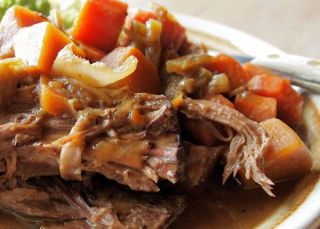
Greek recipes: Beef with beer, eggplants and rice

Beef with beer, eggplants and rice

Salt your eggplants well.

A wholesome summer recipe utilising eggplants

Ingredients:
1 kilo of beef cut into bite size cubes
1 cup olive oil
1 stick of cinnamon
1 glass of beer
1 onion, grated
3 cloves garlic, finely chopped
3 large very ripe tomatoes, peeled and finely cut
1 teaspoon sugar
6 slim purple eggplants, cut into thick rings
300 grams of Arborio rice or similar starchy variety
a few springs of parsley and mint
salt and pepper

Method:
1. Place the sliced eggplants in a colander and salt well, allow to stand for 20 minutes, rinse well when ready to use.
2. In a saucepan heat the oil and sauté the beef cubes with cinnamon stick on high heat, stirring constantly.
3. Add beer and stir for a few seconds till the alcohol has evaporated.
4. Add the onion, garlic, tomato, sugar and add enough hot water to just cover the meat.
5. Cover and on low heat cook for 50 minutes, if needed add more water.
6. Preferably in a non-stick frypan: add 2 -3 tablespoons olive oil and sauté washed (patted dry) eggplants to faintly brown and put aside.
7. Add the rice to the meat (water must cover the rice) and cook for 15 minutes.
8. In the last 5 minutes add the eggplants, parsley, mint and salt and pepper to taste.
9. When the rice is cooked take off heat, cover with a clean tea towel and cover the towel with the lid as you would a pilaf and allow to stand for 15 minutes.
10. This is best served hot.

source: Neos Kosmos

Greek recipes: Amigdalota from Limnos

recipe%201-eggs%2001

This recipe will make 80-100 biscuits

These biscuits keep well in an airtight container. The recipe makes about 80-100 biscuits but you can halve the ingredients if you so wish. Bear in mind that these little morsels are seriously addictive.

Ingredients:
1.28 kilograms of blanched almond meal, preferably not freshly ground
800 grams sugar
10 egg whites
zest of two lemons
1/2 cup rosewater

Method:
1. Mix the almond meal, sugar, zest of lemon and rosewater.
2. Beat the eggs into a meringue (Note: frozen egg whites from the supermarket will not beat into a meringue consistency).
3. Add the meringue slowly to the almond meal mixture, mix to make a dough consistency. If the meringue is too much – don’t add it all, as the dough has to be tight.
4. Leave in the refrigerator to rest for about half an hour.
5. Make into biscuits of any shape – the traditional Greek shape is a small oval, 4-5 centimetres in diameter and 2 centimetres deep.
6. Bake on a very lightly greased biscuit tray, on 170° for 20 minutes.
7. Take out of tray, cool, and sprinkle with icing sugar while still warm.

source: Neos  Kosmos

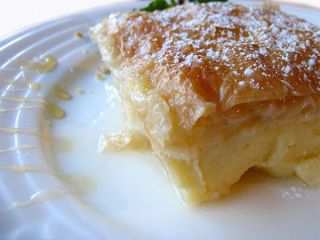
Greek recipes:Galaktoboureko from Limnos

Galaktoboureko

Dora Kitinas-Gogos’ favourite recipe for the famous Greek cake.

I have tried many recipes for a good galaktoboureko, this is the best one – once you use this recipe you will never use another.

Ingredients:
Syrup
1 cup sugar
1 cup of honey
2 cups water
2 cinnamon sticks
10 drops lemon juice
one ribbon of lemon peel
Put all these ingredients in a saucepan and bring to a gentle boil for about 15 minutes, put aside and cool. It is important that the syrup is cold when adding to the hot baked galaktoboureko.

Filling
1.3 litres of milk
240 grams rice flour
320 grams sugar
4 egg yolks
3 whole eggs
lemon zest

Method:
1. Heat oven to 180°C.
2. Put 1 litre of milk in a saucepan with sugar and scald, take off flame.
3. Combine the rice flour and the remaining 300 grams of cold milk and blend with a spoon till all the rice and milk has become one and thick, making sure there are no remaining lumps.
4. On a very low heat add the rice flour mixture slowly to the hot milk, stirring vigorously so as not to lump.
5. When smooth and thick remove from heat, put aside and cover with a clean tea towel to prevent a film forming on top.
6. In a separate bowl, put in egg yolks and whole eggs and beat till all are one.
7. Add the zest to the milk mixture.
8. Add the egg mixture slowly to the milk mixture stirring all the time so eggs don’t have time to cook.
8. Cover with tea towel again.

Layering

Ingredients:
16 sheets of filo, left out of the fridge about an hour earlier
200 grams butter, melted

Method:
1. Grease a 23cm x 23cm and 7cm deep square pan.
2. Lay one sheet of filo and brush with butter.
3. Do this with eight sheets of filo, tucking each filo into the corners of the pan.
4. Pour cream mixture on top of these layers of filo.
5. Do the same with the top layers. Lay eight sheets of filo, brushing each one with butter.
6. Trim the edges of the filo and tuck the remaining inwards.
7. Cut the top layers in diamond shapes, into serving size.
8. Sprinkle with water.
9. Bake for 45 minutes; remove from oven.
10.Pour cooled syrup on top, a cup at a time, giving each cup time to be absorbed.
11. Allow the galaktoboureko to cool for 3-4 hours before serving.

Note: Never cover a galoktoboureko and never refrigerate as it goes soggy.

source: Neos Kosmos

Greek recipes: Sfougato from the island of Lesbos

Sfougato from the island of Lesbos

Feel free to change what cheese you use to your tastes.

A pita without a pastry cover.

This is a pita without a pastry cover. I have substituted the local cheese from Limnos with kefalograviera – maybe you would like another cheese.

Ingredients:
6 medium zucchini grated very thick with water squeezed out
3 eggs beaten
5 spring onions, finely cut
5 tablespoons of dill without the stems, finely cut
100 kefalograviera cheese, grated
50 grams finely crumbled feta
1/2 teaspoon of cayenne pepper
1/2 teaspoon black pepper
175 grams plain flour
a little oil for greasing oven dish
salt to taste

Method:
1. Heat oven to 180°C.
2. In a large bowl mix zucchini, eggs, onions, the herbs and spices, the cheeses and pepper and salt.
3. Add flour and mix well.
4. Grease a pita dish and spread the mixture evenly.
5. Drizzle with a good olive oil on top.
6. Bake for 55 minutes.
7. About half way through the baking, cover with foil.
8. Take out of the oven, cut and serve hot or cold.

source: Neos Kosmos

Greek recipes:Strapatsada

Strapatsada

Other ingredients can be added to taste, like peppers or spinach.

Italians call it a frittata, we call it strapatsada

This is what the Italians call a frittata and we call it strapatsada. There are many versions from all over Greece and depending on the area its name can change too. I’ll give you a family size one, which can be made for the whole family with a salad and crusty bread on the side and is yummy.

Ingredients:
10 eggs
1 large red onion, sliced
3 tomatoes cut in large pieces like for a salad
10-15 pitted Kalamata olives
400 grams of feta, crumbled
3 tablespoons of finely chopped parsley
salt and pepper to taste
2 tablespoons olive oil

Method :
1. Beat the eggs in a bowl with parsley and salt and pepper.
2. In a deep, ovenproof frypan heat oil and sauté onions till translucent.
3. Add the tomatoes and the olives and sauté for another 2 minutes.
4. Lower heat and add the eggs and cook till slightly set.
5. Add the feta and place under the grill till eggs rise and brown.
6. Cut into slices and serve.

Note: Other ingredients can be added to taste, like peppers or spinach. My favourite addition is freshly fried potatoes. Instead of grilling, the dish can be put in a hot oven for a few minutes. Also try fresh potato chips with fresh tomatoes and eggs – in this version you might like to leave the eggs ‘matia’ (to my non-Greek readers, the word means ‘eyes’ and we use it for eggs that are ‘sunny side up’).

source: Neos Kosmos

Greek recipes:Artichokes with broad beans and avgolemono

Artichokes with broad beans and avgolemono

If using fresh artichokes, cook them first.

Artichokes have a bit of preparation to them, so make sure you give them the right attention.

Note: Fresh artichokes need the branch cut off, the outer layer leaves discarded, then the top of the artichoke cut off as the top of the leaves are tough. Inside the heart there is a furry part (the choke) that needs to be scooped out. They are then placed in a deep bowl of water with salt and/or lemon juice and allowed to stand till ready to use. If left out of water they will discolour. They also need longer cooking time than the broad beans. I prefer to use artichoke hearts already in a can, it is easier and you can never go wrong this way.
If using fresh artichokes, cook them first. Otherwise, cook the broad beans and then add the tinned artichoke hearts that have been drained.

Ingredients:
500 grams broad beans
6-8 artichoke hearts
1 small onion
1 bunch spring onions
1/2 bunch of dill
1/2 bunch of parsley
3/4 cup of olive oil
juice of one lemon
2 cups of water

Method:
1. In a heavy bottom saucepan, place olive oil and heat. Chop onion and spring onions finely and cook while stirring until translucent.
2. Put in broad beans, cover with 2 cups of water, cook until tender.
3. Add canned artichoke hearts, finely chopped dill and parsley.
4. Add lemon juice and cook for 3/4 hour or until vegetables are just right and not too overcooked, always on very low heat.
5. Make the avgolemono and pour on top, serve hot to warm.

Avgolemono sauce

Ingredients:
2 eggs
juice of 2 lemons
1 cup of warm stock from the vegetables
Method:
1. Separate eggs, putting whites in a bowl and setting aside the yolks.
2. Beat egg whites till stiff.
3. Add yolks and mix well.
4. Add the lemon juice very slowly while beating the eggs so as not to curdle.
5. Add the hot juice from the artichokes and mix well.
6. Add slowly some of the hot juice from the vegetables into the warm egg lemon sauce and mix.
7. Pour the sauce over the vegetables.

source: Neos Kosmos

Rosto (pork casserole)

recipe%201-naxos%2001

Naxos’ most iconic celebration dish.

Christina Kannelopoulou and her son Giorgos run the Mythodia restaurant, near the town hall, where the cook showed us her version of rosto, the island’s most iconic celebration dish. The recipe serves 4-5.

Ingredients:
1.5 kilo piece of pork shank, tightly wrapped in twine or netting
4-5 cloves garlic, finely sliced
300 ml dry red wine
4 bay leaves
150 ml olive oil
3 large ripe tomatoes, crushed, or 500 gm diced and tinned
1 tbsp tomato paste
salt and pepper
1 stick cinnamon
3-4 allspice berries
2 cloves
1 tsp dried oregano
3-4 sprigs fresh thyme or 1/2 tbs dried
400 gm thick pasta

Method:
1. Score the meat and rub with salt and pepper, stuffing the cuts with garlic and oregano. Drizzle with olive oil.
2. Heat the rest of the olive oil in a large saucepan and evenly brown the meat over a high heat. Add the wine and wait for 2 minutes until the alcohol has evaporated.
3. Add the grated tomato, tomato paste and as much hot water as needed to just cover the meat. When it comes to the boil turn the heat down to medium, cover the pot and cook for 45 minutes.
4. Then add the allspice, bay leaves, cinnamon, cloves and thyme, cover the pot and cook for another 45 minutes until the meat is tender.
5. Remove from the heat, put the meat on a board, remove the string and carefully cut into one-inch slices. Place slices back in the sauce and cook for an additional 10 minutes.
6. Meanwhile, cook the pasta for 3 minutes less than recommended on the packet and finish off in the sauce. Remove the spices before serving. An aged grated cheese, preferably a Naxos variety, goes well on top.

source: Neos Kosmos


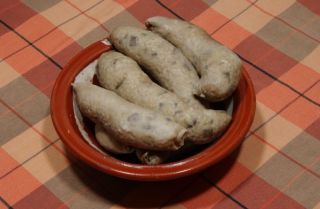
Amathies (pork intestines stuffed with rice)

recipe%202-naxos%2001

Make sure you wash the pork intestines thoroughly.

Ingredients:
intestines of a pig
1/2 kilo wild beet leaves
1 bunch fennel leaves
1 bunch parsley
1 bunch dill
3 spring onions
1 finely chopped onion
1 cup olive oil
1 cup glazed rice
1 tbsp salt
pepper
3 cups water

Method:
1. Wash the intestine thoroughly inside and out. Pour half a cup of olive oil into a deep pan and sauté the onions and herbs, which have been washed and chopped finely.
2. When they soften slightly add 1 cup water, half a tablespoon of salt and a pinch of pepper.
3. When the mixture comes to the boil, add the rice and stir. Allow a few minutes for the rice to absorb the water and then remove from heat.
4. Stuff the intestines with the mixture, making sure to allow enough room for the rice to expand.
5. Tie a knot at the two ends of the intestines and place in the pot, adding the rest of the oil and water. Salt lightly and cook for around 40 minutes.

source: Neos Kosmos

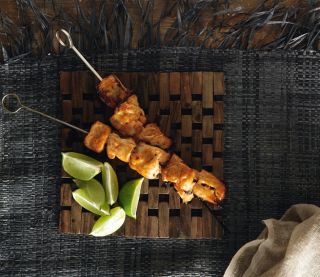
Σουβλάκι με σολομό, γλάσο σόγιας και τζίντζερ

souvlaki%20me%20solomo

Υλικά για
4 σουβλάκια

Προετοιμασία
10 λεπτά
Αναμονή
1 ώρα
Μαγείρεμα
8 λεπτά

Υλικά
-500 γρ. σολομό φρέσκο φιλέτο
-1/4 φλιτζανιού σόγια σος
-1/2 λεμόνι (το ξύσμα του)
-1 κουτ. σούπας μέλι
-1 κουτ. γλυκού τζίντζερ φρέσκο περασμένο από τον τρίφτη
-1 κρεμμύδι φρέσκο πράσινο ψιλοκομμένο
-2 σκελίδες σκόρδο ψιλοκομμένο
-4 ξυλάκια για σουβλάκια

Eκτέλεση
1. Μουσκεύουμε τα ξυλάκια σε νερό μία ώρα πριν τα χρησιμοποιήσουμε.
2. Προθερμαίνουμε τον φούρνο στους 200°C. 2.
3. Κόβουμε τον σολομό σε μεγάλους κύβους και τον βάζουμε σε μπολ.
4. Προσθέτουμε όλα τα υπόλοιπα συστατικά και ανακατεύουμε καλά.
5. Μαρινάρουμε το ψάρι για 15 λεπτά.
6. Περνάμε τον σολομό στα ξυλάκια και τον βάζουμε σε ένα ταψί στο οποίο έχουμε στρώσει λαδόκολλα.
7. Τον περιχύνουμε με όση μαρινάδα έχει περισσέψει και τον ψήνουμε για 8 λεπτά.
8. Σερβίρουμε αμέσως.

Πηγή: Νέος Κόσμος

Rabbit from Santorini (Κουνέλι τυραύγουλο)

recipe%205_cyclades%2001

Santorini rabbit.

You can use any hard cheese for this dish, but many stick to kefalotiri

Ingredients:
1/4 cup butter
1 rabbit about 1 and 1/4 kilos cut in pieces
salt and freshly ground pepper
1 large onion, cut finely
1 tablespoon of plain flour
2 cloves of garlic, finely chopped
1 cup of dry red wine
2 bay leaves
2 eggs, lightly beaten
3/4 cup of grated kefalotiri or any other hard cheese

Method:
1. In a saucepan on high heat add 3 tablespoons of the butter.
2. Roll the rabbit in salt and pepper and sauté in the butter, turning on all sides.
3. Remove from pan and set aside.
4. Add the remaining butter to the saucepan and sauté the onion.
5. Add the flour and stir till brown.
6. Put the rabbit back in the saucepan, add the garlic and stir for one minute.
7. Add the wine and enough water to cover the rabbit.
8. Add the bay leaves and the salt and pepper, put the lid on the saucepan and on a low heat simmer for about 1 hour.
9. Beat the eggs, add the cheese to the eggs and add a ladle of the rabbit juice into the egg mixture, stirring quickly.
10. Add the egg/cheese mixture to the rabbit, stir lightly and allow it to cook for 1 minute.
11. Serve hot.

You can use any hard cheese for this dish, but many stick to kefalotiri.

source: Neos Kosmos