Monthly Archives: July 2015

Ο Ελληνοαυστραλός που λάτρεψε το Mt Buller

Aivatoglou01

H ιστορία του 77χρονου Βορειοελλαδίτη που κοιμόταν καταγής στο Port Melbourne και σήμερα «ζει και βασιλεύει» στο διασημότερο χειμερινό θέρετρο της Βικτώριας.

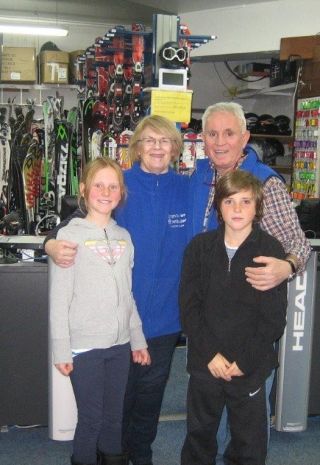
Ο μήνας αυτός ήταν ιδιαίτερος για τον Γιώργο Αϊβάτογλου. Εδώ και 53 χρόνια είναι ιδιοκτήτης ενός από τα πιο γνωστά καταστήματα ειδών σκι στο γνωστό κοσμοπολίτικο χειμερινό θέρετρο Mt Bulla και ο τοπικός Δήμος τον τίμησε για την πολύχρονη προσφορά του στην τοπική κοινότητα.

Το 1962, ο 24χρονος τότε Γιώργος Αϊβάτογλου εγκατέλειψε την όμορφη πόλη της Έδεσσας στη Μακεδονία και ταξίδεψε με το “Πατρίς”. Έφτασε στη Μελβούρνη χωρίς να γνωρίζει ούτε μία αγγλική λέξη, με καθόλου χρήματα και με μόνο εφόδιο την εργαλειοθήκη του.

Τις πρώτες τέσσερις πρώτες νύχτες στη πόλη κοιμήθηκε στο Port Melbourne και δεν γνώριζε κανέναν. Την πέμπτη ημέρα, ένα άτομο που γνώρισε στο καράβι τού πρόσφερε κατάλυμα με αντάλλαγμα να εργαστεί στο σπίτι του αδελφού του συνεπιβάτη του. Ο Γιώργος δέχτηκε την προσφορά και παρέμεινε στην περιοχή South Melbourne μέχρι που τελικά βρήκε δουλειά ως ξυλουργός στο Mt Buller. Το ταξίδι του εκεί το έχει χαρακτηρίσει ως ατελείωτο και ότι “ταξίδευε προς στο τέλος του κόσμου”.

Το ορεινό και χιονισμένο τοπίο δεν του έκανε εντύπωση αφού και η πόλη του η Έδεσσα ήταν συχνά χιονισμένη τους χειμώνες, ωστόσο το σκι δεν ήταν διαδεδομένο εκείνη την εποχή στην πατρίδα. Έτσι, το Νοέμβριο του 1962, ξεκίνησε να εργάζεται σε ένα κατάστημα με είδη για το χιόνι, το “Auski”. Όταν ξεκίνησε η χειμερινή περίοδος, οι ιδιοκτήτες του καταστήματος Lois και Tony Aslungal, του ζήτησαν να παραμείνει και να εργάζεται γι’ αυτούς από άλλα πόστα. Ο Γιώργος εργαζόταν ως κατασκευαστής και επισκευστής χιονοπεδάλων στη διάρκεια του καλοκαιριού και νοικιάζοντας εξοπλισμό δηλαδή στη διάρκεια της τουριστικής περιόδου, το χειμώνα. Ο Γιώργος, όταν είχε χρόνο, έπλενε πιάτα σε ένα εστιατόριο, το “Abom”, που ιδιοκτήτης του ήταν ο γνωστός συμπάροικος επιχειρηματίας Γιώργος Βασιλόπουλος. Ο Αϊβάτογλου δεν αμειβόταν με χρήματα, αλλά με γεύματα. Εκεί έμαθε να φτιάχνει και τα περίφημα πάνκεϊκ του “Abom” και κατόπιν ασχολήθηκε και με τους καφέδες.

ΤΟ “ΔΕΣΙΜΟ” ΜΕ ΤΗΝ ΤΟΠΙΚΗ ΚΟΙΝΟΤΗΤΑ

Ο Γιώργος ζούσε στις εγκαταστάσεις που προορίζονταν για τους εργαζόμενος του “Auski”. Μια βραδιά, που ποτέ δεν θα ξεχάσει, φλόγες περικύκλωσαν το δωμάτιό του. Δεν μπορούσε να βγει από την πόρτα και πήδηξε στα κλαδιά ενός δέντρου έξω από το παράθυρο και διασώθηκε από τον Bill Heathcote.

Ο Γιώργος εργάστηκε στην κατασκευή κι άλλων καταστημάτων της περιοχής, αλλά και στη Μελβούρνη. Το 1968 του ζητήθηκε από τον Geoff Henke, ο οποίος έχτιζε εκείνη την περίοδο ένα νέο κατάστημα με χιονοδρομικά είδη προς ενοικίαση στο Mt Buller, που ονομαζόταν “Molony’s”, να αναλάβει τη διεύθυνση του καταστήματος αυτού. Δέχτηκε και το διεύθυνε με επιτυχία για κάμποσα χρόνια. Το 1982 ο Geoff αποφάσισε να πουλήσει στον Γιώργο την επιχείρησή του και έτσι άλλαξε και το όνομά της σε “George’s Ski Hire”. Σε κάποια περίοδο της καριέρας του ήταν ιδιοκτήτης 4 επιχειρήσεων που σταδιακά τις πούλησε ή τις ενοικίασε.

ΑΞΕΧΑΣΤΕΣ ΟΙΚΟΓΕΝΕΙΑΚΕΣ ΣΤΙΓΜΕΣ

Ο Γιώργος θυμάται τον Ιούλιο του 1969 όταν από το διαμέρισμα που ζούσε παρακολούθησε στην τηλεόραση την προσελήνωση του πρώτου ανθρώπου στο φεγγάρι και δεν πρόκειται να το ξεχάσει μιας και ήταν η μέρα που πρωτοπερπάτησε ο ενός έτους γιος του, Robert. Μία άλλη αξέχαστη ημέρα ήταν όταν με την σύζυγό Μαργαρίτα βάφτισαν το δεύτερο παιδί τους την Λία. Η βάφτιση έγινε στο διαμέρισμά τους, η λαμπάδα ήταν δανεική και παρόντες ήταν μόνο κάποιοι Γάλλοι δάσκαλοι του σκι. Μετά την μικρή τελετή, οι Γάλλοι άρχισαν τα ούζα και δεν μπόρεσαν να επιστρέψουν στις εργασίες τους!

Μέχρι και σήμερα, ο Γιώργος αγαπά το Mt Buller και είναι ευγώνων για τις ευκαιρίες που του δόθηκαν στη ζωή του. Τον περασμένοι Μάιο γιόρτασε τα 77α γενέθλιά του και παραμένει ακμαιότατος! Η Μαργαρίτα είπε στο “Νέο Κόσμο”, ότι έμαθε Ελληνικά μαζί του, ενώ κάθε Σάββατο και τα παιδιά τους μάθαιναν την ελληνική γλώσσα. “Τα παιδιά, αν και δεν ήθελαν να κάνουν το μάθημα, σήμερα νιώθουν ευγνωμοσύνη που μπορούν να ταξιδεύουν στην Ελλάδα και να επικοινωνούν άνετα στα Ελληνικά με τους συγγενείς τους” μας λέει η σύζυγος του Γιώργου.

(Σημείωση: Το κείμενο δημοσιεύτηκε στα Αγγλικά στην τοπική εφημερίδα “Mt Buller News” και παρουσιάστηκε στο Mt Buller Board of Management. Επιπλέον στοιχεία μας παραχώρησε η σύζυγός του Γιώργου Αϊβάτογλου, Μαργαρίτα).

Πηγή:Νέος Κόσμος
The problem of Greece is not only a tragedy. It is a lie.

pill

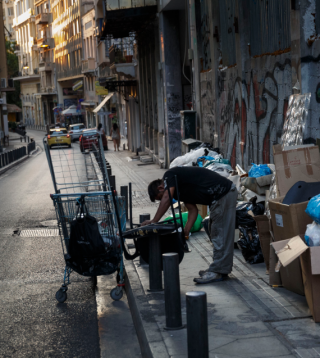
A man collects scrap metal in the backstreets of central Athens, Wednesday,Photo: AP/Daniel Ochoa de Olza

The euro is to Greece what the US dollar is to remote territories in the Pacific, whose poverty and servility is guaranteed by their dependency.

A historic betrayal has consumed Greece. Having set aside the mandate of the Greek electorate, the Syriza government has willfully ignored last week’s landslide “No” vote and secretly agreed a raft of repressive, impoverishing measures in return for a “bailout” that means sinister foreign control and a warning to the world.

Prime Minister Alexis Tsipras has pushed through parliament a proposal to cut at least 13 billion euros from the public purse – 4 billion euros more than the “austerity” figure rejected overwhelmingly by the majority of the Greek population in a referendum on 5 July.

These reportedly include a 50 per cent increase in the cost of healthcare for pensioners, almost 40 per cent of whom live in poverty; deep cuts in public sector wages; the complete privatisation of public facilities such as airports and ports; a rise in value added tax to 23 per cent, now applied to the Greek islands where people struggle to eke out a living. There is more to come.

“Anti-austerity party sweeps to stunning victory”, declared a Guardian headline on 25 January. “Radical leftists” the paper called Tsipras and his impressively-educated comrades. They wore open neck shirts, and the finance minister rode a motorbike and was described as a “rock star of economics”. It was a façade. They were not radical in any sense of that cliched label, neither were they “anti austerity”.

For six months Tsipras and the recently discarded finance minister, Yanis Varoufakis, shuttled between Athens and Brussels, Berlin and the other centres of European money power. Instead of social justice for Greece, they achieved a new indebtedness, a deeper impoverishment that would merely replace a systemic rottenness based on the theft of tax revenue by the Greek super-wealthy – in accordance with European “neo-liberal” values – and cheap, highly profitable loans from those now seeking Greece’s scalp.

Greece’s debt, reports an audit by the Greek parliament, “is illegal, illegitimate and odious”. Proportionally, it is less than 30 per cent that of the debit of Germany, its major creditor. It is less than the debt of European banks whose “bailout” in 2007-8 was barely controversial and unpunished.
For a small country such as Greece, the euro is a colonial currency: a tether to a capitalist ideology so extreme that even the Pope pronounces it “intolerable” and “the dung of the devil”. The euro is to Greece what the US dollar is to remote territories in the Pacific, whose poverty and servility is guaranteed by their dependency.

In their travels to the court of the mighty in Brussels and Berlin, Tsipras and Varoufakis presented themselves neither as radicals nor “leftists” nor even honest social democrats, but as two slightly upstart supplicants in their pleas and demands. Without underestimating the hostility they faced, it is fair to say they displayed no political courage. More than once, the Greek people found out about their “secret austerity plans” in leaks to the media: such as a 30 June letter published in the Financial Times, in which Tsipras promised the heads of the EU, the European Central Bank and the IMF to accept their basic, most vicious demands – which he has now accepted.

When the Greek electorate voted “no” on 5 July to this very kind of rotten deal, Tsipras said, “Come Monday and the Greek government will be at the negotiating table after the referendum with better terms for the Greek people”. Greeks had not voted for “better terms”. They had voted for justice and for sovereignty, as they had done on 25 January.

The day after the January election a truly democratic and, yes, radical government would have stopped every euro leaving the country, repudiated the “illegal and odious” debt – as Argentina did successfully – and expedited a plan to leave the crippling Eurozone. But there was no plan. There was only a willingness to be “at the table” seeking “better terms”.

The true nature of Syriza has been seldom examined and explained. To the foreign media it is no more than “leftist” or “far left” or “hardline” – the usual misleading spray. Some of Syriza’s international supporters have reached, at times, levels of cheerleading reminiscent of the rise of Barack Obama. Few have asked: Who are these “radicals”? What do they believe in?

In 2013, Yanis Varoufakis wrote: “Should we welcome this crisis of European capitalism as an opportunity to replace it with a better system? Or should we be so worried about it as to embark upon a campaign for stabilising capitalism? To me, the answer is clear. Europe’s crisis is far less likely to give birth to a better alternative to capitalism… I bow to the criticism that I have campaigned on an agenda founded on the assumption that the left was, and remains, squarely defeated… Yes, I would love to put forward [a] radical agenda. But, no, I am not prepared to commit the [error of the British Labour Party following Thatcher’s victory]… What good did we achieve in Britain in the early 1980s by promoting an agenda of socialist change that British society scorned while falling headlong into Thatcher’s neoliberal trip? Precisely none. What good will it do today to call for a dismantling of the eurozone, of the European Union itself…?”

Varoufakis omits all mention of the Social Democratic Party that split the Labour vote and led to Blairism. In suggesting people in Britain “scorned socialist change” – when they were given no real opportunity to bring about that change – he echoes Blair.

source:Neos Kosmos

German Finance Minister repeats Grexit ‘time-out’ option

aksgfdkj

Greek banks to reopen.

Following Greece’s acceptance of a third bailout agreement with its draconian reforms, banks are due to reopen on Monday with the European Central Bank (ECB) stepping in with emergency funds in the form of a €7bn ($10.3bn) bridging loan.

Meanwhile limits on cash withdrawals will be eased gradually. The move comes after the Greek parliament voted on the new bailout plan which can supply Greece with €86bn over three years, but only if reforms are conducted with the agreement of the international creditors.

Reflecting the dire situation the country faces, Greece needs to repay €4.2bn ($6.1bn) to the ECB on the same day the banks reopen, as well as making up its missed payments to the IMF – spending the €7bn almost as soon as the Greek government receives it.

With emergency assistance dealt with, further negotiations will begin – probably lasting weeks – over the reforms contained within the bailout deal.

Huge scepticism in Greece and beyond has been expressed, the deal is believed to be unsustainable and misjudged, with even the IMF expressing its concern over the calculations at the heart of the agreement.

A report by the IMF has described Greece’s public debt as “highly unsustainable” and that debt relief “well beyond what has been under consideration to date” needs to be agreed by its European creditors.

Despite the deal forced upon Prime Minister Alexis Tsipras, and its acceptance by the Greek parliament on Thursday, German Finance Minister Wolfgang Schaeuble has repeated his suggestion a “time-out” from the eurozone would still be the best option or Greece.

Prime Minister Tsipras won the parliamentary vote on the controversial package in the early hours of Thursday by 229 votes to 64, but needed the support of opposition MPs to get it through.

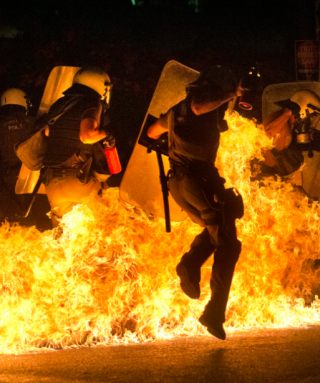
The same night there were angry protests in central Athens with groups of leftist and anarchist groups hurling petrol bombs at police.

38 Syriza MPs, including former finance minister Yanis Varoufakis, refused to support the memorandum of understanding, leaving Tsipras hugely vulnerable and unable to govern without further assistance from the opposition.

With Syriza’s ‘mandate’ in tatters, some believe an election is highly likely within weeks.

In essence, the vote in the parliament on Thursday commits Greece to – amongst a host of other measures – reforming tax and pension arrangements. VAT is to be charged at a top rate of 23 per cent for processed food and restaurants, a 13 per cent rate to cover fresh food, energy bills, water and hotel stays; and a 6 per cent rate for medicines and books.

Corporation tax rises by three per cent, to 29 per cent for small companies, and luxury taxes on big cars, boats and swimming pools are to be enforced.

Early retirement will be ended by 2022, increasing the retirement age to 67. By next Wednesday, Greece must also agree to a major overhaul of its civil justice system. Other reforms needed to honour the bailout agreement include more privatisation, a review of collective bargaining, and market reforms, including relaxing existing limitations on Sunday trading.

The agreement contains a commitment to launch privatisation programme to raise €50bn ($73.5bn) which many analysts have said is optimistic in the extreme. Without such income Greece will have to find even more cash to make its debt repayments; a scenario that would involve yet another bailout. The circle would continue.

Sources: BBC. The Guardian. Business Insider Australia

Mick Fanning ‘completely lost it’ in private room after shark attack

Grim television viewing: the moment a shark launches itself at Mick Fanning.Grim television viewing: the moment a shark launches itself at Mick Fanning. Photo: World Surf League

When the initial surge of adrenaline had subsided for Mick Fanning on Sunday afternoon, he found himself standing in a small room at the J-Bay Open surfing event’s headquarters, on the beach at Jeffreys Bay in South Africa.

The television cameras had stopped rolling. A few of Fanning’s closest friends from the world tour had piled in the private room with him, dumbstruck that the 34-year-old Australian had walked away from a terrifying encounter with a shark that had played out in the waves just minutes beforehand.

The enormity of what had happened, and what so easily could have unfolded, suddenly struck home. Fanning “completely lost it”.

“There was about eight grown men in there, and every single one of us was crying,” Fanning told Red Bull, shortly before he boarded a flight from Johannesburg back to Australia on Monday night.

“At that moment I realised there was going to be some serious concern from my family and friends around the world, so I asked if I could do an interview [on television] so they could hear it from me that I was okay.”

That evening, friends and administrators from the surfing competition gathered at his accommodation to share dinner, a few drinks and to reflect on the day’s remarkable events. There were lots of hugs, laughs and, again, plenty of tears.

Mick Fanning looks to the skies in thanks after explaining to Kelly Slater (right) what he went through.Mick Fanning looks to the skies in thanks after explaining to Kelly Slater (right) what he went through. Photo: World Surf League/Kelly Cestari
“There was a lot of love and relief, but it was so strange though … it felt like I was at my own wake to be honest. I got some sleep but it was a pretty restless night,” Fanning said.

Far from shying away from watching footage of his encounter with the shark, which had been broadcast live around the world, Fanning says he has viewed the footage “so many times”.

“It’s surreal watching it play out. It’s like, did that really happen to me?” Fanning said.

“I just can’t believe I’ve come through this completely unscathed physically. Mentally I’m a bloody mess, but I’ll come good in time.”

Fanning’s mother, Elizabeth Osborne, told Fairfax Media this week that she thought she was watching her son die on live television during the event final. Perhaps the worst moment, she said, was just after the shark knocked her son off his board, when a wave blocked the camera angle so that viewers could not immediately see what was happening to him.

It was in those seconds that were not caught on camera that the “craziest moment actually unfolded”, Fanning revealed.

“The thing [shark] started thrashing around me, you can see the water splashing, and that’s when I was hitting it,” Fanning said, recalling how he punched the shark.

“I don’t know what the shark’s intentions were. It definitely got stuck in my leg rope, but I’m just thankful it was my leash and not my leg,” Fanning said.

Fanning is due to arrive back in Australia on Tuesday afternoon to be reunited with family and friends, and said for the time being he was not thinking about contests and world titles.

“My mind is purely on family and friendships right now,” he said.

“I’m not thinking about whether I’ll go back at the moment. We’ll see how I feel. I’ll never surf on July 19 again though.”

source:smh.com.au


Aussie banks must raise $9.6b in capital

ST_20150721_REALESTATE21_1527914

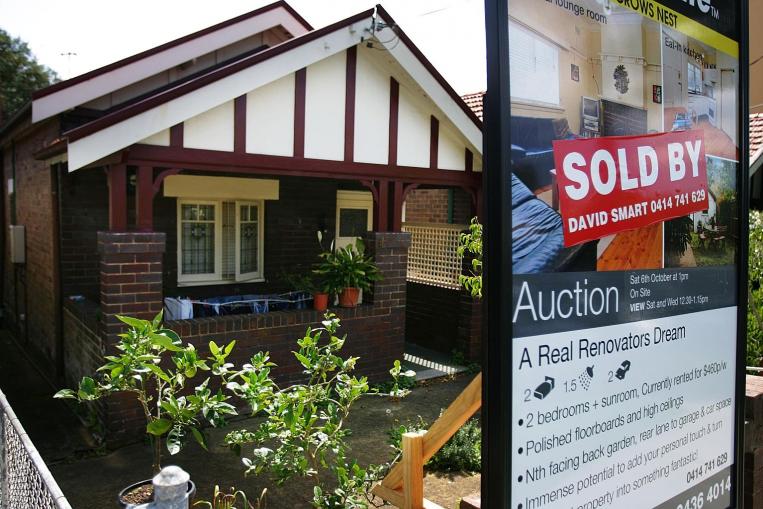
SYDNEY • Australian banks have one year to raise US$7 billion (S$9.6 billion) under new rules requiring a bigger cash buffer, a move widely expected to hit profits and push up mortgage rates, slowing a real estate rush that has economists warning of a property bubble.

The financial regulator yesterday also said large banks and mortgage rival Macquarie Group may have to raise more in future as Australia shifts from letting property lenders decide cash reserves to making them follow global standards.

The Australian Prudential Regulation Authority’s (Apra’s) July 2016 deadline for banks to have cash reserves at 25 per cent of mortgage books, from 16 per cent now, adds urgency to a sector-wide restructuring that has already seen lenders raising billions of dollars and selling assets in preparation.

The capital increase is part of the regulators’ attempt to ensure the financial system can cope with any downturn in the housing market, where prices have soared almost 30 per cent in the past three years.

Australia & New Zealand Banking Group, Commonwealth Bank of Australia, National Australia Bank, Westpac Banking and Macquarie Group will be affected by the new rules, which equate to increasing minimum capital requirements by about 80 basis points, Apra said.

The cost of holding more capital may force the lenders to raise their mortgage rates, according to Morningstar and Bell Potter Securities.

The increase is “consistent with the direction of work being undertaken by the Basel Committee on Banking Supervision on changes to the global capital adequacy framework for banks”, Apra said. The measure “will enhance the resilience” of the affected banks and the broader financial system.

The move will calm investors wary of bank stocks since late 2014, when a government inquiry recommended the change, sending the sector down 8 per cent since March, outpacing the broader market’s 5.4 per cent decline.

“It clears it out of the way,” said Bell Potter analyst T. S. Lim. “There is enough time for the banks to get it in order. They are well prepared.”

Shares of Commonwealth Bank of Australia, the biggest lender, were flat yesterday, in line with the market, as analysts said it can likely raise A$3.8 billion (S$3.8 billion) with a dividend reinvestment plan.

National Australia Bank also traded flat. It has the least to raise, about A$480 million, since it recently closed a A$5.5 billion rights issue and plans to list its UK unit.

The No. 2 lender Westpac Banking fell 0.3 per cent. It said it must raise A$3 billion. Shares of ANZ, which said it needs to raise A$2.3 billion, rose 0.8 per cent.

Macquarie Group, the only other lender to which the new rules apply, saw its shares rise 2 per cent after it said it could cover extra capital requirements from reserves.

source:straitstimes.com

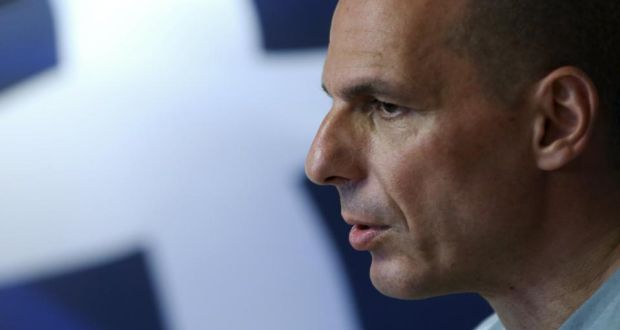
Greece economic reforms will fail, says Yanis Varoufakis

image

Alexis Tsipras decided ‘our government, was at gunpoint’, says former finance minister.

Economic reforms imposed on Greece by creditors are going to fail, according to the country’s outspoken former finance minister.

Yanis Varoufakis told the BBC on Saturday that Greece was subject to a programme that will “go down in history as the greatest disaster of macroeconomic management ever”.

His warning came as Greece’s prime minister, Alexis Tsipras, reshuffled his cabinet barely 48 hours after dissidents broke ranks over the bailout deal for the country.

International creditors have demanded that the Greek parliament endorse a wave of measures in order to qualify for further financial assistance – including tax hikes that Syriza has argued will only worsen the country’s economic plight.

In a major U-turn, after five months of negotiation, Mr Tsipras agreed to enforce significant pension cuts, VAT increases and an overhaul of collective bargaining rules to secure a third bailout package worth up to €86billion to keep bankruptcy at bay.

Mr Varoufakis, who has warned austerity measures for Greece will strengthen support for the far right, told the broadcaster: “This programme is going to fail whoever undertakes its implementation.”

He insisted Mr Tsipras did not fire him from his role as finance minister. “He didn’t get rid of me,” he said.

“Alexis Tsipras at some point decided that his government, our government, was at gunpoint. We were given a choice between being executed and capitulating and he decided that capitulation was the optimal strategy.

“I may disagree with him and I declared that by resigning my post but I understand precisely the very difficult position in which he finds himself.

“We’re completely united in lambasting the highly undemocratic and economically irrational policies of the European Union towards the government.”

The reshuffle saw nine changes overall including the ousting of energy minister and veteran Marxist, Panagiotis Lafazanis, head of Syriza’s militant Left Platform. He was replaced by former labour minister Panos Skourletis.

Meanwhile, Greek banks are set to reopen Monday after a three-week closure and withdrawal limits have been relaxed, but capital controls remain in place, a government decree said on Saturday.

The decree sets a new cumulative weekly withdrawal limit of €420, with the daily limit remaining at €60.

The bank closure was enacted on June 29th, afterMr Tsipras called a referendum on lenders’ austerity demands that 61 per cent of voters rejected.

The three-week shutdown has cost the country’s struggling economy an estimated €3 not counting lost tourism revenue, according to reports. Guardian service.

source:irishtimes.com


Greece repays crucial €4.2bn to ECB and €2bn to IMF

euros22--2-thumb-large

Banks reopen, increases in VAT take effect but stock market remains closed

Greece repaid the European Central Bank on Monday, the bank said, clearing a key obligation worth about €4.2 billion with one of its top lenders, after receiving temporary funding while it negotiates a bigger bailout deal.

The €3.5 billion bond and €700 million interest payment to the ECB was crucial. Without it, the bank could have been forced to end emergency liquidity assistance to Greek banks if the government defaulted on its bond payment. It also comes after Greece repaid about €2 billion to the International Monetary Fund, clearing all its arrears after missing several payments in June and July. Athens received a €7 billion temporary or bridge finance facility late last week so it could quickly repay its most urgent debts, even before its €86 billion bailout was in place.

Greece also reopened its banks on Monday in the first signs of a return to normal after a deal to agree a new package of bailout reforms.

Customers queued up outside bank branches open for the first time in three weeks on Monday after they were closed to save the system from collapsing under a flood of withdrawals.

Increases in value added tax agreed under the bailout terms also took effect, with VAT on food and public transport jumping to 23 per cent from 13 per cent. The stock market remained closed until further notice.

The bank closures were the most visible sign of the crisis that took Greece to the brink of leaving the euro earlier this month, potentially undermining the foundations of the single European currency.

Their reopening followed prime minister Alexis Tsipras acceptance of a tough package of bailout demands from European partners but a party revolt has threatened the stability of his government and government officials have said that new elections may be held as early as September or October.

Queues formed outside bank branches in central Athens as long-suffering Greeks waited to take care of business frozen during the three week-long bank holiday.

“Things are better than the last few weeks. Thank God we didn’t end up with the drachma!” said 62-year-old pensioner Maria Papadopoulou. “I came to pay bills and my taxes today. Last week I couldn’t and all of this is very tiring for the older people like me.”

Limits on cash withdrawals have been made slightly more flexible, with a weekly limit of €420 in place of the daily €60 limit previously.

“Capital controls and restrictions on withdrawals will remain in place but we are entering a new stage which we all hope will be one of normality,” said Louka Katseli, head of the Greek bank association.

Greeks will be able to deposit cheques but not cash, pay bills as well as have access to safety deposit boxes and withdraw money without an ATM card.

Bankers said there may be minor disruptions after the three-week interruption to services but they expected services to resume largely as normal.

“I don’t expect major problems, our network and the network of our competitors are ready to serve our clients,” said a senior official at Piraeus Bank, one of the big four lenders. “There might be lines because many people will want to withdraw money from their deposit boxes,” the official said.

After European authorities agreed last week to provide emergency funding assistance, Athens is expected to meet a payment deadline for €4.2 billion, including interest payments, due to the European Central Bank on Monday.

Vote on Wednesday

Mr Tsipras is eyeing a fresh start and swift talks on the bailout aimed at keeping Greece afloat but he still faces hurdles with parts of the ruling Syriza party in revolt over the tough terms of the bailout agreement.

The Greek parliament approved the bailout package on Thursday but the 40 year-old prime minister was forced to rely on votes from the opposition after 39 rebels from his Syriza party refused to back the government, by voting against or abstaining.

A second vote will be held on Wednesday, on measures including justice and banking reforms, when a similar outcome is expected. However the voting arithmetic is finely poised.

Together with his coalition partners from the right-wing Independent Greeks party, Mr Tsipras has 162 seats in the 300-seat parliament but Thursday’s rebellion cut his support to just 123 votes. Under Greek constitutional rules, the minimum support needed for a minority government is 120, so if the number falls below that level, the government’s future would be in doubt.

“What worries me is that some people still think that there would be no austerity if we were out of the euro. This argument is absolutely false,” state minister Nikos Pappas, one of Mr Tsipras’ closest aides told the leftist Efimerida Ton Syntakton newspaper.

Acceptance of the bailout terms that meant the banks could reopen marked a turnaround for Mr Tsipras after months of difficult talks and a referendum that rejected a less stringent deal proposed by the lenders.

The bailout terms include tax hikes, pension cuts, strict curbs on public spending, an overhaul of collective bargaining rules and a transfer of €50 billion of state assets into a special privatisation fund.

source:irishtimes.com

English Premier League giants Liverpool shows class in 2-0 victory over Adelaide United

6635240-3x2-700x467

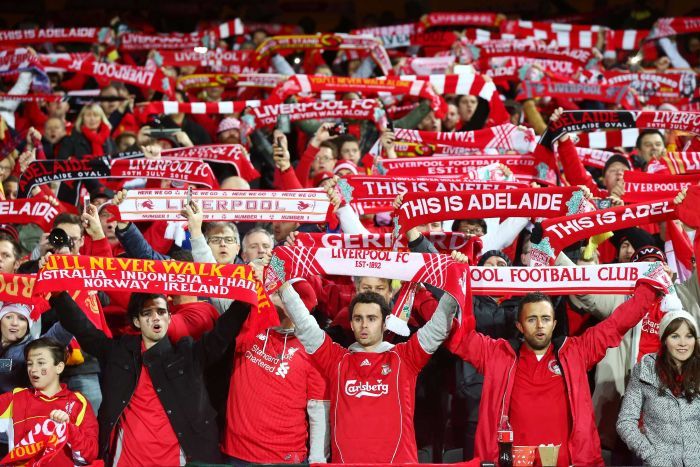
Liverpool recruit James Milner scored again for his new club, as the English Premier League heavyweights recorded a 2-0 win against Adelaide United at Adelaide Oval on Monday night.

Three nights after scoring the winner on debut for Liverpool, Milner goaled again before team-mate Danny Ings sealed victory before a 53,008-strong crowd.

Milner, the former Manchester City midfielder, scored in the 67th minute in a friendly, which never soared to great heights.

He had scored Liverpool’s winner in the 2-1 result against Brisbane Roar at Lang Park last Friday night.

And the 29-year-old bobbed up again when most needed after Liverpool failed to earlier put away its outclassed hosts.

After the near-capacity crowd belted out a rousing rendition of You’ll Never Walk Alone, the first-half action was a tad off-key.

Liverpool dominated and created moments of utter havoc for Adelaide’s defence, with Joe Gomez sweeping along the left-flank and lively Divock Origi a constant attacking threat.

Adelaide did not make a genuine forward push until 25 minutes into the contest and the hosts could thank two excellent low saves by goalkeeper Eugene Galekovic for the 0-0 half-time scoreline.
SoundCloud: Audio: Adelaide United vs Liverpool

Galekovic produced another top-shelf stop in the 59th minute with a spectacular mid-air parry to deflect an Adam Lallana strike.

But some eight minutes later, Galekovic was finally beaten when Milner scored after a sweet passing chain.

The recruit slid onto the end of a curling Jordan Ibe cross to poke in with his right foot, though replays suggested he may have been off-side.

Ings clinched the win in the 88th minute when, gifted time and space in the box, coolly tapped under a despairing Galekovic.

Liverpool manager Brendan Rodgers was pleased with the victory and the performances of some of his younger stars, such as Ibe.

“Jordan Ibe, I think this could be a big season for him and he’s only 19,” Rodgers said after the match.

“I thought it was an excellent performance. We pressed the game really well against a good side and we’re really happy with the performance and the fitness.”

Adelaide defender Osama Malik said he was proud of his side’s defensive effort against Liverpool, despite the result.

“We didn’t come here expecting to dominate the game, that’s for sure,” he said.

“But we had little patches where we kept the ball okay but they’re obviously far better than us and they showed it tonight.

“They’re a quality team and I think it was a privilege to be on the same park as them to be honest.”

source:abc.net.au

Hamilton Olympic held to a 3-3 draw by South Cardiff

HAMILTON OLYMPIC

NPL ROUND 14 RESULTS:
Hamilton Olympic – South Cardiff 3-3 (Andrew Swan, Mathew Swan & Ben Koina)
Edgeworth – Adamstown Rosebud 0-2
Charlestown – Newcastle Jets Youth washed out
Broadmeadow Magic – Lambton Jaffas 0-2
Weston Workers – Maitland FC 0-0

TABLE:
1 Edgeworth 30                                                                                                                        2 Lambton Jaffas 28
3 Hamilton Olympic 27
4 Weston Workers 26
5 Broadmeadow Magic 23
6 Adamstown Rosebud 18
7 Newcastle Jets Youth 13
8 Charlestown City 12
9 Maitland 11
10 South Cardiff 6
ROUND 15:
Lambton Jaffas – Edgeworth
Maitland FC – Adamstown Rosebud
Hamilton Olympic – Newcastle Jets Youth
Weston Workers – Charlestown City
South Cardiff – Broadmeadow magic
NPL RESULTS:
U22s Hamilton Olympic – South Cardiff 2-3
U19s Hamilton Olympic – South Cardiff 0-1
U17s South Cardiff – Hamilton Olympic 0-2
U15s South Cardiff – Hamilton Olympic 1-2
U14s South Cardiff – Hamilton Olympic 1-3
U13s South Cardiff – Hamilton Olympic 1-2

ZL 2: Hamilton Olympic vs Medowie
1st Grade won 5-0
2nd Grade won 6-0

JUNIOR RESULTS FOR SATURDAY 18/07/2015
U13s Olympic – Broadmeadow Magic 2-0, Toronto 4-1
U12s Olympic – Broadmeadow Magic 0-4, Nelson Bay 2-1
U11s Olympic – Valentine 2-4
U10s Olympic – Wallsend 10-0
U9s Olympic Blue – Broadmeadow Magic 15-2
U9s Olympic White – bye
U8s Olympic – Broadmeadow Magic 6-3
U8s Olympic – result not supplied
U7s Olympic – Broadmeadow Magic 20-2
U7s Olympic – Kotara 17-0
U6s Olympic – Broadmeadow Magic 4-8
U6s Olympic – Merewether 12-2

source: Tom Tsamouras

Bailout agreement explained

eurozone-talk-tsipras

The Greek parliament has backed a deal which enables Greece to remain within the eurozone, but what must the country do in return?

Recapitalisation of banks

“Valuable Greek assets will be transferred to an independent fund that will monetise the assets through privatisations and other means,” reads the official statement.
To help decrease the country’s debt, banks will require recapitalisation which will partly be achieved through the creation of a new €50 billion fund.
Despite Germany’s demands to base the fund in Luxembourg, at Prime Minisier Tsipras’ insistence it will be held in Greece. Some analysts have suggested the figure of €50 billion is an overvaluation of the intrastructure in question

Cutting costs: public sector and pensions

The agreement states that Greece must introduce “quasi-automatic spending cuts”, which in layman’s terms means that if the books are not balancing financially, the government should continue to make cuts until they do.
This extends to the public sector – one of the highest employers in the country – which must cut spending, in addition to depoliticising the Greek administration.
As part of the agreement Greece must also “improve long-term sustainability of the pension system”, a reoccurring issue in negotiations with creditors over the past five months.
By reforming pensions alone the country could save 0.25 to 0.5 per cent of GDP in 2015, and one per cent in 2016.
By 2025, retirement reforms will see everyone retired at age 67, though lenders are pushing for the process to be complete by 2022 and could potentially introduce costs for those looking to retire early.

Tax reforms

Tax reforms are also high on the agenda, and will be achieved through the streamlining of the current VAT system to increase revenue.
This will see the top VAT rate of 23 per cent included on restaurant bills, while the tax discount of 30 per cent currently granted to Greek islands will be revoked.
Greece has compromised claiming that the new laws would first be applied to popular tourist islands with the highest opportunity for revenue, followed by remote islands at a later date.

Strengthening the financial sector and liberalising the economy

Strengthening the financial sector is key to a stronger Greek economy, requiring them to take “decisive action on non-performing loans”.
It has also been requested that they make “more ambitious product market reforms”, which could see Sunday trading hours brought in, and the opening up of closed professions.
Eurozone leaders have also asked that Greece’s labour markets be liberalised and demand that Athens “undertake rigorous reviews and modernisation” of collective bargaining and industrial action.

Privatisation

Despite the instance of lenders that Greek statistics office, ELSTAT be privatised, Greece was permitted continued ownership on the basis that “the full legal independence of ELSTAT” be safeguarded. However, the country will be required to privatise its energy transmission network operator (ADMIE).

Debt restructuring, bridging finances and IMF support

Although Greece still owes €240 billion to Brussels, the European Central Bank (ECB) and the International Monetary Fund (IMF), the country has been promised that there will be further opportunity to discuss restructuring its debts.
For the bailout agreement to be implemented, Greece must meet its payments of more than €7 billion to the ECB over the next two months. To help cover the debt repayments and avoid the collapse of Greek banking institutions, bridging finances will be made available.

Source: The Guardian