Daily Archives: July 21, 2015

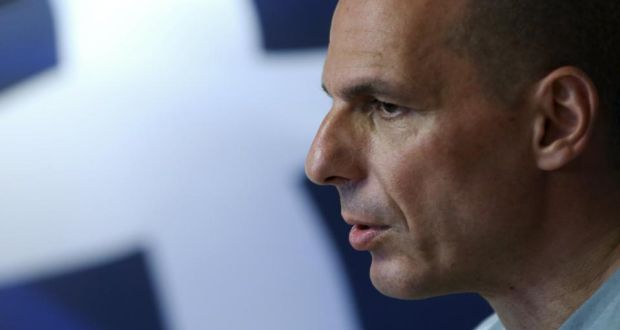
Greece economic reforms will fail, says Yanis Varoufakis

image

Alexis Tsipras decided ‘our government, was at gunpoint’, says former finance minister.

Economic reforms imposed on Greece by creditors are going to fail, according to the country’s outspoken former finance minister.

Yanis Varoufakis told the BBC on Saturday that Greece was subject to a programme that will “go down in history as the greatest disaster of macroeconomic management ever”.

His warning came as Greece’s prime minister, Alexis Tsipras, reshuffled his cabinet barely 48 hours after dissidents broke ranks over the bailout deal for the country.

International creditors have demanded that the Greek parliament endorse a wave of measures in order to qualify for further financial assistance – including tax hikes that Syriza has argued will only worsen the country’s economic plight.

In a major U-turn, after five months of negotiation, Mr Tsipras agreed to enforce significant pension cuts, VAT increases and an overhaul of collective bargaining rules to secure a third bailout package worth up to €86billion to keep bankruptcy at bay.

Mr Varoufakis, who has warned austerity measures for Greece will strengthen support for the far right, told the broadcaster: “This programme is going to fail whoever undertakes its implementation.”

He insisted Mr Tsipras did not fire him from his role as finance minister. “He didn’t get rid of me,” he said.

“Alexis Tsipras at some point decided that his government, our government, was at gunpoint. We were given a choice between being executed and capitulating and he decided that capitulation was the optimal strategy.

“I may disagree with him and I declared that by resigning my post but I understand precisely the very difficult position in which he finds himself.

“We’re completely united in lambasting the highly undemocratic and economically irrational policies of the European Union towards the government.”

The reshuffle saw nine changes overall including the ousting of energy minister and veteran Marxist, Panagiotis Lafazanis, head of Syriza’s militant Left Platform. He was replaced by former labour minister Panos Skourletis.

Meanwhile, Greek banks are set to reopen Monday after a three-week closure and withdrawal limits have been relaxed, but capital controls remain in place, a government decree said on Saturday.

The decree sets a new cumulative weekly withdrawal limit of €420, with the daily limit remaining at €60.

The bank closure was enacted on June 29th, afterMr Tsipras called a referendum on lenders’ austerity demands that 61 per cent of voters rejected.

The three-week shutdown has cost the country’s struggling economy an estimated €3 not counting lost tourism revenue, according to reports. Guardian service.

source:irishtimes.com


Greece repays crucial €4.2bn to ECB and €2bn to IMF

euros22--2-thumb-large

Banks reopen, increases in VAT take effect but stock market remains closed

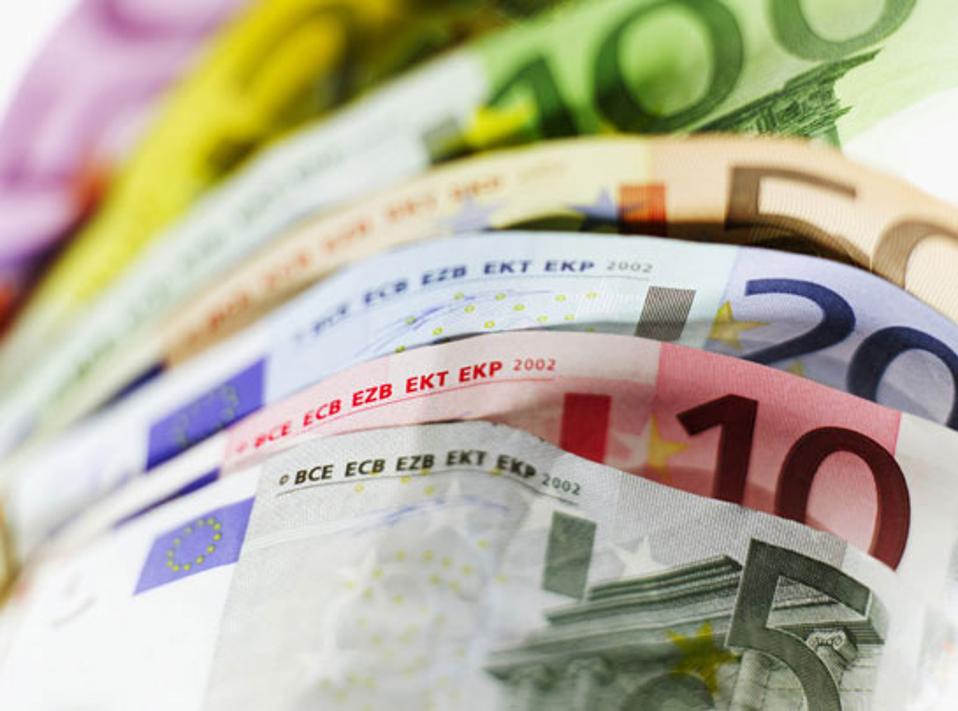
Greece repaid the European Central Bank on Monday, the bank said, clearing a key obligation worth about €4.2 billion with one of its top lenders, after receiving temporary funding while it negotiates a bigger bailout deal.

The €3.5 billion bond and €700 million interest payment to the ECB was crucial. Without it, the bank could have been forced to end emergency liquidity assistance to Greek banks if the government defaulted on its bond payment. It also comes after Greece repaid about €2 billion to the International Monetary Fund, clearing all its arrears after missing several payments in June and July. Athens received a €7 billion temporary or bridge finance facility late last week so it could quickly repay its most urgent debts, even before its €86 billion bailout was in place.

Greece also reopened its banks on Monday in the first signs of a return to normal after a deal to agree a new package of bailout reforms.

Customers queued up outside bank branches open for the first time in three weeks on Monday after they were closed to save the system from collapsing under a flood of withdrawals.

Increases in value added tax agreed under the bailout terms also took effect, with VAT on food and public transport jumping to 23 per cent from 13 per cent. The stock market remained closed until further notice.

The bank closures were the most visible sign of the crisis that took Greece to the brink of leaving the euro earlier this month, potentially undermining the foundations of the single European currency.

Their reopening followed prime minister Alexis Tsipras acceptance of a tough package of bailout demands from European partners but a party revolt has threatened the stability of his government and government officials have said that new elections may be held as early as September or October.

Queues formed outside bank branches in central Athens as long-suffering Greeks waited to take care of business frozen during the three week-long bank holiday.

“Things are better than the last few weeks. Thank God we didn’t end up with the drachma!” said 62-year-old pensioner Maria Papadopoulou. “I came to pay bills and my taxes today. Last week I couldn’t and all of this is very tiring for the older people like me.”

Limits on cash withdrawals have been made slightly more flexible, with a weekly limit of €420 in place of the daily €60 limit previously.

“Capital controls and restrictions on withdrawals will remain in place but we are entering a new stage which we all hope will be one of normality,” said Louka Katseli, head of the Greek bank association.

Greeks will be able to deposit cheques but not cash, pay bills as well as have access to safety deposit boxes and withdraw money without an ATM card.

Bankers said there may be minor disruptions after the three-week interruption to services but they expected services to resume largely as normal.

“I don’t expect major problems, our network and the network of our competitors are ready to serve our clients,” said a senior official at Piraeus Bank, one of the big four lenders. “There might be lines because many people will want to withdraw money from their deposit boxes,” the official said.

After European authorities agreed last week to provide emergency funding assistance, Athens is expected to meet a payment deadline for €4.2 billion, including interest payments, due to the European Central Bank on Monday.

Vote on Wednesday

Mr Tsipras is eyeing a fresh start and swift talks on the bailout aimed at keeping Greece afloat but he still faces hurdles with parts of the ruling Syriza party in revolt over the tough terms of the bailout agreement.

The Greek parliament approved the bailout package on Thursday but the 40 year-old prime minister was forced to rely on votes from the opposition after 39 rebels from his Syriza party refused to back the government, by voting against or abstaining.

A second vote will be held on Wednesday, on measures including justice and banking reforms, when a similar outcome is expected. However the voting arithmetic is finely poised.

Together with his coalition partners from the right-wing Independent Greeks party, Mr Tsipras has 162 seats in the 300-seat parliament but Thursday’s rebellion cut his support to just 123 votes. Under Greek constitutional rules, the minimum support needed for a minority government is 120, so if the number falls below that level, the government’s future would be in doubt.

“What worries me is that some people still think that there would be no austerity if we were out of the euro. This argument is absolutely false,” state minister Nikos Pappas, one of Mr Tsipras’ closest aides told the leftist Efimerida Ton Syntakton newspaper.

Acceptance of the bailout terms that meant the banks could reopen marked a turnaround for Mr Tsipras after months of difficult talks and a referendum that rejected a less stringent deal proposed by the lenders.

The bailout terms include tax hikes, pension cuts, strict curbs on public spending, an overhaul of collective bargaining rules and a transfer of €50 billion of state assets into a special privatisation fund.

source:irishtimes.com