Daily Archives: July 15, 2015

Europeans clash over Greece cash crunch options

eurozone_flags_web--4-thumb-large

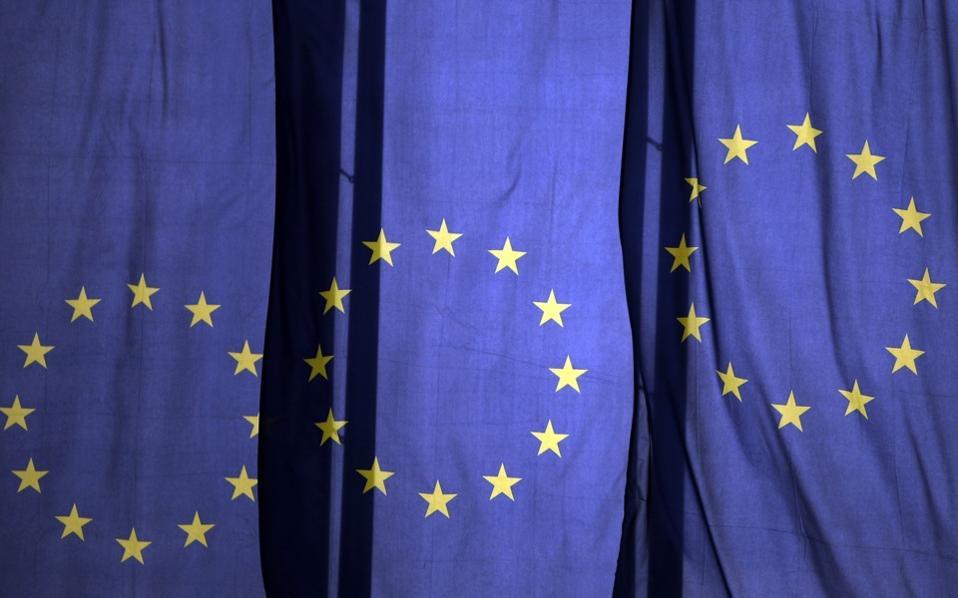
European governments clashed over options to help Greece meet its short-term cash needs while it waits for a eurozone bailout deal to be finalised, officials said on Tuesday.

Britain, which does not use the euro, has already said it will resist contributing to any bridge financing to get Greece through several huge debt repayments while details are settled after Monday’s hard-won agreement.

“I can confirm that concerns were raised by several non-euro member states, this is something we will have to take into account,” said Valdis Dombrovskis, the EUs Vice-President for the euro after a meeting with European finance ministers.

“Pretty much all options are quite difficult and have political, legal and financial complications,” the former Latvian premier said.

Bilateral loans are another option that have been raised, but like the others that would pose difficulties, ministers said.

Finnish Finance Minister Alexander Stubb said it would be “difficult for any member states putting fresh money without conditionality.”

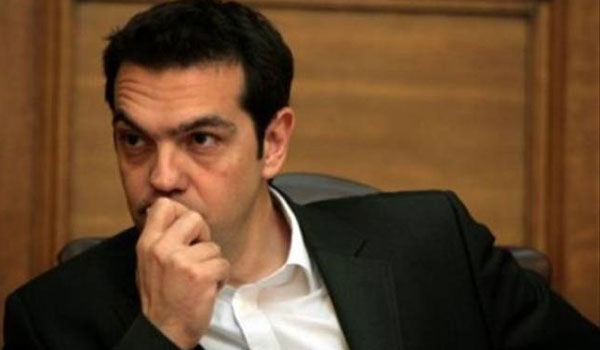
Greek Prime Minister Alexis Tsipras struck an 85 billion euro bailout deal with his eurozone partners on Monday that involves painful reforms and a parliamentary vote by Wednesday on key austerity measures.

But the deal will take at least four weeks to finalise and implement, and Greece’s creditors estimate Athens needs 12 billion euros to get through mid-August.

Next Monday Greece owes the European Central Bank 4.2 billion euros and a default would force the ECB to cut off emergency loans keeping Athens banks afloat.

Greece already on Monday missed a second debt payment to the International Monetary Fund in two weeks, bringing the country’s arrears to the IMF to 2.0 billion euros, an unprecedented embarrassment for a developed nation.

British Finance Minister George Osborne reiterated that he would refuse any attempt to use EU rescue cash to bridge the financing gap.

“Britain is not in the euro, so the idea that British taxpayers are going to be on the line for this Greek deal is a complete non-starter,” Osborne said in Brussels.

Britain believes that the European bloc in 2010 agreed to no longer tap an EU-wide emergency fund, the European Financial Stabilisation Mechanism (EFSM), to underwrite bailouts of eurozone countries.

Reports said that France as well as the European Commission were pushing to turn to the fund and would only require a weighted majority of member states to do so.

An EU source said that using the EFSM remained one of the “most feasible options” to help Greece survive the cash crunch and urged Britain to give ground on the issue.

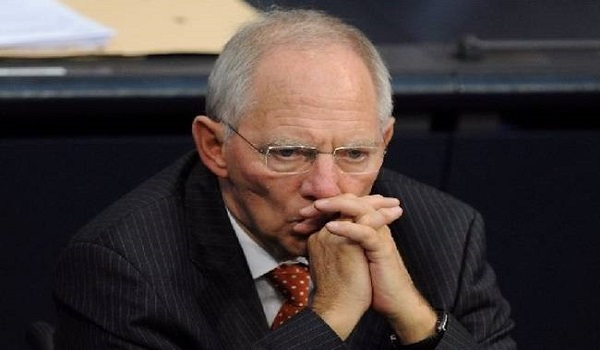
In another option that would certainly prove to be controversial, German Finance Minister Wolfgang Schaueble proposed that Greece issue IOUs to pay pensions and other domestic bills, thereby saving its scarce euros for debt payments.
0
But the creation of IOUs is also seen as a first step towards the return of the Greek drachma, and risks rekindling talk of Grexit that Monday’s bailout deal was supposed to have buried.

Other options include transferring 3.5 billion euros in profits on Greek bonds held by the ECB.

source:ekathimerini.com
Greece rewrites economic textbooks with austerity on austerity

arcade_dark-thumb-large

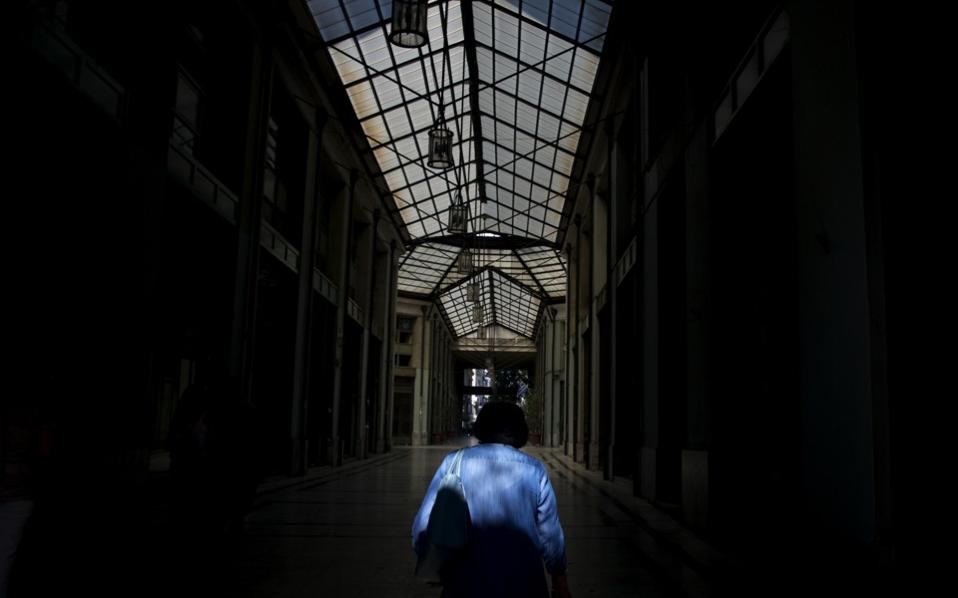
It could be a chapter in an economics textbook: What happens when severe austerity is imposed on an economy that’s already lost a quarter of its output?

Greece will find out how bad it could be.

The package of measures that Tsipras was strong-armed into agreeing to early Monday after an all-night summit with euro leaders requires pension curbs and tax increases, with no promise of debt relief. To prove his commitment to reforms, Prime Minister Alexis Tsipras must pass those measures through parliament as early as Wednesday.

The country’s economic slump has already saddled it with a 26 percent unemployment rate as previous governments implemented budget cuts at the behest of creditors, and output may fall by 10 percent this year. The International Monetary Fund admitted in a report two years ago that it underestimated the recessionary impact of the original 2010 bailout plan.

“If there’s a permanently horrible business environment it just prolongs the agony,” said Gabriel Sterne, head of macro research at Oxford Economics in London. “It already is one of the worst post-crisis output performances ever apart from uber- commodity slumps and wars.”

Greece could also see a rerun of the kind of civil strife seen in central Athens up to 2012 during parliamentary votes on budget bills. While protests in recent weeks, both for and against a deal with creditors, have been peaceful, minor scuffles have broken out with riot police at rallies organized by anarchist groups. Public sector workers are set to strike on Wednesday, indicating the first general strike since November might follow.

Reform implementation

The prime minister has one hope, says Constantine Michalos, president of the Athens Chamber of Commerce and Industry: Succeed where previous governments failed and fully implement the market-opening reforms that were also part of the package Tsipras agreed to keep his country in the euro.

The seven-page statement issued at the end of the summit, which lists measures Greece must take before funds can be released for its cash-starved economy, begins with the need for “ownership” of the program by Greek authorities.

Ramping up state asset sales and liberalizing product markets are measures that Tsipras should embrace to foster growth in Greece, Michalos said in a Bloomberg TV interview. Without them, gross domestic product could be another 10 percent lower five years from now, he said.

“We needed a deal, come what may, because the only other alternative would have been absolutely catastrophic,” Michalos said. “Greece can’t stand on its own two feet with national currency, the old Greek drachma, simply because it’s not a production-based economy.”

Capital controls

The new fiscal measures will amount to at least 8 billion euros of tightening for this year and 2016. Meanwhile, the bank holiday and capital controls since June 28 risk plunging the country’s mostly state-owned lenders into insolvency. The summit agreement foresees the cost of re-capitalizing them as as much as 25 billion euros, or 14 percent of 2014 gross domestic product.

GDP contracted for a second quarter at the start of this year, putting Greece officially back in recession. The drop in GDP for the first half of the year is running at annualized rate of 10 percent, JPMorgan Chase Bank economists Greg Fuzesi and Marco Protopapa said in a client note on Monday, noting this estimate is a holder and could change.

Internal revolt

Tsipras is already facing a revolt within his coalition government, with the Left Faction of his Syriza party and his junior party in his coalition both indicating they will vote against the deal. Even if he passes the reform measures with support from opposition parties, as is likely, the revolt within his party risks early elections that would amplify the suffering the economic pain.

Among the measures that Greece will have to legislate by July 22 is an overhaul of civil procedures, which could speed up protracted court cases that have acted as deterrents to foreign investment. The IMF says state asset sales, ramped up in Monday’s plan, are necessary to improve efficient management of the resources as much as they are for raising revenue.

“The most important thing for debt sustainability is always a growing economy, which Greece has been lacking,” Moritz Kraemer, managing director of sovereign ratings at Standard & Poor’s, said in a Bloomberg TV interview. “It’s partly been lacking because there’s been so little progress on the reforms. They’ve been very successful on the recessionary austerity.”

Confidence boost

Tsipras told reporters in Brussels after the summit on Monday that while the package contains recessionary measures, he hoped this would be offset by the restoration of confidence after the threat of euro exit ends and financial stability is resorted. That uncertainty undermined the government’s efforts to negotiate a better deal as Greeks took 34 billion euros of deposits out of the country’s banks, 21 percent of the total, in the six months through May.

“The short-term economic impact will be to deepen the recession,” said Frederik Ducrozet, an economist at Credit Agricole SA in Paris. “ It’s a lot about confidence in Greece, or lack thereof so far. But ultimately it’s not completely unrealistic to expect a sharp rebound in the Greek economy next year if everything goes according to plan.”

source:ekathimerini.com

PM Alexis Tsipras faces fierce dissent on bailout deal

parliament-thumb-large

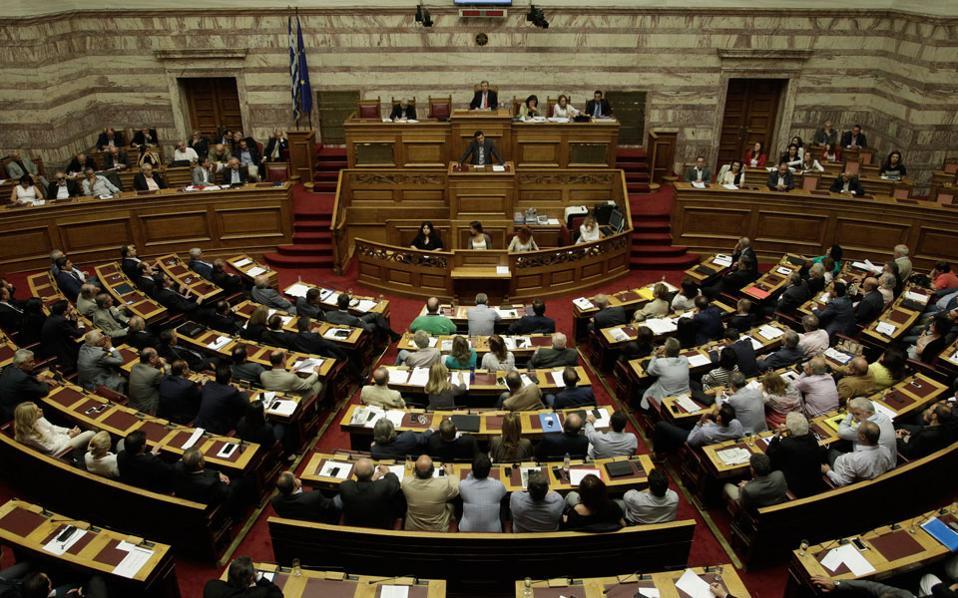
With members of his own party openly denouncing a preliminary rescue deal struck with Greece’s European creditors, Prime Minister Alexis Tsipras must fight to cling to his government’s majority after he was forced to shred election promises and introduce punishing austerity measures in exchange for the bailout.

Tsipras, who flew home Monday from grueling night-long negotiations with European leaders, will chair an executive meeting of his SYRIZA party early Tuesday before lawmakers begin a two-day debate on the deal — set to heap more tax hikes and spending cuts on a country already suffering through six years of recession.

The deal ensures that Greece avoids an imminent financial catastrophe and an exit from the Eurozone. But Panos Kammenos, leader of the junior partner in Tsipras’ coalition government, called the bailout plan a German-led “coup.”

“This deal introduced many new issues … we cannot agree with it,” Kammenos said after meeting with Tsipras.

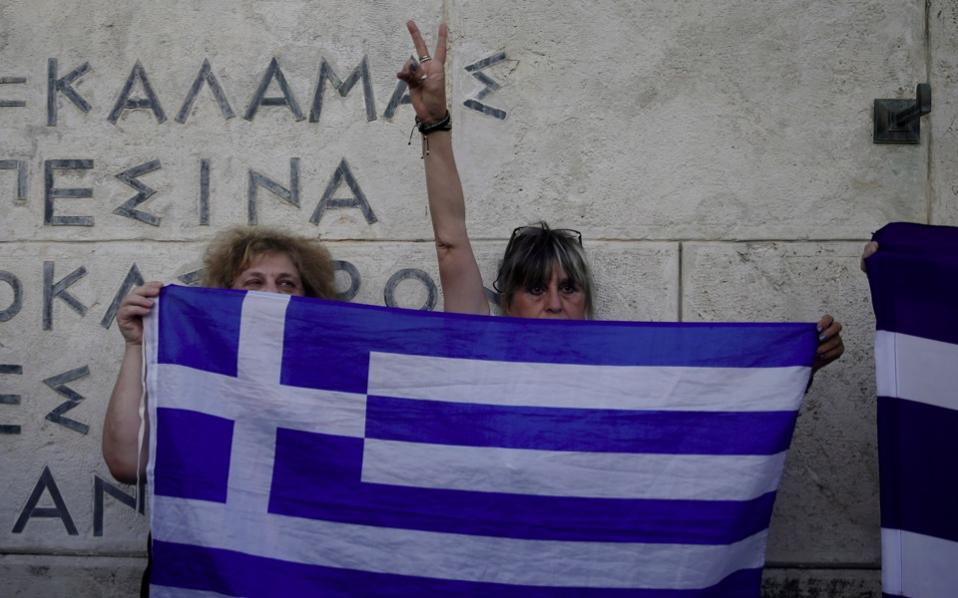
Other Greeks rallied Monday night outside Parliament in Athens, urging lawmakers to reject the new demands.

Around 30 out of SYRIZA’s 149 lawmakers are likely to vote against the government. Many held private meetings late Monday.

Tsipras had to consent to a raft of austerity measures, including sales tax hikes and pension and labor reforms — measures he had campaigned vociferously against over the last five years of Greece’s financial crisis.

“We managed to avoid the most extreme measures,” Tsipras said.

But in many cases, ordinary Greeks now face tougher measures than those they voted down in a nationwide referendum a little over a week ago.

SYRIZAs Left Platform, a group of traditionalists in Tsipras’s own party, swiftly denounced the agreement as the “worst deal possible … (one) that maintains the country’s status: a debt colony under a German-run European Union.”

Experts were divided over the result.

“It was the best deal the Greeks could get,” says Jacob Kirkegaard, a senior fellow at the Peterson Institute for International Economics. “They did not do too badly given the terrible, terrible, disastrous starting point the current government put them in.”

But Ashoka Mody, visiting professor of international finance at Princeton University, says the deal just repeats policies that have already failed.

“The economics of this program have been set up for failure,” he told The Associated Press. “In three years, if this program is implemented, the Greek economy will be 10 percent smaller than it was and the debt burden will be higher.”

If Greece meets all of the requirements spelled out in Monday’s agreement, the country will get a three-year rescue program and the commitment to restructure its debt, which is unsustainably high at around $352 billion, or around 180 per cent of its annual GDP.

Since 2010, Greece has received two bailouts totaling $268 billion in return for deep spending cuts, tax increases and reforms agreed to by successive Greek governments. Although the country’s budget deficit has fallen sharply, its public debt burden has increased as the Greek economy has shrunk by a quarter.

source:ekathimerini.com

Italy’s FinMin says only three states supported deal with Greece

padoan-thumb-large-thumb-large

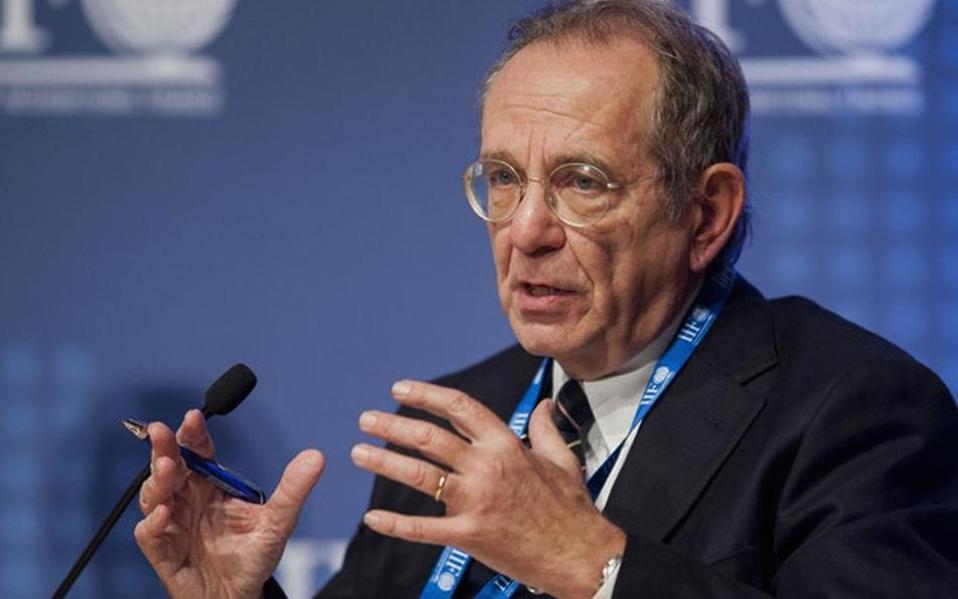
Italy’s finance minister says that only Italy, France and Cyprus supported a compromise deal with Greece, while the rest of the eurozone nations fell in behind Germany’s hard-line position.

Pier Carlo Padoan says in an interview published Tuesday in daily Il Sole 24 Ore that he was surprised by how many countries fell in behind Germany, and that “in the end, only we, the French and little Cyprus were for a compromise.”

Greece on Monday agreed on a preliminary rescue deal with its fellow eurozone partners. Before it can get loans, it has to implement a string of tough economic measures.

Padoan says, “we avoided the worst. But from today a very complex path, whose outcome can’t be taken for granted.”

source:ekathimerini.com

Political big bang has started

flag_protest_web-thumb-large

There are two dangerous things lurking around the corner for Greece: the anti-Greek sentiment that has taken root in the minds of powerful eurozone players and the anti-European sentiment growing among Greek citizens.

German Finance Minister Wolfgang Schaeuble and his allies want to prove that Greece cannot survive. Meanwhile, we are facing a tough new bailout agreement that is politically toxic and incredibly challenging on the implementation level.

The hawks are waiting for Greece to fail in some aspect of its implementation so they can say that they had been right all along and the country is indeed incapable of radical reform.

At the same time, the country is set to have entered another period of recession by fall, there will be little hope of positive change and even today’s champions of the deal will have grown despondent from the increasing tax burden.

It is very likely that we will see the formation of a strong anti-European block in the next few months that will challenge Prime Minister Alexis Tsipras’s hold on power, making the governance of the country even harder than it is right now.

The solution lies with Tsipras himself. If the young politician has decided to put his past behind him and sees himself as a reformist, then he is looking at an amazing opportunity. He has to be openly and brutally honest, however, because any sign of obfuscating will sink him like it did all the other prime ministers during the crisis before him who tried to balance between two different sides.

By moving closer to the center and by making use of individuals of a leftist leaning who are serious and experienced, he will have a chance, though it will be short-lived. After all, he is the only political leader in Greece right now who could convince people who voted “no” in last Sunday’s referendum to support his efforts to keep Greece in the eurozone.

The ideal scenario, of course, would be an interim government of politicians and technocrats to serve for a period of two years and get the country back in order. It would take at least a year or so to get the economy back on its feet and just as long to quell the flames of indignation that will certainly flare up in society.

Will the country’s political staff find the nerve and determination to see the agreement through? We will know which way Tsipras is headed very soon. That said, the big bang of the political system has already started.

source:ekathimerini.com

Έξαλλοι οι Γερμανοί βουλευτές με τον Σόιμπλε!

soimple_madata_793730524

Σκληρή κριτική άσκησε ο Kάρστεν Σνάιντερ, οικονομικός εμπειρογνώμονας του σοσιαλδημοκρατικού κόμματος (SPD) στον Βόλφγκανγκ Σόιμπλε, κατηγορώντας τον ότι διέπραξε σοβαρά σφάλματα κατά τις διαπραγματεύσεις με την Ελλάδα.

“Με το σχέδιο για προσωρινή έξοδο τη Ελλάδας από τα ευρώ ο Γερμανός υπουργός οικονομικών απομόνωσε τη Γερμανία στην Ευρώπη”, είπε ο Σνάιντερ στο πρώτο δημόσιο γερμανικό κανάλι ARD και πρόσθεσε: «Επανέφεραν την εικόνα του «πολύ σκληρού Τεύτονα…Δεν μπορώ να αντιληφθώ με ποιο τρόπο αυτό που έκανε ο κύριος Σόιμπλε ήταν χρήσιμο».

Ο Κάρστεν Σνάιντερ τόνισε ακόμη ότι «ο κύριος Σόιμπλε ήθελε στην πραγματικότητα την έξοδο της Ελλάδας (από την ευρωζώνη),αλλά αυτός δεν ήταν ο στόχος μας. Οι σοσιαλδημοκράτες θεωρούν πολύ υψηλό ρίσκο το να εγκαταλείψει η Ελλάδα το ευρώ, ιδίως για τις άλλες ευρωπαϊκές χώρες. «Με το να τα παίζει όλα για όλα, κατά την άποψή μου, ο Σόιμπλε περισσότερο έβλαψε παρά ωφέλησε».τόνισε ο σοσιαλδημοκράτης εμπειρογνώμονας.

Ο Σνάιντερ απέρριψε το επιχείρημα των Χριστιανοδημοκρατών ότι η απειλή βοήθησε τις διαπραγματεύσεις. «Εκ των υστέρων όλα εξηγούνται ως στρατηγική και μάλιστα ότι συνέβαλαν στην επιτυχία», είπε. «Υπήρχε σε αυτό το σημείο μια διαφορά ανάμεσα στον κύριο Σόιμπλε, ο οποίος προτιμούσε να φύγει η Ελλάδα από το ευρώ και της κυρίας Μέρκελ η οποία είχε κατά νου συνασπισμούς σε όλη την Ευρώπη».

Αλλά και οι πράσινοι (DIE GRÜNEN) επέκριναν με δριμύ τρόπο τον Γερμανό υπουργό οικονομικών για την πρότασή του αυτή. «Το γεγονός ότι η γερμανική κυβέρνηση προωθεί μια ενδεχόμενη προσωρινή έξοδο της Ελλάδας από το ευρώ είναι ένα ιστορικό λάθος», δήλωσαν οι κοινοβουλευτικοί εκπρόσωποι των Πρασίνων, Κάτριν Γκέρινγκ-Εκαρντ και Αντον Χοφράιτερ». Τα σχέδιά του Σόιμπλε «δεν είναι μόνο απαράδεκτα, αλλά και αντισυνταγματικά», δεδομένου ότι η γερμανική βουλή δεν ρωτήθηκε για το περιεχόμενο του εγγράφου που έγινε γνωστό το Σάββατο,σημείωσαν οι εκπρόσωποι των Πρασίνων.

Πηγή:madata.gr

Μήνυμα στέλνει απόψε ο Τσίπρας – Ποιοι υπουργοί είναι στην πόρτα εξόδου!

tsipras2_199229259

Οι εξελίξεις είναι καταιγιστικές την ώρα που η χώρα βρίσκεται μπροστά σε ένα ακόμα τελεσίγραφο αφού πρέπει να ψηφίσει έως αύριο το πακέτο μέτρων που δεσμεύθηκε ο πρωθυπουργός στους εταίρους κατά την υπογραφή της συμφωνίας στην Σύνοδο Κορυφής της περασμένης Δευτέρας.

Ο πρωθυπουργός αποφάσισε να μιλήσει απόψε στην ΕΡΤ1. Η συνέντευξη έχει προγραμματισθεί για τις 22.00.

Στο κυβερνών κόμμα οι αναταράξεις είναι πολλές και δεν εμφράζονται μόνο με απλές διαφωνίες. Η Αριστερή Πλατφόρμα είναι έτοιμη να καταψηφίσει τα μέτρα και αυτό αναμένεται να οδηγήσει τον πρωθυπουργό να κάνει ανασχηματισμό αντικαθιστώντας τους υπουργούς κυρίους Λαφαζάνη και Στρατούλη αφού πρέπει να βάλουν τις υπογραφές τους σε νομοσχέδια με τα οποία διαφωνούν.

Πληροφορίες αναφέρουν επίσης ότι και η κα Νάντια Βαλαβάνη τελεί υπο παραίτηση αφού διαφωνεί με βασικά σημεία των νομοσχεδίων που θα ψηφιστούν. Και ο Πάνος Σκουρλέτης εμφανίζεται δυσαρεστημένος και προβληματισμένος με τα μέτρα που θα έρθουν για ψήφιση στη Βουλή.

Ο γραμματέας του ΣΥΡΙΖΑ, Τάσος Κορωνάκης είπε στην Πολιτική Γραμματεία ότι δεν θα επιτρέψει να γίνει ο ΣΥΡΙΖΑ μνημονιακό κόμμα και το μετέφερε αυτό και στον πρωθυπουργό. Πληροφορίες τον θέλουν και εκείνον να παραιτείται.

Μέσα σε αυτές τις εξελίξεις, ο Αλέκος Φλαμπουράρης πήγε ένα βήμα παραπέρα από τις δηλώσεις του Νίκου Φίλη ο οποίος κάλεσε τους διαφωνούντες με την συμφωνία Ελλάδας – δανειστών να μην κάνουν τον ΣΥΡΙΖΑ αριστερή παρένθεση.

Ο κ.Φλαμπουράρης απευθυνόμενος στο εσωτερικό αλλά και το εξωτερικό ζήτησε να συναισθανθούν τους κινδύνους που διατρέχει η χώρα μας και να αποτρέψουν το διχασμό.

Ο κ. Φλαμπουράρης είπε:

«Ορισμένοι επιμένουν να οδηγήσουν τη χώρα μας εκτός της Ευρωζώνης. Παρότι στη σύνοδο κορυφής αποτράπηκε το πραξικόπημα που εκδηλώθηκε εναντίον της ελληνικής κυβέρνησης, οι ακραίες αντιευρωπαϊκές δυνάμεις που το επιχείρησαν δεν το βάζουν κάτω. Ο Ελληνικός λαός πρέπει να γνωρίζει ότι ο Πρωθυπουργός και η αντιπροσωπεία μας έδωσαν μάχη στις Βρυξέλλες και απέκρουσαν τους εκβιασμούς και τις προσπάθειες ανατροπής του Αλέξη Τσίπρα και της κυβέρνησής μας. Οι Έλληνες και οι Ελληνίδες, ανεξάρτητα σε ποιό κόμμα ανήκουμε, θα πρέπει να συναισθανθούμε τους κινδύνους που διατρέχει η χώρα μας. Να κατανοήσουμε την επιδίωξη αντιδραστικών δυνάμεων να μας ταπεινώσουν, να μας διχάσουν ως λαό, να μας διαλύσουν ως χώρα. Να μην συμβάλλουμε συνειδητά ή ασυνείδητα στην επιτυχία τέτοιων σχεδίων».

Φίλης: Να απαντήσουμε στο “πραξικόπημα”

“Σήμερα αυτό που προέχει είναι να εκφραστεί από τη Βουλή μία απάντηση για το πραξικόπημα, να διασωθεί η χώρα από την οικονομική χρεοκοπία” στέλνοντας και αυτός το μήνυμα ότι η κυβέρνηση δεν πρέπει να πέσει εκ των έσω.

Προσερχόμενος στη Βουλή ο κ. Φίλης είπε πως “δεν θα συμπράξουμε στην ανατροπή της λαϊκής βούλησης του Ιανουαρίου. Θα αντιδράσουμε στο πραξικόπημα εις βάρος της χώρας” και συμπλήρωσε με νόημα ότι “δεν πρέπει να υπάρξει αριστερή παρένθεση με υπαιτιότητα ανθρώπων της Αριστεράς”

Όσον αφορά στην Πρόεδρο της Βουλής, Ζωή Κωνσταντοπούλου, ο κ. Φίλης τόνισε ότι ο ρόλος της προέδρου ή του προέδρου της Βουλής είναι να διευκολύνει το έργο του Κοινοβουλίου.

Παπαδημούλης: Κάποιοι προσπάθησαν να ρίξουν την κυβέρνηση με πραξικόπημα

Μιλώντας στον ΑΝΤ1 ο ευρωβουλευτής του ΣΥΡΙΖΑ είπε πως “προσπάθησαν να ρίξουν την κυβέρνησης με πολιτικό, οικονομικό και κοινωνικό πραξικόπημα. Είναι η ώρα της ευθύνης της δικής μας. Ο ΣΥΡΙΖΑ πέτυχε πολλά γιατί ξέφυγε από την εποχή της πολυδιάσπασης και των καπετανάτων”
Απευθυνόμενος προς το εσωτερικό του κόμματος ο κ. Παπαδημούλης ανέφερε πως “η κυβέρνηση με κορμό τον ΣΥΡΙΖΑ αποτελεί πόλο δημοκρατικής ομαλότητας και σταθερότητας και πρέπει να σταθεί όρθια και ενωμένη. Πρέπει να σεβόμαστε και τη διαφορετική άποψη αλλά και τη συλλογικότητα και θέλω να πιστεύω ότι αυτή η κυβέρνηση και ο Πρωθυπουργός δεν θα πέσει εκ των έσω, θα βρούμε τον τρόπο να κρατήσουμε την κυβέρνηση ενωμένη και όρθια.
Αλλιώς καραδοκούν οι δυνάμεις και τα συμφέροντα που κυβέρνησαν 40 χρόνια και έφεραν τη χώρα στη σημερινή κατάσταση”.

Ο κ. Παπαδημούλης είπε ότι διαφωνεί με την ιδέα κυβέρνησης ειδικού σκοπού λέγοντας χαρακτηριστικά “να μην καταστήσουμε όμηρο της μειοψηφίας και των συμφερόντων τον Τσίπρα”.

Ως προς το αν πρέπει να παραιτηθούν και να παραδώσουν την έδρα τους οι διαφωνούντες είπε πως δεν θέλει να κάνει υποδείξεις.

Πηγή:madata.gr