Tag Archives: Greek Australians

Τα σύνορα της αρχαίας Μακεδονίας

jone

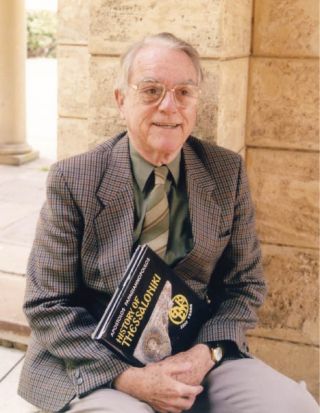
Ο ιστορικός και καθηγητής Αρχαίας Ελληνικής Ιστορίας του Πανεπιστημίου Δυτικής Αυστραλίας John Melville-Jones

Το Αυστραλιανό Ινστιτούτο Μακεδονικών Σπουδών οργανώνει σημαντική διάλεξη του καθηγητή, John Melville-Jones

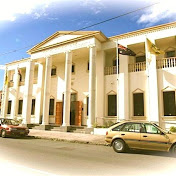
Ο ιστορικός και καθηγητής Αρχαίας Ελληνικής Ιστορίας του Πανεπιστημίου Δυτικής Αυστραλίας, φιλέλληνας και εραστής της ελληνικής κλασικής παιδείας, John Melville-Jones, θα δώσει σημαντικότατη διάλεξη με θέμα τα σύνορα της Αρχαίας Μακεδονίας. Η διάλεξη θα δοθεί την ερχόμενη Τρίτη, 16 Σεπτεμβρίου 2014, στην αίθουσα των Ιθακησίων, 329 Elizabeth Street, στο κέντρο της Μελβούρνης στις 7.00μμ.

Ο καθηγητής John Melville-Jones είναι γνωστός στην Αυστραλία και στην Ευρώπη για τις σαφείς θέσεις του για την Μακεδονία, την ιστορία και τον πολιτισμό της. Έχει ξεκάθαρα εκφράσει τις απόψεις του για τη Μακεδονία ως αναπόσπαστο ιστορικό και πολιτιστικό κομμάτι της αρχαίας Ελλάδας και έχει μάλιστα συρθεί και στα δικαστήρια της Αυστραλίας από τους πολίτες της FYROM εθνικιστές και οπαδούς της εθνογένεσης που φέρει το όνομα του διαμερίσματος αυτού του αρχαίου κόσμου.
Ο καθηγητής John Melville-Jones θα υποστηρίξει στη διάλεξή του ότι οι Μακεδόνες εγκαταστάθηκαν και αναπτύχθηκαν σε μια μικρή περιοχή βορείως του Ολύμπου στα 1000 π.Χ. Στα χρόνια που ακολούθησαν, αφομοίωσαν όλα τα εθνικά φύλα που συνοικούσαν στην περιοχή. Τελικά, ο Φίλιππος κατέκτησε και τη Χαλκιδική, όπου κάποιες από τις ελληνικές Πόλεις-Κράτη είχαν ιδρύσει αποικίες και ανέπτυξε τα γεωγραφικά σύνορα της Μακεδονίας προς ανατολάς, ελέγχοντας όλες τις περιοχές που ήσαν πλούσιες σε χρυσό.

Τα ιστορικά στοιχεία, θα υποστηρίξει ο καθηγητής John Melville-Jones, αποδεικνύουν ότι οι πρώτοι Μακεδόνες αποτέλεσαν και την ανώτερη τάξη, ενώ οι άλλοι λαοί που κατακτήθηκαν από τον Φίλιππο στο χώρο της Μακεδονίας, παρέμειναν η κατώτερη τάξη εκτός αν είχαν την ευκαιρία να διακριθούν ή να συνάψουν γάμους με τους Μακεδόνες της ανώτερης τάξης.

Τα γεωγραφικά σύνορα της Μακεδονίας παρέμειναν μέχρι και τον 2ο αιώνα π.Χ., μέχρι και τα χρόνια της Ρωμαϊκής κατάκτησης της Μακεδονίας και το όνομα «Μακεδονία» δόθηκε τότε σε μια μεγαλύτερη γεωγραφική διοικητική περιοχή, τουλάχιστον μέχρι και τα μέσα του 20ού αιώνα.
Η διάλεξη του κ. John Melville-Jones οργανώνεται από το Αυστραλιανό Ινστιτούτο Μακεδονικών Σπουδών σε συνεργασία με την Ελληνική Κοινότητα Μελβούρνης και Βικτωρίας.

«Ο καθηγητής John Melville-Jones είναι μία από τις πλέον εξέχουσες ακαδημαϊκές προσωπικότητες και λόγιους ιστορικούς της Αρχαίας Μακεδονίας. Λαμπρός, συνετός και ήπιος ερευνητής και μελετητής της ιστορίας της Αρχαίας Ελλάδας, προσέφερε τις γνώσεις του σε χιλιάδες φοιτητές και μεταπτυχιακούς και εξέφρασε τις απόψεις του θαρραλέα, όπως ταιριάζει σε πανεπιστημιακούς δασκάλους που σέβονται την επιστήμη τους. Ο Ελληνισμός του χρωστά πολλά για την τόλμη του να εκφράζει τις απόψεις τους με τόλμη που ταιριάζει σε δασκάλους» δήλωσε ο πρόεδρος του ΑΙΜΣ, καθηγητής Α. Μ. Τάμης.

Η είσοδος είναι ελεύθερη για το κοινό.

Πηγή: Νέος Κόσμος
Greek Australians: Iconic Greek cafe destroyed

cafedeluxe

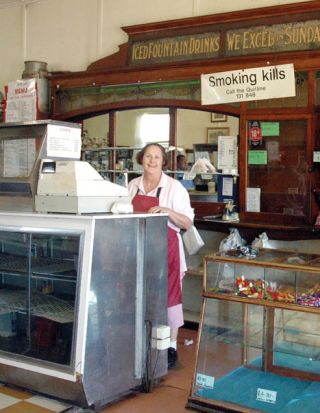
Cleanliness and civility: Margaret Pippos behind the counter at the Cafe de Luxe in happier days. Photo: Conollyb/en.wikipedia

88-year-old Cafe de Luxe lost to the flames.

One of the last traditional Greek cafes in outback New South Wales is no more.

The Cafe De Luxe at Brewarrina was burnt out last weekend in a fire that took fire crews six hours to extinguish.

The owner and former mayor of the Brewarrina Shire, Angelo Pippos, was in Sydney when the blaze broke out.

Speaking to Neos Kosmos, Mr Pippos (67) said he and his wife Margie were devastated.

“This is the only home I’ve ever known. I don’t know what we’ll do now.

“We’ve lost just about everything. This was an Australian icon, it was still the same as when it was built”.

Meanwhile, Mr Pippos has received messages of sympathy from across Australia and overseas, as news of the fire spread.

“We’ve had calls from people who we don’t even know who visited the cafe, saying how sad they are to hear the news.”

Mr Pippos, who has no children, said that a new Cafe de Luxe rising phoenix-like from the ashes wasn’t out of the question.

“We’re not going to make a rash decision. If everything goes to plan we’ll probably rebuild, but it’ll be nothing like the old one.”

The fire is believed to have started as the result of an electrical fault.

Mr Pippos’ father George, a migrant from Ithaka, opened the Cafe de Luxe in 1926, one of five he created in western NSW. By the late 1970s only the Brewarrina business was left.

Author and museum curator Peter Prineas told Neos Kosmos that it was unlikely that any other Greek Australian cafe had operated under the ownership of one family for so long.

“As well as the personal loss for the proprietors, this is a tragic loss of Greek cafe heritage, as the interior decor and fittings looked to be mostly original.”

Hundreds of Greek-owned cafes were established across rural NSW and Queensland in the 1920s and 1930s, with entrepreneurs freshly arrived from Greece eager to realise commercial opportunities in regional Australia.

Serving up a hybrid menu of British and American and Mediterranean influences, the cafes became a much-loved Australian institution, particularly in the bush where cafes were often the only establishments open seven days a week. Almost all are now gone.

Writing in The Australian, George Pippos’ grandson Andrew lamented his family’s loss, but said that such cafes were “never meant to last”.

“The beautiful art-deco in­teriors, the scales for lollies, the silverware, the saloon doors, the soda fountains, the booths, the jukeboxes, the quirky signs
(‘Our Motto: cleanliness and civility’) – it’s sad to see these institutions destroyed, first by time, now by fire.”

Andrew Pippos said the cafe “was the heart of an often-troubled town … a place where everyone – Anglo, Indigenous, Euro­pean, Asian – sat down together”, but customers would also remember what the old cafes didn’t offer. “There was no Greek food. The mixed grill and T-bone steak were preferred, and everything came served on oversized, oval plates. For dessert, you ordered a sundae.”

Andrew’s memories of the cafe include spending hours as a boy perched in an olive tree in its back yard.

“If you climbed to the top you could see across the main street of Brewarrina, over the houses, down to the river, where the town returned to the bush.

“The olive tree, now dead, is almost too obvious a symbol for the Greek Australian cafe institution: these businesses nurtured something new in our towns, they thrived, they had their time, and now they are almost all gone.”

source: Neos Kosmos