Category Archives: Uncategorized

Αυστραλία:Τέρμα στον πόνο με… δηλητήριο αράχνης

redba

Εντοπίστηκαν επτά συστατικά του που μπορούν να χρησιμοποιηθούν για την ανάπτυξη νέων παυσίπονων.

Ομάδα ερευνητών στην Αυστραλία ανέλυσε το δηλητήριο 206 ειδών αράχνης. Μεταξύ των χιλιάδων χημικών ουσιών που περιέχονται στο δηλητήριο εντόπισε επτά οι οποίες θα μπορούσαν να αποτελέσουν τη βάση μιας νέας γενιάς παυσίπονων φαρμάκων.

Ομάδα ειδικών με επικεφαλής ερευνητές του Πανεπιστημίου Κουίνσλαντ αναζήτησε μόρια που μπλοκάρουν τη δραστηριότητα μιας κατηγορίας νεύρων που ονομάζονται «δίαυλοι Nav 1.7». Προηγούμενες έρευνες έχουν δείξει ότι οι άνθρωποι που δεν διαθέτουν τους διαύλους Nav 1.7 αισθάνονται διαφορετικά τον πόνο εξαιτίας μιας μετάλλαξης που προκύπτει με φυσικό τρόπο. Διαπιστώνεται λοιπόν ότι το μπλοκάρισμα αυτών των διαύλων εξουδετερώνει τον πόνο.

Οι ουσίες που εντόπισαν οι ερευνητές εμποδίζουν το σώμα να στέλνει στον εγκέφαλο τα σήματα του πόνου. Η ανακάλυψη δημοσιεύεται στην επιθεώρηση «British Journal of Pharmacology» και, σύμφωνα με τους ειδικούς, μπορεί να ανοίξει το δρόμο για την ανάπτυξη νέων παυσίπονων που θα ανακουφίζουν ασθενείς οι οποίοι πάσχουν από χρόνιο πόνο.

Πηγή: Νέος Κόσμος

Αυστραλία:Έρχεται «τσουνάμι» προβλημάτων στην Υγεία

imagesTAIN6ZL3

Αν η κυβέρνηση Άμποτ καταφέρει να αλλάξει το υπάρχον σύστημα χρηματοδότησης στις Πολιτείες.

Οι υπάρχουσες λίστες αναμονής στα νοσοκομεία θα γίνουν ατελείωτες και η ταλαιπωρία των ασθενών μόνιμο φαινόμενο καθώς η κυβέρνηση Άμποτ, προωθεί μία σειρά μεταρρυθμίσεων, που εντάσσει στο γενικότερο πλαίσιο περιορισμού των υποχρεώσεων της (κυρίως, οικονομικών) προς τις Πολιτείες, κάτι που είχε εξαγγείλει ότι θα επιδιώξει με το που ανέλαβε την εξουσία της χώρας.

Η «τρύπα» που θα προκύψει στον τομέα της υγείας και την οποία οι πολιτειακές κυβερνήσεις θα πρέπει να καλύψουν, αν τελικά η ομοσπονδιακή κυβέρνηση καταφέρει να αποποιηθεί μέρος των χρηματοδοτικών της υποχρεώσεων προς αυτές, εκτιμάται ότι θα φτάσει τα $57 δις εντός των επομένων 10 χρόνων.

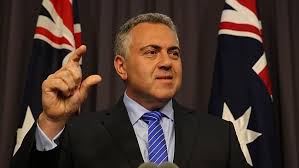
Οι υπεύθυνοι της διαγενεαλογικής έκθεσης την περασμένη εβδομάδα ανέφεραν ότι το κόστος περίθαλψης ανά άτομο θα αυξηθεί από $2,080 που είναι σήμερα στα $6,460 το 2055. Το γεγονός ότι εντός των επομένων ημερών αναμένεται και η δημοσιοποίηση της έκθεσης της κυβέρνησης (white paper) για το ομοσπονδιακό σύστημα διακυβέρνησης της χώρας εκτιμάται ότι δεν είναι τυχαίο. Είναι μία μεθοδευμένη προσπάθεια εκ μέρους της κυβέρνησης να αλλάξει το υπάρχον καθεστώς χρηματοδότησης των υπηρεσιών υγείας προς τις Πολιτείες, το οποίο κατά την κατάθεση του προϋπολογισμού πέρσι ανακοίνωσε ότι θέλει να θέσει σε εφαρμογή από το 2017 και όπως ανέφερε τότε ο Θησαυροφύλακας Joe Hockey, μέσα απ’ αυτές τις αλλαγές θα εξοικονομηθούν περίπου $57 δις.

Οι έμμεσες πιέσεις που ασκεί η ομοσπονδιακή κυβέρνηση στις πολιτειακές, προκειμένου να τις αναγκάσει να βρουν τους πόρους για να καλύψουν τις ανάγκες που θα προκύψουν κυρίως στον τομέα της υγείας, την θέτει σε τροχιά σύγκρουσης με αυτές, που όπως και στο παρελθόν, έτσι και τώρα, δηλώνουν ξεκάθαρα ότι δεν πρόκειται να αυξήσουν τους φόρους στους κατοίκους τους ή να ζητήσουν την αύξηση του ποσοστού του φόρου προστιθέμενης αξίας GST.

Ο Θησαυροφύλακας της Βικτώριας, Tim Pallas, ανέφερε ότι η τρύπα που θα προκαλέσει η αλλαγή του χρηματοδοτικού μοντέλου από την κυβέρνηση Άμποτ -ενός μοντέλου που θέσπισε η παρελθούσα κυβέρνηση του Εργατικού για να βελτιωθούν οι υπηρεσίες που παρέχουν τα νοσοκομεία της χώρας- θα φτάσει τα $13 δις και ότι η κυβέρνηση της Βικτώριας δεν προτίθεται να ζητήσει την αύξηση στο ποσοστό του GST για να την καλύψει.

Και αν η αντίδραση του κ. Pallas θεωρείται αναμενόμενη καθώς είναι μέλος μίας κυβέρνησης Εργατικών, παρόμοια ήταν και η αντίδραση του κ. Mike Baird, αρχηγού της κυβέρνησης Φιλελευθέρων της Ν. Ν. Ουαλίας που το Σάββατο διεκδικεί την επιστροφή του στην εξουσία της Πολιτείας.

Η «τρύπα» που ο κ. Baird πρέπει να καλύψει εντός των επομένων 4 χρόνων είναι της τάξης των $2 δις.

Στο πλευρό τους οι πολιτειακές κυβερνήσεις έχουν και τον Αυστραλιανό Ιατρικό Σύλλογο.

«Είναι αναπόφευκτο οι αλλαγές που προωθεί η κυβέρνηση Άμποτ να έχουν ιδιαίτερα αρνητικές συνέπειες για τους ασθενείς» είπε ο πρόεδρος του Συλλόγου κ. Brian Owler. «Θα αυξηθεί ο χρόνος αναμονής των ασθενών στα έκτακτα ιατρεία των νοσοκομείων, δεν θα υπάρχουν κρεβάτια για τη νοσηλεία πολλών ασθενών, οι ασθενείς που πρέπει να υποβληθούν σε μη επείγουσες επεμβάσεις θα πρέπει να περιμένουν πολύ περισσότερο απ’ όσο σήμερα και για να νοσηλευτεί ένας ασθενής σε νοσοκομείο θα αναγκάζεται να ταξιδέψει μεγάλες αποστάσεις έως ότου βρει κάποιο που θα έχει διαθέσιμο κρεβάτι» πρόσθεσε ο κ. Owler δίνοντας μία γεύση για το τι επιφυλάσσει το άμεσο μέλλον αν η κυβέρνηση Άμποτ καταφέρει να θέσει σε εφαρμογή το νέο της πακέτο μεταρρυθμίσεων στην Υγεία.

Πηγή:Νέος Κόσμος

Αυστραλία:Νέο «τέχνασμα» για τις συντάξεις

imagesV6SGZPSY

Η κυβέρνηση προτείνει ένα νέο ελεγκτικό μηχανισμό για να επικυρώσει η Γερουσία το νομοσχέδιο για την τιμαριθμική αναπροσαρμογή των συντάξεων.

Έναν νέο ελεγκτικό μηχανισμό για την τιμαριθμική αναπροσαρμογή των συντάξεων προτείνει ο υπουργός Κοινωνικών Υπηρεσιών, Scott Morrison, στοχεύοντας στην στήριξη της Γερουσίας, προκειμένου αυτή να επικυρώσει το νομοσχέδιο που προωθεί η κυβέρνηση για τον καθορισμό του ποσού κάποιων κοινωνικών επιδομάτων.

Μέχρι στιγμής, οι προτάσεις της κυβέρνησης για καθορισμό των συντάξεων με βάση τον τιμάριθμο και όχι τον κατώτατο εβδομαδιαίο μισθό συναντά την έντονη αντίδραση της Γερουσίας. Αν το νομοσχέδιο αυτό περάσει, εκφράζονται έντονες ανησυχίες ότι το ποσοστό αύξησης των συντάξεων θα είναι χαμηλότερο απ’ αυτό που ισχύει σήμερα, γεγονός που θα έχει ως άμεση συνέπεια, σε βάθος χρόνου, την μείωση της πραγματικής αξίας του επιδόματος σύνταξης.

Τώρα, ο υπουργός Κοινωνικών Υπηρεσιών υπόσχεται ότι το νέο νομοσχέδιο θα συμπεριλαμβάνει ένα νέο μέτρο που θα υποχρεώνει τον έλεγχο του ποσού των συντάξεων από μία «ανεξάρτητη» επιτροπή, την οποία, όμως, θα ορίζει ο ίδιος, κάθε τρία χρόνια. Η επιτροπή αυτή που θα αποτελείται ειδικούς στον χώρο των κοινωνικών επιδομάτων θα κρίνει αν το ποσό αυτών ανταποκρίνεται στο κόστος διαβίωσης και θα μπορεί να προτείνει αυξήσεις των συντάξεων, όπου και όταν το θεωρεί απαραίτητο.

Το γεγονός ότι αυτή η επιτροπή θα προτείνει αυξήσεις δεν σημαίνει όμως και ότι οι προτάσεις της θα εφαρμόζονται.

Ο κ. Morrison ανέφερε ότι οι προτάσεις της επιτροπής αυτής θα τίθενται σε δημόσια διαβούλευση, θα συζητούνται στην Βουλή και εκ των υστέρων η κυβέρνηση θα πρέπει να τις λάβει υπόψη της κατά την κατάθεση του προϋπολογισμού. Ο κ. Morrison απέφυγε να αναφέρει ξεκάθαρα ότι η κυβέρνηση μπορεί να αδιαφορήσει παντελώς και να «πετάξει» αν θέλει τις προτάσεις της επιτροπής στον «κάλαθο» των αχρήστων, κάτι που όμως προκύπτει από την ανακοίνωσή του.

Στην προσπάθειά του να «πουλήσει» το νέο νομοσχέδιο στη Γερουσία, ο υπουργός Κοινωνικών Υπηρεσιών ανέφερε ότι ο τριετής έλεγχος, όσον αφορά το κατά πόσο οι συντάξεις ανταποκρίνονται στο κόστος ζωής, θα είναι στην ουσία το «δίχτυ ασφαλείας» των επιδομάτων προκειμένου αυτά να μην χάσουν την πραγματική τους αξία. Είπε επίσης ότι το υπάρχον καθεστώς, σύμφωνα με το οποίο οι συντάξεις αυξάνονται κάθε Μάρτη και Σεπτέμβρη, παραμένει.

Η νέα μεταρρύθμιση που προτείνει η κυβέρνηση δεν επιτυγχάνει την εξοικονόμηση των πόρων που ήλπιζε αρχικά, αλλά, αν πείσει τη Γερουσία να περάσει το επίμαχο νομοσχέδιο, θα έχει καταφέρει να αλλάξει το υπάρχον καθεστώς διαμόρφωσης του ποσού των συντάξεων, γεγονός που σηματοδοτεί μία πολιτική νίκη, που τόσο την χρειάζεται ειδικά μετά την βύθιση των μεταρρυθμίσεων που σχεδίαζε στο σύστημα καθολικής ασφάλειας υγείας Medicare.

Το νέο νομοσχέδιο, αν τελικά ψηφιστεί, θα ισχύει έως το οικονομικό έτος 2027 -2028. Τότε, σύμφωνα με τις μέχρι τώρα προβλέψεις, η οικονομία της χώρας αναμένεται να έχει πλεόνασμα της τάξης του 1% του ΑΕΠ, γεγονός που θα δίνει στην τότε κυβέρνηση, την ευχέρεια της επιστροφής του σημερινού καθεστώτος καθορισμού των συντάξεων, δηλαδή την αναπροσαρμογή τους σύμφωνα με τον κατώτατο εβδομαδιαίο μισθό.

Τέλος, να αναφέρουμε ότι το νέο νομοσχέδιο δεν αφορά μόνο το επίδομα της σύνταξης γήρατος, αλλά και τις συντάξεις αναπηρίας, τα επιδόματα φροντιστών, τις συντάξεις λόγω χηρείας και κάποια οικογενειακά επιδόματα.

Πηγή:Νέος Κόσμος

Ο Άμποτ έφαγε αξεφλούδιστο κρεμμύδι

Ο πρωθυπουργός με το φρούτο του

Ο πρωθυπουργός με το φρούτο του

Για άλλη μια φορά, ο Αυστραλός πρωθυπουργός, άφησε άφωνους τους Αυστραλούς.

Για άλλη μια φορά, ο Αυστραλός πρωθυπουργός, Τόνι Άμποτ, άφησε άφωνους τους Αυστραλούς, όπως γράφει η εφημερίδα «The Age».

Σύμφωνα με το δημοσίευμα, αυτή τη φορά ο κ. Άμποτ ξάφνιασε, όχι με αυτά που είπε «τα εξερχόμενα από το στόμα του, αλλά από τα εισερχόμενα».

Ο Αυστραλός πρωθυπουργός, καθώς περιόδευε σε φάρμα στην Τασμανία έφαγε ένα κρεμμύδι αξεφλούδιστο!

«Είναι το πιο νόστιμο κρεμμύδι που έφαγα ποτέ» ακούγεται να λέει ο πρωθυπουργός σε βιντεάκι που κάνει θραύση στο διαδίκτυο.

Πηγή: Νέος Κόσμος

Στο Κρεμλίνο ο Αλέξης Τσίπρας στις 8 Απριλίου

Στο Κρεμλίνο ο Αλέξης Τσίπρας στις 8 Απριλίου

Επίσκεψη στη Μόσχα αρχές Απριλίου και συνάντηση με τον Βλαντιμίρ Πούτιν θα πραγματοποιήσει ο Αλέξης Τσίπρας. Σύμφωνα με αποκλειστικές πληροφορίες των Νέων, το Κρεμλίνο απάντησε το μεσημέρι της Δευτέρας θετικά στο σχετικό αίτημα που υπέβαλε η ελληνική κυβέρνηση και το ραντεβού Τσίπρα – Πούτιν ορίστηκε για τις 8 Απριλίου.

Με βάση το αρχικό πρόγραμμα, ο πρωθυπουργός συνοδευόμενος από κυβερνητική αντιπροσωπεία επρόκειτο να μεταβεί στη ρωσική πρωτεύουσα στις 9 Μαΐου μαζί άλλους διεθνείς ηγέτες έπειτα από πρόσκληση Πούτιν για συμμετοχή στις πανηγυρικές εκδηλώσεις για τα 70χρονα της αντιφασιστικής νίκης των λαών.

Ωστόσο, φαίνεται πως το Μαξίμου επεδίωξε την επίσπευση της συνάντησης του πρωθυπουργού με τον ρώσο πρόεδρο διαπιστώνοντας τις ασφυκτικές οικονομικές συνθήκες που δημιουργούνται στη χώρα από ευρωπαϊκής πλευράς. Η Αθήνα άλλωστε μετά τις εκλογές δεν έκρυψε ποτέ την πρόθεσή της να διευρύνει τις σχέσεις της με τη ρωσική πλευρά στην προσπάθεια αναζήτησης ισχυρών συμμάχων κι εκτός ευρωζώνης.

Η πρώτη κόντρα

Δεν είναι τυχαίο ότι η πρώτη μάχη που έδωσε η κυβέρνηση ΣΥΡΙΖΑ στις Βρυξέλλες αφορούσε τις κυρώσεις που ήθελε να επιβάλει η Ευρωπαϊκή Ένωση στη Μόσχα για τη στάση της απέναντι στην Ουκρανία. Εξέλιξη που προκάλεσε ενόχληση στους κόλπους της ΕΕ και ιδιαίτερη δυσφορία στη γερμανική πλευρά.

Δεν είναι τυχαίο, επίσης, ότι ο ρώσος πρεσβευτής στην Αθήνα Αντρέι Μάσλοφ ήταν ο πρώτος αξιωματούχος που συνάντησε ο Αλέξης Τσίπρας ως πρωθυπουργός στο Μέγαρο Μαξίμου αμέσως μετά την ορκωμοσία του. Αργότερα, στις 17 Φεβρουαρίου ο πρεσβευτής της Ρωσίας συναντήθηκε και με τον αναπληρωτή υπουργό Ευρωπαϊκών Υποθέσεων Νίκο Χουντή.

Η Μόσχα διάκειται φιλικά απέναντι στη νέα κυβέρνηση καθώς είναι μία από τις ελάχιστες στην Ευρώπη που εξακολουθεί να συνομιλεί μαζί της διατηρώντας ανοιχτούς δίαυλους επικοινωνίας με το Κρεμλίνο.

Η απάντηση της Μόσχας στην Αθήνα συμπίπτει με την επανεμφάνιση Πούτιν έπειτα από 11 ολόκληρες ημέρες απουσίας από τα φώτα της δημοσιότητας, κατάσταση που τροφοδότησε σενάρια περί βαριάς ασθένειάς του. Ο ρώσος πρόεδρος επανεμφανίστηκε στην Αγία Πετρούπολη με τον πρόεδρο της Κιργιζίας.

Σε επαφή με το Πεκίνο

Στην προσπάθεια της αναζήτησης συμμάχων ο Αλέξης Τσίπρας ενθαρρύνει και την ενίσχυση των ελληνοκινεζικών σχέσεων, κάτι που έδειξε ολοκάθαρα παραμονές της συνόδου κορυφής του Φεβρουαρίου με επίσκεψή του στο λιμάνι του Πειραιά όπου είχε καταπλεύσει ο κινεζικός στόλος.

Μάλιστα, τη Δευτέρα, τα στελέχη του Τμήματος Διεθνών Σχέσεων του ΣΥΡΙΖΑ Πάνος Τριγάζης και Γιάννης Μπουρνούς είχαν συνάντηση με αντιπροσωπεία του Κομμουνιστικού Κόμματος Κίνας ενόψει και της επίσκεψης κυβερνητικών στελεχών στο Πεκίνο. Η Κουμουνδούρου προσβλέπει στις ελληνοκινεζικές σχέσεις αν και αναγνωρίζει ότι ο δρόμος του μεταξιού είναι δύσβατος.

Όπως έγινε γνωστό, το προηγούμενο Σαββατοκύριακο η Κάρολιν Ατκινσον, βοηθός σύμβουλος του Λευκού Οίκου για θέματα εθνικής ασφάλειας με ειδίκευση στα διεθνή οικονομικά θέματα, επικοινώνησε με τον αντιπρόεδρο της κυβέρνησης και συντονιστή της διαπραγμάτευσης Γιάννη Δραγασάκη και ενημερώθηκε για τις εξελίξεις στην ευρωζώνη και την οικονομική κατάσταση της Ελλάδας.

Ο Κοτζιάς άνοιξε τον δρόμο

Επίσκεψη στη Μόσχα έχει πραγματοποιήσει ήδη ο υπουργός Εξωτερικών Νίκος Κοτζιάς επιβεβαιώνοντας την πρόθεση της νέας ελληνικής κυβέρνησης για σύσφιγξη των σχέσεων με τους Ρώσους.

Πηγή:in.gr

The return of the Greek population of Sydney

The return of the Greek population of Sydney

It seems like a long time ago when thousands of Greek migrants were sent from Greece, away from their families and the life they knew for better opportunities. They came to a place that was alien to them. We all know the story that our parents tell us about the 1950s and 1960s: “Son, I came with a suitcase and the shirt on my back, then I just worked hard … But one day I will return to a prosperous Greece.”

Little did they know that one day, mass migration from Greece would rear its head again as the current economic crisis has seen thousands leave.
As a former resident of London, in the early days of the ‘crisis’ in 2009, I would see hundreds of Greeks and Greek Cypriots head to the UK for better opportunities. I didn’t expect to return to Sydney in 2012 to see a virtual flood of newly-arrived Greek speakers. It used to be a trickle, now we have a constant stream settling into Sydney. A welcome addition which has boosted the NSW Greek population to 120,000.

A stroll down just about any main street of inner-city Sydney or the traditional Greek heartland suburbs and you will hear it. You will hear the change. Sit at a busy coffee shop and you will see it too.

Sydney has been one of the main beneficiaries of the economic ‘crisis’ in Greece, with a new wave of migration. This includes those who were born in Greece and those who were actually born here in Sydney, went to Greece and finally returned ‘home’.

It’s no coincidence that Greek eateries have essentially mushroomed at the same time as the return of those Greek speakers who had moved to Greece. They now bring with them their Greek culinary experiences and where possible workers from Greece to help run these new enterprises.

Just visit Platea, Gyradiko or Yiro Yiro to see what I mean and you will be able to practise your Greek with someone from a younger generation.

I recall speaking to Julie Vindas (not her real name) in Greek at the recent Greek Festival. She moved here last year to study and live, working almost non-stop in Greek hospitality outlets. This young woman with her whole life in front of her had to travel to the other side of the world to find opportunities that are currently lacking for the youth of Greece as unemployment, for this demographic is over fifty per cent.

History

NSW records indicate that Greek people arrived in Sydney as early as 1829; they were political prisoners. There were seven Greek sailors from Hydra who were apparently convicted in the British colony of Malta for ‘piracy’.

Eight years later the men received pardons, with five given passage to England in order to return to Greece. Two of the men decided to stay in Sydney – Androni Tu Malonis and Ghicas Bulgaris.

In 1835 Aikaterini Plessos became the first Greek woman to arrive as the wife of Major Crummer, a British Officer posted to NSW. She was survived by 13 grandchildren. It should be noted that Mr Bulgaris had fifty grandchildren.

In the 1850s, hundreds of Greek speakers made their way to the goldfields of Victoria and at one stage a settlement was called ‘Greek town’, for obvious reasons. Greeks were known for their hard work.

Despite the gold rush, NSW had few permanent Greek born arrivals, with the 1891 Census listing 255 Hellenes, then a decade later that figure was at 392.

The 1920s and 1930s began the influx of the Castellorizians and Kytherians, with each island group claiming to have arrived before the other.

Their great fortune was to arrive in Sydney when you could buy cheaply along the beautiful harbour and coastline, which today would cost millions of hard-earned dollars. The current group of Greek migrants find it difficult to buy such a luxurious property, as each person I have met can testify.

As more Greek speakers began to arrive early in the 20th century, they would branch out into business including the opening of cafés, oyster saloons, greengrocers and eventually the famous milk bar. For example, the Andronicus family began trading by the end of the first decade of the 1900s, selling coffee and chocolates, becoming a famous brand. This began a successful tradition of Greek Australians in business.

A Better Future for the newly arrived

Harry Triguboff, the highly respected and shrewd businessman, was quoted as saying in 2011: ”If you were a Greek fellow who departed from the country to go back to Greece, because you had a good life there and didn’t have to work hard, now it’s miserable there, I think he’ll come back. And I think he’ll bring his children. I think they’ll all come back. The population will grow…. I’m ready for them.”

Mr Triguboff was talking about housing these arrivals in his dwellings, and whilst he may have been mistaken about how hard Greek people work, he was correct about the return of many Sydney-born Greek people.

Maria Rallis was born in Sydney and as a young person was involved with Greek media in the 1990s. In one of life’s incredible romantic tales, she was on the picturesque island of Lesbos helping a foreign filmmaker when she met her future husband. After convincing her to stay for two years she stayed longer and married her Greek-born husband Themis Loukas.

Unlike many who made the return to Sydney, Maria had a secure job with an American company. “The crisis wasn’t the instigator,” she told me. “Instead it helped me consider coming to Sydney to build a better future for my children, and in October 2012 we farewelled Athens.”

Today she is a social media expert for a prestigious NGO.

Hara is someone who met Maria by chance in Roselands. Their use of the Greek language ensured that fate brought them together as friends shortly after she arrived in April 2014.

Hara, 35, was born and raised in Athens. The economic crisis for her and her young children, who were seven and four respectively when they arrived, had a huge impact on her life. Her husband Dimitris was a self-employed electrician who felt the pinch of the crisis and her own salary dropped by 20 per cent.

This made the decision to migrate one that had to be taken, and she has adapted to Sydney as if it has always been home. Describing the transition as an easy one for her, she told me “we have as many friends here as we do in Greece!”.

Dimitris has also adjusted to Sydney as he had visited as an adult, ensuring a familiarity with what he would find upon arrival. Hara told me that for the best part of 12 months “he has been working as a full time electrician for an electrical company but he cannot get a licence to work self-employed as he did in Greece because he cannot attain recognition of his experience.” This is a challenge many newly arrived have faced.

Hard work and being ‘Home’

Over coffee with Michael Spanos, 33, I heard the same story. Once a manager of an Everest in Athens, he opened his own coffee shop in 2010. He was born in Sydney, though raised in Greece since he was three years old. Michael is enjoying his new environment since a return almost 12 months ago. However, he has not been able to work in his field, currently holding a job in construction.

Like most Greek people, he is not afraid to work hard and this he does six days a week. In this respect, nothing has changed from Greece. Michael was full of praise for his relatives, especially his uncle, who operates the iconic Paul’s Burgers in Sylvania. Their love and support has ensured that he has made a smooth transition.

He made a point that most critics of the Greek work ethos fail to understand. “In Greece, you live to work, whereas in Australia, you work to live.”

This is a point that Giorgos, a friend of mine from Athens, had made to me when he arrived to Sydney last year. Giorgos was an actor in Athens and when he wasn’t, he would work as hard as possible. When I met him, he was driving a taxi in Athens, where he was born (Menidi). The economic crisis drove him and his girlfriend to seek a better life in Sydney.

These days you will find him hard at work as a barista from the early hours of the morning before switching to student as he undertakes intensive English classes. For Giorgos, like many in his situation, there is elpida – hope. There is that hope that life in Sydney will be a better one than that being experienced in Greece at the moment.

Vicki also had a story similar to the one I encountered with Michael. Born in Sydney only to leave for Ioannina at the age of five, she would end up co-owning a number of language schools in the area. The crisis had a major impact on her business as numbers and income declined. Fortunately, she had been back to Sydney a number of times and her adult children had also been exposed to Sydney, and their diligent learning of English has ensured they sound more like native speakers than foreigners. A big plus as they finish their university courses.

I asked Vicki where her future lies – would she consider returning to Greece?

“The future is where our children are and they have adjusted well. For my husband who is older he will find it harder to ever adjust.” She floated the idea of maybe one day living six months here and six months in Greece if the economy ever picked up again.

Vicki pointed to the help she received from the Greek Orthodox Community of NSW who have been welcoming. Their support for newly-arrived people such as herself has led to a reconnection in the community and work opportunities. Though she may never teach English again, she is relishing the environment she is in, which is administration coordinator at a Greek nursing home.

She did tell me that there have been times when established Greek people have not been as accepting of the newly arrived; this has been the only true negative to the move home in 2012.

Christos is someone who arrived in December 2012 with his Sydney-born wife Artemis. In no time he felt it was ‘home’. He had previously been to Sydney for Easter a few months prior for the first time to meet the in-laws before the wedding was to take place. Ironically, he did not enjoy Sydney when he first migrated. He struggled to adjust in a country that was on the flip side of the world and was far too regulated for his liking. He only had Greece on his mind then.

Slowly, Christos adjusted to the new way of life. Without a hint of an accent to betray his perfect English, he has relished his role as an electrical engineer, similar to his profession in Athens. Now he has Sydney and a new family on his mind. His wife Artemis, however, confesses that Athens is a special place.

She herself lived there for twelve years, in the heart of Athens as a teacher. After having enjoyed the pace of Athens, the transition to Sydney can be somewhat different and slower. Together they will make the best of a welcoming city.

In a slight variation of the migration pattern I witnessed, I spoke with Evi, who was originally from Kozani and had lived in Athens and Portugal where she helped operate a surfing school. She arrived just before the crisis hit Athens in 2008 and is now an organiser for the Greek Film Society. Her intention was to study, explore Australia, then return to Greece. Just as the other newly-arrived Greek migrants told me, she admires the nature and beautiful sights of Sydney; therefore with the crisis merely a secondary consideration, has continued to stay. Many newly-arrived Greek people are drawn to her as she now has the experience of being a long-term resident of Sydney.

It used to be a trickle, but now a constant stream of newly arrived Greek migrants has boosted the Greek population in Australia’s largest city.

It seems like a long time ago when thousands of Greek migrants were sent from Greece, away from their families and the life they knew for better opportunities. They came to a place that was alien to them. We all know the story that our parents tell us about the 1950s and 1960s: “Son, I came with a suitcase and the shirt on my back, then I just worked hard … But one day I will return to a prosperous Greece.”

Little did they know that one day, mass migration from Greece would rear its head again as the current economic crisis has seen thousands leave.
As a former resident of London, in the early days of the ‘crisis’ in 2009, I would see hundreds of Greeks and Greek Cypriots head to the UK for better opportunities. I didn’t expect to return to Sydney in 2012 to see a virtual flood of newly-arrived Greek speakers. It used to be a trickle, now we have a constant stream settling into Sydney. A welcome addition which has boosted the NSW Greek population to 120,000.

A stroll down just about any main street of inner-city Sydney or the traditional Greek heartland suburbs and you will hear it. You will hear the change. Sit at a busy coffee shop and you will see it too.

Sydney has been one of the main beneficiaries of the economic ‘crisis’ in Greece, with a new wave of migration. This includes those who were born in Greece and those who were actually born here in Sydney, went to Greece and finally returned ‘home’.

It’s no coincidence that Greek eateries have essentially mushroomed at the same time as the return of those Greek speakers who had moved to Greece. They now bring with them their Greek culinary experiences and where possible workers from Greece to help run these new enterprises.

Just visit Platea, Gyradiko or Yiro Yiro to see what I mean and you will be able to practise your Greek with someone from a younger generation.

I recall speaking to Julie Vindas (not her real name) in Greek at the recent Greek Festival. She moved here last year to study and live, working almost non-stop in Greek hospitality outlets. This young woman with her whole life in front of her had to travel to the other side of the world to find opportunities that are currently lacking for the youth of Greece as unemployment, for this demographic is over fifty per cent.

History

NSW records indicate that Greek people arrived in Sydney as early as 1829; they were political prisoners. There were seven Greek sailors from Hydra who were apparently convicted in the British colony of Malta for ‘piracy’.

Eight years later the men received pardons, with five given passage to England in order to return to Greece. Two of the men decided to stay in Sydney – Androni Tu Malonis and Ghicas Bulgaris.

In 1835 Aikaterini Plessos became the first Greek woman to arrive as the wife of Major Crummer, a British Officer posted to NSW. She was survived by 13 grandchildren. It should be noted that Mr Bulgaris had fifty grandchildren.

In the 1850s, hundreds of Greek speakers made their way to the goldfields of Victoria and at one stage a settlement was called ‘Greek town’, for obvious reasons. Greeks were known for their hard work.

Despite the gold rush, NSW had few permanent Greek born arrivals, with the 1891 Census listing 255 Hellenes, then a decade later that figure was at 392.

The 1920s and 1930s began the influx of the Castellorizians and Kytherians, with each island group claiming to have arrived before the other.

Their great fortune was to arrive in Sydney when you could buy cheaply along the beautiful harbour and coastline, which today would cost millions of hard-earned dollars. The current group of Greek migrants find it difficult to buy such a luxurious property, as each person I have met can testify.

As more Greek speakers began to arrive early in the 20th century, they would branch out into business including the opening of cafés, oyster saloons, greengrocers and eventually the famous milk bar. For example, the Andronicus family began trading by the end of the first decade of the 1900s, selling coffee and chocolates, becoming a famous brand. This began a successful tradition of Greek Australians in business.

A Better Future for the newly arrived

Harry Triguboff, the highly respected and shrewd businessman, was quoted as saying in 2011: ”If you were a Greek fellow who departed from the country to go back to Greece, because you had a good life there and didn’t have to work hard, now it’s miserable there, I think he’ll come back. And I think he’ll bring his children. I think they’ll all come back. The population will grow…. I’m ready for them.”

Mr Triguboff was talking about housing these arrivals in his dwellings, and whilst he may have been mistaken about how hard Greek people work, he was correct about the return of many Sydney-born Greek people.

Maria Rallis was born in Sydney and as a young person was involved with Greek media in the 1990s. In one of life’s incredible romantic tales, she was on the picturesque island of Lesbos helping a foreign filmmaker when she met her future husband. After convincing her to stay for two years she stayed longer and married her Greek-born husband Themis Loukas.

Unlike many who made the return to Sydney, Maria had a secure job with an American company. “The crisis wasn’t the instigator,” she told me. “Instead it helped me consider coming to Sydney to build a better future for my children, and in October 2012 we farewelled Athens.”

Today she is a social media expert for a prestigious NGO.

Hara is someone who met Maria by chance in Roselands. Their use of the Greek language ensured that fate brought them together as friends shortly after she arrived in April 2014.

Evi made a remark that she once lived in the furthest point of continental Europe (a small Portuguese village) and now makes her home in one of the other far away locations on the planet. She made a point and one that Artemis once told me: “Athens is a city that never sleeps, Sydney is a city that sleeps a lot.”

I think she has a point. And when most of the newly-arrived Greek people wake in the morning, they are glad to be ‘home’, to be far from the crisis; giving it their best shot to make it for themselves and their families.

source: Neos Kosmos

 

Greek Australian women united in the struggle

Women united in the struggle

L-R: Joy Damousi, Georgina Tsolidis, Maree Skalistis, Ann Mitsis, Eyvah Dafaranos, Varvara Ioanou, Vivianne Nikou, Jenny Mikakos.

Hundreds of Greek Australian women came to hear our community’s most successful females discuss gender inequality and be encouraged to become role models themselves.

That was the theme for this year’s International Women’s Day, and for those attending the Greek Australian Women’s network event last week, it encapsulated both the stagnating state of gender equality and the hope that change will come.

Seven highly influential women from the Greek Australian community came together to take part in the discussion ‘Girls and Education’ at the Food For Though Network’s event on Sunday.

A packed audience of more than 100 women, girls, and the odd man or two sat down to hear of the struggles many have witnessed in the workplace, and the troubling state of violence against women.

Giving the keynote speech, parliament’s first female Greek Australian minister, Jenny Mikakos, spoke of the worldwide gender gap in children attending school.

“Only 30 per cent of girls worldwide are enrolled in high school,” she says.

“More than 60 per cent of people who lack basic reading and writing skills in the poorest nations are women.

“As children grow, so does inequality.”

She also spoke of her own heartache at the fact her mother wasn’t able to pursue her dreams to become a teacher in the ’60 and ’70s.

Life in education and the gender gap was the topic of the panel’s discussion chaired by Alphington Grammar’s principal, Vivianne Nikou.

Acclaimed academics Joy Damousi, Georgina Tsolidis, Ann Mitsis and student Maree Skalistis spoke from experience.

“Self esteem and self confidence is at the core of the issues of women in education,” Professor Damousi says.

“When you look at why it is that a majority of women graduate university but they’re not moving up, it’s one of the potential issues that I think we need to talk about.

“It’s one that doesn’t hit the headlines.”

One of the most confronting aspects of the discussion came when the panel discussed domestic violence in the Greek community.

“Sixty per cent of women didn’t report the last domestic violence incident,” Professor Georgina Tsolidis said.

Women in culturally and linguistically diverse communities are starkly more highly represented in those statistics, many silenced thanks to cultural stigmas and entrenched gender roles.

“We need to break that cycle of violence,” Ms Mikakos said.

It’s been an ongoing issue in our community and one that is getting worse as our community expands due to an increase of Greek migration thanks to the crisis.

Settlement issues and tight finances have pushed the rate of new domestic violence up, with the Australian Greek Welfare Society saying their number of cases has increased dramatically over the past four years.

Wife of the Greek Ambassador to Australia, Eyvah Dafaranos highlighted the need for members of the community to embrace newly arrived women by offering them sponsorship in their industry to give them more independence in their family life.

The panellists also agreed that “women shouldn’t have to choose between career or family”.

Entering into an industry that is very male dominated also had the panellists jumping to give advice.

Neos Kosmos asked the group if they had any advice to young Greek Australian women entering the workforce.

“Don’t be afraid of it (male dominated field), actually embrace it, you’ve got a lot you can bring to that space,” Dr Ann Mitsis said.

“You have to be very confident in your dealings with colleagues,” Professor Damousi says.

“I’d also strongly advise to cultivate a number of mentors, not just one, male and female, because there will be various aspects of the job that draw on skills which you’ll need to develop that people can help you with.”

Founder of the Food for Thought Network Varvara Ioannou also said the best way to succeed in a career is to “stop judging, stay current in your chosen profession, and seek mentors”.

source:Neos Kosmos

The (unconventional) good Greek girl

The (unconventional) good Greek girl

Maria standing outside her parents’ old milk bar.

Public servant and now author Maria Katsonis delves into what it means to be a good Greek girl going through depression and why she is all the stronger for it.

Upon meeting Maria, it’s hard to imagine that she is the protagonist of The Good Greek Girl.

From the get-go she is full of life, with an infectious laugh – a far cry from the acutely depressed and suicidal character described in the memoir.

“I know it happened, but I’m a different person. I can’t believe it was me who experienced that,” she says.

“I cannot believe I’m standing here with a book, if I think about the person who was admitted to the Melbourne clinic on September 2nd, 2008 seared into my brain. The day I thought I had lost my life.”

Seven years ago, Maria Katsonis was overcome by a fog of depression that would make it difficult for her to complete simple tasks such as getting out of bed and remembering to feed herself.

Hard to imagine that just three years before she had been accepted into Harvard University with a bright future ahead of her, and now was being admitted to a psychiatric hospital.

Having grown up in a traditional Greek household, her father appointed himself as the head of the household – the usual feature of a patriarchal family, originating from a village off the beaten track in central Greece.

With her mother falling ill, she battled with her responsibility to honour Greek ideals, whilst coming to terms with the unconventional aspects of her life, namely identifying as a gay woman, which would see her butt heads with those closest to her.

“I know it’s dramatically opposed [to my sexuality], but I think it [Greek honour] was instilled in me from a very young age. It wasn’t as if I sat there and said ‘no, I’m going to reject all of these kind of Greek parts of me because I’ve now come to the counter-cultural aspects of what it means to be a good Greek’. I couldn’t cut that part off,” she tells Neos Kosmos.

“I am a good Greek girl, just an unconventional one.”

Setting out to write her story about mental illness, the trajectory to Harvard University and her experiences in the psych ward, she soon realised with the help of her writing mentor that the story of Maria Katsonis could not be truthfully told without the family story.

“I realised I couldn’t tell that story, the high achiever who ends up mentally ill, without filling in the family story and the story of me. That was the hardest part – the Greek story.”

The 52-year-old’s story comes to the fore when a violent incident occurs between her and her father. Seated at the kitchen table while coming out to her father, it sees him launching over the table and punching her in the face, damaging their relationship up until the end of his life.

“I don’t condone his behaviour, but it took me a long time to understand his point of view,” she says.

“Traditional story: comes to Australia, gives up everything for his children – the sacrifices – there’s a certain expectation about what his children will do professionally, culturally and socially. This is the most extreme thing that I could do to him,” she says of her homosexuality.

Seeking the unattainable approval and acceptance of her father would see Maria wind up in a long and trying episode of personal turmoil, planning her own death at her lowest point.

But a meaningful afternoon spent with her two young nephews would see her seek professional help, leading to a leave from her work and home life in an attempt to restore her mental well-being.

Now on the other side, she looks back on the situation and reflects on how hard it would have been for her mother, and many other women living in a similar situation.

“When the violence happened with my father, my mother was there. She watched. And I suspect for my mother, she was absolutely torn, torn between the duty to her husband and to me,” she says.

“And in the end she had to choose what was expected of her as a woman, which was to her husband.”

Though she has been through a difficult few years, the writer is optimistic.

Having come to terms with events from her past, she no longer dwells on what her life could have been if she had been born into a more understanding household.

Rather, she now endeavours to give voice to her own story and that of so many other Greek Australian women who have traditionally been kept in the shadows.

“The best part for me was the discovery of becoming a writer. It was this opening up of a new part of myself that was able to give not just voice, not just catharsis, but to engage the reader who’s going to be reading my book,” she tells.

Her recovery and the realisation of how far she has come has filled her with what she describes as a ‘fearlessness’.

“What have I got to lose? I have my health, I’m still here.”

This fearlessness has come in handy while faced with many challenges, particularly since returning to work as a senior public servant for the department of premier in cabinet.

Committed to being honest and open about her experiences, in the hope that it will assist others in coming to terms with their challenges, disclosing her condition of mental illness and her experiences as a psych ward patient have not always been looked upon favourably.

“People have questioned me against doing that [speaking out], saying ‘you’ll never work again’. And I said ‘so be it’. I think stigma is still a pretty significant issue in the workplace. I liken it to a form of xenophobia – it’s the fear of the unknown.”

However the support from her surviving family, namely her father’s younger sister Theia Machi, and friends has proved a source of great strength for the writer.

Along with returning to her work commitments, and writing her memoir over the past four years, Maria has become a vocal mental health advocate, currently an ambassador for Beyond Blue.

source:Neos Kosmos

Νετανιάχου: Δεν θα υπάρξει παλαιστινιακό κράτος με μένα πρωθυπουργό

Νετανιάχου: Δεν θα υπάρξει παλαιστινιακό κράτος με μένα πρωθυπουργό

Ο Μπενιαμίν Νετανιάχου μιλά σε συγκέντρωση του Λικούντ κοντά στο Τελ Αβίβ


Κλείνοντας το μάτι στους δεξιούς ψηφοφόρους κατά την κορύφωση της πυρετώδους εκστρατείας συσπείρωσης πριν ανοίξουν οι κάλπες, ο Μπενιαμίν Νετανιάχου διαβεβαιώνει ότι δεν πρόκειται να εγκαθιδρυθεί παλαιστινιακό κράτος εφόσον ο ίδιος παραμείνει στην πρωθυπουργία του Ισραήλ, υποσχόμενος παράλληλα ότι θα συνεχίσει την αμφιλεγόμενη εποικιστική δραστηριότητα στην Ιερουσαλήμ

«Πράγματι» απάντησε ο Νετανιάχου ερωτηθείς από τον ειδησεογραφικό δικτυακό τόπο NRG εάν θα διασφαλίσει ότι δεν πρόκειται να αναδυθεί παλαιστινιακό κράτος εάν ο ίδιος παραμείνει στην κεφαλή της κυβέρνησης του Ισραήλ.

Ο Μπενιαμίν Νετανιάχου ρίχνεται στη μάχη των πρόωρων εκλογών με το δεξιό κόμμα του Λικούντ να βλέπει στις δημοσκοπήσεις την πλάτη της κεντροαριστερής «Σιωνιστικής Ένωσης».

Κατά το παρελθόν ο ίδιος έχει δηλώσει ότι οραματίζεται τη δημιουργία ενός αποστρατιωτικοποιημένου παλαιστινιακού κράτους στο πλαίσιο μόνιμης ειρηνευτικής συμφωνίας.

Σε προεκλογική ομιλία του νωρίτερα τη Δευτέρα ο Νετανιάχου δεσμεύτηκε επίσης ότι θα συνεχίσει να κατασκευάζει εβραϊκούς οικισμούς στην Ανατολική Ιερουσαλήμ με τον δεδηλωμένο στόχο να εμποδίσει τη διχοτόμηση της πόλης και την ενδεχόμενη ίδρυση της πρωτεύουσας των Παλαιστινίων στο ανατολικό τμήμα της.

Ο Νετανιάχου κατηγόρησε τους πολιτικούς αντιπάλους του ότι είναι έτοιμοι να δεχτούν τη διχοτόμηση της πόλης. «Εγώ δεν θα το επιτρέψω. Εγώ και οι φίλοι του Λικούντ θα διατηρήσουμε την ενότητα της Ιερουσαλήμ στο ακέραιο. Θα συνεχίσουμε να οχυρώνουμε την Ιερουσαλήμ ώστε να μην μπορούν να την διχοτομήσουν και να παραμείνει ενωμένη για πάντα» δήλωσε.

«Θα συνεχίσουμε να χτίζουμε στην Ιερουσαλήμ, να οικοδομούμε χιλιάδες νέες κατοικίες, δεν θα υποχωρήσουμε παρά τις πιέσεις που μας ασκούνται και να συνεχίσουμε να αναπτύσσουμε την αιώνια πρωτεύουσά μας» συνέχισε.

Για συμβολικούς λόγους ο Νετανιάχου άφησε για το τέλος της προεκλογικής εκστρατείας του την επίσκεψή του στο Χαρ Χόμα, έναν από τους πιο αμφισβητούμενους εβραϊκούς οικισμού που βρίσκεται πάνω στα όρια των παλαιστινιακών συνοικιών της Ανατολικής Ιερουσαλήμ, στα νότια της Δυτικής Όχθης.

Η διεθνής κοινότητα θεωρεί παράνομους τους εποικισμούς, την οικοδόμηση κατοικιών στα κατεχόμενα ή προσαρτημένα εδάφη από το Ισραήλ. Ο Νετανιάχου ωστόσο συνέχισε την πολιτική των προκατόχων του ανεγείροντας οικισμούς ακόμη και στην Ανατολική Ιερουσαλήμ την οποία θέλουν για πρωτεύουσα του κράτους τους οι Παλαιστίνιοι. Το Ισραήλ από την πλευρά του θεωρεί την Ιερουσαλήμ ως την ενιαία και αδιαίρετη πρωτεύουσά του.

Πηγή:in.gr

Πρόσκληση Μέρκελ προς Τσίπρα να επισκεφθεί το Βερολίνο

Πρόσκληση Μέρκελ προς Τσίπρα να επισκεφθεί το Βερολίνο

Από το σύντομο τετ α τετ που είχαν Τσίπρας και Μέρκελ στη Σύνοδο Κορυφής

Πρόσκληση να επισκεφθεί την γερμανική καγκελαρία στο Βερολίνο απηύθυνε η γερμανίδα καγκελάριος Ανγκελα Μέρκελ στον πρωθυπουργό Αλέξη Τσίπρα.

Η κ. Μέρκελ ζήτησε το πρωί της Δευτέρας τηλεφωνικό ραντεβού με τον έλληνα πρωθυπουργό, το οποίο και πραγματοποιήθηκε στις 16:30.

Στην τηλεφωνική τους επικοινωνία η γερμανίδα Καγκελάριος απηύθυνε πρόσκληση προς τον κ. Τσίπρα να επισκεφθεί το Βερολίνο και τη γερμανική καγκελαρία τη Δευτέρα 23 Μαρτίου.

Ο πρωθυπουργός ανταποκρίθηκε θετικά στην πρόσκληση.

Η συνάντηση θα γίνει μετά τη Σύνοδο Κορυφής της Πέμπτης, στην οποία ο έλληνας πρωθυπουργός έχει δηλώσει ότι θα θέσει το ελληνικό ζήτημα.

Πηγή:in.gr