Category Archives: Uncategorized

Plenty of action in the hotel business sector

potidea_palace_390_0105

Greece’s hotel sector is presently witnessing plenty of action in terms of new acquisitions and the opening of luxury units, with the involvement of domestic firms as well as companies from the US, Russia, Germany and Cyprus.

The next few days will see the completion of the buyout of a hotel at Nea Potidea in Halkidiki, central Macedonia, by Russian entrepreneurs, and the acquisition of a hotel unit by a Greek firm at Iraklio on Crete. Furthermore, a company controlled by a US-Greek investment fund on Friday opened a new hotel in Halkidiki, while a Cypriot enterprise has in recent days started operating a new hotel unit on Rhodes that has been leased on a long-term basis by a German tour operator.

Sources say the completion of Potidea Palace’s transfer from the Mouzenidis Group to Russian entrepreneurs Artem Chayka and Olga Lopatina is a matter of days, with the Russians interested in making further investments in Greece.

Greek group Vita Hotels looks set to take its hotel tally to five with the acquisition of a unit in Iraklio, after recently leasing Elounda Aqua Sol for at least 15 years.

source:ekathimerini.com

Golden Dawn keeping a low profile in western Athens

keratsini_school

The trademark black T-shirts emblazoned with GD’s emblem are no longer worn by pupils at schools. The union set up in the shipbuilding zone remains officially active, but has no other presence. Even the slogans targeting KKE and immigrants that were painted in downtown Perama have been removed.

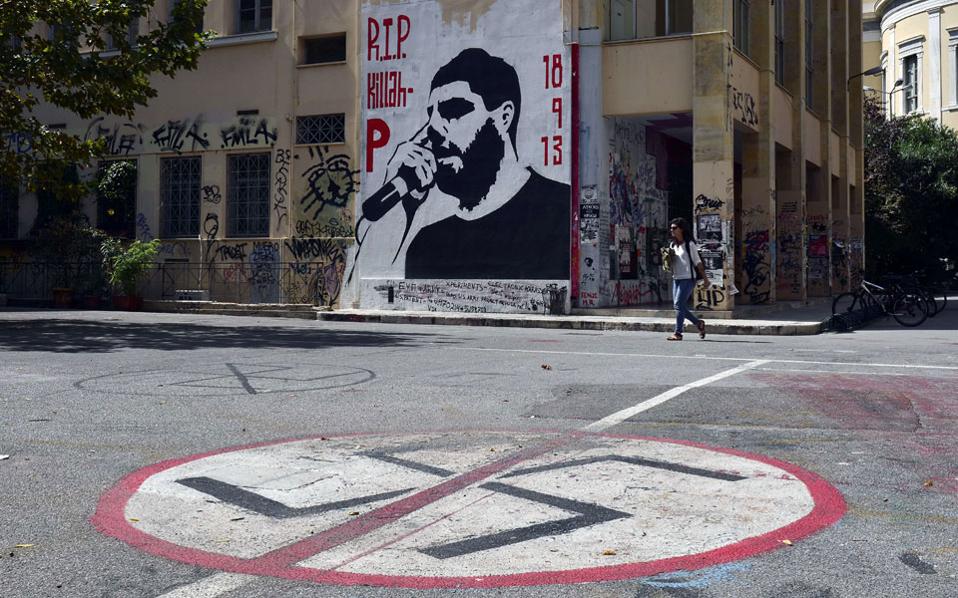
The flowers next to the memorial of antifascist rapper Pavlos Fyssas, who was stabbed to death by a Golden Dawn supporter in September 2013, are fresh. One would expect that the decision to postpone the trial against 69 members of the neofascist party, including senior officials, would dominate conversation in the western Athens suburb of Keratsini. Most people, however, prefer not to talk about it.

“It is not spoken of. After all, how could one express support for the party after the killing?” said a shop owner near the site of Fyssas’s murder. “However, behind the ballot booth curtain they can do what they like.”

Despite support having dropped off during the last national election in January, Golden Dawn’s performance in Keratsini and the neighboring Nikaia and Perama districts has been above the national average. The party picked these neighborhoods as political battlegrounds against its ideological rivals. They are the same places where GD members and supporters have been charged with criminal acts including the attack on PAME unionists and the beating of Egyptian fishermen.

“They are keeping a low profile,” said Keratsini Mayor Christos Vrettakos. The last time that members of Golden Dawn carried out a provocative act as a group was on January 14, the day after the party announced its candidates for local elections in Piraeus. Its members marched in Keratsini, took down a banner in memory of Fyssas, and raided anarchist hangout Resalto. “They mostly shy away from provocation – also because of the trial. However, their polling power remains strong,” Vrettakos said.

Threats

GD garnered 7 percent in Keratsini and 9 percent in Perama. However, locals point out that there is no trouble in the streets any more. Things were different in the past, as GD appeared to up the ante each time a party member was put in detention. A year ago, GD local leader in Perama Pericles Moulianakis, who also ran for deputy regional governor in Piraeus, said in a campaign rally: “Those servants that are PAME will be over. We shall terminate them and that is a promise,” in reference to the Communist-affiliated trade union.

During an event outside GD’s Perama offices in November, speaking on the phone from inside Korydallos Prison, MP Yiannis Lagos repeated similar threats. “We have been and we still are their opponent, their only enemy, their nightmare,” he said of the Communist Party of Greece (KKE). At the same event, Sotiris Develekos, former chauffeur of GD party leader Nikos Michaloliakos, said that after the party’s senior officials have been released from custody, “everyone will be held accountable.” “Piraeus has ports and seas, which is something that the ‘unwashed’ do not like, and they may find themselves in for some headlong dives,” he said of leftist supporters.

Since then, however, according to shopkeepers, workers and teachers in Perama, GD members and supporters have all but withdrawn. People speak less. The trademark black T-shirts emblazoned with the party’s emblem are no longer worn by pupils at schools. The union set up in the shipbuilding zone remains officially active, but has no other presence. Even the slogans targeting KKE and immigrants that were painted in downtown Perama have been removed. Those who used to openly back GD are less keen to do so, locals say. Meanwhile, people who in the past received goods during the party’s handouts have since turned to other organizations for help, including antifascist groups.

Education

Local government officials express concern at the fact that little action has been taken at schools. Authorities in Perama are mulling an antifascist graffiti festival, while in Nikaia leftist officials have suggested awareness-raising talks to inform people of Golden Dawn. Some 500 pupils have been taken on educational tours this year to learn about the battle between communist-dominated EAM/ELAS resistance fighters and the German occupation forces on October 13, 1944, when the former succeeded in defending the power station at Keratsini from the latter, who wanted to destroy the local infrastructure.

“This is a neighborhood of refugees,” Vrettakos said of Keratsini. “We need to turn to history to show what fascism really is.” However, he points out that GD remains strong in very poor areas. Meanwhile data from the free clinic set up in Perama and Keratsini by Doctors of the World are devastating. About 10,000 uninsured and poor people flocked to the clinic for medical aid or help last year, up from 7,000 in 2013. “We used to rely on construction and shipbuilding, both of which have collapsed,” Vrettakos said. “Unfortunately, this is a breeding ground for frustration.”

The trial

The trial of Golden Dawn’s leadership and members, which began on Monday morning in Athens, was adjourned until May 7 amid reports of attacks on witnesses.

The trial was adjourned after it emerged that one of the 69 defendants did not have a lawyer. A total of 44 defendants appeared in the special courtroom set up inside Korydallos Prison, but these did not include Michaloliakos and other senior MPs such as Christos Pappas and Ilias Kasidiaris.

Journalists were told that witnesses of Fyssas’s murder and a number of students were attacked by GD supporters as they arrived at the prison, despite a heavy police presence.

Local authorities and residents protested the decision to adjourn the trial as their appeal for the proceedings to be moved to another venue is not to be heard until May 7. Locals object to the trial taking place at Korydallos as they fear unrest.

source:ekathimerini.com

No need to widen the rift

greeceeuflags_480_3112

The so-called theory of the two extremes, equating the violence of the left with that of the right, emerged almost simultaneously with the crackdown on neofascist party Golden Dawn by the New Democracy and PASOK coalition government in September 2013, along with the notion that some parties belong to the “constitutional arc” and other ideas in the same spirit.

A notion that has emerged today is for the creation of some pro-European political formation or other that will help eradicate the risk of Greece being ousted from the eurozone, an idea that is irresponsibly put forward by government officials every so often. While we can believe that the people who came up with this idea are guided by the best of intentions, we must warn that it could have the exact opposite result of that desired.

To begin with, the distinction between pro-European and anti-European parties establishes an extremely dangerous dichotomy that does not reflect the prevalent trend in society, where more than 80 percent of Greeks and two in three SYRIZA supporters believe that Greece should reach a deal with the European Union, according to a poll conducted for Mega TV.

On a practical level, moreover, a so-called coalition of pro-European forces would essentially mean some form of partnership between New Democracy, Potami and PASOK, something that is quite unlikely to have any productive outcome. PASOK has effectively disappeared as a political force but as a mechanism remains statist. We have also seen the kind of tension that its pairing with New Democracy produced during the previous coalition government. Mainly, though, it would enhance the popularity of SYRIZA, which, by its nature, includes voters from both camps. This is quite similar to PASOK’s first phase, after which it ruled for more than 20 years.

Finally, the entire strategy could collapse before it even got off the ground properly if the government of Alexis Tsipras reaches some kind of deal with the country’s creditors, something that should be desired by every sensible citizen, irrespective of their political preferences.

Given that PASOK’s fate has become completely irrelevant and because Potami is just a loose and still under construction coalition of forces, the average center-right citizen, the conservative, who was surprised by SYRIZA’s rise to power, is watching developments with mounting concern and hoping for a positive outcome to the ongoing negotiations.

The traditional rift between the forces of the right and the left has gone far enough and there is no need to widen it with the introduction of distinctions between pro- and anti-Europeans. If there is a break between Greece and the eurozone and disaster strikes, none of the current protagonists of the Greek political scene will have a role to play. So what the country needs is patience and calm.

By Costas Iordanidis

source:ekathimerini.com

Olympiakos’s Pereira, Kasami fined for stormy Greek Cup tie

pereira_gesture_390_1103

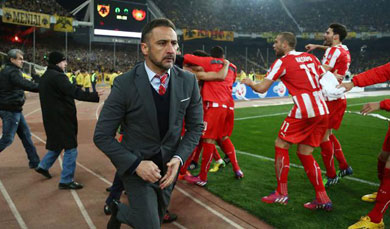
Olympiakos’s Portuguese coach Vitor Pereira and Swiss midfielder Pajtim Kasami were fined on Thursday for their behavior after the team’s Greek Cup quarter-final win over AEK Athens.

The disciplinary committee of the Greek soccer federation fined Pereira 9,000 euros and Kasami was ordered to pay 7,000 euros for making gestures to the crowd which incited trouble.

The Piraeus club was also fined 7,500 euros for the match held on March 11.

Second-division side AEK was deducted three points by the federation last month for a pitch invasion by its fans with one minute remaining in the game at the Olympic Stadium.

The disciplinary committee also ordered AEK to play two matches behind closed doors and fined the club 17,000 euros.

About 25 AEK supporters ran onto the pitch before throwing objects and chasing Olympiakos players following a 89th-minute goal by midfielder Franco Jara that gave the visitors a decisive 1-0 lead.

The Olympiakos players immediately headed to the locker rooms. They were soon followed by match officials and AEK players.

Over half an hour later, officials announced that the game would not resume and Olympiakos would automatically progress to the semi-finals, being awarded a 3-0 decision.

The violence led Alternate Sports Minister Stavros Kontonis to ban spectators from Super League matches for the following weekend for the second time this season.

source:ekathimerini.com

«Αυστραλία», ή «Η τυραννία της απόστασης και της απομόνωσης»

griffin_john_sml

Ο Αυστραλός πρέσβης στην Ελλάδα John Griffin μίλησε για την Αυστραλία σε εκδήλωση στην Αθήνα.

Για την Αυστραλία, για την «τυραννία της απομόνωσης» και για τη λογοτεχνία, μίλησε ο Αυστραλός πρέσβης στην Ελλάδα στην Αθήνα.
Ο John Griffin μίλησε ειδικότερα για τη φύση της χώρας και την ψυχολογία της. Προσπάθησε να εξηγήσει τους λόγους για τους οποίους μια Αυστραλή συγγραφέας βρήκε έμπνευση στην Ισλανδία! Όπως τόνισε, «και στην Αυστραλία και στην Ισλανδία, είναι έντονη η αίσθηση της απομόνωσης και η ανάγκη της επιβίωσης σε ένα αφιλόξενο φυσικό περιβάλλον».

ΑΠΟΣΤΑΣΗ ΚΑΙ ΑΠΟΜΟΝΩΣΗ
Ο κ. Griffin αναφέρθηκε εκτεταμένα στον παράγοντα της απομόνωσης: «Στην ψυχολογία αυτό ονομάζεται και ‘τυραννία της απόστασης’. Βρισκόμαστε εκεί από την εποχή του ευρωπαϊκής αποικισμού, στην άλλη πλευρά του κόσμου, και από μια χώρα που κάποτε αποκαλούσαμε ‘Μητέρα Πατρίδα’, την Αγγλία. Η αίσθηση της τρομερής απομόνωσης, η εχθρότητα του τοπίου και του φυσικού περιβάλλοντος είναι αληθινά. Μάλιστα, δημοσιεύτηκε πρόσφατα ένα πολύ ενδιαφέρον άρθρο για το φυσικό περιβάλλον της Αυστραλίας, το οποίο το χαρακτηρίζει ως ‘μοναδικό’ αλλά και ‘πολύ ύπουλο’».
Ο πρέσβης όμως μίλησε για την Αυστραλία ως τη χώρα των άκρων: «Θα δείτε πράσινα λιβάδια και πυκνή βλάστηση, αλλά και τρομερές ξηρασίες και δασικές πυρκαγιές», χαρακτηρίζοντας τη φύση της ως «ύπουλη».
Και συνέχισε: «Όταν αναφερόμαστε στην πρώιμη αποικιακή ιστορία της Αυστραλίας, γίνεται συνήθως αναφορά σε ιστορίες από την ύπαιθρο και το πώς εκείνη την περίοδο ο κόσμος τα κατάφερνε ως προς το ζην μέσα σε ένα εχθρικό περιβάλλον. Αλλά υπήρχε και μία σύντομη περίοδος, όταν ανακαλύφθηκε η αστική αποξένωση. Αυτό περιγράφεται πολύ καλά στο κλασικό μυθιστόρημα της αυστραλιανής λογοτεχνίας ‘My brother Jack’ του συγγραφέα George Johnston.
Είναι ένα ημι-αυτοβιογραφικό μυθιστόρημα που ακολουθεί τον αφηγητή, ονόματι David Meredith, στα χρόνια της παιδικής του ηλικίας και στην εφηβεία του στη Μελβούρνη του Μεσοπολέμου. Πρόκειται για ένα ψυχολογικό και ιστορικό μυθιστόρημα. Ο δεύτερος παγκόσμιος πόλεμος ερχόταν, η Μεγάλη Ύφεση ήταν μια πραγματικότητα και ο αστικός πληθυσμός έχει πρόβλημα αποξένωσης. Οι άνθρωποι της πόλης αισθάνονταν αποξενωμένοι μέσα σε μία παράξενη κοινωνία».
Τον πρέσβη συνόδευε η γραμματέας του η οποία κατάγεται από την Ισλανδία και μιλά ελληνικά!

ΓΙΑ ΤΟ ΒΙΒΛΙΟ
Η Hanna Kent είναι Αυστραλή λογοτέχνης και το βιβλίο της «Έθιμα ταφής» είναι ένα μυθιστόρημα, έργο φαντασίας. «Βασίζεται, όμως, σε αληθινά γεγονότα», όπως λέει η ίδια, η οποία έχει κατακτήσει τις καρδιές εκατομμυρίων αναγνωστών.
Στη Βόρεια Ισλανδία του 1829 η Agnes Magnuhsdohttir καταδικάζεται σε θάνατο για την άγρια δολοφονία δύο ανδρών. Υποχρεώνεται να περάσει το χρόνο μέχρι την εκτέλεσή της στη φάρμα του John Johnsson με την οικογένειά του, την γυναίκα του και τις δύο κόρες τους. Η οικογένεια, τρομοκρατημένη που αναγκάζεται να συμβιώσει με μια καταδικασμένη δολοφόνο, αποφεύγει να της μιλήσει.
Βασισμένο σε μια πραγματική ιστορία το «Έθιμα ταφής» είναι ένα βαθιά συγκινητικό μυθιστόρημα για την προσωπική ελευθερία: πώς βλέπουμε τον εαυτό μας, πώς μας βλέπουν οι άλλοι, και ως πού θα φτάσει ο καθένας για την αγάπη.

*Η συζήτηση οργανώθηκε από τη διαδικτυακή λέσχη ανάγνωσης Bookworm, η οποία δημιουργήθηκε για να βοηθήσει τα μέλη της να διαβάζουν περισσότερα καλά λογοτεχνικά βιβλία στην ελληνική γλώσσα, να συζητούν γι’ αυτά και να ανακαλύπτουν μαζί καινούρια: http://www.bookworm.gr. Ευχαριστούμε θερμά τον συνάδελφο δημοσιογράφο Θοδωρή Γεωργακόπουλο, για τις πληροφορίες που μας έστειλε).

Πηγή: Νέος Κόσμος

1 Μάη 1886, Σικάγο: Οι ρίζες της Πρωτομαγιάς


the vampire


Το 1887 τέσσερις αναρχικοί του Σικάγου εκτελέσθηκαν. Ένας πέμπτος εξαπάτησε το δήμιο αυτοκτονώντας στη φυλακή. Τρεις ακόμη θα περνούσαν 6 χρόνια στη φυλακή μέχρι που πήραν χάρη από τον κυβερνήτη Altgeld που είπε ότι η δίκη που τους καταδίκασε χαρακτηρίστηκε από “υστερία, ένα τσούρμο ενόρκους και έναν προκατειλημμένο δικαστή”. Το κράτος είχε, σύμφωνα με τα λόγια της δίωξης, θέσει την “Αναρχία … σε δίκη” και ήλπιζε ότι οι θάνατοί τους θα ήταν επίσης ο θάνατος της αναρχικής ιδέας.

Οι αναρχικοί ήταν οργανωτές συνδικάτων και η Πρωτομαγιά έγινε διεθνής ημέρα εργαζομένων για να θυμίζει τη θυσία τους. Καταδικάστηκαν με ψεύτικες κατηγορίες για τη ρίψη μιας βόμβας στην εισβολή της αστυνομίας σε μια διαδήλωση στο Σικάγο. Η διαδήλωση αυτή ήταν τμήμα απεργίας με αίτημα το 8ωρο, στην οποία συμμετείχαν 400.000 εργάτες του Σικάγου και ξεκίνησε την 1η Μάη του 1886.

Η αναρχική ιδέα δεν πέθανε στο Σικάγο το 1887. Σήμερα εμπνέει ένα νέο κύμα του αγώνα ενάντια στον παγκόσμιο καπιταλισμό. Ενώσου σε αυτόν τον αγώνα.

Οι αναρχικές ρίζες της Πρωτομαγιάς

Πολλοί άνθρωποι δεν ξέρουν γιατί η Πρωτομαγιά έγινε Διεθνής Ημέρα Εργαζομένων και γιατί πρέπει ακόμα να τη γιορτάζουμε. Όλα άρχισαν πριν από έναν αιώνα όταν η Αμερικανική Ομοσπονδία Εργαζομένων ενέκρινε ένα ιστορικό ψήφισμα που διακήρυξε ότι «οκτώ ώρες θα αποτελούν τη νόμιμη εργασία μιας ημέρας από την 1η Μαΐου 1886 και μετά».

Τους μήνες πριν από αυτή την ημερομηνία χιλιάδες εργάτες συμμετείχαν στον αγώνα για μικρότερο ωράριο. Ειδικευμένοι και ανειδίκευτοι, μαύροι και άσπροι, άνδρες και γυναίκες, ντόπιοι και μετανάστες όλοι ενώθηκαν.

achtung

Σικάγο

Στο Σικάγο μόνο, 400.000 συμμετείχαν στην απεργία. Μια εφημερίδα της πόλης ανέφερε ότι «καθόλου καπνός δεν έβγαινε από τις ψηλές καπνοδόχους των εργοστασίων και των μύλων, και τα πράγματα είχαν σαββατιάτικη μορφή». Αυτό ήταν το κύριο κέντρο της αναταραχής και εδώ οι αναρχικοί ήταν στην πρώτη γραμμή του εργατικού κινήματος. Σε ένα μεγάλο βαθμό, λόγω των δραστηριοτήτων τους το Σικάγο έγινε ένα σημαντικό συνδικαλιστικό κέντρο και είχε τη μεγαλύτερη συμβολή στο κίνημα του 8ωρου.

Όταν την Πρωτομαγιά του 1886, οι απεργίες για το 8ωρο συντάρασσαν τη πόλη, το μισό του εργατικού δυναμικού στο McCormick Harvester Co. μπήκε στον αγώνα. Δύο μέρες αργότερα μια μαζική συγκέντρωση πραγματοποιήθηκε από 6.000 μέλη του «Σωματείου lumber shovers» που είχε μπει στον αγώνα επίσης. Η συγκέντρωση οργανώθηκε μόνο σε ένα τμήμα από τις εγκαταστάσεις McCormick και αποτελούνταν από περίπου 500 απεργούς.

Οι εργαζόμενοι άκουσαν μια ομιλία από τον αναρχικό August Spies, από τον οποίο ζητήθηκε να απευθυνθεί στη συγκέντρωση από την Κεντρική Ένωση Εργατών. Ενώ ο Spies μιλούσε, καλώντας τους εργάτες να σταθούν μαζί και να μην παραδοθούν στους εργοδότες, οι απεργοσπάστες άρχισαν να απομακρύνονται από τις εγκαταστάσεις McCormick.

Οι απεργοί, βοηθούμενοι από τους «lumber shovers» βγήκαν στο δρόμο και ανάγκασαν τους απεργοσπάστες να γυρίσουν πίσω στο εργοστάσιο. Ξαφνικά μια δύναμη 200 αστυνομικών έφτασε και, χωρίς καμιά προειδοποίηση, επιτέθηκε στο πλήθος με γκλοπς και περίστροφα. Σκότωσαν τουλάχιστον έναν απεργό, τραυμάτισαν σοβαρά άλλους πέντε ή έξι και τραυμάτισαν έναν απροσδιόριστο αριθμό.

Σοκαρισμένος από τις βίαιες επιθέσεις στις οποίες ήταν αυτόπτης μάρτυρας, ο Spies πήγε στα γραφεία της Arbeiter – Zeitung (μια καθημερινή αναρχική εφημερίδα για τους Γερμανούς μετανάστες εργάτες) και συνέταξε ένα κείμενο καλώντας τους εργαζομένους του Σικάγου να παρευρεθούν σε μια συνάντηση διαμαρτυρίας την επόμενη νύχτα.

Η συνάντηση διαμαρτυρίας πραγματοποιήθηκε στο Haymarket Square και συντονίστηκε από τον Spies και δύο άλλους δραστήριους αναρχικούς στο συνδικαλιστικό κίνημα, τον Albert Parsons και τον Samuel Fielden.

Chicago

Η επίθεση της αστυνομίας

Κατά τη διάρκεια των ομιλιών το πλήθος ήταν ειρηνικό. Ο δήμαρχος Carter Harrison, που ήταν παρών από την αρχή της συγκέντρωσης, κατέληξε στο συμπέρασμα ότι «τίποτα δεν έμοιαζε να είναι πιθανό να συμβεί, που να απαιτήσει την παρέμβαση της αστυνομίας». Ενημέρωσε τον καπετάνιο της αστυνομίας John Bonfield για αυτό και πρότεινε να σταλεί στο σπίτι της η μεγάλη δύναμη εφέδρων της αστυνομίας που περίμεναν στο αστυνομικό τμήμα.

Ήταν κοντά στις δέκα το βράδυ όταν ο Fielden έκλεινε τη συνάντηση. Έβρεχε δυνατά και περίπου 200 άνθρωποι είχαν παραμείνει στη πλατεία. Ξαφνικά μια αστυνομική δύναμη 180 ατόμων, διευθυνόμενη από τον Bonfield, εισέβαλε και διέταξε τους ανθρώπους να διασκορπιστούν αμέσως. Ο Fielden διαμαρτυρήθηκε λέγοντας «είμαστε ειρηνικοί».

HaymarketRiot-Harpers

Βόμβα

Εκείνη τη στιγμή μια βόμβα ρίχτηκε στις τάξεις της αστυνομίας. Σκότωσε έναν, τραυμάτισε θανάσιμα έξι ακόμη και τραυμάτισε περίπου εβδομήντα άλλους. Η αστυνομία άνοιξε πυρ στους παρευρισκόμενους. Πόσοι ακριβώς πληγώθηκαν ή σκοτώθηκαν από τις σφαίρες της αστυνομίας δεν εξακριβώθηκε ποτέ.

Η κυριαρχία του τρόμου πέρασε πέρα από το Σικάγο. Ο τύπος και οι ιεροκήρυκες καλούσαν για εκδίκηση, επιμένοντας ότι η βόμβα ήταν «δουλειά» των σοσιαλιστών και των αναρχικών. Οι αίθουσες συνεδριάσεων, τα γραφεία των ενώσεων, οι έντυπες εργασίες και ιδιωτικά σπίτια δέχτηκαν επίθεση. Όλοι οι γνωστοί σοσιαλιστές και αναρχικοί συνελήφθησαν. Ακόμη και πολλοί ανίδεοι για το νόημα του σοσιαλισμού και του αναρχισμού συνελήφθησαν και βασανίστηκαν. «Κάντε τις επιδρομές πρώτα και κοιτάξτε το νόμο μετά» ήταν η δημόσια δήλωση του Julius Grinnell, κρατικού πληρεξούσιου.

Δίκη

Τελικά οκτώ άτομα δικάστηκαν ως «συμμέτοχοι σε φόνο». Ήταν ο Spies, ο Fielden, ο Parsons, και πέντε άλλοι αναρχικοί που είχαν επιρροή στο εργατικό κίνημα, ο Adolph Fischer, ο George Engel, ο Michael Schwab, ο Louis Lingg και ο Oscar Neebe.

Η δίκη άρχισε στις 21 Ιουνίου 1886 στο ποινικό δικαστήριο της περιοχής Cooke. Οι υποψήφιοι για το σώμα των ενόρκων δεν επιλέχτηκαν με το συνηθισμένο τρόπο της κλήρωσης ονομάτων από ένα κιβώτιο. Σε αυτήν την περίπτωση ένας ειδικός δικαστικός κλητήρας, που ορίστηκε από τον κρατικό πληρεξούσιο Grinnell, διορίστηκε από το δικαστήριο να επιλέξει τους υποψηφίους. Στην υπεράσπιση δεν επιτράπηκε να παρουσιάσει στοιχεία ότι ο ειδικός δικαστικός κλητήρας είχε δημόσια υποστηρίξει ότι «Διευθύνω αυτή την περίπτωση και ξέρω τι πρόκειται να κάνω. Αυτοί οι συνεργάτες πρόκειται να κρεμαστούν τόσο σίγουρα όσο ο θάνατος».

haymarket-trialscene
Εξαρτημένο σώμα ενόρκων

Η τελική σύνθεση του σώματος των ενόρκων ήταν αστεία: αποτελούνταν από επιχειρηματίες, τους υπαλλήλους τους και έναν συγγενή ενός από τους νεκρούς αστυνομικούς. Καμία απόδειξη δεν προσφέρθηκε από το κράτος ότι οποιοδήποτε από τα οκτώ άτομα που βρίσκονταν ενώπιον του δικαστηρίου είχε ρίξει τη βόμβα, ήταν συνδεμένο με τη ρίψη της, ή είχε ποτέ εγκρίνει τέτοιες ενέργειες. Στην πραγματικότητα, μόνο τρεις από τους οκτώ ήταν στο Haymarket Square εκείνο το βράδυ.

Κανένα στοιχείο δεν προσφέρθηκε ότι οποιοσδήποτε από τους ομιλητές είχαν υποκινήσει τη βία, μάλιστα στη κατάθεσή του στη ο δήμαρχος Harrison περιέγραψε τις ομιλίες σαν «μαλακές (tame)». Καμία απόδειξη δεν προσφέρθηκε πως οποιαδήποτε βίαιη ενέργεια ήταν προγραμματισμένη. Στην πραγματικότητα, ο Parsons είχε φέρει τα δύο μικρά παιδιά του στη συγκέντρωση.

Καταδικάζονται

Το ότι οι οκτώ δικάζονταν για τις αναρχικές πεποιθήσεις τους και τις συνδικαλιστικές δραστηριότητες τους ήταν σαφές απ’ την αρχή. Η δίκη έκλεισε όπως είχε ανοίξει, όπως βεβαιώνεται από τα λόγια της κατακλείδας ομιλίας του κρατικού πληρεξούσιου Grinnell στους ένορκους. «Ο νόμος δικάζεται. Η αναρχία δικάζεται. Αυτά τα άτομα έχουν επιλεχτεί, έχουν διαλεχτεί από το Ορκωτό Δικαστήριο, και κατηγορούνται επειδή ήταν ηγέτες. Δεν υπάρχουν άλλοι ένοχοι παρά οι χιλιάδες που τα ακολουθούν. Κύριοι του σώματος ενόρκων: καταδικάστε αυτά τα άτομα, κάντε τα παράδειγμα για αυτούς, κρεμάστε τους και σώζεται τους θεσμούς μας, τη κοινωνία μας.»

Στις 19 Αυγούστου εφτά από τους κατηγορούμενους καταδικάστηκαν σε θάνατο, και ο Neebe σε 15 χρόνια φυλακή. Μετά από μια μαζική διεθνή εκστρατεία για την απελευθέρωσή τους, το κράτος «συμβιβάστηκε» και μετέτρεψε τις ποινές των Schwab και Fielden σε ισόβια φυλάκιση. Ο Lingg εξαπάτησε το δήμιο αυτοκτονώντας στο κελί του την ημέρα πριν από τις εκτελέσεις. Στις 11 Νοεμβρίου 1887 οι Parsons, Engel, Spies και Fischer κρεμάστηκαν.

Παίρνουν χάρη

600.000 εργάτες βγήκαν στο δρόμο για την κηδεία τους. Η εκστρατεία για την απελευθέρωση των Neebe, Schwab και Fielden συνεχίστηκε.

Στις 26 Ιουνίου 1893 ο κυβερνήτης Altgeld τους απελευθέρωσε. Ξεκαθάρισε ότι δεν έδωσε τη χάρη επειδή πίστευε ότι τα άτομα είχαν υποφέρει αρκετά, αλλά επειδή ήταν αθώα για το έγκλημα για το οποίο είχαν δικαστεί. Αυτοί και οι κρεμασμένοι ήταν τα θύματα της «υστερίας, ενός τσούρμου ενόρκων και ενός προκατειλημμένου δικαστή».

Οι αρχές θεωρούσαν κατά την διάρκεια της δίκης ότι μια τέτοια δίωξη θα έσπαζε τη ραχοκοκαλιά του κινήματος για το 8ωρο. Πράγματι, αργότερα ήρθαν στο φως στοιχεία ότι η βόμβα ίσως είχε ριχτεί από έναν πράκτορα της αστυνομίας που εργάζονταν για τον καπετάνιο Bonfield, σαν μέρος μιας συνωμοσίας στην οποία ήταν μπλεγμένοι ορισμένοι ατσάλινοι προϊστάμενοι για να δυσφημήσει το εργατικό κίνημα.

Όταν ο Spies απευθύνθηκε στο δικαστήριο μετά τη καταδίκη του σε θάνατο, ήταν βέβαιος ότι αυτή η συνωμοσία δεν θα πετύχαινε. «Εάν νομίζεται ότι με το να μας κρεμάσετε μπορείτε να πατάξετε το εργατικό κίνημα… το κίνημα από το οποίο τα καταπιεσμένα εκατομμύρια, τα εκατομμύρια που μοχθούν στη δυστυχία και τη στέρηση, περιμένουν τη σωτηρία – εάν αυτή είναι η άποψή σας, τότε κρεμάστε μας! Εδώ θα τσαλαπατήσετε έναν σπινθήρα, αλλά εκεί και εκεί, πίσω σας – και μπροστά σας, και παντού, οι φλόγες καίνε. Είναι μια κρυφή πυρκαγιά. Δεν μπορείτε να τη σβήσετε.»

Επαναστατική πολιτική

Πάνω από έναν αιώνα μετά από εκείνη την πρώτη Πρωτομαγιάτικη διαμαρτυρία στο Σικάγο, πού είμαστε; Περιφερόμαστε στη πόλη με τα εμβλήματα του σωματίου μας – για τη μοναδική μέρα της χρονιάς που μπορούμε να τα βγάλουμε έξω από τα γραφεία μας. Κατόπιν στεκόμαστε ακούγοντας βαρετούς (και συνήθως φοβερά ανούσιες) ομιλίες από τους εξίσου βαρετούς γραφειοκράτες του σωματίου. Πρέπει να υπενθυμίζουμε στους εαυτούς μας ότι η Πρωτομαγιά ήταν μία μέρα την οποία οι εργαζόμενοι σε όλο τον κόσμο έδειξαν τη δύναμή τους, διακήρυξαν τα ιδανικά τους και γιόρτασαν τις επιτυχίες τους.

Είναι σημαντικό ότι «μια φορά κι έναν καιρό» ήταν έτσι. Μπορούμε να το κάνουμε πάλι. Χρειαζόμαστε ανεξάρτητη εργατική πολιτική. Καμία συνεργασία με την κυβέρνηση και τους προϊσταμένους. Αληθινή αλληλεγγύη με τους συντρόφους εργαζόμενους στον αγώνα, όχι συντεχνιακές απόψεις με παρωπίδες. Χρειαζόμαστε ακόμη μια περαιτέρω μείωση των ωρών απασχόλησης, χωρίς μείωση μισθών, για να δημιουργήσουμε εργασία για τους ανέργους.

Χρειαζόμαστε επαναστατική πολιτική. Αυτό σημαίνει πολιτική που μπορεί να μας οδηγήσει προς έναν γνήσιο σοσιαλισμό όπου η ελευθερία δεν ξέρει κανένα όριο εκτός από την μη παρεμπόδιση της ελευθερίας των άλλων. Έναν σοσιαλισμό που είναι βασισμένος στη πραγματική δημοκρατία – όχι την τωρινή επίφαση δημοκρατίας όπου μπορούμε να επιλέξουμε κάποιους από τους κυβερνήτες μας, αλλά δεν μπορούμε να επιλέξουμε να είμαστε χωρίς κυβερνήτες. Μια πραγματική δημοκρατία όπου ο καθένας που επηρεάζεται από μια απόφαση θα έχει την ευκαιρία να έχει το λόγο για τη λήψη εκείνης της απόφασης. Μια δημοκρατία του αποτελεσματικά συντονισμένου εργασιακού χώρου και των κοινοτικών συμβουλίων. Μια κοινωνία όπου η παραγωγή είναι για να ικανοποιεί τις ανάγκες και όχι για να αποκτήσουν κέρδη οι λίγοι προνομιούχοι. Αναρχισμός.

Πηγή:provo.gr

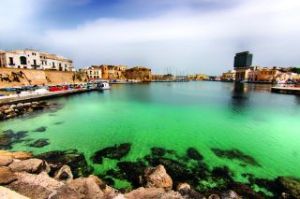
The story of Gallipoli, ‘the beautiful city’

gallipoli

Greek studies professor Chris Mackie tracks a number of Greek influences at Gallipoli

If you do a historical study of the Gallipoli battlefields, or even if you are just a passing visitor to the sites, one of the first things to strike you is all the different names.

At the Anzac battlefield many of the names that are most familiar to us were coined by the soldiers in 1915, and they help to tell their story of the conflict – Quinn’s Post, Walker’s Ridge, Russell’s Top, Lone Pine, the Sphinx, and so forth.

The Turks, of course, have their own names for those landmarks, and in some cases these help to reveal their sufferings in the war (Quinn’s Post is Bomba Sirt [‘Bomb Spur’], and Lone Pine is Kanli Sirt [‘Bloody Ridge’]. In some cases the allies used the Turkish names for specific features of the landscape, and these are now part of the English vocabulary of the campaign – names such as Kum Kale, Ari Burnu, Gaba Tepe, Seddulbahir and Chunuk Bair.

Another layer of complexity in the use of names in the region is that Greek-speaking peoples lived here from early antiquity – probably from some time in the seventh century BC. The Dardanelles waterway (the Hellespont) was seen by the Greeks as a natural boundary between their world and that of the barbarians, especially the Persians, and so the region has a crucial symbolic role to play in notions of Greek self-identity.

The Greek presence on Gallipoli was not just an ancient phenomenon. They continued to live there right through into the modern era, until just before the first world war.

Two censuses undertaken just before the war show that Winston Churchill’s 1915 assault was on a place where the Greek language had been more widely spoken than the Turkish.

Reminders of the presence of the Greek community can still be seen in occasional physical remains of their lives there, and in some of the names that were used for landmarks in the region. The name Krithia, for instance, in the south of the peninsula (now called Alcitepe), which was totally destroyed in the campaign, comes from the ancient Greek ‘kri’ (meaning barley), which presumably was the characteristic crop, even in antiquity.

Madytos (or Maidos), now called Eceabat, was another well-known Greek village, known for its brick-making. The Department of Veterans’ Affairs-supported Historical and Archaeological survey of the Gallipoli battlefield, of which I am a part, has found evidence of the Greek presence on the peninsula, including bricks from Madytos made prior to the war.

Some of the names used by the allies, therefore, are derived in one way or another from ancient Greek – including Helles, and Dardanelles and Gallipoli. Cape Helles is cognate with the name Hellespont (sea of Helle), which appears all through The Iliad (although there is no reference in Homer to the charming myth of Helle falling into the sea from the golden fleece, which explains for the Greeks how the Hellespont received its name).

The name Dardanelles is obviously a modern coinage going back ultimately to references to Dardanus in The Iliad. Dardanus is the son of Zeus and the first king of the city when it was located on Mount Ida. He is briefly referred to by Aeneas in Book 20 of The Iliad, and he is an important background figure in the saga of Troy.

The name Gallipoli comes from the Greek ‘Kallipolis’, which means beautiful city or beautiful town. Strictly speaking, it refers to the city further up the peninsula across the waterway from Lampsachus, or, as it’s now known, Lapseki.

There were lots of Kallipolises in antiquity, including one further south on the west coast of Turkey near Kos, and one in South Italy. The founders of these cities obviously wanted to identify them as beautiful from the beginning, hence the name.

The Turks to this day retain the original Greek name in their modern name Gelibolu.

The beauty of Gallipoli

When you use the word ‘Gallipoli’, or ‘Gelibolu’, you are not only speaking ancient Greek – after a fashion; you are unconsciously evoking the idea of physical beauty (Kalli-). Originally, it was the Greek town itself that was meant to be beautiful, but because of its size as the largest modern settlement, the name Gallipoli came to identify (in English) the whole peninsula.

The idea of beauty that is embedded into the name of the town also has its application to the peninsula as a whole. Even in antiquity the peninsula had a reputation for its beauty. Xenophon described it as “beautiful” (kalê, as in Kallipolis) and “prosperous” (eudaimôn). The Athenians, and others, saw the region early on for its excellent agricultural potential, and they used it accordingly.

An appreciation of the beauty of Gallipoli – the peninsula – was not confined to antiquity. It has an important part to play in some accounts of the campaign in 1915.

Strange as it may seem, many participants at Gallipoli took the time out to ponder the beauty of the landscape. This seems to have been particularly true of the Australian response to the Gallipoli landscape. As one Australian Gallipoli historian, P.A. Pederson, puts it:

“The beauty and strange serenity of the Peninsula, even during the most bitter fighting, were paradoxes which struck many who served in the Dardanelles. Few men tired of watching the magnificent sunsets.”

The view from the trenches

One of the most striking things about the published diary of the campaign by the Australian sapper Cyril Lawrence is the repeated reference to the beauty of the setting, first Egypt, then the Greek islands, then Gallipoli.

When his hard work on the trenches began at Gallipoli, Lawrence usually tended to confine his comments to the lovely summer weather; “the sunset was simply glorious; jingo it was fine” (May 28); “glorious morning” (June 8); “today is just glorious again. It has ever since we landed here been perfect” (July 1).
Later on he writes about “another glorious day. Surely this place, once popularised, would be a great rival to Nice or Cannes. It’s magnificent”.

Lawrence himself was a sapper in an engineering unit, and spent much of his time digging underground. His was a very difficult lot, but he appreciated the landscape around him, as did many others of the Australians. In their letters home and in their diaries, many men made similar comments.

The correspondent Charles Bean, who had done Classics at Oxford and became the official Australian historian of the war, was certainly one person who appreciated the austere beauty of the Gallipoli landscape. Indeed, it seems to have had an impact on his whole perception of the campaign.

When he went back to Turkey in 1919, after the western front, Bean saw the peninsula from his ship at a distance, and he wrote of his delight in seeing its hills: “… they were the hills of the Dardanelles, and at that moment I, for one, was poignantly homesick for them.”

In some ways this is quite a remarkable thing to say for a place that saw an allied defeat, and was the setting for so much death and misery. Nonetheless, the Mediterranean setting of the campaign – the blue water, the sunrises and sunsets, the islands and the beaches, the old villages, the foliage, the hills and ravines – all these made their impression on the men at the time.

And they all played their part in the way that the campaign would be remembered in the period afterward – or so it seems to me.

My own view is that the beauty of the Dardanelles landscape, and the ancient context of the campaign – especially the fact that Troy is across the waterway – have fed into the myth-making aspect of the Gallipoli story in Australia.

The imagination of some Classicists at Gallipoli, especially some British writers, was given full expression by Troy’s proximity.

In his diary entry of May 3 1915, John Gillam contemplated the fighting around him at Helles in the context of the Trojan war across the waterway:

“At night as the moon rises to the full, the picture is perfect. The coast of Asia – that land of mystery and romance, with the plains of Troy in the background, immortalised for ever by the sweet singers of ancient Greece. One can almost picture those god-like heroes of the past halting in those titanic fights which their shades perhaps wage nightly in the old battlefields of Troy, halting to gaze in wonder and amazement on the strange spectacle unfolded before them – modern war, that is, and all its attendant horrors.

Hector, Achilles and Agamemnon in their golden harness – their old enmities forgotten – must surely gaze in astonishment on the warlike deeds and methods of another age than theirs.”

Homer’s Gallipoli

The idea of a war taking place in a beautiful setting, of course, has its mythical parallel in Greek epic accounts of the struggle for Troy. In The Iliad the beauty of the natural landscape around Troy, not to mention the city itself, serves as a fundamental background to the horrors that take place on the battlefield: “The heroic landscape is fittingly beautiful.”

So the rivers at Troy are lovely, fine horses graze on the beautiful fields, the city itself is rich, sacred, and beautiful. Mount Ida is lofty and beautiful and with abundant timber – the appropriate location for Zeus, the king of the gods, to spend much of his time in the poem.

The Greek epic poets tended to idealise the world of their warriors, such that it was quite distinct from the everyday world of their audiences. Everything tends to be larger, better, and more beautiful than within the poet’s own world.

The Iliad ends before the final acts in the life of the city are played out, but the loveliness of the physical setting at Troy plays its part in anticipating the terrible loss to be endured by the defeated. And in the case of the Trojans, they lose everything.

A national epic

In the 20th century in Australia Gallipoli became the nearest thing to a national epic. It became a special conflict around which many people could rally to express their national identity, not unlike the way that the Greeks rallied around the story of Troy, or the Persian wars, or Alexander’s eastern conquests.

British writers such as John Masefield and Compton Mackenzie even compared the Australian men with heroes from old poetry – and they did so with considerable hyperbole.

In the case of Homer he was not just a good poet. The Iliad manages to capture the essence of what it means to be Greek. The great issues of human existence are its subject – life and death and family and community – and the action is played out in a beautiful and exotic setting in a war against a foreign adversary.

We may be thankful there were no epic poets around about in Australia to tell the tale of Gallipoli. But epics can be formed without the need for poets skilled in formulaic verse structures. The creation of a national epic in the modern context is a social phenomenon, not so much a poetic one.

It is not determined by a single hand, or by a group of good poets, but by a much broader collective impulse. And in the case of Gallipoli the mechanisms and genres of modern society played their parts in the process – literature and historiography, art and architecture, film, political discourse.

The result has been that Gallipoli’s place in the psyche of modern Australia is nothing short of astonishing. If you explore this phenomenon of epic formation against a background of comparative epic poetry from many countries, it becomes clear that it is an ancient process manifesting itself within a modern social context.

The other side of this process of epic formation in the case of Gallipoli was that people were inclined to turn away from the western front, for all its unrelenting horror. It is hard to grasp, intellectually or psychologically, the extent of the losses on both sides in France and Belgium.

If the perceived physical setting of Gallipoli was well-suited for a national epic of heroism and suffering, and courage in the face of adversity, the western front was seen as far too real and far too confronting.

No sea to cross, no beaches or hills to scamper up, little in the way of a tactical struggle. No stark heights and ravines to confront. No Aegean sun beating down. No exotic Troy just across the waterway. No obvious beauty in the landscape. Just the reality of terrible and scarcely imaginable slaughter on the grey, flat plains.

Distortions of the classical prism

We classicists are sometimes accused of seeing the modern world through a kind of classical prism, so that modern events are made to conform to ancient ideas and patterns. The accusation is not at all unreasonable, especially in my case.

The Greek writers and mythmakers have a lot to say about war. Some of the most imaginative treatments of the subject of war come from ancient Greece. It is through war narratives that the Greeks tended to investigate the world through the Trojan war, the Persian wars, the Peloponnesian war, and so forth.

They don’t confine their narratives to the fighting itself, of course. But rather, they always have one eye on the broader human implications of it all.

Why do we fight wars? What happens to human society when we do? How is it that we perpetrate terrible acts on one another? What are the consequences for the people who do so?

It is very revealing about Greek attitudes to this subject that in their pantheon of gods they had two gods of war, not just one. These two gods represent different, though not mutually exclusive, aspects of warfare.

First there is the beautiful Athena, daughter of Zeus, born from her father’s head, the goddess of courage and heroism, wisdom and strategy. In Homer she combines the idealised attributes of the male in human society – especially beauty, courage and heroism – together with the ideal female aspects of beauty, loyalty and wisdom.

The other war god is Ares, a son of Zeus and Hera. He is god of the blood and the guts and the cruelty of war. In The Iliad he is defeated by a human warrior, Diomedes, together with Athena’s help. After he is defeated he scurries back to Olympus, only to receive abuse from his father Zeus.

It says a lot about the Greek attitude to war that Ares is humiliated in both Homeric poems, The Iliad and he Odyssey. To the Greek mind, Athena could represent something good about war, which people could aspire to and admire. Her presence and her identity signify that there can be major social benefit from courage and steadfastness and wisdom in war.

Athenian mythology even made Athena a divine participant in the battle against the Persians at Marathon. The glory of that battle, so few against so many, could be attributed to her support. But Ares, in his main function, was the terrible face of human suffering in war.

Gazing at the beauty of Gallipoli

We don’t have gods of war today, but heroism and courage and strategy still operate alongside the gruesome realities of the killing and the wounding. The process of epic formation and heroisation almost always privileges the former over the latter.

An epic such as Homer’s Iliad is not grounded in the actual horrors that occur in the war, despite the fact that these take place all around. Rather, it is grounded in the perceived higher levels of military conduct within it – the courage and the passion, the determination and the renown.

The process by which history is turned into myth, or into epic, usually involves us fixing our gaze upon Athena, rather than looking Ares full in the face. And this has been the experience with Gallipoli in Australia. When we ask ourselves why Gallipoli is the subject of so much myth-making, rather than the western front, it is worth bearing the dichotomy of Athena and Ares is mind.

The characteristic beauty and nature of the landscape of the Dardanelles, and the adjacent world of Homer’s Troy, both feed into the narrative in an irresistible kind of way as a fitting place for heroic conduct.

* Source: http://theconversation.com/long-read-gallipoli-the-beautiful-city-29581

* Chris Mackie is professor of Greek Studies and head of the School of Humanities at La Trobe University.

source:neos kosmos

Greek teacher trapped in Nepal reportedly safe

foto_clio_lifo

She can now return to her family and friends.

Clio Roussomoustakaki is a young teacher from Sitia (Crete), who originally went to Nepal for vacations with her sister and her boyfriend but stayed to to teach English to poor children of a small village.

The group arrived in Nepal fifteen days before the devastating catastrophe hit Kathmandu.

Clio’s sister left the country a few days ago, but Clio stayed in Nepal with her boyfriend, because as she told her mother, the faces of the Nepalese children had made her heart melt and she wanted to volunteer and help the community.

The woman is reportedly safe and returning to Greece.

“I am fine but the infrastructure of the country has been damaged, due to the strong earthquake and aftershocks,” Clio told Lifo.

She also mentioned her that the airport was closed. She wlaked for two hours to reach the closest village and find a way to inform her family via the web.

“I would love to stay here and help, but it is impossible,” Clio added.

“I am in Lamjung, an area quite close to the centre of the quake, but in the village people aren’t panicking.”

“I realised the magnitude of the catastrophe when I went to the city seeking internet connection to tell my family I’m safe,” she told.

People were screaming and running terrified. I myself got extremely scared at times even though I still haven’t seen what happened to Kathmandu.”

source:neos kosmos

Ντάισελμπλουμ: Υπάρχει στην ευρωζώνη «plan B» για την Ελλάδα

93F8B078473DCEBBDB2C03CCE47E1B2C

Η ευρωζώνη ετοιμάζεται για διάφορα αποτελέσματα που θα μπορούσαν να υπάρξουν στις διαπραγματεύσεις μεταξύ της Αθήνας και των δανειστών, είναι η νέα -μη συμβατή με το ρόλο του, αλλά και με την επίσημη γραμμή των Βρυξελλών-, δήλωση του επικεφαλής του Eurogroup, Γερούν Ντάισελμπλουμ.

Ο ομιλητικότατος Ντάισελμπλουμ, συστήνει δε στην ελληνική κυβέρνηση να αφιερώνει λιγότερο χρόνο σε συνεντεύξεις και περισσότερο για να αποφύγει την άβυσσο.

Όπως αναφέρει το Reuters, ερωτηθείς για το εάν υπάρχει plan B για την Ελλάδα, ο Γ.Ντάισελμπλουμ απάντησε: «το ερώτημα είναι εάν η Ολλανδία ετοιμάζεται ή αν η ευρωζώνη ετοιμάζεται για διάφορα ενδεχόμενα; Η απάντηση είναι ναι».

Όμως η παραδοχή αυτή του Ντάισελμπλουμ έρχεται σε πλήρη αντίθεση με την επίσημη γραμμή των Βρυξελλών, με την Κομισιόν να εκφράζει την ικανοποίησή της για την επίσπευση και εμβάθυνση των διαπραγματεύσεων και τον πρόεδρο Ζαν Κλοντ Γιούνκερ να τονίζει δοθείσης ευκαιρίας ότι αποκλείει ως ενδεχόμενο το Grexit, χωρίς βεβαίως αυτό να τον εμποδίζει να ασκεί και πιέσεις στην Αθήνα για επίτευξη συμφωνίας. Με τον Επίτροπο Οικονομίας, Πιέρ Μοσκοβισί, στην ίδια γραμμή, να λέει ότι Grexit δεν εξετάζεται και ότι έχει απαγορεύσει στην Κομισιόν να έχει plan B για την Ελλάδα, προειδοποιώντας για τους κινδύνους που θα είχε έξοδος της Ελλάδας από την ευρωζώνη. Και ο πρόεδρος όμως της ΕΚΤ, Μ.Ντράγκι, είπε ότι δεν θέλει ούτε να διανοηθεί το ενδεχόμενο Grexit, προειδοποιώντας ότι σε μια τέτοια περίπτωση η ευρωζώνη θα έμπαινε σε αχαρτογράφητα νερά.

Εκ δια μέτρου αντίθετη στάση από τον Ντάισελμπλουμ σχετικά με την ύπαρξη Plan B για την Ελλάδα κρατούν και οι ΗΠΑ, ξεκαθαρίζοντας πρόσφατα ότι το Grexit είναι ένα πείραμα που δεν θέλουν να δοκιμάσουν.

Τέλος, ακόμη και ο οίκος αξιολόγησης Moody’s, που μόλις χθες υποβάθμισε την Ελλάδα, προστέθηκε στο πλήθος οικονομολόγων, αναλυτών, πολιτικών που μιλούν για κόστος που δεν μπορεί να προβλεφθεί σε περίπτωση Grexit, υπενθυμίζοντας μεταξύ άλλων τι έγινε το 2008 όταν κάποιοι στις ΗΠΑ υποτίμησαν τις επιπτώσεις από τη χρεοκοπία της Lehman.

Σύσταση στην Αθήνα

«Η ελληνική κυβέρνηση καλό θα είναι να αφιερώνει λιγότερο χρόνο σε συνεντεύξεις και περισσότερο για να αποφύγει την άβυσσο» λέει ακόμη ο Ντάισελμπλουμ, απευθύνοντας σύσταση -που μάλλον όμως πρέπει πρωτίστως να ακολουθήσει ο ίδιος, καθώς οι καθημερινές -συχνά άστοχες και επικίνδυνες- δηλώσεις του γεμίζουν σελίδες επί σελίδων του Τύπου, χωρίς να είναι λίγες οι φορές που έχουν αναστατώσει τις αγορές ή τους καταθέτες προκαλώντας αρνητικές οικονομικές επιπτώσεις.

Πηγή: in.gr

Ακιντζί: Έτοιμος να συζητήσει την επιστροφή της Αμμοχώστου στους Ελληνοκυπρίους

akintzi_707570691

Έτοιμος να συζητήσει την επιστροφή της Αμμοχώστου στους Ελληνοκυπρίους δήλωσε ο Μουσταφά Ακιντζί, ο νικητής των εκλογών στο κατεχόμενο τμήμα της Κύπρου, κατά την ομιλία του αμέσως μετά την εκλογική του νίκη.

Όπως είπε, η επιστροφή θα γίνει στο πλαίσιο ενός πακέτου που θα περιλαμβάνει την νομιμοποίηση της λειτουργίας του λιμανιού της Αμμοχώστου και του αεροδρομίου Ερτζιάν.

Ο κ. Ακιντζί ανέφερε ότι η νίκη του δεν αφορά μόνο τους Τουρκοκυπρίους, αλλά όλο τον κυπριακό λαό και τόνισε ότι η ομοσπονδιακή Κύπρος θα πρέπει να αποτελείται από «δύο ίσα ιδρυτικά κράτη».

Ακόμη έκανε σαφές ότι δεν θα συγκρουστεί με την Τουρκία και δήλωσε ότι ζητά από αυτή να επιτευχθεί ομοσπονδιακή λύση με αμοιβαίο σεβασμό.

Τον νέο ηγέτη της τουρκοκυπριακής κοινότητας συνεχάρη τηλεφωνικά ο Κύπριος πρόεδρος Νίκος Αναστασιάδης.

Σε δηλώσεις στο ΡΙΚ ο κυβερνητικός εκπρόσωπος Νίκος Χριστοδουλίδης ανέφερε ότι η ελληνοκυπριακή πλευρά αισιοδοξεί για ειλικρινή και ουσιαστικό διάλογο με στόχο τη λύση του Κυπριακού, πάντοτε με την ενεργό εμπλοκή της Άγκυρας.

«Το αμέσως επόμενο διάστημα», πρόσθεσε, «θα έχουμε την ευκαιρία να διαπιστώσουμε στην πράξη τις πραγματικές προθέσεις του Μουσταφά Ακιντζί».

Η νίκη του κεντροαριστερού πολιτικού στον δεύτερο γύρο των εκλογών χαρακτηρίστηκε θριαμβευτική, αφού συγκέντρωσε ποσοστό 60,5% έναντι 39,5% του που συγκέντρωσε ο Ντερβίς Έρογλου

Ο απερχόμενος Τουρκοκύπριος ηγές δήλωσε έτοιμος, εάν και ο κ. Ακιντζί το ζητήσει, να τον συμβουλεύσει και για τις προτάσεις που υπάρχουν στο τραπέζι των συνομιλιών και για τα αποτελέσματα των διαπραγματεύσεων μέχρι τώρα.

Ο κ. Έρογλου υποστήριξε ότι κατά την πενταετή του θητεία οι διαπραγματεύσεις στο Κυπριακό «ήρθαν στο σημείο της συνδιαλλαγής και αυτό είναι σημαντικό».

Πηγή: madata.gr