Category Archives: Uncategorized

Προκλητικές και ανιστόρητες δηλώσεις βουλευτή του Περθ

alannah

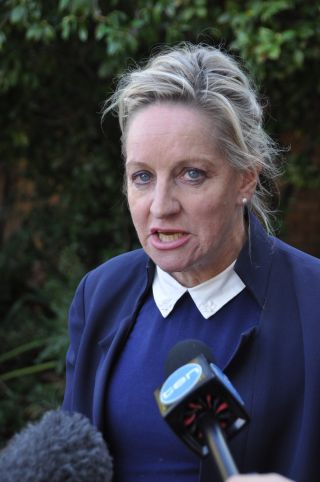
Η ομοσπονδιακή βουλευτής Alannah MacTiernan, συνεχίζει τη σκοπιανή προπαγάνδα μέσω ηλεκτρονικής αλληλογραφίας.

Στις συνεχείς προσπάθειές της να επηρεάσει την θέση της Αυστραλίας σχετικά με την αναγνώριση της Πρώην Γιουγκοσλαβικής Δημοκρατίας της Μακεδονίας με το όνομα “Μακεδονία”, η ομοσπονδιακή βουλευτής του Εργατικού Κόμματος, Alannah MacTiernan, χρησιμοποίησε μερικές αμφιλεγόμενες ερμηνείες της Ιστορίας, δηλώνοντας ότι δεν είναι ξεκάθαρο το κατά πόσον οι αρχαίοι Μακεδόνες μπορούν να χαρακτηριστούν Έλληνες.

Τα συγκεκριμένα σχόλια εμφανίστηκαν σε email που απέστειλε η βουλευτής σε έναν μη κατονομαζόμενο Ελληνοαυστραλό πολίτη, ο οποίος εξέφρασε την ανησυχία του σχετικά με τις θέσεις που διατύπωσε η βουλευτής για το ζήτημα του ονόματος του κρατιδίου, οι οποίες δημοσιεύτηκαν στο Σκοπιανό “Αγγλόφωνο Μακεδονικό Πρακτορείο Ειδήσεων”, ως απάντηση στα “επιχειρήματα Ελληνικής καταγωγής βουλευτών του Εργατικού Κόμματος”.

Μιλώντας στο “Νέο Κόσμο”, η βουλευτής αρνήθηκε ότι οι παρατηρήσεις της απευθύνονταν σε Αυστραλούς πολιτικούς. “Σαφώς έγραψα τα σχόλια, αλλά η πληροφορία ότι αποτελούν απάντηση σε κάτι που είπε ένας Ελληνοαυστραλός πολιτικός, είναι ανοησία” δήλωσε η κ. MacTiernan. “Είναι μύθευμα”.

Η βουλευτής πρόσθεσε ότι, σε συνέχεια της κάλυψης από τα Μέσα Ενημέρωσης της επίσκεψής της στο Woolongong τον περασμένο μήνα, στο πλαίσιο της οποίας εξέφρασε την υποστήριξή της στην προσπάθεια αναγνώρισης του ονόματος “Δημοκρατία της Μακεδονίας” από την Αυστραλία, έχει δεχθεί πλημμύρα επικρίσεων, πολλές εκ των οποίων εξαιρετικής σφοδρότητας, μέσω ηλεκτρονικού ταχυδρομείου και των μέσων κοινωνικής δικτύωσης, από Αυστραλούς ελληνικής καταγωγής.

Απαντώντας μέσω ηλεκτρονικού ταχυδρομείου σε έναν από τους επικριτές της, η βουλευτής απάντησε: “Στις αναφορές της κλασικής αρχαιότητας, οι Μακεδόνες κατέκτησαν τους Έλληνες και τους ένωσαν κάτω από την σημαία του βασιλείου της Μακεδονίας, η οποία στην συνέχεια εξελληνίστηκες” έγραψε, προσθέτοντας ότι “η μάχη της Χαιρώνειας, στην οποία οι Μακεδόνες νίκησαν τους Έλληνες το 338 π.Χ., θεωρείται ως το τέλος της Ελληνικής ιστορίας και η αφετηρία της Μακεδονικής εποχής”.

Η κ. MacTiernan συνέχισε, παρομοιάζοντας την Ελληνική Μακεδονική ταυτότητα με εκείνη των Ιρλανδών Κελτών και τις συνέπειες της εισβολής των Βίκινγκ, λέγοντας ότι “η πολιτισμική νίκη των κατακτημένων δεν είναι ασυνήθιστη – οι Βίκινγκ εισέβαλαν στην Ιρλανδία, αλλά γρήγορα υιοθέτησαν τον Κέλτικο πολιτισμό”.

Η βουλευτής πρόσθεσε ότι τα γονίδια των Ελλήνων Μακεδόνων και “εκείνων από την δημοκρατία είναι πολύ πιθανό να παρουσιάζουν μεγάλες ομοιότητες” και ότι δεν θεωρεί ότι οφείλει να “διαλέξει μεταξύ των Ελληνοαυστραλών και των Μακεδονοαυστραλών”.

Αυτή η τελευταία παρέμβαση της κ. MacTiernan στην διαμάχη για την μακεδονική ταυτότητα -και την σχέση της με την Αυστραλία- είναι εξαιρετικά απίθανο να οδηγήσει σε συνάντηση των δύο πλευρών. Ο συντονιστής του παραρτήματος του Αυστραλο-Ελληνικού Συμβουλίου στην Βικτώρια, κ. Παναγιώτης Ιασωνίδης, περιέγραψε τα σχόλιά της ως “ανερμάτιστα και οπορτουνιστικά” και πρότεινε στην κ. MacTiernan να “κρατήσει αποστάσεις από το μεροληπτικό πολιτικό παιχνίδι και να δει την ιστορία μέσα από ε΄να μη πολιτικό πρίσμα, όπως έχει γραφτεί από διεθνώς αναγνωρισμένους ιστορικούς και όχι από προπαγανδιστές στρεψόδικους πολιτικούς σχεδιαστές”.

Κληθείς να σχολιάσει την ακρίβεια της ιστορικής ανάλυσης της κ. MacTiernan, ο ομότιμος καθηγητής του Πανεπιστημίου της Δυτικής Αυστραλίας και ειδικός στην Βαλκανική Ιστορία, John Melville-Jones, δήλωσε στον “Νέο Κόσμο” ότι ένα μέρος των δηλώσεών της αποτελεούν είτε μονομερείς ερμηνείες είτε υπερβολές.

“Δεν θα της έδινα βαθμό πάνω από την βάση στην Αρχαία Ιστορία” είπε. “Η υπόθεση περί ομοιότητας των γονιδίων των Ελλήνων Μακεδόνων και εκείνων από την δημοκρατία είναι υπερβολική. Μπορεί να ισχύει σε ορισμένα μέρη, όπως για παράδειγμα στην Φλώρινα, αλλά σίγουρα δεν είναι αληθές για το σύνολο της Ελληνικής Μακεδονίας”.

Πηγή:Νέος Κόσμος

The end of an era: The sale of the Pansamian House

pansamian_0

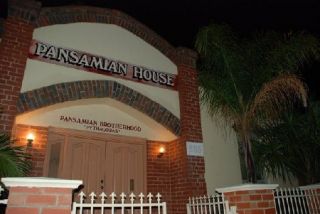
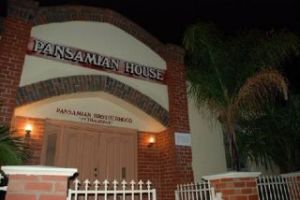
The Pansamian Brotherhood headquarters.

“If we allow non-Samians to join our committee, we open up the floodgates. Next thing you know, you will be receiving letters from the Brotherhood signed yours sincerely, Mehmed Mahmoud, president.”

This was the concluding speech of the president of the Pan-Samian Brotherhood ‘Pythagoras’ at a general meeting in the early ’90s, to discuss whether non-Samians should be permitted to participate in the running of the club. It was met with rapturous applause, my father’s question, “why on earth would Mehmed Mahmoud want to run our club?” being met with self-confident silence. After all, we were at the apex of our organised existence. Our clubhouse was well on the way to being paid off, we had just become affiliated with the Italian ‘Samo,’ club, whose members derived their origins from Samian colonists in southern Italy, and our functions, which took place every week for the purpose of raising the requisite funds to pay off the club premises were extremely well attended.

Unlike the case in many other clubs, Greek political ideologies seemed to be of little importance to the members. Nor was the attainment of the presidency an object of universal lust, despite the existence of several power-brokers to whom the executive positions seemed naturally to devolve. Instead, the pleasure of other Samians’ company and above all, the sampling of decent food seemed to the key aims of its members, creating a convivial atmosphere far removed from the skulduggery and polarisation that blighted other Greek organisations during their ‘Golden Age’.

It was through the Pan-Samian Brotherhood that I learned that my family was connected to other families, through bonds that pre-dated our arrival in Australia. Seated at a table during a function, old men would approach and kiss my head. Enquiring as to their identity as well as the source of their sentiment, my father would offer glimpses into an unknown past: “That one there was your grandfather’s shepherd. When pappou left for Australia, he gave him his entire flock. This one was a good friend of your grandfather’s back in the village. He stayed in our home for a few years when he arrived in Australia.” According to my way of thinking, such knowledge of prior relationships and obligations served to create binding ties down the generations and I found it surprising that my contemporaries seemed to be totally uninterested in exploring these.

Devouring the books of the meagre Pan-Samian library, I was astounded to learn how rich and diverse the history of my island of origin actually was. A world naval power in the time of Polycrates, it was the home of a plethora of great ancient poets, architects and mathematicians. Eupalinos, in particular, was the engineer of a marvel described in the histories of Herodotus: the second known tunnel in history, which was excavated from both ends and the first with a methodical approach in doing so. One of Samos’ sons, Ioannis Heraclides, became the first Protestant king of Eastern Europe. Furthermore, it was a bastion of fierce resistance during the Greek revolution, and the scene of the miracle of the Battle of Geronta, where doughty Samian fighters prevented the landing of Ottoman troops on the island, and in the process, also prevented a genocide such as that which took place in Chios.

This miracle was reinforced in the psyche of our members, by the positioning of a large, cartoon-like mural on our clubhouse wall, with the faces of the Ottomans being depicted with the twisted gruesomeness of a German mediaeval painting. I also found my family surname among the roll call of those who attended the Samian meeting that determined that the island would join the Greek Revolution. This conflicted with family lore, for my grandfather’s family had its roots in Aydin of Asia Minor and my grandfather was in Aydin during the Catastrophe, and this fascinating inconsistency has never been satisfactorily resolved, for all of my grandparents’ contemporaries are now long gone. As if all this was not enough, prior to uniting with Greece in 1913, Samos was an independent principality for almost a century, whose official language at one time was Esperanto and a leading world exporter of tobacco.

At Christmas time, I would take my violin and, with my cousins, would travel to the homes of members all around Melbourne in order to sing them the Greek Christmas carols and raise money for the club. This involved a) acquiring a sufficient repertoire of carols so as to not render ourselves senseless through repetition and b) getting to know a vast number of people who spoke with the same drawl and clipped consonants as my grandparents did and who displayed the same open-hearted hospitality. All Greeks were our people, but these were especially so, and even today, I have run into not a few persons who I had hitherto forgotten, who still remember our Christmas carol visits.

The Samian drawl, which is still the primary means of communication in my house, is barely spoken in the Pan-Samian clubhouse nowadays. Along with the Ithacans, the Samians are among the most ancient of Greek communities in Melbourne and my parents’ generation, who arrived in Australia in the ’50s and ’60s, have grown up and were educated here. They find it easier to express themselves in English, although in Cavafian style, they feel guilty for doing so. When they get together in ever-dwindling numbers for the same type of dinner dances that the club has held of the past 70 years, or write letters in what amounts to pidgin-Greek, one gets the feeling that this is an ersatz form of Hellenism, a Poseidonian cultural calque full of ennui before an imminent fall. It was thus fitting that the most recent extraordinary general meeting of the club, where it was determined to sell the clubhouse, was convened in English.

The sale of the clubhouse, owing to increasing overheads and a lack of income as a result of a dwindling membership, has been cited as proof of the irrelevancy of Greek organisations that have as their basis a regional identity. This regional identity is widely held to be inimical to the construction of a viable Greek Australian identity that will see us through the future and indeed, as a cause of disunity.

I beg to differ. There is richness and uniqueness in our regional cultures and their diversity gives depth and lustre to the shared culture of all of us. There is significance in the shared and remembered experiences of our ancestors and how they related to each other in our homelands. There is also magic in being able to maintain and create relationships of mutual assistance and obligation based on those past experiences that root us firmly not only within our ancestral culture but our birth culture as well. These are not things that should be dismissed lightly; if anything they are the foundations of our identity and the glue that holds us together. After all, the proposition that Greek culture is unified is fallacious and dangerous, leading as it does to an artificial and embarrassing construction, devoid of life.

Sadly, we have all squandered the opportunities given to us to make the most of our regional organisations, usually because of a particularly vicious form of infighting occasioned by certain power-brokers utilising such clubs as a vehicle for the promotion of their own egos, or as a form of wish fulfilment, given that many such clubs were run as mini-parliaments for would-be politicians.

This is does not apply in the cases of the Samians, however. Instead, it is age, complacency, insularity (in that the older generation could not see how they could interweave the activities of the club within the fabric of the broader Greek community), a lack of celebrating their diversity and an inability to foresee the way latter generations would adopt a superficial, disparaging view of their mother culture before rejecting it almost wholesale, that has brought them to the brink. And yet it is not too late, for there are many such as I who remember growing up within the love and security of the Samian community with extreme fondness and nostalgia. It is time to resurrect that sense of community.

I drive past the premises of the Nisyrian Brotherhood on Sydney Road, Brunswick at least thrice a week. Never have I seen the premises open and yet the sign on the door proclaims forbiddingly: ‘Nisyrian Brotherhood: Panayia Thermiani: MEMBERS ONLY.’ While a rationalisation of community assets may be beneficial and indeed inevitable, we, just like our ancestors since times ancient, are a conglomeration of regional, some time conflicting but always fascinating, identities. We would disregard these and their legacy at our peril. Our challenge lies in sharing rather than isolating these identities and celebrating their eccentricities. Their discovery, in all their multifarious Samian forms, ultimately form the reason why I chose to be Greek.
*Dean Kalymniou is a Melbourne solicitor and freelance journalist.

source:Neos Kosmos

Macedonian history email lands MP in strife

Macedonian history email lands MP in strife

Federal MP Alannah MacTiernan in Perth last month. Photo: AAP/Sarah Motherwell.


Parliamentarian’s dip into contested narratives receives Skopje spin.

In her ongoing efforts to change Australia’s position of the renaming of the Former Yugoslav Republic of Macedonia, federal Labor’s Alannah MacTiernan entered the realm of highly-contested historical interpretation this week, saying it was not clear if “the original Macedonians can be described as ‘Greek'”.

The comments, written in an email to an unnamed Greek Australian who expressed his concern over the MP’s position on the naming issue online, were subsequently published by the Skopje-based ‘Macedonian English Language News Agency’ as Ms MacTiernan’s response to “voiced arguments by Greek politicians from her Labor Party”.

Speaking to Neos Kosmos, however, the MP refuted any suggestion that the remarks had been made in relation to any Australian politician.
“There’s no doubt I wrote the comments, but to say they were made in response to something a Greek Australian politician said is complete nonsense,” said Ms MacTiernan. “It’s a fabrication.”

The MP added that after press coverage of her visiting Woolongong last month, where she expressed her support for recognition of the name ‘Republic of Macedonia’, she had been inundated with critical comments – by email and through social media, many of which were abusive – from Australians of Greek heritage.

In her retaliatory email to one critic, she was spurred to respond: “In classical accounts, [the original Macedonians] conquered the Greeks and unified them into the Macedonian kingdom, which was then Hellenised,” wrote the member for Perth, before adding that “the Battle of Chaeronea, where the Macedonians defeated the Greeks in 338BC, was said to mark the end of Greek history and the beginning of the Macedonian era”.

Ms MacTiernan went on to equate the notion of Hellenic Macedonian identity with that of Irish Celts and the effects of Viking invasion, saying that “cultural victory of the vanquished is not unusual – the Vikings invaded Ireland but quickly embraced Celtic culture”.

The MP added that the gene pools of Greek Macedonians “and those from the republic are likely to be very similar”, and that she did not see herself as “choosing between Australian Greeks and Australian Macedonians”.

Ms MacTiernan’s latest intervention in the debate over Macedonian identity – and Australia’s relationship to it – is unlikely to bring the two sides together anytime soon.

Victorian coordinator of the Australian Hellenic Council, Mr Peter Jasonides, described her comments as “inept and opportunistic”, and suggested Ms MacTiernan should “distance herself from playing the partisan political game, and look at history in a non-political way, as it has been written by internationally recognised historians, and not by propagandist spin-doctors”.

Asked to comment on the accuracy of Ms MacTiernan’s historical analysis, Emeritus Professor John Melville-Jones of the University of Western Australia, an independent expert on Balkan history, told Neos Kosmos a number of the statements made by the MP were either one-sided interpretations or exaggerations.

“I wouldn’t be able to give her a pass in Ancient History,” he said. “The suggestion that the ‘gene pools’ of Greek Macedonians and those from the republic are likely to be very similar is an exaggeration. This may be true of some places, for instance Florina, but it certainly wouldn’t be true of the whole of Greek Macedonia.”

source:neos kosmos

Για ελληνική προσφυγή στο Ευρωπαϊκό Δικαστήριο μιλά η Telegraph

Για ελληνική προσφυγή στο Ευρωπαϊκό Δικαστήριο μιλά η Telegraph

Στην πιθανότητα η Ελλάδα να καταθέσει αίτηση για ασφαλιστικά μέτρα στο Ευρωπαϊκό Δικαστήριο ώστε να σταματήσουν τόσο οι πιστωτές όσο και η ΕΕ να ενεργούν με τρόπο που παραβιάζει τα δικαιώματα που αναγνωρίζουν οι συνθήκες της ΕΕ αναφέρθηκαν πηγές από το ΣΥΡΙΖΑ που μίλησαν στην βρετανική Telegraph.
Δημοσίευμα της εφημερίδας που υπογράφει ο γνωστός δημοσιογράφος Αμπρόζ Έβανς – Πρίτσαρντ σημειώνει πως «πηγές από το ΣΥΡΙΖΑ ανέφεραν στην Telegraph ότι η Ελλάδα είναι πιθανόν να καταθέσει αίτηση για ασφαλιστικά μέτρα στο Ευρωπαϊκό Δικαστήριο ώστε να σταματήσουν τόσο οι πιστωτές όσο και η ΕΕ. να ενεργούν με τρόπο που παραβιάζει τα δικαιώματα που αναγνωρίζουν οι συνθήκες στην Ελλάδα. Θα πρόκειται για μία πρωτοφανή κίνηση, η οποία θα περιπλέξει ακόμα περισσότερο την κατάσταση».

Σημειώνεται πως κατά το δημοσίευμα  η Ελλάδα κατηγορεί την Ευρώπη για συνομωσία με σκοπό αλλαγή του πολιτικού καθεστώτος στη χώρα και εμφανίζει τους πιστωτές να ετοιμάζουν τελεσίγραφο προς την ελληνική κυβέρνηση το οποίο όπως αναφέρεται ενδεχομένως να δοθεί στο Eurogroup της Πέμπτης.

Πηγή:in.gr

Ο «Μικρός Ήρωας» και ο «Μπλεκ» ξαναζωντανεύουν

6C4306A848311CEA10C5D3ED17D978ED

Σε μια εποχή όπου το σύνολο της ελληνικής κοινωνίας, προπάντων όμως η νέα γενιά, τείνει ολοένα και περισσότερο προς την αποστασιοποίηση από το χθες, τους συμβολισμούς και τις αξίες του, η είδηση ότι μια εκδοτική εταιρεία προβαίνει στην επαναδραστηριοποίηση και την αναβίωση παλαιών τίτλων δεν μπορεί να περάσει απαρατήρητη.

Όταν, μάλιστα, εμπνευστής της εν λόγω πρωτοβουλίας είναι ένας νέος άνθρωπος με επώνυμο που σηματοδοτεί μια ολόκληρη εποχή στα ελληνικά εκδοτικά πράγματα, τότε η κίνηση αυτή αποκτά ασφαλώς ιδιαίτερη αξία.

Ο Λεωκράτης Ανεμοδουράς, εγγονός του αείμνηστου Στέλιου Ανεμοδουρά, δημιουργού του «Μικρού Ήρωα» και πρωτοπόρου εκδότη, επιχειρεί να βαδίσει στα χνάρια του παππού του με σεβασμό στην παράδοση και τον αναγνώστη, αλλά και με το βλέμμα στραμμένο στο μέλλον.

Πηγή:in.gr

Bayer Hellas reps accused of bribing doctors

The logo of Germany's largest drugmaker Bayer HealthCare Pharmaceuticals is pictured on the front of its building in Berlin April 28, 2011. REUTERS/Fabrizio Bensch

A corruption prosecutor on Monday brought criminal charges of active bribery against four representatives of the Greek branch of German multinational drugmaker Bayer, as well as accessory charges against a company employee and the legal representatives of two other Greek firms.

Eleni Raikou deemed that there was enough evidence to suggest the four Bayer Hellas representatives may be guilty of bribing state doctors to promote their brand, paying them anything from 1,000 to 20,000 euros and offering perks such as free vacations.

According to the case file, more than 800 doctors and nurses at different hospitals around the country benefited from the racket, either by regularly prescribing Bayer products or by compelling the hospital where they worked to order drugs produced by the German firm.

A parallel investigation into similar allegations was also carried out in Cologne, Germany, where a Greek citizen claimed that he issued bogus invoices worth 2 million euros for Bayer Hellas from 2005-08. He also claimed that around 800 doctors were on the receiving end of the racket, confirming the findings made later by Greece’s financial crimes squad during a raid on Bayer Hellas’s headquarters.

The few dozen doctors who were identified have not been prosecuted as investigators could not find proof of sizable money transfers.

source:ekathimerini.com

Ex-IMF official says errors by lenders worsened crisis

Greece’s former representative at the International Monetary Fund, Panayiotis Roumeliotis, appeared before the parliamentary inquiry into the country’s debt and argued that Greece’s lenders have contributed to worsening the Greek crisis through the policies they advocated.

“The mistake made by lenders is that they placed emphasis on the fiscal side and high taxes, which they are continuing to do now,” he said. “This resulted in the recession.”

Roumeliotis was Greece’s envoy to the IMF when the first bailout was signed in 2010 and he claimed at the hearing that there was contact at the time between German and French officials to ensure that there would not be a restructuring of Greece debt as much of it was held by German and French banks.

“They took too long to restructure Greece’s debt,” he said. “We should have fought for this from the start.”

source:ekathimerini.com

Tsipras refuses to give ground in halted talks

Prime Minister Alexis Tsipras is due to speak to SYRIZA MPs on Monday amid growing pressure from lenders to accept their proposal for breaking a deadlock in bailout talks, which the Greek leader has so far refused to consider.

SYRIZA’s parliamentary group is due to convene at 1 p.m. Tuesday in the wake of talks between a Greek delegations and representatives of the country’s lenders failing to achieve a breakthrough in Brussels over the weekend. Before speaking to his lawmakers, Tsipras is due to meet the new PASOK leader, Fofi Gennimata, To Potami chief Stavros Theodorakis and New Democracy deputy Dora Bakoyannis.

Ahead of these meetings, Tsipras remained defiant Monday. He issued a statement saying that his government would not give in to demands for pension cuts. “One can only suspect political motives behind the institutions’ insistence that new cuts be made to pensions despite five years of pillaging by the memoranda,” the prime minister said in his statement.

“We will patiently wait for the institutions to adhere to realism. This is not a matter of ideological stubbornness. This is about democracy,” said Tsipras.

His comments were echoed by spokesman Gavriil Sakellaridis in his regular press briefing. “We have largely reached our limits,” he said, adding that the country’s lenders would have to show a willingness to compromise before Athens could offer any more concessions.

Despite the breakdown of the Brussels discussions, the Greek proposals leaked by Kathimerini showed that Athens has now accepted the lenders’ primary surplus targets of 1 percent of GDP for this year and 2 percent of GDP in 2016. Where there are still major differences is in the adjustments needed to value-added tax and cuts to pensions in order to hit those targets.

The Greek delegation left Brussels on Sunday with a difference of 1.2 billion euros in the amount of measures needed for this year alone. However, Greece’s lenders insist that they have backed down on fiscal targets to help secure a deal.

“It’s not a one-way street,” European Commission spokesperson Annika Breidthardt told a press conference. “The concessions… made and the flexibility that has been shown are already quite substantial.”

Breidthardt said the institutions are seeking savings of 1.8 billion euros per year from pension reform, whereas the Greek proposals for phasing out early retirement would lead to savings of just 71 million euros.

The distance between the Athens and its creditors following the weekend, and ahead of a Eurogroup meeting on Thursday, has led to further speculation about what might happen if Greece fails to secure an agreement by the end of the month and defaults.

“We should work out an emergency plan because Greece would fall into a state of emergency,” German EU commissioner Guenther Oettinger said. “Energy supplies, pay for police officials, medical supplies and pharmaceutical products and much more” needed to be ensured, he added.

source:ekathimerini.com

Αυστραλία:Κινήστε τους τροχούς της οικονομίας

untitled

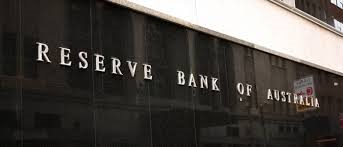
Το πρόσταγμα της Αποθεματικής Τράπεζας Αυστραλίας στην κυβέρνηση.

Ο κυβερνήτης της Αποθεματικής Τράπεζας Αυστραλίας, Glenn Stevens, τάραξε τα νερά προς κάθε κατεύθυνση, με την επίπληξη και των δύο μεγάλων κομμάτων ότι «δεν κάνουν αρκετά για να κινήσουν την οικονομία».

Μην αποκλείοντας περαιτέρω μείωση των επιτοκίων, εξέφρασε συνάμα την ανησυχία του για το γεγονός ότι οι πολιτικοί αρχηγοί βασίζονται υπερβολικά στη νομισματική στρατηγική για την πορεία της οικονομίας, όταν θα έπρεπε να επιδιώκουν διακομματικές συμφωνίες για έργα υποδομής και μεταρρυθμίσεις οι οποίες θα στόχευαν στην ανάπτυξη της οικονομίας.

Ο ίδιος, κρούει, επίσης, τον κώδωνα του κινδύνου για την ξέφρενη τροχιά ανόδου στις τιμές των σπιτιών, ακριβώς μια εβδομάδα μετά τη δήλωση του γραμματέα του ομοσπονδιακού Θησαυροφυλακείου, John Fraser, ότι υπάρχουν έκδηλα σημεία έκρηξης της φούσκας στην κτηματαγορά του Σίδνεϊ και σε ορισμένα προάστια της Μελβούρνης.

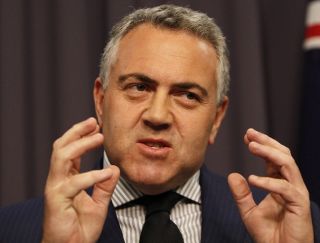
Η εκτίμηση του κ. Stevens αποτελεί πρόκληση στα δύο μεγάλα κόμματα και αιχμή κατά του θησαυροφύλακα Joe Hockey, ο οποίος δήλωσε την περασμένη εβδομάδα ότι «μόνο γελωτοποιοί (clowns), μιλούν για μαύρα σύννεφα στον ορίζοντα της οικονομίας».

ΔΙΑΚΟΜΜΑΤΙΚΗ ΣΥΜΦΩΝΙΑ

«Στην Αυστραλία, η οικονομική ανάπτυξη τον τελευταίο καιρό δεν είναι αυτή που περιμέναμε», είπε σε ομιλία που έδωσε στον Οικονομικό Σύνδεσμο Αυστραλίας, στη Βρισβάνη, ο κ. Stevens, προσθέτοντας ότι ο πρωθυπουργός, Tony Abbott, και ο αρχηγός της αξιωματικής αντιπολίτευσης Bill Shorten, θα πρέπει να κάνουν πολύ περισσότερα προκειμένου να δώσουν ώθηση στην οικονομία και ότι η οφθαλμοφανής λύση θα ήταν διακομματική συμφωνία για μακρόπνοη χρηματοδότηση έργων υποδομής, όπως είναι, για παράδειγμα, νέοι δρόμοι.

Ο ίδιος τόνισε ότι θα ήταν «απόλυτα λογικό να χρησιμοποιήσουν δάνεια προκειμένου να στηρίξουν αυτού του είδους τα έργα».

«Δαπάνες σε έργα υποδομής παίζουν βασικό ρόλο στη διατήρηση της οικονομικής ανάπτυξης, καθώς επίσης και στην ενίσχυση της εμπιστοσύνης του κοινού στην οικονομία» ήταν η εκτίμηση του κυβερνήτη της ΑΤΑ.

Η επεξήγηση που έδωσε δε στην παρούσα κατάσταση ήταν ότι « τα εμπόδια δεν είναι οικονομικά. Τα χρήματα είναι διαθέσιμα, με μακροπρόθεσμα επιτόκια, τα χαμηλότερα που έχουμε δει μέχρι τώρα και πιθανότατα στο μέλλον. Η τροχοπέδη βρίσκεται στη λήψη αποφάσεων και, όπως φαίνεται, στην έλλειψη πολιτικής βούλησης».

ΗΧΗΡΟ ΜΗΝΥΜΑ

Οικονομολόγοι χαρακτηρίζουν τα λεγόμενα του κυβερνήτη της ΑΤΑ, ως «ηχηρό μήνυμα» στην Καμπέρα για την ανάγκη λήψης πολιτικών μέτρων για την ενίσχυση της οικονομίας, δεδομένου ότι τα χαμηλά επιτόκια δεν επαρκούν για τη λύση του προβλήματος.

Ενδεικτικά, ο κορυφαίος οικονομολόγος Stephen Walters, δήλωσε αναφορικά: «Δεν υπάρχει αμφιβολία ότι είναι ιδιαίτερα ενοχλημένος με την κυβέρνηση, αντιλαμβανόμενος ότι δεν γίνονται αρκετές μεταρρυθμίσεις, γεγονός που τον προβληματίζει ως φαίνεται».

Ως γνωστόν, ο θησαυροφύλακας απέρριψε αρνητικά σχόλια για την οικονομία, την περασμένη εβδομάδα, όταν επίσημα στοιχεία έδειξαν ανάπτυξη της τάξης 0.9% του ακαθάριστου εθνικού προϊόντος το τέταρτο Μαρτίου, ο κυβερνήτης της ΑΤΑ, εντούτοις, είναι φανερό ότι εκτιμά ότι απαιτούνται πολύ δραστικά μέτρα για να κινηθούν ικανοποιητικά οι τροχοί της οικονομίας.

Πηγή:Νέος Κόσμος

Πρώτος μισθός $150.000 για να αγοράσετε σπίτι στην Αυστραλία

hockey

Και με δεδομένο την μέση τιμή κατοικίας να φτάνει τα $752.000 στο Σίδνεϊ.

Μπορεί ο Θησαυροφύλακας, Joe Hockey, να δήλωσε προχθές ότι για να αγοράσει κάποιος νέος κατοικία στην Αυστραλία σήμερα πρέπει -κατ’ αρχήν- να πιάσει μία καλή δουλειά που να αποφέρει έναν αξιοπρεπή μισθό, δεν ξεκαθάρισε όμως πόσα θα πρέπει να κερδίζει ετησίως για να μπορέσει τελικά να αποκτήσει το δικό του «κεραμίδι».

Το ποσό φρόντισε να το υπολογίσει η εφημερίδα «Australian Financial Review», μέσα από μία ανάλυση που βασίστηκε στις τρέχουσες τιμές ακινήτων και έγινε με μεθοδολογία του Πανεπιστημίου Ν. Ν. Ουαλίας.

Σύμφωνα, λοιπόν, με αυτήν την ανάλυση αν ένας άγαμος νέος θέλει να αγοράσει σπίτι στο Σίδνεϊ όπου η μέση τιμή κατοικίας φτάνει τα $752.000 θα πρέπει ο ετήσιος μισθός του να φτάνει τις $150.000 τουλάχιστον.

Ένας άγαμος νέος που θέλει να αγοράσει σπίτι στην Μελβούρνη θα πρέπει να εγκαινιάσει τον εργασιακό του βίο με μισθό τουλάχιστον $115.000 το χρόνο έτσι ώστε να είναι ικανός να ξεπληρώσει το στεγαστικό δάνειο που θα πάρει.

Σύμφωνα με σχετικά στοιχεία της Εθνικής Στατιστικής Υπηρεσίας μισθούς υψηλούς όσο αυτούς που απαιτούνται για την αγορά πρώτης κατοικίας κερδίζουν, συνήθως, διευθυντικά στελέχη που εργάζονται στους τομείς της Πληροφορικής ή των Πωλήσεων.

Σύμφωνα με την ανάλυση της εφημερίδας, τα νεαρά ζευγάρια βρίσκονται σίγουρα σε καλύτερη θέση απ’ αυτούς που θέλουν να αγοράσουν το πρώτο τους σπίτι μόνοι τους. Βέβαια ακόμα και η ικανότητα των ζευγαριών να αντεπεξέλθουν οικονομικά στις υποχρεώσεις που απορρέουν από την αγορά μίας κατοικίας εξαρτάται από το είδος του επαγγέλματος που ασκούν.

Για παράδειγμα αν είναι και οι δύο λογιστές και αμείβονται με περίπου $75.000 ετησίως (αυτό είναι το ύψος του μέσου μισθού του λογιστή σύμφωνα με τα στοιχεία της Εθνικής Στατιστικής Υπηρεσίας) τότε η αγορά σπιτιού στο Σίδνεϊ είναι εφικτή. Στην περίπτωση όμως που είναι κτηνίατροι και αμείβονται με $60.000 (μέσος μισθός για αυτήν ειδικότητα) θα ήταν καλύτερα να το ξεχάσουν ή να μετακομίσουν στην Αδελαΐδα όπου η μέση τιμή κατοικίας κυμαίνεται στις $400.000.

Τέλος να αναφέρουμε ότι η ανάλυση έγινε με δεδομένο ότι οι υποψήφιοι αγοραστές θα έχουν καταφέρει να αποταμιεύσουν ποσό που αναλογεί στο 10% της αξίας του σπιτιού προκειμένου να πληρώσουν την απαιτούμενη προκαταβολή και για την αποπληρωμή του… ιδιόκτητου «κεραμιδιού» θα διαθέτουν το 30% του εισοδήματός τους.

Πηγή:Νέος Κόσμος