Category Archives: Uncategorized

Australia:Man attacked by shark at Lighthouse Beach, Port Macquarie

1440233042384

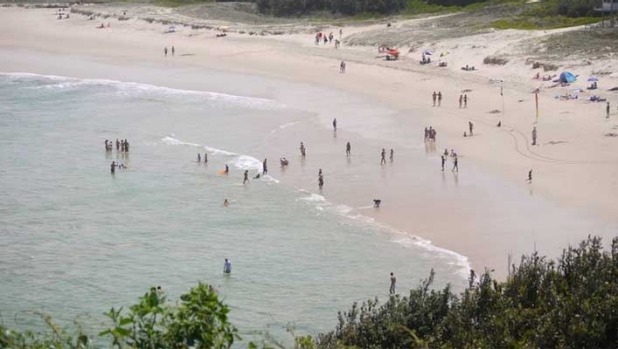
A bodyboarder has suffered life-threatening injuries after a suspected shark attack at Lighthouse Beach in Port Macquarie. Photo: Port Macquarie News

A man is fighting for his life after he was attacked by a shark at Port Macquarie on the NSW north coast.

The 38-year-old suffered severe injuries, reportedly to his stomach, back, leg and buttocks, after he was mauled at Lighthouse Beach at around 5.10pm.

Officers said the man was bodyboarding with a friend around 400 metres away from the beach’s clubhouse when the shark struck.

The man was conscious when he was helped out of the water and treated by paramedics for his injuries before being rushed to Port Macquarie Hospital.

Police have not yet spoken to the man.

Doctors from the Westpac Rescue Helicopter service landed at Port Macquarie at 6.30pm and were assessing the man before he was due to be flown to John Hunter Hospital in Newcastle for urgent surgery on Saturday night.

A spokesman from the helicopter service said the man had a “severe laceration to his left buttock and thigh”.

All beaches in Port Macquarie will be closed until further notice following the attack.

source: smh.com.au

In a Twist, Europe May Find Itself Relying on Success of Alexis Tsipras of Greece

22Greece-web-master675

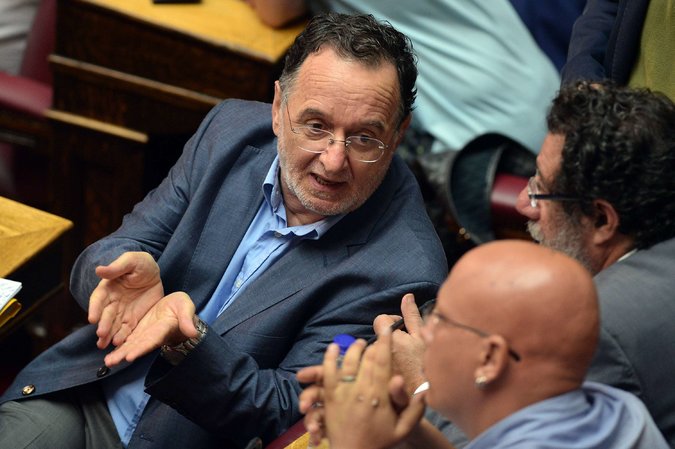
Panagiotis Lafazanis, the leader of Syriza’s radical Left Platform faction, will head the new party Popular Unity. Credit Louisa Gouliamaki/Agence France-Presse — Getty Images

Europe spent months trying to crush Alexis Tsipras. But now that Greece’s leftist prime minister has called a snap election and is seeking a mandate for the tough new bailout program he negotiated with his country’s creditors, Europe, oddly enough, may find itself invested in his success.

Greece never fails to surprise, and Mr. Tsipras’s turbulent eight-month tenure has proved he is rarely predictable. But the man many European leaders once regarded as a populist wrecking ball is now presenting himself as a figure who can deliver pragmatism and stability — and carry out the sort of austerity program he once inveighed angrily against.

“I’m sure that he has talked to European leaders, and they are O.K. with what he is doing now,” said Harry Papasotiriou, a professor of international relations at Panteion University in Athens, adding that Mr. Tsipras was staking his political life on a bailout deal that includes the kind of taxes and pension cuts he once opposed. “He’s taking ownership of it.”

The latest twist by Mr. Tsipras was met with cautious optimism on Friday by some European commentators even as his surprise move again tossed Greece into political turmoil. On Friday, a faction of hard-line leftists split from Mr. Tsipras’s Syriza party and formed a new party, vowing to resist austerity and possibly even lead Greece out of the eurozone.

At the same time, analysts cautioned that the new election, and the continuing political maneuverings in Athens, could further complicate and slow implementation of the 86 billion euro, or about $95 billion, bailout program signed by Mr. Tsipras in July. An initial progress review by creditors, scheduled for October, may be delayed, which would delay discussions between Greece and its lenders over possible restructuring of the country’s crippling sovereign debt.

Some economists also warned that the uncertainty surrounding the elections, including the possibility that the proposed Sept. 20 election could be pushed back, could revive the sort of public anxiety that earlier this year destabilized the broader economy and spurred a run on Greek banks.

“That element I find to be much more risky,” said Marcel Fratzscher, president of the German Institute of Economic Research in Berlin. “It creates much more uncertainty.”

Across Europe, some commentators and European officials framed Mr. Tsipras’s election gambit as a positive step to improve the odds that the bailout deal will be given a public mandate. Annika Breidthardt, a European Commission spokeswoman, said the commission “respects the decision” by Mr. Tsipras to call the vote and “considers it important” that the bailout package has public support.

In a message on Twitter, Martin Selmayr, the chief of staff for Jean-Claude Juncker, the European Commission president, said “swift elections” could “broaden support” for the deal that Mr. Tsipras signed last month.

Some commentators described the Greek vote as a potentially important step for broader political stability and unity in Europe. Writing in Corriere della Sera, a leading Italian newspaper, Aldo Cazzullo called on European leaders to push for greater political integration and praised Mr. Tsipras for tossing off his populist trappings and presenting himself as a leader able “to undertake a long road to renewal which, for all its difficulties, has shown itself to be the only path possible.”

In Germany, where disgust with Mr. Tsipras is palpable, newspapers quoted government sources as saying that Chancellor Angela Merkel hoped the election could produce a government capable of bringing stability to Greece. Stefan Kornelius, a columnist for Süddeutsche Zeitung, a Munich newspaper, described Mr. Tsipras as “a realist and a pragmatist” who was now more aligned with Ms. Merkel’s agenda.

Yet mistrust for Mr. Tsipras is deep among German officials, and some lawmakers were suspicious that the Greek leader might use a new election to revoke the bailout program he signed last month. “Mr. Tsipras must not be allowed to deviate from the path of reform with such a maneuver,” Manfred Weber, the head of the center-right European People’s Party, told the tabloid Bild.

Few analysts predicted that the deep rifts between Mr. Tsipras and other European leaders would be suddenly be resolved, especially in Germany. But many agreed that Mr. Tsipras was not likely to go anywhere, given his continued popularity, despite his policy reversals. If European leaders want to see Greece truly put economic structural reforms into effect, Mr. Tsipras may now have the best chance of getting anything done, some analysts say.

“What Europe is interested in is political stability in Greece,” said Christian Odendahl, chief economist for the Center for European Reform in London. He said that while Europe was “not that invested” in a Tsipras election victory, dealing with him could be inevitable and his promise to carry out the bailout could be welcomed even by his erstwhile enemies.

In Athens, political analysts note that Mr. Tsipras, at the moment, has no political rival capable of challenging him and that his party, Syriza, is almost certain to finish first in the election, with the question being by what margin. Those who left Syriza on Friday morning to form the Popular Unity Party are 25 lawmakers led by a former energy minister, Panagiotis Lafazanis. But analysts are skeptical that their anti-euro message will resonate with voters.

Despite his policy reversals, Mr. Tsipras has retained his popularity by moving slowly to the political center after waging a defiant, unsuccessful fight to win Greece a better deal. Indeed, the surreal quality of recent Greek politics is hard to overstate.

In January, Mr. Tsipras took power as a fiery, anti-austerity populist vowing to change Europe. In early July, unable to make headway in debt talks, Mr. Tsipras unexpectedly called a national referendum asking whether voters would accept terms put forward by lenders. He defiantly implored citizens to vote ‘no,’ which they did in big numbers.

But European creditors did not budge, and only days later Mr. Tsipras reversed course and soon signed the country’s third bailout package despite previously vowing not to do so. He only managed to pass the program through Parliament with the help of opposition parties, as hard-liners in Syriza refused to support it, setting the stage for the split and the call for an election.

The head-spinning chronology has left many Greeks weary of political upheaval, if still seeming to trust Mr. Tsipras. In Athens, Maria Stasinopoulou, 22, an engineering student, endorsed the snap election, arguing that Mr. Tsipras had no other alternative. “It’s not the best thing for the country right now, but he has to deal with Syriza before he can govern,” she said, alluding to the party’s insurgents.

“Of course, I’m disappointed with Tsipras, but he did what could, and no one could have done more,” she added. “I think he deserves another chance. He’s the only realistic, noncorrupt politician in Greece right now.”

But Angelos Handris, 55, who manages a street kiosk near central Athens, bemoaned the election as “the last thing we need,” and sharply criticized Syriza. “They promised the world, they messed up, they closed the banks, and now they want to drag us to elections,” said Mr. Handris, a supporter of the conservative New Democracy Party.

Mr. Tsipras has submitted his resignation to Greece’s president, who will appoint an interim prime minister to oversee a caretaker government until the election. This means that for the third time in eight months, Greece will hold a national vote. Mr. Tsipras won the first two and is counting on a third.

source:nytimes.com

Κυνηγοί θησαυρών αναζητούν τρένο των Ναζί με χρυσό…

1772748

Κυνηγοί θησαυρών από όλη την Ευρώπη έχουν συγκεντρωθεί σε πόλη της Πολωνίας, μετά τους ισχυρισμούς δύο ανθρώπων ότι βρήκαν τρένο των Ναζί γεμάτο με χρυσό.

Οι τοπικές αρχές ανέφεραν ότι ερευνούν την υπόθεση, ενώ οι επισκέπτες ευελπιστούν να πάρουν ένα μέρος από τα λάφυρα ή τουλάχιστον να γίνουν μάρτυρες μίας πιθανώς εκπληκτικής ιστορικής ανακάλυψης.

Οι δύο άνδρες, ένας Γερμανός και ένας Πολωνός, έχουν απευθυνθεί σε δικηγόρο προκειμένου να διαπραγματευτούν με τις αρχές για το 10% των ευρέτρων για το τρένο και το περιεχόμενό του, ενώ επεσήμαναν ότι μόνο όταν εξασφαλίσουν την αμοιβή τους γραπτώς θα αποκαλύψουν το μέρος όπου βρίσκεται. Στο μεταξύ, τα τοπικά μέσα ενημέρωσης ανέφεραν ότι το όχημα περιέχει μέχρι και 30 τόνους χρυσού, καθώς και διαμάντια, άλλα πετράδια και βιομηχανικό εξοπλισμό.

Σύμφωνα με τον τοπικό μύθο, ένα θωρακισμένο τρένο γεμάτο με θησαυρούς ξεκίνησε από τη γερμανική πόλη Breslau (Wroclaw στην Πολωνία) και οδηγήθηκε μέσα από ένα τούνελ σε μία πλαγιά λόφου κοντά σε μεσαιωνικό κάστρο της περιοχής, καθώς ο Κόκκινος Στρατός πλησίαζε και οι σύμμαχοι διεξήγαγαν εναέριες επιδρομές κατά τις τελευταίες μέρες του πολέμου. Λέγεται ευρέως ότι οι Ναζί έκρυψαν τα λάφυρα -η πλειοψηφία των οποίων είχαν κλαπεί από οικογένειες Εβραίων- στο τέλος του πολέμου, αφού δεν υπήρχε κανένας τρόπος να τα μεταφέρουν δυτικά.

Πηγή:zougla.gr

Οι τζιχαντιστές ισοπέδωσαν μοναστήρι 1.500 ετών στη Συρία

6C85812DC06E267AC8B05FE40A66778E

Με μπουλντόζες ισοπέδωσαν οι τζιχαντιστές το μοναστήρι

Οι τζιχαντιστές του Ισλαμικού Κράτους κατέστρεψαν ένα αρχαίο χριστιανικό μοναστήρι, ηλικίας 1.583 ετών, στην επαρχία Χομς της κεντρικής Συρίας.

Πρόκειται για έναν από τους σημαντικότερους και πιο εντυπωσιακούς θησαυρούς της Συρίας.

Το Συριακό Παρατηρητήριο Ανθρωπίνων Δικαιωμάτων, η μη κυβερνητική οργάνωση που παρακολουθεί τις εξελίξεις στα μέτωπα της χώρας βασιζόμενη σε ένα δίκτυο γιατρών και ακτιβιστών, ανακοίνωσε ότι «το Ισλαμικό Κράτος κατεδάφισε το χριστιανικό μοναστήρι του Αγίου Ιουλιανού (Μαρ Ελιάν) στα νοτιοανατολικά της Χομς» αφού κατέλαβε την πόλη Αλ Καριατάιν στις αρχές Αυγούστου.

Σοκ προκαλούν οι εικόνες που έδωσε στη δημοσιότητα το Ισλαμικό Κράτος, οι οποίες δείχνουν τζιχαντιστές να κατεδαφίζουν το μοναστήρι με μπουλντόζες.

Το πρόσχημα που χρησιμοποίησαν για την καταστροφή ήταν ότι «λάτρευε άλλον Θεό εκτός του Αλλάχ», σημειώνει το Παρατηρητήριο.

Χριστιανός ιερέας είπε στο Associated Press ότι τζιχαντιστές κατέστρεψαν εκκλησία του 5ου αιώνα που βρίσκεται μέσα στον χώρο του μοναστηριού.

Όταν κατέλαβαν την Αλ Καριατάιν, όπου βρισκόταν το μοναστήρι, οι τζιχαντιστές απήγαγαν περίπου 230 κατοίκους της. Ο Τζακ Μραντ, ο ηγούμενος της μονής, απήχθη πριν από περίπου 12 εβδομάδες.

Το μοναστήρι είχε ήδη υποστεί μεγάλες ζημιές στη διάρκεια βομβαρδισμών από τη συριακή κυβέρνηση.
Από τις αρχές του έτους το Ισλαμικό Κράτος έχει καταλάβει, λεηλατήσει και καταστρέψει πολλούς ανεκτίμητους αρχαιολογικούς θησαυρούς στη Συρία, μεταξύ των οποίων και την αρχαία πόλη της Παλμύρας.

Πηγή:in.gr

OHE: Συστάσεις προς Ελλάδα και ΠΓΔΜ για την κατάσταση στα σύνορα

931ADB130BC8CADA1E0C06FC7FF16BC7

Την ανησυχία του για την χρήση βίας από την αστυνομία της ΠΓΔΜ στα σύνορα με την Ελλάδα εξέφρασε ο Ύπατος Αρμοστής του ΟΗΕ για τους Πρόσφυγες (UNHCR), καλώντας την κυβέρνηση των Σκοπίων να εφαρμόσει «χρηστή διαχείριση» των συνόρων της.

Ο Αντόνιο Γκουτιέρες μίλησε με τον υπουργό Εξωτερικών της ΠΓΔΜ, Νίκολα Ποπόσκι, ο οποίος του έδωσε διαβεβαιώσεις ότι τα σύνορα δεν θα κλείσουν στο μέλλον.

Η UNHCR κάλεσε, επίσης, την Ελλάδα να παρέχει άμεση βοήθεια στους ανθρώπους που βρίσκονται αποκλεισμένοι στην ελληνική πλευρά των συνόρων και να τους βοηθήσει να μεταβούν στις εγκαταστάσεις υποδοχής προσφύγων, μακριά από τα σύνορα με την ΠΓΔΜ.

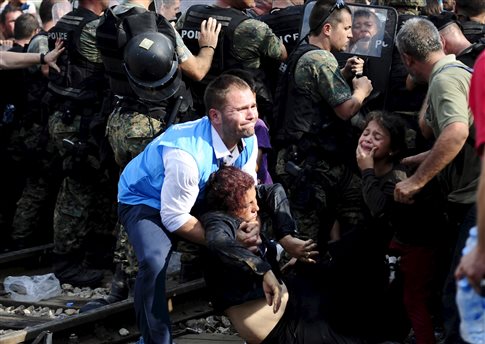
Η αστυνομία της ΠΓΔΜ χρησιμοποίησε δακρυγόνα και χειροβομβίδες κρότου λάμψης για να διαλύσει το πλήθος χιλιάδων μεταναστών και προσφύγων που προσπαθούν να διασχίσουν τα σύνορα από την Ελλάδα. Αναφορές κάνουν λόγο για δεκάδες τραυματίες.

Ένταση είχε προηγηθεί και νωρίτερα την Παρασκευή, μετά την απόφαση της γειτονικής χώρας να μπλοκάρουν τα σύνορα για τους μετανάστες.

Σύμφωνα με ανταποκριτές ειδησογραφικών πρακτορείων, η ένταση ξέσπασε μεταξύ των δυνάμεων της ΠΓΔΜ που βρίσκονταν στα σύνορα και περίπου 3.000 μεταναστών και προσφύγων. Οι μετανάστες είχαν περάσει τη νύχτα στην ύπαιθρο, κάνοντας το πρωί αρκετές προσπάθειες να περάσουν τα σύνορα.

Μεταξύ άλλων, οι αρχές της ΠΔΓΜ κάλυψαν με συρματόπλεγμα τις ράγες που χρησιμοποιούν οι μετανάστες για να συνεχίσουν το ταξίδι τους προς τη βόρεια Ευρώπη. Στην πρόσφατη απόφαση που υπέγραψε ο πρόεδρος της ΠΓΔΜ, Γκιόργκι Ιβάνοφ, προβλέπεται και η η ανάμειξη του στρατού για την αντιμετώπιση αυξημένων μεταναστευτικών ροών, «επιβοηθητικά» στο έργο της αστυνομίας.

Τα σύνορα άνοιξαν και οι πρώτοι πρόσφυγες πέρασαν από την Ελλάδα στο έδαφος της ΠΓΔΜ το απόγευμα της Παρασκευής. Στην ουδέτερη ζώνη παραμένουν εγκλωβισμένοι 3.000 χιλιάδες πρόσφυγες και κατά πληροφορίες η διέλευσή τους θα γίνεται σταδιακά -από τις 5 το πρωί του Σαββάτου θα επιτρέπεται η είσοδος 300 ατόμων ανά δίωρο.

Πηγή:in.gr

New Democracy’s Meimarakis says he will resist Tsipras rush to polls

nd_meimarakis_web-thumb-large

New Democracy leader Evangelos Meimarakis indicated on Thursday night that he will use his party’s constitutional right to try to form a government, even a minority administration, in a bid to avoid Greece holding snap elections next month.

“We will explore all avenues in an effort to ensure elections are the last option, not the first as [Prime Minister Alexis] Tsipras wants,” said Meimarakis, who added that he would speak to all opposition party leaders, perhaps even including Golden Dawn’s Nikos Michaloliakos, and possibly the head of Tsipras’s coalition partner, Panos Kammenos of Independent Greeks.

New Democracy’s decision to explore the possibility of forming a new administration after Tsipras returned his mandate last night is unlikely to bear fruit. Even with the support of Potami and PASOK, the alliance would have nowhere near enough seats for a majority in Parliament and would be unlikely to receive any support from other parties to operate as a minority government.

However, if the conservatives use up the three days of deliberations they are entitled to, the likelihood of the elections being held on September 20 will diminish. There will be an even greater delay if other parties decide to also use their three-day allotments as well.

Meimarakis accused Tsipras of trying to “escape from his problems” and the “ghost” of ex-Energy Minister Panayiotis Lafazanis, who leads SYRIZA’s Left Platform.

MPs from the radical group were said to be meeting in an Athens hotel on Thursday night and are considering breaking away from SYRIZA and forming their own parliamentary group.

source: ekathimerini.com

Lafazanis declares new party’s goals to cancel bailout, write down debt

lafazanis_gesturejpg-thumb-large

Addressing his new breakaway party Popular Unity, Panayiotis Lafazanis on Friday declared that the new movement would offer a “realistic, alternative to the memorandum,” and said its key goals would be to cancel the memorandums and write down Greece’s debt, adding that any euro exit would be “orderly.”

“We will become a major and decisive political force,” he said, adding that the grouping of 25 MPs “will try to express the spirit and substance of the 62 percent who voted no to austerity,” referring to last month’s referendum on austerity measures proposed by Greece’s creditors.

“The ‘no’ of the referendum will not be an ‘orphan’ in these elections,” Lafazanis told MPs and reporters in Parliament.

He said the decision by Prime Minister Alexis Tsipras to call snap elections in the summer “does not portend good things” and suggested that the premier had tried to catch Greeks off guard.

“If it is necessary for us to cancel the memorandum, we will follow the course of exiting the euro,” Lafazanis said, adding that any exit would be “orderly.”

source:ekathimerini.com

H Μελβούρνη μέσα από μια Ελληνική ματιά

a_15

Μέσα από το Eureka Challenge, πολλά κτίρια της Μελβούρνης παίρνουν ένα «ελληνικό χρώμα»

“Eureka Challenge”: Διαγωνισμός από το Ελληνικό Μουσείο Μελβούρνης με έπαθλα ταξίδια στην Ελλάδα

Το Ελληνικό Μουσείο Μελβούρνης οργανώνει έναν ιδιαίτερο διαγωνισμό με ελληνικό χρώμα. Οι συμμετέχοντες θα πρέπει να εντοπίσουν ελληνικά αρχιτεκτονικά χαρακτηριστικά σε κτίρια της Μελβούρνης και οι έξι πιο… παρατηρητικοί θα βραβευτούν με αεροπορικά εισιτήρια μετ’ επιστροφής στην Ελλάδα. Η καταληκτική ημερομηνία είναι η 11η Οκτωβρίου.

Σκοπός του προγράμματος-διαγωνισμού είναι οι συμμετέχοντες να ταξιδέψουν στην αρχιτεκτονική ιστορία της πόλης και να απολαύσουν τα αρχιτεκτονικά αριστουργήματα. Κύρια πρόκλησή τους είναι να αποκρυπτογραφήσουν τα αρχιτεκτονικά στοιχεία και να ανακαλύψουν τις επιρροές του ελληνικού design σε μερικά από τα πιο μνημειώδη αξιοθέατα της Μελβούρνης. Nα σημειωθεί ότι η πόλη είναι γεμάτη κτίρια δωρικού, ιωνικού και κορινθιακού ρυθμού.

Οι συμμετέχοντες θα μπουν σε κλήρωση για τα βραβεία που περιλαμβάνουν ταξίδια μετ’ επιστροφής στην Ελλάδα με πολιτιστικές περιηγήσεις στην Αθήνα σε συνεργασία με το Μουσείο Μπενάκη.

Το Μουσείο καλεί, επίσης, να συμμετάσχουν στην οργάνωση και εθελοντές και να επικοινωνήσουν μέσω e-mail στο projects@hellenic.org.au ή στο τηλέφωνο (03) 8615 9016.

Περισσότερες πληροφορίες στα αγγλικά υπάρχουν στην ιστοσελίδα http://www.hellenic.org.au/eureka-challenge και για αγορά εισιτηρίων στην ιστοσελίδα https://www.eventbrite.com.au/e/eureka-challenge-tickets-17946489433

Πηγή:Νέος Κόσμος

Aυστραλοί πρώτοι στον τζόγο παγκοσμίως

untitled

$214 εκ. “έφαγαν” τα πόκις στο Monash και το Whillesea

Είμαστε πρώτοι στον κόσμο και αυτό λέει πολλά, όχι για την ιδιοσυγκρασία μας, αλλά για την ελαστικότητα και χαλαρότητα των νομικών θεσμών αυτής της χώρας, που ανοίγει τις πόρτες διάπλατα και προσκαλεί με τους πλέον δελεαστικούς τρόπους, τους “πιστούς” να εισέλθουν και να προσκυνήσουν τη θεά Τύχη.

Σύμφωνα με ερευνητικά στοιχεία, πάνω από το 10% των εισπράξεων της πολιτείας από τους φόρους προέρχονται από τον τζόγο.

Μελέτη που δημοσιεύτηκε στην επιθεώρηση “The Economist”, αναφέρει ότι τα ποσά που χάνονται στον τζόγο, στη χώρα μας, αναλογούν σε $1.144 ανά άτομο.

“Είμαστε πρώτοι γιατί, ως χώρα, έχουμε τις μεγαλύτερες ευκαιρίες να παίξουμε με τα λεφτά μας”, υποστηρίζει ο μεγάλος πολέμιος του τζόγου Tim Costello, προσθέτοντας ότι “ο τζόγος είναι όπως το λάδι ευκαλύπτου. Είναι κάτι φυσικό. Σημασία έχει πώς το διαχειρίζεσαι ο ίδιος αλλά και τί φράγματα τοποθετεί, ως οφείλει, η πολιτεία. Ως έχουν τα πράγματα σήμερα, όχι μόνο δεν ελέγχει το πρόβλημα, αλλά ανοίγει την πόρτα διάπλατα για να συνεχιστεί και να πάρει μεγαλύτερες διαστάσεις”.

ΧΤΥΠΑ ΤΟΥΣ ΕΥΑΛΩΤΟΥΣ

Από την Μαίρη Λιάλιου, πρώην δήμαρχο και δημοτική σύμβουλο σήμερα του Δήμου Whittlesea, πληροφορούμαστε ότι οι περιοχές που έχουν χτυπηθεί σκληρότερα από το τζόγο, τον περασμένο χρόνο, είναι του Monash και του Whittlesea. Στην πρώτη, οι κάτοικοι έπαιξαν και έχασαν $114 εκ. ενώ σ’ αυτή του Whittlesea, $100 εκ. που μεταφράζεται σε πάνω από μισό εκατομμύριο δολάρια τη μέρα στις δύο περιοχές.

“Πρόκειται για μια φοβερή μάστιγα η οποία θα πρέπει να σταματήσει”, τονίζει η κ. Λιάλιου

“Είναι ένα πρόβλημα το οποίο, ως γνωστό, δεν αφορά μόνο τον παίκτη, αλλά επεκτείνεται σ’ όλα τα μέλη της οικογένειας. Έχουμε δει να χάνονται σπίτια, δουλειές, με σοβαρές επιπτώσεις στην υγεία, στις σχέσεις των ανθρώπων καταλήγοντας συχνά σε διαζύγια, ενδοοικογενειακή βία, ακόμη και εγκλήματα”.

Η ίδια θα μας βεβαιώσει ότι οι δύο δήμοι θα συνεργαστούν προκειμένου να επιτύχουν κάποιες αλλαγές στην αναθεώρηση των κανονισμών λειτουργίας των μηχανών πόκερ που επίκειται.

Αυτό, μέσα στα πλαίσια των προσπαθειών του Συνδέσμου Δήμων Βικτώριας ο οποίος κάνει έκκληση στην πολιτεία της Βικτώρια να συμπεριλάβει το κοινό και τους δήμους στην επικείμενη αναθεώρηση της λειτουργίας των μηχανών πόκερ, δίνοντας την ευκαιρία να ακουστεί η φωνή τους.

Ο πρόεδρος του συνδέσμου Bill McArthur, αποκαλύπτει ότι οι κάτοικοι της Βικτώρια, έπαιξαν και έχασαν στα πόκις πάνω από $70 εκ. περισσότερα τον περασμένο χρόνο, σε σύγκριση με το 2013 -14, γεγονός που καθιστά επιτακτική την ανάγκη ευρείας μελέτης αναφορικά με τον τρόπο που θα πρέπει να αντιμετωπιστεί και αναχαιτιστεί το πρόβλημα ώστε να ανατραπεί το αποτέλεσμα”.

ΑΝΑΠΟΤΕΛΕΣΜΑΤΙΚΑ ΤΑ ΜΕΧΡΙ ΤΩΡΑ ΜΕΤΡΑ

Ο ίδιος τονίζει ότι “αυτή είναι η πρώτη φορά που είδαμε μια τόσο ραγδαία αύξηση των ποσών που χάνονται μέσα σ’ ένα χρόνο. Στην ουσία δεν υπήρξε αύξηση από το 2008. Πράγμα που σημαίνει ότι τα μέτρα τα οποία παίρνονται μέχρι τώρα για αντιμετώπιση του προβλήματος, απλά δεν αποδίδουν. Αναμφίβολα θα πρέπει να γίνουν πολύ περισσότερα προς αυτήν την κατεύθυνση. Το πρόβλημα μάς κοιτάζει αυτή τη στιγμή κατάματα και ζητά τη λύση του”.

Στη συνέχεια ο κ. McArthur, επανέρχεται στο γεγονός ότι το πρόβλημα χτυπά καίρια τα πιο ευάλωτα οικονομικά στρώματα της κοινωνίας μας.

“Τόσο οι Δήμοι, όσο και ο Σύνδεσμος Δήμων Βικτώριας, έχουν τονίσει επανειλημμένα την ανάγκη να έχουν λόγο στις αποφάσεις που παίρνονται αναφορικά με τις μηχανές πόκερ στη Βικτώρια. Έχουν, ιδιαίτερα τονίσει το γεγονός ότι απαιτείται μεγαλύτερη προστασία των ευάλωτων μελών της κοινωνίας μας. Στην καμπάνια “Enough Pokies”τονίζουμε το πρόβλημα του αριθμού αλλά και της τοποθέτησης των μηχανών πόκερ. Σύμφωνα με τα στοχεία που έχουμε συλλέξει και τις έρευνες που έχουν γίνει μέχρι τώρα , οι μεγαλύτερες απώλειες παρατηρούνται σε περιοχές που μένουν οι πλέον ευάλωτοι”.

Στον δήμο Whittlesea, η δημοτική σύμβουλος, Μαίρη Λάλιου, μας πληροφορεί ότι ζουν περίπου 9 χιλιάδες ομογενείς. Αναμφίβολα το πρόβλημα επεκτείνεται και στο δικό τους χώρο.

“Ο τζόγος, αναμφίβολα, χτυπά και τους Έλληνες. Το μεγαλύτερο πρόβλημα, εκτιμώ, στην περιοχή του Whittlesea, είναι ότι οι μηχανές πόκερ έχουν τοποθετηθεί στις μεγάλες αγορές. Αυτό είναι μία μεγάλη πρόκληση. Προσωπικά γνωρίζω πςεριπτώσεις, που οι συνταξιούχοι παίρνουν τη σύνταξή τους και κατευθύνονται στην αγορά για να κάνουν τα ψώνια τους. Αντί να μπούνε όμως στο σούπερ μάρκετ, κάνουν πρώτα ένα πέρασμα από τα πόκις, με αποτέλεσμα να χάνουν και το τελευταίο δολλάριο και να καταφεύγουν στο Salvation Army ή σε άλλο παρόμοιο οργανισμό για να ζητήσουν ένα πιάτο φαγητό. Δηλαδή, τα πόκις έχουν επίτηδες τοποθετηθεί σε “στρατηγική” θέση, ώστε να προκαλούν”.

ΝΕΕΣ ΣΤΕΓΕΣ

Η ίδια ανησυχεί για τον πολλαπλασιασμό των πόκις μελλοντικά:” Με την εξάπλωση των κατοικιών στα εξωτερικά προάστεια, επόμενο είναι να χτιστούν παμπ και “νέες στέγες” για τα πόκις. Εκεί είναι επόμενο να παρουσιαστεί το πρόβλημα των εθισμένων στο τζόγο. Πρέπει να το προλάβουμε και ένας τρόπος είναι να έχουμε λόγο και φωνή στις αποφάσεις που θα παρθούν στην αναθεώρηση της λειτουργίας των μηχανών πόκερ”.

Η ίδια προσθέτει ότι στην περιοχή του Whittlesea παρατηρούνται υψηλότερα ποσοστά ενδοοικογενειακής βίας, γεγονός που συνδέεται και με τα υψηλά ποσοστά του τζόγου.

“Στόχος μας είναι να χτυπήσουμε το πρόβλημα με μέσα αποτελεσματικά και να λάβουμε τα απαραίτητα μέτρα για να αποφευχθεί η εξάπλωσή του. Η δύναμη είναι στην ένωση των δυνάμεων και με αυτό ασχολούμαστε αυτή τη στιγμή”, τονίζει η κ. Λάλιου.

Από την πλευρά του, ο γνωστός πολέμιος του τζόγου, ανεξάρτητος ομογενής γερουσιαστής Νικ Ξενοφών, προσθέτει ότι “οι αριθμοί είναι ένα ηχηρό όσο και επείγον σημείο αφύπνισης για μας τους πολιτικούς.

Ας μη μας διαφεύγει ότι 40% από όσα χάνονται στον τζόγο, προέρχονται από προβληματικούς παίκτες, από κάθε παίκτη δε επηρεάζονται δυσμενώς πέντε με δέκα άτομα”.

Ο ίδιος προωθεί το αίτημα να υπάρχει όριο $1 σε κάθε παιχνίδι με ανώτατο όριο $120 την ώρα, όπως άλλωστε είχε προταθεί από βουλευτική επιτροπή του 2010 με θέμα την αναθεώρηση των τυχερών παιχνιδιών. Επίσης να διατεθούν μεγαλύτερα κυβερνητικά κονδύλια για τους προβληματικούς παίκτες και κατάργηση του ηλεκτρονικού τζόγου.

Αναμένουμε τις εξελίξεις και κατά το αγγλοσαξωνικό ρητό “δεν κρατούμε την αναπνοή μας”!

Πηγή:Νέος Κόσμος

Greece must be, our crisis-free, idyllic, reconstructed playground

dean

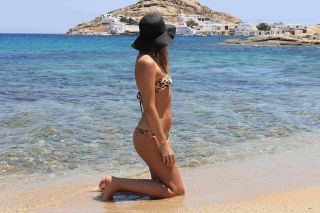
Crisis? What crisis? This is the caption posted by a Facebook ‘friend,’ below a photograph of a stereotypical Aegean beach. All the accoutrements of a ‘perfect’ holiday are present: the impossibly blue waters, the sun-bleached pebbles, the pastel multi-coloured beach umbrellas, the oiled skin of the southerners in various gradations of burn, a half-finished frappe fermenting within arm’s reach, all revealed within the context of an implacably omnipresent but unobtrusive light. Truly, there is not a hint of dissonance to suggest anything but serenity. This, to the western world and much of the Australia Greek world that has adopted its orientalist perspective, this is what Greece must be, our crisis-free, idyllic, reconstructed playground.

Yet on the island of Kos, where the photo was taken, not 100 metres away from the beach, thousands of refugees, fleeing the murderous Middle Eastern conflicts, are congregated. They are hungry, penniless and hopeless, and their presence disturbs British holidaymakers who have been reported to have made comments such as: “Who in their right mind would now go to these beautiful islands where you now have to walk round amid these freeloaders.” Some also bemoan the presence of “penniless migrants [who] sit outside their restaurant and watch them eat”.

Sadly, such sentiments are also reflected by some Australian Greeks. One recently- returned-from-the-motherland couple described to me the fury they felt when they sat down to enjoy their midday souvlaki at a restaurant. As they reached for their meal, it was snatched away from them by a young refugee, who appeared as if out of nowhere and promptly proceeded to stuff the souvlakia in his mouth. To their horror and eternal indignation, instead of chasing the presumptuous refugee away or taking punitive action, the waiter took the child by the hand and led him into the kitchen, promising him enough food to satisfy his hunger. “I felt violated,” the Australian Greek woman told me, her clipped vowels distorting in shrill arpeggios as she nervously clutched her eBay imitation Gucci handbag. “They are so unprofessional. We deliberately chose not to go to the xorio, because we didn’t want to be pestered by ‘rellos’ asking for money and giving us sob stories … but we never expected to have issues like this on the beach. They took no action at all.”

“This would never have happened in Santorini,” her lisping, Ralph Lauren polo-topped, eyebrow-plucked mortgage-broking husband cut in. “These people have lost the true essence of Greece. You watch. It just isn’t Greece anymore.”

Apparently, Greece, for a proportion of the bourgeoisiefied Australian Greeks of this ilk, consists of a tortuously twisting red line that includes the Cyclades and a few other popular Aegean islands, Corfu and Chalkidki if they have heard of it, along with the coastline of the Peloponnese. The rest of the republic is a bleak no-mans land where lapsed, money-hungry, crafty and deceitful proto-Hellenes reside, with the Acropolis, Plaka, the Athens Archaeological Museum, Delphi and Olympia forming Greek enclaves, suitable for visitation therein. When they do venture into the grey zone, it is for the purposes of free accommodation in the ancestral village, an experience which is never spoken of to anyone again. In this era, where one has not really corporeally manifested themselves in a particular place unless there is a Facebook post to prove it, Helladic holidays become stage-managed affairs, their success to be judged by the amount of ‘likes’ to be gained via an appreciation of the stereotypical photograph of the holidayer in a bikini, undergoing a languid ritual Hellenic baptism in the waters of the Aegean. Such experiences are much diminished by the unprofessionals and the needy.

For as the indignant couple informed me, they are the hope and salvation of Greece. After all, they had the luxury of choosing between hundreds of potential destinations, some of which they had discovered on a Kon-Tiki tour a decade ago, but had instead, deliberately chosen Greece, for in this way, they could save the Greek economy by ‘investing’ in it. It was highly insulting and deeply distasteful to them that in so investing, they should be expected to be exposed to the broader social and grittier financial problems of the country that exist beyond the acceptable face of Greece. Not that they don’t sympathise, and let’s not get them wrong, they are far from heartless, donating every year to the Children’s Hospital Good Friday Appeal and to collectors at traffic lights, but for the deity’s sake, do they really have to worry about the Greeks too, let alone donate? They are supposed to be on holidays and everyone knows that collections for Greek causes are always misappropriated.. And after all, they finally admit, having been psychologically prodded and poked for the better part of an hour, the Helladites deserve their problems, both the financial, as they are profligate and lazy, as well as the social, for Greece never took border security as seriously as the Howard government and now Greece is no longer Greece, for it is infested with xenoi, the Greeks being too lazy to ‘turn back the boats’. For them, Greece is the land of excellence, philosophy and logic and modern Greece lacks all of these. In parting, the mortgage-broker suggests to me that I research ‘customer service’ in ancient Greece and trace how standards have fallen, probably as a result of the Christian influence, which is not only unhellenic, but also, anti-capitalist. Look at what Jesus did to the money-lenders in the temple.

In marked juxtaposition with these deck-chair ‘patriots’, who in their concern for Greece’s greater good appear to have adopted the orientalist prejudices of their host-cultures wholesale, come the large number of Australian Greeks who thoroughly enjoy the physical beauty of their motherland but are able to place it in context, and not in isolation from, the people who reside in it, in all their fascinating, maddening, endearing and frustrating complexity. An aunt who assists in a parish soup kitchen in Piraeus reveals that a significant proportion of contributions donated for its upkeep originate from Australia. Similarly, a noteworthy proportion of second generation Greek Australians not only take the trouble between swims to walk the ground and understand the effects of the current crisis upon their compatriots, but are also providing financial assistance to family and friends. Perhaps their example can permit the more self-assured among us to gain a broader sense of perspective.

The final word in this respect can only be offered by my finance-broking interlocutor, who is not only possessed of a social conscience, but also, a fine vocabulary to boot: “Greeks earn their living from rich tourists like us, not an endless stream of illegal asylum seekers, or indeed, other broken-down Greeks. Very few want to go on vacation and be confronted with the detritus of broken societies. Our goodwill depends upon our insulation.” Steady on old boy.

* Dean Kalymniou is a Melbourne solicitor and freelance writer.

source:Neos Kosmos