Category Archives: Uncategorized

Australian media on OXI 28 October 1940

oxi7

How the Australian media reported the events of October and November 1940 in Greece.

Next Wednesday, the Greek Australian Memorial in Melbourne and the Anzac Memorial in Sydney will be the focal point of commemorations of Hellenic National Day. On 28 October 1940, fascist dictator Benito Mussolini’s forces invaded officially neutral Hellas, having received a firm ‘NO’ to his demands to occupy strategic ports and islands around the Ionian and Aegean Seas. The events have been discussed at some length. How did the Australian media report on the heady events of October and November 1940, the days when an utterly unprepared Hellenic state fought – and defeated – the Nazis’ key ally? How do those events remain relevant in 2015?

Under the headline ‘Italy’s flagrant aggression’, Melbourne’s The Age opened its coverage of the invasion with the following:

‘A small mountainous country, with long indented coasts and many islands, Greece has for years sought by agreements and treaties to promote good relations with her neighbours while carefully avoiding the least provocation to the Axis powers.

Actually, the country has been too poor to indulge revisionist ambitions, and too much immersed in domestic affairs to show more than a self-protective concern for foreign affairs.’

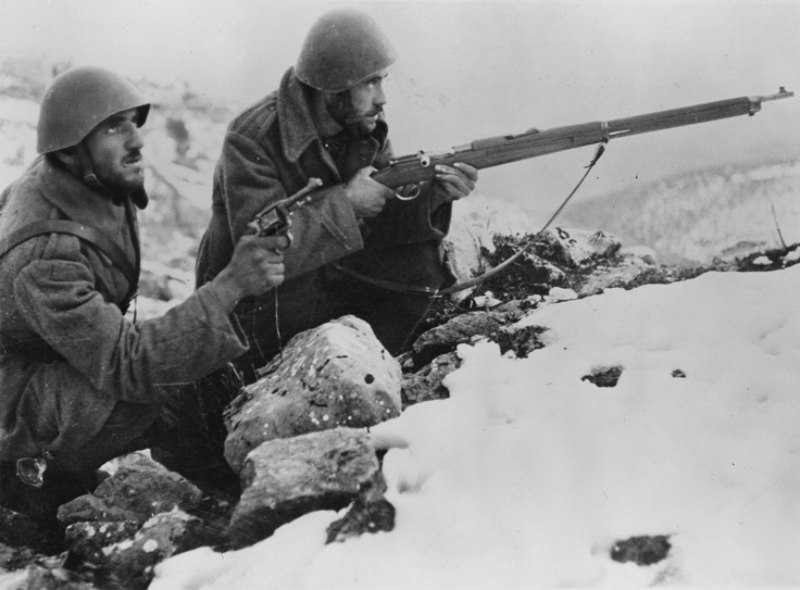
Reading the newspapers of the time – available online thanks to the National Library of Australia – the main target for Mussolini’s men was the coast of Epirus and the best port in south-eastern Europe, Thessaloniki. What evolved into the ‘Greek Campaign’ of 1941, concluding with the Battle of Crete in May, began as the struggle ‘between the invading Italian forces and the British Navy’, according to Brisbane’s The Telegraph (29 October 1940).

This key port in the last war is likely to be one in the present campaign. It was through this centre that the Allied forces in the last war struck upwards into the Balkans in the campaign that resulted in the overthrow of Bulgaria, and carried the war towards Constantinople.

The strategic island of Kerkyra (Corfu), across from the heel of the Italian peninsula, was ‘in an ideal position for use by the British fleet’. While the first Australian troops landed in Hellas in March 1941 – they joined their New Zealand comrades to form the Second Anzac Corps the following month – the Royal Australian Navy had an active presence in Hellenic waters from July 1940.

The ill-fated HMAS Sydney (originally named the HMS Phaeton) patrolled the waters around Crete and Kythera for some time. During the Battle of Cape Spada (Crete’s north-western extremity), the Australian light cruiser damaged the high-speed light cruisers Giovanni dalle Bande Nere and Bartolomeo Colleoni (the latter sinking with the loss of 121 lives). HMAS Sydney remained on duty around the Aegean until January 1941, but was not involved in another major engagement.

A few days after the initial assault, Perth’s The West Australian informed its readers: ‘GREEKS ATTACK – ENEMY REPULSED IN EAST – ADVANCE INTO ALBANIA – ITALIAN PRESSURE IN EPIRUS’. According to Italian communiqués, their forces were ‘attempting to drive down the coast in Epirus towards Yanina’, mentioning ‘bombing raids’ against the Epirote capital. Indeed, ‘one Rome statement claims that the advance has reached Yanina’. (4 November 1940, page 7).

The reality on the ground was very different. The fascist advance on Florina ‘(with Salonika as the ultimate object)’ had already been stopped by the Hellene defenders, with a counter-attack underway.

Similarly, while I recall my grandmother’s stories of hearing the Italian air-raids on Ioannina, about 20 kilometres away, the city would not fall to the Axis for more than six months.

Australian media outlets often quoted the statement of the Hellene Ambassador to London in November 1940. M. Simopoulos declared that:

“Hellenism united throughout the world is fighting today for its freedom and independence. Hellas has not survived for thousands of years to become anybody’s serf now. We are proud that our country finds itself in this struggle by the side of a great, heroic nation fighting for a common ideal, and as the King of Britain said to our King, ‘Your fight is our fight’.” (The West Australian 4 November 1940, page 7)

The longer the Hellenic resistance to the Axis invasion lasted – let’s not forget the fascists were assisted by Albanian collaborator units in their initial assault – the more gushing the praise of Hellenism became.

The 21 December 1940 issue of The Australian Women’s Weekly features a large photograph of the ‘Dancing Guardsman of King of Greece’ under the headline ‘THEY CAN FIGHT, TOO!’ The Evzones are described as ‘magnificent specimens of a race counted among the most handsome in the world. They have long been famed for their dancing, but it is their fighting the world admires just now’.

Such admiration was far from universal in Australia, as attested by the anti-Greek riots in 1930s Kalgoorlie.

RELEVANCE TO 2015

The articles in the Australian media on the failed attempt to conquer Hellas in October 1940 number in the thousands. Literally. Reading even a handful of them, such as those here, illustrate a few key points.

First, so little has changed in Hellenic society. One has only to listen to the media from Athens to understand just how ‘immersed in domestic affairs’ society in the Greek state remains.

Second, these articles, cartoons, photographs and drawings demonstrate how deeply intertwined Australia and Hellenism have been throughout the 20th century.

Australians (of Hellenic background and otherwise) served in Hellas (from Macedonia to Crete, from Epiros to Megisti) in every conflict fought there in the last century – Balkan Wars (1912-1913), World War One (1914-1918), World War Two (1939-1945), Civil War (1946-49) – serving in either military or humanitarian roles.

Hellenes and Australians served alongside each other in the South African War (1899-1902), the Korean War (1950-53), the Vietnam War, the Gulf Wars, Afghanistan, Iraq, and elsewhere. At no time have Australians and Hellenes fought against each other.

The Anzac legend has deep roots in Hellenic soil and water; it was on Lemnos, around Thessaloniki, around Thermopylae, on Crete, and elsewhere, that Anzacs fought ‘for a common ideal’.

This shared heritage should be used by history and language educators, by politicians and lobbyists, by individuals and associations, by clergy and laity, to promote Hellenism and the Hellenic ideals every single day. These ideals are shared by all Australians and are great segues to promoting Hellenic education in all its forms: language, history, culture.

If we – Australian Hellenes – do not undertake this, then who will?

* Dr Panayiotis Diamadis lectures in Genocide Studies at the University of Technology, Sydney, and teaches history at a Catholic college in Sydney.

source:Neos Kosmos

Gino and Mark Stocco: Body found on property where father and son fugitives arrested near Dunedoo, NSW

6892660-3x2-700x467

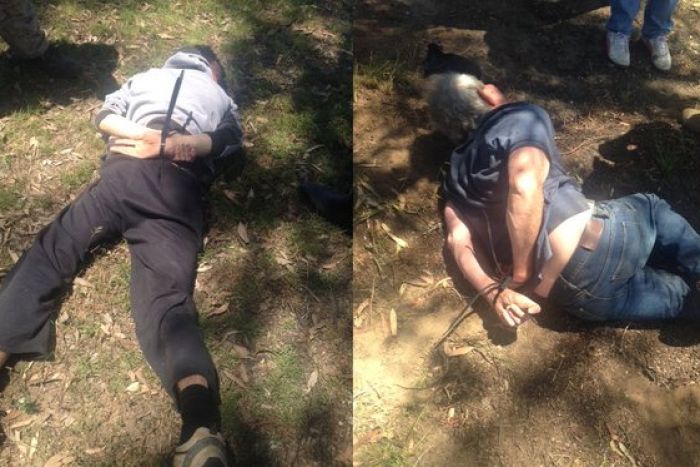
A man’s body has been found on the property where police arrested Gino and Mark Stocco, near Dunedoo in central western New South Wales.

The father and son fugitives Gino, 57, and Mark, 35, wanted after allegedly shooting at police in NSW, were taken into custody after a search spanning three states.

The pair, who had been wanted by police for eight years, were found at a property at Elong Elong, near Dunedoo.

Police said no shots were fired and no-one was injured during the arrest.

The body of the man found after the men were arrested is believed to be that of a 68-year-old who has been missing since early October.

The cause of his death is not yet known.

A crime scene has been established at the property.

An ambulance was on standby in Dunedoo at the time of the men’s arrests but a spokeswoman said it was not needed.

The pair are being taken to Dubbo police station to be charged.

There was an unconfirmed sighting of the Stoccos at about 7:00am at Hillston, which is a five-hour drive south-west of Dunedoo.

Bakery owner Donna Francis said the men were recognised by other customers who called police.

“I’m thinking to myself, are they the Stocco fellows?” she said.

“And I kept looking at them, but the father actually has a clean face now.

“I’ve only seen the police, the local ones, once and they asked me had I recognised them, and I said, well, I think it was them, I’m not 100 per cent sure.”

Elong Elong property ‘very isolated’

Elong Elong Rural Property Centre director Denise Male said she sold the property Pinevale, where the men were arrested, only last year.

She said it was an isolated property that backed onto the Goonoo State Forrest, which is traversed by many remote access roads.

“It’s a very remote and private property,” she said.

“It’s a brilliant thing that police have tracked them down to that location, because it’s very isolated.”

Police have been running a major operation to capture the Stoccos since they allegedly shot at police with a high-powered rifle during a car chase in Wagga Wagga in NSW earlier this month.

A local roadworker said he saw a number of police and ambulance vehicles travelling up the road.

“I thought something must have been up, and yeah they kicked us off our job site and told us we had to get out,” he said.

“And yeah, apparently it was the blokes who have been wanted for a long time. At least they caught them I suppose.

“In Warrumbungle Shire you don’t usually see too much of this action going on.”

They were on Australia’s most-wanted list for a number of violent crimes and property offences in Queensland, NSW and Victoria.

They were sighted at Gundagai in southern New South Wales on Saturday October 24, when they stopped to fill up a white Toyota LandCruiser with fuel, and drove away without paying.

NSW Police also received a report of a sighting east of Wagga Wagga in the morning on October 25 but had been unable to confirm it, they said.

There were also multiple sightings of the stolen vehicle in Victoria, including an unconfirmed sighting at Sale, in the state’s south east, on October 24.

The men had likely been changing their appearance, including shaving their beards, police said.

They were also believed to have frequently changed the licence plates on the LandCruiser ute.

There was speculation the pair could have stockpiles of supplies and weapons throughout NSW and Victoria.

Police described them as “fairly resourceful individuals”.

source:abc.net.au

Family’s heartbreaking words to Karlie Pearce-Stevenson and daughter Khandalyce

1445973383090

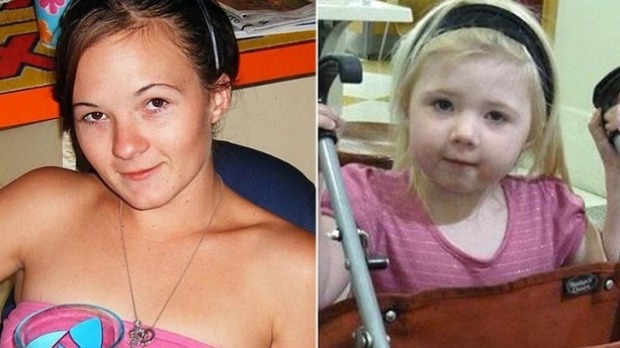
Bodies identified: Karlie Jade Pearce-Stevenson and Khandalyce Kiara Pearce. Photo: NSW Police

After almost a decade waiting to see their smiling faces again, the family of Karlie Pearce-Stevenson and her daughter Khandalyce are waiting no more.

The father and step-brother of Ms Pearce-Stevenson have provided a glimpse into their anguish over the past several years in a death notice in the NT News.
Read more: http://www.smh.com.au/nsw/familys-heartbreaking-words-to-karlie-pearcestevenson-and-daughter-khandalyce-20151027-gkk194.html#ixzz3pnntMohH
Follow us: @smh on Twitter | sydneymorningherald on Facebook

“No more looking to see if that gir (sic) is you, as we saw someone else in a crowd,” the notice published on Tuesday read.

Advertisement
“No more waiting to hear.

“No more waiting to see you show up smiling again as usual. No more laughter, giggles and pranks.

Death notice published in NT News on Tuesday.
Death notice published in NT News on Tuesday. Photo: NT News

“No more late nights just talking with the music playing

“You are the only one that knows, and you can tell your Mum, Nanna and Grandma when you see them again.”

The family have remained relatively silent, opting to grieve in privacy, since learning bones discovered five years apart in different states belonged to Ms Pearce-Stevenson and Khandalyce.

Ms Pearce-Stevenson left her home of Alice Springs with her little girl between 2006 and 2008 to travel Australia and work.

Her bones were found in Belanglo State Forest in 2010 and Khandalyce’s five years later in Wynarka, South Australia.

On the same day police revealed the shocking identity theft that occurred years after their murders, their family have vowed to remain strong for the mother and daughter.

“Our hearts have a thousand cuts and we will remain your strength,” Ms Pearce-Stevenson’s father and her step-brother, Luke Povey, wrote in the notice.

“Give Khandals a hug for me and Luke sweetie.

“Love from Dad and Luke.”

The notice included words, similar to lyrics from Cat Steven’s song Wild World.

“It’s hard to get by with just a smile girl.

“I’ll always remember you as a child.”

source:smh.com.au

China expresses anger at US warship entering South China Sea, sends own destroyers in response

f8fce2512d0bba54d64cca8cd0c55486

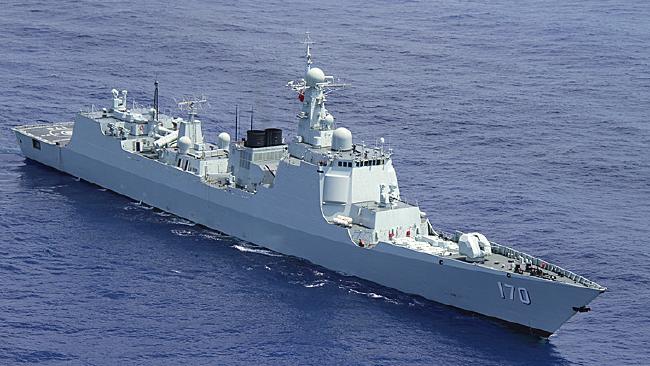
Armed response … The Chinese navy destroyer PLAN Lanzhou, above, is one of two warships deployed in response to the US destroyer USS Lassen passing close to Chinese artificial islands in the disputed South China Sea. Source: mil.cnr.cnSource:Supplied

CHINA has summoned the US ambassador in Beijing to protest the presence of a warship in what it claims as its national waters, and has deployed two of its own destroyers to counter further ‘incursions’.

The US Navy warship sailed past one of China’s artificial islands in the South China Sea yesterday, in a challenge to Chinese sovereignty claims that drew an angry protest from Beijing, which said the move damaged US-China relations and regional peace.

Vice Foreign Minister Zhang Yesui has summoned US ambassador Max Baucus to lodge a formal protest over the issue.

China’s Foreign Ministry said authorities monitored and warned the USS Lassen as it entered what China claims as a 12 mile (21km) territorial limit around Subi Reef in the Spratly Islands archipelago, a group of reefs, islets, and atolls where the Philippines has competing claims.

“The actions of the US warship have threatened China’s sovereignty and security interests, jeopardised the safety of personnel and facilities on the reefs, and damaged regional peace and stability,” the ministry said on its website.

“The Chinese side expresses its strong dissatisfaction and resolute opposition,” the statement said.

Chinese media is this morning reporting two of its own warships have been sent to waters near Subi reef to confront any further ‘trespassing’.

The guided missile destroyer Lanzhou and the patrol vessel Taizhou will enforce China’s sovereignty on the area and deter any further ‘illegal’ activity’.

“This action by the United States threatens China’s sovereignty and security interests, endangers the safety of personnel and facilities in the reef, and harms regional peace and stability,” the state-owned People’s Daily reports.

China says virtually all of the South China Sea belongs to it, while Brunei, Malaysia, the Philippines, Taiwan and Vietnam claim either parts or all of it. Since 2013, China has accelerated the creation of new outposts by piling sand atop reefs and atolls then adding buildings, ports and airstrips big enough to handle bombers and fighter jets.

WAR OF WORDS

The US Obama administration has long said it will exercise a right to freedom of navigation in any international waters.

“Make no mistake, the United States will fly, sail and operate wherever international law allows, as we do around the world, and the South China Sea is not and will not be an exception,” Defense Secretary Ash Carter said earlier this month.

A Chinese Foreign Ministry statement said China adhered to international law regarding freedom of navigation and flight, but “resolutely opposes the damaging of China’s sovereignty and security interests in the name of free navigation and flight.”

“China will firmly deal with provocations from other countries,” the statement said, adding that China would continue to monitor the air and sea and take further action when necessary.

Chinese Foreign Ministry spokesman Lu Kong said such actions by the US might end up spurring further advances in Chinas defence capabilities.

“If any country wishes to disrupt or impede China’s reasonable, justifiable and lawful activities on our own territories by playing some little tricks, I would advise these countries to cast off this fantasy,” Lu said.

Indonesia’s president called last night for all parties to exercise restraint and for China and Southeast Asia’s regional bloc to start discussions on the substance of a code of conduct to manage tensions there.

Widodo, who met President Barack Obama on Monday, said Indonesia supports freedom of navigation but also underlined his nation’s neutrality.

“Indonesia is not a party to the dispute but we have a legitimate interest in peace and stability there. We call on all parties to exercise restraint and refrain from taking actions that could undermine trust and confidence and put at risk the peace and stability of the region,” he told the Brookings Institution think tank.

The Association of Southeast Asian Nations, or ASEAN, and China have made little headway in the past decade on negotiating a binding code of conduct in the South China Sea, which is a major conduit for world trade.

INTERNATIONAL CONCERN

US ally the Philippines welcomed the move as a way of helping maintain “a balance of power.”

Navy officials had said the sail-past was necessary to assert the US position that China’s man-made islands cannot be considered sovereign territory with the right to surrounding territorial waters.

Speaking to foreign correspondents in Manila, Philippine President Benigno Aquino III said he supported the US naval manoeuvres as an assertion of freedom of navigation and as a means to balance power in the region.

“I think expressing support for established norms of international behaviour should not be a negative for a country,” he said. “I think everybody would welcome a balance of power anywhere in the world.”

FACING OFF

Beijing’s response closely mirrored its actions in May when a navy dispatcher warned off a US Navy P8-A Poseidon surveillance aircraft as it flew over Fiery Cross Reef, where China has conducted extensive reclamation work.

A Defense Department official, who spoke on condition of anonymity to discuss the USS Lassen’s movements, said the patrol was completed without incident. A Pentagon spokesman, Navy Cmdr. Bill Urban, declined to comment.

International law permits military vessels the right of “innocent passage” in transiting other country’s seas without notification. China’s Foreign Ministry, though, labelled the ship’s actions as illegal.

The US says it doesn’t take a position on sovereignty over the South China Sea but insists on freedom of navigation and overflight. About 30 per cent of global trade passes through the South China Sea, which also has rich fishing grounds and a potential wealth of undersea mineral deposits.

China says it respects the right of navigation but has never specified the exact legal status of its maritime claims. China says virtually all of the South China Sea belongs to it, while Brunei, Malaysia, the Philippines, Taiwan and Vietnam claim either parts or all of it.

ROUGH WATERS AHEAD

State Department spokesman John Kirby said Monday the US would not be required to consult with other nations if it decided to conduct freedom of navigation operations in international waters.

“The whole point of freedom of navigation in international waters is that it’s international waters. You don’t need to consult with anybody,” Kirby said.

The South China Sea has become an increasingly sore point in relations with the United States, even as President Barack Obama and China’s President Xi Jinping have sought to deepen cooperation in other areas.

Despite those tensions, exchanges between the two militaries have continued to expand, with a US Navy delegation paying visits last week to China’s sole aircraft carrier and a submarine warfare academy.

source:news.com.au


Six-point lead for Reds after PAOK downs Panathinaikos

rodrigues_vs_pao_web-thumb-large

A spectacular first-half performance by PAOK saw the Thessaloniki giant beat Panathinaikos 3-1 at home on Sunday in the most important game of the eighth round of Super League games, while leader Olympiakos overcame one more opponent on the road as it beat Atromitos 2-1.

PAOK put three past the league’s best defense within a quarter of an hour thanks to a Dimitar Berbatov penalty kick, and goals by Garry Rodrigues and Miguel Vitor. This was Berbatov’s third Super League goal, but upon scoring he pulled a muscle and got substituted.

The only thing Panathinaikos managed to do at Toumba was to score from the penalty spot through Nikos Karelis in the second half.

That result has allowed Olympiakos to stretch its advantage at the top to six points from Panathinaikos, after its victory at Peristeri. Two goals by Spanish central defender Alberto Botia gave the Reds a 2-0 lead before Serb Milos Stojcev pulled one back for Atromitos.

AEK is now two points behind Panathinaikos, in third, courtesy of an emphatic 5-1 home win over Iraklis on Saturday. Ronald Vargas netter twice, with Christos Aravidis, Elder Barbosa and Diego Buonanotte scoring one each. Apostolos Vellios tucked in Iraklis’s consolation. Next weekend AEK visits Panathinaikos.

Veria put an end to Panionios’s great run scoring the game’s sole goal at Nea Smyrn in the last minute of injury time. There were also away wins for Asteras Tripolis at PAS Giannina (2-1) and for Platanias Hanion at Panetolikos by the same score.

The games of Kalloni Lesvou with Levadiakos and of Panthrakikos with Xanthi finished goalless.

source:ekathimerini.com

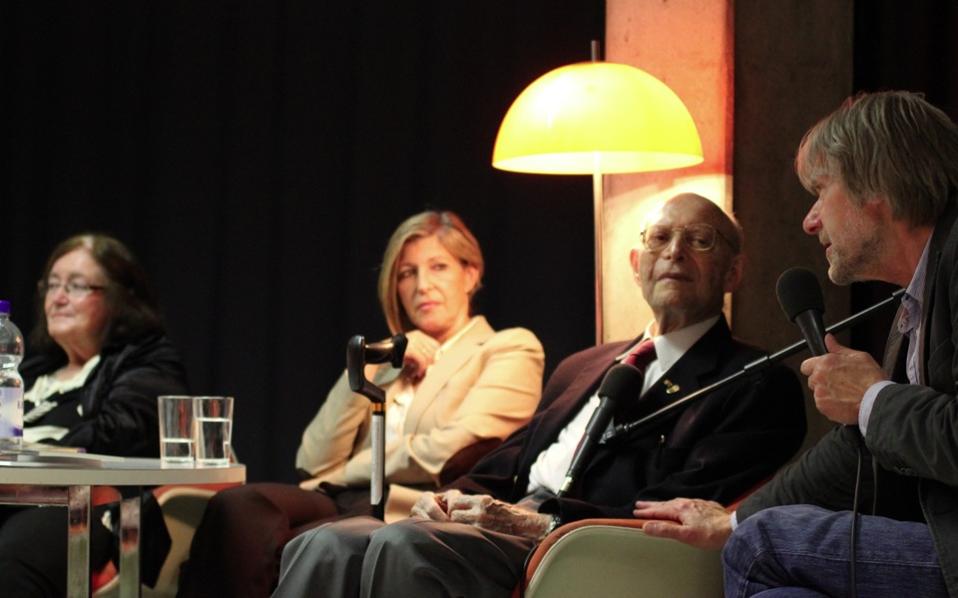
News story prompts reunion between German journalist, Greek Holocaust survivor

kalariti_web-thumb-large

Gizela Kalariti (left), 77, and 87-year-old Heinz Kounio (third from left), accompanied by his daughter, are seen during the event held in Ulm, Germany. Kounio, a Greek Jew who had been put on the first train to leave Thessaloniki for Auschwitz 70 years ago, spoke of his experience at the SS camps.

Newspaper old-timers have a point when they say that the most beautiful stories can often be found in readers’ letters to the editors, and a fine example landed on the doorstep at Kathimerini recently, handwritten in a somewhat old-fashioned hand and sprinkled with just a few spelling mistakes.

“I apologize for any errors in Greek; I taught myself the language,” said the writer, 77-year-old Gizela Kalariti from Ulm in Germany. The surname comes from her late Greek husband but her knowledge of the language is all her own, learned long before she met him thanks to a deep love of all things Greek from a young age. Her attraction was inexplicable. In fact, her father asked her one day: “What is it about the country that draws you so strongly? Perhaps we have some distant relation?” Extensive research into the family’s genealogy failed to turn up a link. Before retiring, Kalariti worked as a journalist in a local newspaper, in which she had published a plethora of pieces on Greece.

But why was she writing to Kathimerini now? It all started last April when she read an edition of the paper dated March 15, “with some delay,” she admits. A faithful reader for the past 25 years, Kalariti has her local newsagent save her copies of the Sunday editions of Kathimerini, Ta Nea and Efimerida ton Syntakton.

“But I had been busy and didn’t get my hands on the paper until some days later,” she wrote. As she eventually leafed through it her attention was drawn by a photograph with a story by Sakis Ioannidis on 87-year-old Heinz Kounio, one of the last survivors of the Holocaust, a Jew who had boarded the first train to leave Thessaloniki 70 years ago for Auschwitz. The sight of the photograph took Kalariti back 30 years.

“I grew more and more restless as the days passed. I kept thinking that I had to do something. But what? For me it was an incredible story,” she wrote to Kathimerini.

Kalariti has visited Thessaloniki in 1984 to research a story on the city’s Jews, over 90 percent of whom were exterminated in the Nazi death camps. As she wandered around the city, she happened on Kounio’s photography studio. They spent several hours talking.

“That is when I got his book, ‘I Survived Death,’ which I’ve read three or four times. He had taken most of the photographs in the book. He told me that when the camp was liberated – he was just 35 kilos by then – the Americans asked him his profession. He told them he was a photographer and they gave him a camera. That is why we have so many original photographs from that event,” said Kalariti.

In 1988 Kalariti met Kounio’s sister Erica, but as the years passed, they eventually lost touch.

“But I didn’t forget them,” said Kalariti. “I didn’t know whether they were alive or dead until I read that Kathimerini paper.”

The story got her thinking. “I spent a week pacing around my apartment thinking of what I could do,” she said. She started by calling a friend who taught at the University of Ulm and pitched the idea of organizing a series of events on Greece.

“For so many years the German press has been insulting the Greeks, writing about their mistakes, that they are lazy; it’s not right. It’s not right to tar an entire people with the same brush.”

Her friend agreed with alacrity and she proposed a screening of Giorgos Avgeropoulos’s documentary on the Greek crisis, “Agora,” a talk by writer Petros Markaris on the last book of his trilogy on the crisis, “End Titles,” as well as presentations by Greek Holocaust survivors Argyris Sfountouris from Distomo, and, of course, Kounio.

Kalariti was concerned about whether Kounio would agree to travel.

“I looked through all my old address books, 30 years’ worth, and found his home phone number. I was nervous but told myself, ‘Be brave.’” Kounio, like the other three guests, accepted the invitation at once and spoke at the university on September 30.

“When he arrived I spent three or four hours with him at his hotel; we spoke a lot. It was such a lovely atmosphere, as though we were neighbors,” wrote Kalariti. “The event was a big success; you could hear a pin drop. Despite his years, he spoke for an hour-and-a-half about what he went through in the SS camps. His daughter, who had accompanied him, would help him when he choked up. It was amazing teamwork. I’m so happy it could all happen.”

source:ekathimerini.com

Ancient warrior’s tomb, treasure hoard found in Greece

nestors_tomb-thumb-large

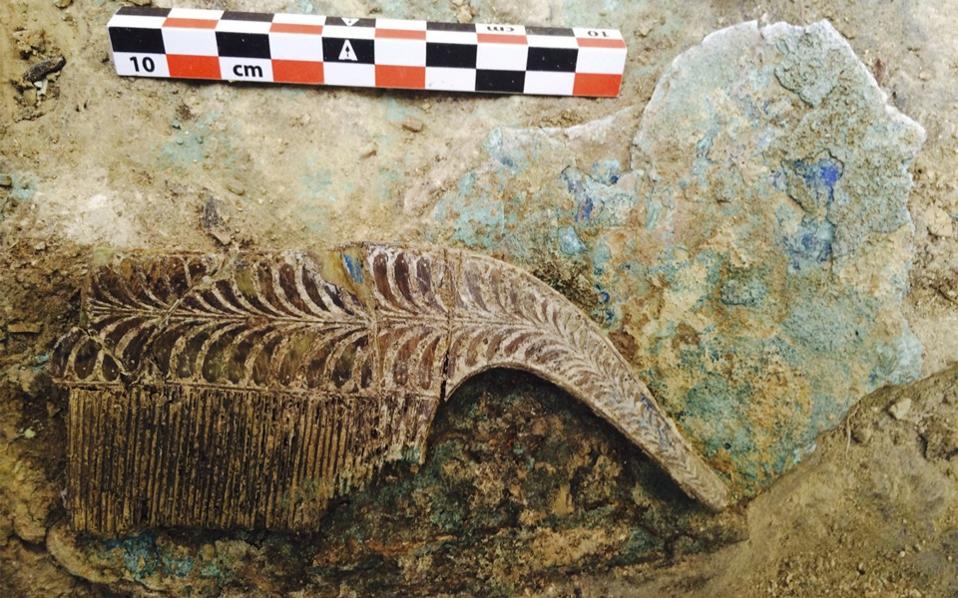
US archaeologists in Greece have uncovered the skeleton of an ancient warrior that has lain undisturbed for more than 3,500 years along with a huge hoard of treasure, the Greek culture ministry announced Monday.

The treasure is “the most important to have been discovered in 65 years” in continental Greece, the ministry said.

The wooden coffin of the unknown soldier – evidently a person of some importance – was found on the site of the Mycenaean-era Palace of Nestor on Greece’s Peloponnese peninsula.

He had been laid to rest with an array of fine gold jewelery, including an ornate string of pearls, signet rings, a bronze sword with a gold and ivory handle, silver vases and ivory combs.

The jewelery is decorated in the style of the Minoans, the civilization that flourished on the island of Crete from around 2000 BC, with the figures of deities, animals and floral motifs.

The archaeologists, Jack L. Davis and Sharon R. Stocker from the University of Cincinnati, have identified more than 1,400 pieces “whose quality testifies to the influence of the Minoans” on the later Mycenaeans.

The Mycenean civilization spread from the Peloponnese across the whole of the eastern Mediterranean in the 2nd century BC.

The tomb, which stands at 2.4 meters (7 feet 10 inches) long and 1.5 meters wide, was unearthed during excavations begun in May near Pylos, on the site of the palace of Nestor.
Built between 1300 and 1200 BC, the palaces ruins were discovered in 1939.

source:ekathimerini.com

Πήγε να τους ληστέψει και βρέθηκε γυμνός στο κρεβάτι τους

EB3812B8C3BDDE1D86EAE0E53E7430D9

Ληστής μπήκε στο σπίτι ενός ζευγαριού στο Πόρτλαντ των ΗΠΑ και αφού έκλεψε αντικείμενα αξίας, γδύθηκε και τρύπωσε στο κρεβάτι του ζευγαριού.

Στη συνέχεια φίλησε τον άνδρα, ο οποίος ξύπνησε και είδε τον γυμνό ληστή να τον απειλεί με μαχαίρι. Τότε το θύμα έσπρωξε τον ληστή, πήρε ένα όπλο που είχε στο σπίτι και του ζήτησε να σταματήσει.

«Ο ύποπτος φόρεσε το παντελόνι του και έτρεξε έξω από το σπίτι, ενώ τον κυνηγούσε το θύμα που πυροβόλησε τρεις φορές κοντά στον ύποπτο για να τον σταματήσει» είπε ο αστυνομικός Πιτ Σίμπσον.

Ο 32χρονος ληστής Ντιν Ντεφόιντις συνελήφθη λίγο αργότερα σε εγκαταλελειμμένο κτίριο.

Πηγή:in.gr

«Ο παππούς μου ο Τίτο δεν θα επέμενε ποτέ στο όνομα ‘Μακεδονία’»

D97267DF1C3FC8E5813DF3E481C9D86B

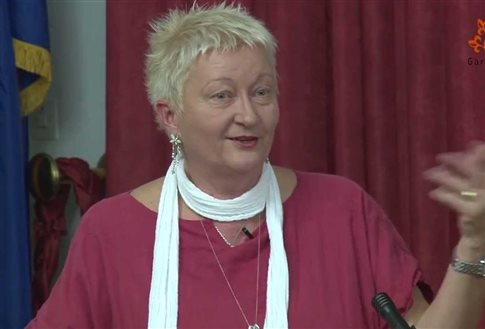
Η Σβετλάνα Μπρος βρέθηκε πρόσφατα στην Αθήνα και μίλησε στο in.gr για τη ζωή της, την «πεισματική» εμμονή της ΠΓΔΜ στην αλυτρωτική πολιτική της, αλλά και για τη σημερινή Βοσνία και Ερζεγοβίνη, «ένα κράτος τριών εθνοτικών ομάδων και όχι των πολιτών του»

«Ο Τίτο δεν θα επέμενε ποτέ στο όνομα ‘Μακεδονία’. Ο Τίτο επ’ ουδενί θα δεχόταν να εκφράζονται εθνικιστικές απόψεις. Κι έπειτα ουδέποτε έδειξε κάποια φιλοδοξία για κανένα έδαφος ή κράτος, ενώ η πολιτική του προς την Ελλάδα ήταν πολύ φιλική». Εικασία μεν, πλην όμως διατυπωμένη από έναν άνθρωπο που είναι σε θέση να έχει άποψη: τη Σβετλάνα Μπροζ, την εγγονή του Τίτο.

Αν και αποφεύγει να μιλάει δημοσίως για τον παππού της – σε μία προσπάθεια να προστατεύσει την ανάμνησή του – η Σβετλάνα Μπροζ δεν παύει να είναι μία γυναίκα που μεγάλωσε σε μία από τις πιο σημαντικές πολιτικές οικογένειες στον κόσμο. Και μπορεί η ίδια να απορρίπτει την πολιτική ως τρόπο ζωής και να δηλώνει «ουμανίστρια», οι κοινωνικοπολιτικές ανησυχίες ωστόσο αναμφισβήτητα κυλούν στο αίμα της.

Καρδιολόγος στο επάγγελμα, η εγγονή του Τίτο – κόρη του γιου του Ζάρκο – έχει αφιερωθεί εδώ και πολλά χρόνια στην προάσπιση των ανθρωπίνων δικαιωμάτων. Για τον λόγο αυτό εργάστηκε τα πρώτα χρόνια του πολέμου εθελοντικά στη Βοσνία και Ερζεγοβίνη. Για τον ίδιο λόγο έκανε ένα σχετικά σύντομο «δημοσιογραφικό ταξίδι», προσπαθώντας να συγκεντρώσει μαρτυρίες ανθρώπων που εκείνα τα πρώτα χρόνια του πολέμου βίωσαν την καλοσύνη και σώθηκαν από τον «εχθρό», ανθρώπους διαφορετικών εθνοτικών ομάδων.

Ίσως όμως πιο περήφανη είναι για το έργο τής Gariwo (Gardens of Righteous Worlwide), της Μη Κυβερνητικής Οργάνωσης την οποία έχει ιδρύσει και διευθύνει και στόχος της οποίας είναι να διδάξει στους νέους ανθρώπους την αξία του πολιτικού θάρρους (civil courage). Σε αυτό έχει επενδύσει τις περισσότερες ελπίδες της για μία μη βίαιη αλλαγή στη Βοσνία και Ερζεγοβίνη, μία χώρα όπου, όπως λέει, «ο φόβος είναι το κυρίαρχο συναίσθημα»: ο φόβος που οι πολιτικοί της χώρας – «δυστυχώς, εθνικιστές στην πλειονότητά τους» – εσκεμμένα καλλιεργούν στους πολίτες.

Η Σβετλάνα Μπρος βρέθηκε πρόσφατα στην Αθήνα, όπου συμμετείχε στο διεθνές συνέδριο για τον «Θρησκευτικό και ιστορικό πλουραλισμό και την ειρηνική συνύπαρξη στη Μέση Ανατολή», το οποίο οργάνωσε το ελληνικό Υπουργείο Εξωτερικών. Με αυτή την αφορμή μίλησε στο in.gr για τη ζωή της, το έργο της, την «πεισματική» εμμονή της ΠΓΔΜ στην αλυτρωτική πολιτική της, αλλά και για τη σημερινή Βοσνία και Ερζεγοβίνη, «ένα κράτος τριών εθνοτικών ομάδων και όχι των πολιτών του», «καταδικασμένο» να παραμείνει εκτός Ευρωπαϊκής Ένωσης όσο στο τιμόνι του βρίσκονται οι ίδιοι άνθρωποι «που οργάνωσαν τον πόλεμο, υπέγραψαν τη Συνθήκη του Ντέιτον, που εκφοβίζουν τον κόσμο διαρκώς και που στην πραγματικότητα είναι κατά της ΕΕ και κατά της αλλαγής του Συντάγματος».

Ακολουθεί ολόκληρη η συνέντευξη

Συμμετείχατε σε ένα ιστορικό διεθνές συνέδριο με θέμα «Θρησκευτικός και ιστορικός Πλουραλισμός και Ειρηνική συνύπαρξη στη Μέση Ανατολή», το οποίο οργάνωσε το ελληνικό Υπουργείο Εξωτερικών. Πείτε μας τις εμπειρίες σας πάνω σε αυτό το θέμα.

Πρώτα απ’ όλα θα ήθελα να τονίσω ότι είμαι εντυπωσιασμένη από το γεγονός ότι η Ελλάδα έχει την ικανότητα και τη δύναμη να οργανώσει ένα τόσο σημαντικό διεθνές συνέδριο, σε μία περίοδο που η ίδια έχει τα δικά της προβλήματα και γίνεται διαμεσολαβητής σε μία ίσως από τις πιο δύσκολες περιόδους για τη χώρα. Πρόκειται για μία πρωτοβουλία από την πλευρά της Ελλάδας, που δείχνει την κατανόηση του γενικότερου προβλήματος που υπάρχει στην περιοχή, και όχι μόνο σε μία χώρα.

Για τη Μέση Ανατολή τώρα, θα έλεγα ότι υπάρχουν προβλήματα εδώ και 60 ή και περισσότερα χρόνια σε ορισμένες περιοχές, όπως το Ισραήλ και τα Παλαιστινιακά Εδάφη. Σήμερα, ωστόσο, είμαστε μάρτυρες της επείγουσας ανάγκης για δράση σε ορισμένα μέρη της περιοχής, τα οποία φλέγονται τα τελευταία χρόνια σε συγκρούσεις. Η κατάσταση αυτή έχει τραβήξει την προσοχή τόσο σε συλλογικό όσο και σε προσωπικό επίπεδο με σκοπό τη συμφιλίωση. Είμαι βεβαία ότι όλα τα βλέμματα είναι στραμμένα στη Μέση Ανατολή τα τελευταία χρόνια.

Φέρετε ένα μεγάλο όνομα, είστε εγγονή του Τίτο. Μιλήστε μας για τον παππού σας.

Πιστεύω ότι είμαι ο τελευταίος άνθρωπος που θα έπρεπε να το κάνει. Υπάρχουν τόσοι ιστορικοί που έχουν δουλέψει στην προσωπικότητα και το έργο του. Έχουν γραφτεί περισσότερες από 750 βιογραφίες για τον Τίτο. Σε προσωπικό επίπεδο, ξέρετε, κρατούσα πάντα την ανάμνηση του παππού μου για μένα. Δεδομένου άλλωστε ότι είμαι δημόσιο πρόσωπο, εάν επαναλάμβανα την ίδια ιστορία χιλιάδες φορές, θα έχανα την ιστορία. Νομίζω λοιπόν ότι έχω δικαίωμα να την κρατήσω για μένα…

Είστε καρδιολόγος, αλλά έχετε ασχοληθεί και με τη δημοσιογραφία. Παράλληλα εδώ και χρόνια έχετε αφοσιωθεί στην προάσπιση των ανθρωπίνων δικαιωμάτων και διευθύνετε την Μη Κυβερνητική Οργάνωση Gariwo, την οποία και ιδρύσατε. Μιλήστε μας για τη δική σας ζωή.

Ήδη αναφέρατε τα πιο σημαντικά πράγματα για τη ζωή μου. Είμαι καρδιολόγος. Γεννήθηκα, σπούδασα και εργάστηκα επί χρόνια στο Βελιγράδι. Αργότερα ωστόσο, στα τέλη του 1999, αποφάσισα να μετακομίσω στο Σαράγεβο.

Στις αρχές του πολέμου στη Βοσνία και Ερζεγοβίνη, όταν η Γιουγκοσλαβία είχε πια διαλυθεί από τους πολέμους, αποφάσισα να πάω στη Βοσνία και Ερζεγοβίνη και να προσπαθήσω να βοηθήσω έστω και έναν άνθρωπο που βρισκόταν σε ανάγκη εκείνη την περίοδο. Εργαζόμουν λοιπόν ως καρδιολόγος εθελοντικά σε διαφορετικές, συχνά αυτοσχέδιες καρδιολογικές μονάδες, σε μικρές περιοχές και χωριά στη Βόρεια Βοσνία και Ερζεγοβίνη.

Εκείνα τα πρώτα χρόνια του πολέμου, έτυχε να ακούσω, έστω και αν δεν ρωτούσα, αρκετούς ασθενείς μου οι οποίοι μού τόνιζαν πώς σώθηκαν από κάποιον που ανήκε σε διαφορετική εθνοτική και θρησκευτική ομάδα, το οποίο εκείνη την περίοδο ήταν εντυπωσιακό. Έπειτα από περίπου 10 τέτοιου είδους ιστορίες, άρχισα να σκέφτομαι για ποιον λόγο οι άνθρωποι αυτοί μου τις εκμυστηρεύονταν. Συνειδητοποίησα λοιπόν ότι δεν είχε σχέση το γεγονός ότι ήμουν γιατρός, αφού πολλοί συνάδελφοι, δυστυχώς γιατροί, εμπλέκονταν σε εγκλήματα πολέμου.

Άρχισα λοιπόν να καταλαβαίνω ότι αυτοί οι άνθρωποι πίστευαν ότι εγώ – ερχόμενη και επιστρέφοντας στο Βελιγράδι – είχα περισσότερες πιθανότητες να επιβιώσω από τον πόλεμο απ’ ό,τι εκείνοι. Κι έπειτα κατάλαβα ότι αυτό που τελικά επιθυμούσαν ήταν να αφήσουν σε κάποιον ο οποίος θα επιβίωνε την προσωπική τους ιστορία, προκειμένου να τη μοιραστούν με αυτόν τον τρόπο.

Αναρωτήθηκα λοιπόν: «Έχουμε το ηθικό δικαίωμα να το αγνοήσουμε; Έχουμε το ηθικό δικαίωμα να κρατήσουμε και να μη μοιραστούμε τις μαρτυρίες τους;». Η απάντηση ασφαλώς και ήταν όχι. Για τον λόγο αυτό άφησα για μία περίοδο την Καρδιολογία και με εξοπλισμό μαγνητοφώνησης άρχισα εκείνα τα πρώτα χρόνια του πολέμου να γυρίζω όλη τη χώρα για να συλλέξω τέτοιου είδους μαρτυρίες, αφού όπως προανέφερα όσες είχα ακούσει ως καρδιολόγος παρέμειναν στο ιατρικό μου απόρρητο.

Συνομίλησα συνολικά με περισσότερους από 100 ανθρώπους από τρεις μεγάλες εθνοτικές ομάδες στη Βοσνία και Ερζεγοβίνη, οι οποίοι δέχτηκαν να ηχογραφήσουν τις μαρτυρίες τους. Επιστρέφοντας ωστόσο στο Βελιγράδι, κάποιος έκλεψε σχεδόν όλο το υλικό. Πολύ λίγες ιστορίες διασώθηκαν. Αντιλήφθηκα βεβαίως ότι δεν επρόκειτο απλώς για κλοπή, αλλά στόχος ήταν να με εμποδίσουν κάποιοι από το να γίνω συγγραφέας ενός τέτοιου βιβλίου, να μην εκδοθεί ένα βιβλίο με αυτές τις μαρτυρίες. Αυτό και μόνο υπήρξε για μένα η απόδειξη ότι κινούμουν προς τη σωστή κατεύθυνση και έπρεπε να συνεχίσω. Επέστρεψα λοιπόν στη Βοσνία και Ερζεγοβίνη και συγκέντρωσα περισσότερες από 100 νέες μαρτυρίες.

Εξαιτίας της κλοπής ωστόσο, η δημοσίευση του βιβλίου αναβλήθηκε για τρία χρόνια. Δημοσιεύθηκε υπό τον τίτλο – στα Αγγλικά – «Good people in evil times» και μεταφράστηκε σε πολλές γλώσσες, δυστυχώς όχι στα Ελληνικά.

Σε κάθε περίπτωση, το βιβλίο αυτό έγινε τελικά κάτι το οποίο δεν περίμενα. Αρχικά ασχολήθηκα με αυτό, προσβλέποντας στις μελλοντικές γενιές – πίστευα ότι είναι σημαντικό να αφήσεις το ίχνος της ανθρωπότητας σε ανθρώπινες καταστάσεις, όπως είναι ο πόλεμος. Τελικά όμως, το συγκεκριμένο βιβλίο υπήρξε πολύ σημαντικό και για τις σημερινές γενιές. Όταν άρχισε να κυκλοφορεί το βιβλίο στη Βοσνία και Ερζεγοβίνη, συνειδητοποίησα ότι υπάρχουν τόσοι πολλοί άνθρωποι που ήταν ευτυχείς να γνωρίζουν ότι υπάρχει κάτι τέτοιο και πως εν πάση περιπτώσει η εμπειρία τους δεν είναι μοναδική, ότι μπορούν να τη μοιραστούν με άλλους.

Αυτή η καλοσύνη – ορισμένες φορές ακόμη και αυτοθυσία – υπήρξε στη συνέχεια πηγή έμπνευσης για τη δημιουργία του εκπαιδευτικού προγράμματος με σκοπό την ανάπτυξη του πολιτικού θάρρους (civil courage). Μέσω αυτού του προγράμματος έχω μέχρι στιγμής δουλέψει με περισσότερους από 100.000 νέους ανθρώπους στη Βοσνία και Ερζεγοβίνη και τα Δυτικά Βαλκάνια. Πρόκειται για την ικανότητα να αντιστέκεται κανείς σε όλους όσοι είναι φανερά αρνητικοί και εκμεταλλεύονται την όποια εξουσία τους (πολιτική, θρησκευτική), και παραβιάζουν τα ανθρώπινα δικαιώματα, για τους δικούς τους σκοπούς. Σε αυτό το έργο, την ανάπτυξη του πολιτικού θάρρους που θα κάνει την αλλαγή με όχι βίαιο τρόπο, εργάζομαι τα τελευταία 23 χρόνια.

Πώς βλέπετε τις σχέσεις της Βοσνίας και Ερζεγοβίνης με την Ελλάδα;

Είμαι πολύ ευτυχής που η Ελλάδα είναι τόσο φιλική προς τη Βοσνία και Ερζεγοβίνη. Η Ελλάδα έκανε πολλά μετά τον πόλεμο για την αποκατάσταση αξιών και είμαι πραγματικά ευγνώμων για κάθε προσπάθεια που έχει γίνει από τους έλληνες υπουργούς Εξωτερικών και τους πρέσβεις, περιλαμβανομένου ειδικότερα και του νυν πρέσβη, κυρίου Κάρολου Γάδη.

Η Thessaloniki Agenda 2003 αποτελεί τη βάση στην ευρωπαϊκή προοπτική των χωρών των Δυτικών Βαλκανίων. Τα περασμένα χρόνια η Ελλάδα είχε κάνει σημαντικές επενδύσεις, δημόσιες και ιδιωτικές στην ευρύτερη περιοχή διεκδικώντας τον τίτλο της «ατμομηχανής» των Βαλκανίων. Τα τελευταία χρόνια, η οικονομική κρίση έχει μειώσει την οικονομική εμβέλεια της Ελλάδας, όμως η πολιτική παρουσία και κυρίως η πολιτική στήριξη παραμένει. Εσείς πώς βλέπετε τον ρόλο της Ελλάδας στα Βαλκάνια;

Είμαι της άποψης ότι η οικονομική ή υλική στήριξη δεν είναι πάντα και η πιο σημαντική. Εκτιμώ ότι η πολιτική κατανόηση του τι συμβαίνει στην περιοχή των Βαλκανίων είναι εξαιρετικά σημαντική. Και φυσικά είναι πολιτικά ρεαλιστικό να υποστηρίζονται οι θετικές αλλαγές στα Δυτικά Βαλκάνια και για ολόκληρη την περιοχή, αλλά και για την Ευρώπη. Διότι θα πρέπει να αποτελέσουμε μέρος της Ευρωπαϊκής Ένωσης, το οποίο εμείς, περιλαμβανομένων των πολιτικών μας, δεν μπορούμε να επιτύχουμε χωρίς την υποστήριξη των γειτονικών ευρωπαϊκών χωρών. Θεωρώ λοιπόν ότι ο ρόλος της Ελλάδας είναι πολύ σημαντικός σε αυτήν τη διαδικασία.

Μιας και είμαστε στα Βαλκάνια, θα ήθελα να σταθώ σε ένα ιδιαίτερο θέμα, το «ονοματολογικό» – η πΓΔΜ συμπεριελήφθη από την τότε ελληνική Προεδρία ΕΕ στη Thessaloniki Agenda. Έκτοτε, η Ελλάδα έχει κάνει βήματα προσέγγισης και διαλόγου, ενώ η πΓΔΜ συνεχίζει στην ίδια πολιτική. Πολλοί ιστορικοί επιρρίπτουν ευθύνη στον Τίτο ότι εκείνος έδωσε το όνομα «Μακεδονία», αν και είναι γνωστό ότι είχε πολύ φιλικές σχέσεις με την Ελλάδα. Θεωρείτε πως αν γνώριζε τη σημερινή πολιτική της πΓΔΜ, θα επέμενε στην ονομασία «Μακεδονία»;

Έχετε δίκιο όσον αφορά ότι ο Τίτο ουδέποτε έδειξε κάποια φιλοδοξία για κανένα έδαφος ή κράτος και η πολιτική του ήταν όντως πολύ φιλική προς την Ελλάδα. Αν και είναι λοιπόν πολύ δύσκολο να υποθέσω πώς θα αντιδρούσε κάποιος σε ορισμένες καταστάσεις 35 χρόνια μετά, βάσει της πολιτικής του, για μένα είναι σαφές ότι ποτέ δεν θα επέμενε στο όνομα «Μακεδονία».

Θεωρώ ότι δεν είναι σοφή η πολιτική των νυν πολιτικών της πΓΔΜ, το όνομα της οποίας είναι ακόμη και δύσκολο να το προφέρει κανείς. Για την ακρίβεια, δεν μπορώ καν να κατανοήσω την επιμονή τους. Δεν θέλουν να κάνουν προσπάθειες με την Ελλάδα, άλλα κράτη στα Ηνωμένα Έθνη ή άλλου, προκειμένου να καταλήξουν από κοινού σε μία φυσιολογική απόφαση για μία φυσιολογική, κοινά αποδεκτή ονομασία για τη χώρα τους, η οποία δεν θα προσβάλλει την Ελλάδα.

Θα ήθελα όμως να προσθέσω κάτι ακόμη όσον αφορά το γεγονός ότι ο Τίτο δεν θα επέμενε ποτέ στην ονομασία «Μακεδονία». Βάσει νόμου στην πρώην Γιουγκοσλαβία, όσο ο Τίτο ήταν πρόεδρος, ήταν σαφές ότι όσοι εξέφραζαν δημοσίως τις εθνικιστικές τους απόψεις, έπρεπε να τιμωρούνται γι’ αυτές. Όταν ήμουν νέα, και καθώς ήμουν πάντα δημοκρατική, ήμουν αντίθετη με τον συγκεκριμένο νόμο υπό την έννοια ότι όλοι έχουν το δικαίωμα να μιλούν για ό,τι θέλουν. Όταν όμως είδα πώς διαμελίστηκε η Γιουγκοσλαβία εξαιτίας των εθνικιστών, οι οποίοι σχεδόν όλοι – πλην του Μιλόσεβιτς – τιμωρήθηκαν βάσει του νόμου, συνειδητοποίησα ότι ίσως αυτός ήταν ο σωστός τρόπος. Εάν λοιπόν αναλογιστώ εκείνο τον νόμο, τότε πώς θα μπορούσα να πιστέψω ότι ο Τίτο θα δεχόταν οπουδήποτε εθνικιστικές απόψεις; Και οι σύγχρονοι πολιτικοί των τελευταίων 20 ετών, στην πλειονότητά τους είναι εθνικιστές – δυστυχώς.

Η άποψή σας για την ευρωπαϊκή προοπτική της χώρας;

Θεωρώ ότι όλα τα κράτη της πρώην Γιουγκοσλαβίας θα πρέπει να γίνουν μέλη της ΕΕ για τον εξής βασικό και απλό λόγο. Γιατί ιδρύθηκε η ΕΕ; Διότι δεν υπήρχαν άλλοι πόλεμοι. Αυτό είναι το πιο σημαντικό.

Όσον αφορά τη Βοσνία και Ερζεγοβίνη ωστόσο εκτιμώ ότι ειλικρινά δεν μπορεί να γίνει μέλος της ΕΕ σε μία περίοδο που οι περισσότεροι πολιτικοί της στην εξουσία είναι εθνικιστές. Πρώτα από όλα όμως, η Βοσνία και Ερζεγοβίνη δεν είναι δυνατόν να γίνει κράτος-μέλος της ΕΕ με ένα Σύνταγμα το οποίο βασίζεται στον διαχωρισμό. Βάσει αυτού του Συντάγματος, το οποίο συντάχθηκε στο Ντέιτον του Οχάιο, η Βοσνία και Ερζεγοβίνη είναι ένα κράτος τριών εθνοτικών ομάδων και όχι κράτος των πολιτών της.

Δεν μπορούμε να πάμε πουθενά παραπέρα τα τελευταία 20 χρόνια, εξαιτίας αυτού του Συντάγματος. Η διεθνής κοινότητα, ενώ εργαζόταν γι’ αυτό το Σύνταγμα, άφησε στην εξουσία τρία μεγάλα εθνικιστικά κόμματα στη Βοσνία και Ερζεγοβίνη, καθώς και την πλειονότητα των αντιπροσώπων της. Φανταστείτε τι θα είχε συμβεί εάν μετά τον Β’ Παγκόσμιο Πόλεμο οι νικητές άφηναν στην εξουσία τους συνεργάτες του Χίτλερ και το Εθνικό Σοσιαλιστικό του Κόμμα. Το συγκεκριμένο κόμμα εξακολουθεί να είναι παράνομο. Και οι περισσότεροι από εκείνους τιμωρήθηκαν στη Δίκη της Νυρεμβέργης.

Μοιάζει λοιπόν σαν η διεθνής κοινότητα να μην έμαθε τίποτε από εκείνη την εμπειρία. Πού βρισκόμαστε; Πουθενά. Εξακολουθούμε να έχουμε εθνικιστές στην εξουσία επειδή εκφοβίζουν τον κόσμο διαρκώς, όποια εθνοτική ομάδα και αν είναι. Και οι τρεις είναι το ίδιο. Έπειτα από έναν τόσο αιματηρό πόλεμο, μετά τη γενοκτονία, ο κόσμος εξακολουθεί να ψηφίζει εκείνους που οργάνωσαν τον πόλεμο και που υπέγραψαν τη Συνθήκη του Ντέιτον.

Με αυτούς τους ανθρώπους λοιπόν δεν έχουμε ελπίδα να ενταχθούμε στην ΕΕ, διότι αυτοί είναι κατά της ΕΕ, είναι κατά της αλλαγής του Συντάγματος, γιατί δεν θέλουν να χάσουν την εξουσία. Σε πολιτικό επίπεδο, δεν υπάρχει καμία πρόοδος από το τέλος του πολέμου.

Υπάρχει κάτι ακόμη πολύ σημαντικό, το οποίο γνωρίζουν πολλοί λίγοι στην Ευρώπη και έξω από αυτήν: οι πολίτες θα μπορούσαν , όπως και πριν από τον πόλεμο, να ζήσουν μαζί και κατά κάποιον τρόπο συνυπάρχουν. Όμως οι πολιτικοί τούς κρατούν χωρισμένους και προσπαθούν να τους εκφοβίζουν επί καθημερινής βάσεως. Ο φόβος είναι το συναίσθημα που επικρατεί σε όλη τη χώρα.

Ορισμένες φορές, αισθάνομαι αυτόν τον φόβο όταν μπαίνω σε έναν χώρο με 400 άτομα, διότι αυτοί οι άνθρωποι θα ήθελαν να ακούσουν αυτό που έχω να πω, αλλά την ίδια ώρα φοβούνται ότι κάποιος θα τους δει και θα υπάρξουν συνέπειες. Κι εγώ μιλάω για πράγματα φυσιολογικά, τα οποία όσοι βρίσκονται στην εξουσία απλώς δεν θέλουν να ακουστούν. Δυστυχώς, αυτή είναι η πραγματικότητά μας.

Συνέντευξη: Μάρω Βακαλοπούλου

Πηγή:in.gr

Gigantic shark teeth wash ashore in North Carolina

1445812093337

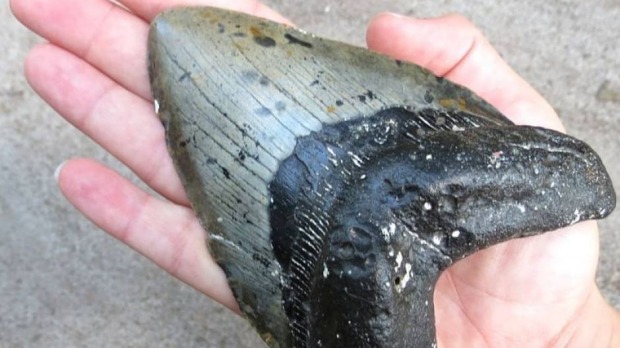
Several large Megalodon teeth have been found along the beaches of North Carolina in recent months. Photo: Holly Ridge – Surf City Online Gazette

Recent storms and high tides have unearthed a prehistoric marvel on the coast of North Carolina.

Fossilized shark teeth, some as big as an adult hand, have been plucked from the sand by beachgoers in North Topsail Beach and Surf City, North Carolina, NBC-affiliate WITN first reported.

The teeth are immense and immensely old: Researchers say the teeth once belonged to a Megalodon, the largest shark ever to live. Megalodon went extinct some 2.6 million years ago.

Experts at the Aurora Fossil Museum in Aurora, North Carolina told WITN that a comparison of modern sharks’ teeth and those recently collected allows them to estimate that every inch of a fossilized tooth equals about ten feet in shark. Therefore, they say a six-inch long tooth belonged to a Megalodon that was about 60 feet long.

That estimate tracks with a 2013 study that put the Megalodon at a maximum length of 59 feet, about three times the size of an average great white, a distant ancestor of the prehistoric predator.

The study concluded the mega-shark grew bigger and bigger over a 14-million year evolutionary span, though researchers are still unclear why the shark continued to grow.

“Perhaps something was going on with the productivity and climate that produced that pattern, or with their prey and their competitors that made the species become large,” co-author large,” Catalina Pimiento from the University of Florida and the Smithsonian Tropical Research Institute in Panama said at the time her research was released.

Megalodon may have been more vulnerable to extinction due to its size, but while it prowled the oceans it was incredibly strong: its jaw was three times stronger than that of a Tyrannosaurus rex.

It was only relatively recently – a few hundred years ago – that humans have even known what they are looking at when shark teeth come ashore.

According to Discovery’s Sharkopedia, Megalodon fossils were often mistaken for moon rocks that had fallen to Earth, or the ancient tongues of dragons or giant serpents.

Then in 1666 while studying “tongue stones” found embedded in rocks throughout Europe, naturalist Nicolas Steno noted that they were in fact shark’s teeth. Steno, one of the founding figures of geology, was among the first to realize that fossils represented organic remains.

The North Carolina coast is a well-known trove for fossilized teeth from the Megalodon, according to experts.

source:csmonitor.com