Monthly Archives: July 2015

Lenders give Greece until Sunday to avoid Grexit

summit_july7_web-thumb-large

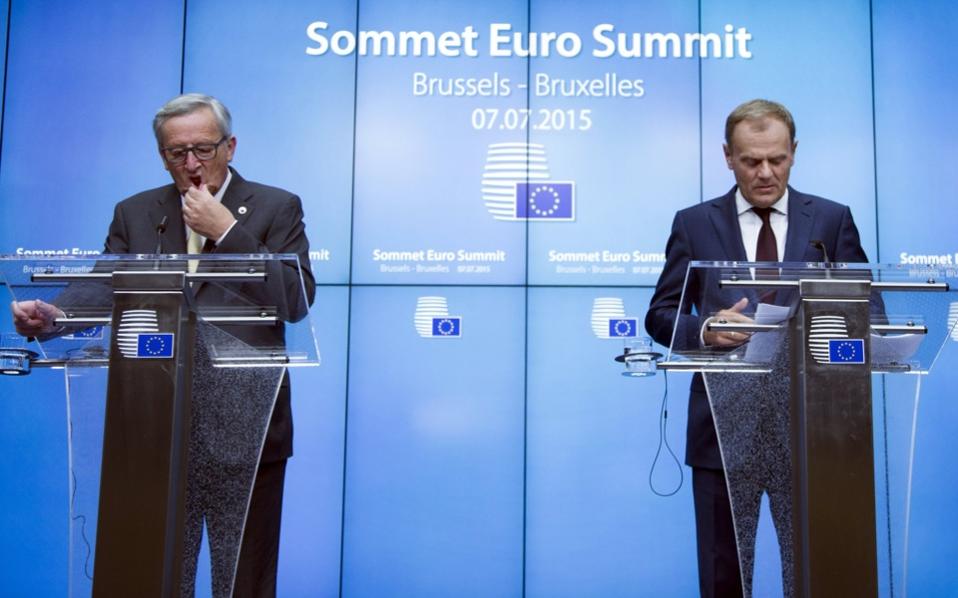
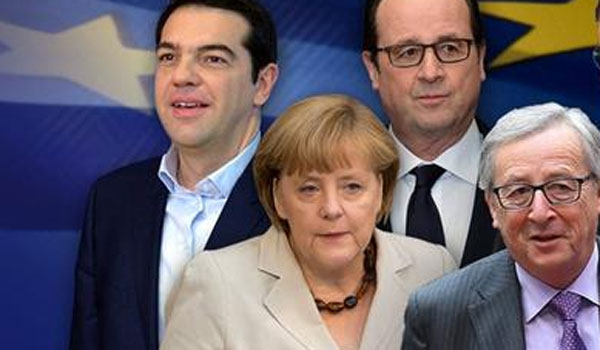
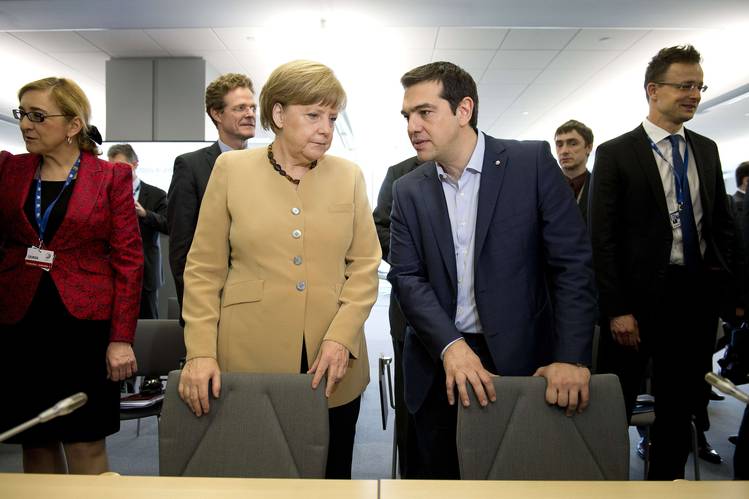
European leaders gave debt-stricken Greece a final deadline of Sunday to reach a new bailout deal and avoid crashing out of the euro, after Greek voters rejected international creditors’ plans in a weekend referendum.

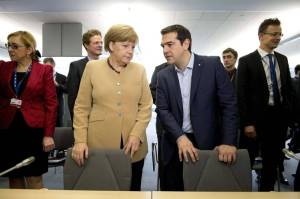
In the first step of its renewed bid for funding, Greece’s leftist government must submit detailed reform plans by Thursday, EU President Donald Tusk said after eurozone leaders held an emergency summit with Greek Prime Minister Alexis Tsipras.

All 28 European Union leaders will then examine the plans on Sunday in a make-or-break summit that will either save Greece’s moribund economy or leave it to its fate.

“Tonight I have to say loud and clear — the final deadline ends this week,” Tusk told a news conference.

“Inability to find an agreement may lead to bankruptcy of Greece and insolvency of its banking system,” he added.

European Commission President Jean-Claude Juncker warned “we have a Grexit scenario prepared in detail” if Greece failed to reach a deal, although he insisted he wanted Athens to stay in the euro club.

German Chancellor Angela Merkel meanwhile warned Greece would need a debt program lasting “several years” and insisted writing off any of Greece’s 320-billion-euro ($350-billion) debt mountain was out of the question.

The deadline came after Tsipras and his new finance minister Euclid Tsakalotos came to Brussels to discuss the fall-out from the dramatic referendum.

Greeks voted by 61 percent to reject creditor demands for more austerity in return fresh EU-IMF bailout funds.

source:ekathimerini.com

Greece files formal request for eurozone loan

flags_web-thumb-large

Greece has lodged a formal request for a bailout loan with the eurozone’s special support fund, a spokesman for the European Stability Mechanism (ESM) said on Wednesday.

“The ESM has received the Greek request,” he said.

The Eurogroup of finance ministers is due to consider the application, which is formally addressed to its chairman Jeroen Dijsselbloem, in a conference call on Wednesday.

source:ekathimerini.com

Το plan A και B των Βρυξελλών: Μνημόνιο 5ετίας με συμφωνία γέφυρα ή παράλληλο νόμισμα

eu_greece_898423301

Στο τραπέζι των διαπραγματεύσεων των Βρυξελλών θα διεξαχθεί σκληρή μάχη. Όλες οι πλευρές συγκλίνουν ότι λύση στο ελληνικό ζήτημα δεν θα δοθεί στην προγραμματισμένη Σύνοδο Κορυφής, αλλά θα απαιτηθεί χρόνος που προσδιορίζεται στους 3 μήνες, προκείμενου να τεθεί σε ισχύ η νέα συμφωνία για το νέο πρόγραμμα.

Ευρωπαϊκές πηγές επισημαίνουν , ότι η πρόταση της ελληνικής κυβέρνησης που θα στηριχθεί στην τελευταία πρόταση Γιούνκερ με 5 ή 6 τροποποιήσεις, δεν θα τεθεί καν στο τραπέζι. Οι Ευρωπαίοι θα επιμείνουν σε νέο 5ετές πρόγραμμα, που θα συνοδεύεται με χρηματοδότηση που θα προσεγγίζει τα 70 δισ. ευρώ από τον ευρωπαϊκό μηχανισμός στήριξης και οι όροι θα πρέπει να συζητηθούν εξ΄αρχής.
Ας δούμε όμως τα δύο σχέδια που επεξεργάζονται οι Βρυξέλλες:

Το PLAN A με συμφωνία γέφυρα

Το βασικό σχέδιο το plan A περιλαμβάνει, εντός του επόμενου τριμήνου να συναφθεί νέα συμφωνία με την Ελλάδα, που χρηματοδοτηθεί με 70 δισ. ευρώ ( δεν έχει γίνει γνωστό ακόμα αν θα υπάρχει συμμετοχή το ΔΝΤ, το πιο πιθανό είναι να παρακαμφθεί και η χρηματοδότηση να γίνει αποκλειστικά από την Ε.Ε)

Θα ζητηθούν σκληρά μέτρα, όμως οι Ευρωπαίοι θα καταστήσουν σαφές, ότι εφόσον οι προτεινόμενες μεταρρυθμίσεις από την πλευρά της ελληνικής κυβερνήσεις αποδώσουν (φοροδιαφυγή κ.α) θα μπορούν να γίνουν αποδεκτά ισοδύναμα, προκείμενου να αντικατασταθούν μέτρα.

Οι Ευρωπαίοι, θα αποδεχτούν τη συζήτηση για την ελάφρυνση του ελληνικού χρέους, υπό την προϋπόθεση η κυβέρνηση να φέρει προς ψήφιση όλους τους εφαρμοστικούς νόμους της νέας συμφωνίας στη Βουλή.

Οι δόσεις θα είναι καθορισμένες χρονικά και θα δίνονται αν προχωρούν και ολοκληρώνονται οι αξιολογήσεις ανά τρίμηνο.

Στη νέα συμφωνία θα περιλαμβάνεται και η ανακεφαλαιοποίηση τραπεζών με ποσό περί τα 10 δισ. ευρώ (μέσω ELA), ενώ στα προτεινόμενα μέτρα από πλευράς δανειστών, θα είναι ορισμένα σκληρά μέτρα όπως η ιδιωτικοποίηση της ενέργειας, να μην υπάρχουν εξαιρέσεις στο ΦΠΑ , να αναβληθούν οι νομοθετικές ρυθμίσεις για τα εργασιακά κ.α

Αν αυτό το σενάριο γίνει αποδεκτό από την ελληνική πλευρά, θα προταθεί γέφυρα συμφωνίας για το επόμενο τρίμηνο, με χρηματοδότηση που μπορεί να φθάσει τα 9 με 11 δισ. ευρώ , προκειμένου να πληρωθεί η ληξιπρόθεσμη οφειλή στο ΔΝΤ ύψους 1,53 δισ, αλλά η δόση στην ευρωπαϊκή κεντρική τράπεζα στις 20 Ιουλίου ύψους 3,5 δισ. ευρώ.

Παράλληλα θα διατεθούν χρήματα στις τράπεζες για να αποκατασταθεί με ρευστότητα, ενώ θα αυξηθεί και ELA, από τη στιγμή που η Ελλάδα θα βρεθεί έστω και σε προσωρινό πρόγραμμα.

Το PLAN B του παράλληλου νομίσματος που οδηγεί σε Grexit

Στην περίπτωση που ελληνική πλευρά απορρίψει το σχέδιο των δανειστών η ρήξη θα πρέπει να θεωρείται δεδομένη και τουλάχιστον από κάποιες χώρες θα ζητηθεί να ενεργοποιηθεί, το κακό Plan B. Σύμφωνα με αυτό θα δοθεί στην Ελλάδα ένα ποσό 30-35 δισ., το οποίο δεν θα επιστραφεί με την προϋπόθεση, η χώρα μας να υιοθετήσει ένα διπλό νόμισμα, με σταθερή συναλλαγματική ιστορία με το ευρώ.

Φυσικά όπως έχουν επισημαίνει πολλά στελέχη της ελληνικής κυβέρνηση το σενάριο του παράλληλου νομίσματος δεν μπορεί να γίνει αποδεκτό, καθώς οδηγεί με μαθηματική ακρίβεια στο Grexit.

Πηγή: huffingtonpost.

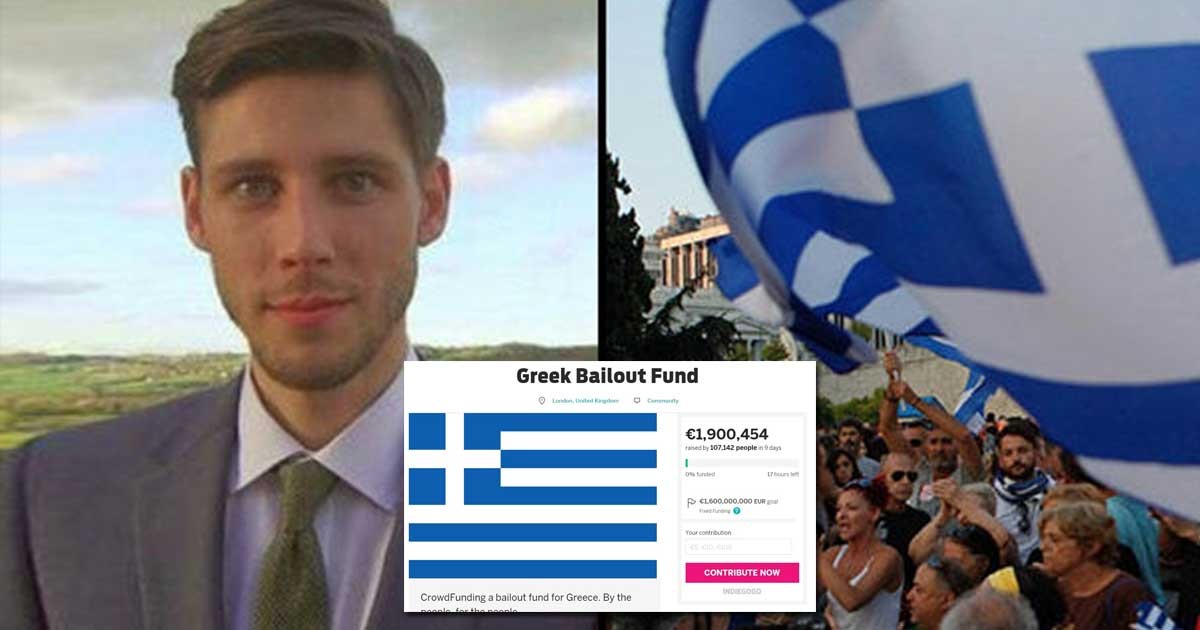
Σχεδόν 2.000.000 ευρώ έχει μαζέψει ο Βρετανός Φιλέλληνας μέσα σε 9 μέρες!

120108-1200x630

«Σου έχει συμβεί να έχεις μια ασήμαντη ιδέα, να γελάς με τον εαυτό σου και έπειτα να συνεχίζεις την μέρα σου; Το κάνω συνέχεια, μόνο το βράδυ της Κυριακής δεν προσπέρασα (την ιδέα μου) και προσπάθησα να την κάνω πραγματικότητα«, εξηγεί στoν Guardian ο Thom Feeney, ο Βρετανός που έχει στήσει μια καμπάνια για να σώσει την Ελλάδα από το χρέος της.

Ο Feeney είναι απογοητευμένος με τον τρόπο με τον οποίο οι υπουργοί Οικονομικών της Ευρώπης αντιμετωπίζουν το ζήτημα της Ελλάδας και για τον ίδιο λύση είναι η ανάπτυξη, όχι η λιτότητα. Αποφάσισε λοιπόν να δημιουργήσει μια καμπάνια στην διαδικτυακή πλατφόρμα Indiegogo προκειμένου να συγκεντρώσει 1,6 δισεκατομμύρια ευρώ για να αποπληρώσει το χρέος της χώρας μας μέχρι την Τρίτη 6 Ιουλίου.

Έχει μάλιστα και μια λίστα μικρών, συμβολικών δώρων για όλους όσους προσφέρουν τον οβολό τους, ανάλογα με το ποσό. Με 3 ευρώ παίρνεις μια καρτ ποστάλ με τον Αλέξη Τσίπρα, με 6 ευρώ παίρνεις δώρο μια χωριάτικη σαλάτα, με 10 ευρώ ένα μπουκάλι ούζο, με 160 ευρώ ένα καλάθι με ελληνικά τρόφιμα, με 5.000 ευρώ μια εβδομάδα διακοπές στην Αθήνα για δύο άτομα κ.ο.κ.

Μπορεί η ιδέα του να ακούστηκε αστεία σε πολλούς, όμως ο νεαρός έχει καταφέρει να συγκεντρώσει μέσα σε 9 μέρες 1,9 εκατομμύρια.

Πηγή:tilestwra.com

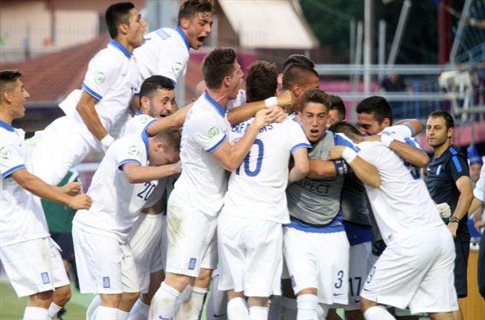
Με το δεξί η Εθνική Νέων, νίκησε 2-0 την Ουκρανία

D3481B8C55C600B016CA99F7289398B5

Το καλύτερο δυνατό ξεκίνημα έκανε η Εθνική ομάδα Νέων στην τελική φάση του Ευρωπαϊκού Πρωταθλήματος, που φιλοξενείται στην Ελλάδα, καθώς στον εναρκτήριο αγώνα της διοργάνωσης και του 1ου ομίλου επικράτησε στη Βέροια της Ουκρανίας με 2-0 και πήρε προβάδισμα αμέσως στην κατάταξη.

Η πρώτη μεγάλη ευκαιρία της αναμέτρησης ανήκε ωστόσο στους Ουκρανούς, με τον Μπόριατσουκ να αστοχεί από εξαιρετική θέση στο 13ο λεπτό, ενώ στο 17΄ ο Κότσαρης επενέβη αποτελεσματικά στην προσπάθεια του Κοβαλένκο. Τρία λεπτά αργότερα, όμως, ήταν η ελληνική ομάδα που άνοιξε το σκορ με τον Ορφανίδη, ύστερα από ασίστ του Κουλούρη.

Αρκετά επικίνδυνοι και στην επανάληψη οι φιλοξενούμενοι, είχαν νέα καλή στιγμή με τον Κοβαλένκο στο 57΄ αλλά ο Κότσαρης έκανε και πάλι σπουδαία επέμβαση, κάτι που επαναλήφθηκε στο 59΄ με “πρωταγωνιστές” τους ίδιους ποδοσφαιριστές. Τελικά, όπως συνέβη στο πρώτο ημίχρονο η ιστορία επαναλήφθηκε και ενάντια στη ροή του αγώνα ο Καραχάλιος διπλασίασε για την Εθνική ομάδα στο 76΄, ύστερα από πάσα του Ορφανίδη.

Ο Άγγλος διαιτητής Άντονι Τέιλορ είχε εύκολο έργο καθώς τον βοήθησε το παιχνίδι και ως εκ τούτου δεν χρειάστηκε να παρατηρήσει κάποιον ποδοσφαιριστή με κίτρινη κάρτα.

ΕΛΛΑΔΑ (Γιάννης Γκούμας): Κότσαρης, Σάλιακας, Τσελεπίδης, Κυριακόπουλος, Ρούσος, Καραχάλιος, Στάικος, Ορφανίδης, Πόζογλου (46΄ Μαρκοπουλιώτης), Κουλούρης (89΄ Βέργος), Κυνηγόπουλος (46΄ Τσιμικας)

ΟΥΚΡΑΝΙΑ (Ολεξάντρ Χολόβκο): Σολντατένκο, Ματβιγένκο, Κιριουκάντσεφ, Λούκεβιτς (70΄ Τσιγκάνκοφ), Λούκιαντσουκ, Ζιντσένκο, Μικαϊλιτσένκο, Κοβαλένκο, Κλοτς (70΄ Ζούμπκοφ), Μπόριατσουκ (46΄ Αρεντάρουκ), Μπεσέντιν
Αυστρία-Γαλλία 0-1
Η Εθνική Νέων της Γαλλίας νίκησε με 1-0 την Αυστρία στο δημοτικό στάδιο της Κατερίνης, στην αναμέτρηση με την οποία ολοκληρώθηκε η πρώτη αγωνιστική στον 1ο όμιλο της τελικής φάσης του Ευρωπαϊκού Πρωταθλήματος, που ξεκίνησε σήμερα στην Ελλάδα. Το μοναδικό τέρμα της συνάντησης σημείωσε ο Μπλιν στο 34ο λεπτό, από ασίστ του Κορνέ.

Ο Βούλγαρος διαιτητής Γκεόργκι Καμπάκοφ απέβαλε (δύο κίτρινες) τον Γκλουχάκοβιτς στο 77ο λεπτό, ενώ παρατήρησε με κάρτες τους Ντιαλό και Κομάν.

ΑΥΣΤΡΙΑ (Χέρμαν Στάντλερ): Αλ. Σλάγκερ, Πέριτς, Γκλουχάκοβιτς, Ντομέι, Χάας, Χόρβατ, Χ. Σλάγκερ, Πρόκοπ (74΄ Γκρμπιτς), Κβάσινα, Μάλιτσεκ, Ρίπιτς (65΄ Πελεγκρίνι)

ΓΑΛΛΙΑ (Πατρίκ Γκοναλόν): Εσκαλέ, Φουλτζινί, Ντιακαμπί, Ντιαλό, Λ. Ερνάντες, Κίλιτς (69΄ Ντεμπελέ), Μπλιν, Τουσάρ, Κορνέ (90΄+ Τιράμ), Γκιρασί, Κομάν

1ος ΟΜΙΛΟΣ

Δευτέρα 6/7
Ελλάδα-Ουκρανία 2-0
Αυστρία-Γαλλία 1-0

Η ΒΑΘΜΟΛΟΓΙΑ
Ελλάδα 2-0 3
Γαλλία 1-0 3
Αυστρία 0-1 0
Ουκρανία 0-2 0

Πέμπτη 9/7
19:00 Ουκρανία-Γαλλία AEL FC Arena/Λάρισα
22:00 Ελλάδα-Αυστρία AEL FC Arena/Λάρισα

Κυριακή 12/7
21:00 Γαλλία-Ελλάδα Α΄ ΔΑΚ Κατερίνης
21:00 Ουκρανία-Αυστρία Δημοτικό Στάδιο Βέροιας

2ος ΟΜΙΛΟΣ
==========
Τρίτη 7/7
18:30 Ολλανδία-Ρωσία AEL FC Arena/Λάρισα
21:45 Γερμανία-Ισπανία AEL FC Arena/Λάρισα

Παρασκευή 10/7
19:00 Ισπανία-Ρωσία Δημοτικό Στάδιο Βέροιας
21:00 Γερμανία-Ολλανδία Α΄ ΔΑΚ Κατερίνης

Δευτέρα 13/7
21:00 Ρωσία-Γερμανία Α΄ ΔΑΚ Κατερίνης
21:00 Ισπανία-Ολλανδία Δημοτικό Στάδιο Βέροιας

Πέμπτη 16/7
21:45 Α΄ ημιτελικός Α΄ ΔΑΚ Κατερίνης
19:00 Β΄ ημιτελικός AEL FC Arena/Λάρισα

Κυριακή 19/7
21:00 Τελικός Α΄ ΔΑΚ Κατερίνης

Πηγή:in.gr

Κρίσιμο Eurogroup και Σύνοδο Κορυφής. Βελτιωμένη πρόταση Γιούνκερ από Τσίπρα. Τι ζητούσαν οι θεσμοί

tsiprasmerkelolantgiounker_123578433

Σε έναν νέο κύκλο διαβουλεύσεων εντός και εκτός Ελλάδος εισέρχεται η ελληνική κυβέρνηση μετά το αποτέλεσμα της κάλπης του δημοψηφίσματος, προκειμένου να καταλήξει σε μια συμφωνία με τους πιστωτές της χώρας. Αλέξης Τσίπρας και Άγκελα Μέρκελ, οι οποίοι είχαν χθες τηλεφωνική επικοινωνία, συμφώνησαν να παρουσιαστούν σήμερα στη Σύνοδο Κορυφής τις προτάσεις της ελληνικής κυβέρνησης, οι οποίες βρέθηκαν στο μικροσκόπιο της μαραθώνιας σύσκεψης των πολιτικών αρχηγών στο Προεδρικό Μέγαρο χθες. Στόχος είναι οι τελικές ελληνικές προτάσεις που θα παρουσιάσει στους πιστωτές η ελληνική κυβέρνηση να αποτελέσουν τη βάση για μια βιώσιμη λύση.

Ο εκπρόσωπος της γερμανικής κυβέρνησης είχε ξεκαθαρίσει πως το Βερολίνο αναμένει τις νέες προτάσεις της Αθήνας και πως τα πάντα εξαρτώνται από αυτές, διευκρινίζοντας παράλληλα πως οι πόρτα είναι ανοιχτή για διαβουλεύσεις.

Στη σύσκεψη στο Προεδρικό Μέγαρο, ο πρωθυπουργός ζήτησε από τους πολιτικούς αρχηγούς να συνδράμουν στο να υποστηριχθεί η σαφής και ξεκάθαρη ετυμηγορία του ελληνικού λαού από το δημοψήφισμα για μια βιώσιμη λύση. Ο κ. Τσίπρας επιχειρεί να αποσπάσει την ευρεία συναίνεση του πολιτικού προσωπικού της χώρας για αναδιάρθρωση του ελληνικού χρέους, ώστε να μεταφέρει το σχετικό αίτημα στην έκτακτη Σύνοδο Κορυφής.

Στο κοινό ανακοινωθέν περιλαμβάνεται η συμφωνία των πολιτικών αρχηγών προκειμένου να βρεθεί βιώσιμη λύση εντός Ευρώπης και θα περιγράφεται με την ευρύτερη δυνατή συναίνεση. Το κοινό κείμενο έχουν υπογράψει όλοι οι πολιτικοί αρχηγοί πλην του Δημήτρη Κουτσούμπα.

Στο τέλος της σύσκεψης οι Πολιτικοί Αρχηγοί –με την επιφύλαξη της συνολικής διαφωνίας του Γενικού Γραμματέα της Κεντρικής Επιτροπής του ΚΚΕ κ. Δημητρίου Κουτσούμπα, η οποία καταχωρίσθηκε λεπτομερώς στα Πρακτικά της συνεδρίασης- κατέληξαν στην εξής κοινή ανακοίνωση:

«Η πρόσφατη ετυμηγορία του Ελληνικού Λαού δεν συνιστά εντολή ρήξης, αλλά εντολή συνέχισης και ενίσχυσης της προσπάθειας για την επίτευξη μιας κοινωνικώς δίκαιης και οικονομικώς βιώσιμης συμφωνίας.

Προς αυτή την κατεύθυνση η Κυβέρνηση αναλαμβάνει την ευθύνη για την συνέχιση των διαπραγματεύσεων. Και ο κάθε Πολιτικός Αρχηγός θα συμβάλλει, αντιστοίχως, στο πλαίσιο του θεσμικού και πολιτικού του ρόλου.

Κοινός στόχος είναι η επιδίωξη λύσης η οποία θα διασφαλίζει:

·Την επαρκή κάλυψη των χρηματοδοτικών αναγκών της Χώρας.

· Αξιόπιστες μεταρρυθμίσεις, με κριτήριο την δίκαιη κατανομή των βαρών και προώθηση της ανάπτυξης, με τις κατά το δυνατόν λιγότερες υφεσιακές επιπτώσεις.

· Ισχυρό, εμπροσθοβαρές, αναπτυξιακό πρόγραμμα, πρωτίστως για την καταπολέμηση της ανεργίας και την ενθάρρυνση της επιχειρηματικότητας.

· Δέσμευση για την έναρξη ουσιαστικής συζήτησης ως προς την αντιμετώπιση του προβλήματος της βιωσιμότητας του ελληνικού δημόσιου χρέους.

Άμεση προτεραιότητα αποτελεί η αποκατάσταση της ρευστότητας στο χρηματοπιστωτικό σύστημα, σε συνεννόηση με την ΕΚΤ.

Ο Πρωθυπουργός δεσμεύθηκε να ενημερώσει τους Πολιτικούς Αρχηγούς, αμέσως μετά την προσεχή Σύνοδο Κορυφής, για τα πρώτα συμπεράσματα που θα εξαχθούν και για την εν γένει πορεία των διαπραγματεύσεων.»

Η νέα πρόταση

Η πρόταση που θα καταθέσει η κυβέρνηση στους εταίρους και πιστωτές αποτελεί επί της ουσίας το τελευταίο κείμενο του Ζαν-Κλοντ Γιούνκερ μαζί με τους πέντε όρους που έθεσε η ελληνική πλευρά για ΕΚΑΣ, ΦΠΑ, αμυντικές δαπάνες, εργαλειοθήκη ΟΟΣΑ και τις ρυθμίσεις για τους αγρότες.

Να είναι μεγαλύτερο μεταβατικό διάστημα ΕΚΑΣ

Να μην καταργηθεί η μείωση ΦΠΑ στα νησιά

Να μην υπάρξει μείωση αμυντικών δαπανών

Να γίνει επαναφορά του νόμου για τις συλλογικές διαπραγματεύσεις

Να μην δοθεί προκαταβολή 100% στη φορολογία επιχειρήσεων

Ο Φρανσουά Ολάντ στην επικοινωνία του με τον πρόεδρο της Δημοκρατίας Προκόπη Παυλόπουλο κατέστησε σαφές ότι η πρόταση της ελληνικής πλευράς πρέπει να έχει την αποδοχή όλων των αρχηγών των πολιτικών κομμάτων της χώρας.

Η γερμανίδα καγκελάριος Αγκέλα Μέρκελ η οποία συνομίλησε με τον Αλέξη Τσίπρα ξεκαθάρισε πως πρέπει η διαδικασία να προχωρήσει άμεσα αλλά εκείνη φέρεται να είπε πως θα κινηθεί με βάση την απόφαση της κοινοβουλευτικής της ομάδας.

Υπενθυμίζεται ότι η πρόταση των θεσμών περιλαμβάνει συνοπτικά τα εξής:

– Τα όρια συνταξιοδότησης στα 67 από το 2022.

– Η κατάργηση του ΕΚΑΣ από τον Δεκέμβριο 2019, η σταδιακή μείωσή του ξεκινάει από τώρα για το 20% των πιο πλούσιων δικαιούχων.

– Αύξηση της συνεισφοράς των συνταξιούχων για τον κλάδο υγείας από το 4% στο 6%.

– Το ΦΠΑ παραμένει σε τρεις κλίμακες: 6% για φάρμακα, βιβλία και θέατρα, η ΔΕΗ και τα βασικά είδη στο 13%, στο 23% πηγαίνουν η εστίαση και τα τυποποιημένα προϊόντα.

– Αυξάνονται οι εταιρικοί φόροι στο 28%.

– Φεύγει η εφάπαξ εισφορά 12% επί των κερδών άνω των 500.000 ευρώ.

– Παραμένει η ελληνική πρόταση για επιβολή φόρου πολυτελείας στο 13%.

Οι Βρυξέλλες θέλουν συμφωνία σε δύο στάδια:

1. Μία μεταβατική συμφωνία διάρκειας 2-3 μηνών με σκοπό να καλυφθούν οι χρηματοδοτικές ανάγκες της Ελλάδος για τους μήνες Ιούλιο και Αύγουστο, ενώ η ελληνική κυβέρνηση θα υλοποιεί με ταχύτατους ρυθμούς τις μεταρρυθμίσεις που ζητούν οι δανειστές. Αντικειμενικός σκοπός να μην χρεοκοπήσει στις 20 Ιουλίου, ότνα πρέπει να πληρωθεί ομόλογο ύψους 3,7 δισ. στην ΕΚΤ.

2. Η μεγάλη συμφωνία που θα καλύψει τις χρηματοδοτικές ανάγκες της χώρας μέχρι το 2017, με αντάλλαγμα την υπογραφή ενός νέου μνημονίου, από το οποίο η Ελλάδα προσδοκά να αντλήσει δάνεια άνω των 29 δισ. ευρώ υποσχόμενη μέτρα τουλάχιστον 8 δισ.ευρώ.

Πηγή:madata.gr

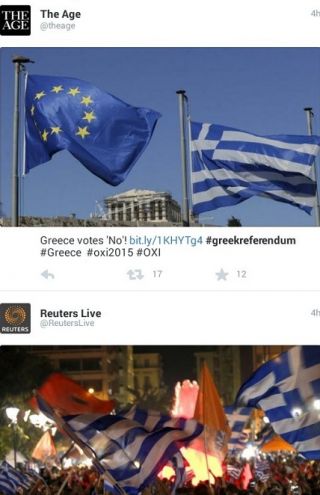
Τα Aυστραλιανά Μέσα για το Eλληνικό δημοψήφισμα

pagreaus7

Sydney Morning Herald: Το δολάριο “πέφτει – πέφτει”

Το ΟΧΙ των Ελλήνων στο δημοψήφισμα κυριάρχησε τη Δεύτερα το πρωί στα αυστραλιανά παραδοσιακά και ηλεκτρονικά μέσα ενημέρωσης. Το ενδιαφέρον παρέμεινε ισχυρό καθόλη τη διάρκεια της περασμένης εβδομάδας και οι ανταποκρίσεις των καναλιών από την Αθήνα ήταν συνεχείς, κυρίως στα ειδησεογραφικά κανάλια της χώρας. Bέβαια, όπως και στην Ελλάδα κανείς δεν περίμενε, ή έστω πολλύ λίγοι περίμεναν, ότι το ΟΧΙ θα κέρδιζε και μάλιστα με ποσοστό μεγαλύτερο του 60%.

Αν και οι αυστραλιανές εφημερίδες δεν πρόλαβαν να τυπώσουν το αποτέλεσμα λόγω της διαφοράς ώρας, οι ιστότοποί τους ενημερώνονταν συνεχώς για τις πολιτικές και οικονομικές εξελίξεις στην Ελλάδα και την Ευρώπη, ενώ κυριάρχησαν οι δηλώσεις Ελλήνων και Ευρωπαίων αξιωματούχων.

ABC: Σε “ελεύθερη πτώση” το δολάριο

Δύο ολόκληρα σεντς έπεσε το δολάριο το πρωί της Δευτέρας και βρέθηκε στο χαμηλότερο επίπεδο από το 2009. Σύμφωνα με τους αναλυτές, αυτό οφείλεται κυρίως στο ΟΧΙ των Ελλήνων στη νέα συμφωνία για μέτρα λιτότητας που πρότειναν οι δανειστές στις 25 Ιουνίου και που τέθηκε στο δημοψήφισμα της Κυριακής. Το δολάριο κυμαινόταν στα 74.52 αμερικανικά δολάρια αν και αργότερα ανέβηκε στα 74.9 US. Ωστόσο, η ισοτιμία του με το ευρώ δεν άλλαξε σημαντικά και βρέθηκε στα 68 ευρωσεντς.

Σημείωσε δε σημαντικές απώλειες έναντι τους ιαπωνικού γεν.

Αναλυτές τονίζουν ότι οι οικονομικοί κύκλοι ανέμεναν πολύ μικρότερο το ποσοστό διαφοράς στα ΝΑΙ και τα ΟΧΙ, και το 61% ήρθε ώς έκπληξη για τις διεθνείς χρηματαγορές.

The Age: Οι πανηγυρισμοί στην Αθήνα

Στον ιστότοπο της Age κυριαρχούσαν φωτογραφίες από τους πανηγυρισμούς των υποστηριχτών στο κέντρο της Αθήνας. Το ρεπορτάζ της ηλεκτρονικής έκδοσης της εφημερίδας αναφέρει ότι από νωρίς φαινόταν ότι το ΟΧΙ θα επικρατήσει και κόσμος συνέρρεε στο κέντρο της ελληνικής πρωτεύουσας. “Παρά μία εβδομάδα με κλειστές τράπεζες, ελλείψεις στην αγορά και ειδικά σε εισαγώμενα προϊόντα και φάρμακα, περιορισμοί στις αναλήψεις χρημάτων από τα ATM και τις μεταφορές χρημάτων από το εξωτερικό καθώς και την πολλών εκατομμυρίων διαφημιστική εκστρατεία του ΝΑΙ, το αποτέλεσμα ήταν υπέρ του ΟΧΙ”, αναφέρει της Age.

Δημοσιεύτηκαν και οι πρώτες δηλώσεις του Έλληνα πρωθυπουργού Αλέξη Τσίπρα και του υπουργού Οικονομικών Γιάνη Βαρουφάκη. “To αποτέλεσμα του δημοψηφίσματος είχε ισχυρό αντίκτυπο και στη Νέα Δημοκρατία, αφού παριατήθηκε ο αρχηγός της και πρώην πρωθυπουργός από την αρχηγία του”, αναφέρει χαρακτηριστικά το δημοσίευμα.

Sydney Morning Herald: Το δολάριο “πέφτει – πέφτει”

Και η SMH είχε ανάλυση για την πτώση της ισοτιμίας του αυστραλιανού δολαρίου, η οποία ενδέχεται να πέσει το χαμηλό επίπεδο των 72-73 αμερικανικών σεντς. “το μόνο ερώτημα που απομένει είναι πόσο σύντομα θα συμβεί κάτι τέτοιο. Οι επενδυτές πιστεύουν ότι η άρνηση της Ελλάδας, μέσω του δημοψηφίσματος, να αποδεχθεί νέα μέτρα και μεταρρυθμίσεις με αντάλλαγμα νέα δανειακή σύμβαση με την Ευρωπαϊκή Ένωση, μπορεί να οδηγήσει σε οικονομικό χάος και υποσκάπτει τα θεμέλια της Ευρωζώνης” αναφέρει το δημοσίευμα.

The Australian: Λεπτό – λεπτό η ενημέρωση

Η πανεθνικής κυκλοφορίας Australian μετέδιδε αναλυτικά τα τεκταινόμενα την ημέρα του δημοψηφίσματος. “Οι Έλληνες πολίτες έδειξαν απίστευτο θάρρος ψηφίζοντας ΟΧΙ στο δημοψήφισμα της Κυριακής” αναφέρει ο αρχισυντάκτης του οικονομικού παραρτήματος της εφημερίδας Alan Kohler. “Η πιο πρακτική λύση θα ήταν οι πολίτες να ψήφιζαν ΝΑΙ και έτσι η Ευρωπαϊκή Κεντρική Τράπεζα θα ξανάνοιγε από την Κυριακή το βράδυ και θα διαπραγματευόταν τους όρους του νέου δανείου αργότερα”.

Η εφημερίδα αναφέρει και για την κατακόρυφη πτώση του αυστραλιανού δολαρίου.

Herald Sun: Ανάλυση της κατάστασης

Και η Herald Sun εξηγήσει με απλές ερωταπαντήσεις τι σημαίνει το ΟΧΙ για την Ελλάδα και την Ευρωζώνη. Η ιστοσελίδα ρώτησε τον καθηγητή Οικονομικών του Πανεπιστημίου Nέας Νότιας Ουαλίας Richard Holden να δώσει τις απαντήσεις. “Με την προκήρυξη του δημοψηφίσματος και το κλείσιμο των τραπεζών για μία περίπου εβδομάδα ο ΣΥΡΙΖΑ κατέφερε να φέρει το ελληνικό τραπεζικό σύστημα πολύ κοντά σε ασφυξία. Mε το ΟΧΙ τα ‘χέρια της ΕΚΤ δένονται”, αναφέρει ο καθηγητής. “Aυτοί που διαθέτουν την πραγματική γνώση των χρηματοπιστωτικών αγορών και τα θέματα ρευστότητας, λένε οι Έλληνες πρέπει να σταματήσουν να ‘παίζουν’ με το ΔΝΤ και την ΕΚΤ. Η Ελλάδα θα πρέπει να αρχίσει να τους ακούει αμέσως”.

Πηγή:Neos Kosmos

WA radio telescope hears ancient signal

1436139769339

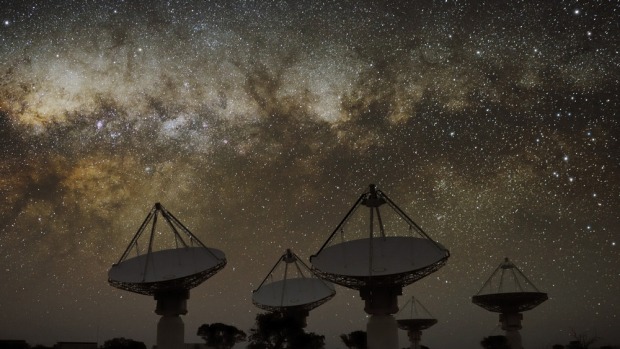
A ground-breaking radio telescope project in remote Western Australia has captured a signal emitted before the solar system was born.

Six of the Square Kilometre Array Pathfinder project’s 36 dishes, situated 300 kilometres inland from Geraldton, have picked up a wisp of cosmic radio waves coming from the galaxy PKS B1740-517 in the direction of the southern constellation of Ara.

The discovery has astronomers salivating because the five-billion-year-old signal shows ASKAP will be able to detect galaxies other telescopes can’t.

The signal carries the ‘imprint’ of cold hydrogen gas – the raw material for forming stars and plentiful in most galaxies – that it passed through on its way here. Astronomers can detect a galaxy from its hydrogen gas even when its starlight is faint or hidden by dust.

Although tiny, the signal stood out clearly in the ASKAP data.

“This catch shows we’re going to bag a big haul of galaxies,” research leader James Allison of the CSIRO said.

While many radio telescopes are bedevilled by radio interference – unwanted signals that clutter up the spectrum – the ASKAP site is exquisitely radio quiet.

ASKAP also gives astronomers a very large ‘net’ with which to trawl for signals, a 300 MHz wide chunk of radio spectrum to search through.

“That’s more than most telescopes have, and it gives us a better chance of finding something new,” Dr Allison said.

Elaine Sadler, Professor of Astrophysics at the University of Sydney and a member of the research team, plans a large ASKAP survey aimed at detecting several hundred galaxies.

“ASKAP looks at a relatively unexplored part of the radio spectrum, 700 to 1800 megahertz,” Professor Sadler said.

“This means we’ll be able to detect hydrogen gas deeper in space and, thanks to ASKAP’s wide field of view, also over a much larger volume than we could before.

“We’ll be hunting for galaxies that are five to eight billion years old, a timespan that represents a fifth of the universe’s history.”

Ten billion years ago, galaxies were making stars 10 times faster than they do now. By studying galaxies five to eight billion years old, astronomers hope to understand why the rate dropped.

“We want to learn how much hydrogen galaxies had in this period for forming stars,” Professor Sadler said.

“Until now we’ve had few tools for doing that.”

The Square Kilometre Array will be 50 times as sensitive as the best existing radio telescopes, consisting of thousands of linked antennas spanning WA and South Africa.

source:smh.com.au

Germany’s Power Polarizes Europe

BN-JG325_GERPOW_P_20150706162925

The Continent’s most powerful country is grappling with its leadership role—and other nations are, too.

BERLIN—Under the glass Reichstag dome in Germany’s parliament last week, left-wing opposition leader Gregor Gysi lit into Chancellor Angela Merkel for saddling Greece with a staggering unemployment rate, devastating wage cuts, and “soup kitchens upon soup kitchens.”

The chancellor, sitting a few steps away with a blank expression on her face, scrolled through her smartphone.

Ms. Merkel’s power after a decade in office has become seemingly untouchable, both within Germany and across Europe. But with the “no” vote in Sunday’s Greek referendum on bailout terms posing the biggest challenge yet to decades of European integration, risks to the European project resulting from Germany’s rise as the Continent’s most powerful country are becoming clear.

On Friday, Spanish antiausterity leader Pablo Iglesias urged his countrymen: “We don’t want to be a German colony.” On Sunday, after Greece’s result became clear, Italian populist Beppe Grillo said, “Now Merkel and bankers will have food for thought.” On Monday, Ms. Merkel flew to Paris for crisis talks amid signs the French government was resisting Berlin’s hard line on Greece.

“What is happening now is a defeat for Germany, especially, far more than for any other country,” said Marcel Fratzscher, head of the German Institute for Economic Research, a leading Berlin think tank. “Germany has, at the end of the day, helped determine most of the European decisions of the last five years.”

Senior German officials, in private moments, marvel at the fact that their country, despite its weak military and inward-looking public, now has a greater impact on most European policy debates than Britain or France, and appears to wield more global influence that at any other time since World War II.

Berlin think-tank elites, diplomats and mainstream politicians generally see the rise of German power as a good thing. They describe the stability, patience and rules-based discipline of today’s German governance as what Europe needs in these turbulent times. Germany—with its export-dependent economy and history-stained national identity—has the most to lose from an unraveling of European integration and is focused on keeping the union strong, they say.

Ms. Merkel’s popularity at home has remained strong through the Greek crisis, holding about steady at 67% in a poll at the end of June. She now must weigh whether to offer additional carrots to Greece to keep the country in the euro and preserve the irreversibility of membership in the common currency—at the risk of political backlash at home and the ire of German fiscal hawks. Only 10% of Germans supported further concessions for Greece in another poll last week.

U.S. officials generally see German leadership as crucial geopolitically, praising Ms. Merkel’s push last year to get all 28 European Union countries to adopt sanctions against Russia over Ukraine. But across Europe, Germany’s power is also straining unity in the EU, an alliance forged as a partnership of equals that now is struggling to accommodate the swelling dominance of one member.

With every crisis in which Ms. Merkel acts as the Continent’s go-to problem solver, the message to many other Europeans is that for all the lip service about the common “European project,” it is the Germans and faceless bureaucrats in Brussels who run the show.

The pushback against German power in Europe is likely to grow if the eurozone crisis worsens or if Berlin’s policies grow more assertive.

In Greece last week, it was the stern face of 72-year-old German Finance Minister Wolfgang Schäuble that appeared on some of the posters urging voters to reject Europe’s bailout offer. “He’s been sucking your blood for five years—now tell him NO,” the posters said.

“They want to humiliate Greece to send a warning to Spain, Portugal and Italy,” Hilario Montero, a pensioner at a pro-Greece demonstration in Madrid recently, said of Berlin and Brussels. “The message is you are not allowed to cross the lines they set.”

Similar to America’s global role, German power polarizes Europe. Ms. Merkel is popular in the European mainstream, even as populist politicians say she is building a “Fourth Reich” dominated by German capitalism.

In Spain, for example, a June poll found Ms. Merkel to be the most disapproved-of foreign politician after Russian President Vladimir Putin, with 54% disapproval. But she also drew one of the higher approval ratings, 39%, besting the leaders of Italy, the European Commission and the United Nations.

The dynamics are similar in France. While more than half of French in a poll last week disapproved of Ms. Merkel’s handling of the Greek crisis, two-thirds of adherents of the main center-right party approved.

Now Greece presents the most direct test for Ms. Merkel’s Europe. Her government played the biggest role in shaping the austerity-and-reforms conditions for eurozone bailouts and was the most influential voice resisting debt relief for Greece.

After Greece asked for a bailout in 2010, the heads of the European Central Bank and the International Monetary Fund traveled to Berlin to exhort German lawmakers to approve one. A year later, Ms. Merkel pushed for rules establishing greater fiscal rigor across the eurozone. In Spain, the press dubbed her la inspectora.

Last September, then-Greek Prime Minister Antonis Samaras flew to Berlin and appealed to Ms. Merkel. Unpopular economic measures Greece was required under bailout terms to enact—including changes to pensions and taxation as well as the rules involving labor, banks and the public payroll—were feeding the rise of a radical left-wing movement, Syriza, he said.

Ms. Merkel held firm and pushed back against offering debt relief. German officials advised the Greeks to tackle tough reforms right away.

Mr. Samaras, amid rising Greek anger over economically stifling austerity measures, lost the election to Syriza leader Alexis Tsipras in January. As the crisis intensified under the new government’s tougher negotiating style, German influence grew even more unmistakable.

In February, just hours after Athens sent eurozone finance ministers a letter asking for an extension of its aid program—and before the ministers had the chance to consult one another on it—the German Finance Ministry emailed reporters a brief statement. “The letter from Athens is not a substantive proposal,” it said, quickly stifling discussion of the letter.

Early last week, while some European officials including French President François Hollande publicly held out hope of a deal before Sunday’s referendum, Ms. Merkel quickly signaled there would be no talks before the vote. Her view prevailed.

For several decades, it was the roughly equal tandem of France and Germany that together called the shots on European policy. Because they often disagreed, their compromises typically ended up as palatable to the rest of Europe.

Then a string of developments—including widespread opposition to the Iraq war, former Chancellor Gerhard Schröder’s 2003 market-friendly economic reforms and the taboo-breaking summer of flag-waving when Germany hosted the 2006 World Cup—started to instill a more confident sense of national identity in a country still living in the shadow of the Nazi era. Economic problems in France weakened the country on the European stage, while British politics grew increasingly inward-looking.

In November 2011, Ms. Merkel’s Christian Democrats gathered on the grounds of the centuries-old Leipzig Trade Fair in eastern Germany for an annual party convention and remarked on Germany’s new influence. It had been just over a year since Greece asked for its first bailout. Some Europeans, including the French, initially resisted pushing for heavy doses of austerity in exchange for aid. But Ms. Merkel—the former physicist who grew up under communism and now oversaw Europe’s largest economy—had won the argument.

“All of a sudden, Europe speaks German,” Volker Kauder, the leader of Ms. Merkel’s conservatives in parliament, said in a speech at the convention. “Not in the language but in the acceptance of the instruments for which Angela Merkel fought so long and so successfully.”

Ms. Merkel’s approval rating at home shot up, from around 40% in 2010 to 70% in 2013, a range where it has remained. A yearslong refrain from German politicians helped keep German voters behind Ms. Merkel even as it estranged Europeans elsewhere: Countries seeking help must also do their Hausaufgaben—their homework.

Facing Putin

In March 2014, Ms. Merkel put her domestic political capital on the line and established Germany as a key European geopolitical power: She took on Mr. Putin. With him on the verge of annexing Crimea, the typically soft-spoken chancellor warned that Russia faced “massive damage,” economically and politically, if it continued intervening in Ukraine.

In ensuing months, Ms. Merkel repeatedly secured unanimity among EU members for rounds of Russia sanctions. Her surprisingly tough line unsettled a pacifist German public that polls show shrinks from foreign-policy involvement and wants a good relationship with its former World War II enemy.

And, as it had at the peak of the eurozone crisis, the German-inspired consensus hid further strains on European unity.

On the EU’s eastern periphery, Germany’s leadership on Ukraine stirred discomfort. Even as Berlin pushed for sanctions, it urged hawkish Western diplomats to avoid provoking Russia by such steps as stationing more NATO troops closer to Russia.

Poland and the Baltic states said troops were needed for their security. The dispute over how to deal with Russia prompted a senior Polish official to exclaim, in one meeting last summer, that Germany was again toying with Poland’s existence—alluding in part to the 1939 Nazi-Soviet nonaggression pact that effectively divided Poland between Russia and Germany.

Other countries, from Italy to Hungary, have chafed at having to put their close ties to Russia on ice amid Ms. Merkel’s push for sanctions.

But to Germany’s south, it is the eurozone crisis that has been the biggest factor in fostering discomfort with Germany’s dominant role on the Continent. In Italy and Spain, opponents of Ms. Merkel have referred to her as the leader of a “Fourth Reich.”

In France, Berlin’s shaping of the crisis response has spawned bitter criticism of Germany, now a popular theme for far-left and far-right alike in a country whose influence used to exceed its neighbors’. In a French poll last December, 74% said Germany had too much sway in European Union politics.

Jean-Luc Mélenchon, founder of the left-wing Parti de Gauche, in May published “Le Hareng de Bismarck—Le Poison Allemand” (“Bismarck’s Herring—the German Poison”), a 208-page denunciation of German supremacy in Europe. Last year, Marine Le Pen of the far-right National Front told Germany’s Der Spiegel magazine Ms. Merkel “wants to impose something on others that will lead to the explosion of the European Union.”

With the crisis in Greece worsening, cracks have started to show in the mainstream. Mr. Hollande, a Socialist, faces a domestic rebellion from members of his parliamentary majority who say he has signed up to German-inspired austerity and abandoned his 2012 election pledge to push pro-growth policies in Europe. Last week, he called on Greece’s creditors to try to reach a solution more quickly.

Within Germany, many politicians and leading commentators say a more assertive German role in Europe is the responsible thing to do. “Politically and economically stable countries cannot hide,” Foreign Minister Frank-Walter Steinmeier said earlier this year. “Germany is a little too big and important to comment on international affairs from the sidelines.”

In March, a prominent Berlin political scientist, Herfried Münkler, published a book, “The Power in the Middle,” that captured the German elite’s foreign-policy Zeitgeist. Germany, he wrote, had the duty to lead Europe because neither Brussels nor another EU country was strong enough to do so.

But in an interview last week, Mr. Münkler said Germany leading Europe alone was “no long-term solution.” For one thing, polls continue to show Germans don’t want more international responsibility. For another, he said, the potential rise of a successful populist party in Germany—as has happened in just about all of Germany’s neighbors, from Poland to the Netherlands to France—would sharpen nationalist rhetoric in Germany and increase Europeans’ aversion to German leadership.

“Germany is in this hegemonic role in Europe because we have no relevant right-wing populist parties,” Mr. Münkler said.

That is why Europe’s current showdown with Greece is critical for the future of Germany’s place in Europe, analysts say.

If Ms. Merkel approves a new lifeline for Athens after weeks of vitriolic debate, she is likely to face a furor from Germany’s right and stoke the country’s incipient euroskeptic movement.

If Greece careens out of the euro, Ms. Merkel will face blame for an episode that has further polarized Europe at a time when controversies over the U.K.’s EU membership and how to treat migrants and refugees are adding to the tensions wrought by the Ukraine crisis.

Claudia Major, a security specialist at the German Institute for International and Security Affairs, said: “If Greece were to leave the eurozone, this may someday be seen as the beginning of the end of the project of European integration—when the Germans were not in the position, as the leading power in shaping Europe, to be able to resolve things with the Greeks.”

source:wsj.com

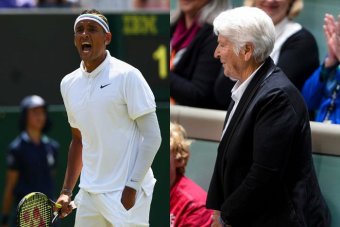
Wimbledon 2015: Nick Kyrgios labels Dawn Fraser a ‘blatant racist’ following verbal attack

6600844-3x2-340x227

Australian swimming great Dawn Fraser has launched a “racist” attack on Nick Kyrgios after he was knocked out of Wimbledon on Monday night (AEST).

The Canberra-born Kyrgios, who is of Greek and Malaysian heritage, lost a four-set fourth-round clash with 21st seed Richard Gasquet and drew further ire for ‘tanking’ at least one game in the second set.

Fraser, speaking to the Nine Network’s Today Show, said she found his behaviour “absolutely disgusting”.
“I just am so shocked to think that he went out there to play and he tanked, he did all that tanking, that’s terrible,” she said.

Fraser also appeared to take aim at German-born Bernard Tomic, who has come under fire this week after unleashing a tirade of abuse at Tennis Australia, leading to him being axed from the Davis Cup team for the upcoming quarter-final tie against Kazakhstan.

“They should be setting a better example for the younger generation of this great country of ours,” she said.

If they don’t like it, go back to where their parents came from. We don’t need them here in this country to act like that.

Kyrgios, who has been roundly criticised after each of his four matches at SW19 for varying degrees misbehaviour responded on Facebook, calling Fraser a “blatant racist”.

“Throwing a racket, brat. Debating the rules, disrespectful. Frustrated when competing, spoilt. Showing emotion, arrogant. Blatant racist, Australian legend,” he wrote.

Kyrgios’s mother Nill, who was born in Malaysia, took to Twitter to criticise Fraser’s comments.

“I have no comments on Dawn Frasers nasty racist attack…but she is out of line. #unaustralian behaviour,” she posted.

source:abc.net.au