Monthly Archives: July 2015

Η Ουκρανία γλίτωσε την Ελλάδα από το… Grexit στο U19

2359E336898693AD53F34687E1E8D3A9

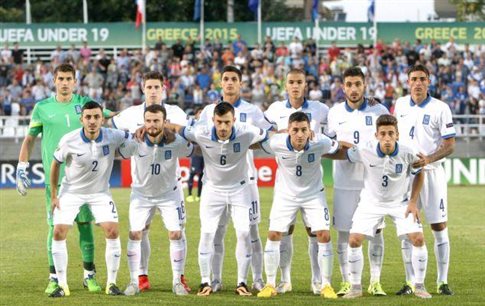
Η εθνική ομάδα προκρίθηκε στα ημιτελικά του ευρωπαϊκού πρωταθλήματος Νέων, παρά τη σημερινή ήττα της από τη Γαλλία με 2-0 στο πλαίσιο της 3ης αγωνιστικής του 1ου ομίλου της διοργάνωσης, που διεξάγεται στην Κατερίνη.

Η ομάδα του Γιάννη Γκούμα κατάφερε να πάρει την πρόκριση, ως δεύτερη στον όμιλο της, καθώς στο άλλο παιχνίδι του 1ου ομίλου Ουκρανία και Αυστρία αναδείχθηκαν ισόπαλες 2-2.

Αντίπαλός της θα είναι η ομάδα που θα καταλάβει τη 2η θέση του 2ου ομίλου (Ισπανία, Ρωσία, Ολλανδία ή Γερμανία).

Την επιτυχία αυτή οι νεαροί διεθνείς πανηγύρισαν έντονα μαζί με τους φίλους της ομάδας που γέμισαν και το Α΄ ΔΑΚ Κατερίνης. Ο αγώνας άρχισε με τις χειρότερες συνθήκες για την ελληνική ομάδα, καθώς μόλις στο 5ο λεπτό η Γαλλία άνοιξε το σκορ με την κεφαλιά του Ντιακαμπί. Το αντιπροσωπευτικό μας συγκρότημα προσπάθησε να ξεπεράσει άμεσα το σοκ, αυξάνοντας την πίεση στην αντίπαλη εστία.

Το ματς απέκτησε γρήγορο ρυθμό και οι καλές στιγμές διαδέχονταν η μια την άλλη και στις δύο πλευρές του γηπέδου, με τους «τρικολόρ», πάντως, να είναι περισσότερο επικίνδυνοι. Η εθνική απείλησε με τις δύο κεφαλιές (άουτ) του Καραχάλιου από πλεονεκτική θέση στο 9′ και 12′, ενώ οι Γάλλοι έφτασαν κοντά στο γκολ με τους Ντιακαμπί στο 18΄ (προβολή άουτ), Κίλιτς στο επόμενο λεπτό (σουτ και απόκρουση Κότσαρη) και Ντεμπελέ στο 30΄ (πλασέ μόλις άουτ) και 34΄ (απόκρουση Κότσαρη στο δυνατό σουτ).

Το δεύτερο 45άλεπτο άρχισε με την εθνική να έχει ακόμα πιο συμπαγείς τις γραμμές της και να μην αφήνει ανοιχτούς διαδρόμους για τους ταχύτατους Γάλλους επιθετικούς. Μάλιστα, η ελληνική ομάδα θα μπορούσε να ισοφαρίσει στο 62΄, όμως ο Καμαρά με όμορφη ενέργεια νίκησε τον Ορφανίδη που επιχείρησε γυριστό σουτ. Δυστυχώς, όμως, δύο λεπτά αργότερα, η Γαλλία κατάφερε να σκοράρει με το εύκολο πλασέ του Ντεμπελέ, ο οποίος αξιοποίησε την ασίστ του Μοπαΐ.

Ωστόσο, τα καλά νέα έρχονταν από τη Βέροια, όπου οι Ουκρανοί την ίδια στιγμή έπαιρναν εκ νέου το προβάδισμα (2-1) επί των Αυστριακών. Η εθνική, από την πλευρά της, συνέχισε την προσπάθειά της για να σκοράρει και θα μπορούσε να το καταφέρει αν ο Κυριακόπουλος ήταν πιο ψύχραιμος στην τελική ενέργεια στο 70΄.

Ο Κότσαρης στο 82΄ πραγματοποίησε διπλή απόκρουση στα σουτ των Μοπαΐ και Ζιρασί και αυτή ήταν η τελευταία καλή στιγμή στο ματς, με τα λεπτά στη συνέχεια να κυλάνε δραματικά καθώς στο άλλο ματς η Αυστρία είχε ισοφαρίσει 2-2 την Ουκρανία και ήθελε ένα ακόμη γκολ για να πάρει εκείνη την πρόκριση αντί της ελληνικής ομάδας.

Ο διαιτητής της αναμέτρησης, Μάρκο Γκουΐντα (Ιταλία), παρατήρησε με κίτρινη κάρτα τους Τιράμ, Παβάρ, Τσελεπίδη.

ΓΑΛΛΙΑ: Καμαρά, Φουλζινί, Σενζεμπά, Ντιακαμπί, Παβάρ, Κεμέν (74΄ Ζιρασί), Κίλιτς, Μπλιν, Μοπαΐ, Ντεμπελέ, Τιράμ (65΄ Κομάν).

ΕΛΛΑΔΑ: Κότσαρης, Σάλιακας, Τσιμίκας (88΄ Μηλιώτης), Τσελεπίδης, Κυριακόπουλος, Ρούσσος, Καραχάλιος, Στάικος, Ορφανίδης, Κουλούρης (61΄ Βέργος), Κυνηγόπουλος (71΄ Μαυρίας)

Στις αναμετρήσεις της 3ης αγωνιστικής, για τον 1ο όμιλο της τελικής φάσης στο Ευρωπαϊκό Πρωτάθλημα Νέων, που φιλοξενείται στην Ελλάδα, σημειώθηκαν τα αποτελέσματα:

Γαλλία-Ελλάδα 2-0
(5′ Ντιακαμπί, 64′ Ντεμπελέ)

Ουκρανία-Αυστρία 2-2
(14′ Ζούμπκοφ, 63′ Λούκχεβιτς-47′, 87′ Κβάσινα)

1ος ΟΜΙΛΟΣ

Δευτέρα 6/7
Ελλάδα-Ουκρανία 2-0
Αυστρία-Γαλλία 1-0

Πέμπτη 9/7
Ουκρανία-Γαλλία 1-3
Ελλάδα-Αυστρία 0-0

Κυριακή 12/7
Γαλλία-Ελλάδα 2-0
Ουκρανία-Αυστρία 2-2

Η ΒΑΘΜΟΛΟΓΙΑ
Γαλλία 6-1 9
Ελλάδα 2-2 4
———————-
Αυστρία 2-1 2
Ουκρανία 3-7 1

2ος ΟΜΙΛΟΣ

Τρίτη 7/7
Ολλανδία-Ρωσία 1-0
Γερμανία-Ισπανία 0-3

Παρασκευή 10/7
Ισπανία-Ρωσία 1-3
Γερμανία-Ολλανδία 1-0

Η ΒΑΘΜΟΛΟΓΙΑ
Ισπανία 3-1 3
Ρωσία 2-1 3
Ολλανδία 1-0 3
Γερμανία 1-3 3

Δευτέρα 13/7
21:00 Ρωσία-Γερμανία Α΄ ΔΑΚ Κατερίνης
21:00 Ισπανία-Ολλανδία Δημοτικό Στάδιο Βέροιας

Πέμπτη 16/7
21:45 Α΄ ημιτελικός Α΄ ΔΑΚ Κατερίνης
19:00 Β΄ ημιτελικός AEL FC Arena/Λάρισα

Κυριακή 19/7
21:00 Τελικός Α΄ ΔΑΚ Κατερίνης

Πηγή:in.gr
Αφιέρωμα στη ΣΡΕΜΠΡΕΝΙΤΣΑ: Tο μεγαλύτερο έγκλημα στην Ευρώπη από τον Β’ Παγκόσμιο Πόλεμο

E8D051FBAC78317A51347187586CCF3D

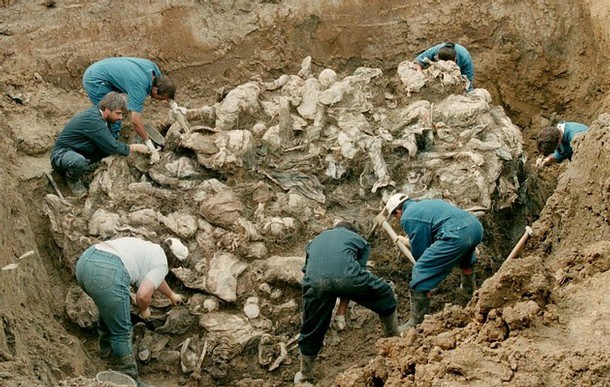
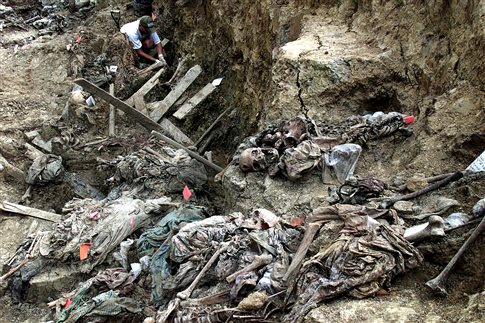
Μαζικός τάφος εκατοντάδων Βόσνιων Μουσουλμάνων που εντοπίστηκε το 2003

Το Σάββατο 11 Ιουλίου συμπληρώθηκαν 20 χρόνια από τη σφαγή των Βόσνιων μουσουλμάνων της Σρεμπρένιτσα. Ένα μαζικό έγκλημα που ενορχηστρώθηκε από τον σερβοβόσνιο ηγέτης Ράντοβαν Κάρατζιτς και τον τότε πρόεδρο της Γιουγκοσλαβίας Σλόμπονταν Μιλόσεβιτς και τέθηκε σε εφαρμογή από τον στρατηγό Ράτκο Μλάντιτς.

Γνωστός κι ως «Χασάπης της Βοσνίας», ο Μλάντιτς διέταξε τον πλήρη αφανισμό των Βόσνιων Μουσουλμάνων, κάθε ηλικίας. Και πράγματι, μέσα σε λίγες ημέρες ο στρατός της Σερβικής Δημοκρατίας της Βοσνίας εκτέλεσε 8.000 πρόσφυγες –άντρες, αλλά και γυναικόπαιδα- «εις το όνομα της θρησκείας», επειδή ήταν αλλόθρησκοι.

Η σφαγή που διαπράχθηκε στα πλαίσια μιας εθνοκάθαρσης εκτεταμένων εδαφών της Βοσνίας μετά τη διάλυση της Γιουγκοσλαβίας το 1991, έχει χαρακτηριστεί επίσημα από το Διεθνές Δικαστήριο του ΟΗΕ ως «γενοκτονία».

Η μαζική σφαγή στη Σρεμπρένιτσα έκτοτε μνημονεύεται ως το μεγαλύτερο έγκλημα σε ευρωπαϊκό έδαφος από τον Β’ Παγκόσμιο Πόλεμο και το ναζιστικό Ολοκαύτωμα των Εβραίων και των Ρομά.

Είναι γνωστό πως μετά την έναρξη του αιματηρού εμφυλίου πολέμου στη Γιουγκοσλαβία, στις αρχές της δεκαετίας του 1990, είχαν ανάψει για τα καλά οι εθνικιστικές έριδες ανάμεσα στους πληθυσμούς. Στο επίκεντρο των συνεχών συρράξεων δεν ήταν μόνο η διαφορετική εθνότητα, αλλά και η διαφορετική θρησκεία, καθώς, λόγου χάρη, οι Σέρβοι ήταν χριστιανοί, ενώ οι Βόσνιοι στη συντριπτική τους πλειοψηφία ήταν μουσουλμάνοι.

Κάποιες περιοχές, όπως το Πόντρινγε, είχαν χαρακτηριστεί από την νεότευκτη Σερβική Δημοκρατία της Βοσνίας ως «στρατηγικής σημασίας» για την εξάπλωση των σερβοβοσνιακών δυνάμεων.

Ο ηγέτης των Σερβοβόσνιων, Ράντοβαν Κάρατζιτς, ήθελε από το 1992 κιόλας να καταλάβει την ευρύτερη περιοχή του Πόντρινγε, η μεγαλύτερη πόλη της οποίας ήταν η Σρεμπρένιτσα.

Κάπως έτσι, από τη χρόνια εκείνη είχε ξεκινήσει, με εντολή του Κάρατζιτς, μια απόπειρα εθνοκάθαρσης της περιοχής.

Εν μέρει, ο Κάρατζιτς τα κατάφερε: μέχρι το 1993, οι Σερβοβόσνιοι δολοφόνησαν 3.166 άντρες και γυναικόπαιδα, κατέστρεψαν 296 χωριά και εκτόπισαν από τις εστίες τους πάνω από 70.000 Βόσνιους. Ήταν το θλιβερό πρελούδιο για ό,τι επρόκειτο να επακολουθήσει.

Τον Απρίλιο του 1993 η Σρεμπρένιτσα, που βρίσκεται στο ανατολικό άκρο της σημερινής Βοσνίας-Ερζεγοβίνης, στα σύνορα με τη Σερβία, ανακηρύχθηκε ασφαλής περιοχή από τα στρατεύματα του ΟΗΕ και φυλασσόταν από 400 Ολλανδούς κυανοκράνους της δύναμης Dutchbat. Οι κάτοικοι της Σρεμπρένιτσα -το όνομα της οποίας σημαίνει «Μικρό Ορυχείο»-άρχισαν να νιώθουν λίγο πιο ασφαλείς. Φευ…

Έτσι, τον Ιούλιο του 1995 η κυβέρνηση της Σερβικής Δημοκρατίας της Βοσνίας αποφάσισε να παρεκκλίνει από τις σαφείς οδηγίες του ΟΗΕ και να κάνει αυτό που επιθυμούσε εδώ και χρόνια.

Η διαταγή από τον Κάρατζιτς ήταν σαφής: «καταλάβατε άμεσα την Σρεμπρένιτσα με κάθε κόστος και εξαφανίστε από το έδαφος της όλους τους Βόσνιους Μουσουλμάνους».

«Οι άνθρωποι δεν είναι απλές πέτρες που τις μετακινείς εύκολα από το ένα μέρος σε ένα άλλο. Δεν γνωρίζω πως ο κύριος Κάρατζιτς θα το εξηγήσει αυτό στην υφήλιο. Μιλάμε για γενοκτονία», ήταν η άμεση αντίδραση του στρατιωτικού διοικητή των Σερβοβόσνιων, Ράτκο Μλάντιτς, ο οποίος ωστόσο δεν είχε καμία αντίρρηση –όπως αποδείχθηκε στην πορεία- να φέρει εις πέρας το απεχθές σχέδιο που του ανατέθηκε.

Στις 6 Ιουλίου, οι δυνάμεις που διοικούσε ο Μλάντιτς, επιτέθηκαν αρχικά στην προστατευόμενη ζώνη του ΟΗΕ. Οι Ολλανδοί στρατιώτες της UNPROFOR [σ.σ: η Δύναμη Προστασίας του ΟΗΕ] και ο επικεφαλής τους, Τομ Κέρεμανς, ζήτησαν απεγνωσμένα αεροπορική υποστήριξη, η οποία δεν τους δόθηκε ποτέ. Οπότε, δεν αντιστάθηκαν καν στην προέλαση των σερβοβοσνιακών δυνάμεων.

Στις 11 Ιουλίου, αμέσως μετά την πτώση της Σρεμπρένιτσα, οι Ολλανδοί στρατιώτες παρέδωσαν στις δυνάμεις του Μλάντιτς όλους τους Βόσνιους Μουσουλμάνους που είχαν αναζητήσει καταφύγιο στη στρατιωτική βάση στο Ποτοτσάρι. Προηγουμένως τα μέλη της UNPROFOR είχαν αρνηθεί σε πολλούς Βόσνιους την είσοδο στο στρατόπεδο. Όλοι αυτοί αναγκάστηκαν να καταφύγουν στα γύρω δάση, με στόχο να προσεγγίσουν μια γειτονική περιοχή, που τελούσε υπό τον έλεγχο του Στρατού των Μουσουλμάνων της Βοσνίας.

Ελάχιστοι κατάφεραν να φτάσουν ως εκεί. Οι περισσότεροι συνελήφθησαν και οδηγήθηκαν στη Σρεμπρένιτσα, μαζί με χιλιάδες άλλους συμπατριώτες τους, για την ολοκλήρωση της γενοκτονίας.

Από τις 12 μέχρι τις 22 Ιουλίου, οι δυνάμεις των Σερβοβοσνίων ξεχώρισαν τους άνδρες και τα αγόρια από τις γυναίκες και κατόπιν τους εκτέλεσαν.

Περίπου 8.000 άνθρωποι μέσα σε δέκα ημέρες βρήκαν τραγικό θάνατο σε μια σειρά από μαζικές εκτελέσεις: 17 άντρες το πρωί της 13ης Ιουλίου δίπλα στον ποταμό Γιάνταρ, άλλοι 150 το απόγευμα της ίδιας ημέρας στην κοιλάδα Τσέρσκα, 250-300 ακόμη εκτελέστηκαν το βράδυ της ίδιας ημέρας στη Κράβιτσα, 22 άντρες στην Τίστσα, στις 14 Ιουλίου πάνω από 2.000 εκτελέσεις σε Οράχοβατς και Γκρβάβτσι, άλλοι 2.000 Βόσνιοι άντρες κάθε ηλικίας δολοφονήθηκαν στις 15 Ιουλίου στο Πετκοβίτσι. Και ο κατάλογος δεν έχει τελειωμό…

Τα πτώματα ρίχτηκαν μετά σε ομαδικούς τάφους.

(FILES) Forensic experts from the International war crimes tribunal in the Hague works on a pile of partly decomposed bodies, on July 24, 1996 found in a mass grave in the village of Pilica some 300 km northeast of Sarajevo. The victims in the human sculpture is said to be some of the 7000 men missing after Serbs overran the Moslem enclave of Srebrenica in July 1995. The wartime Bosnian Serb leader Radovan Karadzic, one of the world's most wanted men who stands indicted for genocide and crimes against humanity during Bosnia's 1992-1995 war, was arrested on July 21, 2008 after nearly 13 years on the run.  AFP PHOTO ODD ANDERSEN (Photo credit should read ODD ANDERSEN/AFP/Getty Images)

Στην περιοχή της Σρεμπρένιτσα είχε μόλις συντελεστεί μια ολοκληρωτική εθνοκάθαρση.

Μετά την πτώση της Σρεμπρένιτσα, δηλώθηκε η εξαφάνιση 8.372 Βόσνιων Μουσουλμάνων και ενός Κροάτη.

Μέχρι σήμερα έχουν εντοπιστεί, ταυτοποιηθεί και ενταφιαστεί τα λείψανα 6.241 θυμάτων.

Στις έρευνες, για τον εντοπισμό λειψάνων των θυμάτων της Σρεμπρένιτσα, οι ιατροδικαστές έχουν εντοπίσει μέχρι σήμερα 93 ομαδικούς τάφους και εκτιμούν ότι υπάρχουν άλλοι 50.

Πηγή:in.gr

Νεκρά τα ψάρια στο «μεγαλύτερο ενυδρείο του κόσμου»

9FCD7C80DF0646CE25A8A109D0A516FF

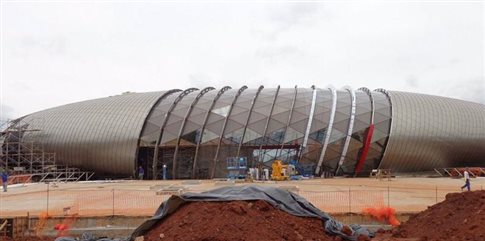
Το Aquarium Pantanal, κόστους 53 εκατ. δολαρίων, υποτίθεται ότι θα ήταν έτοιμο από τα τέλη του 2014

Περισσότερα από 10.000 ψάρια, πολλά από αυτά σπάνια, πέθαναν σε προσωρινές δεξαμενές πριν προλάβουν να μεταφερθούν στο ολοκαίνουργιο Aquarium Pantanal της Βραζιλίας, το «μεγαλύτερο ενυδρείο γλυκού νερού στον κόσμο».

Το περιστατικό συνέβη πριν από μήνες, μόλις τώρα όμως αποκαλύπτεται από τοπικά μέσα. Έγγραφο της εταιρείας που είχε αναλάβει τη φροντίδα των ψαριών δείχνει ότι το 80% των εκθεμάτων του υπό κατασκευή ενυδρείου πέθαναν από πτώση της θερμοκρασίας καθώς ο χειμώνας πλησίαζε στο νότιο ημισφαίριο.

Η εισαγγελία της πολιτείας Μάτο Γκρόσο ντο Σουλ έχει ξεκινήσει έρευνα για το τραγικό ατύχημα, καθώς η τοπική κυβέρνηση και η εταιρεία αλληλοκατηγορούνται για αμέλεια.

Το ενυδρείο των 53 εκατ. δολαρίων υποτίθεται ότι θα ήταν έτοιμο από τα τέλη του 2014 αλλά οι εργασίες κατασκευής καθυστέρησαν. Από το Νοέμβριο, τα ψάρια ανατέθηκαν προσωρινά στην εταιρεία Anambi που εξασφάλισε συμβόλαιο για την φροντίδα τους. «Η μεταφορά των ψαριών προγραμματιζόταν για τον Ιανουάριο ή τον Φεβρουάριο, οι δεξαμενές όμως δεν ήταν έτοιμες» δήλωσε εκπρόσωπος της εταιρείας στην εφημερίδα Folha de Sao Paulo.

Κυβερνητικοί αξιωματούχοι, αναμεταδίδει το Γαλλικό Πρακτορείο Ειδήσεων, υποστηρίζουν ότι εντόπισαν σοβαρά τεχνικά προβλήματα στις προσωρινές δεξαμενές της Anambi -μεταξύ άλλων, ανεπαρκή οξυγόνωση, παρουσία βακτηρίων και πλημμελή καθαρισμό.

Πολλά από τα ψάρια είχαν εισαχθεί από την Αφρική, την Ασία και την Ωκεανία.

Η ημερομηνία ολοκλήρωσης του Aquarium Pantanal δεν έχει ακόμα ανακοινωθεί.

Πηγή:in.gr

Μέρκελ: Πρώτα η ψήφιση στην Eλληνική Βουλή και μετά τα υπόλοιπα Κοινοβούλια

95D7C87C3BF4C73F5AFD41A38CB3A732

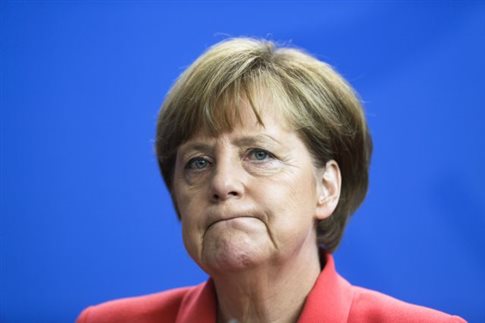
Την ικανοποίησή της για τη συμφωνία ύψους 82-86 δισ. ευρώ για τρία χρόνια ανακοίνωσε η Άνγκελα Μέρκελ.

Στη συνέντευξη Τύπου που παραχώρησε, η καγκελάριος ξεκαθάρισε ότι τα προαπαιτούμενα πρέπει να περάσουν από τη Βουλή των Ελλήνων έως 15 Ιουλίου, προτού η συμφωνία ψηφιστεί από τα υπόλοιπα κοινοβούλια.

«Τα θετικά υπερίσχυσαν των αρνητικών. Επιβεβαιώθηκαν οι αρχές της αλληλεγγύης και της υπευθυνότητας» σημείωσε.

Η καγκελάριος αναφέρθηκε στα μέτρα που πρέπει να ψηφιστούν στη Βουλή των Ελλήνων μέχρι τις 15 Ιουλίου για τον ΦΠΑ, τα εργασιακά και τα φορολογικά.

Για το θέμα του χρέους αναφέρθηκε στη συμφωνία του 2012, λέγοντας ότι «θα συζητήσουμε για το χρέος μόλις έχουμε την πρώτη θετική αξιολόγηση. Εκτός συζήτησης η ονομαστική διαγραφή χρέους».

Εκτίμησε ότι περίπου 25 δισ. ευρώ θα πρέπει να χρησιμοποιηθούν για την ανακεφαλαιοποίηση των τραπεζών.

Σε ερώτηση για το περίφημο σχέδιο εξόδου της Ελλάδας από την Ευρωζώνη για πέντε χρόνια, η καγκελάριος ξεκαθάρισε ότι αυτό δεν υφίσταται. «Το σχέδιο Α έχει επαληθευθεί δεν υπάρχει σχέδιο Β, δηλαδή Grexit» τόνισε.

Σε άλλη ερώτηση για το αν τα μέτρα θα τα «σηκώσουν» οι πολίτες, η Μέρκελ είπε ότι «βρέθηκαν ευρείες πλειοψηφίες στο ελληνικο Κοινοβούλιο που δεν υπήρχαν στο παρελθόν».

Η καγκελάριος ρωτήθηκε επίσης για το τι τελικά σήμανε το «όχι» στο πρόσφατο δημοψήφισμα, λέγοντας ότι οι Έλληνες διατράνωσαν την επιθυμία τους να παραμείνουν στην Ευρωζώνη, επικαλούμενη μάλιστα τις σχετικές δηλώσεις του Αλέξη Τσίπρα.

Πηγή:in.gr

Τσίπρας: Δώσαμε μια σκληρή μάχη και παλέψαμε μέχρι τέλους για ό,τι καλύτερο

429172B552F2BE55F96A937540833D3F

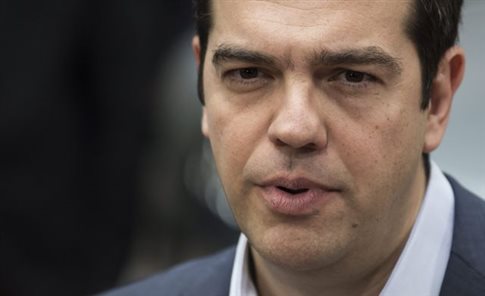
«Βρεθήκαμε μπροστά σε δύσκολες αποφάσεις και σκληρά διλήμματα. Δώσααμε μια σκληρή μάχη και παλέψαμε μέχρι τέλους για ό,τι καλύτερο» δήλωσε ο Αλέξης Τσίπρας μετά το πέρας της 17ωρης Συνόδου Κορυφής, η οποία κατέληξε σε συμφωνία για τρίτο πρόγραμμα.
Ο κ. Τσίπρας αναγνώρισε ότι η συμφωνία είναι δύσκολη, «αλλά αποτρέψαμε το σχέδιο της χρηματοπιστωτικής ασφυξίας και του χρηματοπιστωτικού συστήματος. Σχέδιο που είχε σχεδιαστεί στην εντέλεια».

«Τα μέτρα δημιουργούν υφεσιακές τάσεις, αλλά το πακέτο Γιούνκερ των 35 δισ. ευρώ, η συμφωνία για το χρέος και η χρηματοδότηση της χώρας απομακρύνουν το Grexit και έτσι μπορούν να επιστρέψουν οι επενδύσεις» συνέχισε.

«Δώσαμε μάχη μέχρι τέλους, θα υπάρξει κοινωνική δικαιοσύνη, τα βάρη θα τα φορτωθούν οι έχοντες και όσοι είχαν καταφέρει να ξεφύγουν γιατί τους προστάτευαν οι προηγούμενες κυβερνήσεις» διαβεβαίωσε.

Πηγή:in.gr

Ο υπ. Αγροτικής Ανάπτυξης της Κύπρου στις εκδηλώσεις μνήμης στην Αυστραλία

epseka

Ανακοίνωση της ΠΑ.Σ.Ε.Κ.Α.

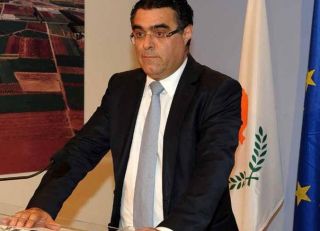
Ο κ. Νίκος Κουγιάλης, υπουργός Γεωργίας, Αγροτικής Ανάπτυξης και Περιβάλλοντος, θα αντιπροσωπεύσει τον Πρόεδρο της Κυπριακής Δημοκρατίας, κ. Νίκο Αναστασιάδη στις Εκδηλώσεις Διαμαρτυρίας και Συμπαράστασης στον αγωνιζόμενο λαό της Κύπρου μας που οργανώνουν σε όλες τις Πολιτείες της Αυστραλίας οι Συντονιστικές Επιτροπές Κυπριακού Αγώνα.

Ο κύριος υπουργός θα είναι μαζί μας για να συμμετάσχει, να ενισχύσει και να είναι ο κύριος ομιλητής στις ακόλουθες Πολιτείες:

Την Κυριακή, 19 Ιουλίου στο Σίδνεϊ. Το πρόγραμμα έχει δημοσιευθεί ήδη και περιλαμβάνει Μνημόσυνο Πεσόντων, Καταθέσεις Στεφάνων, Πορεία Διαμαρτυρίας και Πολιτιστική Εκδήλωση στο οίκημα της Κυπριακής Κοινότητας Νέας Νότιας Ουαλίας.

Την Τετάρτη, 22 Ιουλίου, θα λάβει μέρος στις Εκδηλώσεις Διαμαρτυρίας στη Νότια Αυστραλία, όπου θα ψαλεί Μνημόσυνο Πεσόντων, Καταθέσεις Στεφάνων και Πολιτιστική Εκδήλωση στο οίκημα της Κυπριακής Κοινότητας Νότιας Αυστραλίας. Την Πέμπτη, 23 Ιουλίου θα συναντηθεί με Πολιτικούς στο Κοινοβούλιο της Νότιας Αυστραλίας και θα αναχωρήσει για τη Μελβούρνη.

Την Παρασκευή, 24 Ιουλίου θα είναι μαζί μας και θα είναι στη διάθεση των ελληνικών ΜΜΕ για συνεντεύξεις εφ’ όλης της ύλης. Στις 5.00μμ θα διαμαρτυρηθεί μαζί μας στα σκαλοπάτια της Βουλής της Βικτώριας και αμέσως μετά θα παρευρεθεί στο Δείπνο Λιτότητας όπου θα απευθύνει χαιρετισμό.

Το Σάββατο, 25 Ιουλίου, θα επισκεφθεί παροικιακούς Οργανισμούς, θα παρακαθήσει σε συνεδριάσεις με Διοικητικά Συμβούλια και στελέχη της Σ.Ε.Κ.Α.

Την Κυριακή, 26 Ιουλίου θα εκκλησιαστεί στο Μητροπολιτικό Ναό Αγίου Ευσταθίου όπου θα τελεστεί και το ιερό Μνημόσυνο των πεσόντων και σφαγιασθέντων από την τουρκική θηριωδία. Αμέσως μετά θα μεταβεί στο χώρο εκκίνησης της μεγάλης Πορείας Διαμαρτυρίας που θα καταλήξει στα σκαλοπάτια της Βουλής όπου θα εκφωνήσει την ομιλία του και το μήνυμα του Προέδρου της Κυπριακής Δημοκρατίας.

Τη Δευτέρα, 27 Ιουλίου θα παρευρεθεί και θα μιλήσει σε Εκδηλώσεις Διαμαρτυρίας που οργανώνονται στη Βρισβάνη.

Ο κύριος υπουργός θα συνοδεύεται από τηνΎπατη Αρμοστή της Κυπριακής Δημοκρατίας στην Ωκεανία, κ. Ιωάννα Μαλλιώτη.

Παρακαλούνται όλοι όπως παρευρεθούν σε όλες τις Εκδηλώσεις Διαμαρτυρίας για να συμπαρασταθούμε και έμπρακτα προς τον αγωνιζόμενο λαό μας και να δείξουμε σε όλους ότι ΔΕΝ ΞΕΧΝΟΥΜΕ ΚΑΙ ΑΓΩΝΙΖΟΜΑΣΤΕ ΜΕΧΡΙ ΤΗΝ ΤΕΛΙΚΗ ΔΙΚΑΙΩΣΗ.

ΚΩΝΣΤΑΝΤΙΝΟΣ

ΠΡΟΚΟΠΙΟΥ

Πρόεδρος ΠΑΣΕΚΑ

Πηγή:Νέος Κόσμος

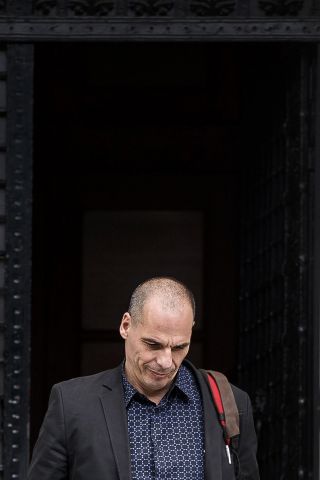
Yanis Varoufakis: Game Over

varoufakis

Yanis Varoufakis has exited stage left – but don’t think the world’s most colourful finance minister went gently into that good night

When SYRIZA was elected, Yanis Varoufakis quoted the Welsh poet Dylan Thomas, saying that on that day, “Greek democracy chose to stop going gently into the night,” and instead “to rage against the dying of the light”.

Last Sunday, Greek democracy raged once more, but within hours the Greek finance minister was gone.

The motorcycle-riding economist, theoretician and blogger – noted for a healthy mistrust of politicians – burned like a comet for the past five months, until his trajectory reached its apex in the referendum vote.

SYRIZA’s call to arms at the polling booths, invoking Greece’s ancient democratic values, spurred a nearly two-thirds majority to dismiss the eurozone’s latest – if by then invalid – bail-out deal.

No small part of that historic poll is down to Varoufakis and his ability, not only to enrage eurozone ministers, but to translate the complex world of global capital movement, of bond yields and macroeconomics, into a spiritual crusade for millions of Greeks.

At the heart of his argument was not only to defeat the mantra of austerity, but to reimagine the relationship between what individual states want, and the collective will of those joined in a federation like the European Union.

Greece’s insolvency he vowed would remain until European-wide reforms and what he called the EU’s “fiscal water-boarding” was challenged.
On his elevation to minister, Varoufakis set out to destroy what he called the “extend and pretend” strategy: extending loan repayments and pretending Greece’s debt could be repaid.

As the academic-turned-politician sought to turned his theories into practice, Varoufakis’ eloquence, along with his T-shirts, 1300cc Yamaha, love of game theory and undiplomatic tweets, confused and unsettled the ‘eurocracy’.

As Greece bathed in a moment’s joy at the sheer defiance of the creditors last weekend, Varoufakis resigned to help smooth Greece’s negotiations with its lenders on a deal.

In his farewell statement he said he would “wear the creditors’ loathing with pride”.

Meanwhile he has his critics beyond Europe’s shores. Professor of Modern Greek Studies at the University of Sydney, Vrasidas Karalis said his departure was inevitable and necessary.

“He had many good ideas, indeed he came up with some visionary solutions, but most of them were totally unrealistic… his ideas offered utopian solutions to questions that really asked for mere mathematics”.

Melbourne University professor Nikos Papastergiadis, a long-time friend, believes ‘walking away’ from the job would have been anathema to Varoufakis.
“I know as a fact he did not acquiesce,” says Papastergiadis.

“Tsipras wanted to make the wiggle-room and Yanis was the sacrificial lamb, and that’s a tragedy”.

Papastergiadis believes the key to understanding Varoufakis’ mass popularity, beyond the ‘flamboyant rebel with a cause’ hype, is rooted in substance.
“His analysis has never been properly contradicted. He exposed fallacies and cant and hypocrisy, as well as the authoritarian behaviour that goes on in the European ‘club’.

“He communicated economic policies and theories with a clarity that has previously been unknown in these debates. For the first time we’ve had a translator, and we’ve lost that now.

“Love him or hate him, at least you got to see what was going on behind that curtain.”

by Michael Sweet

source:Neos Kosmos

Greek crisis: surrender fiscal sovereignty in return for bailout, Merkel tells Tsipras

untitled

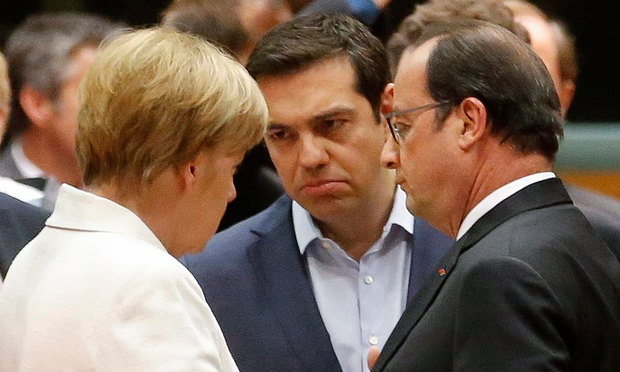
Angela Merkel, Alexis Tsipras and François Hollande talk at the eurozone leaders summit in Brussels. France and Germany have been split over their approach to the eurozone crisis. Photograph: Olivier Hoslet/EPA

European leaders have confronted the Greek government with a draconian package of austerity measures entailing a surrender of fiscal sovereignty as the price of avoiding financial collapse and being ejected from the single currency bloc.

A weekend of high tension that threatened to break Europe in two climaxed on Sunday night at a summit of eurozone leaders in Brussels where the German chancellor, Angela Merkel, and President François Hollande of France presented Greece’s radical prime minister, Alexis Tsipras, with an ultimatum.

In what a senior EU official described as an “exercise in extensive mental waterboarding” to secure Greek acquiescence to talks on a third bailout in five years worth up to €86bn (£62bn), the two leaders pressed for absolute certainty from Tsipras that he would honour what was on offer.

Two days of high-stakes negotiations between the finance ministers of the currency bloc resulted in a four-page document that included controversial German elements leaked on Saturday. Those measures included Greece leaving the euro temporarily by taking a “time-out” from the currency bloc if it refuses terms for talks on the new bailout or, in the event of agreement, that Greece sets aside €50bn worth of assets as collateral for new loans and for eventual privatisation. Both passages, however, did not enjoy a consensus among eurozone leaders.

Under the terms set before Tsipras on Sunday night, the Greek parliament has to endorse the entire package on Monday and then pass several pieces of legislation by Wednesday, including on pensions reform and a new VAT regime, before the eurozone will agree to negotiate a new three-year rescue package.

The terms are much stiffer than those imposed by the creditors over the past five years. This, said the senior official, was payback for the emphatic no to the creditors’ terms delivered by the snap referendum that Tsipras staged a week ago.

“He was warned a yes vote would get better terms, that a no vote would be much harder,” said the senior official.

The Eurogroup document said experts from the troika of creditors – the International Monetary Fund, European Commission and European Central Bank – would be on the ground in Athens to monitor the proposed bailout programme. The trio would also have a say in all relevant Greek draft legislation before it is presented to parliament. Furthermore, the Greeks will have to amend all legislation already passed by the Syriza government this year that had not been agreed with the creditors.

While Greece’s fate was being debated in Brussels, in Athens the ruling leftwing Syriza party was showing signs of disintegration. Demands that the reforms be approved by the Greek government and put into law by Wednesday were described as “utter blackmail” by leading party members and met with disbelief.

Although sources close to Tsipras said the leader was determined to do whatever was needed to keep Grexit at bay, political tumult also beckoned. Insiders conceded that a cabinet reshuffle – removing ministers who had refused to vote the austerity package through parliament early on Saturday – could come as early as Monday.

By late Sunday night it had become clear that Tsipras’s U-turn on measures he had once spurned had produced a potentially far-reaching split. In addition to 17 MPs breaking ranks at the weekend – stripping his government of a working majority – 15 other lawmakers also indicated they would not approve the agreement in its entirety. The resistance raises the spectre of Tsipras being forced to call fresh elections – a move described as potentially catastrophic for the country.

“Greece can bend up to a point,” said Aristides Hatzis, a prominent political commentator. “But after that there is no bending, only breaking.”

Although billed as the last chance to secure “the ultimate agreement” on the Greek debt crisis, the prospects of a grand political bargain to keep Greece in the eurozone are far from assured.

Entering the leaders’ meeting, Tsipras said he was looking for compromise: “We can reach an agreement if all parties want it.”

But France and Germany are split on their approach to the Greek question, while Finland could refuse outright to sign up to a third bailout for Greece.

France’s Hollande vowed to do everything possible to get an agreement on Sunday night, but Merkel said there wouldn’t be an agreement at any cost.

Other eurozone countries urged Germany to drop its objections. “Grexit has to be prevented,” said Jean Asselborn, the Luxembourg foreign minister. “It would be fateful for Germany’s reputation in the EU and the world.

“Germany’s responsibility is great. It’s about not conjuring up the ghosts of the past,” he told German newspaper Süddeutsche Zeitung. “If Germany goes for Grexit, it will trigger a deep conflict with France. That would be a catastrophe for Europe.”

Italy’s prime minister, Matteo Renzi, was expected to tell Merkel at the leaders’ meeting that “enough is enough” and the eurozone should not humiliate Greece when it had already given up so much.

Earlier on Sunday, eurozone finance ministers said they had made some progress after 14 hours of talks over two days and failing to reach any agreement on Saturday. “We have come a long way, solved a lot of issues, but some big issues still remain,” said Jeroen Dijsselbloem, who chairs the Eurogroup of finance ministers.

Donald Tusk, the president of the European Council, cancelled an emergency full summit of the 28 countries that was to deal with the fallout from Greece’s ejection, in order to give eurozone leaders a last chance to reach an accord saving Greece and forestalling what would be a devastating schism, sowing deep resentment and division between Europe’s leaders.

The intractable problem is that many governments do not trust the Greek government to implement a €12bn (£8.6bn) programme of spending cuts and reforms that will be delivered as part of a bailout. Eurozone governments are seeking proof from Athens it can keep its promises, in exchange for agreeing to start talks on a deal.

“The main obstacle to an agreement is trust,” said Pier Carlo Padoan, finance minister of Italy, one of the countries most sympathetic to Greece.

The Irish taoiseach, Enda Kenny, urged his fellow leaders to “look at the bigger picture”. Kenny, who has been Ireland’s leader since the early days of its own bailout programme, said in his country’s case trust was built incrementally.

“We don’t want to look back in 10 years’ time and think this could have been saved, but wasn’t,” he said.

The German news magazine Der Spiegel called Sunday the biggest day of Merkel’s 10-year chancellorship and appealed to her to “show greatness” and save Europe.

If Der Spiegel was right about the momentousness of Merkel’s day, the same could be said for Hollande of France who, with his government and officials, has been campaigning tirelessly in recent weeks to keep Greece in the euro, helping Athens to draft its proposals.

A decision to go ahead with a so-called Grexit, which has never been closer, would be a shattering failure for Hollande and the resulting Franco-German recrimination would be deeply damaging, say observers.

source:theguardian.com

Europe pushes Athens to the brink

821120-2caf5d52-2900-11e5-b51a-609e8c108313

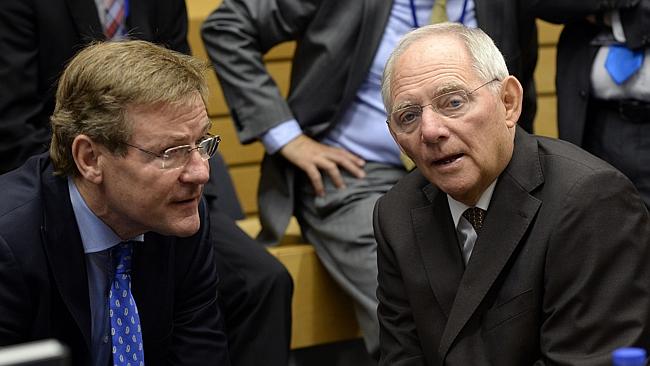
German Finance Minister Wolfgang Schauble, right, speaks with his Belgian counterpart Johan Van Overtveldt before the Brussels summit.

Europe’s ultimatum to Greece, demanding full capitulation as the price of any new bailout, marks the failure of a rebellion by a small, debt-ridden country against its lenders’ austerity policies, after Germany flexed its muscles and offered Athens a choice between obeisance or destruction.

The overnight (AEST) statement on Greece by eurozone finance ministers will go down as one of the most brutal diplomatic démarches in the history of the European Union, a bloc built to foster peace and harmony that is now publicly threatening one of its own with ruination unless it surrenders.

The weekend’s power play also reinforced divisions between Greece’s creditors — especially Germany and the International Monetary Fund — as the cost of keeping Greece in the euro spirals out of control. Part of the reason for Germany’s hard line vis-a-vis Athens: Maximally tough austerity in Greece reduces IMF pressure for Europe to write off its Greek loans.

The other 18 euro members were early today (AEST) pushing Greece to implement all of the austerity measures and broader economic overhauls its voters have twice rejected — in elections in January and in a referendum on July 5 — not in return for new rescue loans, but as a precondition for even talking about them.

The Greek government of left-wing Prime Minister Alexis Tsipras, which has spent all year trying to challenge Europe’s bailout policies, has ended up a near-powerless pariah in Europe — even though Mr Tsipras is politically dominant inside Greece. Its only remaining option for disobedience — to default and leave the euro — would satisfy rather than horrify many of its European critics, led by German Finance Minister Wolfgang Schäuble.

The fall of the Tsipras government under the creditors’ heavy pressure would please many European policy makers. In Berlin and other northern European capitals, officials have made little secret of their view they can’t trust Mr Tsipras to deliver his side of a bailout deal, even if he were to sign one. But most officials know that Mr Tsipras’s fall after only six months would raise awkward questions about the scope for democracy in an EU that presents itself as a beacon of popular sovereignty for the world.

Greece hasn’t complied with creditors’ demands yet. But its only alternative appears to be the gamble of a euro exit, which most Greeks fear would bring worse economic devastation.

In the end, the telling factor in the standoff may be that Greeks fear their country’s exit from the euro more than Germany does. That gives Berlin the stronger hand to impose its austerity-and-reforms prescription.

The demands from the so-called “Eurogroup” of finance ministers range from handing Greek public assets to a fund in Luxembourg to auction off to giving international technocrats powers to approve or veto draft laws in Athens.

“The Eurogroup is pushing Tsipras to effectively hand over the keys to the country; he may have neither the will nor the authority to do so, opting to walk out and resign instead,” Wolf Piccoli, managing director of political-risk consultancy Teneo Intelligence, wrote in a research note.

Behind Europe’s show of force lie three main factors: Fury at Mr Tsipras’s delay tactics, shock at the rising cost of any and all Greek scenarios, and a worsening clash between German-led Europe and the IMF.

Since his election in January, Mr Tsipras has oscillated between his hard-line and pragmatic advisers, Greek officials say. The pragmatists urged him to sign a bailout deal early, even if it meant accepting politically hard-to-sell austerity measures, because the terms of any deal would get tougher as the months passed and Greece’s economy deteriorated.

Nonsense, argued others such as now-ousted finance minister Yanis Varoufakis: Greece would get the best bailout terms, including less austerity and more debt relief, if it waited until the last moment before debt default. Europe would get scared of the destabilising fallout from a Greek euro exit, this camp argued.

Mr Tsipras went with the second school of thought, figuring also that his left-wing Syriza party would only swallow a bailout deal involving austerity if the alternative were imminent economic meltdown.

For months, Mr Tsipras saw to it that Europe’s normal channels for negotiating bailout terms — the Eurogroup, and teams of EU-IMF inspectors — were paralysed. He instead bet on face-to-face talks with German Chancellor Angela Merkel, believing that she would make a fundamentally political decision to keep Europe united, even at the expense of German economic orthodoxy.

It proved an epic miscalculation. Backed into a corner by Mr Tsipras’s referendum, in which Greeks overwhelmingly rejected their creditors’ austerity demands, Ms Merkel hardened her line. A deal with Athens that let Greece off tough economic reforms would be worse for Europe and splinter the eurozone, she argued.

Ms Merkel’s openness to Greek euro exit — an outcome she had previously resisted as too hard to calculate or control — has allowed her finance chief, Mr Schäuble, free rein. Long convinced that Greek politicians simply aren’t up to running their country well enough to be a euro member, Mr Schäuble stunned Greece on Saturday by proposing that the country take a five-year “time-out” from the common currency.

Official Europe, it appears — at least this weekend — can play chicken better than Mr Tsipras. Germany, once provoked, has proved more willing than Mr Tsipras expected to contemplate a Greek euro exit, or “Grexit.” That makes the eurozone’s German-inspired ultimatum more credible than Syriza’s implicit threat of euro exit — which Mr Tsipras knows his nation overwhelmingly fears.

Yet the weekend’s unequal test of strength in Brussels can’t be counted as a simple victory for Germany and its eurozone allies. Ms Merkel wanted to lend Greece money while it overhauled itself, and to get the money back in a reasonable time. Now the cost of keeping Greece afloat in the euro is reaching a multiple of what Ms Merkel originally expected. Not only does Greece need as much as €86 billion ($128 billion) more in financing, but the European part of the roughly €216 billion in funding that Greece has received so far needs restructuring.

Regardless of whether the German stance prevails, Ms Merkel also faces one of the deepest political crises of her decade-long tenure. Her coalition partner, the left-of-centre Social Democrats, have criticised her for being prepared to kick Greece out of the euro. Meanwhile, her conservatives are demanding an even harder line than she has wanted to commit to.

How much restructuring is the subject of tug of war between the IMF and German-led Europe. The IMF insists that comprehensive debt relief is needed to make Greece solvent again, such is the damage that the recent weeks’ events have done to the country’s economy and banking system. The Germans insist outright debt forgiveness is unacceptable to them and illegal among EU nations.

The IMF says that the less debt relief Greece gets from Europe, the harsher the terms of Greece’s overhauls-and-austerity program have to be. Greek taxpayers have to carry the full cost of repairing the country’s solvency if Germany and the rest of the eurozone won’t. Ms Merkel needs to keep the IMF on board to sell further aid for Greece to her increasingly sceptical parliament. That — as well as her finance minister’s anger at Greek politicians — is why the chancellor is now tightening the screws on Mr Tsipras.

source:theaustralian.com.au

Lambton Jaffas hold Hamilton Olympic to a 0-0 draw

HAMILTON OLYMPIC

Hamilton Olympic were held to a 0-0 draw by Lambton Jaffas in Round 13 of the NPL at Arthur Edden Oval.

Despite the 0-0 scoreline and a match in which both sides cancelled each other out, both teams had opportunities to score, particularly Olympic!

After 11 minutes of play Alex Palozzi crossed into the Olympic area, John Majurovski brought the ball down and forced a corner from Danny Ireland.

On the half hour mark Reece Cooper served a delightful ball to Simon Mooney on the left who raced down the line and hammered a shot past Brad Swancott, only for the ball to rebound off the post!

After the break, the first goal scoring opportunity fell to Olympic when Reece Cooper put Kane Goodchild through, only for Brad Swancott to save with his feet!

A little later Reece Cooper tested the Jaffas goalie with a long range shot from outside the box while Michael Bridges did the same with Danny Ireland from a well taken free kick.

Minutes before the end Mason Campbell fired a shot from a good position only for the ball to be  deflected for a corner by the Jaffas defence. From the corner Reece Cooper found himself with only the keeper to beat, but his shot sailed over the crossbar.

This draw keeps Olympic in second spot, 4 points behind Edgeworth Eagles who won away at Maitland.

NPL ROUND 13 RESULTS:
Lambton Jaffas – Hamilton Olympic 0-0
Newcastle Jets Youth – Weston Workers 1-2
Adamstown Rosebud – Broadmeadow Magic 1-4
Maitland – Edgeworth 0-2
South Cardiff – Charlestown City 0-2

TABLE:
1 Edgeworth 30
2 Hamilton Olympic 26
3 Lambton Jaffas 25
4 Weston Workers 25
5 Broadmeadow Magic 23
6 Adamstown Rosebud 16
7 Newcastle Jets Youth 13
8 Charlestown City 12
9 Maitland 10
10 South Cardiff 5

NPL RESULTS:

U22s Lambton Jaffas – Hamilton Olympic 1-2

U19s Lambton Jaffas – Hamilton Olympic 1-0

U17s Hamilton Olympic – FMNC 1-1,  Hamilton Olympic – Charlestown 2-0

U15s Hamilton Olympic – FMNC 2-0, Hamilton Olympic – Charlestown 1-1

U14s Hamilton Olympic – FMNC 0-3, Hamilton Olympic – Charlestown 1-1

U13s Hamilton Olympic – FMNC 0-8, Hamilton Olympic – Charlestown 3-0

Zone League 2 Olympic vs Maryland/Fletcher
1st Grade Olympic won 5-2
2nd Grade Olympic won 4-1

JUNIOR RESULTS FOR SATURDAY & SUNDAY 11-12/07/2015
U13s Olympic – Maitland 2-0
U12s Olympic – Medowie 2-1, Valentine 0-1
U11s Olympic – Lambton 3-1, Maitland 9-0
U10s Olympic – Cooks Hill 12-0, Lambton Jaffas 4-1
U9s Olympic Blue – New Lambton 3-0, Lambton Jaffas 15-0
U9s Olympic White – New Lambton 13-0, Kotara 2-0
U8s Olympic – New Lambton 4-2, Lambton Jaffas 9-0
U8s Olympic – result not supplied
U7s Olympic – New Lambton 14-2
U7s Olympic – Lambton 6-7
U6s Olympic – Lambton 5-2, Wallsend 7-3
U6s Olympic – Lambton 12-4

Source: Tom Tsamouras