Daily Archives: November 5, 2014

Aυστραλία: Τραγική κατάληξη είχε η ιπποδρομιακή κούρσα Melbourne Cup

To άλογο Admire Rakti που θεωρούνταν το φαβορί της κούρσας

To άλογο Admire Rakti που θεωρούνταν το φαβορί της κούρσας και λίγο μετά την λήξη της πέθανε από καρδιακή προσβολή

Δυο άλογα νεκρά μετά την κούρσα

Τραγική κατάληξη είχε η ιπποδρομιακή κούρσα Melbourne Cup, η μεγαλύτερη του νοτίου ημισφαιρίου, που έγινε την Τρίτη στη Μελβούρνη.
Η νίκη του γερμανικής ιδιοκτησίας αλόγου Protectionist, πέρασε σε δεύτερη μοίρα, αφού η κούρσα στάθηκε μοιραία για δυο άλογα.
Το μεγάλο φαβορί για τη νίκη, ιαπωνικής ιδιοκτησίας Admire Rakti, πέθανε στο στάβλο του αμέσως μετά την κούρσα, προκαλώντας σοκ στους φίλιππους.

Μετά τη νεκροψία που έγινε οι κτηνίατροι απεφάνθηκαν ότι το άλογο έπαθε καρδιακή προσβολή.

Ο αναβάτης του αλόγου, Zac Purton, είπε ότι από την αρχή κατάλαβε πως κάτι δεν πήγαινε καλά, παρά το γεγονός πως ως τα μισά της κούρσας το άλογο πήγαινε καλά, αλλά στη συνέχεια έχανε έδαφος και τερμάτισε τελευταίο.

“Όταν κατάλαβα πως το άλογο δεν τραβούσε δεν το πίεσα καθόλου” είπε ο Zac Purton και συνέχισε: “Ο θάνατός του μου προκάλεσε μεγάλη λύπη. Μόλις πριν λίγες μέρες κερδίσαμε μαζί στο Caulfield και ήμουν βέβαιος ότι θα κερδίζαμε και το Melbourne Cup”.

Λίγο αργότερα έγινε ευθανασία και στο άλογο Araldo, το οποίο τερμάτισε έβδομο, αλλά έσπασε το πόδι του και, σύμφωνα με τους ειδικούς, το τραύμα ήταν πολύ σοβαρό και δεν υπήρχε πιθανότητα ανάρρωσής του.

Η Εταιρία Προστασίας των Ζώων, αλλά και άλλες οργανώσεις, καλούν τις Αρχές να λάβουν μέτρα για να προστατεύσουν τα άλογα που τρέχουν σε ιπποδρομίες.
Σαν πρώτο μέτρο ζητούν την απαγόρευση μαστιγίου “καθώς είναι φανερό ότι τα ζώα αυτά πιέζονται να τρέξουν πέραν των δυνατοτήτων τους”.

Πηγή: Νέος Κόσμος

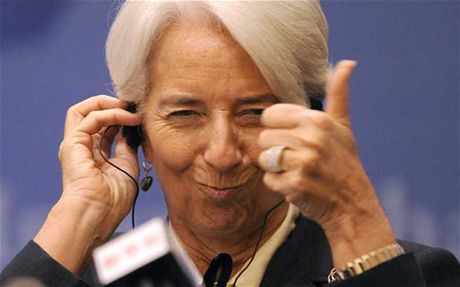
ΔΝΤ: Συγγνώμη κάναμε (και πάλι) λάθος. Μη αποτελεσματικές οι προτάσεις που εισηγηθήκαμε το 2010

imf-lagarde_2531143b

Νέα λάθη στην αντιμετώπιση της κρίσης στην ΕΕ αναγνωρίζει το ΔΝΤ. Πίεσε “πρόωρα” τις μεγάλες οικονομίες να λάβουν μέτρα δημοσιονομικής εξυγίανσης, σύμφωνα με μια εσωτερική αξιολόγηση της πολιτικής του

Το Διεθνές Νομισματικό Ταμείο αγνόησε ακόμη και τη δική του έρευνα και πίεσε πολύ νωρίς τις πλούσιες χώρες να περικόψουν τους προϋπολογισμούς τους μετά την παγκόσμια οικονομική κρίση, σύμφωνα με την εσωτερική αξιολόγηση του οργανισμού στην οποία υποστηρίζεται ότι οι προτάσεις που εισηγήθηκε το 2010 με σκοπό την ενίσχυση της οικονομικής δραστηριότητας δεν αποδείχτηκαν αποτελεσματικές κι επικεντρώθηκαν κυρίως σε μέτρα δημοσιονομικής λιτότητας.

Το ΔΝΤ, ανησυχώντας για το υψηλό επίπεδο του χρέους και τα μεγάλα δημοσιονομικά ελλείμματα, πίεσε χώρες όπως η Γερμανία, οι ΗΠΑ και η Ιαπωνία να ακολουθήσουν αυστηρή λιτότητα από το 2010-’11, προτού ακόμη η οικονομία τους να ανακάμψει από την κρίση. Ταυτοχρόνως, το ΔΝΤ συνηγόρησε υπέρ της χαλαρής νομισματικής πολιτικής για να στηριχθεί η ανάπτυξη και να αυξηθεί η ζήτηση στην ανεπτυγμένες οικονομίες, αγνοώντας αρχικά τις επιπτώσεις που θα είχε η εφαρμογή αυτής της πολιτικής στις αναδυόμενες χώρες, τονίζει το Ανεξάρτητο Γραφείο Αξιολόγησης (ΙΕΟ) στην έκθεσή του όπου αναλύεται ο τρόπος αντίδρασης του οργανισμού στην κρίση.

Σύμφωνα με την έκθεση αυτή το ΔΝΤ αντέδρασε με τον κατάλληλο τρόπο στην παγκόσμια ύφεση του 2008-’09, ζητώντας να εφαρμοστούν μέτρα τόνωσης της οικονομίας. “Όμως η έκκλησή του το 2010-’11 για τη μείωση των ελλειμμάτων σε ορισμένες από τις μεγαλύτερες οικονομίες ήταν πρόωρη”, υποστηρίζει το ΙΕΟ.

Η έκθεση σημειώνει επίσης ότι το Ταμείο κάλεσε τις μεγάλες κεντρικές τράπεζες να υιοθετήσουν πολιτικές ποσοτικής χαλάρωσης, αναμιγνύοντας την πολιτική χαμηλών επιτοκίων με τις αγορές ομολόγων ώστε να στηρίξουν την οικονομική δραστηριότητα. Η μίξη αυτή δεν ήταν η αρμόζουσα αφού η ανάκαμψη με τη χρήση νομισματικών μέσων αποδείχτηκε “σχετικά ακατάλληλο” μέτρο για την τόνωση της ζήτησης μετά την οικονομική κρίση. Επιπροσθέτως, το Ταμείο δεν πρόσεξε αρκετά νωρίς τις αρνητικές επιπτώσεις που είχαν αυτές οι πολιτικές στις αναδυόμενες χώρες.

Για το μέλλον, η έκθεση υποστηρίζει επίσης ότι ο μηχανισμός που υποτίθεται ότι θα επέτρεπε στο ΔΝΤ να εντοπίζει τους νέους οικονομικούς κινδύνους έχει γίνει “υπερβολικά περίπλοκος”. “Είναι πολύ δύσκολο να αφομοιώσουν οι πολιτικοί ηγέτες, αλλά και οι ομάδες του ΔΝΤ, τον όγκο των αναλύσεων”, σημειώνει χαρακτηριστικά.

Η γενική διευθύντρια του ΔΝΤ Κριστίν Λαγκάρντ, σχολιάζοντας την έκθεση, είπε ότι οι προτροπές του Ταμείου ήταν λογικές την εποχή εκείνη, λαμβάνοντας υπόψη τις πληροφορίες και τις προβλέψεις περί οικονομικής ανάκαμψης που υπήρχαν το 2010. “Πιστεύω ακράδαντα ότι η συμβουλή προς τις οικονομίες με τα ταχέως αυξανόμενα χρέη να λάβουν μέτρα δημοσιονομικής εξυγίανσης ήταν η σωστή απόφαση”, ανέφερε σε ανακοίνωσή της.

Το ΙΕΟ εξέτασε την αντίδραση του ΔΝΤ στην κρίση μέχρι τα τέλη του 2013, αποκλείοντας όμως τις χώρες της ευρωζώνης που έχουν ενταχθεί σε προγράμματα στήριξης ώστε να αποφύγει μια ενδεχόμενη παρέμβαση στα προγράμματα δανεισμού που δεν έχουν ολοκληρωθεί ακόμη, όμως αυτό της Κύπρου που λήγει το 2016. Το Ανεξάρτητο Γραφείο πάντως παραδέχτηκε ότι η στενή συνεργασία του ΔΝΤ με την Ευρωπαϊκή Κεντρική Τράπεζα και την Ευρωπαϊκή Επιτροπή όσον αφορά τα προγράμματα δανεισμού στην ευρωζώνη προκάλεσε κάποια ανησυχία όσον αφορά την ανεξαρτησία του Ταμείου και την ίση αντιμετώπιση όλων των μελών του.

Πηγή:news.247.gr

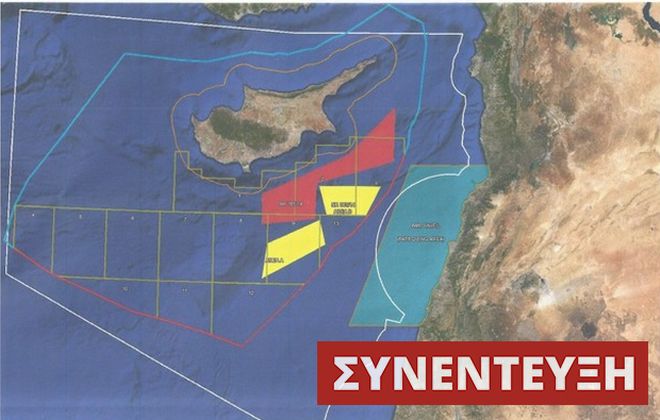
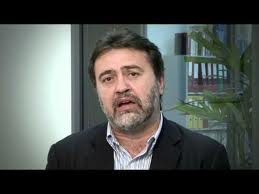
Γιατί προκαλεί η Τουρκία και τι πρέπει να κάνει η Ελλάδα; Ο Κωνσταντίνος Φίλης εξηγεί στο NEWS 247

aoz

Ο διευθυντής Ερευνών του Ινστιτούτου Διεθνών Σχέσεων αποσαφηνίζει τις επιδιώξεις της Τουρκίας. Ο απώτερος σκοπός στη σύγκρουση για την κυπριακή ΑΟΖ και η στάση της ελληνικής πλευράς.

Την ώρα που το τουρκικό σεισμογραφικό σκάφος Barbaros κάνει “βόλτες” στην περιοχή της κυπριακής ΑΟΖ και μια τουρκική κορβέτα παραβιάζει για ακόμα μια φορά τα Ελληνικά Χωρικά Ύδατα, καθίσταται ολοένα και πιο σαφές ότι η Τουρκία επιλέγει το δρόμο της όξυνσης των Ελληνοτουρκικών σχέσεων και στήνει σκηνικό έντασης στην ανατολική Μεσόγειο.

Γιατί αψηφούν οι Τούρκοι τη διεθνή νομοθεσία; Τι επιδιώκουν και σε τι προσβλέπουν;

“Η Τουρκία θέλει να εγγράψει ‘υποθήκες’ σε σχέση με τα δικά της συμφέροντα και τα συμφέροντα των Τουρκοκύπριων στην περιοχή”, εξηγεί στο News247 ο  διευθυντής Ερευνών του Ινστιτούτου Διεθνών Σχέσεων, Κωνσταντίνος Φίλης.

“Aυτή την περίοδο υπάρχει ένας οργασμός διεργασιών. Έχουμε συμμαχίες μεταξύ των κρατών της περιοχής και συμφωνίες γύρω από την ενέργεια, από τις οποίες απέχει η Τουρκία. Γι αυτό προσπαθεί να επανακάμψει με τον μοναδικό τρόπο που θεωρεί ότι είναι αποτελεσματικός, δηλαδή μέσω της ισχύος”, προσθέτει.

Ο κ. Φίλης εκτιμά ότι το μήνυμα που θέλει να στείλει προς πάσα κατεύθυνση η Άγκυρα, τη δεδομένη χρονική στιγμή που υπάρχει μία αστάθεια στην ευρύτερη περιοχή, είναι ότι “σε περίπτωση που τα συμφέροντά της δεν ληφθούν υπόψη, είναι διατεθειμένη να οξύνει περεταίρω την κατάσταση και να δημιουργήσει ακόμα περισσότερα προβλήματα. Η Τουρκία θέλει, μέσω της απειλής και με μια δαμόκλειο σπάθη να επικρέμαται πάνω από την περιοχή, να δηλώσει ότι δεν μπορεί καμία διαδικασία να προχωρήσει χωρίς τη συναίνεση ή τη συμμετοχή της”.

Αυτό σύμφωνα με τον κ. Φίλη έχει το αντίθετο αποτέλεσμα.

“Οι περιφερειακοί τουλάχιστον παίχτες, όταν βλέπουν αυτή την προκλητικότητα από πλευράς της Άγκυρας, περισσότερο συσπειρώνονται. Δεν καταφέρνει η Τουρκία με αυτή την τακτική να δημιουργήσει διαλυτικές τάσεις στις εν εξελίξει συνέργειες”.

Το παράδειγμα της Κυπριακής ΑΟΖ

“Η Τουρκιά αυτή τη στιγμή αμφισβητεί τα κυριαρχικά δικαιώματα της Κυπριακής Δημοκρατίας επί της ΑΟΖ.

Επικαλείται την αδειοδότηση του ψευδοκράτους για να κάνει έρευνες στην κυπριακή ΑΟΖ. Αυτό είναι ένα βαθύ οξύμωρο ως προς το πώς αντιλαμβάνεται τη διεθνή νομοθεσία και τη νομιμότητα.

Από τη μια λέει ότι δεν αναγνωρίζει την Κυπριακή Δημοκρατία στο σύνολό της αλλά αναγνωρίζει μόνο το τουρκοκυπριακό κομμάτι, όταν όλες οι χώρες του κόσμου αναγνωρίζουν την Κύπρο ως οντότητα κρατική. Από την άλλη επικαλείται αδειοδότηση από ένα μόρφωμα, το οποίο δεν έχει καμιά κρατική υπόσταση, άρα δεν μπορεί να δίνει αδειοδοτήσεις.

Η Τουρκία, με βάση τη διεθνή νομοθεσία, δεν έχει κανένα απολύτως δικαίωμα επί της κυπριακής ΑΟΖ, διότι η τουρκοκυπριακή πλευρά είναι ένα ψευδοκράτος.

Μόνο οι έχοντες κρατική υπόσταση μπορούν να δίνουν άδειες για το τι συμβαίνει στην ΑΟΖ. Το ψευδοκράτος δεν έχει καμία κρατική υπόσταση και δεν αναγνωρίζεται από κανέναν στον κόσμο, πλην της Τουρκίας.

Άρα εδώ έχουμε ένα οξύμωρο, που έχει να κάνει με την πλήρη περιφρόνηση του δικαίου και της νομιμότητας από την πλευρά της Τουρκίας.

Εκ των πραγμάτων,  η Άγκυρα προσπαθεί να δημιουργήσει ένα δεδομένο. Ποιο είναι αυτό; Να αγοράσει μια πλατφόρμα και να επιχειρήσει να κάνει γεωτρήσεις για να εξορύξει μελλοντικά φυσικό αέριο και πετρέλαιο. Αν υποθέσουμε ότι θα το καταφέρει, με μεγάλο κόστος και δικά της χρήματα, διότι καμία εταιρία στο κόσμο δεν θα εμπλακεί σε ένα εγχείρημα που στερείται νομιμότητας, τότε αυτό θα αποτελεί ταφόπλακα για την οποιαδήποτε λύση του Κυπριακού.

Βάζοντας ταφόπλακα στη λύση του Κυπριακού καταφέρνει τη διχοτόμηση.

Κατόπιν, η Τουρκία θα μπορεί να αξιοποιήσει τα όποια κοιτάσματα βρίσκονται στην τουρκοκυπριακή πλευρά, ενώ από την άλλη η ελληνοκυπριακή πλευρά θα μπορεί να αξιοποιήσει τα δικά της κοιτάσματα, τα οποία είναι εκεί και είναι και ώριμα.

Αυτό δεν συνιστά ορθολογική δράση από πλευράς των Τούρκων. Δεν θεωρώ ότι βασική τους επιδίωξη είναι να βάλουν μια πλατφόρμα και να κάνουν εξορύξεις. Η λελογισμένη επιδίωξη της Τουρκίας είναι να εκβιάσει καταστάσεις για να φέρει στο τραπέζι με τους δικούς της όρους την ελληνοκυπριακή πλευρά, τον αμερικανικό παράγοντα και τον διεθνή παράγοντα εν γένει.

Θέλουν να εκβιάσουν καταστάσεις και να δημιουργήσουν μια αίσθηση ότι είναι ικανοί για τα πάντα.

Θέλουν να κλιμακώσουν την κατάσταση, να την οξύνουν και να δημιουργήσουν συνθήκες αποσταθεροποίησης, που θα αποτρέπουν τις επενδύσεις στην περιοχή, ούτως ώστε ο διεθνής παράγοντας να σκεφτεί “υπάρχει αποσταθεροποίηση στη Μεσόγειο, πρέπει να σβήσω τη φωτιά”.

Έτσι πιστεύει η Τουρκία ότι θα φέρει στο τραπέζι των διαπραγματεύσεων την Κύπρο και τον διεθνή παράγοντα με τους δικούς της όρους.

Αυτή είναι για μένα η λελογισμένη επιδίωξη της Τουρκίας”.

Ποιος είναι ο ενδεδειγμένος τρόπος για την ελληνική πλευρά να αντιμετωπίσει τις προκλήσεις;

“Ο καλύτερος τρόπος είναι να αφήνουμε την Τουρκιά να εκτίθεται, σε βαθμό που ενδεχομένως στο μέλλον θα είναι ανεπανόρθωτος, ως ένας αντιπαραγωγικός δρων στην περιοχή, σε μια περίοδο που η περιφέρεια έχει ανάγκη σταθεροποίησης και ειρήνης.

Την ίδια ώρα, η Ελλάδα προχωρά σε όλες εκείνες τις διαδικασίες που βοηθούν στην οικονομική ανάκαμψη της περιοχής, με την προσέλκυση επενδύσεων και συνεργασίες τόσο με την Αίγυπτο όσο και με το Ισραήλ.

Από τη μία πλευρά λοιπόν έχουμε έναν παίκτη που είναι αντιπαραγωγικός και δυνάμει επικίνδυνος, με την έννοια ότι δυναμιτίζει το κλίμα με συνέπειες που θα είναι ανυπολόγιστες αν προκύψει κάποιο θερμό επεισόδιο. Από την άλλη έχουμε την Ελλάδα, μια χώρα αξιόπιστη που κινείται με υπευθυνότητα και αντίληψη συνεργατική, μια αντίληψη βελτίωσης των συνθηκών έντασης που επικρατούν και όχι περεταίρω όξυνσης. Η Ελλάδα από αυτή την αντιπαραβολή με την Τουρκία έχει μόνο να ωφεληθεί¨.

Να δείξουμε αποφασιστικότητα

“Από την άλλη όμως είναι σημαντικό να δείξουμε και μια αποφασιστικότητα προς την τουρκική πλευρά, όχι τέτοια φύσεως βέβαια που θα μας φέρει κοντά σε θερμό επεισόδιο.

Συνήθως την ένταση την επιδιώκει και την επιθυμεί αυτός που βρίσκεται στο περιθώριο. Δεν έχουμε κανένα λόγο εμείς, ως υπεύθυνη δύναμη σε μια ευρύτερη περιφέρεια που αυτή τη στιγμή φλέγεται, να παίξουμε το παιχνίδι της Τουρκίας.

Βεβαίως, όπου απαιτείται στέλνουμε το μήνυμα στην Τουρκία ότι δεν πρόκειται να δεχθούμε τη δημιουργία τετελεσμένων, όπως αυτό που επιχειρεί να δημιουργήσει στην Κύπρο και πιθανότατα αύριο να επιχειρήσει και σε ελληνικά χωρικά ύδατα.

Είναι πιθανό η Τουρκία, ανάλογα με το πως θα εξελιχθεί η κατάσταση στην κυπριακή ΑΟΖ, να θελήσει να εγγράψει ‘υποθήκες’ στα ελληνικά χωρικά ύδατα και στην ελληνική υφαλοκρηπίδα. Είναι πιθανό δηλαδή να δούμε κάποιες ενέργειές οι οποίες θα επεκταθούν στο Καστελόριζο.

Το Καστελόριζο είναι το μεγάλο αγκάθι στα πλευρά της Τουρκίας σε ό,τι αφορά την Αποκλειστική Οικονομική Ζώνη και την πρόσβασή της στη Μεσόγειο γενικότερα.

Βεβαίως, σε μια τέτοια περίπτωση, η Ελλάδα θα πρέπει να αντιδράσει με έναν ακόμα πιο δυναμικό τρόπο, πάντα μέσα στα διπλωματικά πλαίσια, κι αν μπορεί να τρίξει τα δόντια της, να το κάνει. Σε κάθε περίπτωση, όμως, όχι παίζοντας το παιχνίδι της Τουρκίας, όχι ρίχνοντας νερό στο μύλο της Τουρκίας, η οποία επειδή βρίσκεται στο περιθώριο δεν έχει κάτι να χάσει από μια κρίση. Αντιθέτως, εμείς έχουμε να χάσουμε.

Όπως, άλλωστε, μας έχει διδάξει η πρόσφατη ιστορία, σε περίπτωση θερμού επεισοδίου, ο διεθνής παράγοντας παρεμβαίνει μεν για να αποκλιμακώσει την κατάσταση, αλλά παρεμβαίνει με μια ‘πολιτική ίσων αποστάσεων’ και εξισώνει το θύτη με το θύμα”.

Πηγή:news247.gr

Αustralia: Explaining Rare ‘Hole Punch’ Cloud With Rainbow in the Middle

Photo of a fallstreak hole cloud with a rainbow in it.

A hole punch cloud forms over southeastern Australia on Monday.


Residents of Wonthaggi, Australia snapped pictures of a rare, rainbow-filled “hole punch” cloud on Monday. By the next day, the photos had gone viral with speculation about the unusual phenomenon overhead.

Clouds are made of water droplets, and hole punch clouds—also known as fallstreak hole clouds—occur when part of that cloud falls out, leaving behind a hole. That opening in the cloud is the result of an extremely localized snowfall.

Usually, atmospheric water droplets latch on to particles in order to form ice crystals, or snow. This happens on a massive scale during snowstorms. The only way water droplets can spontaneously form ice crystals without those particles is if temperatures fall to roughly -40°F (-40°C).

View image on Twitter

In a hole punch cloud, temperatures fall in only a small portion of the cloud, forming a localized snowstorm. When that snow falls, it leaves behind a hole. Refraction of sunlight by the ice crystals results in the rainbow, while the arrangement of those crystals gives us a bright patch of light in the middle called a sun dog. (See pictures of sun dogs and halos.)

The expansion of air as an airplane passes can also produce hole punch clouds by cooling water droplets enough for them to form ice crystals.

source: nationalgeographic.com

Διέλυσε την Γιουβέντους ο Ολυμπιακός στους νέους

Διέλυσε την Γιουβέντους ο Ολυμπιακός στους νέους

Εντυπωσιακή νίκη για την ομάδα Νέων του Ολυμπιακού επί της αντίστοιχης της Γιουβέντους με 3-0 στο Τορίνο, λίγες ώρες πριν από την αναμέτρηση των δύο συλλόγων για το Τσάμπιονς Λιγκ.

Στο πλαίσιο της 4ης αγωνιστικής στον όμιλο, οι Νέοι του Ολυμπιακού επικράτησαν των Ιταλών με τα τρία γκολ στο δεύτερο ημίχρονο και πλήρη αξιοποιήση της αριθμητικής υπεροχής, καθώς η Γιουβέντους είχε δύο αποβολές λόγω αντιαθλητικών μαρκαρισμάτων.

Στο 38 αποβλήθηκε ο Βάργκας με απευθείας κόκκινη και στο 54 ο Βιτάλε με δεύτερη κίτρινη.

Ο Ολυμπιακός προηγήθηκε στο 50 με αυτογκόλ του Ρούσου μετά από προσπάθεια του Σάλιακα. Στο 73 η Γιούβε είχε δοκάρι με τον Μπλάνκο, αλλά στη συνέχεια ο Ολυμπιακός «καθάρισε» το ματς με τέρματα του Γαρεφαλάκη στο 76 και του Λάτσι στο 83.

Με αυτή τη νίκη ο Ολυμπιακός έφτασε στους 7 βαθμούς και άφησε την Γιουβέντους στους 4, παίρνοντας μεγάλο προβάδισμα για την πρόκριση στην επόμενη φάση του Youth League.

Γιουβέντους: Οντέρο, Ντε Μπιάσι (23′ Κόκολο), Βάργκα, Παρόντι, Ρούσος, Πελίνι, Μάτσεκ, Βιτάλε, Μαρζούκ, Κλεμέντσα (40′ Μπλάνκο), Δώνης (18′ Μπουενακάσα).

Ολυμπιακός: Ηλιάδης, Σάλιακας, Τσιμίκας, Βατουσιάδης, Τόλι, Λάτσι, Καραχάλιος, Μεγαρίτης, Ανδρούτσος (59′ Μανθάτης), Γαρεφαλάκης (79′ Νικολάου), Ιγνατίδης (66′ Βέργος).

Πηγή:madata.gr

Greek Australians: Greek Australian women from the 1820s Part 2

In her own image

Creousa Argery (nee Levonis) in the kitchen at the Boonara Cafe, Goomeri, Qld, late 1930s. Women often undertook the hidden work of a family-run Greek cafe, particularly during the initial development of the business. Photo courtesy Kritharis family.

Many Greek men settling in Australia continued to marry women of British background – as was overwhelmingly the case during the gold rushes – but those more concerned with maintaining Greek values and tradition opted to either return to Greece, marry, and then re-migrate with their bride, or arrange marriage by proxy and subsequently organise for her passage out.

Sophocles Servetopoulos returned to Sydney from Greece in 1890 with his new bride, Eleni, and in 1909, Dr Konstantinos Kyriazopoulos (Krizos) re- migrated to Melbourne with his new wife, Antigone (nee Dimissa).

Some Greek women at this time are also known to have married men of British Australian background. Annie Higinis (Higenis) married William Bennett at Port Pirie, South Australia in 1918, and Evangelia Dioktitis married Robert Sidney Parker in 1924 in Darwin.

The start of this period also witnessed Australia’s first graduate of Greek background: a woman – Orea Emma Hellas Moustaka. Orea Emma, one of the five daughters of Tambaroora/Hill End Greek gold miner Dimitrios (Peter) Moustakas, was awarded a Bachelor of Arts degree from Sydney University in 1897.

The early twentieth century saw the growing but still limited number of Greek women in Australia’s major urban centres banding together and forming Hellenic social groups and organisations. Antigone Kyriazopoulos (nee Dimissa), for example, utilising her good education and middle class background, assisted in establishing the Melbourne Greek Women’s Society in 1916.

In the following year, as president of the society, she instigated the staging of her husband’s play – translated as The Inconsiderate Guest or The Uninvited Visitor – in aid of the Greek War Orphans’ Relief Fund (World War I). Dr Konstantinos Kyriazopoulos’ play is considered to be the earliest written by a Greek settler in Australia and its staging by Antigone was the inaugural public performance. Formal Greek women’s societies were also constituted in Perth (1926), Sydney (1929), Brisbane (1931) and Adelaide (1937).

The creation of such social and cultural networks by Greek Australian women also assisted in regard to family responsibilities. In an alien host society, without their mothers to help domestically, particularly with childcare, they had to rely heavily upon each other.

For the early generations of Greek Australian women, picnics and other social and cultural gatherings were a much welcomed respite from the general isolation they experienced: their numbers were few, their family and work responsibilities great, their relationships with non-Greek women limited, and their interaction with non-Greek men for reasons other than business or neighbourly hellos, excluded.

For some of those in regional areas, the geographical and socio-cultural isolation, burdened with persistent toil and family responsibilities, at times inflicted deep despondency. Such a heavy sadness, driven by circumstance, has remained with Maria Sourrys, who settled with her husband, George, in Hughenden in north-eastern Queensland in 1939:

“I was the first Greek woman here for the first couple of years … had nothing … worked hard … I’ve never returned to Greece … eight (Greek) families here once … now they’ve all gone.” Maria had seven children and she and her husband operated Sourrys’ Café.

Many Greek women during the first-half of the twentieth century worked in family-run Greek cafés. The preparation of café meals, washing up and cleaning for many long, hard and monotonous hours was followed by the running of the household and caring for their children’s comfort, well-being, and the instilling of Greek spiritual and cultural values.

Their young daughters were also expected to help out in the family business, whilst ensuring their homework was completed and that time was spent gathering and making items for their prika (dowry).

This pattern of assisting with income-generating activities combined with family duties featured in the lives of most other Greek Australian women – be they on the Queensland sugarcane and cotton fields, or on the mining fields of Western Australia and New South Wales, or on the stone and dried fruit plantations in South Australia and Victoria, or in the fishing ports scattered around the continent.

Beyond the stereotype

Some Greek Australian women though, were able to look beyond routine.

Mary Dakas (nee Paspalis) became a pearl lugger operator on Australia’s north-western coast – most probably the only Greek female to have done so. A Dakas Street exists in Broome (Western Australia) today as a tribute to this unique Greek Australian pioneer pearler. She has been described as “a fascinating lady” of “very strong character” because “to take over the running of the luggers as she did … was against all the conventions” of a staunchly male dominated Australian pearl shell industry and a “very class conscious” Broome of the ’40s and ’50s.

The Likiard (Likiardopolous) sisters became champion swimmers and divers during the late 1930s and 1940s. Stavroula Catherine Likiard held the Victorian and Australian Springboard and Tower Diving Championships for a number of years, and at the time was “the only women diver in Australia able to handle the one and a half somersault dive from the three-metre board”.

Thea Karofilis entered a regional charity competition in New South Wales and became the first Miss Wagga (Wagga Wagga) in 1948. Anna Gregory (Grigoriadis), who had arrived in Australia as a four-year-old in 1929, graduated from Sydney University with a medical degree in 1947 and established herself in general practice before becoming a psychiatrist. She is considered to be the first Greek woman to practise medicine in Australia. Fifi (Efthymia) Krizos (daughter of Dr Konstantinos and Antigone Kyriazopoulos) graduated with a Bachelor of Science degree from Melbourne University in 1938. Having majored in haematology, she entered employment as a biologist at Melbourne’s Prince Henry’s Hospital.

During World War II, Greek women in Australia became involved with the Allied war effort. Twenty-six Greek women served in the women’s services of the Australian armed forces. Polyxeni Lucas, Helen Metaxas and Rita Svokos served with the Women’s Royal Australian Navy Service (WRANS). Anne Kaliopi Karofilis (Thea Karofilis’ sister) engaged in ‘home guard’ defence measures by undertaking semaphore training. Others took on nursing – such as Fifi Krizos, who became a medical assistant in a munitions plant and later served with the Red Cross in Greece.

Perhaps given the new bond forged between Greece and Australia during the global conflict, particularly following the Battle of Crete in 1941, Greeks in Australia seem to have acquired a greater public visibility immediately after the war (which continued when Greece and Australia signed their migration agreement in 1952). Pix magazine in 1946 offered readers a cover story titled ‘Greek Baptism’ which featured not only an insight into traditional Greek Orthodox customs as practised in Australia, but also the importance of the role of women (godmother and mother) in the ceremony and the ritual tasks.
Return migration

Understandably, Greek migration to Australia during the war practically ceased. However, some Greek Australian women had returned to Greece during the preceding decades of the twentieth century. This was the start of a tradition of Greek female return migration (resulting in either permanent re-settlement or a stay for an extensive period), which has ebbed and flowed with changing economic and socio-cultural conditions in both countries, together with specific personal considerations of the returnee and their family.

Amongst the young girls who returned prior to the 1950s, negative, and even sadly moving, personal stories have emerged. Born in Hamilton in Newcastle, New South Wales, in 1914, Cassie Kostopoulos (nee Zavoyianny), returned to Ithaca with her parents in 1926. Unfortunately her parents re-migrated to Australia to acquire further finances for the family’s future in Greece, leaving Cassie in the care of a relative. Cassie never saw her father again (died 1945), and her mother did not return until 1961. She recalls:

“My parents … left me here, they were frightened that I would grow up the Australian way. They left me here in 1928 … I always had the hope that one day I would leave from here … I lost my hopes.”

Dora Megaloconomos (nee Comino) was born in Sydney in 1923. In 1936 she and her family left for Kythera. Dora remained in Greece for the next eleven years, witnessing both World War II and most of the Greek Civil War: “I wanted to come back like anything.” Panayiotitsa Yeryopoulou (nee Christianos) was born in Kempsey, NSW, in 1924. Although she returned with her family to Kythera when she was still quite young, Panayiotitsa considers that Greeks who were born in Australia should not return to Greece.

Attention should also be given to the stories of those women who were left behind in regions within Greece that had been heavily affected by male migration to Australia prior to the 1950s – Ithaca, Kythera and Kastellorizo. In some villages, the unenviable situation had developed where the women far outnumbered the men. Whilst not Greek Australians, these women should nonetheless be considered as part of the narrative of Greek female migration to Australia. Women like Ekaterina Karvouni in Ayia Saranta on Ithaca, who waited in the hope that someone amongst those men who had migrated from her village would remember her and propose marriage: “I wanted to go to Australia but no one offered to take me.”

Much of the early migration of Greek men to Australia was motivated by the responsibility to acquire suitable dowries for daughters and sisters. Some of these men, such as Kosmas Megaloconomos, still felt the weight of this duty later in life and returned to Greece, in part, to care for unmarried female family members.

Bride ships

In 1956, a program commenced to redress the imbalance between the numbers of Greek male and female. Single Greek women were trained in Athens for domestic work in Australia, as well as being taught English. They were contracted for two years to the Australian Government, which would find them suitable employment. Interestingly, the Australian Government’s scheme also provided a means for single Greek women to extricate themselves from the burden of the traditional dowry system.

Between 1957 and 1963, more Greek females than males arrived in Australia – most though as privately sponsored migrants, rather than ‘assisted’. With migrant ships carrying large numbers of single Greek women to Australia, many as prospective brides for Greek men, the vessels became known as ‘bride ships’.

Occupations entered by post-World War II Greek female arrivals included: factory work; machinists; food catering; cleaners; teachers in Greek afternoon schools; and for those with a good formal education and a firm grasp of English, employment as translators and public servants.

The era also evidenced the first nun to be ordained in the Greek Orthodox Church in Australia: Sister Kaliniki (Coralia Stavropoulos, nee Christides), who took her vows in 1971. Judith Durham – whose maternal great-grandfather, Antoni Dimitri Pannucca, was Cretan – acquired huge international success in the 1960s as the female vocalist with the popular Australian music group, ‘The Seekers’. While still in her teens, singer, Laurel Lee (Lorraine May Lianos) became a regular on Johnny O’Keefe’s late 1950s television show, ‘Six O’Clock Rock’. Elly Lukas, who had arrived in Australia in 1947, became an international model of considerable renown just seven years later when she modeled the Christian Dior gown of the year in Paris.

Disembarking in Australia in 1951, Vasso Kalamaras (nee Papayiannakis) persisted with her desire to be a writer and went on to win an array of literary grants and prizes – in 1990 she won the Western Australia Premier’s Award for Fiction for her book, The Same Light.

Similar to male post-war migration, Greek women were originating from all areas of their homeland, and assisted in numerically swamping, over time, the prominent traditional chains of migration from Kythera, Ithaca and Kastellorizo. Moreover, unlike earlier Greek female arrivals, many post-war Greek women were conscious that they were not simply migrating to Australia, but to a country with well-established Greek communities. This assisted to lessen the social and cultural dislocation experienced through the process of migration and settlement, particularly for those who settled in centres that possessed a significant Greek Australian presence. Greek women could have their hair done at Greek hairdressers, buy goods at Greek-run shops, attend Greek Orthodox church services, and catch up on news through Greek language newspapers or through Greek women’s groups, and even acquire both food and entertainment items from Greek import shops.

By 1981 the ratio of Greek males to females had almost become even: 106 Greek men to every 100 Greek women.

The female offspring of post-World War II Greek settlers have generally benefited, along with the boys, from their parents’ migration. According to a 1995 report by the Centre for Population and Urban Research at Monash University, Melbourne, the children of post-war Greek migrants were high achievers in education and work, and gained better qualifications than their peers whose parents were born in Australia, Britain, Ireland or Western Europe.

*This article is an edited excerpt from the ‘In Their Own Image: Greek-Australians’ National Project Archives, by Leonard Janiszewski and Effie Alexakis. All the photos are part of the project.

source: Neos Kosmos

Twelve year old Sofia Sakali wins gold

Sofia still golden

Sofia Sakali with her medal. Photo: Kostas Deves.

Sofia Sakali has taken out gold in the 2014 School Sport Australia National Championships under 12 football team.

Twelve-year-old Sofia Sakali has continued her winning ways, taking out gold in the 2014 School Sport Australia National Championships under 12 football team.

The Box Hill United player travelled to Bendigo to take part in the five-day competition on October 20, and helped the Victorian girls football team win the category for the first time.

She was also the highest goal scorer of the entire tournament, even scoring a hat-trick in the match against the Northern Territory.

source: Neos Kosmos

Former Qantas employee alleges discrimination

Former Qantas employee alleges discrimination

Ms Sarikoudis says employees ridiculed her for wearing religious jewellery.

Georgina Sarikoudis alleges the airline forced her to remove her cross and prayer-knot bracelet because it wasn’t part of the dress code.

A Greek Orthodox former Qantas employee claims the airline discriminated against her based on religion.

Georgina Sarikoudis alleges the company demanded she remove religious paraphernalia, including her crucifix and prayer-knot bracelet.

Sarikoudis said company officials had ridiculed her and subjected her to threats if she didn’t remove the items.

“The Qantas uniform policy allows for head scarfs by Muslim females but no allowance for the wearing of crucifixes, religious bracelets or other religious … artefacts.

Qantas staff have a religious belief other than Muslim,” she said.

The company dress code, changed last year, prohibits visible necklaces and bracelets, unless required for medical purposes.

She said she had worn the crucifix in her 19 years at the airline, and was not the only employee told to remove the items.

“For Christians, this is our uniform. Everyone should be allowed to manifest their religion as they see fit,” she said.

In a claim before the Victorian Civil and Administrative Tribunal (VCAT), Sarikoudis is pushing the airline to change its policy to allow for “religious items of significance” and has demanded an apology.

But a Qantas spokesperson said the airline’s new uniform policy did not ban the wear of religious insignia.

“Our uniform standards don’t prohibit employees from wearing religious jewellery,” the spokesperson said.

“Many of our employees wear such jewellery every day, it’s simply worn under their uniform.

“We give our employees plenty of options so they can continue to wear religious jewellery that is in accordance with the requirement of their faith.

“As with most airlines, employees are required to follow uniform rules and guidelines.

“There has been no change to our uniform standards in relation to religious jewellery since the introduction of the new uniform, but we have reminded employees of what the uniform standards are.”

Sarikoudis accepted a redundancy offer earlier this year.

Source: Herald Sun

Gavrielatos: survey reveals education in Australia in decline

gavrielatos

Teacher shortages and overcrowded classrooms the biggest concerns for Australian education.

A looming shortage of teachers, large class sizes and a lack of teacher training are some chief concerns revealed by the staff in Australia’s Schools survey.

Australian Education Union president Angelo Gavrielatos said the study showed Australia’s quality of education had been adversely affected by oversized classes.

“This is the first time the SIAS survey has asked about class sizes, and we have discovered that class sizes in Australian primary schools are at an average of 24.5 students,” Mr Gavrielatos said.

“But what is more concerning is that we have a situation where 40 per cent of primary school classes have 26 or more students,” he said. “This is far too high and makes it hard to provide students with the individual attention that they need and parents expect.”

The survey covered about 20,000 teachers and school leaders from state, Catholic and independent schools across the country.

source: Neos Kosmos

Γκολ ο «Sokratis», χαλαρά η Ρεάλ, η Άντερλεχτ σόκαρε την Άρσεναλ

Γκολ ο «Sokratis», χαλαρά η Ρεάλ, η Άντερλεχτ σόκαρε την Άρσεναλ  (Φωτογραφία:  AP )

Η Ατλέτικο Μαδρίτης νίκησε τη Μάλμε και στη Σουηδία, έφτασε τους 9 βαθμούς και βρίσκεται μόνη στην πρώτη θέση του 1ου ομίλου του Champions League, τον οποίο συμπληρώνουν ο Ολυμπιακός και η Γιουβέντους. Αν και δυσκολεύτηκε, ιδιαίτερα στο πρώτο ημίχρονο, η πρωταθλήτρια Ισπανίας έφτασε στην τελική επικράτηση με σκόρερ τους Κόκε (30΄), Ραούλ Γκαρσία (78΄).

Στον δεύτερο όμιλο, η Ρεάλ Μαδρίτης κέρδισε τη Λίβερπουλ και στο «Σαντιάγκο Μπερναμπέου», αυτή τη φορά με 1-0 χάρη σε γκολ του Μπενζεμά. Οι «κόκκινοι» αγωνίστηκαν με πάρα πολλές αλλαγές, ενώ από τη Ρεάλ δεν έπαιξε ο Μπέιλ. Στον άλλο αγώνα του ομίλου η Βασιλεία έκανε «περίπατο» απέναντι στην Λουντογκόρετς με 4-0 και βρίσκεται μόνη στη δεύτερη θέση, τρεις βαθμούς παραπάνω από τη Λίβερπουλ.

Όσον αφορά τον τρίτο όμιλο η Λεβερκούζεν νίκησε 2-1 τη Ζενίτ Αγίας Πετρούπολης στο «Πετρόφκσκι» και βρίσκεται «αγκαλιά» με την πρόκριση στους «16» του Champions League. Μεγάλος πρωταγωνιστής ο Νοτιοκορεάτης, Σον Χέουνγκ-Μιν που πέτυχε και τα δύο τέρματα, στο 68΄ και το 73΄, ενώ μείωσε ο Ροντόν στο 89΄. Ενώ η Μπενφίκα κέρδισε με 1-0 την Μονακό χάη στο γκολ του Ταλίσκα.

Τέλος στον τέταρτο όμιλο η Άντερλεχτ σόκαρε το «Έμιρεϊτς», αφού αν και βρέθηκε να χάνει με 3-0, έφερε το ματς στα ίσα και έφυγε από το Λονδίνο με τον βαθμό της ισοπαλίας. Από την άλλη η Ντόρτμουντ με τον Σωκράτη Παπασταθόπουλο να σκοράρει πέτυχε την τέταρτη νίκη της σε ισάριθμα παιχνίδια δείχνοντας ότι, σε αντίθεση με το πρωτάθλημα, στην Ευρώπη είναι ανίκητη.

Σε αναμετρήσεις για τη 3η αγωνιστική του Τσάμπιονς Λιγκ, σημειώθηκαν τα αποτελέσματα:

1ος όμιλος

Μάλμε – Ατλέτικο Μαδρίτης 0-2

ΜΑΛΜΕ (Αγκε Χαρέιντε): Όλσεν, Τίνερχολμ, Χελάντερ, Ρικαρντίνιο, Γιόχανσον (64΄ Κρόον), Χαλστι, Έρικσον, Αντου, Φόρσμπεργκ (87΄ Τερν), Ρόζενμπεργκ, Τελίν.

ΑΤΛΕΤΙΚΟ ΜΑΔΡΙΤΗΣ (Ντιέγκο Σιμεόνε): Μογια, Γκοντίν, Σικέιρα, Χουάνφραν, Μιράντα, Μάριο Σουάρεθ, Κόκε, Ραούλ Γκαρθία, Αρντά Τουράν (76΄ Ροντρίγκες), Γκάμπι, Μάντζουκιτς (70΄ Γκριζμάν)

ΒΑΘΜΟΛΟΓΙΑ Αγ. Ν Ι Η Τερμ. Β.
Ατλ. Μαδρίτης 4 3 0 1 10-3 9
ΟΛΥΜΠΙΑΚΟΣ 4 2 0 2 6-7 6
Γιουβέντους 4 2 0 2 5-4 6
Μάλμε 4 1 0 3 2-7 3

2ος Όμιλος

Ρεάλ Μαδρίτης – Λίβερπουλ 1-0

Σκόρερ: 27΄ Μπενζεμά

ΡΕΑΛ ΜΑΔΡΙΤΗΣ (Κάρλο Αντσελότι): Κασίγιας, Βαράν, Ράμος, Μαρσέλο, Αρμπελόα, Κρόος, Μόντριτς, Ροντρίγκες (62΄ Μπέιλ), Ισκο, Ρονάλντο, Μπενζεμά

ΛΙΒΕΡΠΟΥΛ (Μπρένταν Ρότζερς): Μινιολέ, Τουρέ, Μορένο, Μανκίγιο, Σκρτελ, Λαλάνα, Λούκας (69΄ Τζέραρντ), Τσαν (75΄ Κουτίνιο), Μάρκοβιτς (69΄ Στέρλινγκ), Αλεν, Μπορίνι

Βασιλεία – Λουντογκόρετς 4-0

Σκόρερ: 34΄ Εμπολό, 41΄ Γκονζάλες, 59΄ Γκάσι, 65΄ Σούτσι

ΒΑΣΙΛΕΙΑ (Πάουλο Σόουζα): Βάτσλικ, Σαρ, Σούτσι, Σαφάρι, Τζούφι, Φράι (81΄ Ντίαζ), Ελνενί, Τσάκα, Γκασι (74΄ Ντελγκάδο), Γκονζάλες (69΄ Καλα), Εμπολό

ΛΟΥΝΤΟΓΚΟΡΕΤΣ (Γκιόργκι Ντερμεντζίεφ): Στογιάνοφ, Ανγκούλο, Μότσι (21΄ Α.Αλεξάντροφ), Τερζίεφ, Καϊσαρά, Μ. Αλεξάντροφ, Εσπίνιο (65΄ Άμπελ), Αμπάλο, Ντιάκοφ, Μπέζιακ (46΄ Χάμσα), Μαρσελίνιο

ΒΑΘΜΟΛΟΓΙΑ Αγ. Ν Ι Η Τερμ. Β.
Ρεάλ Μαδρίτης 4 4 0 0 11-2 12
Βασιλεία 4 2 0 2 6-6 6
Λουντόγκορετς 4 1 0 3 3-8 3
Λίβερπουλ 4 1 0 3 2-6 3

3ος Όμιλος

Ζενίτ Αγίας Πετρούπολης -Λεβερκούζεν 1-2

Σκόρερ: 68΄,73΄ Σον

ΖΕΝΙΤ ΑΓΙΑΣ ΠΕΤΡΟΥΠΟΛΗΣ (Αντρέ Βίλας-Μπόας): Λοντίγκιν, Ανιούκοφ, Κρισίτο, Λομπάρτς, Γκαράι, Σατόφ (87΄ Αρσάβιν), Χάβι Γκαρθία, Βίτσελ, Κερζακόφ (79΄ Ροντόν), Ντάνι (79΄ Ριαζάντσεφ), Χουλκ

ΛΕΒΕΡΚΟΥΖΕΝ (Ρότζερ Σμιντ): Λένο, Σπάχιτς, Γεβντά (65΄ Μπένις), Τοπράκ, Ντονάτι, Μπέντερ, Τσαλχάνογλου, Μπελαραμπί, Σον, Κίσλινγκ (90+1΄ Κρούζε), Μπραντ (53΄ Ντρμιτς)

Μπενφίκα -Μονακό 1-0

Σκόρερ: 82΄ Ταλίσκα

ΜΠΕΝΦΙΚΑ (Ζόρζε Ζεσούς): Ζούλιο Σέζαρ, Λουιζάο, Μάξι Περέιρα, Ζαρντέλ, Αντρέ Αλμέιδα, Σάμαρης (62΄ Λίμα), Γκαϊτάν (90+1΄ Τιάγκο), Σάλβιο, Πέρες, Ντερλέι (86΄ Κριστάντε), Ταλίσκα

ΜΟΝΑΚΟ (Λεονάρντο Ζαρντίμ): Σούμπασιτς, Φαμπίνιο, Κουρζάβα, Καρβάλιο, Ράτζι, Μουτίνιο, Κοντογκμπιά (86΄ Ζερμέν), Τουλαλάν, Οκάμπος (63΄ Ντιράρ), Φερέιρα-Καράσκο, Τραορέ (72΄ Μαρσιάλ)

ΒΑΘΜΟΛΟΓΙΑ Αγ. Ν Ι Η Τερμ. Β.
Λεβερκούζεν 4 3 0 1 7-3 9
Μονακό 4 1 2 1 1-1 5
Ζενίτ Αγ. Πετρ. 4 1 1 2 3-4 4
Μπενφίκα 4 1 1 2 2-5 4

4ος Όμιλος

Μπορούσια Ντόρτμουντ -Γαλατασαράι 4-1

Σκόρερ: 39΄ Ρόις, 56΄ Παπασταθόπουλος, 76΄ Ιμόμπιλε, 86΄ αυτ. Καγιά – 70΄ Χακάν Μπαλτά

ΝΤΟΡΤΜΟΥΝΤ (Γιούργκεν Κλοπ): Βαϊντεφέλερ, Παπασταθόπουλος, Σούμποτιτς, Πίστσεκ, Ντουρμ, Κελ, Μπέντερ (86΄ Ράμος), Κάγκαβα (63΄ Γκουντογκάν), Ρόις (71΄ Ιμόμπιλε), Μχιταριάν, Ομπαμεγιάνγκ

ΓΑΛΑΤΑΣΑΡΑΪ (Τσέζαρε Πραντέλι): Μουσλέρα, Σετζού, Χαγκάν Μπαλτά, Καγιά, Τσαμντάλ, Φελίπε Μέλο, Χαμίτ Άλντιντοπ (82΄ Οζτεκιν), Τζεμαϊλί, Σελτσούκ, Σνάιντερ, Μπουλούτ (85΄ Γιλμάζ)

Άρσεναλ – Άντερλεχτ 3-3

Σκόρερ: 25΄πεν. Αρτέτα, 29΄ Σάντσες, 58΄ Τσέμπερλεν – 61΄,73΄πεν. Μπόρε, 90΄ Μίτροβιτς

ΑΡΣΕΝΑΛ (Αρσέν Βενγκέρ): Στσέζνι, Γκιμπς, Μερτεζάκερ, Μονρεάλ, Τσέιμπερς, Αρτέτα (62΄ Φλαμινί), Οξλέιντ-Τσάμπερλεν (83΄ Ροζίτσκι), Ράμσεϊ, Καθόρλα, Σάντσες, Γουέλμπεκ (83΄ Ποντόλσκι).

ΑΝΤΕΡΛΕΧΤ (Μπεσνίκ Χάζι): Προτό, Ντεσάχτ, Μπεμπά (53΄ Ντεντόνκερ), Βάντεν Μπόρε, Πράετ, Κλιέσταν, Τίλεμανς, Ναχάρ, Σιριάκ (62΄ Μίτροβιτς), Ατσεαμπόνγκ, Κοντέ (53΄ Καβάγια).

ΒΑΘΜΟΛΟΓΙΑ Αγ. Ν Ι Η Τερμ. Β.
Ντόρτμουντ 4 4 0 0 13-1 12
Αρσεναλ 4 2 1 1 9-7 7
Αντερλεχτ 4 0 2 2 5-9 2
Γαλατασαράι 4 0 1 3 3-13 1

Πηγή:in.gr