Monthly Archives: May 2014

Αυστραλία: 450 εργαζόμενοι της Qantas στο δρόμο

qantas

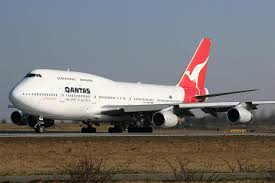
Κλείνει τα τηλεφωνικά της κέντρα σε Μελβούρνη και Brisbane εντός των επομένων δύο χρόνων.

Διακόσιοι πενήντα εργαζόμενοι της Qantas, στο τηλεφωνικό της κέντρο στη Μελβούρνη θα χάσουν τη δουλειά τους εντός του επομένου χρόνου ενώ την ίδια μοίρα θα έχουν και άλλοι 200 που εργάζονται στο τηλεφωνικό κέντρο της αεροπορικής εταιρίας στο Brisbane.

Στο πλαίσιο των περικοπών της τάξης των $2 δις που η εταιρία ανακοίνωσε πριν από λίγο καιρό, η Qantas αποφάσισε το κλείσιμο του τηλεφωνικού της κέντρου στη Μελβούρνη στα μέσα του 2015 ενώ εντός του 2016 θα κλείσει και το τηλεφωνικό της κέντρο στο Brisbane, με στόχο τη μεταφορά τους στο Hobart.

H εταιρία ανακοίνωσε ότι θα προσφέρει στους εργαζόμενούς της στα τηλεφωνικά κέντρα της Μελβούρνης και του Brisbane την ευκαιρία να απασχοληθούν στο Hobart αν αυτοί θέλουν να μετακομίσουν εκεί. Όσοι δεν θελήσουν να μεταφερθούν στο Hobart θα λάβουν σχετική αποζημίωση σύμφωνα με τα λεγόμενα κ. Lyell Strambi, διευθυντή του τμήματος Εγχώριων Εργασιών ο οποίος επίσης ανέφερε ότι η εταιρία προέβη στην συγκεκριμένη απόφαση καθώς κρίθηκε ασύμφορη η διατήρηση τριών τηλεφωνικών κέντρων στην χώρα.

Η απόφαση της Qantas να συγχωνεύσει τα τρία τηλεφωνικά της κέντρα και να επιλέξει το Hobart ως την πόλη που θα στεγάσει το μοναδικό της πλέον τηλεφωνικό κέντρο στην Αυστραλία σύμφωνα με τον κ. Strambi, πάρθηκε λόγω της νεότητας των εγκαταστάσεων του υπάρχοντος κέντρου στην πρωτεύουσα της Τασμανίας, αλλά και του μειωμένου κόστους συντήρησης του σε σχέση με αυτά των άλλων πόλεων.

Εν τω μεταξύ λίγο μετά την ανακοίνωση της Qantas ξέσπασε πόλεμος μεταξύ της πολιτειακής κυβέρνησης της Βικτώριας και της ομοσπονδιακής κυβέρνησης η οποία σύμφωνα με τον υπουργό Χωροταξίας της Βικτώριας, κ. Matthew Guy, στήριξε την απόφαση της Qantas να μετακομίσει το τηλεφωνικό της κέντρο στο Hobart.
«Για άλλη μία φορά, η ομοσπονδιακή κυβέρνηση βάζει την πολιτείες σε αντιδικία μεταξύ τους» είπε ο κ. Guy προσθέτοντας ότι η κυβέρνηση Άμποτ βοήθησε την Τασμανία για να κερδίσει το ένα και μοναδικό τηλεφωνικό κέντρο της Qantas, αλλά δεν στήριξε τη σχετική πρόταση της Βικτώριας.

Πηγή: Νέος Κόσμος

Κρουαζιέρα τουρκικών πολεμικών πλοίων στις Κυκλάδες

Turkish war ships

Υπό την παρακολούθηση της Αθήνας.

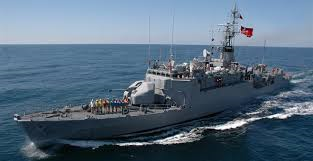
Για δεύτερη φορά σε διάστημα μιας εβδομάδας, μια φρεγάτα και τέσσερις πυραυλάκατοι του τουρκικού πολεμικού ναυτικού, οι οποίες συμμετέχουν στην άσκηση «Beyaz Firtina 2014» στο κεντρικό Αιγαίο, κινήθηκαν εκτός των δεσμευμένων περιοχών και εισήλθαν εντός ελληνικών χωρικών υδάτων στην περιοχή των Κυκλάδων.

Από τις πρώτες πρωινές ώρες τη Δευτέρα μέχρι τις 4 το απόγευμα, η φρεγάτα Kemal Reis και οι πυραυλάκατοι Meltem, Imbat, Ruzgar και Firtina κινήθηκαν βόρεια της Νάξου και νότια της Πάρου και απομακρύνθηκαν ανατολικά της Σαντορίνης.

Σύμφωνα με το υπουργείο Εθνικής Άμυνας, οι κινήσεις των τουρκικών πλοίων παρακολουθούνταν από ελληνικά πολεμικά πλοία και αεροσκάφη της Πολεμικής Αεροπορίας.
Για τη διεξαγωγή της άσκησης η Τουρκία έχει δεσμεύσει δύο περιοχές στο κεντρικό Αιγαίο ανατολικά των Κυκλάδων.

Πηγή: Νέος Κόσμος

Αυστραλία: Άτακτη υποχώρηση από τις αλλαγές του νόμου κατά του ρατσισμού

BRANDIS

Ο υπουργός Δικαιοσύνης George Brandis, αναθεωρεί τις αλλαγές του νόμου κατά του ρατσισμού.

Ο υπουργός Δικαιοσύνης, γερουσιαστής George Brandis, αναθεωρεί τις αλλαγές του Νόμου περί «Ρατσιστικών Διακρίσεων (Racial Discrimination Act), αποκαλύπτει η εφημερίδα «The Age», σε χθεσινό πρωτοσέλιδο δημοσίευμά της.

Κατά την εφημερίδα, ο κ. Brandis υποχρεώνεται να αναθεωρήσει τις προτάσεις του για αλλαγή του Άρθρου 18C του Νόμου περί «Ρατσιστικών Διακρίσεων» μετά την ασφυκτική πίεση από συναδέλφους του, την αξιωματική αντιπολίτευση και το λαό.

Υπουργοί και βουλευτές έχουν διαφωνήσει κάθετα με τις αλλαγές, ιδιαίτερα τα μέλη της κοινοβουλευτικής ομάδας του Συνασπισμού, που εκλέγονται σε οριακές έδρες. Πολλά μέλη της κυβέρνησης δηλώνουν, ότι η συνεχής, μαζική αντίδραση του λαού επιβάλλει την αναθεώρηση των προτάσεων του υπουργού Δικαιοσύνης.
Έγκυρες πηγές πληροφορούν το «Νέο Κόσμο», ότι «αριθμός βουλευτών του Λίμπεραλ Πάρτι θα καταψηφίσουν τροποποιήσεις του Νόμου περί «Ρατσιστικών Διακρίσεων», οι οποίες θα ενθαρρύνουν ρατσιστικές επιθέσεις».

Οι ίδιες πηγές εκτιμούν, ότι η υπόθεση θα μπει στο αρχείο, διότι η κυβέρνηση φοβάται τις μαζικές κινητοποιήσεις των μεταναστευτικών κοινοτήτων. «Η κυβέρνηση αντιμετωπίζει σοβαρά προβλήματα με την προώθηση του προϋπολογισμού και δεν προτίθεται να διαθέσει χρόνο και μέσα για την προώθηση ενός, εξ ίσου επίμαχου σχεδίου νόμου» σχολιάζουν οι πηγές μας.

Με πρόσχημα «την προστασία» της ελευθερίας έκφρασης των πολιτών, ο υπουργός Δικαιοσύνης, ο οποίος πιστεύει ότι «οι πολίτες έχουν δικαίωμα να είναι ρατσιστές» προωθεί αλλαγές του Νόμου περί «Ρατσιστικών Διακρίσεων», που αν ψηφιστούν από το εθνικό κοινοβούλιο θα νομιμοποιήσουν τις ρατσιστικές επιθέσεις σε πολίτες μη αγγλοσαξονικής καταγωγής.

«Αν δεν ακυρώσουμε το Άρθρο 18C με την παρούσα μορφή του θα επιδοκιμάσουμε την πολιτική λογοκρισία {… } σε μία ελεύθερη χώρα οι πολίτες πρέπει να έχουν το δικαίωνα να λένε πράγματα που συμπολίτες τους κρίνουν προσβλητικά, υβριστικά ή και τραυματικά» δήλωνε τον παρελθόντα Μάρτιο στο πρόγραμμα Q&A του ABC προκαλώντας την έντονη αποδοκιμασία του από το ακροατήριο και τους τηλεθεατές.
Η σαθρή επιχειρηματολογία του γερουσιαστή Brandis και των εξτρεμιστών υποστηρικτών του, προκάλεσαν έκρηξη οργής των δημοκρατικών πολιτών και των μεταναστευτικών κοινοτήτων της Αυστραλίας. Οι ηγεσίες των μεταναστευτικών κοινοτήτων προειδοποιούν την κυβέρνηση, ότι διακινδυνεύει μετωπική σύγκρουση με τον μεταναστευτικό πληθυσμό της Αυστραλίας που αντιτίθεται, στην ολότητά του, σε οποιαδήποτε αλλαγή η οποία θα αποδυναμώσει το νόμο και θα νομιμοποιήσει το ρατσισμό.

Οι μεταναστευτικές κοινότητες και οι οργανισμοί προστασίας των ανθρωπίνων δικαιωμάτων απορρίπτουν το «σχέδιο» των αλλαγών, που έδωσε στη δημοσιότητα ο υπουργός Δικαιοσύνης για σχολιασμό από τα ενδιαφερόμενα μέρη.
Ο υπουργός δηλώνει, ότι «έλαβε 5.300 εισηγήσεις, τις οποίες θα μελετήσει η κυβέρνηση πριν διαμορφώσει την τελική πρότασή της».
Η ομογενής βουλευτής του Εργατικού Κόμματος, Μαρία Βαμβακινού, δηλώνει, ότι η κυβέρνηση οφείλει να αποσύρει τις τροποποιήσεις του Άρθρου 18C για να προστατεύσει την ενότητα της αυστραλιανής κοινωνίας.

«Η κυβέρνηση διακινδυνεύει, αναίτια, την ενότητα της αυστραλιανής κοινωνίας με τις νομοθετικές ακροβασίες του υπουργού Δικαιοσύνης. Είμαστε μία πολυπολιτισμική κοινωνία, η οποία σέβεται τη φυλετική, τη θρησκευτική διαφορετικότητα. Η νομοθετική αλλαγή, που θα μειώσει καθ’ οιονδήποτε τρόπο το σεβασμό μας προς τη διαφορετικότητα, θα διαταράξει τις σχέσεις μας με ανυπολόγιστο κοινωνικό κόστος» προειδοποιεί η κ. Βαμβακινού.

Στην αρχή της εβδομάδας (Δευτέρα και Τρίτη) ομάδα αντιπροσώπων μεταναστευτικών κοινοτήτων -συμπεριλαμβανομένης και της ελληνικής παροικίας- συναντήθηκαν με μέλη της κοινοπολιτειακής βουλής και της γερουσίας και κατέθεσαν τις θέσεις των κοινοτήτων τους, κατά της τροποποίησης του Άρθρου 18C.
Ο Συντονιστής του Ελληνικού Συμβουλίου, Γεώργιος Βελλής, που συμμετείχε στην ομάδα δήλωσε στο «Νέο Κόσμο» ότι οι επαφές ήταν εκτεταμένες και ουσιαστικές.
«Συναντήσαμε δεκάδες μέλη της βουλής και της γερουσίας στα οποία αναπτύξαμε τις θέσεις των κοινοτήτων μας κατά της αλλαγής του Άρθρου 18C. Προειδοποιήσαμε, δε, για τις μαζικές κινητοποιήσεις που θα λάβουν χώρα, αν η κυβέρνηση θα αγνοήσει τις θέσεις μας.

Η αντίδραση κυβερνητικών και μη βουλευτών και γερουσιαστών στις θέσεις που αναπτύξαμε ήταν θετική και ενίσχυσε την πίστη μας, ότι η κυβέρνηση δεν θα διακινδυνεύσει το διχασμό της αυστραλιανής κοινωνίας με την τροποποίηση του επίμαχου άρθρου».

Ο κ. Βελλής εξέφρασε την απογοήτευσή του για την αδυναμία του υπουργού Δικαιοσύνης να συναντήσει τους αντιπροσώπους των μεταναστευτικών κοινοτήτων «λόγω φόρτου εργασίας».

Πηγή: Νέος Κόσμος

Akrotiri’s link to Atlantis

atlanis

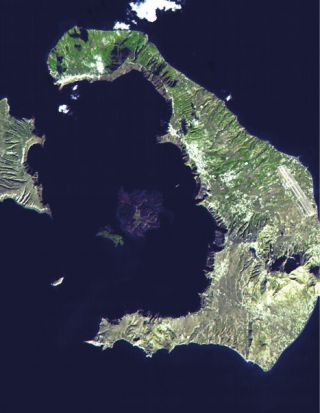
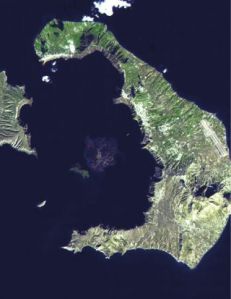
A satellite view of Santorini showing the ‘Nea Kameni’ volcano rising from the middle of the island.

Looking at the remains at Santorini’s archaeological site at Akrotiri, Dr Dora Constantinidis found parallels with Plato’s story and daily life of the ancient people on the island.

Nothing has lasted the test of time quite like the myth of Atlantis. A lost city, once so powerful and rich that it was the envy of the world. But in just one day, it was swallowed up and destroyed, never to be seen again.

It’s been the inspiration for countless movies, TV shows and books while it has baffled the archaeological world for centuries.

Did it ever exist, or was it always a myth designed to be a cautionary tale for emerging empires? If it was real, where was it located and what caused its sudden demise?

We will never have a definitive answer to these questions, but we can get very close to them.

All that we know of the lost city has come from just a couple pages from a book by ancient Greek philosopher, Plato. That’s it.

In Timaeus, written in 360 BC, Plato relays a story he heard from an Ancient Greek lawyer Solon who had travelled to Egypt.

“This power came forth out of the Atlantic Ocean, for in those days the Atlantic was navigable; and there was an island situated in front of the straits which are by you called the Pillars of Heracles,” he writes.

“The island was larger than Libya and Asia put together, and was the way to other islands. Now in this island of Atlantis there was a great and wonderful empire which had rule over the whole island and several others, and over parts of the continent.

“She was pre-eminent in courage and military skill, and was the leader of the Hellenes.

“Afterwards there occurred violent earthquakes and floods; and in a single day and night of misfortune all your warlike men in a body sank into the earth, and the island of Atlantis in like manner disappeared in the depths of the sea. For which reason the sea in those parts is impassable and impenetrable, because there is a shoal of mud in the way.”

Although many theories exist of where the fabled Atlantis once existed, none have come as close as the theory that it was situated in Greece.

Plato was Greek himself and knew the land quite well. He used metaphors in his works, and Atlantis could have been a cautionary tale to the Athenians who were becoming more and more egotistical about their empire.

The catastrophe that destroyed the Atlantians has for a long time believed to have come from the Santorini volcano eruption. The mega eruption blew away a land mass that transformed the island into the half moon shape we see today. It also caused widespread tsunamis and global climate change that affected people for at least the next couple of years.

The eruption 3500-years-ago has been categorised as one of the most destructive and powerful eruptions of all time, showing that anything in its wake would have suffered dearly.

Dr Dora Constantinidis has been studying the affects of the eruption, specifically in the ancient town of Akrotiri on the island.

The remains are some of the best preserved examples of Bronze Age Greece, and show what daily life was like for this very rich island state.
That time fits into the chronology of Atlantis if we are to consider there was a bit of exaggeration says Dr Constantinidis.

“The ancient Egyptians apparently told Solon it was 9000 years ago,” she tells Neos Kosmos.

“There has been recent debate as to whether that 9000 is accurate or it was misrepresented. It was more likely to have been 900 years which would have made it about the time of the destruction of Santorini.”

There are points in the story that seem like Plato or Solon might have over-exaggerated, including the size of the island (being the size of a continent would have been a stretch if it was destroyed in a day) and the timeline could not have followed 9000 years accurately through word of mouth.

Whether or not there was truth to the story, Dr Constantinidis can’t help but make parallels with the archaeological site of Akrotiri.

“For it to have made such an impression, and it’s captured our imagination for thousands of years, you’d like to think that [it was real],” she says.

“The more you look at the remains at Akrotiri, there are so many elements of the story that you can see in the wall paintings.”

Dr Constantinidis completed her doctorate at Athens University under the tutelage of Professor Christos Doumas, the head of Bronze Age excavations in Greece.

During that time, Dr Constantinidis studied the remains at Akrotiri up close, and found stark similarities with Plato’s description of Atlantis and the Akrotirians.

Their wealth is shown in beautiful wall paintings that have been left almost intact since the eruption.

“The ‘Saffron Gatherers’ is the most famous one,” she describes.

“Two women picking saffron in the fields, and when you see their dresses, you say “wow, if this is what they wore for working clothes, imagine what their glamour wear must have been like?”.

“Really beautiful flounce skirts, beautiful colours, beautiful well designed clothes and jewellery. Most of the women are really elaborately dressed where as most of the depictions of men on the wall paintings were quite scantily clad, they weren’t really wearing a lot except for shepherd’s cloaks and military gear in some cases.

“For the people living there, they lost everything with the eruption.”

More wall paintings have been discovered in broken pieces, but currently lay dormant in the site at Akrotiri without the funds needed to piece them back together.

As the economic crisis rears its head in all industries, many major archaeological sites have seen funds dry up.

As a way to help the site get continual funds outside of government grants, the archaeological team, led by Professor Doumas, has created souvenir pieces and booklets inspired by the wall paintings to sell at the museum and around the world, to ensure that funds never dry out.

Dr Constantinidis will be giving the lecture, ‘Unravelling the Atlantis Myth at Akrotiri’ on May 29 at 7:00 pm at the Ithacan Philanthropic Society in Melbourne, and will be asking for expressions of interest from Greek Australian businesses wanting to sell the Bronze Age inspired merchandise.

Source: Neos Kosmos

Greece eyes tax cuts as Tsipras approaches industrialists

samaras_sev

The Greek PM is looking at tax cuts to meet the countries financial burdens, whilst SYRIZA leader Alexis Tsipras approaches industrialists.

Prime Minister Antonis Samaras pledged on Wednesday to unveil a plan later this year to reduce a range of taxes if Greece is able to meet its fiscal targets.

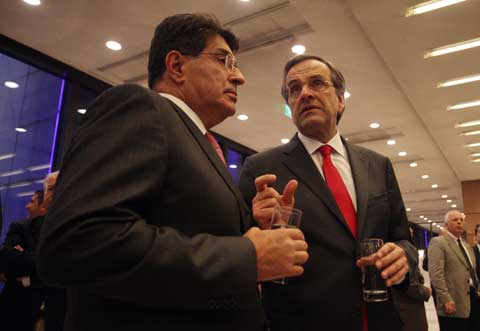
“Reducing all the burdens is my most tangible dream for the Greece of tomorrow,” Samaras told the annual meeting of the Hellenic Federation of Enterprises (SEV). He indicated he would present a program in the fall for cutting taxes that would be harmonized with the fiscal targets the coalition has agreed with the troika.

Government sources said that Samaras and his advisers are keen to lighten the load on the middle classes in the wake of the European Parliament elections on Sunday, when New Democracy saw its support drop 7 percentage points from what it received in the national vote two years earlier.

Samaras also dismissed SYRIZA leader Alexis Tsipras’s demand that the opposition party be consulted over key appointments such as the next Bank of Greece governor and the country’s representative on the European Commission. “He has developed the worst arrogance of power without having any power,” said Samaras. “If they want to offer their opinion, that’s fine. However, they cannot wag their finger at us and blackmail the country.”

Samaras’s coalition partner, PASOK leader Evangelos Venizelos, met President Karolos Papoulias on Wednesday. After the meeting he indicated that the government is abandoning the idea of changing the electoral law. It was suggested on Monday that PASOK wanted to launch discussions on scrapping or reducing the 50-seat bonus awarded to the leading party in national elections. However, sources close to the prime minister were quick to clarify that New Democracy was not keen on such an idea. “These changes would need clear understanding between the political forces and I do not think that exists at the moment,” Venizelos told journalists.

The PASOK leader, however, did propose five areas in which the coalition could find common ground with SYRIZA. He also told Papoulias that he is in favor of the creation of a government “that expresses the whole nation and not just the two parties participating in it,” he said. “We also want the opposition party to be part of the national collective responsibility.”

Also, in a speech to SEV members on Wednesday, Tsipras expressed his desire for an “honest cooperation” and a “functioning, institutional relationship” with SEV.

According to sources, SYRIZA strategists are keen to foster close ties with representatives of Greek industries as the party’s proposed economic model for exiting the crisis is based on a restructuring of production. There are certain points on which the two sides converge but many other significant points of disagreement, sources said.

Potential points of contention include SYRIZA’s opposition to measures aimed at creating more flexibility in the labor market, to the introduction of private insurance companies into the Greek market and to plans for privatization.

Source: Kathimerini

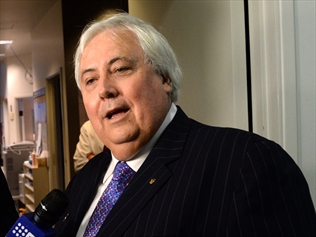
Budget on menu as Turnbull and Palmer dine

677986--no-budget-deal-at-palmer-turnbull-dinner

Clive Palmer (pic) says the budget was barely discussed when he met Malcolm Turnbull for dinner. Source: AAP

SENIOR government figures seeking to spice up their budget pitch have been ducking and weaving over a Chinese dinner in Canberra.

Cabinet minister Malcolm Turnbull and Liberal-linked executive Tom Harley had a chance encounter with Treasury secretary Martin Parkinson in a Parliament House car park on Wednesday night.

The trio elected to go to dinner at the Wild Duck restaurant in nearby Kingston.

In the meantime, Mr Turnbull sent a text message to his friend, billionaire politician Clive Palmer, to ask if he would join them.

Mr Turnbull said the budget had been discussed.

“The budget is a topic of conversation everywhere,” he told The Daily Telegraph after the dinner.

“There really is not much to say; we have had a pleasant dinner and a good chat.”

Mr Palmer, whose three senators-elect will hold the key to budget measures passing parliament, said told reporters on Thursday it wasn’t a budget negotiation.

The budget had come up when discussing the concerns of some of the MP’s pensioner constituents.

The diners also talked about their children and the fried rice.

“There was some discussion about the duck, a little bit about the chicken – that was about all,” the Palmer United Party leader said.

Mr Palmer says his focus was on his caramelised banana split with coconut ice-cream.

Treasurer Joe Hockey said he knew nothing about the meeting, but it was not unusual to bump into people in Canberra.

“Obviously, Clive might have more than one meal a night, so it’s quite possible you’ll bump into him at a restaurant,” Mr Hockey said.

Opposition Leader Bill Shorten said the incident showed the government was in disarray.

“What I do know is that Malcolm Turnbull was eating Peking duck last night, Joe Hockey is left looking like a goose this morning and we’ve got a lame duck treasurer.”

A spokeswoman for Dr Parkinson told AAP the Treasury secretary had attended a personal dinner with Mr Turnbull and colleagues.

“He was not aware Mr Palmer was going to be at the restaurant and, indeed, Mr Palmer did not arrive until after the dinner had commenced,” she said

source: theaustralian.com.au

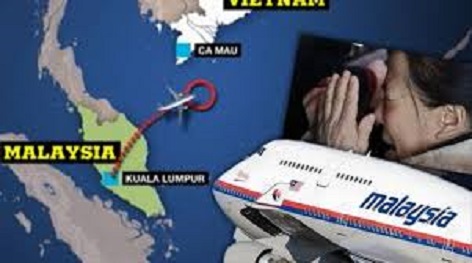
MH370 not in Indian Ocean search zone: ATSB

1401328355971_jpg-620x349

The missing Malaysia Airlines plane is not in the Indian Ocean search zone where acoustic “pings” were detected, search co-ordinators have confirmed.

MH370 went missing on March 8 about one hour into a night flight from Kuala Lumpur to Beijing.

“The Australian Transport Safety Bureau [ATSB] has advised that the search in the vicinity of the acoustic detections can now be considered complete and, in its professional judgment, the area can now be discounted as the final resting place of MH370,” the Joint Agency Co-ordination Centre said on Thursday.

The co-ordination centre announced on April 7 that a pinger locator towed from the Australian navy vessel Ocean Shield had picked up two acoustic signals, with one held for more than two hours.

At the time, it described the signals as consistent with flight data or cockpit voice recorders, the most promising lead yet and likely from a man-made source.

Two days later, two more signals were detected, holding for about five and seven minutes.

The signals prompted Australian Prime Minister Tony Abbott to say he was “very confident” they were from the black box of the plane that vanished en route to Beijing from Kuala Lumpur.

The JACC’s statement on Thursday came hours after reports that the search had gone back to square one, citing US Navy deputy director of ocean engineering Michael Dean as saying the pings came from some other man-made source unrelated to MH370.

“Our best theory at this point is that [the pings were] likely some sound produced by the ship … or within the electronics of the Towed Pinger Locator,” he said.

However, a US Navy spokesman retorted: “Mike Dean’s comments today were speculative and premature, as we continue to work with our partners to more thoroughly understand the data acquired by the towed pinger locator.

“As such, we would defer to the Australians, as the lead in the search effort, to make additional information known at the appropriate time.”

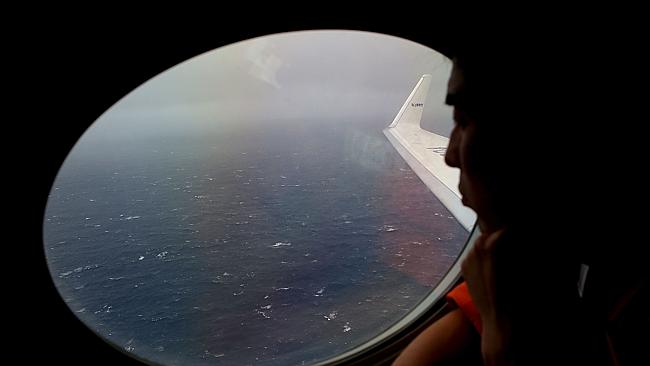
JACC has also confirmed the end of the Bluefin-21 mission, with the underwater drone detecting no signs of aircraft debris since it began scanning the sea floor off the West Australian coast on April 14.

The Bluefin-21 has scoured more than 850 square kilometres of the ocean floor looking for signs of the missing aircraft, but has been constrained by depth operating limits and technical hitches.

Having earlier narrowed down the search area based on the pings, JACC is now casting its net much wider, saying it continues to review all existing radar, satellite and aircraft performance data to define a search zone of up to 60,000 square kilometres in the southern Indian Ocean.

That zone still follows an arc defined by British company Inmarsat based on the final “handshakes” between the Boeing 777 and satellites.

Relatives of the 239 passengers and crew were recently successful in calling for Inmarsat’s data to be released publicly,  not convinced that searchers were looking in the right place.

JACC said the findings of the data review would be made public “in due course”.

And it is not only pushing ahead with sea floor mapping in the “defined” search area, it is also adding more vessels to the survey, which is expected to take about three months.

A fresh, potentially deeper underwater search will follow, beginning in August and taking up to 12 months.

A formal request for tender to undertake the search would be released soon, JACC said.

“A single prime contractor will be chosen to bring together and manage the expertise, equipment and vessels to carry out the search,” it said.

A Chinese survey ship, Zhu Kezhen, is mapping areas of the sea floor in preparation for the commercially contracted deep ocean search.

source:  smh.com.au

Τα ηχητικά σήματα δεν ανήκουν στο χαμένο Boeing MH370

aeroplanomalaisia2_918794809

Τα ηχητικά σήματα που εντοπίστηκαν στο νότιο Ινδικό Ωκεανό στις αρχές Απριλίου με υποβρύχιες συσκευές κατά πάσα πιθανότητα δεν προήλθαν από τα μαύρα κουτιά του αεροσκάφους των Μαλαισιανών Αερογραμμών που εξαφανίστηκε υπό αδιευκρίνιστες συνθήκες στις 8 Μαρτίου, δήλωσε στο CNN ο Μάικλ Ντιν στέλεχος του Πολεμικού Ναυτικού των ΗΠΑ που συμμετέχει στην έρευνα.

Σύμφωνα με τον ίδιο, έχει πλέον αποδειχθεί ότι αυτά τα σήματα εστάλησαν από άλλη πηγή, άσχετα με το αεροπλάνο που εξαφανίστηκε λίγο μετά την απογείωσή του από την Κουάλα Λουμπούρ με 239 επιβάτες και πλήρωμα. Πλέον πιθανότητα η λειτουργία των μπαταριών των μαύρων κουτιών, έχει πάψει και κανένα νέο στοιχείο δεν είναι δυνατόν να περιορίσει την ευρεία περιοχή αναζήτησης.

Το κέντρο συντονισμού που αναζητά το MH370 ανακοίνωσε στις 22 Μαΐου την επανάληψη της έρευνας στα νερά του νοτίου Ινδικού Ωκεανού, εκατοντάδες χιλιόμετρα μακριά από τη δυτική ακτή της Αυστραλίας, με τη βοήθεια ενός αμερικάνικου υποβρύχιου ρομπότ του Bluefin – 2. Όμως το αυστραλιανό πλοίο που μετέφερε το υποβρύχιο ρομπότ, αναγκάστηκε να εγκαταλείψει την αποστολή αναζήτησης στις 28 Μαΐου παρότι δεν είχε ολοκληρωθεί η έρευνα.

Η πτήση MH370 των Μαλαισιανών Αερογραμμών από την Κουάλα Λουμπούρ προς το Πεκίνο εξαφανίστηκε στις 8 Μαρτίου, λίγο μετά την απογείωσή της από την πρωτεύουσα της Μαλαισίας. Από την ανάλυση των στοιχείων των ραντάρ και των δορυφορικών δεδομένων το πιθανό σημείο της συντριβής του αεροσκάφους στο νότιο Ινδικό Ωκεανό, είναι πάνω από χίλια χιλιόμετρα μακριά από τις δυτικές ακτές της Αυστραλίας.

Πηγη www.enikos.gr Πηγή: ΑΠΕ-ΜΠΕ

Tony Abbott scotches idea of collecting HECS debt from dead students

imagesCANJSX19

Prime Minister Tony Abbott has slapped down his Education Minister and ruled out collecting outstanding HECS debts from the estates of dead students.

Mr Abbott said on Thursday morning that the government was not going to change existing rules around HECS debts from the deceased.

”This government is not going to change the existing rules, and the existing rules in respect of university debt . . . is that they cease on decease,” he told ABC radio.

His comments come after Education Minister Christopher Pyne floated the idea of collecting student debts from the dead as a way of boosting the budget bottom line.

Treasurer Joe Hockey also earlier on Thursday appeared to back the idea.

”It shouldn’t be different to any other loan,” he told the Nine Network. ”It’s only against the state of the individual. It’s not going to go across families and so on.”

Mr Pyne told Fairfax Media on Wednesday he had no “ideological opposition” to collecting debts from the estates of former students who

died owing money to the government.

“[If] an elderly person passes away with a HECS debt, they wouldn’t be able to say to the bank, we’re not paying back our mortgage, yet they are at the moment entitled to not pay back their HECS debt,” Mr Pyne said.

Mr Pyne said safeguards would be needed to ensure the families of young deceased students would not be affected.

“For example you might want to have an age limit,” Mr Pyne told The Australian Financial Review. ”This would ensure that families of people who died young owing a HECS debt would not be penalised.”

But Mr Abbott said ”the government is not going to change existing rules”.

Currently, any debts owed on the income-contingent loans are cancelled upon death. It’s rare for people to die before paying off their student loans.

Labor, the Greens and the Palmer United Party are opposed to the government’s plans to deregulate university fees and increase the interest rate on HECS debts. If these measures are blocked in the Senate it would hit the government’s bid to return to surplus –making the politically-sensitive idea of collecting money from the dead more attractive.

The Grattan Institute estimates the policy, which was not part of the budget, could save up to $800 million a year.
Labor higher education spokesman Kim Carr branded the idea a death tax.

“The government is grasping for a distraction to its policies,” he said. “This would cut to the core of HECS by introducing a death tax that may cost more to administer than it would raise in revenue.

”The idea of HECS is you only repay it when you are earning above the threshold.”

Meanwhile, new modelling from Curtin University’s National Centre for Student Equity in Higher Education says the government’s plans to deregulate university fees and charge compound interest on student loans could mean students had debts for longer.

”Fewer students will be expected to pay off their debt in full in their lifetime,” the report, released on Thursday, said.

A student who graduates with a $50,000 HECS-HELP debt would have to earn an average of $80,000 a year to pay it off before retirement.

And a student who earned an average of less than $80,000 a year throughout their working life would still have a debt when they turned 70, the modelling shows.

The National Tertiary Education Union says the government is shifting debt and costs away from government and onto students.

HELP debt would rise about $53 billion in 2016/17 to more than $200 million by the mid-2020s, it said.

source: smh.com.au

Navy official says acoustic pings are unrelated to missing MH370 jetliner

425578-71a53d9e-e6b9-11e3-addf-ef174a6b8f2d

THE four acoustic pings detected in the search for missing Malaysia Airlines Flight MH370 are not from the plane’s black boxes, according to the US Navy.

A Navy official has told CNN that the pings are now universally believed to have come from a man-made source unrelated to the missing jetliner, and not from the plane’s data or cockpit voice recorders.

Michael Dean, the Navy’s deputy director of ocean engineering has told CNN that if the pings had come from the recorders, searchers would have found them.

“Our best theory at this point is that (the pings were) likely some sound produced by the ship … or within the electronics of the Towed Pinger Locator,” Dean said.

“Always your fear any time you put electronic equipment in the water is that if any water gets in and grounds or shorts something out, that you could start producing sound.”

When asked if the other nations involved in the search effort also believed the pings were unrelated to MH370, Dean answered “yes”.

He went on to tell CNN that it is not possible to categorically rule out that the pings came from the black boxes but that there is no evidence to suggest they did.

This comes after News Corp Australia last week revealed that underwater scientists have labelled the search for MH370 a “debacle” and say Prime Minister Tony Abbott was playing politics when he prematurely announced the black box pingers had been found.

The acoustic experts, who do not wish to be identified, said the four crucial signals detected by a US pinger locator were almost certainly not from the missing Malaysian Airlines plane’s black boxes, but from another man-made source.

They insisted that the signals were in the wrong frequency and detected too far apart to be from the boxes.

“As soon as I saw the frequency and the distance between the pings I knew it couldn’t be the aircraft pinger,” one scientist told News Corp Australia.

That conclusion is supported by the lack of success from a detailed search of the area conducted by the US deep sea drone ‘Bluefin 21’.

In answer to questions from News Corp Australia the Joint Agency Coordination Centre (JACC) said that the signals were “likely” sourced from electronic equipment and were “believed to be” consistent with the Flight Data Recorder.

However the scientists said the 33.3 kilohertz frequency of the signal was very different to the 37.5 kilohertz generated by underwater acoustic beacons. The signals were also detected some 30km and four days apart.

The JACC has refused a request to release recordings of the signals for independent analysis and it did not release the exact location or precise depth of the signals.

Agency head retired defence chief Air Chief Marshal Angus Houston said the signals were still being analysed to ensure nothing was overlooked.

Meanwhile the families of passengers aboard missing flight MH370 accuse Malaysia of a cover-up over newly released satellite data, saying it is incomplete and does not prove that the plane crashed in the southern Indian Ocean.

This comes as the first stage of the search off the west coast of Australia concludes without finding any debris from the missing Boeing 777.

The Malaysian Airlines flight, with 239 passengers and crew on board, disappeared in the early hours of March 8 on a flight from Kuala Lumpur to Beijing. Since then no trace of the jetliner has been found, despite a multi-million dollar search effort.

source: news.com.au